Article Contents:
- Oak Legend: Why This Material Conquers Centuries
- Anatomy of Perfection: What Lies Within the Structure of Oak
- Climate Resilience: Oak Against the Elements
- Technological Revolution: From Ancient Methods to Modern Production
- Log Selection and Breeding: The Art of Choice
- Drying Technologies: Transforming Living Wood into Stable Material
- Mechanical Processing: Precision in Every Movement
- Boundless Application World: Where Oak Reveals Its Beauty
- Furniture Symphony: Oak in Interior Design
- Architectural Masterpieces: Oak as the Foundation of Space
- Flooring: The Foundation of Luxury
- Finishing Technologies: Transforming Beauty into Perfection
- Preparatory Operations: Foundation of Quality
- Modern Protective Systems
- Decorative Techniques: The Art of Transformation
- Ecological Advantages: Responsibility Toward the Planet
- Carbon Balance: Wood Against Global Warming
- Healthy Microclimate: Natural Benefits in the Home
- Economic Appeal: A Wise Investment
- Factors Driving Value Growth
- Practical Longevity
- Stylistic Versatility: Oak in Any Interior
- Classic Directions: Eternal Elegance
- Modern Trends: A New Interpretation of Traditions
- Innovative Technologies: The Future of Oak Products
- Digital Modeling and Production
- New materials and coatings
- Cultural Heritage: Oak in the History of Humanity
- Ancient Traditions
- Modern revival
- Global Trends: The Global Market for Oak Products
- Regional Characteristics
- Development prospects
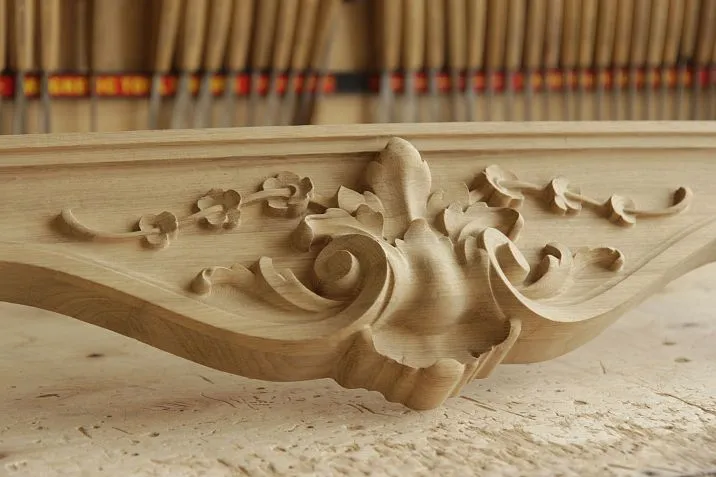
There is a special magic in touching real oak — this majestic material that has served humanity faithfully for centuries. Oak Wood Products They are not merely interior items, but living embodiments of history, traditions, and unparalleled craftsmanship. In every fiber of this noble wood lies the energy of time, the strength of nature, and boundless possibilities for creating unique masterpieces.


Oak Legend: Why This Material Conquers Centuries
Have you ever wondered why oak became a symbol of strength, reliability, and nobility? The answer lies in the very nature of this remarkable tree. Oak wood possesses a unique set of characteristics that make it truly unparalleled among all species.




Anatomy of Perfection: What Lies Within the Structure of Oak
The density of oak wood reaches impressive 750-950 kilograms per cubic meter – a figure that exceeds most other species by 1.5 to 2 times. This density is ensured by a special structure of cell walls, saturated with lignin and cellulose in an ideal proportion.
The hardness of oak by the Janka method reaches 5900 newtons, allowing the creation of items capable of withstanding colossal mechanical loads without deformation. At the same time, the material retains a certain elasticity, enabling it to "breathe" and adapt to changes in the surrounding environment.
A unique feature of oak wood is its high tannin content – natural tannins making up up to 15 percent of the total mass. It is precisely the tannins that give oak its characteristic golden-brown hue and provide natural protection against moisture, fungi, mold, and wood-boring insects.
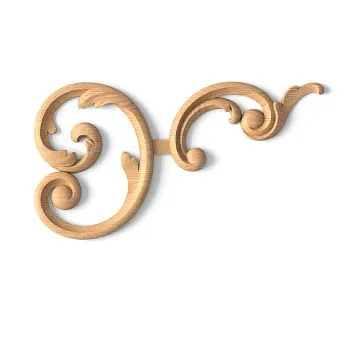
Our factory also produces:


Climate resistance: oak against the elements
The shrinkage coefficient of oak wood is only 0.37 percent radially and 0.76 percent tangentially. Such dimensional stability allows wooden oak products to retain their original geometry even under significant fluctuations in air humidity.
Oak's hydrophobicity is ensured not only by tannins but also by a special pore structure. Large spring pores, visible to the naked eye, alternate with smaller summer pores, creating a natural ventilation system. This system allows the wood to absorb excess moisture during high humidity and release it when moisture levels are low.
The thermal resistance of oak wood is impressive: brief exposure to temperatures up to 180 degrees Celsius does not cause structural changes. This property makes oak products ideal for use in saunas, baths, and near fireplaces.
Get Consultation
Technological revolution: from ancient methods to modern production
The Art of Creation oak wood products has undergone an incredible evolutionary journey. Modern technologies have not replaced traditional craftsmanship but have expanded its possibilities, enabling the creation of products of unprecedented quality and complexity.
Log preparation and selection: the art of choice
Quality wooden products begin with the proper selection of raw material. The age of the oak at the time of felling should be at least 100-150 years – only such trees possess the necessary wood density and pronounced grain. The trunk diameter should exceed 80 centimeters, indicating slow, even growth.
The harvesting season plays a decisive role. Winter months, when sap flow is minimal, are considered the ideal time for felling. Wood harvested between November and February contains minimal moisture and nutrients, reducing the risk of fungal and insect damage.
Geographical origin affects wood characteristics. Oaks growing in temperate climates with cold winters and warm summers produce the highest quality wood. Slow growth under harsh conditions forms a dense structure with fine annual rings.
Drying technologies: transforming living wood into stable material
Drying oak wood is a critically important stage that determines the quality of finished products. The initial moisture content of freshly felled oak can reach 60-80 percent, and it must be reduced to 8-12 percent for furniture production and 6-8 percent for musical instruments.
Atmospheric drying in specially equipped stacks lasts from 12 to 36 months depending on the thickness of the lumber. Boards are laid with 25-40 millimeter spacers ensuring even air circulation. Stacks are protected from direct sunlight and precipitation but allow free air access.
Kiln drying accelerates the process to 2-6 weeks under strict temperature and humidity regimes. Initial temperature is 40-45 degrees Celsius with 85-90 percent humidity, gradually increasing to 65-70 degrees Celsius while reducing humidity to 20-25 percent. Such a regime prevents internal stresses and cracking.
Vacuum drying – an innovative technology allowing moisture reduction in wood at 45-55 degrees Celsius under reduced pressure. This method practically eliminates cracking and warping, preserving the natural color and structure of oak.
Mechanical processing: precision in every movement
Processing oak wood requires a special approach due to its high density and hardness. Cutting tools must be made of high-quality steel or equipped with carbide inserts.
Sawing oak logs is performed using saws with special tooth geometry. The front angle is 12-18 degrees, the back angle is 15-20 degrees. The tooth pitch is selected based on the thickness of the material being sawn: for boards up to 50 millimeters thick, an optimal pitch of 4-6 millimeters is recommended.
Planing oak surfaces requires sharp knives and properly selected cutting modes. Feed rate should not exceed 6-8 meters per minute, and cutting depth per pass should be 1-2 millimeters. Such modes ensure a smooth surface without chips or scratches.
Profiling and decorative elements are milled on high-speed equipment. Spindle rotation frequency is 18000-24000 rpm, ensuring clean processing of hard oak wood. Cooling the cutting zone prevents overheating and charring of the material.
Boundless world of applications: where oak reveals its beauty
The range of applications for oak wood products is truly impressive in its diversity. From miniature decorative elements to monumental architectural structures – oak wood finds use everywhere where quality, beauty, and durability are valued.
Furniture symphony: oak in interior design
Furniture made from oak wood represents the pinnacle of carpentry art. Each item is not merely a functional element but a work of art capable of serving generations and becoming even more beautiful with time.
Oak solid wood dining tables become the center of family life. Table tops 40-60 millimeters thick withstand loads up to 500 kilograms, evenly distributed across the surface. Natural edges preserving the natural bends of the trunk create the unique beauty of each piece.
Chairs and armchairs demonstrate an amazing combination of strength and comfort. Bent back elements are created by steaming wood at 95-105 degrees Celsius followed by slow bending in special forms. The minimum bending radius is 80-100 times the thickness of the bent part.
Wardrobes and chests impress with their capacity and reliability. Shelves made of solid oak, 25-35 millimeters thick, can withstand a load of up to 100 kilograms without bending. Doors are manufactured using traditional "dovetail" joints, ensuring maximum structural strength.
Architectural masterpieces: oak as the foundation of space
Architectural elements made of oak wood can radically transform any space, giving it nobility and individuality.
Oak staircases combine functionality with aesthetic perfection. Steps 40-50 millimeters thick can withstand concentrated loads up to 300 kilograms. Risers 150-180 millimeters high create optimal ergonomics for ascent.
Doors made of solid oak, 45-60 millimeters thick, provide excellent sound and thermal insulation. Sound absorption coefficient reaches 42-48 decibels, exceeding requirements for residential spaces.
Windows with oak frames demonstrate outstanding performance. The thermal conductivity coefficient of oak wood is 0.17 W/(m·K), providing excellent thermal insulation. Natural moisture resistance prevents deformation under humidity fluctuations.
Floor coverings: the foundation of luxury
Parquet and solid oak planks represent the classic of floor coverings, combining beauty with exceptional durability.
Solid oak parquet, 15-22 millimeters thick, can withstand up to 10 sanding cycles, ensuring a service life of over 100 years. Planks sized 350-500x50-70 millimeters can be laid in various patterns: classic "herringbone", "squares", "braided".
Solid oak planks 120-200 millimeters wide create a monolithic surface feel. "Dovetail" joint system with additional gluing ensures airtight connections. 1-2 millimeter bevels accentuate the surface structure.
Artistic parquet made from oak elements of various shades allows creating complex compositions. Rosettes with diameters from 600 to 2000 millimeters, borders 150-300 millimeters wide, transform the floor into a work of art.
Finishing technologies: transforming beauty into perfection
Finishing treatment oak wood products – is an art requiring deep knowledge and years of experience. Properly selected and applied finish not only protects the wood but also highlights its natural beauty.
Preparatory operations: foundation of quality
Oak surfaces are sanded in stages with gradually decreasing abrasive grit. Initial processing uses 80-100 grit abrasive to remove mechanical marks and level the surface.
Intermediate sanding with 150-180 grit abrasive removes minor defects and prepares the surface for final finishing. At this stage, special attention is paid to the direction of movement — it must strictly match the direction of wood grain.
Final sanding with 220-320 grit abrasive creates a perfectly smooth surface. Sanding quality is checked under oblique lighting — no scratches, streaks, or unevenness are allowed.
Dust removal is performed using special cloths or vacuum cleaners with soft brushes. Residual wood dust may cause coating defects in the form of craters or inclusions.
Modern protective systems
Polyurethane varnishes provide maximum protection for oak surfaces against mechanical impacts. Two-component formulations create a coating with hardness up to 3H on the pencil scale while maintaining elasticity.
Water-based varnishes do not alter the natural color of oak wood and have minimal odor. Content of volatile organic compounds does not exceed 50 grams per liter, meeting the strictest ecological standards.
Oil-based finishes deeply penetrate wood structure, creating a "breathable" coating. Hard waxes combined with natural oils provide water-repellent properties while maintaining vapor permeability.
UV-curable varnishes polymerize under ultraviolet radiation in 3-5 seconds. The resulting coating has exceptional hardness and resistance to abrasion.
Decorative techniques: the art of transformation
Staining allows changing the color of oak wood while preserving its natural texture. Water-based stains based on aniline dyes provide even coloring to a depth of 2-3 millimeters.
Brushing reveals the structure of annual rings by removing soft fibers. Metal brushes of varying stiffness create a relief depth of 0.5-2 millimeters, accentuating the natural beauty of oak texture.
Patination imitates natural wood aging. Special metal powder-based compounds are applied into pores and grooves, creating an effect of noble antiquity.
Thermo-treatment at 160-200 degrees Celsius changes the color of wood from light brown to dark chocolate. The process occurs in an inert atmosphere without oxygen access, preventing combustion.
Ecological advantages: responsibility toward the planet
In the era of ecological awareness, oak wooden products represent an example of sustainable consumption and responsible attitude toward natural resources.
Carbon balance: wood versus global warming
Oak wood is a natural carbon sink. During photosynthesis, trees absorb carbon dioxide from the atmosphere and convert it into cellulose and lignin. One cubic meter of oak wood contains approximately 350 kilograms of bound carbon.
Using wood in long-term constructions "conserves" this carbon for decades and centuries. Compared to concrete or steel production, manufacturing wooden products requires 10-15 times less energy and produces virtually no harmful emissions.
Resource renewability is ensured by proper forestry management. Under sustainable management, oak forests not only regenerate but also increase their area. Each felled tree is replaced by 2-3 saplings.
Healthy Microclimate: Natural Benefits in the Home
Oak wood possesses unique properties beneficial to human health. High tannin content provides natural antibacterial activity, suppressing the growth of pathogenic microorganisms.
Humidity regulation occurs automatically due to the hygroscopic properties of wood. Oak surfaces absorb excess moisture when air humidity is high and release it when levels are low, maintaining an optimal level of 40-60 percent.
Air ionization occurs naturally. Wooden surfaces generate negative ions, whose concentration is 2-3 times higher than in rooms with synthetic finishes. Negative ions improve human well-being and performance.
The absence of toxic emissions distinguishes natural wood from composite materials. Oak products do not emit formaldehyde, phenols, or other harmful substances, which is especially important for children's rooms.
Economic Attractiveness: A Wise Investment
Purchasing oak wooden items should be considered a long-term investment capable not only of preserving but also increasing the value of your investment.
Factors of value growth
The limited availability of high-quality raw material makes oak products increasingly valuable. Mature oak forests are shrinking, and it takes 100-150 years to grow quality oak. This factor creates a stable upward trend in the prices of oak products.
Craftsmanship adds artistic value. Items crafted by skilled artisans by hand are especially prized. Unique design, complexity of execution, flawless details transform furniture into works of art.
Historical value increases over time. Antique oak items from the 18th-19th centuries can reach auction prices in the hundreds of thousands of dollars. Even modern items may become antiques in 50-100 years.
Practical Longevity
The service life of quality oak products is measured in centuries. With proper care, oak furniture can serve five to ten generations of a family, making its purchase economically advantageous in the long term.
Oak products are practically repairable indefinitely. Any damage can be restored through restoration, and worn finishes can be renewed. This is impossible for furniture made of particleboard or MDF.
Liquidity on the secondary market remains high. Quality solid oak furniture easily finds buyers even after decades of use, often at a price close to its original cost.
Stylistic Versatility: Oak in Any Interior
Amazing Feature oak wood products lies in their ability to seamlessly fit into any interior style—from strict classicism to ultra-modern minimalism.
Classic Styles: Eternal Elegance
The English style uses dark oak tones with a pronounced texture. Stained oak acquires a noble chocolate color and a distinctive pattern of annual rings. Solid, simple-form furniture emphasizes the aristocratic character of the interior.
The French style prefers light oak tones with elegant curves and rich ornamentation. Marquetry—incrustation with different wood species—creates complex decorative compositions. Gilding and patination add luxury.
The Russian style is characterized by monumentality and richness of carved ornamentation. Traditional motifs—oak leaves, acorns, vegetal ornaments—are executed in deep relief carving techniques.
Modern Trends: A New Interpretation of Tradition
Scandinavian minimalism has revealed new facets of oak wood’s beauty. Light tones, simple forms, and absence of unnecessary decoration create a sense of lightness and airiness. Bleached oak retains its texture even when lightened to nearly white.
Loft style combines oak elements with industrial materials. Roughly finished surfaces retaining tool marks, metallic details, and contrasting combinations create a modern aesthetic.
Eco-style maximally preserves the natural properties of oak wood. Minimal processing, retention of natural defects, and use of natural finishes emphasize the connection with nature.
Innovative Technologies: The Future of Oak Products
Modern technologies open new horizons for creating oak wooden items. Digital design and production methods expand the possibilities for designers and craftsmen.
Digital Modeling and Production
3D design enables the creation of complex shapes and structures. Parametric modeling automatically calculates optimal dimensions of elements and their connections. Virtual reality allows evaluating the product before production begins.
CNC processing ensures perfect manufacturing accuracy. 5-axis milling centers create complex 3D surfaces with precision down to 0.01 millimeters. Laser engraving applies delicate patterns and text.
Production automation improves quality and reduces cost. Industrial robots perform grinding, painting, and packaging operations with consistent quality. Machine vision systems monitor every stage of production.
New materials and coatings
Nanotechnologies create coatings with unique properties. Titanium dioxide nanoparticles provide self-cleaning surfaces under light. Nano-silver imparts antibacterial properties.
Hybrid materials combine the beauty of oak wood with enhanced characteristics. Polymer impregnation increases strength and water resistance. Fiber reinforcement enhances resistance to cracking.
Smart coatings react to environmental changes. Thermochromic compounds change color upon heating. Photochromic coatings darken in sunlight and lighten in shade.
Cultural Heritage: Oak in the History of Humanity
Oak wooden items are inseparably linked to the cultural heritage of many peoples. This material has accompanied humanity for millennia, leaving its mark in architecture, furniture, and art.
Ancient Traditions
Slavic peoples considered the oak a sacred tree, a symbol of strength and wisdom. Oak idols, furniture for nobility, and temple elements were crafted from select wood using special rituals.
Celts worshipped oak groves, considering them the dwelling places of gods. Druids conducted sacred rites under the canopy of mighty oaks. Oak staffs, cups, and ornaments possessed magical properties.
Romans used oak for building ships and fortresses. Oak wreaths were awarded for military feats. Oak furniture adorned the homes of patricians and imperial palaces.
Modern Revival
Restoring historical monuments requires precise reproduction of ancient technologies. Masters study ancient oak processing methods, restoring lost carving and decorative techniques.
Museum collections preserve samples of oak items from different eras. These exhibits serve as sources of inspiration for modern designers and craftsmen.
Traditional crafts revive classic oak-working techniques. Wood carving, pot making, and musical instrument production are passed from master to apprentice.
Global Trends: The Global Market for Oak Products
The international market for oak wooden products demonstrates steady growth, driven by increasing demand for eco-friendly and durable materials.
Regional characteristics
The European market prefers high-quality items with flawless finishes. German, Italian, and French manufacturers set quality standards for the entire industry.
The American market values functionality and practicality. Simple forms, reliable construction, and affordable prices make oak products popular among the middle class.
Asian countries actively develop oak product manufacturing. Modern equipment, skilled labor, and low costs enable competition with traditional producers.
Development Prospects
Ecological trends stimulate demand for natural materials. Consumers increasingly choose wooden items over plastic alternatives. Certification of sustainable forestry increases consumer trust in products.
Technological innovations open new markets. Hybrid materials, smart coatings, and digital manufacturing expand the applications of oak products.
Demographic changes influence demand structure. Aging populations in developed countries prefer quality, durable items. Younger generations value eco-friendliness and individuality.
In a world where synthetic materials increasingly replace natural ones, oak wooden items remain symbols of authenticity, quality, and connection to nature. They embody centuries-old craftsmanship enriched by modern technological achievements.
Choosing oak products is a conscious choice in favor of ecology, health, and beauty. Every oak wood item is an investment in the future, bringing joy not only to us, but to our children and grandchildren.
Modern technologies do not replace traditional craftsmanship, but rather expand its possibilities. Robots and computers can ensure production precision and speed, but the soul of the item is still infused by the human craftsman — one who understands and feels the material.
The future of the oak products industry lies in the harmonious combination of innovation and tradition, ecological responsibility and economic efficiency, mass production and individualized approach to each customer.
STAVROS understands this philosophy and embodies it in every product. By combining rich Russian craftsmanship traditions with advanced global technologies, STAVROS creates Oak Wood Productswhich become not just interior items, but family heirlooms. Every STAVROS product is a guarantee of quality, embodiment of beauty, and a reliable investment in the future, where oak perfection will delight generations of owners with its enduring beauty and flawless functionality.