Article Contents:
- What are wooden facade panels
- Types of wooden facade panels
- Smooth panels
- Slatted facade panels
- Planken-style panels
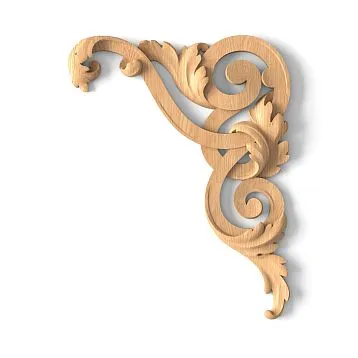
- Decorative panels for accent facade zones
- Panels for ventilated facades
- Materials used for facade panels
- Solid wood
- Larch
- Spruce
- Oak
- Thermowood
- Combined Solutions
- Where to use wooden facade panels
- On the facade of a private house
- At the dacha and country cottage
- On the sauna and guest house
- At the entrance group
- On the pediment
- On the terrace and extensions
- On commercial properties
- How to choose panels by architectural style
- Modern facade
- Scandinavian Style
- Minimalism
- Chalet and natural style
- Modern classicism
- Combined facade with wood and stone
- How to choose wood, shade, and texture
- What is better to choose for the facade: solid wood, larch, pine, or thermowood
- Installation of wooden facade panels
- How to treat wooden facade panels
- Advantages of wooden facade panels
- Common mistakes when choosing facade panels
- How to care for wooden facade panels
- FAQ: Answers to common questions about wooden facade panels
- Conclusion

There are houses that are memorable. Not because they are the biggest or the most expensive—but because they have character. Live wood on the facade is that very character, which is not imitated, not copied, and does not age with fashion. Wooden facade panels in exterior finishing are the choice of those who understand: a house begins from the outside.
Today's facade cladding market is saturated: fiber cement, vinyl siding, clinker tile, decorative plaster. These are all worthy materials—but none of them deliver what natural wood does. The living grain pattern, warm hue, and natural scalability for any architecture—these are unique qualities that draw people specifically to wooden facade panels.
Wooden facade panels for exterior cladding solve three tasks simultaneously: aesthetic (an expressive, warm, natural facade appearance), architectural (managing proportions, surface rhythm, and accents), and protective—with proper coating and installation. They are suitable for private homes, country cottages, dachas, saunas, extensions, and commercial properties with a natural concept.
This article is a detailed practical breakdown: what formats exist, which wood species are best to choose, how to install, what to treat with, and what absolutely not to do when selecting a wooden facade panel.
What are wooden facade panels
Wooden facade panels are cladding products made from natural wood or wood-based materials, specifically designed for exterior use: cladding building facades, gables, extensions, entrance groups, and other external surfaces. This is a fundamentally different category from interior panels: it is developed considering exposure to ultraviolet light, temperature fluctuations, precipitation, humidity, and biological activity in the environment.
How do wooden facade panels differ from interior ones? Primarily in construction and coating. An interior panel operates in a stable microclimate; its coating is designed for clean air and comfortable humidity in a living space. A facade panel must withstand direct rain impact, freezing and thawing, photodegradation under ultraviolet light, fungal and mold infestations—and still maintain its geometry and appearance for 10, 20, or with proper care, even 30 years.
Why is this so important? Because one of the most common mistakes in construction is purchasing interior wood for outdoor use. The result is predictable: within one or two seasons, the panels warp, darken, develop blue stains, and crack. The reason lies in physics: wood without proper exterior treatment and a ventilation gap absorbs and releases moisture several times a day. Only the right material, the right coating, and the right installation turn wooden facade panels into a durable and beautiful element of a home.
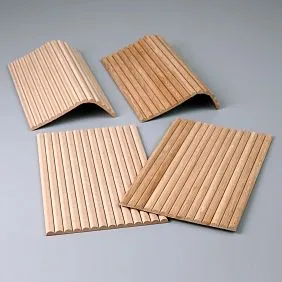
Formats used in exterior cladding: smooth (flat) panels, slat systems, planks, decorative profile elements for accent zones. Each format solves its own task—we will examine them in detail in a separate section.




What types of wooden facade panels are there
Our factory also produces:


Smooth Panels
Smooth facade panel—a flat wooden board or panel with an even, sawn, or planed surface. This is the basic, most versatile format: suitable for horizontal, vertical, and diagonal layouts, and pairs well with any architecture—from Scandinavian minimalism to the natural chalet style.
Smooth facade panels for the house are especially expressive when the material has a pronounced natural pattern: radial-cut larch with uniform parallel lines of annual rings, brushed oak with open relief grain, dark thermowood with contrasting texture. The wood surface speaks for itself — no additional decor is needed.
Get Consultation
Batten facade panels
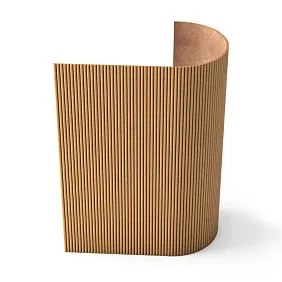
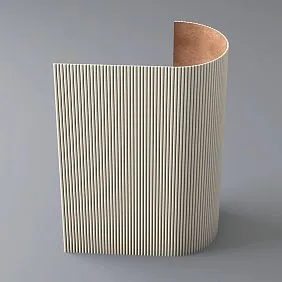
Batten facade panels are a system of evenly laid slats with a constant pitch, mounted on battens. This is a rhythmic, graphically clear solution, especially expressive in modern and minimalist architecture. Vertical battens create a sense of slenderness and upward aspiration. Horizontal battens with a wide pitch give the facade a calm, grounded, Scandinavian feel.
Batten layout with ventilation gaps between the slats is essentially a built-in ventilation system: air freely circulates behind the battens, the wood dries after rain, which fundamentally extends its service life. Preciselyfacade battens and wooden cladding productsfrom STAVROS is a well-thought-out system where every element is designed for professional exterior application.
Planken-style panels
Planken is a type of facade board with a special profile: beveled edges at a 45° angle, which provide self-drainage — water runs down the slope and does not linger in the joint. This is one of the most functional facade solutions: it effectively drains water, ensures natural ventilation, and creates an expressive surface relief through the play of shadows in the joints.
Planken is laid horizontally or vertically, creating fundamentally different visual effects. In horizontal layout, it resembles traditional Scandinavian cladding. In vertical layout — a modern minimalist facade with clear vertical lines.
Decorative panels for accent facade zones
Not the entire facade needs to be wooden. One of the most effective architectural techniques is an accent wooden zone against a general neutral background of plaster or concrete. Wooden panels for accent facade zones are used on entrance groups, portal frames, niches, pediments, and canopies—anywhere a functional or architectural element needs to be highlighted with the natural warmth of wood.
Panels for Ventilated Facades
A ventilated facade is a construction system where an air gap of 30–50 mm is left between the building wall and the cladding. The air in this gap circulates freely, creating continuous moisture drainage: condensation and rainwater that gets behind the cladding is naturally expelled to the outside. For wooden facade panels, this is not a recommendation—it is a mandatory condition for long-lasting service. Wooden panels on a ventilated facade last many times longer than when installed 'overlaid' without a gap.
What Materials Are Facade Panels Made From
Solid wood
Solid wood without glue and without engineered bases is the most natural and most capricious material for a facade. Its main advantage and its main challenge is living wood in all its natural heterogeneity. The grain pattern, play of tones, tactile texture—these are maximally expressed in solid wood. It is solid wood that creates that 'expensive' facade which is immediately read as a natural material.
With proper drying (moisture content no higher than 14–16% for exterior use) and proper treatment (oil, impregnation, protective systems like 'Osmo', 'Tikkurila', or similar), solid wood on a facade lasts 15–20 years before the first scheduled coating renewal. Key conditions: ventilation gap, end protection, and regular maintenance.
Larch
Larch is the best choice for a wooden facade in Russian climatic conditions. It is a unique species: high natural resin content (15–20% resinous substances in its structure) creates built-in protection against moisture and biological damage. Larch does not rot in water—this is historically confirmed by the piles of Venice and underwater structures in northern cities.
The density of Siberian larch is 650–700 kg/m³, which ensures high resistance to mechanical damage. The color of fresh larch is a warm golden-ochre. Without treatment, under UV exposure, it turns gray—this is a natural process that can be accepted as 'aging' or prevented with oil coatings containing a UV filter.
Spruce
Pine is the most affordable coniferous species for facade panels. Lightweight (density 480–550 kg/m³), easy to work with, with a pronounced natural grain. For exterior use, pine requires mandatory deep pressure impregnation with an antiseptic (autoclave treatment)—without it, the service life outdoors does not exceed 5–7 years.
Thermally treated pine (thermowood) significantly outperforms regular wood in terms of stability and bio-resistance. It's a completely different material — learn more about it in the section on thermowood.
Oak
Oak for facades makes a statement. High density (700–750 kg/m³), hardness, natural durability, and a pronounced large grain pattern — all these qualities make oak a premium facade material. It doesn't tolerate skimping on treatment, but with proper coating, it maintains its appearance for 20–25 years.
Oak with a radial cut is especially expressive: narrow parallel annual rings, a shimmering medullary pattern, and uniform density throughout the cross-section. On dark stains — wenge, anthracite, graphite — oak looks like an expensive architectural material, comparable in visual weight to natural stone.
Thermowood
Thermowood is solid wood that has undergone thermal treatment at 180–230 °C in an oxygen-free environment. During thermal modification, nutrients (hemicellulose) that serve as a breeding ground for fungi and bacteria are removed from the wood's structure. The result: the wood becomes fundamentally more resistant to rot and biological damage — without the use of chemical antiseptics.
Thermowood has stable geometry: water absorption is reduced by 50–70% compared to the original material. This means significantly less warping and cracking under variable outdoor humidity conditions. The color of thermowood is a uniform dark brown, without the natural speckled pattern. It pairs well with the dark colors of modern architectural style.Solid oak and thermowood products for exterior applications— this is a category where the choice of wood species determines not only aesthetics but also the actual service life of the facade.
Combined Solutions
A professional facade today is almost always a combination. Thermowood in the lower part of the facade (high loads from splashes and snow) + larch in the main zone + oak accent elements for the entrance group. Or: horizontal larch plank + vertical oak slats in the glazing area. Combining materials with skillful stain selection creates a rich, multi-layered facade surface that requires no additional decoration.
Where to use wooden facade panels
On the facade of a private house
This is the primary and most obvious scenario. Wooden facade panels for a private house are suitable for both full cladding (all facade planes in a single material) and partial cladding—accent zones against a background of plaster, stone, or concrete. A full wooden facade requires careful planning: ventilation system, orientation of planes relative to cardinal directions, intensity of UV load on the southern facade.
For full cladding of a private house, the optimal materials are larch or thermowood. For accent zones where aesthetics are important—oak with an oil finish.
At a dacha and a country cottage
A country house is a more 'forgiving' operating environment than an urban location. Regular visits by the owner ensure timely maintenance. A dacha with a wooden facade made of larch planks or slatted panels is an archetypal image that never ages. Here, lighter treatment is acceptable; annual renewal of the oil layer becomes a ritual of seasonal home care.
On a sauna and guest house
A sauna is an object with high external humidity under conditions of alternating heating. Thermowood for external cladding of a sauna is one of the best choices: minimal moisture absorption, resistance to temperature fluctuations, biostability without chemicals. Larch is also suitable—its natural resinousness handles high humidity. Pine without special treatment for a sauna is undesirable.
On the entrance group
The entrance group is the face of the house. It is here that wooden panels work as an architectural accent with maximum effect. Portal framing of the door in dark oak, a canopy with a slatted wooden ceiling, wooden columns or pylons—all this creates an entrance image that literally invites. Woodenmoldings and profile productscomplement the facade panels on the entrance group, creating a complete architectural detail with framings, cornices, and profile transitions.
On the gable
The gable is the most protected part of the facade from rain (especially in gable and hip roofs), making it an ideal area for wooden cladding with a long service life. Vertical battens on the gable are a classic of Scandinavian and modern country architecture. It is the gable with wooden panels, when the right color and tone are chosen, that creates a visual accent that makes the house memorable.
On the terrace and extensions
The terrace and extensions are areas where facade and interior finishes intersect. The open part of the terrace is the outdoors with all its climatic risks. Here, facade materials with maximum durability are needed. The covered part, protected from direct precipitation, is a milder regime, allowing the use of standard larch without thermal treatment. The unity of facade and terrace material is a sign of a competent architectural solution.
On commercial properties
A restaurant with a wooden facade, a boutique with natural cladding, a hotel in a natural style, a country spa complex — wooden facade panels for commercial properties create that very image that attracts people tired of the city. Naturalness, warmth, nature — these are key values for the new generation of clients, and a wooden facade conveys them immediately and without words.
How to choose panels by architectural style
Modern facade
Modern architecture works with clear horizontals and verticals, flat roofs, large glazed planes. Wooden facade panels in this context are an accent warm element on a neutral background: vertical battens of dark oak on a white plaster facade, horizontal planks of thermowood under a concrete cornice. The contrast of natural and mineral creates that tension which makes a modern facade interesting.
Scandinavian style
Scandinavian architecture is wood, white color, and simple geometry. Horizontal planks of pine or larch, painted in white or light gray oil tone — a textbook Scandinavian solution. In the modern interpretation of the Scandinavian style, dark tones are increasingly used: anthracite, dark gray, warm almost-black — in combination with large windows and white details.
Minimalism
Minimalism requires perfectly precise execution: straight lines, no unnecessary details, monolithic surfaces. For a minimalist wooden facade, choose panels with a uniform texture, free of knots and natural defects, in an even tone. Vertical battens with a rigid, uniform spacing are one of the few decorative elements permissible in the minimalist concept. Connections are hidden. Fasteners are invisible.
Chalet and natural style
Natural style and chalet are the complete opposite of minimalism. Here, a 'living', uneven texture, pronounced natural grain, and the natural graying of untreated wood as a stylistic technique are appropriate. Solid spruce or larch without painting, weathered to a silvery-gray tone, is a legitimate and beautiful solution for facades in the natural style. After a few seasons, the facade will look as if the house has been standing here for a hundred years.
Modern classic
Modern classic combines the regular geometry of historical architecture with modern materials and simplified profiles. Wooden panels here serve as classic cladding boards with profiled edges, wainscoting on the facade with molding around windows, and wooden cornice systems. The tone is light or restrained neutral. The finish is a semi-matte oil varnish with UV protection.
Combined facade with wood and stone
Wood and stone are the perfect natural pair. Stone or tile cladding on the first floor (plinth, walls up to 1.5–2 m high) plus wooden panels on the second floor and gable—this is the formula for a combined facade that works in most architectural contexts. The lower part in stone looks solid and is protected from mechanical damage. The upper part in wood is warm, natural, and light.
How to choose wood, shade, and texture
Several practical rules for those considering the color and texture of a wooden facade.
Light or dark? Light tones—from natural warm to bleached gray—visually enlarge the house, making it light, Scandinavian, natural. Dark tones—anthracite, wenge, dark walnut—give the house weight, monumentality, and modern severity. An important nuance: on southern facades with intense UV exposure, dark shades require coatings with increased heat resistance—dark surfaces overheat more strongly.
Smooth or textured surface? Smooth planed solid wood—elegance and modernity. Brushed solid wood—emphasized natural texture, tactility, visual 'depth' of the surface. Thermowood with brushing is especially expressive: a dark base and light protruding fibers create a strong contrasting relief.
Vertical or horizontal layout? Vertical layout elongates the house, creating an upward-reaching image — ideal for houses with proportions of 1:1.5 and higher. Horizontal layout emphasizes a wide silhouette, groundedness, horizontal dynamics — for wide single-story buildings, country houses with flat roofs.
Combination with other materials. Warm wood + cold concrete = modern tension. Light wood + white plaster = Scandinavian purity. Dark wood + natural stone = top-grade natural minimalism. Wood + corten steel = industrial naturalness, one of the most relevant facade techniques in recent years.
What is better to choose for the facade: solid wood, larch, pine, or thermowood?
| Parameter | Solid oak | Larch | Pine | Thermowood |
|---|---|---|---|---|
| Appearance | Noble pattern, large texture | Warm golden-ochre tone | Pronounced natural variegation | Uniform dark brown |
| Moisture resistance | High (when processed) | High (natural resinousness) | Medium (requires impregnation) | Very high (modified structure) |
| Biostability | High | High | Medium | Maximum |
| Service life (with maintenance) | 20–25 years | 20–25 years | 10–15 years (with impregnation) | 25–35 years |
| Geometric Stability | Medium (requires precise drying) | Medium | Low–medium | High |
| Cost | High | Medium–high | Low–medium | Above average |
| Best scenario | Accent zones, entrance area | Full facade, general cladding | Budget option when treated | Facade with high moisture loads |
The conclusion from the table is simple: for full cladding of a private house with the optimal balance of price, durability, and natural aesthetics — larch. For maximum durability in harsh climatic conditions — thermowood. For architectural accents and entrance groups — oak. For budget projects with proper treatment — autoclave-impregnated pine.
Installation of wooden facade panels
Installation is where most conscientious buyers lose money due to contractor errors or their own haste. Proper installation of wooden facade panels is not just 'screwing a board to the wall.' It's a system.
Base preparation. The wall must be dry, load-bearing, and level. Brick, aerated concrete, or concrete walls are cleaned of contaminants before installation, and cracks are sealed. A wooden frame is checked for rot and secure fastening.
Battens. The load-bearing structure for wooden facade panels is a wooden or metal batten system, with spacing depending on panel length and rigidity. Wooden battens must be treated with an antiseptic. Metal battens (galvanized profile) are more durable and require no treatment. Battens are installed strictly level — uneven battens automatically create an uneven facade.
Ventilation gap. Mandatory — no exceptions. Minimum gap between the wall and battens — 25–30 mm. Gap between battens and panels (for ventilated systems) — another 20–30 mm. The lower part of the facade has ventilation openings, the upper part — a protective cornice. Without ventilation, wood rots from the inside — this is not a risk, it's a certainty.
Fasteners. Wooden facade panels are fastened with stainless steel or galvanized screws and clips. Black screws for exterior use are unacceptable: they rust within one or two seasons, leaving brown streaks on panel surfaces. Hidden fastening (clips) is preferred: the panel surface remains clean, with no visible holes.
End protection. Board ends are the most vulnerable part of a wooden panel: the capillary structure of the end grain absorbs moisture 5–10 times faster than the side surface. Ends must be treated with the same coating as the main surface or with special end-grain wax before installation.
Thermal expansion gaps. Wood moves: it expands when moistened and shrinks when dried. For horizontal installation of planks, leave a 3–5 mm gap between boards. For vertical layout of slats, the spacing is determined by design but should not be less than 5 mm for free air circulation.
How to treat wooden facade panels
Proper protective coating is not the final touch during installation. It is a system that determines the lifespan of the entire facade.
Oil-based coatings are the most natural and 'friendly' option for wood. The oil penetrates the fiber structure, does not create a film on the surface, and allows the wood to 'breathe'. Oil with a UV filter protects against photodegradation—without it, wood begins to gray within 3–6 months. Oil-based coating needs to be renewed every 2–4 years—this is scheduled maintenance, not repair.
Protective impregnations (antiseptic and fire-retardant compounds) are a mandatory base layer before any finishing coating. Antiseptic impregnation blocks fungal infections from within the wood structure. Fire retardant reduces flammability—for exterior use, this is primarily relevant for wooden structures within 10 meters of buildings.
Oil-based varnishes and glazes create a protective film on the surface while preserving the visibility of the wood grain. Glaze is semi-transparent, emphasizing the natural pattern with a light tint. Varnish provides a denser layer with higher mechanical protection but requires sanding during renewal.
Opaque paints (oil-based or acrylic) completely hide the wood grain, creating a uniform colored surface. They are used in Scandinavian and classic white facades. Oil-based paint for exterior wood lasts 5–7 years. Acrylic paint lasts 8–12 years with quality application.
Important rule: all protective compounds are applied before installation (including the ends) + finishing coating after installation over the entire surface + regular renewal according to schedule. Skipping renewal once means spending 5 times more on repair than maintenance would have cost.
Advantages of wooden facade panels
-
Natural appearance. No artificial material reproduces the natural grain of wood. Living wood on a facade is not just decor; it is an architectural document: it speaks of taste, choice, and natural aesthetics.
-
Expressive texture. Wood texture is visual and tactile. A surface with a natural pattern is never monotonous: it always has movement, dynamism, and history.
-
Architectural aesthetics. A wooden facade works in most modern architectural styles—from Scandinavian to natural minimalism, from modern classic to industrial chalet.
-
Layout variability. Horizontal, vertical, diagonal, combined — each installation method creates a fundamentally different visual appearance with the same material.
-
Eco-friendliness. Natural wood is a renewable material with a carbon-neutral or even carbon-negative balance under responsible forestry management.
-
Warm perception. A wooden house is perceived as warm regardless of whether it's a hot day or a frosty one. This psychological effect is confirmed by research in architectural psychology and does not depend on the actual wall insulation.
-
Durability with maintenance. A house with a wooden facade that is cared for looks dignified after 30 years. This is an investment in image, not an expense for repairs.
Common mistakes when choosing facade panels
-
Buying interior wood for exterior use. This is the most costly mistake. Interior panels without special exterior treatment deteriorate within one or two seasons.
-
Lack of protective treatment. Untreated wood outdoors — service life 2–4 years. No exceptions.
-
Installation without a ventilation gap. Wood in a 'dead' space without air circulation rots from the inside. The process begins unnoticed and by the time it's discovered, it's already irreversible.
-
Too dark a shade on the south side. A dark surface overheats in the sun up to 70–80 °C. This causes expansion, deformation, and accelerated coating degradation.
-
Ignoring end grain protection. Untreated ends are the main entry point for moisture. Through an untreated end, a board absorbs water 5–10 times faster than through the side surface.
-
Using black screws. They rust within one or two seasons, leaving indelible streaks on the panel surface.
-
Saving on material drying quality. Wet wood on the facade guarantees warping and cracks. The moisture content of facade boards during installation should not exceed 14–16%.
How to care for wooden facade panels
Caring for a wooden facade is not an annual repair. It's a system of simple planned actions that cost very little but extend the facade's life by years.
Annual inspection — in spring, after winter. Check the condition of the coating, ends, fastener points, and lower panels (greatest load from snow and splashes). If darkening or blue stains are found on individual panels — immediate treatment with antiseptic.
Surface cleaning — once a year with a soft-bristle brush and low-pressure water. Goal: removal of dust, spores, bird droppings. High-pressure washing is strictly contraindicated: it destroys the top layer of wood fiber.
Coating renewal. Oil coating is renewed every 2–4 years. Opaque paint — every 5–8 years. Before renewal — thorough cleaning and light sanding. Oil renewal does not require complete removal of the previous layer: cleaning and applying a new coat of oil is sufficient.
Fastener control — during inspection, check for any loose screws or open seams. An open seam between panels is a water entry point. Sealed with special facade sealant compatible with wood.
Seasonal maintenance. In autumn — inspection and, if necessary, spot treatment of problem areas before the first snow. In spring — full scheduled review.
FAQ: Answers to common questions about wooden facade panels
What are wooden facade panels?
These are cladding products made from natural wood or wood-based materials, designed for exterior finishing of building facades. They differ from interior panels in their construction, wood species, material moisture content, and protective coating designed to withstand outdoor climate conditions.
Are wooden panels suitable for exterior house cladding?
Yes. With the correct choice of material (larch, oak, thermowood), proper protective coating, and skilled installation with a ventilation gap, wooden panels can last on a facade for 20–35 years.
Which wood species are best for facades?
For full facade cladding — larch or thermowood. For accent areas — oak. For budget solutions with mandatory impregnation — autoclave-treated pine.
What is better to choose: solid wood or thermally modified wood?
Solid oak or larch — maximum natural aesthetics, natural grain, living color. Thermowood — maximum geometric stability, biostability without chemicals, minimal moisture absorption. For challenging climatic conditions (high humidity, temperature fluctuations) — thermowood.
Is a ventilation gap needed during installation?
Absolutely. Minimum gap — 25–30 mm between the wall and the battens. Without ventilation, wooden panels will rot from the inside regardless of material quality and coating.
How to treat wooden facade panels?
Base layer - antiseptic impregnation. Finish coating - oil with UV filter (for a natural look) or opaque oil/acrylic paint (for a colored facade). Mandatory end treatment before installation.
How often should protective coating be renewed?
Oil coating - every 2-4 years. Opaque paint - every 5-8 years. Antiseptic impregnations - based on surface condition, at the first signs of darkening or blue stain.
Are wooden panels suitable for cottages and saunas?
For cottages - excellent. For external sauna cladding, thermowood or larch is recommended - materials with minimal moisture absorption and high biostability.
Can wood facade panels be combined with stone and plaster?
Yes, this is one of the most expressive facade techniques. Stone or plaster in the lower part + wood in the upper part - a classic combination for modern and natural facades.
How to care for a wooden facade?
Annual inspection in spring. Gentle cleaning. Coating renewal as per schedule. Monitoring of end grains and fastener points. Spot treatment at the first signs of issues — before they spread.
Conclusion
A wooden facade is a choice that comes with understanding. Understanding that natural wood requires respect - the right choice of species, the right coating, and the right installation. Those who fulfill these three conditions get a facade that improves with age: the wood acquires a patina of time that cannot be faked.
For a full facade of a private house — larch with oil coating and a ventilated system. For maximum durability in harsh conditions — thermowood. For accent zones and entrance groups — oak with open grain. For a modern dark facade — dark thermowood or brushed oak in anthracite oil.
If you are building a facade that should last for decades and look dignified throughout that time — pay attention to STAVROS. Since 2002, STAVROS has been producing solid wood products from oak, larch, beech, and thermowood for exterior and interior applications. Facade battens, cladding panels, moldings, profile products — the entire range is manufactured at one facility with controlled chamber drying, precise geometry, and professional coatings for outdoor use. STAVROS — wood that works outdoors.View STAVROS solid wood products