Article Contents:
- Columns in the Architecture of the Ancient World
- Origins of architectural grandeur
- Evolution of styles and techniques
- The Nobility of Oak: Strength for Centuries
- The nobility of solid wood
- Innovative composite materials
- Types and styles of wooden columns
- Classical order columns
- Modern Interpretations
- Functional purpose of wooden columns
- Constructive role
- Space zoning
- Decorative function
- Manufacturing technologies for wooden columns
- From handcraft to digital production
- Innovative wood processing methods
- Wooden columns in various interior styles
- Classic Interior
- Modern minimalism
- Eclecticism and Fusion
- Advantages of wooden columns over other materials
- Ecological and natural properties
- Aesthetic qualities
- Final reflections: Home as a reflection of the soul
- Installation and mounting of wooden columns
- Preparatory work
- Mounting methods
- Finishing
- Care for wooden columns
- Regular Maintenance
- Restoration and renewal
- Choosing wooden columns for different types of rooms
- Columns for residential interiors
- Columns for public spaces
- Custom design of wooden columns
- Working with a designer
- Unique solutions for non-standard spaces
- Trends in wooden column design
- Modern trends
- Future Outlook
- Wooden columns as an investment in interior design
- Long-term value
- Impact on the overall atmosphere of the room
- Conclusion: choosing the perfect column for your interior

In the world of interior design, there are elements capable of instantly transforming a space, giving it a unique character and grandeur. Decorative wooden column — precisely such an element, combining centuries-old architectural traditions with modern interior design trends. This architectural element, inherited from ancient times, is currently experiencing a true revival, becoming not merely a structural detail but a true work of art capable of serving as a central accent in any interior.


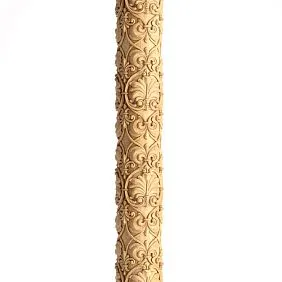
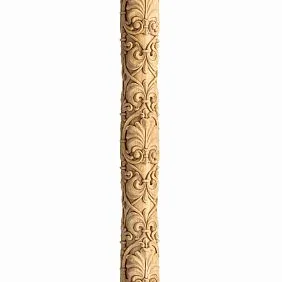

History of Wooden Columns: From Antiquity to the Present Day




Origins of Architectural Splendor
Columns as an architectural element originated in ancient civilizations, where they served not only a structural but also an aesthetic function. The ancient Greeks created classical orders — Doric, Ionic, and Corinthian, each with their own unique proportions and decorative elements. The Romans added to this heritage the Tuscan and Composite orders. Initially, columns were carved from stone, but parallel to this, the art of wooden architecture also developed.
In Kievan Rus', wooden columns were an indispensable part of the architecture of teremns and churches. Masters carved from whole tree trunks astonishingly beautiful supports, adorned with intricate carvings. Each Decorative wooden column became not just a structural element, but a true work of art, reflecting the worldview and aesthetic concepts of its era.
Our factory also produces:


Evolution of Styles and Techniques
Over time, architectural styles changed, and so did wooden columns. Baroque brought opulence and ornate forms, Classicism — strictness and symmetry, Modernism — smooth lines and natural motifs. Each era left its mark on the art of creating decorative columns.
Woodworking technologies also did not stand still. From hand carving, craftsmen moved to the use of lathe machines, allowing them to create perfectly flat and symmetrical details. Modern CNC machines opened a new era in the production of wooden columns, making it possible to realize the most complex design concepts with exquisite precision.
Get Consultation
Materials for manufacturing wooden columns
Luxury solid wood
Real Decorative wooden column is made from solid natural wood. This material possesses unique properties that cannot be reproduced artificially. Each wood species has its own unique grain pattern, color, and texture, making each column unique.
Oak is the acknowledged king among wood species for making columns. Its wood is characterized by high density, strength, and durability. Oak columns can serve for centuries, preserving their beauty and functionality. With age, oak develops a noble patina, which only increases its aesthetic value.
Beech is another popular species for making decorative columns. Its wood has a beautiful light tone with a slight pink or yellow undertone. Beech is easy to work with, allowing for the creation of columns with delicate carving and complex decorative elements.
Ash is valued for its strength and elasticity. Ash columns feature a beautiful texture with a distinct ring pattern. This material is especially suitable for creating columns in modern styles, where the natural beauty of wood is prized.
Larch is a unique species with high resistance to moisture and decay. Larch columns can be used even in rooms with high humidity, expanding their range of applications.
Innovative composite materials
Modern technologies allow creating decorative columns not only from solid blocks, but also using innovative composite materials. Such columns consist of a strong internal frame and an outer shell made of natural veneer or high-quality wood imitation.
The advantage of composite columns lies in their stability — they are less prone to deformation under changes in temperature and humidity. Moreover, they are usually lighter than their solid wood counterparts, simplifying their installation and reducing the load on the building's structure.
Types and styles of wooden columns
Classical order columns
Classical columns, created according to the canons of ancient orders, remain timeless and unfashionable. They consist of three main parts: base (foundation), shaft (fust), and capital (top). Each order has its own proportions and characteristic decorative elements.
Doric columns are distinguished by their strictness and simplicity of form. Their shaft slightly tapers toward the top (entasis), and the capital is a simple cushion with a square plate on top. These columns embody masculinity and strength, ideally suited for decorating offices, libraries, and other rooms where it is necessary to create an atmosphere of seriousness and solidity.
Ionic columns are more elegant and decorative. Their main distinguishing feature is the capital with characteristic volutes. Such columns bring elegance and refinement to interiors, becoming an ideal choice for living rooms and grand halls.
Corinthian columns are the most luxurious and decorative. Their capital resembles a blooming flower adorned with stylized acanthus leaves. These columns create an atmosphere of celebration and abundance, becoming true works of art in interiors.
Modern Interpretations
Modern designers are not limited to classical forms, creating original interpretations of wooden columns. Minimalist columns with clean geometric shapes, columns with abstract decoration, sculptural columns — all of this expands the possibilities of using this architectural element in modern interiors.
Columns with built-in lighting are gaining particular popularity, highlighting the texture of wood and creating amazing lighting effects. Such columns become not just decorative elements, but sources of soft, diffused light, creating a special atmosphere in the room.
Functional purpose of wooden columns
Constructive Role
Despite the fact that modern wooden decorative columns often perform purely aesthetic functions, many of them retain their structural purpose. They can serve as supports for arches, support floor beams, or act as load-bearing elements in frame structures.
Columns made from hardwood species have high compressive strength, allowing them to withstand significant loads. At the same time, they are significantly lighter than their stone or concrete counterparts, reducing the overall load on the building's foundation.
Space Zoning
One of the most important functional purposes of decorative columns in modern interiors is space zoning. In the era of popular open-plan layouts, columns become an ideal tool for visually dividing a room into functional zones without erecting solid walls.
A colonnade between the living room and dining room, a pair of columns framing the entrance to an office, columns separating the sleeping area from the wardrobe — all these techniques allow for structuring space while preserving its openness and integrity. Such a solution is especially relevant for spacious rooms where it is necessary to create separate functional zones without destroying the overall concept of an open space.
Decorative function
Undoubtedly, the main role wooden decorative column In modern interior design, columns serve an aesthetic purpose. Columns define the rhythm of space, create architectural accents, and lend a room a sense of grandeur and majesty. They can become the central design element around which the entire interior concept is built.
Columns play a special role in creating a particular stylistic direction. Classical columns instantly impart an antique or neoclassical character to an interior. Columns with rich carvings create a baroque or rococo atmosphere. Minimalist columns with geometric decoration fit into the art deco or modernist style.
Manufacturing technologies for wooden columns
From handcraft to digital production
Traditionally, wooden columns were crafted by master carpenters by hand. This process required exceptional skill and took a great deal of time. First, the column shaft was carved from a single log, then the base and capital were separately crafted and assembled onto the shaft. The final stage was hand-carving decorative elements.
Today, the column manufacturing process has been significantly improved thanks to modern technologies. Computer modeling allows for the creation of an accurate three-dimensional project of the future column, taking into account all proportions and decorative elements. This project is then realized using computer numerical control (CNC) machines, which reproduce the most complex forms with exquisite precision.
However, even with modern technologies, the final finishing and treatment of columns are often performed by hand by master carpenters. This allows each piece to retain its uniqueness and acquire a special character that cannot be achieved purely by machine.
Innovative wood processing methods
Modern wood processing technologies allow for the creation of columns with unique properties. Thermotreatment increases the wood's resistance to moisture and biological influences, making columns more durable. Laser cutting allows for the creation of incredibly thin and complex decorative elements that cannot be achieved using traditional methods.
Special attention is paid to the final finishing of columns. Modern varnishes and oils not only protect the wood from external influences but also highlight its natural beauty, revealing the texture and grain pattern. Some manufacturers use artificial wood aging techniques, creating a patina effect and giving columns the appearance of antique pieces.
Wooden columns in various interior styles
Classic interior
In a Classic Interior wooden decorative columns play a key role, creating an atmosphere of luxury and grandeur. Here, columns of all classical orders are appropriate — from strict Doric to ornate Corinthian. They can frame doorways, support arches, serve as supports for balustrades, or simply function as decorative elements that set accents in space.
In classical interiors, columns are often made from noble wood species — oak, mahogany, walnut — and coated with transparent varnishes that highlight the natural beauty of the material. Sometimes columns are painted white or cream to imitate marble, or decorated with gold leaf, enhancing the impression of luxury and grandeur.
Modern minimalism
In minimalist interiors, wooden columns acquire a new sound. Here, they shed ornate decoration and complex capitals, transforming into sleek cylindrical or prismatic forms. The main expressive means becomes the wood's texture, its natural grain and color.
In contemporary minimalism, columns often serve not only a decorative but also a functional role — for example, they may house storage systems, lighting, or engineering utilities. This approach aligns with the main principle of minimalism — every element must be not only beautiful but also functional.
Eclecticism and fusion
In eclectic interiors and fusion-style interiors, wooden columns become elements of play with historical styles and cultural traditions. Here, columns of different orders, columns with ethnic motifs, or custom-designed sculptural columns created according to individual projects may coexist.
Color plays a special role in such interiors. Columns may be painted in bright, contrasting colors, covered with patina, or decorated using decoupage techniques. This approach allows transforming a classical architectural element into a striking accent in a modern interior.
Advantages of wooden columns over other materials
Ecological and natural
Wood is one of the most ecologically clean construction materials. Unlike plastic or composite materials, it does not emit harmful substances, does not accumulate static electricity, and creates a favorable microclimate in the room. Decorative wooden columns — this is the choice of those who value naturalness and care about the health of their family.
Moreover, wood is a renewable resource, and with responsible forestry practices, its use does not cause irreversible harm to the environment. Many manufacturers of wooden columns participate in reforestation programs, offsetting the ecological footprint of their production.
Aesthetic qualities
No artificial material can match wood in terms of texture richness and warmth of perception. Each wooden column is unique due to the incomparable grain pattern, which cannot be reproduced industrially. As wood ages, it does not lose its beauty but instead develops a noble patina, becoming even more valuable and expressive.
Wood possesses an amazing ability to harmoniously combine with other materials — stone, metal, glass, fabric. This makes wooden columns a universal element suitable for interiors of various styles and directions.
Practicality and durability
With proper care, wooden columns can serve for decades without losing their aesthetic or functional qualities. Modern wood processing technologies allow protecting it from moisture, ultraviolet radiation, insects, and mold, significantly extending the lifespan of the products.
Another practical advantage of wooden columns is the possibility of restoration. Unlike artificial material products, which must be completely replaced upon damage, wooden columns can be restored to their original appearance or even given new decorative qualities.
Installation and mounting of wooden columns
Preparation Work
Installation of wooden columns begins with careful planning and preparation. It is necessary to precisely determine the locations for column installation, taking into account not only aesthetic considerations but also the structural features of the room. If the columns will serve a load-bearing function, load calculations must be performed and it must be ensured that the foundation can withstand the additional weight.
Before installation, columns must be acclimatized in the room where they will be installed. This allows the wood to adapt to the humidity and temperature levels, minimizing the risk of deformation after mounting.
Methods of mounting
There are several ways to mount wooden columns, the choice depending on their size, weight, and functional purpose. Small decorative columns can be mounted using special adhesives or mechanical fasteners — dowels, screws, anchors.
Load-bearing columns require more secure mounting. They may be installed on special metal bases fixed to the floor, or mounted using concealed mounting systems that do not compromise the aesthetic of the piece.
Large-diameter hollow columns are often mounted on an internal metal or strong wood frame. This approach creates the impression of a massive column while keeping the structure relatively lightweight.
Final finishing
After installing the columns, final finishing is performed. This may include protective varnish or oil coatings, painting, gilding, or other decorative techniques. Final finishing not only gives the columns a finished appearance but also protects them from external influences, extending their service life.
Care for wooden columns
Care for Wooden Columns
Regular Maintenance
Wooden columns, like any natural wood products, require regular care to maintain their beauty and longevity. Main care activities include:
- Regular cleaning with soft dry cloth or special brushes for wood.
- Periodic treatment with special compositions that nourish the wood and protect it from drying out.
- Monitoring the humidity level in the room — dry air may cause wood to crack, while excessive humidity may cause deformation.
For columns installed in rooms with high humidity (e.g., bathrooms or pools), more frequent treatment with protective compositions is required to prevent mold and mildew growth.
Restoration and renewal
Even with the most careful care, wooden columns may lose their original appearance over time. In such cases, restoration is performed, which may include:
- Sanding the surface to remove minor damage and scratches.
- Restoration or replacement of damaged decorative elements.
- Updating the protective coating — varnish, oil, or paint.
Sometimes restoration not only restores the original appearance of the columns but also imparts new decorative qualities — for example, changing the color, adding patina or gilding, or adding new decorative elements.
Choosing wooden columns for different types of rooms
Columns for residential interiors
In residential spaces, wooden columns must harmoniously fit into the overall interior concept, creating an atmosphere of comfort and coziness. Here, it is important to consider not only aesthetic but also practical aspects — columns should not obstruct movement through the room, clutter the space, or create inconvenience in daily life.
For small residential spaces, compact-sized columns with minimalist decoration are recommended. They can be installed in room corners, beside door or window openings, as supports for arches or partitions. In spacious rooms, more substantial columns with rich decoration can be used, becoming the focal point of the interior.
Special attention should be paid to selecting the wood species and its finish. For bedrooms and children’s rooms, light-colored woods with warm tones — birch, maple, beech — are recommended. For living rooms and dining rooms, darker, more noble species — oak, walnut, mahogany — are suitable. The finish should be health-safe, especially in children’s rooms and bedrooms.
Columns for public spaces
In public spaces — restaurants, hotels, offices, shopping centers — wooden columns must meet higher requirements for strength, durability, and fire safety. Here, it is recommended to use hardwoods with high density or modern wood-based composite materials.
Finishing of columns for public spaces should be particularly resistant to mechanical impacts and contamination. Often, special high-wear-resistant varnishes or protective panels are used, which can be easily replaced in case of damage.
Design of columns in public spaces must correspond to the overall interior concept and the corporate style of the establishment. This may range from classic designs using traditional orders to modern, original solutions reflecting the brand’s individuality.
Individual design of wooden columns
Working with a designer
Creation wooden decorative columns Custom design - this is the opportunity to bring the most daring design ideas to life and create a unique interior without analogs. Work on such a project begins with consultation with a designer, who will help determine the style, dimensions, proportions, and decorative elements of the future columns.
The designer creates sketches and 3D models of the columns, allowing you to see how they will look in the interior. At this stage, you can make adjustments to the project, change proportions, add or remove decorative elements, choose the type of wood and finish.
After the project is approved, the manufacturing process of the columns begins. Modern technologies allow for the realization of the most complex shapes and decorative elements in wood, creating true works of art that will become the pride of the owner and delight them for many years.
Unique solutions for non-standard spaces
Custom design is especially relevant for non-standard spaces - with unusual layouts, high ceilings, complex geometry. In such cases, standard solutions may not be suitable, and columns must be developed taking into account all the specific features of the particular space.
For example, for rooms with very high ceilings, columns with intermediate decorative elements may be developed, which visually divide the height into more harmonious proportions. For rooms with complex geometry, columns of non-standard shapes may be created, which highlight the architectural features of the space and create a unique visual effect.
Custom design also allows for considering the functional features of the space. For example, for restaurants, columns with built-in wine cabinets or display cases for showcasing collectibles may be developed. For offices - columns with integrated document storage systems or technical communications.
Trends in the design of wooden columns
Modern Trends
Modern design of wooden columns is characterized by several prominent trends:
- Minimalism and purity of form. Columns with a minimalist design are gaining increasing popularity, where the main expressive element is the natural texture of wood, its inherent beauty.
- Integration with technology. Modern columns often include technological elements - built-in lighting, audio systems, climate control. This transforms them from purely decorative elements into functional components of a smart home.
- Ecological and sustainable development. Demand is growing for columns made from wood obtained through responsible forestry practices, certified by FSC or PEFC. Columns made from reclaimed or recycled wood are also popular, combining ecological properties with a unique vintage charm.
- Mixing materials. Wooden columns are increasingly combined with other materials - metal, glass, stone - creating interesting contrasts and textures.
Future outlook
In the near future, we can expect further development of the aforementioned trends, as well as the emergence of new directions in the design of wooden columns:
- Personalization and customization. With the development of 3D modeling and digital manufacturing technologies, creating columns according to individual design, reflecting the owner's personality and preferences, will become even more accessible.
- Interactivity. Columns can become interactive interior elements, responding to human presence, changes in lighting, or other factors. For example, columns with built-in lighting that changes color and intensity depending on the time of day or the owner's mood.
- Biomimicry. Column design will increasingly draw inspiration from natural forms and structures - trees, plants, crystals. This will allow creating organic, biomorphic shapes that harmoniously fit into the space and establish a connection with nature.
- Modularity and transformation. Columns with modular construction will appear, which can be transformed by changing their height, shape, or decorative elements depending on needs and mood.
Wooden columns as an investment in interior design
Long-term value
Quality wooden columns are not just decorative elements, but a long-term investment in interior design. Unlike many trendy styles that quickly become outdated, classical architectural elements remain relevant for decades, even centuries.
Columns made from valuable wood do not lose their value over time; on the contrary, they may become more valuable, acquiring the patina of time and historical significance. This is especially relevant for handcrafted columns with unique design and high-quality execution.
The investment attractiveness of wooden columns is also related to their ability to increase the overall property value. Interiors with classical architectural elements are traditionally valued higher in the real estate market, especially in the premium segment.
Influence on the overall atmosphere of the space
Wooden columns have an amazing ability to transform space, giving it character and individuality. They create a sense of solidity, stability, and respectability that cannot be achieved with lighter, more temporary decorative elements.
Correctly chosen columns can visually correct the proportions of a room - making it appear taller or, conversely, more cozy and intimate. They set the rhythm of space, structure it, and create architectural accents that organize the perception of the interior.
In addition, natural wood creates a special atmosphere of warmth and naturalness, which positively affects a person's psychological state. Studies show that the presence of natural materials in interior design reduces stress levels, improves mood, and enhances overall quality of life.
Conclusion: choosing the ideal column for your interior
Choosing wooden decorative column For interior design, this is a creative process requiring consideration of multiple factors: the style of the room, its dimensions and proportions, functional purpose, budget, and the owner's personal preferences. The ideal column is one that harmoniously integrates into the space, highlights its strengths, conceals its weaknesses, creates the desired atmosphere, and reflects the owner's individuality.
When selecting columns, it is recommended to consult professionals—interior designers and reputable manufacturers—who will help choose the optimal solution and ensure high-quality production and installation. One such manufacturer is the company STAVROS, specializing in creating exclusive wooden interior items, including decorative columns and pilasters.
STAVROS offers a wide range of ready-made solutions, as well as the option to manufacture columns according to an individual project. The company uses only high-quality materials and modern production technologies, ensuring the longevity and aesthetic perfection of each item. The company’s long-standing experience and professional staff enable the realization of the most complex and ambitious projects, creating interiors that will delight their owners for many years.
Wooden columns are not merely decorative elements but true works of art capable of transforming any space, imparting character, individuality, and an atmosphere of timeless elegance. Investing in quality wooden columns is an investment in the beauty, comfort, and status of your home or office, which will bring satisfaction for many years.