Article Contents:
- Historical Heritage of Wooden Structures
- From Ancient Temples to Modern Mansions
- Revival of Traditions in a Modern Context
- Technical Specifications and Advantages of Wooden Structures
- Unique Properties of Wood as a Building Material
- Ecological Aspects of Using Wooden Elements
- Durability and resistance to external influences
- Variety of Wood Species for Building Elements
- Traditional Species and Their Characteristics
- Exotic Species for Premium Projects
- Glued Lumber as a Modern Alternative
- Architectural and Design Solutions Using Wooden Elements
- Open Beam Structures in Interior Design
- Columns as Functional and Decorative Elements
- Combining Wooden Elements with Various Interior Styles
- Processing and Installation Technologies for Wooden Structures
- Modern Wood Processing Methods
- Protective Coatings and Treatments
- Engineering Solutions for Installation and Fastening
- Practical Use of Wooden Beams and Columns in Various Types of Buildings
- Living Spaces: From Country Houses to Urban Apartments
- Commercial and Public Spaces
- Restoration of Historical Buildings
- Economic Aspects of Using Wooden Structures
- Comparative Analysis of Costs of Various Building Materials
- Long-Term Economic Efficiency
- Impact on Building Energy Efficiency
- Innovations and the Future of Wooden Structures
- New Technologies for Processing and Modifying Wood
- Digital technologies in design and production
- Promising Directions for Industry Development
- Selecting and Ordering Wooden Beams and Columns
- Criteria for Choosing Material and Manufacturer
- Custom Design and Standard Solutions
- Ordering and Implementation Process
- Conclusion: Eternal Beauty and Functionality of Wood in Modern Architecture

In a world where concrete and glass have dominated the construction industry, wooden beams and columns are making a triumphant return to the architectural stage. These elements, inherited from ancient times, are experiencing a true renaissance today, combining centuries-old woodworking traditions with modern innovative technologies. What makes them so attractive to architects, designers, and property owners? Why does wood, a material with a thousand-year history, continue to hold its ground in the era of advanced technologies?
The answer lies in the unique combination of aesthetics, functionality, and eco-friendliness that cannot be replicated with artificial materials. Each wooden beam or column is not merely a structural element, but a living work of art, created by nature and perfected by the hands of craftsmen.


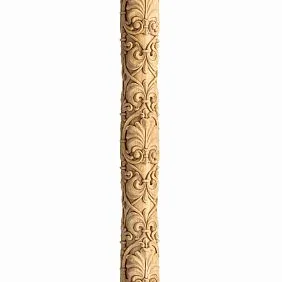

Historical Heritage of Wooden Structures




From ancient temples to modern mansions
The history of using wooden structural elements spans millennia. Ancient civilizations—from Egypt to Japan, from Greece to Scandinavia—constructed magnificent buildings where wood played a key role. Temples in Kyoto, Norwegian stave churches, Russian teremok—these architectural masterpieces demonstrate unparalleled craftsmanship in woodworking.
In medieval Europe, half-timbered houses with exposed wooden beams became a symbol of urban architecture. Massive ceiling structures, carved columns, and supporting posts not only served a structural function but also defined the interior aesthetics. This tradition did not cease with the advent of the industrial age—it transformed and enriched itself with new technological possibilities.
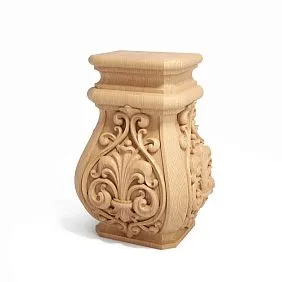
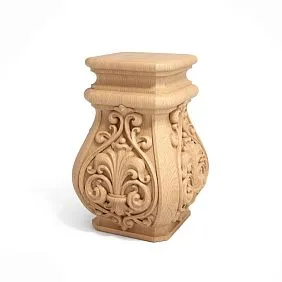
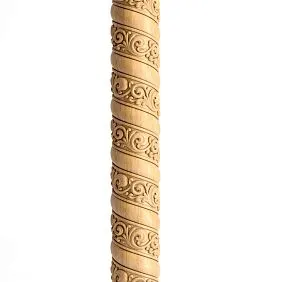
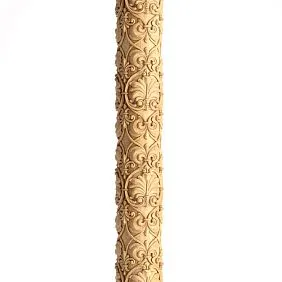
Our factory also produces:


Revival of Traditions in the Modern Context
Today we witness a genuine revival of interest in wooden beams and columns. This is linked to the general trend toward eco-friendliness, a desire for naturalness and authenticity in architecture and design. Modern wood processing technologies enable the creation of structures that combine traditional beauty with contemporary functionality.
Architects and designers are rediscovering the potential of wood as a material capable of creating a warm, cozy atmosphere while simultaneously ensuring necessary strength and durability. Wooden elements become central accents in interiors of various styles—from rustic to minimalist, from classical to ultra-modern.
Get Consultation
Technical Characteristics and Advantages of Wooden Structures
Unique Properties of Wood as a Building Material
Wood possesses a range of physical properties that make it indispensable in construction. Foremost, it offers an exceptional strength-to-weight ratio. Wooden structures can withstand significant loads while remaining relatively lightweight. This is especially important when designing large-area floors or tall columns.
Another important property is natural insulation. Wood has low thermal conductivity, which allows wooden beams and columns not only to perform a structural function but also to contribute to the energy efficiency of a building. Unlike metal structures, wood does not create thermal bridges and helps maintain a comfortable microclimate indoors.
The acoustic properties of wood also deserve attention. The material naturally absorbs sound waves, reducing noise levels and improving room acoustics. This is especially valuable in residential spaces, restaurants, concert halls, and other places where sound quality matters.
Ecological Aspects of Using Wooden Elements
In an era of growing concern over environmental issues, wood stands out as one of the most ecologically clean building materials. It is a renewable resource that, with proper forest management, does not harm the environment. Moreover, wooden structures effectively sequester carbon extracted by trees from the atmosphere, contributing to the reduction of the greenhouse effect.
The production of wooden elements requires significantly less energy compared to concrete or steel. Additionally, wood processing waste can be fully recycled or used as biomass fuel. At the end of their lifecycle, wooden structures are also recyclable, avoiding the disposal problems characteristic of many modern materials.
Durability and Resistance to External Influences
Contrary to popular belief, properly treated and installed wood possesses impressive longevity. Historical examples of wooden structures that have stood for centuries are the best proof of this. Modern processing technologies allow for even greater service life of wooden beams and columns.
Special impregnations protect wood from moisture, mold, insects, and other biological threats. Fire-retardant compounds increase resistance to ignition. It is important to note that massive wooden elements possess inherent fire resistance—during a fire, they char on the outside but retain load-bearing capacity inside, unlike steel structures, which lose strength at high temperatures.
Variety of wood species for structural elements
Traditional species and their characteristics
Choosing the wood species for manufacturing beams and columns is crucial for their operational and aesthetic qualities. Traditionally, coniferous species—pine, spruce, larch—are used in construction. They are distinguished by their good strength-to-weight ratio, availability, and relative ease of processing.
Pine is the most widely used material due to its availability and versatility. Its wood has a beautiful golden hue, is easy to process and treat with protective coatings. Larch surpasses pine in strength and moisture resistance, making it an ideal choice for structures exposed to high humidity or located outdoors.
Among hardwoods, oak and beech are the most commonly used. Oak beams and columns are distinguished by exceptional strength and durability. It is no coincidence that many medieval structures with oak frameworks have survived to this day. Beech also possesses high strength and an attractive texture, although it is less moisture-resistant than oak.
Exotic species for premium projects
In the premium segment of construction and design, exotic wood species are increasingly used. Teak, redwood, wenge, and rosewood bring a touch of luxury and exclusivity to interiors. They are distinguished not only by their unique texture and color, but also by their superior physical properties.
Teak, for example, contains natural oils that make it extremely resistant to moisture and insects. Redwood (mahogany) is valued for its deep reddish hue and exceptional dimensional stability. Wenge, with its nearly black color and contrasting grain, creates a dramatic effect in modern interiors.
However, the use of exotic species raises questions of ecological responsibility. Many of them are threatened with extinction due to uncontrolled logging. Therefore, when selecting such materials, it is critically important to ensure their legal origin and the presence of sustainable forestry certification.
Glued beams as a modern alternative
The glued beam technology has revolutionized production wooden beams and columnsThis material is created by gluing several layers of wood with fibers oriented in different directions, which ensures exceptional strength and dimensional stability. Glued structures are not subject to deformations typical of solid timber—they do not crack, warp, or change dimensions with humidity fluctuations.
The technology allows creating beams and columns of practically any length and cross-section, opening new possibilities for architects and engineers. At the same time, glued beams retain all the advantages of natural wood—ecological safety, thermal insulation properties, and aesthetic appeal.
It is important to note that modern adhesives used in production are completely safe for health and meet the strictest ecological standards. This makes glued beams an ideal material for constructing ecologically clean housing.
Architectural and design solutions using wooden elements
Exposed beam structures in interiors
Exposed ceiling beams have become one of the most popular elements in modern interior design. They bring a sense of authenticity to the space, create a visual rhythm, and add character to the room. Depending on the interior style, beams can be massive and roughly finished for a rustic effect, or smooth and geometrically precise for modern minimalism.
Ceiling structures with cross beams, creating a coffered ceiling, look especially striking. Such a solution visually structures the space, making it more dynamic and interesting. In rooms with high ceilings, beams help "lower" the visual height, making the space more cozy and human-scale.
Modern designers often play with contrast, combining wooden beams and columns with modern materials—glass, concrete, metal. Such combinations create an interesting tension between traditional and modern, warm and cool, natural and industrial.
Columns as functional and decorative elements
Wooden columns serve a dual function—structural and aesthetic. As load-bearing elements, they support floors, arches, and vaults. As decorative accents, they set the tone for the entire interior, becoming its central elements.
In classical interiors, columns are often executed in the order system—with a base, shaft, and capital. They can be smooth or fluted, with simple or intricately carved capitals. In modern interpretations, classical forms are often simplified and stylized, while retaining recognizable proportions and details.
In loft or industrial-style interiors, wooden columns are often intentionally left rough, with visible marks of processing, emphasizing their authenticity. In minimalist spaces, columns may have perfectly smooth surfaces and clear geometric forms.
Combining wooden elements with various interior styles
Versatility wooden beams and columns allows integrating them into virtually any interior style, from traditional to avant-garde. In classical and neoclassical interiors, they emphasize historical continuity and traditional values. In country, rustic, and Mediterranean styles, they create an atmosphere of rural coziness and simplicity.
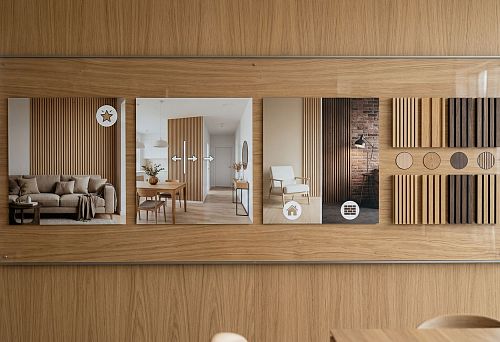
Modern styles also actively use wooden elements, but in a new interpretation. In Scandinavian design, preference is given to light wood species with minimal processing, highlighting the natural beauty of the material. In Japanese minimalism, wooden structures are distinguished by geometric precision and simplicity of form.
Eclectic solutions are especially interesting, where wooden elements become a connecting link between different stylistic directions. For example, rough beams made of weathered wood can strikingly contrast with glossy modern surfaces, creating a unique space that combines history and modernity.
Technologies for processing and installing wooden structures
Modern wood processing methods
Technological progress has significantly expanded the possibilities of working with wood. Modern processing methods allow creating structures of practically any shape and complexity, while preserving all the natural qualities of the material.
Computer modeling and CNC machines ensure the highest precision in manufacturing parts. This is especially important when creating complex joints typical of traditional wooden structures. Laser cutting allows for delicate decorative elements that are inaccessible with manual processing.
Innovative wood drying methods guarantee dimensional and shape stability of finished products. For example, vacuum drying allows uniform moisture removal from the entire material volume, preventing internal stresses that could lead to deformation in the future.
Protective coatings and impregnations
Modern chemical industry offers a wide range of products for protecting wood from various adverse factors. Antiseptic impregnations prevent mold and mildew development, insecticidal compositions protect against wood-boring insects, hydrophobic impregnations reduce water absorption.
Fire-retardant compositions significantly enhance the fire safety of wooden structures. They work on the principle of intumescence — upon heating, they form a protective layer on the wood surface, preventing oxygen access and slowing combustion.
For final finishing, various varnishes, oils, and waxes are used. They not only protect the surface but also highlight the natural beauty of wood, revealing its texture and color. Modern coatings can be fully transparent or tinted, matte or glossy, depending on the desired effect.
Engineering solutions for assembly and fastening
Installation wooden beams and columns Require special engineering solutions ensuring structural reliability and longevity. Traditional carpentry joints — mortises, tenons, and dovetails — are still used in construction, especially in restoring historical buildings or creating authentic interiors.
However, modern construction increasingly uses metal fasteners — brackets, nails, anchors — enabling quick and reliable assembly of wooden structures. It is crucial that these elements are properly selected according to loads and specific features of the structure.
Special attention is paid to connecting wooden elements with other materials — concrete, brick, metal. Here, it is critically important to consider different material behaviors under temperature and humidity changes to prevent stress and deformation.
Practical application of wooden beams and columns in various types of buildings
Residential spaces: from country houses to city apartments
In residential construction wooden beams and columns find the widest application. In country houses, they often serve as primary structural elements forming the building's frame. Exposed beam ceilings create a distinctive interior look, making it warmer and cozier.
In city apartments, wooden elements are more often used as decorative accents. False beams on ceilings, decorative columns dividing functional zones, wooden portals — all these elements bring a touch of nature and traditional coziness into modern urban housing.
Wooden structures look especially effective in attic spaces, where they can be integrated into sloped roofs. Open truss systems not only serve a structural function but also create an expressive architectural image, emphasizing the uniqueness of the space under the roof.
Commercial and public spaces
In commercial interiors — restaurants, cafes, shops — wooden elements help create a unique atmosphere that distinguishes the establishment from competitors. Massive beams and columns are associated with reliability, tradition, and quality — values many brands strive to convey to their customers.
Restaurants with wooden interiors are perceived as more cozy and inviting for extended stays. Premium segment stores use wooden elements to create an atmosphere of exclusivity and high quality. Office spaces with wooden details are perceived as more human-centered and less stressful.
In public buildings — libraries, museums, concert halls — wooden structures often become part of the architectural concept, emphasizing the cultural significance of the space. They create a special acoustic environment conducive to appreciating music or spoken word.
Restoration of historical buildings
A separate area of application wooden beams and columns Restoration of historical buildings. Here, a special approach is required, combining traditional techniques with modern materials. The goal of restoration is to preserve historical authenticity while ensuring the structures have the necessary strength and longevity.
Restorers often encounter the need to replace damaged elements while preserving their historical appearance. In such cases, special wood aging technologies are used, allowing new components to visually match the originals.
Special attention is paid to preserving historical carpentry joints and decorative elements. Modern technologies allow strengthening existing structures without altering their appearance, which is especially important for architectural monuments.
Economic aspects of using wooden structures
Comparative analysis of the cost of various construction materials
When evaluating the economic efficiency of wooden structures, it is necessary to consider not only the initial cost of the material but also long-term operational expenses. Compared to concrete and steel, wood is often a more economical solution, especially when considering the speed of installation and the absence of need for heavy construction equipment.
The cost of wooden elements varies depending on the wood species, degree of processing, and complexity of the structure. Solid hardwoods, without doubt, belong to the premium segment. However, modern technologies such as glued laminated timber allow creating high-quality structures from more affordable materials.
It is important to note that wooden structures often allow savings on finishing work, as they can simultaneously serve as both structural and decorative elements. This is especially relevant for interiors where wooden beams and columns remain exposed, becoming part of the design.
Long-term economic efficiency
From a long-term economic efficiency standpoint, wooden structures have several advantages. They contribute to energy conservation due to wood's low thermal conductivity, which reduces heating and air conditioning costs.
Properly installed and treated wooden beams and columns require minimal maintenance. Unlike steel structures, they are not susceptible to corrosion and do not require periodic renewal of anti-corrosion coatings. In case of local repair, wooden elements are easily restorable without replacing the entire structure.
Impact on building energy efficiency
Wooden structures make a significant contribution to the overall energy efficiency of a building. The low thermal conductivity of wood (approximately 5 times lower than concrete and 15 times lower than steel) prevents the formation of thermal bridges — areas of the structure with increased heat loss.
In modern construction, the concept of 'passive house' — buildings with minimal energy consumption — is gaining increasing importance. Wooden structural elements fit perfectly into this concept, helping to create a stable microclimate with minimal energy expenditure.
In modern construction, the concept of "passive house" - buildings with minimal energy consumption - is gaining increasing importance. Wooden structural elements fit perfectly into this concept, helping to create a stable microclimate with minimal energy expenditure.
Moreover, wood has the ability to naturally regulate humidity in a room, absorbing excess moisture and releasing it when levels are low. This creates more comfortable living conditions and reduces the need for artificial humidification or dehumidification systems.
Innovations and the future of wooden structures
New wood treatment and modification technologies
Scientific research in wood processing continuously expands the possibilities of using this material. One promising direction is thermal modification of wood, in which the material is heated to high temperatures in an oxygen-free environment. This leads to changes in its molecular structure, significantly increasing resistance to moisture, fungi, and insects.
Acetylation is another innovative method, in which wood molecules react with acetic anhydride, making the material more stable and durable. Such wood does not swell upon contact with moisture and is resistant to biological decomposition.
Nanotechnology is also applied in wood processing. Nanoparticles embedded in the material's structure can impart new properties — increased strength, fire resistance, and UV resistance. This opens up new possibilities for use wooden beams and columns in conditions previously considered unsuitable for wood.
Digital technologies in design and production
Digital technologies are revolutionizing the design and production of wooden structures. BIM modeling (Building Information Modeling) allows creating detailed three-dimensional models that account for all material and structural characteristics. This significantly reduces the likelihood of design errors and simplifies coordination among various construction stakeholders.
Parametric design opens new possibilities for creating complex geometric forms previously inaccessible for wooden structures. Optimization algorithms allow finding the most efficient solutions in terms of material consumption and load-bearing capacity.
In production, robotic systems and CNC machines play an increasingly important role, capable of reproducing the most complex details with high precision. This is especially important when creating connections that require perfect alignment of elements.
Promising directions for industry development
One of the most promising directions is tall wooden construction. Once considered science fiction, it is now becoming a reality thanks to the development of CLT (Cross-Laminated Timber) and LVL (Laminated Veneer Lumber) technologies. These materials enable the construction of multi-story buildings with wooden frames that match the strength and safety of traditional reinforced concrete structures.
Another interesting direction is hybrid structures, combining wood with other materials to achieve optimal characteristics. For example, composite beams with a wooden core and an outer shell of carbon fiber exhibit exceptional strength at minimal weight.
Interest in using local, fast-growing wood species in construction is growing. This aligns with sustainable development principles and reduces the carbon footprint of the construction industry. Studies show that with proper treatment, even so-called 'non-construction' species such as poplar or willow can successfully be used to create structural elements.
Selection and ordering of wooden beams and columns
Criteria for selecting material and manufacturer
When choosing wooden beams and columns Selection should be guided by several key criteria. First and foremost, it is the quality of the raw material — the wood must be properly dried (moisture content no more than 12-15%), free of critical defects (large knots, cracks, signs of fungal damage).
It is important to pay attention to the production technology. Preference should be given to companies using modern equipment and strictly controlling each stage of the production process. The presence of quality and environmental compliance certificates from the manufacturer is an additional argument in its favor.
The manufacturer's reputation also matters. It is worth studying customer reviews, familiarizing oneself with the portfolio of completed projects, and if possible, visiting sites where the manufacturer's structures are already installed. Reliable companies typically provide long-term warranties on their products and offer technical support at all stages — from design to installation.
Custom design and standard solutions
The modern market offers both standard and custom solutions for wooden structures. Standard products have fixed dimensions and shapes, making them more cost-effective and reducing delivery times. They are suitable for typical projects where a unique design is not required.
Custom design allows creating structures perfectly suited to a specific space and design concept. This is especially important for historical buildings, non-standard spaces, or projects with high aesthetic requirements. Modern design and production technologies make custom solutions more accessible than ever before.
The optimal approach often involves combining standard and custom elements. For example, one can use standard beams and supplement them with unique decorative elements or connections specifically designed for a particular project.
Ordering and implementing the project
The ordering process usually includes several stages. It begins with a consultation, during which specialists help determine optimal construction parameters taking into account architectural, structural, and aesthetic requirements of the project. wooden beams and columns The next stage is design, including the development of detailed drawings and specifications. At this stage, exact dimensions, shape, type of connections, and finish are defined. Modern technologies allow creating 3D visualizations, providing a clear view of how the structures will appear in the interior.
After project approval, production begins. The timeline depends on the complexity of the structures and the production load, but typically ranges from several weeks to several months. Many companies offer installation services, ensuring correct installation and maximum durability of the structures.
Conclusion: eternal beauty and functionality of wood in modern architecture
Conclusion: Eternal beauty and functionality of wood in modern architecture
wooden beams and columns This is not merely a tribute to tradition or a fashionable trend. It is an organic combination of functionality, eco-friendliness, and aesthetics, which remains relevant for millennia. In an era of growing concern about environmental issues and the pursuit of sustainable development, wood as a renewable resource gains special value.
Modern technologies have significantly expanded the possibilities of using wooden structures, making them stronger, more durable, and more versatile. They enable the creation of complex architectural forms previously inaccessible to this material, opening new horizons for architects and designers.
At the same time, wood retains its main attraction - the ability to create a warm, cozy atmosphere, which is so lacking in modern cities. Each wooden beam or column carries a piece of nature, bringing a sense of naturalness and harmony into the artificial environment.
STAVROS company has been specializing in producing high-quality solid wood products, including pilasters and columns, for many years. Long-standing experience, modern equipment, and a team of professionals enable STAVROS to create wooden elements that combine traditional craftsmanship with innovative technologies. Each item is a unique blend of natural wood beauty and precision processing, becoming a worthy decoration for any interior.