Article Contents:
- Hood as a visual and structural object
- Why wood?
- Wooden hood finishing options
- Styles and solutions
- How to integrate the casing into the overall kitchen composition
- Installation and technical nuances
- Mistakes and their consequences
- Examples and usage scenarios
- STAVROS Advantages
- Conclusion
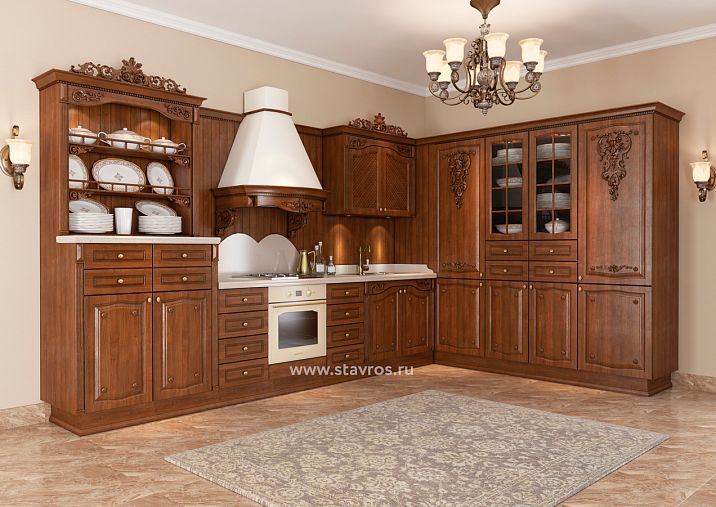
Modern kitchens have long ceased to be merely functional spaces for food preparation. Today, they are multifaceted areas combining technology and aesthetics, practicality and visual appeal. The kitchen has become the true heart of the home, a place where the family not only prepares and consumes food, but also spends a significant amount of time, communicating and creating a unique atmosphere of home comfort.
In this transformed space, each element plays its role in forming the overall image. The kitchen hood occupies a special place — a technical device that, by its placement and dimensions, becomes a vertical dominant, attracting attention and setting the rhythm for the entire interior. The hood is often the element through which the designer can most vividly express the stylistic concept of the kitchen.
Wooden hood casing represents an elegant solution that allows transforming a technical object into an architectural accent. This enables harmoniously integrating modern technology into any interior, from classic to avant-garde, giving it individuality and stylistic belonging.
STAVROS Company, specializing in the production of high-quality solid wood items, offers a wide range of trim and decorative elements that allow creating premium kitchen zone finishes. Using these elements as a kind of construction kit, you can create a unique hood casing that not only emphasizes the interior style but also becomes its key accent.




Hood as a visual and structural object
In the architecture of the kitchen space, the hood occupies a special place. Positioned above the cooking surface, it inevitably becomes a focal point of attention, the center of composition around which the entire geometry of the room is arranged. This is a kind of axis of symmetry, setting the rhythm and defining the stylistic direction of the entire interior.
The hood is usually located on one of the central kitchen walls, often opposite the entrance or in the direct line of sight from the dining or living room in an open-plan layout. Thus, it becomes not just a functional element, but a visual dominant that can either harmoniously complement the overall concept or introduce a dissonance into the carefully thought-out design.
The problem of integrating the hood into the kitchen interior lies in its inherently technical nature. Metallic surfaces, industrial design, utilitarian form — all of this may contradict the cozy, homey atmosphere that is sought in the kitchen space. This problem is especially acute in interiors with classic, traditional, or rustic styles, where technical elements appear foreign and disrupt the overall image.
The solution to this design dilemma is to frame the hood with materials and forms that match the overall interior style. And wood, in this context, is an ideal material capable of 'taming' technology, making it an organic part of the home space. A wooden frame allows visually transforming the hood from a technical device into an architectural element that resonates with the overall kitchen concept.
This approach to hood finishing does not merely conceal the technology — it transforms it into a fully-fledged design object that can become a central compositional element, setting the tone for the entire interior. A hood framed in wood becomes a kind of portal, an architectural accent that introduces a sense of monumentality and solidity into the kitchen space.
It is important to understand that hood framing is not merely a decorative technique. It is a way to structure space, create a visual hierarchy, in which the technical device acquires a new status and new meaning. A properly designed frame can visually correct the proportions of the room, create an impression of higher ceilings, or, conversely, make the space more intimate and cozy.




Why wood?
The choice of material for hood framing is crucial for achieving the desired aesthetic and functional result. Wood, in this context, possesses a range of advantages that make it the optimal choice for creating a harmonious and long-lasting finish.
The aesthetic qualities of wood are impossible to overestimate. This material brings natural warmth and coziness to the interior, which is essential in a kitchen space. The natural texture of wood, with its unique pattern of growth rings, creates a living, organic surface that contrasts with the cold sheen of metallic and glass kitchen appliances. This contrast is not only visually interesting but also psychologically comfortable — it softens the technological nature of modern kitchens, making them more cozy and homey.
The texture of wood adds tactile variety to the interior. Unlike the smooth, uniform surfaces of modern materials, wood has its own character, which is expressed not only visually but also to the touch. This is especially important in the kitchen space, where tactile sensations play a significant role in the perception of comfort.
From a practical standpoint, wood also has several significant advantages. The ecological nature of this material makes it safe for use in spaces where food is prepared. Unlike some synthetic materials, properly treated wood does not emit harmful substances even when heated, which is especially important for the hood area, where temperatures may be elevated.
Form stability is another important quality of properly processed wood. When manufacturing and installation technology is followed, wooden elements retain their geometry for many years, without deforming under the influence of temperature fluctuations and humidity typical of kitchen spaces.
Repairability of wooden structures is also a significant advantage. In case of damage to individual framing elements, they can be relatively easily replaced or restored without changing the entire structure. Moreover, wood is amenable to renewal — it can be sanded, repainted, or coated with new protective finishes, allowing it to maintain an attractive appearance for a long time.
The psychology of perceiving wood in the kitchen interior deserves separate attention. This material is associated with traditions, solidity, naturalness — qualities especially valued in a space related to food preparation. Wooden elements create a sense of reliability and durability, which is psychologically important for a space that is the heart of the home.
Moreover, wood has the ability to visually unify various interior elements. A wooden hood casing can harmonize with other wooden details in the kitchen — countertops, facades, decorative elements — creating a cohesive, harmonious image. This is especially important in modern interiors, where many different materials and textures are often used.
Our factory also produces:


Wooden hood finishing options
Wooden hood casing provides wide opportunities for creative self-expression and the creation of unique design solutions. Using various elements from the STAVROS assortment, you can create a casing perfectly matching the kitchen style and overall interior concept.
Crown mouldings are one of the main elements of range hood framing. They can be used to create the upper part of the structure, visually completing the composition and giving it architectural expressiveness. Crown mouldings of various profiles — from simple straight ones to complex multi-level designs — allow creating frames of varying degrees of ornamentation, from minimalist modern to luxurious classical.
Mouldings — profiled strips of various cross-sections — are used to create framed structures, divide surfaces, and emphasize architectural lines. In range hood framing, mouldings can be used to form the main structure, create decorative panels, frame inserts made of other materials. The variety of moulding profiles allows to realize almost any design idea, from strict geometry to plastic, flowing forms.
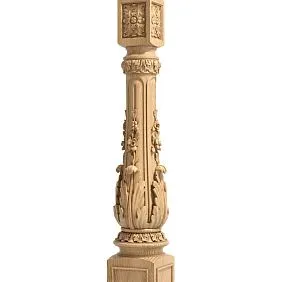
Columns and half-columns give the range hood framing a special monumentality and architectural expressiveness. They can flank the range hood on both sides, creating the effect of a portal or niche. Columns of various orders — from strict Doric to refined Corinthian — allow to set a certain stylistic context, referring to classical architectural tradition.
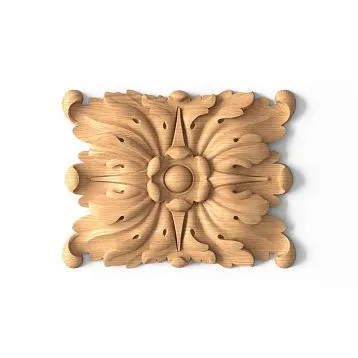
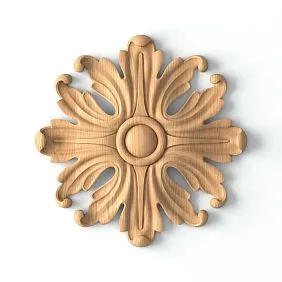
Decorative appliqués — carved elements, rosettes, consoles, brackets — are used to accentuate individual parts of the framing, giving it individuality and artistic expressiveness. These elements can be placed at intersections of lines, in corners of framed structures, in the center of panels, creating visual accents and adding depth and volume to the composition.
Carved elements represent the most decorative category of framing details. They can have various motifs — from geometric to plant-based, from abstract to figurative. Carved elements allow to give the range hood framing a unique character, making it truly exclusive and expressive.
STAVROS products represent a kind of construction kit, elements of which can be combined to create an infinite number of framing options. It is important that all these elements are made of high-quality solid wood, have perfectly interlocking dimensions and a unified style, allowing to create harmonious, cohesive compositions.
When designing range hood framing, it is important to consider not only aesthetic but also functional aspects. The construction must ensure unobstructed access to the range hood controls, not impede air circulation, and be resistant to heat and moisture. A properly designed framing not only decorates the range hood but also enhances its usability, protects against contamination, and extends its service life.
Get Consultation
Styles and Solutions
The choice of range hood framing style is determined by the overall concept of the kitchen space and should harmonize with the architectural solution of the entire interior. Let us consider the main stylistic directions and corresponding wooden framing options.
A classical kitchen implies the use of traditional architectural forms and proportions. The range hood framing in such an interior often has a symmetrical composition with a clearly defined central axis. Characteristic elements include curved crown moulding profiles, pilasters or columns on the sides, decorative rosettes and appliqués. The color palette usually includes noble wood tones — from light oak to dark redwood, often with patina creating an antique effect.
In the classical style, proportions and adherence to architectural canons are important. The upper part of the framing is often designed as an entablature with a cornice, frieze, and architrave. The side parts may be designed as pilasters with capitals and bases. The central part above the range hood may contain a decorative panel with carved ornament or a smooth surface framed by profiled mouldings.
Provence as a style is characterized by a more light, relaxed character. The range hood framing in this style has softer, smoother lines, less strict geometry. Characteristic are bleached or pastel wood tones, emphasizing its texture. Decorative elements are more restrained, often with plant motifs — flowers, leaves, grapevines.
In the Provence style, naturalness and some "worn" effect are important, creating the impression of items that have lived in the interior for many years. Surfaces may have light scratches, cracks, unevenness, which are not perceived as defects but create a special charm and character. Moulding and crown profiles are simpler, without the complex profiling characteristic of classic styles.
Modern design of the range hood is characterized by more geometric, minimalist forms. Here, clean lines prevail, minimal decorative elements, emphasis on material quality and precision of execution. The color palette may include both natural wood tones and painted surfaces — from white to black, often with contrasting combinations.
In modern style, functionality and visual lightness are important. The range hood framing can be reduced to a minimum — a simple moulding frame, minimalist cornice, smooth panels without decorative appliqués. Emphasis is placed on material quality, line precision, and perfect surface. Contrasting combinations are often used — dark wood on a light background or, conversely, light wood on a dark wall.
Loft and eclectic styles imply a more free, experimental approach to range hood design. Here, solid wood with pronounced texture and rough finish may be used, highlighting the natural beauty of the material. The color palette usually includes natural wood tones, often with an aged effect — scratches, cracks, traces of time.
In loft and eclectic styles, individuality and character are important. The range hood framing may combine elements of different styles, include non-standard solutions — for example, using old wooden beams, boards with history, industrial-style elements. Experiments with shape, color, texture are allowed and even encouraged here, creating a unique, irreplaceable image.
Regardless of the chosen style, it is important that the range hood framing is an organic part of the overall kitchen design, supporting its architectural concept and creating a harmonious, cohesive image. STAVROS assortment elements allow to realize any stylistic idea, from classical strictness to avant-garde expression.
How to Integrate Range Hood Framing into the Overall Kitchen Composition
Integrating wooden range hood framing into the overall kitchen composition requires careful attention to color, geometric, and stylistic aspects. Properly designed framing should become an organic part of the interior, supporting its integrity and harmony.
The color solution of the framing can be based on several principles. The first option — selecting wood color to match kitchen cabinet facades. This approach creates a sense of unity and wholeness, making the range hood appear as an extension of the furniture ensemble. This solution is especially appropriate for classical and traditional interiors, where harmony and order are valued.
The second option — a contrasting solution, where the framing color differs from the cabinet facade color. For example, dark wood against a light kitchen or, conversely, light framing with dark facades. This approach allows the range hood to become an accent element, drawing attention and establishing a certain rhythm in the space. A contrasting solution is characteristic of modern interiors, where expressiveness and dynamism are valued.
The third option — selecting framing color to match wall tones. This technique allows visually integrating the range hood into the room's architecture, making it less noticeable and more "embedded" in the overall structure. This solution may be appropriate when the range hood should not be the main accent, and other interior elements — for example, a kitchen island or dining area — play a more important role in the composition.
The geometry of the framing should correspond to the proportions of the kitchen and the range hood itself. It is important to maintain a balance between the framing's massiveness and the room's size. In small kitchens, overly bulky framing may visually "consume" space, making it feel cramped and overloaded. In spacious rooms, conversely, overly light, miniature framing may appear disproportionate and fade against the overall scale.
The proportions of the framing should correspond to classical architectural canons or intentionally violate them if this is part of the design concept. In classical interiors, the golden section principle is often used, defining the ratio of height to width of elements, the size of cornices, and the width of mouldings. In modern styles, proportions may be more flexible and experimental, but they should always be justified by the overall space concept.
The junction of the framing with other interior elements — furniture, wall panels, backsplash — requires special attention. It is important that transitions between different materials and surfaces are logical and aesthetically pleasing. STAVROS mouldings and profiles allow creating neat, professional joints that appear as a single cohesive unit.
When designing framing, it is necessary to consider not only aesthetic but also functional aspects. The construction should not hinder the normal operation of the range hood, access to controls, or filter replacement. It is important to provide for the possibility of servicing and cleaning both the range hood and its framing elements.
Special attention should be paid to lighting. Many modern range hoods are equipped with built-in lights, which must effectively illuminate the work surface. The framing should not create unnecessary shadows or hinder light distribution. Moreover, properly designed framing can enhance the lighting effect, creating an interesting play of light and shadow on the relief surfaces of the wood.
Installation of wooden range hood framing requires attention to technical details and adherence to certain rules that ensure the longevity of the construction and its safe operation in kitchen conditions.
Installation of wooden range hood framing requires attention to technical details and adherence to certain rules that ensure the longevity of the construction and its safe operation in kitchen conditions.
The mounting of the frame elements must be secure and durable. Depending on the exhaust hood's construction and the type of frame, various mounting methods may be used—onto the wall, onto the hood's body, or onto the upper cabinets of the kitchen set. It is important that the mounting elements are concealed and do not disrupt the frame's aesthetics.
For mounting to the wall, screws and anchors of appropriate length and diameter are typically used, ensuring secure fixation even under significant weight. Mounting to the hood's body can be achieved using special brackets or directly with screws, if the hood's construction allows. When mounting to kitchen cabinets, furniture brackets, confirmers, or other specialized mounting elements are used.
Ventilation is a critically important aspect when designing the exhaust hood's frame. The construction must not impede normal air exchange and exhaust of contaminated air. Sufficient space for airflow must be provided, especially if the hood operates in recirculation mode.
In the case of hoods connected to a ventilation shaft, it is important to ensure the air duct connections are airtight and prevent condensation from reaching wooden frame elements. For this purpose, special sealants, adhesives, and insulating materials may be used.
Protection of wooden elements from exposure to high temperatures, steam, and grease is another important aspect. Wood located near the cooking surface is subjected to significant thermal loads. To prevent deformation and damage to the material, heat-resistant coatings must be used and minimum distances from heat sources must be maintained.
The choice of finish for wooden frame elements is crucial for their longevity. In kitchen environments, where high humidity, temperature fluctuations, and grease vapors are present, standard paint and varnish materials may quickly lose their protective and decorative properties. It is recommended to use specialized coatings resistant to moisture, heat, and household chemicals.
For treating STAVROS products used in the exhaust hood's frame, we recommend polyurethane or acrylic varnishes with enhanced resistance to abrasion and moisture. These materials form a strong, flexible film that protects the wood from external influences and preserves its natural beauty. For elements located near the cooking surface, heat-resistant varnishes capable of withstanding brief exposure to high temperatures may be used.
Before applying the final finish, the wood surface must be thoroughly prepared—cleaned of dust, degreased, and sanded. This ensures good adhesion of the varnish or paint to the substrate and the longevity of the finish. Depending on the desired effect, various painting techniques may be used—ranging from transparent finishes that highlight the natural wood texture to opaque paints that create a uniform colored surface.
To maintain the attractive appearance of the exhaust hood's frame, regular maintenance is required—cleaning of dust and grease deposits, and renewing the protective finish when signs of wear appear. With proper care, wooden frames will retain their beauty and functionality for many years.
Errors and Their Consequences
During the design and installation of wooden exhaust hood frames, certain errors may occur that negatively affect the aesthetic and functional outcome. Let us consider the most common ones and methods to prevent them.
Overly heavy decoration is one of the most common errors, especially in small kitchens. In an attempt to create a striking, status-oriented element, designers sometimes overload the frame with decorative details, use overly wide moldings, bulky cornices, and voluminous columns. As a result, the hood with its frame begins to dominate the space, suppressing other interior elements and disrupting the overall balance.
This error is especially critical in small spaces, where every centimeter counts. A heavy frame can visually 'consume' space, making the kitchen feel cramped and overloaded. Moreover, overly heavy and bulky frames may create practical inconveniences—making access to upper cabinets difficult, limiting visibility, and hindering free movement.
To prevent this error, it is necessary to carefully match the scale of the frame with the dimensions of the room and other interior elements. In small kitchens, it is better to prefer lighter, more minimalist solutions—thin moldings, shallow cornices, minimal decorative details. It is important to remember that elegance and style are determined not by the quantity of decoration, but by its quality and appropriateness.
Unconsidered ceiling height is another common error that may lead to visual conflict and disruption of spatial proportions. If the hood's frame is too high relative to the ceiling height, it may create a sense of pressure and heaviness, visually 'lowering' the ceiling. This error is especially critical in rooms with low ceilings, where every vertical centimeter is valuable.
On the other hand, in rooms with high ceilings, a too low, compact frame may appear disproportionate, disappear into the space, and fail to fulfill its compositional role. In such cases, the frame should be more vertically developed to match the scale of the room.
To prevent this error, it is necessary to consider the ceiling height during the design phase and create a frame proportional to the vertical dimensions of the room. In low-ceilinged rooms, techniques that visually increase height can be used—vertical lines, lighter shades on the upper part of the frame, minimalism in decoration. In high-ceilinged rooms, on the contrary, more vertically developed structures, multi-level cornices, and tall decorative elements can be allowed.
Mismatch with kitchen style is an error that can make the exhaust hood's frame an out-of-place element in the interior. If the frame's style does not harmonize with the overall kitchen style, it creates a 'inserted element' effect, disrupting the spatial integrity. For example, a classical frame with columns and carving will appear inappropriate in a minimalist modern interior, while a minimalist geometric frame may clash with rich classical decor.
To prevent this error, it is necessary to carefully analyze the interior's stylistic character and choose a frame that corresponds to its nature. It is important to consider not only the overall style but also specific details—molding profiles on facades, hardware characteristics, finishing features. STAVROS product range allows creating frames in various styles, from classic to modern, enabling optimal solutions for any interior.
Another common error is insufficient attention to functional aspects. A frame that hinders access to the hood's controls, impedes normal air circulation, or creates difficulties during maintenance and cleaning will cause constant annoyance, regardless of its aesthetic appeal.
To prevent this error, all functional aspects of hood usage must be considered during the design phase, ensuring convenient access to control elements, and providing opportunities for maintenance and cleaning. It is important to remember that even the most beautiful frame will not be pleasing if it creates practical inconveniences.
Examples and Usage Scenarios
To better understand the possibilities of wooden exhaust hood frames, let us consider several specific examples of implementing this idea in various stylistic contexts.
First scenario—classic kitchen with decorative hood and columns. Imagine a spacious kitchen in a country house, decorated in traditional classic style. The central element of the composition is an island cooking surface with a hood above it. The hood is framed by a dark golden oak solid wood structure, harmonizing with the color of the kitchen set's facades.
The frame has the shape of a portal with two Corinthian order columns on either side, supporting an entablature with a complex profiled cornice. The columns are mounted on decorative consoles that visually connect the structure to the island. The central part of the frame above the hood is designed as a panel with carved floral ornament, framed by profiled moldings.
The wood surface has a light patina, emphasizing the relief of the carving and creating an effect of noble antiquity. All frame elements are made from STAVROS products—columns, cornices, moldings, decorative inserts—and form a harmonious, cohesive composition.
Such a frame does not merely conceal the technical nature of the hood—it transforms it into an architectural focal point of the space, setting the tone for the entire interior. The classical portal evokes a sense of solidity, status, and connection to tradition, which is especially valuable in the context of a kitchen—the space where family communication traditions hold special significance.
Second scenario—modern interior with smooth wooden frame. Imagine a minimalist kitchen in an urban apartment, decorated in a modern style. The hood is located against the wall above the cooking surface. Its frame is made from light-colored beech solid wood, contrasting with the dark gray kitchen set facades.
The frame construction is minimalist and geometric—a simple rectangular frame made of moldings with minimal profile, without decorative elements or carving. The upper part is finished with a simple, strict-profiled cornice. The side posts smoothly transition into vertical panels that frame the cooking surface and create a unified composition with the hood.
The wood surface has a matte finish, highlighting the natural beech texture, but without excessive decoration. All lines are clear, angles precise, proportions balanced—the frame is perceived as an extension of the space's architecture, rather than as a decorative element.
This solution perfectly complements a modern interior, where clean lines, functionality, and minimalism are valued. The wooden frame softens the technological nature of a contemporary kitchen, introducing the warmth of natural material, but does so delicately, without disrupting the overall space concept.
Third scenario – Provence with carved facades and beveled edges. Imagine a cozy kitchen in a country house styled in Provence. The range hood is integrated into the line of upper cabinets but is highlighted by a decorative frame made of solid beech wood, painted in a soft cream color with an aged effect.
The frame has the shape of a decorative facade with beveled panels and carved vegetal elements. The upper part is finished with a cornice featuring a soft, smooth profile. On both sides are pilasters with simple capitals, adorned with carvings in the form of stylized leaves and flowers.
The wood surface has a slight wear, patina in the recesses of the carving, creating an effect of an object that has lived in the interior for many years. The frame's color harmonizes with the kitchen cabinet facades, but has a more saturated tone, making the range hood an accent element of the composition.
This frame perfectly matches the Provence style with its love for natural materials, handcrafted work, and aged surfaces. It creates an atmosphere of a cozy country home, where each item has its own history and character. The range hood ceases to be a technical device and becomes part of this story, an organic element of a traditional interior.
Advantages of STAVROS
The choice of the STAVROS company as the supplier of elements for the wooden range hood frame is due to a number of advantages that make cooperation with this manufacturer the optimal solution for creating high-quality, durable, and aesthetically appealing finishes.
The widest selection of molding products is one of STAVROS's key advantages. The company's assortment includes numerous types of moldings, cornices, pilasters, columns, decorative overlays of various profiles, sizes, and styles. This allows selecting elements that perfectly match a specific designer's concept, whether it's a classic interior with rich decoration or a modern minimalist project.
The variety of molding profiles allows creating frames of varying complexity – from simple framed structures to multi-level compositions with deep relief and expressive play of light and shadow. Cornices of various shapes and sizes enable creating striking frame finishes that match the overall interior style.
The flawless quality of solid wood is another important advantage of STAVROS's products. The company uses only high-quality wood, carefully selected and properly dried. This guarantees the stability of the items' shape, absence of deformation or cracking during use, which is especially important for elements used in the range hood area, where temperature and humidity fluctuations occur.
Solid wood, unlike composite materials, possesses natural beauty, a unique wood grain pattern, and pleasant tactile qualities. These qualities cannot be fully replicated using artificial substitutes. STAVROS products preserve all the advantages of natural wood, complemented by precise manufacturing and durability.
The ability to individually assemble elements is an advantage particularly valued by designers and architects. STAVROS products are somewhat like a construction kit, whose elements can be combined to create unique compositions tailored to a specific project. This provides creative freedom and enables implementing the most daring design ideas.
All elements have standardized dimensions and profiles, ensuring their ideal compatibility with each other. This significantly simplifies the design and installation process, allowing the creation of harmonious, professionally executed structures without the need for additional adjustments or modifications.
Delivery across Russia makes STAVROS's products accessible to clients from any region of the country. The company ensures reliable packaging protecting items from damage during transport and prompt delivery, which is especially important for projects with tight deadlines.
Reliability, proven over years of market operation, is another important advantage of STAVROS. The company has a reputation as a responsible supplier that fulfills its obligations and guarantees product quality. This provides confidence that the project will be completed on time and with the expected result.
Technical support and consultations from STAVROS specialists help clients make the right choice, select optimal elements for a specific project, and resolve any issues. This is especially valuable for those who lack specialized knowledge in woodworking and design but wish to create a high-quality, professional range hood frame.
Conclusion
The range hood, this technically necessary element of kitchen space, is often perceived as a design problem. Its industrial character, metallic surfaces, and utilitarian form may clash with the cozy, homey atmosphere that people strive to create in the kitchen. However, as we have seen, the range hood can become not a problem but an opportunity to implement interesting stylistic solutions, an accent element that sets the tone for the entire interior.
The wooden frame transforms the range hood from a technical device into an architectural element, seamlessly integrated into the overall space concept. Wood, with its warmth, natural beauty, and tactile appeal, becomes the ideal material for creating this transition from technology to architecture, from function to aesthetics.
The language of wood is the language of coziness, warmth, status, and taste. Wooden elements in interior design create a sense of solidity, connection to traditions, and natural harmony. In the context of the kitchen, a space where food is prepared and family gathers, these qualities acquire special value, creating a sense of home in its deepest meaning.
The ideal range hood frame begins with the correct choice of materials and elements. STAVROS's products provide all possibilities for creating a frame of any complexity and style – from classic luxury to modern minimalism. The wide assortment, high quality, and option for individual assembly make STAVROS the optimal choice for those seeking to create truly high-quality, aesthetically appealing, and long-lasting range hood finishes.
The wooden range hood frame from STAVROS is not just a decorative element, but an architectural solution that allows the kitchen to sound as a cohesive whole,