Article Contents:
- Historical Context and Relevance of the Material
- From Origins to Our Days
- Why Wood Remains in Trend
- Main Wood Species
- Profiles and Types of Joints
- Classification by Quality (Grades)
- Interior Finishing of Living Spaces
- Bathhouses, Saunas, and Bathrooms
- Exterior Finishing of Facades
- Commercial and Public Spaces
- Mounting Features on Ceilings
- Finishing Options
- Regular maintenance
- Combination with other materials
- Playing with Direction
- Color solutions
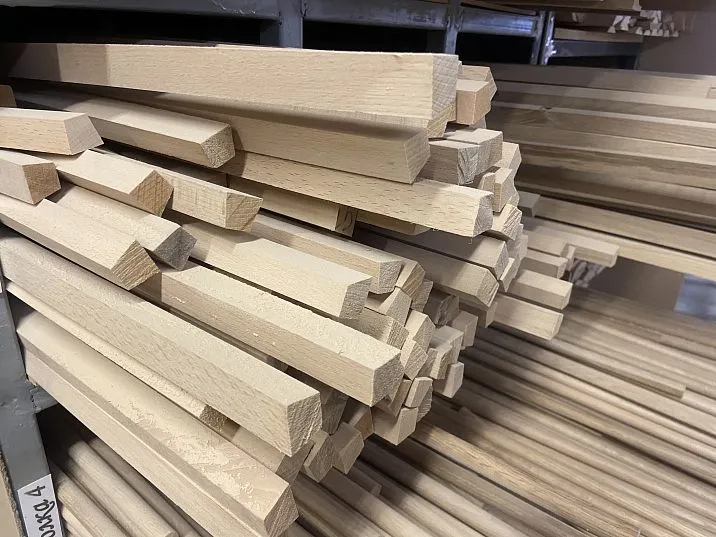
Wood has always been one of the most sought-after materials in construction and finishing. Its natural beauty, warm energy, and variety of textures consistently attract the attention of designers, architects, and homeowners striving to create a cozy and eco-friendly atmosphere. One of the most popular solutions associated with the use of natural wood iswooden plankIt combines functionality, durability, and aesthetic appeal, allowing to transform any room — from classic interiors to modern studios.
In this article, we will thoroughly examine what wooden planks are, their advantages, the variety of their types, and how to choose them correctly. We will also cover aspects of installation, maintenance, and design using this material. The text will be useful for anyone interested in natural finishing, aiming to create a harmonious space, and wishing to better understand the possibilities of wood in modern interiors.


Historical Context and Relevance of the Material




From Origins to Our Days
The wooden plank as a type of finishing material appeared even in times when people sought to protect wooden structures (wagons, carts, sleighs) from external influences — rain, wind, snow. Then long, thin boards, joined together with a tongue and groove, were called 'wagon board' or 'plank'. Over time, this practical and convenient method of cladding became used not only for transport, but also for residential spaces.
In pre-revolutionary Russia, planks were actively used in building dacha houses, estates, and summer verandas. After the Great Patriotic War, it gained a second life when there was a need for mass and inexpensive housing. Today, wooden planks are once again experiencing a peak in popularity, thanks to the revival of eco-design traditions and growing interest in natural materials.
Our factory also produces:



Why Wood Remains in Trend
Wood is an ecologically clean resource that, with proper logging and subsequent processing, does not cause irreversible harm to the environment. Wooden planks made of natural wood have the following advantages:
- Ecological Safety: Provided responsible forest management and absence of harmful chemical impregnations, wooden planks do not pollute the air in the room.
- Thermal Insulation: Natural wood helps retain heat, creating a comfortable microclimate.
- Moisture Permeability: Wood 'breathes', allowing moisture to evaporate and preventing mold formation.
- Aesthetics: Rich texture and warm tones of wood give interiors a special charm and coziness.
- Strength and Durability: With proper care, wooden planks can retain their properties for decades.
Variety of Wood Species and Classification of Planks
Get Consultation
Main Wood Species
● Spruce: One of the most popular and affordable species. It has a pleasant light color, easy workability, but still requires additional protection from moisture. Often used for interior finishing of dachas, saunas, and living spaces.
● Pine: Similar to spruce in its characteristics, but has a lighter and more uniform structure. Widely used in construction of frame houses and for sauna finishing.
● Larch: Renowned for its resistance to rot and moisture. Larch planks are suitable for rooms with high humidity, such as saunas, bathrooms, and swimming pools.
● Cedar: Valued for its pleasant aroma and natural antibacterial properties. Cedar planks are more expensive than spruce or pine, but they give interiors a special luxury.
● Oak: Dense, heavy, and extremely durable species. Suitable for rooms where high wear resistance is important, although oak planks are quite expensive.
● Ash: Characterized by elasticity and strength. It has a beautiful texture and noble tone, making it popular in design solutions.
Profiles and Types of Joints
● Style: Characterized by rounded edges, giving the surface a soft and harmonious look. Often used for interior wall and ceiling finishing.
● Europlank: Has a deeper tongue, ensuring better board alignment and reducing the likelihood of gaps. Standard thickness — 12.5–14 mm, width — about 96 mm.
● American: Has a beveled edge, creating a 'lap' effect. When installed, such planks resemble classic facade boards.
● Block House: Mimics a rounded log. When installed, it creates the impression that the wall is assembled from logs. Widely used in suburban construction and sauna decoration.
Classification by Quality (Grades)
● Extra (Premium): Almost free of knots, cracks, and defects. Ideal for sophisticated interiors.
● A: Allows a small number of healthy knots and minimal defects.
● B: May contain knots of various sizes, small resin pockets, and discolorations.
● C: The most budget-friendly option, where significant knots, cracks, and other visual flaws may occur.
Advantages of Wooden Planks
- Naturalness and Safety: Unlike synthetic materials, wood does not emit toxic substances, and with proper treatment, retains a pleasant aroma.
- Thermal Regulation Effect: Wood is capable of accumulating heat, which is especially relevant in cold climates.
- Improved Sound Insulation: Walls and ceilings covered with planks help reduce noise levels, creating a quieter atmosphere in the room.
- Resistance to Mechanical Impact: Quality planks are not afraid of light impacts and scratches, and can easily be restored if necessary.
- Design Variety: Using different species, shades, and profiles, one can create both classic and modern interiors, from country to Scandinavian style.
- Ease of Installation: The 'tongue-and-groove' (or 'tongue-and-groove') connection simplifies the installation process, even for beginners.
Disadvantages and Ways to Overcome Them
- Sensitivity to Moisture: Most wood species are susceptible to rot and deformation at high humidity. Solution — use special impregnations, varnishes, oils, and choose moisture-resistant species (larch, cedar).
- Risk of Pest and Mold Infestation: Natural wood is a nutrient medium for some pests. Solution — apply antiseptics and insecticidal compositions, regularly ventilate rooms.
- Possibility of Shrinkage and Cracking: With temperature and humidity fluctuations, planks may behave unpredictably. Solution — pre-acclimate the material in the room, follow installation technology, and leave compensatory gaps.
- Need for Regular Maintenance: To preserve appearance and protective properties, planks must be periodically renewed — sanded, varnished, or oiled. Solution — plan these works in advance, choosing high-quality materials with long service life.
Application Areas of Wooden Planks
Interior Finishing of Living Spaces
● Walls and Ceilings: Wooden planks can transform a living room, bedroom, or hallway, adding coziness and natural warmth. If desired, they can be painted while preserving the visible wood texture.
● Kitchens and Dining Rooms: Combined with stone, tile, or metal, planks create interesting contrasts. However, it is important to monitor humidity levels and prevent direct water contact.
● Children's Rooms: Natural wood, free of harmful substances, contributes to a healthy microclimate and is suitable even for infants, provided safe varnishes and paints are used.
Bathhouses, Saunas, and Bathrooms
● Steam Room: Traditionally clad with deciduous species (lime, alder), less often coniferous. These species do not release resin when heated and retain an attractive appearance for a long time.
● Rest Rooms: Larch or cedar planks can serve not only as practical but also aesthetically expressive finishing, highlighting the status of the bathhouse or sauna.
● Bathrooms: With sufficient protection from moisture (varnishes, oils, antiseptics) and proper ventilation, wooden planks can be used here as well, creating a home spa atmosphere.
Exterior Finishing of Facades
● Mimicking beams: Some types of siding, such as board-and-batten or American-style, are suitable for facade cladding, giving the house the appearance of a log cabin or timber frame.
● Patios and verandas: Wooden planks add coziness to patios, protect walls from wind and precipitation. It is important to choose species with enhanced moisture resistance (larch) and thoroughly treat them with protective agents.
Commercial and public spaces
● Restaurants and cafes: Siding helps create a warm atmosphere conducive to relaxation and heartfelt conversation. It is often combined with stone, brick, or metal.
● Offices and business centers: Some companies choose wood to avoid sterile interiors made of glass and plastic, emphasizing their ecological orientation and care for employees.
● Retail spaces and boutiques: Wooden finishes create a premium-class atmosphere, and when combined with proper lighting, they can draw attention to products.
Installation technology: step-by-step guide
- Surface preparation: Walls or ceilings must be leveled, cleaned of old finishes, and treated with antiseptics and primer if necessary.
- Creating a substructure: Wooden battens (usually 20–25 mm thick) are attached to the surface with a spacing of 40–60 cm. The substructure is leveled to ensure a smooth final surface.
- Installing thermal and acoustic insulation (optional): Mineral wool or other materials can be placed between the battens for additional thermal and acoustic insulation.
- Installing the starter board: The first siding board is attached to the substructure using screws or clips, controlling vertical or horizontal alignment (depending on the laying direction).
- Installing subsequent boards: Each next board is inserted into the groove of the previous one and secured with fasteners. It is necessary to ensure tight fitting and absence of gaps.
- Finishing: Installing the last board may be more difficult; it may need to be slightly trimmed in width. After completing the installation, decorative corner pieces, baseboards, and moldings are installed.
Special features of ceiling installation
● Always use scaffolding or ladders to ensure worker safety.
● Vertical substructure is attached to the ceiling using anchors or hangers that allow for level adjustment.
● Installation is similar to wall installation, but with additional control of flatness using a level.
Finishing and maintenance of wooden siding
Finishing options
● Lacquer: Protects wood from moisture and mechanical damage, providing a glossy or semi-matte finish. It is important to choose water-based lacquers for indoor use to avoid strong odors.
● Oil: Penetrates deeply into the wood structure, preserving its natural appearance and tactile feel. Oil treatment highlights the texture without forming a surface film.
● Wax: Creates a soft, "silk-like" effect, but requires regular reapplication. Waxed surfaces are pleasant to the touch and appear very "warm."
● Paint: Suitable if you want to change the wood's color or achieve a specific stylistic effect (e.g., Scandinavian white interior). It is better to choose paints that do not completely hide the wood's texture.
Regular maintenance
● Wiping with a damp cloth: Do not use aggressive cleaning agents, especially if the finish is lacquer or oil.
● Ventilation: In rooms with siding, it is important to maintain a normal humidity level (40–60%). In excessively dry air, wood may crack; in overly humid conditions, it may swell.
● Restoration: Over time, scratches, scuffs, or fading may appear on the surface. These can be easily removed by sanding the damaged area and applying a new finish.
Modern trends and design techniques
Combination with other materials
In modern interiorswooden plank often combines with stone, brick, glass, or metal. This contrast helps avoid excessive "rural" simplicity and adds dynamism to the space. For example, one wall may be clad with siding, while another is covered with decorative brick.
Playing with direction
● Horizontal installation: Visually expands the room, creating a "wall expansion" effect.
● Vertical installation: Raises the ceiling, making the room appear taller and "more formal".
● Diagonal installation: Adds dynamism but requires more careful calculation and material trimming.
Color solutions
● Natural tones: Preserve the natural warmth and texture of wood. Especially suitable for country, scandinavian, and boho styles.
● White and pastel tones: Add lightness and visually enlarge the space. Ideal for minimalist interiors.
● Bold accents: Bold colors (blue, green, yellow) can be used on one wall, turning it into the main focus of the interior.
Tips for selection and purchase
- Determine your budget: The price of siding depends on the wood species, grade, thickness, and profile. Prepare a cost estimate in advance.
- Consider room humidity: For saunas, steam rooms, and bathrooms, choose moisture-resistant species (larch, cedar) or thoroughly treat softer options.
- Pay attention to grade: For living rooms or bedrooms, you can choose grade "A" or "Extra"; for utility rooms, grades "B" or "C" are sufficient.
- Check geometry: Boards should not be warped, have large cracks, or have protruding knots.
- Acclimatization: Before installing siding, allow it to acclimate in the room for 2–3 days so the wood adjusts to local conditions (temperature, humidity).
Frequently asked questions
- Can siding be installed without a substructure?
In theory, yes, if the walls are perfectly flat. However, it's better to use a substructure to avoid deformation due to humidity and temperature fluctuations.
- Which profile to choose for the ceiling?
Usually, European siding or shiplap is chosen. They create a smooth surface and fit together easily.
- Is vapor barrier needed under siding in a sauna?
Yes, in the steam room and shower area, vapor barrier materials are installed to prevent moisture from penetrating insulation and causing rot.
- What thickness of siding is optimal?
For interior finishing, 12–15 mm is sufficient. For facade work, 18–20 mm may be required.
- What is the best way to fasten boards?
Clamps, self-tapping screws, or nails are used. Clamps provide a "hidden" installation without visible heads.
Practical recommendations for installation and maintenance
- Fastener selection: If you want to maintain an aesthetic appearance without protruding heads, use clamps. When using self-tapping screws, ensure they are driven into the board's groove at an angle.
- Humidity control: In dry rooms (e.g., bedrooms), standard treatment is sufficient. In humid rooms (saunas, bathrooms), use compounds with antiseptic and hydrophobic properties.
- Maintain clearance from floor and ceiling: Leave a small technical gap (5–10 mm) to compensate for possible wood expansion.
- Maintenance: Inspect siding annually for cracks, resin exudation, or signs of mold. Re-stain or renew the protective layer as needed.
- Use decorative elements: Corners, baseboards, and moldings help conceal joints and give the room a finished look.
Wooden siding in the context of eco-design
Modern trends increasingly focus on creating healthy and ecologically clean spaces for living and working.wooden plank fits perfectly into this concept:
● Reduces carbon footprint: Wood is a renewable resource, and when harvested properly, it does not cause critical harm to nature.
● Healthy microclimate: Wood maintains optimal humidity, absorbs excess carbon dioxide, and some species (cedar, spruce) release phytoncides, positively affecting well-being.
● Recycling and disposal: Unlike plastic and composite materials, wood easily decomposes under natural conditions without polluting the environment.
Using wooden planks not only decorates interiors but also reminds us of the importance of caring for nature. Many designers and architects believe that wood helps create a sense of harmony, 'grounding,' and calm in the frenetic pace of cities.
Ideas for inspiration
- Scandinavian style: Light boards of pine or spruce, coated with white oil, on walls and ceilings. Furniture made of natural materials, pastel-toned textiles, abundant daylight.
- Country charm: Dark planks of larch or oak, rough wooden beams, wrought iron details, warm checkered textiles. Ideal for a country house.
- Loft Minimalism: One wall clad in wooden planks combined with concrete or brick finishes on other surfaces. Furniture with simple forms and metallic accents.
- Retro Chic: Use planks with pronounced texture, painted in bright colors (turquoise, yellow, red). Suitable for creative spaces and young families.
- Eco Style: Preserve the natural grain and color of wood to the maximum extent. Add live plants, stone accents, and glass to highlight the natural beauty of materials.
Conclusion
Wooden planks are not just a decorative material, but a true symbol of harmony with nature, confirmed by centuries of use. They combine aesthetics, functionality, and durability, allowing you to furnish any space — from a cozy country cottage to a modern office or café. The variety of species, profiles, and grades makes planks a universal tool in the hands of a designer or a DIY enthusiast.
With proper selection of wood, adherence to installation technology, and regular maintenance, planks can serve for decades without losing their appeal. They create a unique microclimate in the room, helping to maintain comfortable temperature and humidity. Moreover, in an era of growing interest in eco-friendliness and conscious consumption, planks become a timely choice, emphasizing responsible attitude toward nature.
If you are looking for a way to transform your interior, add warmth and coziness, highlight the individuality of your home or commercial space, considerwooden planksNatural wood will always be timeless and fashionable, offering a sense of calm and connection with the surrounding world. Whether you are creating a classic interior, experimenting with modern styles, or aiming for minimalism, planks can become the very detail that gives the space completeness and a unique charm.