Article Contents:
- History of Wood Carving: From Antiquity to the Present Day
- Carving in Different Cultures
- Symbolism and Philosophy of Wood Carving
- Modern Door Casings: Combination of Traditions and Innovations
- How to Choose Door Casings: Practical Tips
- Door Casings as an Accent in Modern Design
- Door and Window Decor: Unique Accents for Façades and Interiors
- Why Carving Above Doors and Windows is Important?
- Door Decor: Inspiration and Ideas
- Window Decoration: How to Make the Façade Stylish
- How to Choose Carving for Doors and Windows?
- Care Tips for Carvings
- Elements of Wood Carving: From Traditional Appliqués to Modern Design Solutions
- What Are Elements of Wood Carving and Where Are They Used?
- Types of Carved Elements
- How to Choose Wood Carving Elements for Interior?
- Modern Ideas for Using Carving
- Care for Carved Elements
- Furniture with Wood Carving: Harmony of Beauty and Functionality
- Wood Carving for Interior Decoration: Tips, Ideas, and Secrets of Application
- Wood Carving for House Façade: Style, Accents, and Unique Solutions
- Wood Carving in Architectural Elements: Balusters, Railing, and Brackets
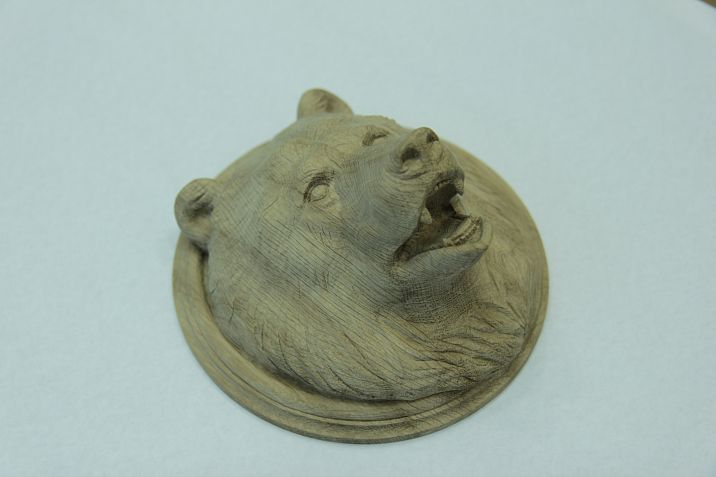
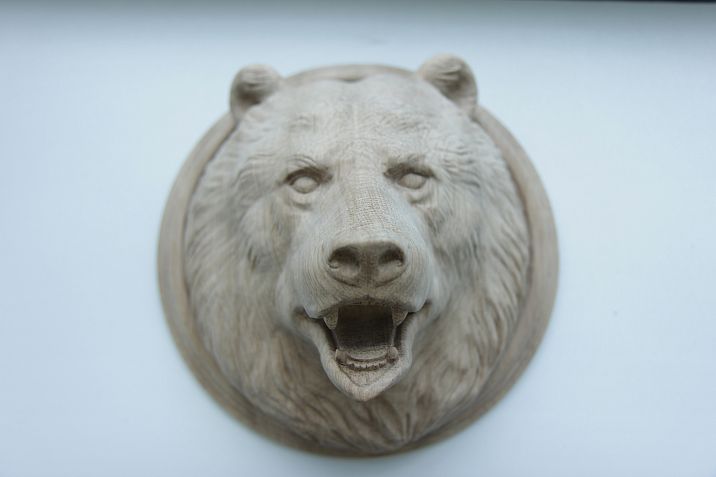
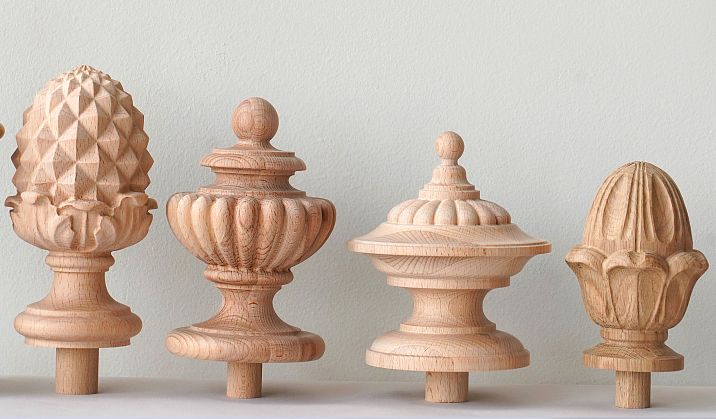
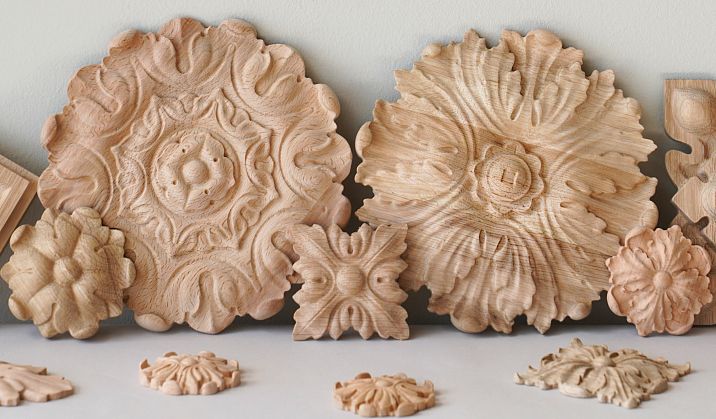
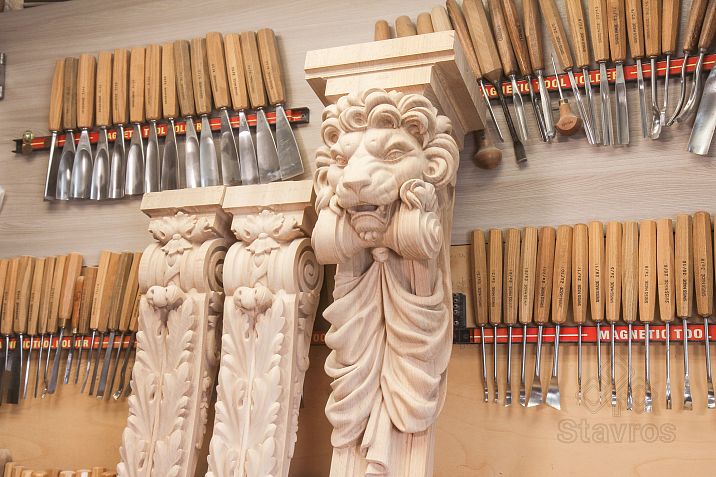
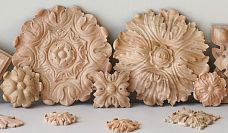
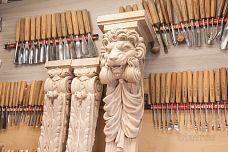
Wood carving This is an ancient art in which wood becomes the basis for creating refined forms and symbols. For many centuries, this craft has been used to decorate homes, furniture, sacred buildings, and household items. But wood carving is not just ornamentation. It is a language through which masters of the past and present convey their emotions, ideas, and philosophies. Why has wood carving remained relevant until today? To understand this, one must look back into the depths of history.


History of Wood Carving: From Antiquity to the Present Day
Wood has always been the primary material for humans. Easily workable, it combines practicality, beauty, and symbolism.Wood Carving on Wood Originated even in antiquity, when the first masters began decorating their homes and household items with simple patterns. These patterns carried deep sacred meaning: symbols of the sun, moon, stars, and plants served as protective charms and reflected the connection between humans and nature.
Over centuries, wood carving evolved, becoming increasingly complex and elegant. In Kievan Rus'Wooden architecture carving reached its peak. Carved cornices, friezes, pediments, columns, and other elements adorned houses, giving them a unique and festive appearance. These details not only demonstrated the skill of the carver but also reflected the wealth and taste of the house's owners.
What made wood carving special? First, the accessibility of the material. Wood grew everywhere, allowing craftsmen to work with it almost anywhere in the country. Second, wood possesses warmth and liveliness that cannot be replicated with other materials. Each pattern was carved by hand, making every item unique.




Wood Carving in Different Cultures
Although wood was a universal material, carving traditions varied depending on the region. For example, in Russia Russian wooden carving was renowned for its rich ornamentation. Here, floral and geometric patterns predominated, symbolizing fertility, harmony, and protection. In other cultures, you can see the use of animals and mythical creatures, reflecting their own worldview.
Interestingly, in each culture, carving had its own purpose. In some cases, it was used for religious purposes, decorating churches and altars; in others, for domestic needs, adorning furniture and household items. But one thing remained constant: carving was always a means of communication between the craftsman and the world.
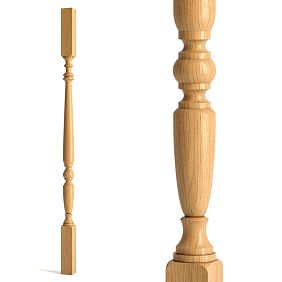
Our factory also produces:



Symbolism and Philosophy of Wooden Carving
Have you ever wondered why nature symbols appear so frequently in carving? The sun, trees, birds, flowers — all of this reflects humanity's desire for harmony with the surrounding world. For example, inwooden carving of window casings images of the sun symbolized life and energy, while birds represented freedom and happiness. Thus, each pattern became a kind of message, filled with meaning and beauty.
Get Consultation
Modern window casings: a blend of tradition and innovation
TodayCarved wooden window casings is regaining popularity, especially among owners of country homes and cottages. Modern window casings are often inspired by traditional Russian motifs, yet adapted to current architectural styles. For example:
● Minimalism. Simple geometric patterns without excessive detail suit modern buildings with a minimalist design.
● Classic. Carving with refined floral ornaments fits perfectly into Provence or retro-style interiors.
● Eclecticism. Blending motifs from different cultures allows creating unique designs.
If you are looking for ideas, the websiteStavros offers numerous options — from traditional to modern.
How to Choose Window Casings: Practical Tips
When choosing window casings, it is important to consider not only their appearance but also the quality of execution, as well as their compatibility with the style of your home. Here are some tips:
- Material. Window casings made of solid wood (such as pine or oak) look most natural and durable. These can be left in their natural state or painted in any color.
- Size. Ensure that the window casings are proportionate to the window and facade. Too large or too small elements may disrupt the design harmony.
- Detailing. Decide whether you prefer rich carving with abundant fine details or prefer minimalist lines.
- Symbolism. Consider which ornaments resonate with you. Perhaps it’s the sun, symbolizing happiness, or plants reminding you of nature.
Interestingly, many modern craftsmen offer services to create custom window casings. Why not order a design that is unique and reflects your individuality?
Window Casings as an Accent in Modern Design
In modern interiors, window casings can be used not only as a classic facade element but also as an unexpected accent. For example:
● In interior design. Carved window casings can frame not only windows but also mirrors or doors, creating a unified stylistic composition.
● In landscape design. Window casings can be used to decorate gazebos, terraces, and even garden sheds.
● Decorative panels. Traditional patterns can be adapted for decorating walls or ceilings inside the house.
What do you think about these ideas? Did you have plans to use carving in unusual places?
Carved wooden window casings This is the perfect combination of functionality and beauty. It preserves traditions and allows you to give your home a unique character. Whether you choose classic Russian style or minimalism, carved door casings will make your home memorable. If you want to be inspired or find the perfect casings, be sure to visit %sStavros!
Door and window decoration: unique accents for the facade and interior
Wooden doors carving andwooden carving on windows These are elements that make a house expressive, and sometimes even unique. Think about it: after all, the door is the first thing guests see, and the first thing that catches the eye. Windows framed with carved casings or adorned with decorative elements add warmth and individuality to the facade. But how to properly use wooden carving to decorate these key elements? Let's figure it out.
Why is carving above doors and windows important?
Carving above doors and windows performs several functions. First, it is an element of protection. In the past, wooden carving was believed to protect the house from evil spirits. The ornaments carved by artisans carried symbolism of light, harmony, and fertility. Today, these elements are perceived as decorative, but their symbolic meaning continues to inspire.
Second,wooden carving above doors visually completes the facade composition. It makes entering the house more solemn and refined. What if instead of a standard solution you choose a unique carved pediment or arch? Think about what impression this will make on your guests.
Door decoration: inspiration and ideas
Wooden doors carving are becoming increasingly popular due to their versatility. Here are several ideas on how to use carving on doors:
- Carved pediments. They are placed above the door opening, decorating the entrance and emphasizing the style of the house. This can be a classic arch or a complex ornament with plant motifs.
- Decorative panels. If your door is made of solid wood, you can decorate it with carved inlays that highlight the material's texture.
- Columns and pilasters. You can place carved elements beside doors, creating an effect of ancient gates.
Tip: if you want the door to look not only beautiful but also substantial, choose massive constructions made of oak or beech. These materials are not only durable but also ideal for carving.
can turn an ordinary house into a work of art. Carved frames, inlays, and cornices add volume to windows and emphasize the architectural style of the building. Here are several ways to decorate windows using carving:
wooden carving on windows ● Frame trim. A classic option where the window is completely surrounded by a casing with patterns.
● Corner elements. Small carved details on the corners of the frame add a unique touch and look stylish even in minimalist design.
● Carving on sashes. If your windows are made of wood, you can decorate the sashes themselves with delicate carving.
And what do you think, will such decoration be relevant for your home? Try to imagine how carving around the window will emphasize its features.
What do you think, will such ornamentation be suitable for your home? Try to imagine how carved window frames will highlight its features.
How to choose carving for doors and windows?
The choice of wooden carving elements for doors and windows depends on several factors:
- House style. For classic facades, complex patterns with rich detailing are suitable. For modern houses — geometric shapes and minimalism.
- Material. The best choice for carving is solid wood. It is not only strong but also conveys the warmth of natural material.
- Color. Carving can be left in its natural state, varnished, or painted in bright colors to highlight details.
On the websiteStavros You will find many options for carved elements for doors and windows suitable for any project.
Care tips for carving
To ensure wooden carving lasts long and pleases the eye, proper care is required. Here are some recommendations:
● Coating. Use special varnishes and stains to protect wood from moisture, UV radiation, and insects.
● Cleaning. Periodically clean carved elements from dust and dirt using a soft brush or cloth.
● Repair. If damage appears on the carving, it's better to fix it immediately to prevent further deterioration.
Have you ever wondered how long high-quality carving can last? With proper care, such elements can retain their beauty for decades, becoming part of family heritage.
Wooden carving above doors and windows — this is not just decoration, it’s a way to express yourself and make your home unique. Want to transform your facade or add a distinctive touch to your interior? Start by selecting carved elements on the websiteStavros.
Wooden carving elements: from traditional appliqués to modern design solutions
Wooden carving elements Play an important role in creating a unique interior or exterior of a home. These details can serve as focal points that attract attention or as seamlessly integrated elements within the overall style. Carved appliqués, decorative panels, and other carving elements are used not only in classic but also in modern interiors. How to use them properly? Which elements to choose for different purposes? Let’s find out.
What are wooden carving elements and where are they used?
Carving elements are individual pieces cut from wood, used to decorate furniture, walls, ceilings, doors, and other objects. They can be made as appliqués, ready for mounting on a surface, or as integrated details that become part of the structure.
Where can carved elements be used:
● On facades. Carved panels, appliqués, and friezes decorate house facades, giving them individuality and completeness.
● On furniture. Cabinets, chests, beds, and tables with carved details become focal points in any room.
● In interior design. Wall panels, carved moldings, and ceiling rosettes add elegance and sophistication to the interior.
● In public spaces. Carving elements are used to decorate restaurants, hotels, and other establishments to create an atmosphere of coziness and exclusivity.
Have you ever thought about how even a small detail, such as a carved appliqué, can transform ordinary furniture or walls?
Types of carved elements
The most popular types of wooden carving elements are:
- Appliqués.Wooden Inlays — these are universal decorative elements that can be used almost anywhere. They are ideal for decorating furniture, doors, walls, and even ceilings.
- Moldings and cornices. Carved cornices create a sense of completeness in a room, emphasizing its geometry, while moldings can be both decorative and functional.
- Frames. Carved frames for mirrors and paintings add charm and classic elegance to the interior.
- Rosettes. Ceiling rosettes with carved ornamentation are suitable for decorating chandeliers and lamps.
- Brackets and consoles. These elements are most often used to support shelves or to create decorative structures.
Which of these elements would you like to use in your home? Or perhaps you already know which one would suit your interior best?
How to choose carving elements for interior design?
Choosing carved elements depends on the style of your home and the purpose you want to achieve. Here are some recommendations:
- Define the style. For classic interiors, appliqués with refined patterns and intricate ornaments are suitable. In minimalist interiors, it’s better to use simple geometric shapes.
- Consider the size. Large elements, such as panels or moldings, look great in spacious rooms, while small details are better suited for furniture or small rooms.
- Pay attention to the material. Wooden elements made from oak or beech are known for their strength and durability, while those made from pine or linden are suitable for spaces with lower load.
- Think about the color. Natural wood can be left untreated to highlight its texture, or painted in any color that suits your interior.
Tip: Before ordering carved elements, visualize how they will look in your space. Try sketching a plan or using 3D design software.
Modern ideas for using carving
Traditional carving elements can be adapted for modern interiors. Here are a few ideas:
● Carved panels for accent walls. Use them to create a focal point in a room, for example, behind a bed or in the living room area.
● Furniture decoration. Turn an ordinary cabinet or table into a work of art with decorative appliqués.
● Ceiling roses. Even in modern interiors, they can look elegant if you choose a simple and minimalist design.
● Door decoration. Add carved elements to entrance or interior doors to emphasize their importance.
Care for carved elements
Like any wooden item, carved elements require careful maintenance. Here are some tips:
● Regular cleaning. Use a soft brush or cloth to remove dust from intricate patterns.
● Protection from moisture. Cover the wood with special treatments that prevent deformation and cracking.
● Restoration. If a carved element has lost its luster, you can refresh its finish with a new coating.
Wooden carving elements — is a universal solution for those who want to add individuality to their interior or exterior. They allow experimenting with design and creating a unique atmosphere. If you want inspiration or to find the perfect carved elements for your project, visitStavros and discover the world of limitless possibilities!
Furniture with wooden carving: harmony of beauty and functionality
Wooden furniture carving — are not just interior items, but true works of art that combine refined design with practicality. Carved elements make furniture unique, attract attention, and give interiors a special atmosphere of warmth and luxury. How to choose furniture with carving, how to use it, and how to care for it? We’ll go into detail.
Why is furniture with carving valued through the ages?
Wooden furniture with carved elements has always been a symbol of status, taste, and prosperity. In the past, only wealthy people could afford it, as each detail was handmade. Today, carved furniture is more accessible, but it still retains its exclusivity.
Think: why do you choose furniture for your home? You want it to be comfortable, durable, but also aesthetically appealing. Wood carving Carving in furniture adds exactly that 'touch' that distinguishes your interior from others.
Types of furniture with carving: from classic to modern
Here are several types of furniture that look great with carved elements:
- Carved cabinets. Classic cabinets with carving on doors or around the perimeter create an aristocratic feel. These models are perfect for living rooms or bedrooms in a traditional style.
- Bed headboards. A carved headboard becomes the main accent in the bedroom, giving the room coziness and elegance.
- Tables and chairs. Dining tables with carved legs or ornamental edges create a cozy atmosphere in the kitchen or dining room.
- Commodes and chests. Small carved elements, such as on handles or drawer fronts, make even the simplest items elegant.
Tip: Before buying furniture, consider how actively you will use it. If it is intended for everyday use, it is better to choose carving with minimal detailing to facilitate maintenance.
How to choose furniture with carving?
Choosing furniture with carved elements requires special attention. Here are several steps that will help make the right choice:
- Material. It is better to prefer solid wood, as it is strong and durable. Oak, beech, walnut — these are ideal species for carved furniture.
- Style. If your interior is in a classic style, rich ornaments with floral motifs will suit. For a modern style, choose furniture with minimalist geometric carving.
- Sizes. Consider the proportions of the furniture and the room. Large carved cabinets or tables may overwhelm a small room, while in spacious rooms they will look perfect.
- Color and finish. Natural wood covered with varnish gives furniture an elegant look. However, if you want a bright accent, choose models with painted or gilded elements.
Where can you find such furniture? On the siteStavros offers a wide selection of carved furniture suitable for any styles and interiors.
Ideas for using carved furniture in interior design
Carved furniture can become a key accent in the interior if used correctly. Here are several ideas:
● Create a relaxation zone. A cozy corner with carved armchairs, a small table, and a bookcase will add warmth and comfort to your home.
● Use accents. A carved headboard or a chest with ornaments can become the main elements in the bedroom.
● Combine. Combine carved furniture with textiles, rugs, and paintings to create a harmonious look.
How to care for furniture with carving?
To ensure carved furniture retains its appearance for many years, proper care is required:
● Cleaning. Remove dust with a soft brush or cloth to keep the carving details in perfect condition.
● Protection from moisture. Wood furniture is afraid of moisture, so use special protective products for it.
● Regular maintenance. Periodically cover the furniture with varnish or oil to maintain its shine and prevent cracks.
Have you ever tried restoring furniture yourself? It can be an engaging activity that will revive old items.
Wooden furniture carving — this is a combination of aesthetics and practicality that gives your home a unique style. Choosing such interior items means investing not only in comfort but also in beauty that will delight you for many years. If you want to be inspired or find the perfect furniture for your home, visit Stavros and discover the world of exclusive design.
Wood carving for interior decoration: tips, ideas, and secrets of application
Wood carving in the interior — it is not just a decorative element, but a way to give space individuality, emphasize style, and create an atmosphere of coziness. It can be used in various rooms, from classic living rooms to modern offices, transforming them into unique spaces. But how to properly use carving in the interior so that it looks natural? Let's find out.
Why is wooden carving ideal for interior design?
In interior design, wood is associated with natural warmth, harmony, and natural beauty. Adding carving makes this material even more expressive. Question: what makes carved elements so attractive? It is their ability to create complex textures and add depth, which is especially important in modern minimalist interiors, where attention is paid to every detail.
● Tactility. Carving into wood adds texture, making the space more 'alive'. This is especially important in large rooms, where smooth surfaces may look dull.
● Universality. Carving suits any style — from strict classicism to eclecticism.
● Uniqueness. Carved elements are handmade, so each detail becomes unique.
Where to use carving in interior design?
Wooden carving elements can be used in various areas of the home:
- On walls. Carved panels, appliqués, and moldings create an accent wall effect. For example, such panels can be placed behind a TV or a bed.
- On ceilings. Ceiling cornices and carved rosettes add height and elegance to the room.
- On furniture. Carved handles, legs, or cabinet facades turn ordinary items into designer solutions.
- In doorways. Decorative arches and frames give the space an elegant look.
- On staircases. Carved balusters and handrails become not only functional but also decorative elements.
Tip: if you want to add carving to your interior, start with small elements, such as appliqués or decorative panels. They will help you understand how wood will look in your space.
How to choose a carving style for your interior?
The choice of carving style depends on the overall design concept of your home:
● Classic. Rich, detailed carving with floral and botanical motifs suits baroque, empire, or Provence-style interiors.
● Modern. Minimalist geometric patterns or modern carving will fit perfectly into high-tech or modern-style interiors.
● Rustic. Rough carving that emphasizes the naturalness of wood looks great in country or chalet-style interiors.
Have you ever thought about combining different styles? For example, classic carving can be complemented with modern materials such as glass or metal to create a unique contrast.
Modern trends: how to use carving creatively?
Today, carving is not only decorative but also functional. Here are some modern ideas:
● Decorative partitions. Carved wooden panels can be used for zoning space, adding privacy and aesthetics.
● Carving backlighting. Built-in lighting highlights the depth of patterns and creates ambient lighting.
● Eco-accents. Carved elements with images of plants or animals emphasize the eco-oriented direction of the interior.
Interestingly, wood carving is increasingly used for decorating offices, restaurants, and hotels. This not only highlights the status of the establishment but also creates a cozy atmosphere conducive to conversation.
Wood carving in interior design
To ensure carving delights you for many years, proper care is required:
● Cleaning. Use a soft cloth or brush to remove dust from intricate patterns.
● Moisture protection. Wood requires regular treatment with protective products, especially if elements are located in high-humidity areas, such as bathrooms or kitchens.
● Coating. Lacquer or oil will help preserve the texture and color of the wood and protect it from wear.
Wood carving in interior design — it is an opportunity to express your individuality through design. It suits any room and style, adding depth and warmth. Want to transform your home? VisitStavros and choose carved elements that perfectly complement your interior.
Carving for the house facade: style, accents, and unique solutions
Wood carving for the house facade — it is a way to give your home individuality, highlight the architectural style, and create a striking, memorable appearance. If carving in the interior is used to create a cozy atmosphere, then facade carving elements are the 'calling card' of the house, drawing attention from passersby and guests. But how to choose and use carving for exterior decoration? Let’s find out.
Why use carving for facade decoration?
Carved elements on the house facade are not just decoration—they are part of the tradition of wooden architecture. Think about why we are so attracted to old houses with carved window frames and cornices? Because carving adds volume, texture, and elegance to the house. But its role is not limited to beauty:
● Identity. Carving allows you to distinguish your house among many similar buildings.
● Warmth and coziness. Natural wood creates associations with nature, adding liveliness and character to the facade.
● Traditions. Using carving is a way to preserve and develop the culture of wooden architecture.
Have you ever thought about how a simple carved element can change the appearance of a house? Try to imagine how your house would look with carved details on windows, doors, or gables.
What elements of facade carving to choose?
For facade decoration, you can use various elements. Let's consider the main ones:
- Casings.Carved wooden window casings — This is classic Russian architecture. They frame windows, giving them expressiveness and harmony.
- Gables. Carved panels above doors or windows complete the composition and create a sense of finish.
- Cornices and pilasters. These elements emphasize the house's geometry, making its exterior appear more formal or, conversely, refined.
- Balusters and railings. If your house has a terrace or balcony, carved details will make them a central accent.
- Decorative panels. Used to decorate walls, creating volume and texture.
Tip: choose carving depending on the style of your house. For example, complex patterns suit a classic facade, while modern facades look best with minimalist geometric forms.
How does carving affect the facade style?
Each carving element adds character to the facade. Here are several examples of how carving can change the style of a house:
● Russian style. Rich carving with floral motifs, complex patterns, and symbols makes the house truly fairy-tale-like.
● Scandinavian style. Simple lines and minimalist forms emphasize naturalness and minimalism.
● Country style. Rough carving with natural wood texture suits rural houses and chalets.
Have you ever thought about which style suits your house best? Or perhaps you want to create something entirely unique?
Modern trends in facade decoration
Today, wood carving is increasingly used in combination with modern materials such as metal or glass. This allows creating interesting contrasts and highlighting the texture of wood. Here are some modern ideas:
● Carved inserts in walls. Can be made as panels or overlays, adding volume and texture.
● Lighting accents. Illuminating carved elements makes the facade expressive at night.
● Combined materials. Wood with metal creates stylish accents suitable for modern houses.
Tip: use carving as a way to unite the facade with the surrounding nature. For example, leaf or tree motifs will look great in a garden setting.
Facade Carving Care
To ensure that facade carving retains its beauty and longevity, proper care is required:
● Coating. Use varnish or paint to protect the wood from rain, sun, and insects.
● Regular cleaning. Dust and dirt can be removed with a soft brush or a stream of water.
● Maintenance. Periodically check the condition of the threads and renew the coating as needed.
Wood carving for the house facade This is a way to make your home unique, expressive, and stylish. It adds warmth, beauty, and character while remaining faithful to the traditions of wooden architecture. Want to transform your facade? Choose carved elements on the websiteStavros and bring your ideas to life.
Wooden carving in architectural elements: balusters, handrails, and brackets
Wood carving is actively used for decorating and enhancing the functionality of architectural elements. Balusters, handrails, and brackets not only ensure the structural integrity but are also an important part of decorative design. These elements can be true works of art if they are crafted using carving. How to properly choose and use them to decorate your home? Let's find out.
Balusters and handrails: elegance and safety
balusters are vertical elements of staircases, terraces, and balconies that support handrails. They play an important role in safety, but can also serve as a decorative accent. Carved balusters transform an ordinary staircase or railing into a stylish and memorable element of interior or exterior design.
Ideas for using carved balusters:
- Inside the house. For classic-style interiors, balusters with floral patterns or intricate ornaments are suitable. For modern design, you can choose simple geometric shapes.
- On terraces and verandas. Carved balusters add coziness and visually connect the house with the surrounding landscape.
- For balconies. External balusters can be more substantial to withstand loads, but this does not prevent them from being elegant.
Tip: combine carving with wrought iron or glass elements to create a unique style. For example, wooden balusters with metal inserts will look modern and refined.
Brackets: functionality and decoration
Brackets are elements used to support cornices, balconies, shelves, and other structures. Carved brackets combine two functions: practical and decorative. They often become a key accent in facade or interior design.
Examples of using carved brackets:
● Supporting shelves. In the interior of a kitchen or library, brackets with elegant ornamentation give shelves a stylish look.
● Facade cornice decoration. On the facade of a house, carved brackets become an important architectural element, emphasizing the roof lines.
● Arch decoration. Carved brackets emphasize arched openings, adding elegance.
Have you ever thought that brackets can be not just supports, but also full-fledged decorative elements? This is a simple way to add uniqueness to a space.
How to choose wooden elements for staircases and facades?
When choosing carved balusters, handrails, and brackets, it is important to consider their functionality and style:
- Material. The best choice for such elements is oak, beech, or ash. These wood species are resistant to loads and retain their shape even with prolonged use.
- Detailing. If the carving is done by hand, ensure that the ornaments match the overall style of your home.
- Proportions. Too bulky elements may overwhelm the space, while too small ones will go unnoticed.
- Finish treatment. Lacquer or oil will protect the wood from damage and highlight its texture.
Tip: pay attention to ready-made solutions on the websiteStavros. Here you will find both traditional and modern carved elements suitable for any task.
Ideas for using carved balusters and brackets
Carving allows even functional details to become decorative masterpieces. Here are several creative ideas: