Article Contents:
- What makes wooden planks popular in the modern world
- Modern trends in the use of wooden planks
- Variety of types and characteristics of wooden planks
- Coniferous species for making planks
- Premium hardwood species
- Technological aspects of producing high-quality planks
- Modern Drying Methods
- Mechanical processing and calibration
- Application of wooden planks in construction and renovation
- Frame constructions
- Installation of windows and doors
- Wooden planks in interior design
- Wall panels and decor
- Integration with modern technologies
- Furniture production using planks
- Bed frames
- Decorative furniture elements
- Application in landscape design
- Garden structures
- Garden furniture
- Criteria for selecting high-quality wooden planks
- Determining the Quality of Wood
- Grading and classification
- Processing and protection technologies for wooden planks
- Protective Coatings
- Finish Coatings
- Installation and Fastening of Wooden Boards
- Hidden fastening methods
- Tools and equipment
- Maintenance and care of wooden structures
- Protection from External Influences
- Preventive maintenance
- Ecological advantages of wooden planks
- Carbon footprint and climate
- Secondary use
- Innovations and the future of wooden planks
- Composite Solutions
- Supplier selection and quality criteria
- Certification and Standards

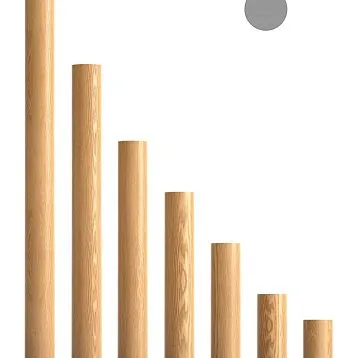
In the world of building and finishing materialswooden plankoccupies a special place, combining traditional qualities of natural wood with modern requirements for functionality and aesthetics. This universal timber product has become an indispensable element in various fields — from classic construction to creating avant-garde interior solutions.Wooden plankIt is a thin, precision-cut board with a small cross-sectional area, subjected to special processing to achieve the required characteristics of strength, smoothness, and visual appeal.


What makes wooden planks popular in the modern world
primarily due toEcological safetynatural wood, which does not emit harmful substances and creates a healthy microclimate in the room. Unlike plastic analogs, wooden planks 'breathe', naturally regulating air humidity.
The second important aspect isUniversality of application. Wooden plankseasily adaptable to any design concept, from classic to ultra-modern. They can be sawn, planed, sanded, and painted, creating unique shapes and textures unavailable in ready-made industrial products.
The third factor isaffordability and economic efficiencyCompared with metal profiles or composite materials, wooden planks remain one of the most budget-friendly solutions offering high quality and durability. This makes them attractive for both large-scale construction projects and home crafting.




Modern trends in using wooden planks
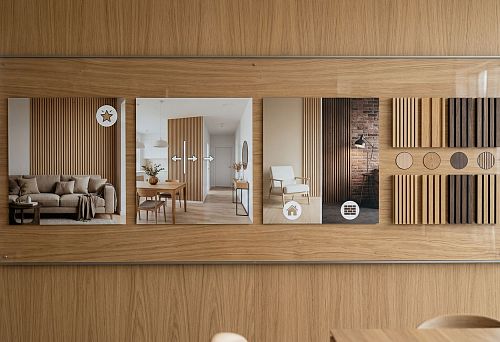
particularly popularwooden panelingwhich create a dynamic interplay of light and shadow, visually expanding the space and adding depth to the room. Such solutions are especially in demand in Scandinavian style, where the combination of functionality and natural aesthetics is valued.
In modern architectureDecorative Planksare used to create acoustic panels that not only improve sound insulation but also serve as stylish decorative elements. Arranged at a specific interval, they form a rhythmic pattern that becomes an architectural focal point in the interior.
Integration of lightingLED strips are installed between the planks, creating soft diffused lighting. This solution looks especially effective on ceilings, where it creates the impression of 'floating' wooden elements.
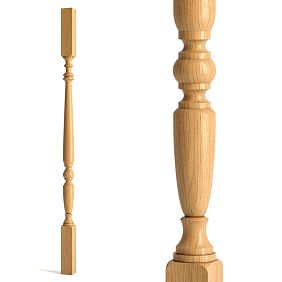
Our factory also produces:



Variety of types and characteristics of wooden planks
Classification of wooden planks is based on several criteria, each determining their functional and aesthetic capabilities.By wood speciesplanks are divided into those made from coniferous and deciduous species, each possessing unique properties.
Get Consultation
Coniferous species for plank production
Spruceremains the most popular material due to its optimal price-to-quality ratio. Spruce planks feature a distinct texture with characteristic growth rings, a pleasant golden hue, and ease of processing. The resinous nature of spruce provides natural protection against moisture and pests, making such planks suitable for various usage conditions.
Firis characterized by a lighter, almost white color and less pronounced texture. Fir planks have high bending strength and minimal knots, making them ideal for structures where visual material uniformity is important.
Larchstands out among coniferous species for its exceptional performance characteristics. High wood density and natural moisture resistance make larch planks indispensable for outdoor applications, sauna finishing, and areas with high humidity.
Premium-class deciduous species
oak slatsare premium-grade material. Oak wood features an unmistakable texture with large medullary rays that create a distinctive 'tiger-striped' pattern. High density and tannin content ensure exceptional longevity — oak structures can last for centuries.
Beechis valued for its uniform structure and pleasant pinkish hue. Beech planks are easily stained and painted, allowing for diverse color solutions. High hardness of beech makes it ideal for manufacturing furniture components and parts subjected to intensive use.
AshDistinguished by elasticity and impact resistance. Birch strips are often used in manufacturing sports equipment and musical instruments, where not only strength but also resonant properties of wood are important.
Technological aspects of producing quality strips
The process of manufacturing wooden strips includes several critically important stages, each of which affects the final product quality.Drying of wood- a primary operation, from which the stability of dimensions and absence of deformations in finished products depend.
Modern Drying Methods
Controlled dryingensures controlled removal of moisture under optimal temperature conditions. This process achieves a moisture content of 8-12%, required for use in heated rooms. Modern drying complexes are equipped with temperature and humidity control systems, which prevent internal stresses in the wood.
Vacuum dryingrepresents an innovative technology in which wood is dried under reduced pressure. This method ensures more even drying and minimizes the risk of cracking, especially important for valuable wood species.
Mechanical processing and calibration
After drying, the strips undergomechanical processingincluding rough and finish planing. Modern four-sided planers allow processing all sides simultaneously, ensuring high dimensional accuracy and ideal surface smoothness.
Calibrationguarantees identical dimensions along the entire length of the strip with an accuracy of 0.1 mm. This is especially important formolding stripsand decorative elements, where even minor deviations may negatively affect the appearance of the finished product.
Application of wooden strips in construction and repair
In the construction industry, wooden strips perform multiple functions — from structural to decorative.Roof sheathingmade from quality strips provides a reliable base for various roofing materials. Properly installed sheathing evenly distributes load and ensures necessary ventilation under the roof.
Frame structures
Construction stripsare widely used in erecting frame structures for gypsum board partitions and suspended ceilings. Their low weight does not impose significant load on load-bearing structures, while their high strength ensures the reliability of the frame.
Surface leveling- another important function of strips in repair work. They serve as guides during wall plastering, as guides during floor covering installation, and create a flat surface for mounting finishing materials.
Installation of windows and doors
When installing window and door units, strips are used to create compensating gaps and align structures. Their application ensures correct window and door openings geometry and prevents deformation due to temperature changes.
Wooden strips in interior design
Modern interior design has opened up numerous new applications for wooden strips.Create a visually interesting space, hide utilities, and improve the acoustic properties of the room. Various mounting options—from parallel to diagonal placement—allow creating unique spatial effects.Wall panels made of slats have become a powerful design tool. They allow creating accent zones, visually correcting room proportions, adding texture and depth to interiors. Vertical slat placement visually increases ceiling height, while horizontal placement expands the perceived space.
Wall Panels and Decor
Decorative slatsWall panels made of slats have become a powerful design tool. They allow creating accent zones, visually correcting room proportions, adding texture and depth to interiors. Vertical slat placement visually increases ceiling height, while horizontal placement expands the perceived space.
Decorative partitionsSlat partitions solve the problem of zoning space without compromising its integrity. Such constructions are especially popular in studio apartments, where it is necessary to divide functional zones while preserving the feeling of spaciousness.
Integration with modern technologies
Modern designers actively experiment withintegration of lightingIntegrated into slat structures, LED strips placed between slats create a "floating" effect and provide soft ambient lighting. Such solutions are especially effective in bedrooms and living rooms, where a cozy and relaxing atmosphere is important.
Furniture manufacturing using slats
In the furniture industry, wooden slats play an important role both structurally and decoratively.Frames of upholstered furnitureMade from quality slats, they provide a reliable base for sofas, chairs, and ottomans. Properly selected slats distribute load and prevent upholstery deformation.
Bed bases
Lamellar bed basesMade from elastic slats, they provide optimal mattress support and help maintain proper body position during sleep. Modern lamellae are made from specially treated beech or birch, ensuring their durability and resilience.
Decorative elements of furniture
Decorative PlanksThey are widely used in creating furniture facades. They allow creating complex geometric patterns, adding texture to smooth surfaces, and forming unique stylistic solutions. Slat facades are especially popular in furniture designed in loft and Scandinavian styles.
Application in landscape design
The use of wooden slats in garden design opens up wide possibilities for creating functional and aesthetic landscape elements.Garden trellises and arborsMade from quality slats, they serve not only as support for climbing plants but also as independent decorative elements that structure garden space.
Garden structures
Pergolas and gazebosMade from wooden slats, they create cozy resting areas, provide partial shade, and serve as frameworks for plants. Modern garden structures often combine functionality with minimalist aesthetics, where slats serve as the primary architectural element.
Decorative fencesMade from slats, they allow creating privacy without disrupting visual connection with the surrounding landscape. Different slat installation density regulates the degree of transparency and decorative qualities of the fence.
Garden furniture
Wooden slats are actively used in manufacturing garden furniture—benches, tables, chaise lounges. Their natural resistance to atmospheric effects (especially in coniferous species) makes such furniture practical and long-lasting with proper care.
Criteria for selecting quality wooden slats
Selecting appropriate slats requires considering multiple factors that determine their suitability for a specific application.Wood moisture contentMoisture content is the primary criterion, determining the stability of the finished product's dimensions. Optimal moisture for indoor use is 8-12%, and for outdoor applications, 15-18% is acceptable.
Determining the quality of wood
No defects- key quality indicator. Quality rails should not have knots, cracks, resin pockets, signs of fungal or insect damage. Small healthy knots are permissible, but their quantity should not exceed the norm for a specific grade.
Straightness- rails are visually inspected and should not have bends, twists, or other deformations. Bent rails cause problems during installation and negatively affect the appearance of the finished structure.
Grade and Classification
Wooden rails are classified by grade depending on the quality of the wood:
Grade "Extra"- highest quality with minimal defects, ideal for visible decorative interior elements.
Grade "A"- high quality with permissible minor defects, a universal choice for most finishing works.
Grade "B"- average quality with noticeable defects, suitable for structures intended for subsequent finishing or painting.
Processing and Protection Technologies for Wooden Rails
Modern processing technologies significantly expand the application possibilities of wooden rails and extend their service life.Thermal modification- alters the wood structure at the molecular level, increasing its stability and resistance to biological influences.
Protective coatings
Antiseptics- protects wood from fungi, mold, and insects. Modern antiseptics deeply penetrate the wood structure, providing long-term protection without altering the material's appearance.
Fire-retardant compositions- increase the fire resistance class of wooden structures. Impregnation with fire retardants is especially important for rails used in public buildings and structures with heightened fire safety requirements.
Finish coatings
Trimming Items- often require final finishing to achieve the desired appearance and additional protection.Lacquering- creates a transparent protective film that highlights the natural beauty of the wood. Modern water-based varnishes are environmentally safe and odorless.
Oil finishes- deeply penetrate the wood, nourishing it and emphasizing its texture. Such coatings are especially popular for wooden elements in ecological and Scandinavian styles.
Installation and mounting of wooden planks
Correct installation is the key to the longevity and aesthetic appeal of lath structures. The choice of fastening method depends on the type of structure, load requirements, and aesthetic demands.Visible fastening- using self-tapping screws or nails ensures maximum reliability and ease of installation.
Hidden fastening methods
Cleat systems- allow mounting rails without visible fasteners, which is especially important for decorative interior elements. Modern cleats are made of stainless steel or composite materials, ensuring secure fastening and durability.
Groove-and-rib joint- create a monolithic surface without visible joints. Such joints are often used in lath panels for walls and ceilings, where visual surface uniformity is important.
The quality of the result largely depends on the proper selection of tools and equipment.
Professional tools are required for quality installation of planks.Circular sawsensure precise cutting at the required angle,laser levelshelp create perfectly straight lines, andpneumatic nailersspeed up the fastening process and ensure neat joints.
Maintenance and care of wooden structures
Proper care significantly extends the service life of wooden planks and preserves their attractive appearance.Regular cleaningProtects from dust and dirt, preventing moisture accumulation and microbial growth. For wet cleaning, use well-wrung fabrics, avoiding excessive moisture of the wood.
Protection from external influences
UV protectionis especially important for planks exposed to sunlight. Modern UV-filter coatings prevent fading and preserve the original wood color for many years.
Humidity controlhelps avoid warping and cracking. In rooms, it is recommended to maintain relative air humidity at 40-60% for optimal condition of wooden structures.
Preventive Maintenance
Periodicrenewal of protective coatingsis necessary to maintain protective properties. The frequency of renewal depends on usage conditions — for interior elements, every 5-7 years, for exterior structures — every 2-3 years.
Ecological advantages of wooden planks
In an era of growing ecological awareness, wooden planks stand out as one of the most eco-friendly construction materials.Renewability of resourcesEnsures sustainable production without harm to the environment when properly managed.
Carbon Footprint and Climate
CO₂ absorptionTrees absorb CO₂ during growth, making wood a carbon-negative material. Wood products continue to store carbon throughout their service life, contributing to climate change mitigation.
Low energy consumptionduring the production of wooden planks is significantly less compared to metal or plastic analogs. This reduces the overall ecological footprint of construction projects.
Secondary Use
Recycling and reuseof wooden planks ensures a full cycle of material eco-friendliness. Removed planks can be used in new projects, recycled into sawdust for producing panel materials, or serve as eco-friendly biomass fuel.
Innovations and the future of wooden planks
Modern technologies open new horizons for the application of wooden planks.3D millingallows creating complex profiles and textures not achievable with traditional processing methods. Laser cutting provides precision processing for creating complex decorative elements.
Composite Solutions
Wood-polymer compositesbased on wooden planks combine the advantages of natural wood with improved performance characteristics. Such materials have enhanced moisture resistance and durability while preserving natural aesthetics.
Smart wooden systems with integrated sensors and electronics open up possibilities for creating adaptive structures that respond to changes in the surrounding environment.from reliable suppliers undergo strict quality control at all production stages.
Supplier selection and quality criteria
When selecting wooden planks, it is important to turn to proven manufacturers that guarantee product quality and compliance with technical standards.Moldings and railsfrom reliable suppliers undergo strict quality control at all production stages.
Certification and Standards
Certificationsconfirm compliance with GOST requirements and other regulatory documents. Environmental certifications guarantee the safety of the material for human health and the environment.
Wood documentationconfirm the legality of its harvesting and compliance with sustainable forestry principles. This is especially important when implementing projects requiring environmental certification.
Wooden plank remains an unmatched material, combining traditional advantages of natural wood with modern technological capabilities. Its versatility, eco-friendliness, and aesthetic qualities make it indispensable in construction, interior design, furniture manufacturing, and landscape architecture. Proper selection, quality installation, and thoughtful maintenance ensure the longevity and attractiveness of wooden structures for many years, confirming wood’s status as a material of the future in the context of sustainable development.