Article Contents:
- 1. Significance of wood in interior
- 1.1. Natural beauty and emotional impact
- 1.2. Aesthetic versatility
- 2.1. Wall cladding
- 2.2. Framing windows, doors, and niches
- 2.3. Furniture and accessory decoration
- 2.4. Zoning and structuring space
- 3.1. Ecological safety
- 3.2. Strength and durability
- 3.3. Versatility across styles and designs
- 3.4. Thermal and acoustic insulation effect
- 4.1. Material selection criteria
- 4.2. Finishing and surface treatment
- 4.3. Combination with other interior elements
- 5.1. Main mounting methods
- 5.2. Surface preparation and leveling
- 5.3. Installation technical nuances
- 6.1. Accent walls and art panels
- 6.2. Framing and complementing furniture
- 6.3. Loft or minimalist interior style
- 6.4. Eclectic combinations
- 7.1. Basic care principles
- 7.2. Restoration and repair
- 8.1. Modern residential interiors
- 8.2. Loft-style office spaces
- 8.3. Gallery and exhibition interiors
- 8.4. Retro and eclectic interiors
- 9.1. Technological innovations
- 9.2. Eco-friendly solutions
- 9.3. Biophilic design
- 10.1. Proper combination with other interior elements
- 10.2. Installation planning
- 10.3. Maintenance and quality preservation
- Conclusion

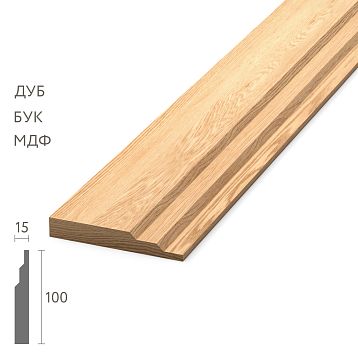
Modern interiors change, transform, embodying ideas of minimalism, ecology, and individuality. In this whirlwind of styles and directions, natural materials, especially wood, remain an unchanged source of warmth, coziness, and aesthetic expressiveness. One such universal element iswooden plank in interiorThis detail can not only complete the overall design but also bring notes of tradition, naturalness, and high quality into the space. In this article, we will thoroughly examine how to use a wooden plank in interior design, what functions it can perform, how it differs from other finishing elements, and why it deserves attention from both professional designers and lovers of cozy home style.


1. Significance of wood in interior




1.1. Natural beauty and emotional impact
Wood has always been associated with warmth and life energy. Its natural texture, variety of shades, and unique wood grain patterns create a sense of liveliness and harmony. Psychological studies confirm that being surrounded by natural materials reduces stress, improves mood, and enhances concentration. In this contextwooden plank in interior becomes not just a decorative element, but an important component that positively affects the psycho-emotional state of residents.
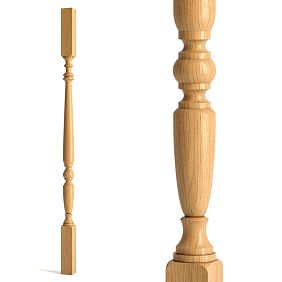
Our factory also produces:



1.2. Aesthetic versatility
Wooden plank — this is a universal element that can be integrated into almost any design project. Whether classic, modern, Scandinavian, or loft, natural wood always finds its place in interior composition. Its naturalness allows:
● Highlight traditional motifs, adding luxury and refinement.
● Create a minimalist, clean, and functional look.
● Introduce exotic notes into interiors if rare wood species are used.
2. Functional capabilities of wooden plank in interior
Get Consultation
2.1. Wall cladding
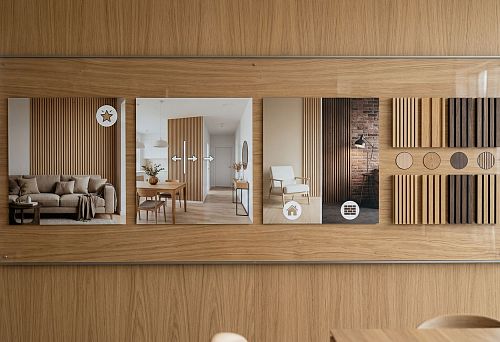
One of the most popular applications of wooden planks — wall cladding. Thanks to their thin but expressive lines, planks can transform an ordinary wall into a design element. They can be used for:
● Creating an accent wall, where one room zone stands out.
● Masking minor irregularities and defects, thanks to a smooth and structured surface.
● Creating a relief effect, adding depth and volume to the interior.
2.2. Framing windows, doors, and niches
Another application — decorating window and door openings. A wooden plank in interior can serve as a part of window casings, thresholds, or decorative frames, harmoniously unifying different areas of the room. At the same time, using planks allows creating a smooth transition between decorative elements, enhancing the aesthetic integrity of the interior.
2.3. Furniture and accessory decoration
Not limited to walls only, wooden planks are actively used in furniture:
● Framing cabinet and bedside table facades can give them artistic completeness.
● Decorative inserts in countertops and chests create interesting contrasts and highlight high-quality finishing.
● Using planks in ceiling or niche finishing elements can emphasize the exclusivity of the project.
2.4. Zoning and structuring space
In open-plan interiors, where there are no clear partitions, a wooden plank helps create visual boundaries. Laying planks in vertical or horizontal stripes can:
● Divide a large area into functional zones.
● Visually increase the height or width of the room.
● Create a dynamic architectural pattern that surprises and delights the eye.
3. Advantages of using natural wood
3.1. Ecological safety
Natural wood is a material with a high degree of ecological safety. Unlike artificial coatings, wood does not emit harmful substances if properly processed and maintained. This is especially important for living spaces, where the health and comfort of residents are of primary importance.
3.2. Strength and durability
With proper processing and care, wooden planks can retain their aesthetic and functional properties for decades. Modern technologies allow protecting the surface with varnishes, oils, or wax-based finishes, making wood resistant to moisture, ultraviolet radiation, and mechanical damage.
3.3. Versatility in styles and designs
The natural beauty of wood allows it to be easily adapted to any design task:
● In classic interiors, wood emphasizes elegance and sophistication.
● In modern minimalism, natural finish highlights clean lines and simplicity of forms.
● In industrial style, thick wooden planks can serve as a contrast to cold metals and concrete.
3.4. Thermal and sound insulation effect
Wooden elements possess excellent thermal and sound insulation properties. They help create a cozy microclimate in the room, reduce noise levels, and contribute to retaining warmth in winter. This makes the use ofwooden plank in interior particularly relevant for cold climates and urban apartments, where it is important to create comfortable living conditions.
4. Selection and finishing of wooden planks
4.1. Criteria for material selection
When selecting a plank for interior use, it is important to consider the following parameters:
● Wood species. The choice of species affects both the appearance and durability of the product. For classic interiors, oak, walnut, or beech are often chosen; for modern projects, lighter species such as pine or birch are suitable.
● Surface treatment. High-quality sanding and finishing of planks provide a smooth surface ready for final treatment. The choice between varnishing, oiling, or waxing depends on the overall interior style and functional requirements.
● Dimensions and proportions. The width and thickness of planks should be proportional to the size of walls and the overall design concept. Excessively heavy elements may weigh down the interior, while overly thin ones may get lost in space.
● Color palette. Natural wood has a rich range of tones, and depending on the design solution, planks can be left in their natural state or tinted to achieve the desired effect.
4.2. Finishing and final treatment
Final finishing plays a decisive role in creating an attractive appearance. The main options are:
● Varnished finish. Provides gloss, protects against moisture and mechanical damage, and highlights wood grain texture. The degree of gloss (glossy, semi-matte, matte) depends on the requirements for interior style.
● Oiled finish. Preserves the naturalness of wood, giving a matte or satin effect, resulting in a warm, muted appearance. Oil allows maintaining the sensation of natural texture, which is often appreciated in eco- or Scandinavian design.
● Wax finish. Provides a deep, rich tone, softens the appearance of wood, and protects against minor scratches. Wax is typically applied in several layers followed by polishing.
4.3. Combination with other interior elements
wooden plank in interior integrates perfectly into the overall composition if properly combined with other materials:
● Metal. Combining wood with metal is often used in industrial style: matte wood contrasts with the cold sheen of steel, creating a modern and dynamic effect.
● Glass and mirror. Transparent surfaces highlight the lightness and airiness of wooden elements, enhancing natural lighting.
● Stone. Natural stone in wall or floor finishes harmoniously complements wooden elements, creating a cozy, 'earthy' interior.
● Textile. Soft fabrics such as curtains, sofa cushions, or upholstery soften the sharpness of wood, creating a harmonious and balanced look.
5. Methods of installing wooden planks
5.1. Main mounting methods
Depending on the type of surface and design intent, there are various ways to install wooden planks:
● On adhesive. Using construction adhesives specifically designed for wood achieves invisible mounting, creating an effect of 'floating' planks. This method is especially suitable for smooth walls and flat surfaces.
● Mounting with clamps. Through-fastening with clamps allows securely fixing planks, while the fastening elements remain hidden. This method is suitable for creating a monolithic and neat finish.
● Mechanical mounting. The traditional method involves using screws or nails. Although fasteners may be visible, in some design solutions, exposed fasteners add character and sophistication (e.g., in loft style).
5.2. Surface preparation and leveling
Before installation, it is necessary to carefully prepare the surface:
● Clean the wall from dust, grease, and other contaminants.
● If necessary, level the surface using plaster, drywall, or lathing to ensure perfect plank fit.
● Mark the surface: using a level and measuring tools will help maintain symmetry and accuracy of installation.
5.3. Installation technical nuances
During installation, the following points should be considered:
● Leave expansion gaps. Wood may expand or contract with changes in humidity, so technical gaps (usually 2–3 mm) prevent deformation.
● Use painter's tape or spacers. This will help fix the planks in place until the adhesive fully dries.
● Monitor even load distribution. Especially important when installing over large areas, where even minor discrepancies may lead to unevenness and deformation.
6. Design ideas for using wooden planks
6.1. Accent walls and art panels
One of the most creative directions is creating accent walls from decorative wooden planks. This solution allows:
● Highlight an important area of the room, whether it's a living room, hallway, or corridor.
● Create a relief effect by alternating installation directions (horizontal, vertical, diagonal).
● Connect space with an exhibition gallery or create a 'fluid' structure that dynamically responds to lighting.
6.2. Framing and enhancing furniture
A wooden plank can become a detail for furniture:
● Framing cabinet or bedside table doors, adding elegance and exclusivity.
● Inserts in countertops and kitchen facades, creating a contrast between textures.
● Decorative elements in bedroom sets, for example, in headboards, emphasizing the design's individuality.
6.3. Loft or minimalist interior style
Loft and minimalism require strict lines, purity, and simplicity of forms. In these styleswooden plank in interior can serve as an elegant accent:
● Thin wooden strips laid strictly straight create a sense of spaciousness.
● Hidden mounting and absence of unnecessary decorative elements emphasize minimalism.
● Contrast between natural wood and industrial materials such as concrete or metal creates a dynamic yet balanced look.
6.4. Eclectic combinations
Combining different styles and materials allows creating original and memorable spaces. An eclectic interior may include:
● Wooden planks combined with bright decorative elements creating a lively pattern.
● Using planks of different shades (natural, tinted, aged) in one area, adding depth and dynamism to the space.
● Combining with decorative elements made of ceramic, glass, or metal, creating an interesting mix of textures and contrasts.
7. Care and longevity of wooden elements
7.1. Basic care principles
To ensure that a wooden plank retains its beauty and functionality for many years, simple care rules must be followed:
● Regular cleaning with soft cloth from dust, without using aggressive cleaning agents.
Maintain optimal humidity in the room (40–60%), to prevent wood deformation.
Regularly refresh protective coating: periodic treatment with oil, varnish, or wax will restore the original luster and protect the surface from wear.
7.2. Restoration and Repair
Over time, even well-treated wooden elements may be subject to natural wear:
● Minor scratches and scuffs can be easily removed using specialized wood restoration products.
● For more significant damage, it is recommended to replace individual planks to maintain the integrity and aesthetics of the interior.
● It is important to promptly respond to changes in color or texture to carry out rejuvenating procedures in time.
8. Examples of Successful Projects and Inspiration
8.1. Modern Residential Interiors
In one of the modern apartments, the designer usedwooden plank in the interior to create an accent wall in the living room area. Thin lath elements laid horizontally visually expanded the space, emphasizing the minimalist and functional design. Natural wood tones, enhanced by LED lighting, created an atmosphere of warmth and coziness, ideally complementing minimalist furniture and green accents.
8.2. Loft-Style Office Spaces
In one office designed in an industrial style, decorative wooden planks were used to separate the negotiation area from the general workspace. The contrast between the wood texture and the rough brick wall finish gave the room a distinctive loft character. This approach not only visually divided the zones but also added a natural warmth element to the interior, positively affecting the working atmosphere.
8.3. Gallery and Exhibition Interiors
Exhibition halls of modern galleries often use wooden planks to create frames and partition structures. Using planks allows organizing the space so that each painting or exhibit receives its own individual "frame", while the overall design remains unified and harmonious. Transparent, minimalist wooden elements help the viewer focus on the main exhibit, highlighting its artistic value.
8.4. Retro and Eclectic Interiors
Designers creating interiors in a retro style actively use wooden planks to create frames reminiscent of vintage frames. Here, planks may be covered with patina or aged finishes, adding a nostalgic and warm note to the room. Combining wooden elements with vintage furniture and accessories creates a unique atmosphere, where each detail can be considered a separate work of art.
9. Future Development of Wooden Elements in Design
9.1. Technological Innovations
Modern wood processing technologies allow achieving unprecedented heights in decorative quality:
● Laser cutting and digital engraving allow creating complex patterns and unique textures.
● Latest wood coating and protection compositions make the material even more durable and resistant to external influences.
● Use of automated production lines increases manufacturing accuracy, minimizing minor defects.
9.2. Eco-Solutions
Today, the issue of sustainable development is becoming increasingly relevant. Choosingwooden plank in the interior, you support the idea of rational natural resource use and eco-friendly technologies. Many manufacturers offer products obtained through sustainable forestry, certified accordingly. This approach guarantees that your interior will not only be stylish but also environmentally safe.
9.3. Biophilic Design
The driving force behind modern design trends is biophilic design — the desire to integrate natural elements into urban spaces. Natural wood, due to its versatility and warm aesthetics, has become the main symbol of this trend. A wooden plank used for interior decoration helps create a connection between humans and nature, improving emotional state and positively affecting overall well-being.
10. Tips for Designers and Homeowners
10.1. Proper Combination with Other Interior Elements
● Color and texture. Before choosing a wooden plank, determine the overall color scheme of the interior. If the main space is in neutral tones, you can confidently experiment with wood shades.
● Size and scale. Carefully calculate proportions: for small rooms, choose thin elements that won't overwhelm the space, while for larger rooms, you can use planks with more pronounced texture and wider profile.
● Contrasting materials. Playing with textures is one of the most effective design techniques. Combine wood with metal, glass, or stone to create a striking visual contrast and emphasize the uniqueness of each element.
10.2. Installation Planning
● Surface preparation. Carefully level and clean walls before installation to ensure decorative planks look neat and even.
● Accurate marking. Use a level, tape measure, and markers to ensure symmetry and precision during installation.
● Use test samples. Before starting the main installation, conduct a test on a small area to determine the optimal mounting and finishing method.
10.3. Maintenance and Quality Preservation
● Regularly clean wooden elements from dust and dirt using soft fabric.
● Refresh protective coating according to usage conditions (especially important for high-humidity rooms).
● Promptly repair minor damage to avoid further material deterioration.
11. Conclusion
Wooden plank in interior design — it is not just a functional decorative element, but a true way to transform space, infusing it with a part of living nature. Thanks to its versatility, natural beauty, and durability, it becomes an indispensable detail in the design of modern residential and commercial spaces. The products presented onthis website, meet the highest quality standards and will serve as a reliable foundation for realizing your design concepts.
Choosing a wooden plank for interior decoration is an investment in aesthetics, functionality, and harmony that will serve you for many years. From accent walls in the living room to elegant framing of paintings or zoning open spaces — possibilities are limitless, and the result is always stylish, natural, and unique.
Regardless of whether you are a professional designer, collector, or simply a lover of well-decorated interiors, pay attention to every detail. For it is precisely the thoughtfully considered details that turn a home into an oasis of comfort, and a workspace into a source of inspiration and creativity.
Let wood become your guide in the world of art and inner harmony, andwooden plank in interior — your reliable assistant in creating a space that delights the eye and warms the soul.