












































































Article Contents:
- 1. Introduction to the world of wooden planks
- 3.1. Wood species
- 3.2. Shapes and sizes
- 4.1. Wood quality
- 4.2. Surface treatment
- 4.3. Compliance with project dimensions
- 5.1. Wall finishing
- 5.2. Ceiling decoration
- 5.3. Creating decorative elements
- 5.4. Furniture and accessories
- 6.1. Surface and tool preparation
- 6.2. Methods of fastening
- 6.3. Final finishing
- 8.1. Classic style
- 8.2. Provence and country
- 8.3. Loft and industrial style
- 8.4. Minimalism and Scandinavian style
- 8.5. Eclecticism and boho
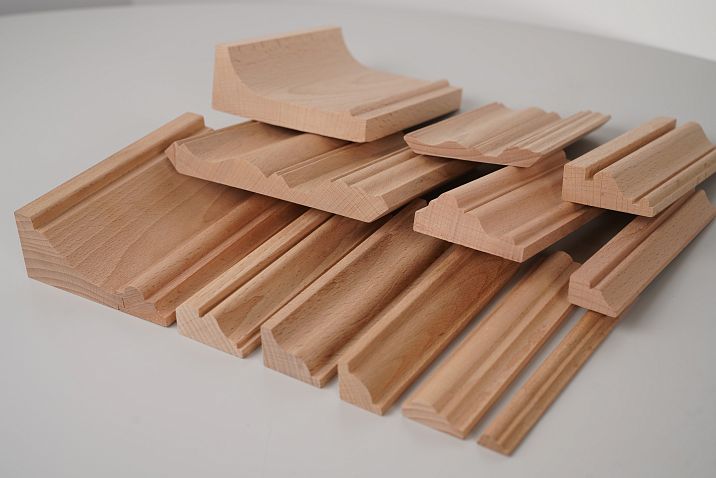
In today's world, where natural materials are gaining increasing popularity, solid wood products are once again taking center stage. Wood is valued for its eco-friendliness, aesthetic appeal, and centuries-long history of use. Among the items that can transform an interior and add a special warmth, the simple yet extremely multifunctional element known as wooden plankDespite its apparent modesty, it can perform several roles at once: from decorative finishing to creating structural solutions in the interior.
In this article, we will examine what a wooden plank is, in what forms it is available, how to choose the optimal solution for various projects, and why this element is so important for designers, architects, and ordinary users striving to create a cozy and stylish space. We will thoroughly discuss the main properties of wood, the manufacturing technology of planks, installation and maintenance specifics, as well as touch upon current trends in the market of natural materials. All of this will help you make an informed decision and choose what perfectly fits your interior vision.




1. Introduction to the world of wooden planks
Humans have used wood since ancient times — first as fuel and building material, later also for decorative purposes. Wood itself is a living, warm, breathable material that, with proper use and care, can serve for decades while retaining its original appearance and performance characteristics.
Over time, the appearance of wooden items has transformed: from rough planks to refined, carefully sanded and finished details, where every line and curve conforms to aesthetics. One of the most sought-after items became various-sized and shaped planks, capable of solving a wide range of interior tasks.
The term 'wooden plank' may refer to various items: from simple, straight rails and moldings to decorative elements designed to enrich the space. Initially, such rails were used to reinforce structures, form fences or walls, and later became used as a finishing material, allowing to highlight the style and individuality of the room. The length and thickness of wooden planks may vary depending on the specific purpose, wood species, and requirements for their appearance.
2. Advantages of using wooden planks in interior design
Why do designers and clients increasingly choose 'wooden plank' to create functional and aesthetically pleasing interiors? The answer lies in the variety of its advantages:
- Ecological safety. Wood is a natural, eco-friendly material. It does not emit harmful substances, and with proper treatment, it retains the ability to 'breathe'. Thanks to this, a favorable microclimate is maintained in the room.
- Unique texture and warmth. The texture of wood not only looks attractive but also gives the room a special warmth and coziness. Looking at the grain of the planks, one can see the play of light and shadow on the fibers, which gives the interior a natural depth.
- Durability. Well-made and properly treated planks serve for many years without losing their appeal. Wood is less susceptible to mechanical damage, and minor defects are easily eliminated by sanding and additional finishing.
- Versatility. wooden plank is used in various projects: from classic to ultra-modern interiors. It can be used for wall, ceiling, floor finishing, creating decorative inserts, shelves, and partitions.
- Possibility of restoration and repair. Unlike many artificial materials, wood can be easily renewed: sanded, old coating removed, varnish or paint reapplied. This is a significant advantage over many substitutes, for which repair does not always restore the original aesthetics.
3. Types of wooden planks: selection of species and shape




3.1. Wood species
Each species has its own characteristics: texture, tone, strength, resistance to moisture and other factors. The most common and popular options:
● Spruce: easy to process, has a pleasant light tone and noticeable wood grain. Due to its softness, it may be susceptible to scratches and dents, but its advantages are its affordable cost and versatility of use.
● Pine: similar to spruce, but with less resin. The texture may be slightly less pronounced, but pine provides a more uniform color and is considered easier to install.
● Larch: distinguished by increased resistance to moisture and external influences, has a beautiful texture with golden and reddish nuances. Valued for its durability and resistance to rot.
● Oak: classic of furniture making. It has high density, pronounced grain, and noble tone. Such planks look respectable and last forever, but require more careful processing and cost more.
● Ash: combines strength and flexibility, texture resembles oak, but often has lighter tones. Pleasant texture, distinct annual rings.
● Beech: uniform texture, easily processed, but requires adherence to humidity norms, otherwise it may warp. Has a pleasant pinkish-yellow tone.
The choice of species will be influenced by factors such as budget, required durability, interior style, and usage conditions (e.g., humidity level and temperature fluctuations).
Our factory also produces:



3.2. Shapes and sizes
Differences in shapes and sizes of wooden planks determine their purpose:
● Simple planks: straight, without decorative elements, used for wall, ceiling finishing, creating frames and partitions.
● Mouldings: usually have decorative or rounded profiles, used for framing door and window openings, decorative panels, and creating wall frames.
● Baseboards: can be straight or decorative, designed to hide gaps between walls and floors, as well as to complete the overall room design.
● Cornices and trim: decorative planks used for finishing ceiling joints, under curtains, or in similar zones.
Each of the listed types performs specific tasks and emphasizes interior style, while combining different plank types allows achieving a comprehensive solution within a unified design concept.
4. Key aspects of selection and purchase
Get Consultation
4.1. Wood quality
To ensure that the product meets your expectations (whether budget or premium segment), compare available species, profiles, mounting methods, consider the room’s humidity conditions, load level, and desired style. Choose a reputable supplier who will provide you with accurate material parameters and reliable logistics.wooden plank If it has lasted long and pleased the eye, it is important to ensure that it was made from quality raw material. Well-dried wood without excess moisture will not crack or deform over time. Recommended moisture content for products — 8–12%.
Also, pay attention to the presence of knots, cracks, resin pockets. They are permissible in limited quantities, depending on the grade, but an excessive number may indicate low quality. Some decorative effects, such as emphasized grain with knots, may be intentionally specified as part of the designer’s concept. The main thing is that all natural features of the wood should be considered in advance during the project planning.
4.2. Surface treatment
An important point — quality of processing. Sanded planks with smooth surfaces and rounded edges simplify installation and reduce the risk of chipping or splintering. Some manufacturers supply planks already with a finish (varnish, oil, wax), while others are untreated. If you plan to paint or treat the wood yourself, it is advisable to clarify what preliminary preparation was performed.
4.3. Compliance with project dimensions
When purchasing, it is important to consider that planks may differ in thickness, width, and length. It is advisable to calculate the quantity and parameters of materials based on specific drawings. Additionally, it is recommended to purchase a small surplus — in case of trimming, fitting, possible defects, or errors during installation.
5. Ways to use wooden planks in interior design
5.1. Wall finishing
One of the most popular options — wall finishing with planks arranged horizontally, vertically, or at an angle. Horizontal placement visually expands the space, vertical placement increases the room’s height. Angular or checkerboard arrangement suits bold design solutions, allowing to create dynamic shapes and patterns.
In addition to decorative effect, this type of finishing provides additional sound and thermal insulation. If walls are not perfectly flat, planks can help conceal minor defects and unevenness.
5.2. Ceiling finishing
Instead of standard plaster or suspended structures, wooden planks are increasingly used for ceiling finishing. This is especially relevant in rooms where one wants to achieve a countryside or eco-style atmosphere. Various techniques are possible: creating an imitation of beams, combining with inserts of other materials (e.g., gypsum board or metal). When choosing the method of attachment, it is important to consider the load and ceiling height to avoid overloading the space.
5.3. Creating decorative elements
● Cornices and skirting boards. Installed to complete the overall look of a room. At junctions between walls, floor, and ceiling, neatly finished strips are often used to conceal gaps and visually unify the space.
● Molding for zoning. This is an excellent solution if you need to divide a room into functional zones or create accent panels on walls. Molding forms original frames into which contrasting finishing materials, wallpaper, or paint can be placed.
● Decorative shelves and niches. Based on wooden strips, you can construct small shelves, consoles, or partitions, highlighting the aesthetic of natural material.
5.4. Furniture and accessories
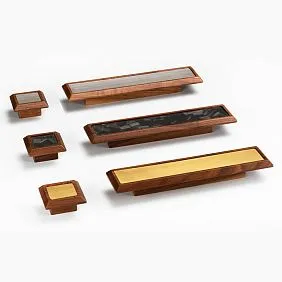
Strips can serve as a basis for creating or restoring furniture: cabinet facades, wardrobes, doors. The possibilities here are limited only by your imagination. Small but elegant details not only allow you to refresh the appearance of familiar items but also enhance their functionality through new features, such as built-in hooks or lighting.
6. Installation technology: features and recommendations
6.1. Surface and tool preparation
The first and most important step — assessing the condition of the surface to which the strips will be attached. If walls or ceilings have significant irregularities, they should be leveled or a substructure should be planned. Additional moisture insulation or installation of a vapor barrier film may be required if necessary.
Also, prepare tools in advance: measuring tape, level, electric jigsaw or saw for cutting, hammer, screws or nails, drill. If adhesive mounting is planned, it is important to purchase an appropriate wood adhesive.
6.2. Methods of Fastening
- On screws or nails. A traditional and reliable method, where fastening elements can be visible or hidden in grooves. Suitable for situations where additional structural rigidity is needed or when strips will be subjected to loads.
- On adhesive. A convenient option for flat surfaces and aesthetically important zones. Allows maintaining a "clean" appearance, as the fastening is invisible. However, the adhesive must be of high quality and compatible with the type of wood and substrate.
- On clips or special fasteners. Used during installation, for example, for tongue-and-groove boards or certain panel assembly systems. Speeds up the process and simplifies replacing individual elements if necessary.
6.3. Final finishing
Strips can be installed already finished (coated with varnish, paint, or oil) or left "bare" for subsequent finishing on-site. Final finishing is recommended immediately after installation, especially if there are seams, joints, or cut edges requiring additional protection. Proper coating not only enhances aesthetic appeal but also provides protection against moisture, temperature fluctuations, and mechanical damage.
7. Care for wooden strips: extending service life
Basic care rules for any wooden items are quite simple:
- Regular cleaning. Dust is best removed with a soft, damp cloth without aggressive cleaning agents. Excess moisture is harmful, so it is important to wipe the surface dry immediately.
- Protection from humidity and temperature fluctuations. Try to maintain stable climatic conditions in the room. Excessively dry air can cause wood to crack, while high humidity can lead to deformation.
- Preventive treatment. Over time, the coating may wear off, especially if the strips are subjected to loads. Periodically renew the varnish, oil, or wax to maintain the surface in ideal condition.
- Prompt repair of minor damage. Scratches and dents are easiest to remove in the early stages. There are special wood waxes and putties that conceal defects, making them invisible.
Following these simple recommendations, you will preserve the attractiveness and functionality ofwooden strips for many years, even with intensive use.
8. Wooden strips in different interior styles
To demonstrate the versatility of wooden strips, let’s consider how they fit into popular styles:
8.1. Classic style
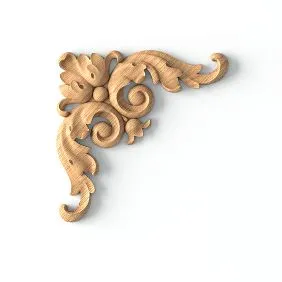
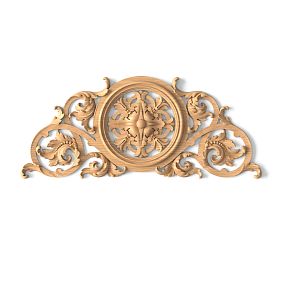
In classic interiors, the use of high-quality natural materials is encouraged. Strips made of oak, beech, or walnut, complemented by carved elements, create an atmosphere of luxury and elegance. Often, this includes intricately shaped skirting boards, wide cornices, and moldings that emphasize the elegance of the setting.
8.2. Provence and country
Here, comfort, simplicity, and a light "rural" atmosphere prevail. Pine or spruce strips with a weathered effect are perfect for wall, ceiling, and even kitchen cabinet facade finishes. Sometimes they are intentionally "patinated" to add a vintage charm.
8.3. Loft and Industrial Style
Wood can serve as a contrast to brickwork, metal, and concrete. Horizontal or vertical planks create a warm counterbalance to rough surfaces, making the interior more homelike. Dark or weathered wood is often used to enhance the ruggedness of the space.
8.4. Minimalism and Scandinavian style
White or light-colored planks made of pine, spruce, or birch fit perfectly into minimalist Scandinavian interiors. They highlight the natural beauty of materials and create an impression of freshness and spaciousness. Planks are placed neatly and precisely to avoid cluttering the space with details.
8.5. Eclecticism and Boho
In these styles, bold experiments with color and texture are encouraged. Various wooden planks can be painted in bright tones, decorated with carving, or arranged in contrasting combinations. The effect is often surprising and unique.
9. Influence of ecological trends on the popularity of wooden planks
Over the past decades, society has increasingly recognized the importance of caring for nature. Consequently, the popularity of eco-friendly materials, including wood, is growing — provided that it is harvested responsibly and with consideration for forest resource regeneration.
Many manufacturers today strive to certify their products (e.g., FSC — Forest Stewardship Council), confirming the legality and ecological soundness of the raw materials. In turn, consumers can consciously choose materials that are safe for both their own health and the environment.
Demand for natural solutions stimulates the development of wood production and processing technologies. New water-based protective coatings, safe for both people and the planet, are emerging. Using such coatings does not diminish the material’s beauty while reducing environmental impact.
10. Common myths about wooden planks
Myth #1. Wood is too fussy and deteriorates quickly.
With proper drying, correct finishing, and adherence to usage conditions, wood is very durable. Additionally, minor damages on wooden planks are easily restorable.
Myth #2. It is too expensive.
Prices vary widely depending on species and finish quality. Pine, spruce, and larch are relatively affordable options, and their beauty and naturalness remain undeniable advantages within a reasonable budget.
Myth #3. Wood 'fears' water and fire.
Modern impregnations and varnishes provide high protection against moisture, while fire retardants increase the material’s fire resistance. Of course, wood cannot be considered completely immune to water and fire, but proper treatment reduces risks to a minimum.
Myth #4. Wooden planks are suitable only for classic styles.
In reality, they are used in virtually all styles — from high-tech to country. The key is to choose the right species, color, shape, and installation method that match the room’s design.
11. The market for wooden planks: prospects and trends
Against the backdrop of ecological trends, growing interest in individual designer solutions, and a desire for high-quality natural materials, the segment of wooden planks continues to develop actively. Manufacturers expand their product range, adding new profiles, experimenting with decorative effects (brushing, weathering, lacquering), and adopting innovative drying and impregnation methods.
Globalization and the development of e-commerce have enabled consumers to access a wide range of products, including rare or exotic species. At the same time, competition is increasing, forcing companies to refine their technologies and reduce production costs. Consumers benefit from this variety: they can find both economical and exclusive premium options that cater to the most refined tastes.
In the foreseeable future, demand for wooden planks will continue to grow, as they help solve two tasks simultaneously: integrating eco-friendly solutions into daily life and achieving a unique aesthetic that cannot be replicated with artificial materials.
12. Conclusion: why a wooden plank is the ideal choice for any interior
We have examined various aspects related to the use of wooden planks and concluded that they are a truly universal tool for transforming space. They allow you to emphasize style, create a cozy atmosphere, adjust the visual perception of a room, and ensure long-lasting results.
● Ecological: natural wood positively affects the microclimate, does not cause allergies, and, when properly harvested, does not harm the environment.
● Aesthetics: the texture and grain pattern are unique, and the wide variety of species offers ample creative freedom. You can achieve both luxurious classicism and modern minimalism.
● Functionality:wooden plank solves numerous tasks: finishing, zoning, creating decorative panels, concealing joints, furnishing furniture and doors.
● Economy and durability: a wide price range allows selecting the most cost-effective option, and with careful handling and regular maintenance, wood will last for decades.
For those who wish to add natural and warm accents to their interiors, attention should be paid to the full potential of wooden planks. This is not just a material — it is a philosophy of closeness to nature and care for the future, an expression of taste and respect for traditions. Wood finishing can transform a standard room into a space where one wants to spend time and return to.
Remember the delicate beauty of wood grain patterns, the pleasant tactile surface, and how the mood of a room changes if it contains even one noticeable element of natural wood. All of this is easily achievable if you approach the selection of wooden planks with consideration for your needs, budget, and aesthetic preferences.
And, finally, don't be afraid to experiment: combining different profiles and species, using planks of various widths and colors, playing with laying directions — all this allows you to create truly unique interior solutions. Choose with your heart, rely on quality materials, and your home will come alive with a new, special life, centered around the beauty and naturalness of wood.





