Article Contents:
- Why Wooden Furniture Remains Timeless
- Natural Beauty and Uniqueness
- Durability and practicality
- Ecological and health benefits
- Variety of Wood Species: Choosing Material for Furniture
- Fine Oak: Classic for Centuries
- Warm Beech: Universality and Elegance
- Exquisite Walnut: Luxury in Every Detail
- Light Pine: Accessibility and Eco-friendliness
- Exotic Species: Uniqueness and Character
- Where to Buy Wooden Furniture: Overview of Options
- Specialized Furniture Stores
- Online Stores: Convenience of Choice
- Direct from the Manufacturer: Optimal Price-to-Quality Ratio
- Furniture Fairs and Exhibitions: Opportunity to Find Unique Pieces
- Consignment Stores and Auctions: Hunting for Vintage Treasures
- How to Choose Quality Wooden Furniture
- Assessing Material and Manufacturing Quality
- Matching Interior Design and Functional Requirements
- Ecological safety and certification
- Caring for Wooden Furniture: Preserving Beauty for Years
- Daily Care and Protection from Damage
- Periodic Maintenance and Restoration
- Specific Care for Different Wood Species
- Trends in the World of Wooden Furniture
- Modern Design Solutions
- Innovative technologies in production
- Eco-trends and Sustainable Production
- Conclusion: Investment in Comfort and Beauty

In a world where synthetic materials dominate the market, wooden furniture remains an island of authenticity, warmth, and coziness. It carries not only functionality but also soul, character, and history. Every piece of furniture made from natural wood is unique, like a fingerprint or a snowflake pattern. Texture, tone, and finish — nature does not repeat itself in its creations, making each table, chair, or cabinet a work of art.
But where to buy wooden furniturewhich will become not just an interior item, but a true treasure of your home? How to avoid mistakes in selection and purchase an item that will delight the eye and serve faithfully for many years? These questions concern many who value naturalness, eco-friendliness, and aesthetics in their homes.
In this article, we will dive into the wonderful world of wooden furniture, reveal the secrets of its selection, discuss production nuances, and share information on where to buy truly quality items. Ready to embark on this journey? Then get comfortable — we’re about to embark on an exciting exploration of a world where craftsmanship traditions meet modern technologies, and the beauty of nature is embodied in functional items of our daily life.


Why Wooden Furniture Remains Timeless
Interior design trends change with kaleidoscopic speed: minimalism gives way to maximalism, Scandinavian style yields to Japanese minimalism, and then classic returns. But amidst this cycle of trends, wooden furniture remains a constant, timeless. What is the secret behind its enduring popularity?




Natural Beauty and Uniqueness
Each tree grows under unique conditions, exposed to various environmental factors, which are reflected in its structure. That is why it is impossible to find two absolutely identical pieces of wood — each has its unique grain pattern, texture, and characteristics.
Master carpenters for centuries have learned to emphasize this natural beauty, selecting appropriate pieces of wood for each item and arranging them so that the texture creates a harmonious pattern. Modern wood processing technologies allow even more vividly to reveal the natural beauty of the material while preserving its eco-friendliness.
Wooden furniture brings a piece of nature into the home, creating a sense of connection with the natural world, which is especially valuable in the age of urbanization and digital technologies. The touch of a warm, living wooden surface provides completely different tactile sensations compared to contact with cold plastic or metal.
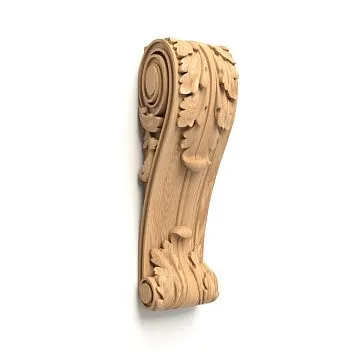
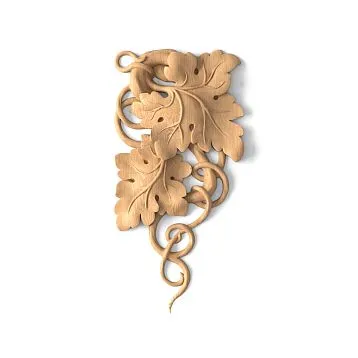
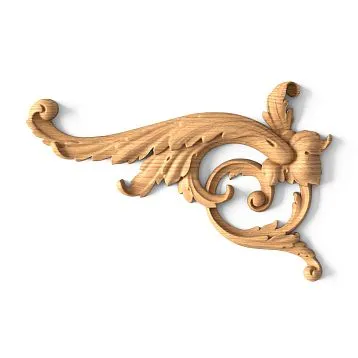
Our factory also produces:


Durability and practicality
Quality wooden furniture is an investment for decades, sometimes even for centuries. History knows many examples when furniture items have been passed down from generation to generation, becoming family heirlooms. In museums around the world, wooden items whose age is measured in centuries are preserved, and they still retain their functionality and beauty.
The secret of such longevity lies in the nature of wood itself — with proper processing and care, it can retain its properties for an extremely long time. Moreover, over the years, many wood species acquire an even more noble appearance: oak becomes darker and richer, cherry develops a deep reddish hue, and walnut reveals the richness of its tones.
The practicality of wooden furniture is also evident in its repairability. Unlike items made of particleboard or MDF, natural wood can be restored: sand down scratches, replace individual parts, renew the finish. This makes the service life of such furniture practically unlimited.
Get Consultation
Ecological and Health Benefits
In an era of growing environmental awareness, more and more people pay attention to the naturalness of materials surrounding them in everyday life. Wooden furniture is the ideal choice in this regard.
Wood is a renewable resource, and with responsible forestry, the production of wooden furniture does not cause irreversible harm to the environment. Many manufacturers today use wood from certified forest plantations, where a new tree is planted in place of each felled one.
Moreover, natural wood does not emit harmful substances, unlike some synthetic materials. It creates a favorable microclimate in the room, regulating air humidity: it absorbs excess moisture and releases it when the air is dry.
For people suffering from allergies, wooden furniture often becomes a salvation, as it does not accumulate dust and does not generate static electricity that attracts allergens.
Variety of wood species: choosing material for furniture
Choosing a wood species for furniture is not only an aesthetic question, but also a matter of practicality. Each species has its unique characteristics that determine its suitability for certain items.
Fine oak: classic for centuries
Oak rightfully ranks as the king among wood species used in furniture production. Its exceptional strength, resistance to moisture and rot, as well as its beautiful, distinct texture, make it an ideal material for creating furniture that will serve more than one generation.
Oak furniture is characterized by solidity and durability. It is perfectly suited for classic interiors, creating an atmosphere of respectability and traditional comfort. Oak tables, chairs, wardrobes, and chests can withstand significant loads without deformation or loss of appearance.
The color of oak wood ranges from light golden to rich brown, gradually acquiring deeper, darker tones over time. This allows oak furniture to harmoniously fit into various interior color schemes.
Interestingly, oak is often used not only for making solid furniture items, but also for producing veneer — thin sheets of wood used to cover items made from more affordable materials. This allows combining the beauty of oak with cost-effective production.
Warm beech: versatility and elegance
Beech is another popular wood species for furniture, especially in Europe. It has a uniform structure, a pleasant light pink or yellowish hue, and a silky texture.
Beech wood is easy to work with, allowing the creation of furniture of the most diverse shapes, including bent elements. That is why beech is often used to make chairs, armchairs, and other items with curved details.
Beech furniture looks light and elegant, fitting perfectly into modern interiors and creating an atmosphere of coziness and warmth. At the same time, beech is sufficiently strong and resistant to mechanical impacts, although it is less durable than oak in this regard.
One of beech's features is its ability to take stain and paint well, allowing furniture made from it to have a wide variety of shades, imitating more expensive wood species or creating unique color solutions.
Exquisite walnut: luxury in every detail
Walnut is one of the most valuable and expensive wood species used in furniture production. Its dark wood, with reddish or purplish hues, has a rich, expressive texture that looks especially striking on large surfaces.
Walnut furniture is associated with luxury and sophistication. It is ideally suited for creating executive offices, libraries, and living rooms in classic or neoclassical styles. Walnut buffets, writing desks, and bookcases become central elements of the interior, drawing attention with their noble beauty.
In addition to aesthetic qualities, walnut has good physical and mechanical properties: it is sufficiently strong, resistant to deformation and cracking. However, it should be noted that walnut furniture requires careful handling and protection from direct sunlight, which may cause fading.
Light pine: accessibility and eco-friendliness
Pine is one of the most accessible wood species, making it a popular choice for mass furniture production. Its light-colored wood, with a yellowish tint, creates a sense of spaciousness and freshness in interiors.
Pine furniture fits especially well into Scandinavian, country, or Provencal styles. It looks light, does not clutter space, and creates an atmosphere of ease and naturalness.
Pine belongs to softwood species, making it easy to work with, but at the same time more susceptible to mechanical damage. Pine furniture shows dents and scratches more quickly, so it is better suited for bedrooms, children's rooms, or country homes, where the load on furniture is not so heavy.
One of the advantages of pine is its distinctly pleasant aroma, which lasts for a long time and creates a special atmosphere in the room.
Exotic species: uniqueness and character
In addition to traditional European species, exotic wood varieties imported from Asia, Africa, and South America are also used in furniture production. Each of these species has its own unique characteristics and aesthetic qualities.
Teak is one of the most valuable species, known for its exceptional resistance to moisture and decay. Furniture made of teak can even be used outdoors without special treatment. The golden-brown color of teak gradually develops a silver hue over time, giving the furniture a distinctive charm.
Padauk is distinguished by its rich, contrasting texture and deep purplish-brown color. Furniture made of padauk looks luxurious and exotic, becoming a striking accent in any interior.
Wenge is an African species with nearly black wood and striking, lighter-colored veins. Furniture made of wenge creates a dramatic, contrasting effect in interiors, especially when combined with light walls and floors.
Zebrawood got its name due to its distinctive striped texture resembling zebra markings. This species is used to create striking, memorable furniture pieces that become the focal point in any interior.
When choosing furniture made from exotic species, it is important to ensure that the wood is obtained legally, from sustainably managed forests, to avoid contributing to tropical rainforest deforestation and the extinction of rare tree species.
Where to buy wooden furniture: overview of options
Choosing where to buy wooden furniture can significantly affect the quality of the purchased item, its cost, and the level of service. Let's consider the main options and their features.
Specialized furniture stores
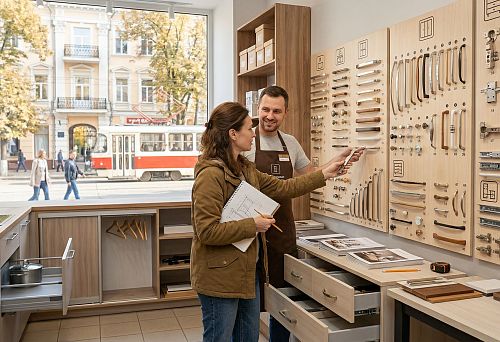
Furniture stores specializing in wooden furniture offer the widest selection of quality items. Here you can find both classic models and modern designer solutions made from various wood species.
Advantages of buying in a specialized store:
- Ability to see and evaluate the quality of furniture in person
- Consultations with experienced sales staff who can help select furniture to match your interior
- Quality guarantee and after-sales service
- Ability to order custom-made furniture according to your dimensions and requirements
However, it should be noted that prices in such stores are usually higher than elsewhere. This is explained not only by the quality of the furniture itself, but also by the level of service, the location of the store (often in prestigious city districts), and other factors.
Before visiting the store, it is recommended to study reviews about it, view the catalog on the website, and clarify the delivery and assembly conditions for the furniture.
Online stores: convenience of selection
In the era of digital technology, more and more people prefer to make purchases online, and furniture is no exception. Online stores offer a vast selection of wooden furniture in various styles, price categories, and manufacturers.
Advantages of buying from an online store:
- Ability to choose furniture at any time, without leaving home
- Lower prices due to the absence of costs for maintaining display areas
- Convenient search and filtering of products by various parameters
- Delivery of furniture directly to your door
However, online purchases have their drawbacks. The main one is the inability to see and touch the furniture before buying. Photographs do not always accurately convey the color and texture of the wood, and descriptions may be incomplete or exaggerated.
To minimize risks when purchasing wooden furniture online, pay attention to the following points:
- Store reputation and customer reviews
- Availability of detailed photographs of furniture from different angles
- Detailed description of materials, dimensions, and construction
- Delivery, assembly, and return conditions
- Availability of warranty for the furniture
Direct from the manufacturer: optimal price-to-quality ratio
Many wooden furniture manufacturers today open their own stores or showrooms where you can purchase their products without intermediaries. This allows you to get quality furniture at a more affordable price.
where to buy wooden furniture Directly from the manufacturer? Many factories have their own branded stores in major cities or sell their products through their own websites. Some manufacturers also accept custom orders, allowing you to get furniture perfectly tailored to your requirements.
Advantages of buying from the manufacturer:
- Absence of intermediary markup
- Guarantee of authenticity and quality of products
- Ability to learn all details about the production process and materials used
- In some cases - the opportunity to visit the production facility and see how furniture is made
When choosing a manufacturer, pay attention to its reputation, experience in the market, technologies and materials used. A good manufacturer is always ready to talk about its products and production process, provide quality and environmental safety certificates.
Furniture fairs and exhibitions: opportunity to find unique items
Furniture fairs and exhibitions are an excellent opportunity to see and compare products from various manufacturers in one place. Here, you often find both large factories and small workshops offering unique, handmade items.
At such events, special exhibition prices and discounts are usually offered, allowing you to purchase quality furniture with significant savings. In addition, you can see the latest trends and novelties in the furniture industry, and receive consultations from designers and technicians.
Information about upcoming furniture exhibitions can be found online, in specialized magazines, or by asking sellers in furniture stores.
Commission stores and auctions: hunting for vintage treasures
If you value history and uniqueness, consider commission stores, antique shops, and auctions, where you can find vintage wooden furniture. Such items often have their own history, distinctive character, and unique charm that cannot be replicated in modern pieces.
Vintage furniture made from solid wood by craftsmen of past eras often features exceptional quality and durability. Many items created 50, 100, or more years ago are still in excellent condition and can serve another generation.
When buying vintage furniture, pay attention to the following points:
- Overall condition of the item, presence of damage and restoration marks
- Authenticity (especially if dealing with valuable antiques)
- Possibility and cost of restoration, if needed
- History of the item, if known
Buying vintage furniture is somewhat like an adventure that can lead to amazing discoveries and become the beginning of an exciting hobby involving collecting and restoring vintage interior items.
How to choose quality wooden furniture
Choosing wooden furniture is not only about aesthetics and matching the interior, but also about evaluating the quality of the item, which should last for many years. What should you pay attention to when choosing?
Assessment of material and manufacturing quality
The quality of wooden furniture begins with the quality of the material itself. Here are several key points to pay attention to:
Moisture content of the wood - one of the most important parameters. Furniture uses wood with a moisture content of 8-12%. Too dry wood may crack, too wet wood may warp when drying. Unfortunately, it's difficult to determine moisture content by eye, but you can ask the seller how and where the wood was dried.
Uniformity of color and texture - quality furniture is made from wood of the same species and similar shade. Sharp color variations may indicate the use of different materials or poor processing.
Absence of defects - carefully inspect the furniture surface for cracks, chips, unevenness. Small knots are acceptable and even add character to the wood, but they must be firmly attached and not fall out.
Quality of surface finish - run your hand over the furniture surface. It should be smooth, without rough edges or roughness. The varnish or oil finish should be even, without streaks or bubbles.
Structural strength - gently rock the furniture to assess its stability. Quality furniture should not wobble or creak. Pay attention to the joints between parts - they should be tight, with no gaps.
Functionality - check the operation of all movable parts: doors should open and close easily, drawers should slide smoothly without sticking. Hardware should be of good quality and securely fastened.
Compatibility with interior design and functional requirements
Even the highest quality furniture will not please if it doesn't fit the interior or meet your functional needs. Here are some tips for choosing:
Style compatibility - wooden furniture should harmonize with the overall interior style. Heavy carved pieces made of dark wood look great in classic interiors, but may appear inappropriate in minimalist modern spaces.
Color palette - the color of the wood should match the room's color scheme. Light-colored furniture visually expands the space and creates a sense of lightness, while dark-colored furniture adds solidity and formality.
Size and proportions - furniture should match the room's dimensions. Too large items in a small room will create a feeling of crowding, while too small items in a spacious room will look unimpressive.
Functionality - furniture should meet your practical needs. Think about how you will use each item, whether there is enough storage space, and whether it will be convenient to use.
Ergonomics - especially important for chairs, armchairs, beds, and other items you interact with directly. Furniture should be comfortable and not cause discomfort during use.
Modern polyurethane compositions meet the strictest ecological standards. The composition contains no formaldehyde, heavy metals, or volatile organic compounds above the third safety class.
In an era of growing environmental awareness, increasing attention is being paid to the safety of materials used in furniture production. Here’s what to pay attention to:
Quality and environmental safety certificates — reliable manufacturers usually have certificates confirming the safety of their products. Do not hesitate to ask about the presence of such documents.
Used varnishes and paints — they must be non-toxic and safe for health. More and more manufacturers are switching to water-based or oil-based compositions that do not emit harmful substances.
Origin of wood — responsible manufacturers use wood from sustainably managed forests, confirmed by FSC or PEFC certificates. This guarantees that furniture production does not harm the environment.
Adhesives and other materials — various adhesives and other auxiliary materials are often used in furniture production. They must also be environmentally safe and not emit harmful substances.
Caring for wooden furniture: preserving beauty for years
Wooden furniture can serve for decades, but only with proper care. A few simple rules will help preserve its beauty and functionality for many years.
Daily care and protection from damage
Regular dust cleaning — use a soft dry cloth or special microfiber cloths. Dust not only damages the appearance of furniture but can also act as an abrasive, scratching the surface.
Protection from moisture — immediately wipe up any spilled liquid. Even if the furniture has a protective coating, prolonged exposure to moisture can cause damage. Use coasters under hot items and drinks.
Protection from sunlight — direct sunlight can cause fading and cracking of wood. Place furniture away from windows or use curtains and blinds to protect from intense sunlight.
Maintaining optimal humidity - excessively dry air can cause wood to crack, while overly humid air can cause it to swell. The optimal humidity for wooden furniture is 40-60%.
Protection from mechanical damage — use felt pads under chair legs and other furniture to avoid scratches on wooden floors. Do not place heavy items on furniture that could leave dents.
Periodic maintenance and restoration
Updating protective coating — depending on the type of coating (varnish, oil, wax) and the intensity of furniture use, it should be renewed every 1–5 years. This protects wood from moisture, dirt, and mechanical damage.
Polishing — regular polishing with special products will help maintain the shine and beauty of the wooden surface. Choose products suitable for the specific type of coating on your furniture.
Repairing minor damage - small scratches can be masked using special pencils or wax crayons matched to the wood color. More serious damage may require sanding and re-coating.
Professional restoration — if furniture is seriously damaged or simply aged, it is worth consulting professional restorers. They can restore the item to its original appearance or even improve it while preserving its historical value.
Specific care for different types of wood
Different types of wood require slightly different care approaches:
Oak — one of the most resilient types. Oak furniture is resistant to moisture and mechanical damage, but may darken under sunlight. Suitable for care are oils and waxes that highlight the beautiful wood grain.
Beech — more sensitive to moisture than oak. Beech furniture may warp under sudden changes in humidity, so it is important to maintain stable conditions in the room. For protection, use quality varnishes or oils.
Walnut — requires careful handling and protection from direct sunlight, which can cause fading. To maintain the deep, rich color of walnut furniture, regular polishing with special products is recommended.
Pine — as a softwood, pine is more susceptible to mechanical damage. Pine furniture easily develops dents and scratches, so it is better to place it in areas with low load. For protection, use hard varnishes or waxed oils.
Exotic woods — often have high oil content, making them resistant to moisture, but may cause problems with certain types of coatings. For care of furniture made from exotic woods, it is better to use special products designed with their characteristics in mind.
Trends in the world of wooden furniture
The world of wooden furniture is not standing still — it evolves, reflecting changes in interior design, production technologies, and societal values. What trends are currently observed?
Modern Design Solutions
Minimalism and functionality — modern wooden furniture often features simple forms and lacks excessive decoration. The focus is on material quality, manufacturing precision, and functionality of each element.
Style mixing - designers increasingly combine traditional woodworking techniques with modern forms, or conversely, use classic forms with unconventional finishes and color solutions.
Customization — demand is growing for unique, personalized furniture that reflects the owner’s personality and taste. This can be fully custom designs or the option to choose individual elements (wood species, finishes, hardware) within a standard model.
Multifunctionality — in the context of shrinking living space, furniture that can perform multiple functions is especially valued: transformable tables, beds with storage systems, modular systems that can be combined differently depending on needs.
Innovative production technologies
3D modeling and CNC machining — modern technologies allow creating furniture with complex shapes and high precision. Computer modeling enables visualizing the future product before production begins, while CNC machines ensure precise realization of the designer’s concept.
New wood treatment methods - technologies for thermal and chemical modification of wood are advancing, enhancing its resistance to moisture, rot, and pests without using toxic substances.
Eco-friendly coatings - more and more manufacturers are switching to water-based varnishes, natural oils, and waxes that do not emit harmful substances and are safe for health and the environment.
Combining materials - wood is increasingly combined with other materials: metal, glass, stone, leather, creating interesting contrasts and expanding design possibilities.
Ecological trends and sustainable production
Use of certified wood — more and more consumers are paying attention to the ecological aspects of production and choosing furniture made from wood sourced from sustainably managed forests.
Recycling and reuse — popularity is growing for furniture made from recycled or reclaimed wood. This can include items made from old wooden structures (beams, floorboards) or furniture made from wood waste.
Zero-waste production - modern technologies allow for the most efficient use of wood, minimizing waste. Waste that still occurs is often recycled into wood panels, fuel briquettes, or used for energy generation.
Local production — more and more people value furniture made from local wood by small, local manufacturers. This not only reduces the carbon footprint associated with transportation but also supports the local economy and traditional craftsmanship.
Conclusion: Investment in comfort and beauty
Wooden furniture is not just interior items, it is an investment in the quality of life, comfort, and aesthetics of your home. Choosing where to buy wooden furnitureyou choose not only the place of purchase, but also the philosophy, approach to production, and attitude toward the customer.
Quality wooden furniture will delight you for many years, creating in your home an atmosphere of coziness and harmony. It will become a witness to important events in your life, a silent participant in family celebrations and everyday evenings. And over time, acquiring the patina of age, it will only become more beautiful, filled with history and character.
In a world where much becomes disposable and quickly loses value, wooden furniture remains an island of stability and durability. It reminds us of the importance of traditions, the value of handcrafted work, and the beauty of natural materials.
Choosing wooden furniture, you choose not only practicality and aesthetics, but also eco-friendliness, sustainable development, respect for nature and its resources. You create a home where it’s pleasant to live, one you’d like to show your friends, one that becomes an extension of your personality and a reflection of your values.
May your choice be thoughtful, and the furniture you acquire bring joy and serve faithfully for many years, perhaps even becoming a family heirloom you pass on to future generations.