Article Contents:
- 1. Introduction: why wooden beds are back in trend
- 2. Advantages of solid wood beds
- 2.1. Ecological safety and reliability
- 2.2. Strength and durability
- 2.3. Unique aesthetics
- 2.4. Possibility of restoration
- 4.1. Drying and preparation of wood
- 4.2. Sorting and gluing
- 4.3. Frame and detail forming
- 4.4. Assembly and quality control
- 4.5. Final finishing
- 5.1. Reputation and experience
- 5.2. Demonstration samples and consultations
- 5.3. Certificates and standards
- 5.4. Logistics and service
- 7.1. Classic frame-style
- 7.2. Panel-style
- 7.3. Lift mechanism with drawers
- 7.4. Two-tiered
- 7.5. Loft bed
- 8.1. Assembly
- 8.2. Hardware installation
- 8.3. Care
- 8.4. Updating the finish
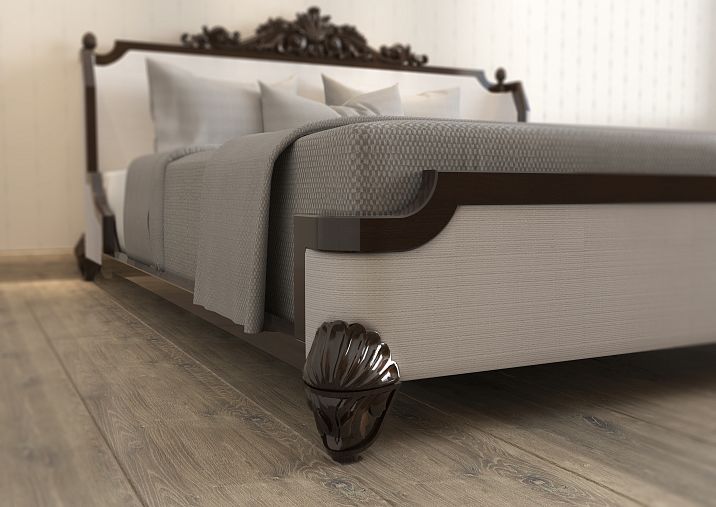


1. Introduction: why wooden beds are back in trend
In our time, when technology is actively developing and the market is full of a huge variety of materials, wooden beds continue to enjoy unwavering popularity. They attract people with their naturalness, eco-friendliness, durability, and warm aesthetics that are hard to replicate using artificial analogs (MDF, laminate, plastic, etc.).
Many, deciding to update their bedroom area, ask themselves: which "wooden bed manufacturer" should they choose to get a quality product meeting all requirements? To answer this, we will examine important production aspects and criteria to pay attention to. We will also mention the company STAVROS – one of the reliable suppliers of quality beds and other wooden items in Russia.




2. Advantages of solid wood beds
Our factory also produces:



2.1. Ecological safety and health
Wood is a natural material that does not emit toxic substances (provided proper drying and safe lacquer coatings). This is important for health, especially if we are talking about a child’s room or sleeping area, where people spend a lot of time. Good wooden bed manufacturers pay close attention to ensuring that the stains, adhesives, and finishing compounds used are certified and meet modern ecological standards.
Get Consultation
2.2. Durability and Longevity
Properly treated wood can last for decades without losing its aesthetic or mechanical properties. Such a service life pays off the investment in a quality bed. Even if minor scratches or scuffs occur, partial restoration can be performed to restore the item’s original appearance.
2.3. Unique aesthetics
Natural wood has an incomparable grain pattern, color, and texture. Each item is unique, as nature does not create two identical pieces of wood. This gives the interior a sense of warmth, coziness, and soul, attracts attention, and decorates the bedroom.
2.4. Restoration Capability
Unlike synthetic materials (MDF, laminate, plastic), a wooden bed can be sanded, re-varnished, or repainted in a different color when you want to refresh its appearance. This extends its service life and allows changing the style without buying new furniture.
3. Main Wood Species for Bed Production
Each wooden bed manufacturer selects raw materials based on price, properties, and aesthetics. The most popular options:
- Pine, spruce
○ Relatively inexpensive and soft species.
○ Pleasant light tone, easy to process and carve.
○ Require careful maintenance, as they may retain dents from strong impacts.
- Larch
○ Stand out for high density and moisture resistance.
○ More expensive than pine, but more durable. Often used for outdoor structures and high-humidity conditions, but also suitable for beds.
- Birch, aspen
○ Medium hardness, have a smooth texture, easily sandable and paintable.
○ Higher price than coniferous species, but lower than oak or beech. Optimal choice for budget-friendly quality beds.
- Beech, ash
○ Strong species with distinctive grain.
○ Mid to higher price, but long-lasting and resistant to wear.
- Oak
○ Considered a premium material due to its strength, beautiful texture, and long service life.
○ Most expensive segment, but with impressive effect. An oak bed conveys the owner’s status.
- Exotic species (teak, rosewood, redwood)
○ Often used for luxury and design projects.
○ High price, not always available on the Russian market.
4. Technology of Solid Wood Bed Production
4.1. Drying and Preparation of Wood
The first and most important step is proper drying of the raw material. Moisture content should reach 8–12%. If the wood is under-dried, the bed may crack or warp within the first months of use. For example, STAVROS strictly controls the kiln-drying process to prevent hidden defects.
4.2. Sorting and Gluing
For beds, boards with minimal knots and defects, matching grade, are often selected. If a solid panel is needed, multiple laminates are glued together ("shield" technology). Using modern adhesives (without harmful formaldehyde resins) ensures strong and eco-friendly joints.
4.3. Frame and Component Formation
Next, craftsmen proceed to cut legs, side panels (carg), headboard and footboard (if applicable), and support rails. Depending on the design, they use carving, milling, decorative grooves, or inserts. Modern CNC machines allow precise realization of various shapes.
4.4. Assembly and Quality Control
All parts are fitted, micro-irregularities are removed, then assembled for testing, checking element alignment, stability, and absence of squeaks. If everything is in order, the structure is disassembled and sent for final finishing.
4.5. Final Finishing
Finishing includes sanding, priming, application of paints, varnishes, oils, or waxes. This process protects the wood from external influences and highlights its natural beauty. For example, STAVROS beds are often offered in multiple finish options (matte or glossy coating, color variants) to meet different stylistic preferences.
5. Choosing a Manufacturer: What to Pay Attention To
When selecting a wooden bed, the manufacturer is important to consider a number of factors:
5.1. Reputation and experience
The importance lies in how long the company has been operating on the market, what reviews it has, and its portfolio of completed projects. Reliable companies, such as STAVROS, value their reputation, offer warranties, and do not hide information about the origin of raw materials.
5.2. Demonstration samples and consultations
It is desirable that the manufacturer or supplier has a showroom where you can see and touch the products, assess the assembly quality, finish, and hardware. It is also important that managers are able to professionally consult, offering options based on budget and requirements.
5.3. Certificates and standards
Verified manufacturers follow GOSTs, DIN standards, and other quality norms. When purchasing a bed with appropriate documentation, you are protected from counterfeits and low-quality materials.
5.4. Logistics and service
If the company does not provide delivery to your region, you will have to find carriers yourself, which may lead to additional costs and risks of damage. Professionals organize delivery "turnkey" and sometimes even on-site assembly.
6. Why choose STAVROS
Among Russian manufacturers of wooden products, the company STAVROS occupies one of the leading positions. Below are the reasons why many customers remain satisfied with their products:
- Wide assortment. STAVROS offers beds made from different types of wood (pine, birch, oak, beech, etc.) with various stylistic solutions — from classic to modern.
- Quality control. Own production facilities and certified drying and processing processes guarantee the absence of defects.
- Variety of finishes. You can choose a finish: matte or glossy lacquer, oils of different shades, special effects (patina, brushing).
- Logistics and service. Deliver to various regions of Russia, accompany the client at every stage — from measurements to installation.
- Reviews. A large number of positive reviews and satisfied customers confirming the professionalism and reliability of STAVROS.
7. Types of wooden bed constructions
7.1. Classic frame
The most common model: rectangular base made of side rails and support legs, often with headboard and footboard. Simple and minimalist, suitable for most interiors.
7.2. Panelled
Headboard and footboard contain panel inserts (panels), giving the bed a more "warm" classic look. Used are carved or routered patterns.
7.3. Lift mechanism with drawers
A practical solution for those who want to use the space under the mattress as additional storage. The mechanism lifts the mattress, providing access to the drawers.
7.4. Two-tier
Ideal for children's or guest rooms where space needs to be saved. It is important that the frame is especially strong and safe, and the ladder is convenient.
7.5. Loft bed
Often used in children's rooms. The sleeping area is located on top, freeing up space below for a work area or relaxation zone. Such a construction requires enhanced reliability of fasteners.
8. How to properly install and care for a wooden bed
8.1. Assembly
Follow the manufacturer's instructions, using quality tools and fasteners. Do not overtighten screws, otherwise you may damage the wood.
8.2. Installing hardware
Ensure that hinges, locks, and handles (if any) are installed evenly. Incorrect installation may affect ease of opening (for folding mechanisms) or cause squeaking.
8.3. Care
- Regularly wipe the surface with a soft cloth to remove dust and dirt.
- Avoid excessive moisture. If anything spills, clean it immediately to prevent swelling.
- Monitor the microclimate. Excessive dryness or humidity is undesirable: it is better to maintain humidity within the range of 40–60%.
8.4. Surface refresh
Over time, varnish or oil may lose their gloss and develop minor scratches. In such cases, you can lightly sand the surface and apply a new finish, extending the product’s lifespan.
9. Price: Factors influencing cost and how to save
For many, when choosing a wooden bed, the manufacturer’s price is the primary concern. The cost is composed of:
- Species: Oak or beech are more expensive than pine or birch.
- Grade: The fewer knots and defects, the higher the grade and price.
- Drying technologies: High-quality kiln drying is more expensive but ensures wood stability.
- Design complexity: Carvings, decorative elements, storage mechanisms increase the cost.
- Final finish: Ready-to-use varnish, painting, use of oils.
To avoid overpaying, choose a wood species suitable for your needs (not always expensive oak is required), monitor promotions and discounts, and evaluate the necessity of additional options (e.g., lift mechanism, complex carving). Investing in quality often pays off, as cheaply purchased low-quality solid wood may quickly fail.
10. Conclusion: How to make the right choice
A wooden bed is not just a functional item, but a part of the soul of your home, reflecting the individuality of the interior and care for the well-being of loved ones. When choosing manufacturers of wooden doors (or other items, such as beds), it is important to pay attention to:
● Company reputation and experience.
● Quality of raw materials and processing technologies.
● Model variety and customization options.
● Logistics conditions, warranties, and after-sales service.
One reliable option may be partnering with STAVROS, which has been operating in the market for a long time, has many satisfied customers, and demonstrates high quality standards. A solid wood bed, crafted according to all rules and tailored to your taste, will become the heart of the bedroom, offering healthy sleep and genuine pride in choosing authentic, durable material.
Remember that wood requires respect, proper handling, and care, but rewards you with coziness, natural warmth, and timeless beauty. So, when planning to purchase a bed, study the market, compare offers, clarify details with manufacturers, and don’t hesitate to ask questions. As a result, you will choose an item that will serve for decades, making your home cozier and filled with the harmony of natural wood.