Article Contents:
- 1. Why wood remains the best material for a bed
- 1.1. Natural aesthetics and comfort
- 1.2. Strength and durability
- 1.3. Ecological safety and reliability
- 3.1. Pine and spruce
- 3.2. Birch, ash
- 3.3. Larch
- 3.4. Beech, oak
- 3.5. Oak
- 4.1. Frame beds
- 4.2. Lift mechanisms
- 4.3. Panel beds
- 4.4. Minimalist beds
- 6.1. Sizes and format
- 6.2. Define the style
- 6.3. Check functionality
- 6.4. Compare offers
- Case 1: Family couple
- Case 2: Country house
- 9.1. Assembly and installation
- 9.2. Surface care
- 9.3. Microclimate control
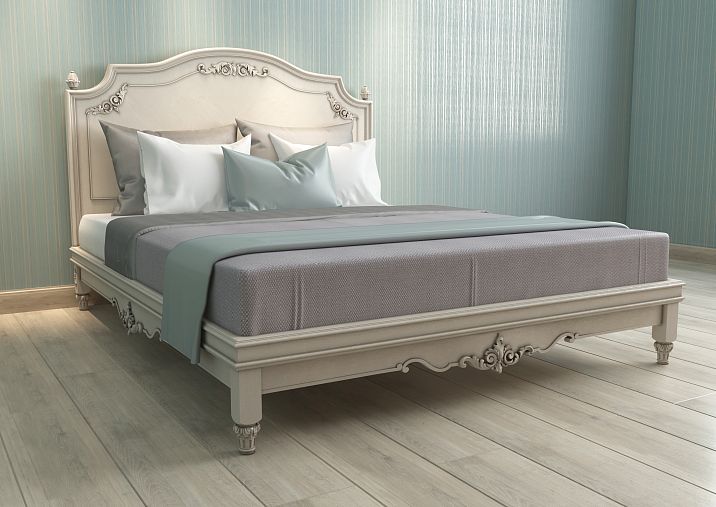
If you need a solid wood bedsolid wood bed from the manufactureryou are aiming not only for durability but also for high comfort and eco-friendliness. In this article, we will thoroughly examine why solid wood beds remain unmatched, how to choose the right model, what to pay attention to when buying directly from the manufacturer, and what benefits come from direct cooperation with professional companies.


1. Why wood remains the best material for a bed




1.1. Natural aesthetics and coziness
One of the main advantages of solid wood is its natural beauty. The unique grain pattern, natural texture, and warm color create an atmosphere of coziness and relaxation in the bedroom. A solid wood bed harmonizes well with almost any style: from classic luxury to modern minimalism, from Scandinavian calm to rustic country.
Our factory also produces:


1.2. Strength and durability
When properly selecting the wood species and following drying and finishing technologies, a wooden bed can last for decades. If superficial defects (scratches, scuffs) appear over time, solid wood is easy to restore: simply lightly sand it or reapply varnish (oil, wax) to restore the original beauty of the item.
Get Consultation
1.3. Ecological safety
Wood is a renewable resource. When responsibly harvested and produced under certified standards, the raw material meets environmental standards, does not emit toxic substances, and does not harm the health of the owners. This is especially important if the bed is intended for a child’s room or for people sensitive to synthetic materials.
2. Advantages of buying from the manufacturer
When it comes to purchasing a solid wood bed from the manufacturersolid wood bed from the manufacturer, many appreciate the advantages of direct cooperation:
- No markups: you pay only for the item and its manufacturing, not for the chain of intermediaries.
- Quality guarantee: reliable companies ensure control at every stage: from log preparation to final finishing and assembly.
- Customization options: often you can choose the wood species, shade, and finish type, dimensions, and additional features (lift mechanism, carved headboard, etc.).
- Technology transparency: the manufacturer can provide certificates of raw material origin, describe the drying and treatment process, and give care recommendations.
Thus, buying directly from the manufacturer saves budget, offers freedom of choice, and guarantees after-sales service.
3. Main wood species for bed manufacturing
3.1. Pine and spruce
● Features: soft structure, pleasant light shade, characteristic aroma.
● Advantages: affordable price, easy to process and paint.
● Disadvantages: prone to dents from mechanical impact, require more careful handling.
3.2. Birch, aspen
● Features: medium density, beautiful even grain without prominent fibers, easily sanded.
● Advantages: optimal price-to-quality ratio, good option for most interiors.
● Disadvantages: may change color or slightly warp over time with improper care.
Larch
● Features: high moisture resistance, resistance to rot, noble shades.
● Advantages: strength, durability, unique color, harmonious for country and chalet interiors.
● Disadvantages: harder to process, more expensive than pine and birch.
3.4. Beech, Walnut
● Features: belong to hardwoods, hold fasteners well, excellent texture.
● Advantages: increased wear resistance, elegant appearance, suitable for modern and classic interiors.
● Disadvantages: more expensive than softwoods, higher drying quality requirements (otherwise may crack).
3.5. Oak
● Features: elite species, distinguished by clearly visible rings, strength, and sturdiness.
● Advantages: lasts for decades, becomes a family heirloom, and its texture truly looks luxurious.
● Disadvantages: high price, solid pieces may be heavy, require careful transportation.
4. Types of construction and design
4.1. Frame beds
Most common type, including headboard, footboard, and side rails (sometimes without footboard). The base may be made of lath or solid wooden panels. Frame beds are convenient, suitable for most mattresses, and easy to assemble.
4.2. Lift mechanisms
If additional storage space for bedding or other items is needed, choose models with a lift mechanism. Raising the mattress provides access to a spacious box. This is especially relevant in small bedrooms.
4.3. Panelled
Classic style, where panels — wooden panels — are inserted into the frame made of solid wood (headboard, footboard). Often decorated with carving and ornamental elements. Suitable for vintage, Provence, and classic interiors.
4.4. Minimalist
Simple shapes, absence or poorly expressed headboard, flat surfaces. A good option for Scandinavian, Japanese, or modern styles. Often painted in white, gray, or pastel tones, or retain the natural wood color.
5. Criteria for quality solid wood bed
- Geometry. Measure diagonals, check angles to ensure the bed does not wobble or become misaligned.
- Joinery. Reputable manufacturers ensure secure joints without play. Dowel-and-slot joints, sturdy bolts, high-quality locking elements indicate professionalism.
- Finish. Varnish or oil should be applied evenly, without streaks or unusual odors.
- Humidity level. Under-dried wood will cause warping; over-dried wood may crack when exposed to changes in room humidity.
6. Tips for selection: how to find the perfect bed
6.1. Size and format
Consider bedroom dimensions: leave enough space for walkways and nightstands. For a double bed, width is typically 160 cm; if space allows, 180 or 200 cm. Length is often standard at 200 cm, but for tall individuals, 210–220 cm may be considered.
6.2. Define the style
Want classic luxury? Choose a panelled model in oak. Need Scandinavian minimalism? Opt for pine or birch with light finish. Love country style? A larch bed, oiled and with expressive texture, will be an excellent solution.
6.3. Check functionality
Do you need a storage drawer? Do you want a lift-up headboard? Is an unconventional solution (e.g., a loft bed for children) necessary? Answers to these questions determine which model to order from the manufacturer.
6.4. Compare offers
Analyze the website or catalog to evaluate price range, possible promotions, colors, and materials. Ask consultants about customization options, delivery terms, and warranty.
7. Why buying from the manufacturer is advantageous
When you decidebuy solid wood bed directly from the manufacturer directly, not through a retail intermediary, offers several advantages:
- Customized approach: You can adjust dimensions, select wood species, choose finishes, and learn about additional accessories and mechanisms.
- Transparent production: The manufacturer can show you how the technological chain is organized, what wood is used, and how drying and assembly processes are carried out.
- Optimal pricing: No retail markup or intermediaries. Additionally, there’s a high chance to get a discount with bulk orders (e.g., if you’re purchasing a table and chairs simultaneously in the same style).
- Warranty and service: It’s easier to resolve repair or replacement issues since you interact directly with the workshop or factory.
8. Successful partnership example: customer cases
Case 1: Young couple
A young couple chose a Scandinavian-style ash frame bed from the manufacturer’s website. They ordered a double bed with a lift-up mechanism and matte white finish. Delivery was arranged through a transport company, with all parts carefully packaged. Assembly was quick, following the included instructions, and they were very satisfied with the result: space-saving and fresh appearance.
Case 2: Country house
In a country cottage, the owners wanted 'something fundamental and durable.' They contacted the manufacturer to create an oak bed with a high headboard decorated with 'Provence' style carving. The result exceeded expectations: a sturdy yet elegant structure that perfectly fit the bedroom’s fireplace interior. The bed became their favorite relaxation spot, and friends and acquaintances often admired its beauty.
9. Installation and care
9.1. Assembly and installation
The manufacturer often includes a detailed assembly instruction. Important:
Work on a flat surface to avoid misalignment.
Do not over-tighten bolts to avoid cracking or indentation.
Check that support points are even and there are no discrepancies in the diagonals.
9.2. Surface Care
● Wipe with soft cloth, do not use abrasive cleaners.
● If liquid spills, clean it immediately to prevent it from penetrating the wood.
● Renew the finish (varnish, oil) every few years, especially if the bed is heavily used.
9.3. Microclimate Control
Wood is sensitive to sudden changes in humidity and temperature. It is desirable that these indicators remain at a stable level (humidity around 40–60%). In excessively dry air, cracking may occur; in overly humid conditions, swelling may occur.
10. Conclusion: Key Recommendations
● Choosesolid wood bed from the manufacturerif you value eco-friendliness, durability, and the unique aesthetic of natural wood.
● Pay attention to the wood species, manufacturing technology, level of processing, and finish.
● Buying directly from the manufacturer provides comprehensive service support, optimal pricing, and customization options.
● Follow simple care rules to ensure your bed lasts for decades while maintaining its perfect appearance.
Wood is the choice of those who seek long-term solutions and wish to bring warmth and closeness to nature into their interiors. After all, nothing symbolizes comfort and reliability more than a bed crafted with love and skill from solid wood.