Article Contents:
- Basic principles of decorating
- Wall Decoration
- Ceiling Decoration
- Furniture Decoration
- Conclusion
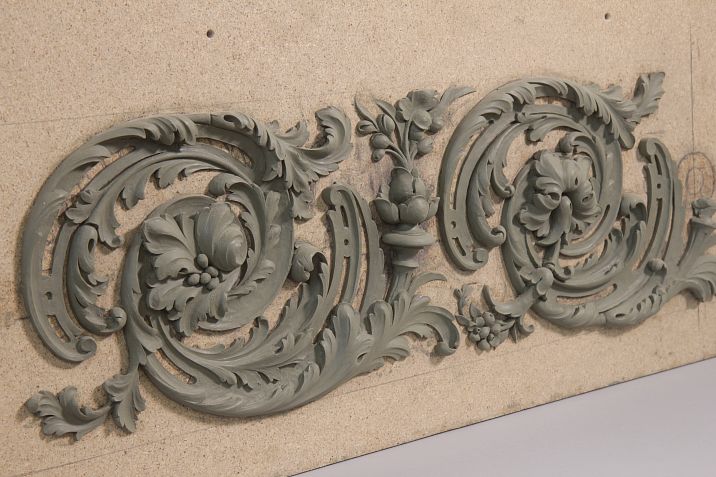
Decorating is the art of arranging space using decorative elements, furniture, and accessories that help create a cozy atmosphere, highlight the style and individuality of the interior. Decorating may include the use of various materials, textures, colors, and artistic details that make the interior expressive and balanced.
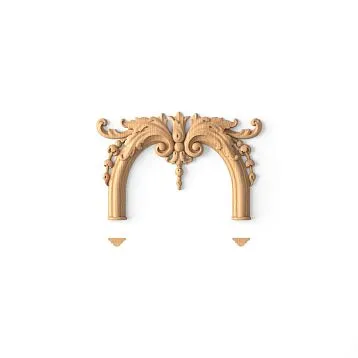
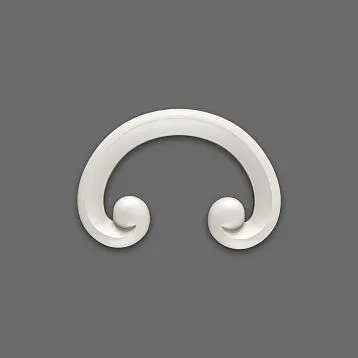
Company STAVROS Offers a wide selection of decorative elements for interior design, crafted from solid natural wood. The catalog includes moldings, cornices, carved appliqués, rose outlets, pilasters, and other elements that will help create an elegant and refined interior.


Basic principles of decorating
Interior decorating is not just about adding decorative elements to a space, but a comprehensive process that includes the balance of style, proportions, materials, and functionality. It is important that each decorative element harmonizes with the surrounding environment and emphasizes the style of the room. To create an aesthetically complete and cozy space, it is necessary to consider several key factors that influence the overall perception of the interior.
Style consistency
Before beginning decoration, it is important to determine the interior's style. Depending on the chosen direction, various decorative elements are applied, which help emphasize the character of the room and give it uniqueness.
- Classic style implies elegance, richness of decorative elements, and complex patterns. In the interior, often used capitals and pilasterscreate a monumental and noble effect. Outlets и Moldings create an effect of delicate stucco, characteristic of palace interiors.
- Modern and minimalism – a style characterized by simple forms, restrained color palette, and functional approach to design. Here, used Decorative Inserts with geometric patterns, panels with simple lines and strict forms. The absence of unnecessary details makes the space light and modern.
- Loft – a style based on the combination of rough materials and industrial aesthetics. In design, often used massive wooden beams, metal structures, and decorative panels with a weathered wood effect. Decorative Inserts и Moldings help create interesting accent zones.
- Provence and country – these are cozy, warm styles where natural textures, carved wooden details, and pastel shades predominate. In such interiors, suitable carved framesdecorative appliqués with floral motifs and wooden panels that give the space an atmosphere of coziness and rustic chic.
Space zoning
Interior decorating helps not only to decorate a room, but also to properly divide it into functional zones, improving ergonomics and perception of space. Using decorative elements, you can highlight the main parts of the room, making it visually more spacious and structured.
- Use of moldings and cornices – they allow visually dividing walls into sections, emphasizing architectural features, and adding depth to the space. This technique is especially relevant in classic interiors, where walls are decorated as panels or decorative frames.
- Decorating door and window openings – doorways and window frames can be enhanced decorative inlays и pilasterswhich will help highlight entrance zones, giving them expressiveness.
- Creating accent zones – you can use contrasting materials, decorative inserts and carved frames to highlight main walls. For example, the area behind the sofa or bed can be decorated with panels, and the central wall in the living room can be framed with moldings and decorative rose outlets.
- Functional space division – using decorative elements, you can visually separate the dining area from the kitchen, the workspace from the relaxation zone, or create a sense of depth in small rooms.
- Space harmonization – if the interior seems too simple, you can add decorative elements that will help connect separate zones into a single concept, creating a unified perception of space.
Balance of textures and color palette
Harmony in decorating is achieved through the proper combination of colors, textures, and materials. Decorative elements help add depth and expressiveness to the interior, creating a visual balance between different components.
- Combining different textures – wood combines beautifully with textiles, metal, glass, and stone. For example, carved wooden inlays can be used in combination with metal lamps or glass stained windows.
- Game with contrasts – using contrasting colors helps highlight decorative elements. For example, light walls can be complemented by dark moldings, and dark wooden panels will look striking against light finishes.
- Combining materials – wooden panels can be combined with wallpaper, decorative plaster, or painted walls, creating interesting accents.
- Using natural tones – natural wood colors such as oak, walnut, or beech create a sense of coziness and warmth in the interior. They pair well with both warm and cool shades, allowing the interior to be adapted to various styles.
- Adding metallic details – elements with gold, patina, or bronze finishes can enhance the interior, giving it a vintage or classic look.
- Visually expanding space – in small rooms, light shades and glossy surfaces help make the space feel more airy, while mirrors in carved frames can visually enlarge the room.
Interior decoration is a comprehensive set of solutions that not only allows you to adorn a space but also to create a harmonious, stylish, and functional environment. It is important to consider the interior style, properly distribute zones, and combine textures to make the interior appear balanced and cozy.
Decorating walls, ceilings, and furniture
Interior decoration involves working with various surfaces, whether walls, ceilings, furniture, or doorways.
Wall decoration
- Moldings and cornices – create expressive frames and help structure the space.
- Carved appliqués – used for accent walls, creating artistic compositions.
- Wooden panels – add nobility to the interior, creating an effect of expensive finishing.
Ceiling decoration
- Rosettes – help decorate the central part of the ceiling, emphasizing chandeliers or other lighting fixtures.
- Cornices and ceiling moldings – create an effect of a finished space, concealing joints between walls and ceilings.
Furniture Decoration
- Carved appliqués – used for restoring old furniture, giving it a new appearance.
- Frames and panels – help transform the fronts of cabinets, chests, and kitchen sets.
Original decoration ideas
Using decorative elements in the interior is not just a way to decorate space, but an opportunity to give it individuality, expressiveness, and depth. Original decoration ideas allow not only to enliven the interior, but also to visually adjust proportions of the room, zone the space, and create a harmonious balance between different elements. Below we will consider several effective and stylish solutions that will help make the interior more expressive.
Creating accent walls
Accent wall – one of the most powerful design techniques that allows you to draw attention to a specific part of the room, set the style, and make the interior more dynamic. Using molding and decorative panels helps create refined compositions that highlight the architecture of the room.
- Solid wood panels – they give the wall depth and structure, creating an effect of expensive finishing. Such panels fit perfectly into both classic and modern interiors.
- Combining moldings and wallpaper – moldings can be used to create decorative frames that will serve as a base for textile wallpaper, decorative plaster, or painting in contrasting shades.
- Geometric patterns – using moldings, you can create complex patterns, repeating shapes, or graphic elements that give the wall an interesting texture.
- Contrasting panels – painting walls in light colors with the addition of dark wooden panels creates a striking effect suitable for both classic and modern interiors.
- Carved appliqués and decorative elements – using decorative inserts allows adding artistic details that imitate vintage interiors, creating a rich and elegant appearance of the room.
Decorating doors and arched openings
ordinary doors and arches can be transformed into stylish architectural elements with the help of decorative inserts, moldings, and carved details. This technique helps make the interior more complete and harmonious.
- Carved appliqués for doors – classic doors can be adorned with carved appliqués that create a sense of luxury and elegance. They are ideal for baroque, rococo, and neoclassical interiors.
- archways can be adorned with pilasters and capitalswhich will emphasize the elegance of transitioning from one zone to another.
- Doorway decoration – doors can be enhanced with decorative cornices and appliqués, giving the interior monumentality and expressiveness.
- Adding contrasting elements – if doors and walls are in the same color, they can be emphasized with appliqués featuring gold or silver patina, creating an antique effect.
- Using moldings for zoning – symmetrical compositions of moldings around doorways can be created, adding geometric precision and harmony to the interior.
Fireplace decoration
The fireplace has always been and remains an important element of interior design, creating an atmosphere of coziness and warmth. To harmoniously integrate the fireplace into the room’s style, its decoration can be enhanced with decorative elements.
- Carved appliqués for the fireplace – using decorative inserts allows creating a luxurious fireplace portal that will look like a genuine artistic object.
- Fireplace framing with moldings – moldings can be used to create classical frames and panels around the fireplace, giving it an aristocratic appearance.
- Decorating the area above the fireplace – the space above the fireplace can be adorned with carved frame for a mirror, panel, or painting. This will help create a visual focal point in the room.
- Using columns and pilasters – pilasters will frame the fireplace, making it part of a monumental architectural solution.
- Contrasting colors in fireplace decoration – if the wall around the fireplace is in light tones, the fireplace itself can be highlighted with darker decorative elements, creating a sense of depth.
Using contrasting colors
Color plays a key role in the perception of space. Painting decorative elements in contrasting shades helps highlight them against walls and makes the interior more expressive.
- Dark moldings on a light background – if walls are light, dark moldings can be used to emphasize the structure of the space.
- Light decorative appliqués on dark walls – this technique adds elegance and depth to the interior.
- Combination of gold and silver elements – using gilding or silver patina on trim and moldings allows creating an antique decor effect.
- Wall color zoning – if walls are finished in two shades, moldings or panels can be used to divide them, giving the interior a graphic quality.
- Highlighting door and window openings – if walls are finished in neutral tones, doors and window frames can be painted in contrasting colors, emphasizing their architectural significance.
Original decoration ideas help create an interior that stands out for its individuality, style, and harmony. Using accent walls, doorways, fireplace decoration, and contrasting colors makes the space dynamic and expressive.




Conclusion
Interior decoration is not just about embellishing space, but an opportunity to create an atmosphere that reflects the owner’s individual style, aesthetic perception, and functional needs. Thoughtful selection of decorative elements not only adds expressiveness to the interior but also highlights architectural features of the room, improves its visual perception, and creates a sense of harmony.
Using high-quality decorative elements such as moldings, cornices, and rosettes, carved appliqués, Capitals and other wooden ornaments, helps to unite all interior details into a single concept, giving the space a finished and elegant look. Thanks to a wide range of shapes, textures, and styles, decorative elements can be easily adapted to any design solution — from classic to modern minimalism.
Company STAVROS offers a wide selection of decorative elements made from solid natural wood. Each item is crafted with high detail, allowing you to create an exquisite interior filled with the warmth of natural materials and refined accents.
Products STAVROS available for order throughout Russia, including Moscow, Saint Petersburg, Kazan, Yekaterinburg, Nizhny Novgorod, Samara, Rostov-on-Don, Chelyabinsk, Ufa, Perm, Volgograd, and other cities. The company also delivers to smaller towns, making the ordering process convenient and accessible for every customer.
If you aim to create an interior that highlights your style, individuality, and refined taste, choose decorative elements from STAVROS. Unique details made from solid wood will help you transform any space into a cozy, stylish, and unique interior that will delight you for years. Place your order today and give your home a luxurious and elegant look!