Article Contents:
- Magic of the material: why wood is indispensable in the film industry
- Types of sets: from large pavilions to miniature details
- Architectural sets
- Furniture sets
- Decorative elements
- Facade elements
- From concept to realization: the process of creating movie sets
- Stage one: artistic concept
- Stage two: technical design
- Stage three: selection of wood
- Stage four: manufacturing
- Stage five: finishing
- Stage six: installation on set
- Theater and cinema: two sides of the same coin
- Versatility of wooden decor: from film studios to your home
- Ideas for inspiration
- Where to find perfection: choosing a manufacturer
- Features of working with sets for filming
- Working with Light
- Scale and perspective
- Combining materials
- Church decor in cinema: a special category of craftsmanship
- Modern design trends: from cinema to life
- Ecological and natural properties
- Minimalism and expressiveness
- Color and Texture
- Personalization
- Innovation and tradition
- Long-term trends
- Relevance of classic design
- Innovations of the future
- Furniture as Art
- Practical aspects: from order to installation
- Defining the task
- Concept development
- Material selection
- Production
- Acceptance and installation
- Operation and Maintenance
- Stage Solutions: When Decorations Come Alive
- Requirements for Stage Decorations
- Innovations in Stage Decorations
- Secrets of Mastery: What Distinguishes Professionals
- Attention to detail
- Sense of Material
- Artistic Taste
- Knowledge of History and Styles
- Proficiency in Technologies
- Economics of the Question: What Constitutes the Cost
- Materials
- Work
- Design
- Logistics and installation
- But Above All — The Result
- Frequently Asked Questions
- How Long Do Wooden Decorations Last?
- Can the Same Decorations Be Used for Different Films?
- Which Wood Species Are Best for Decorations?
- How Long Does It Take to Make Decorations?
- Can Damaged Decorations Be Restored?
- Which Decorations Are More Expensive — Theater or Cinematic?
- Is Special Permission Required for Using Wooden Decorations?
- Can Decorations Be Created Based on Photographs of Historical Interiors?
- How to Care for Wooden Decorations Between Shoots?
- Can Decorations Be Ordered Remotely Without Visiting the Production Site?
- Conclusion: The Magic of Wood in the Hands of Masters

Film is not just moving pictures on a screen. It is an entire universe born from the director’s vision, the talent of actors, and the craftsmanship of dozens of professionals working behind the scenes. And among all the components of a successful film, a special place is occupied byCinema Decorations— those very decorative elements that create atmosphere, immerse the viewer in the appropriate era, and help tell the story without a single word.
You ever wonder why some films remain memorable for a long time, while others vanish from memory within a week? Of course, it’s not only about the script and acting. The visual component plays a colossal role. Imagine a historical film about imperial Russia without luxurious wooden panels, carved moldings, and columns. Or an adventure action film without carefully designed interiors of an old mansion. It isCreating Cinema Decorationsthat transforms an ordinary filming location into a living, breathing space where the action unfolds.
In today’s film industry, requirements for decoration quality have increased dramatically. Audiences have become more sophisticated, noticing every detail, every inconsistency. Here, the professionalism of craftsmen who work with wood — a noble, warm, living material — takes center stage. Wooden elements can create an authenticity impossible to achieve with plastic or foam. They possess texture, scent, energy that is even perceived through the screen.


Magic of the Material: Why Wood Is Indispensable in the Film Industry
When talking aboutmaterials for decorationsThe choice is truly vast. The modern industry offers dozens of different options: from lightweight polystyrene to heavy metal, from fabric to new-generation composite materials. Yet wood remains the undisputed favorite among professionals. Why?
First of all, wood possesses a unique ability to create a sense of reality. Each wood species has its own unique grain, texture, and character. Oak — massive, solid, commanding respect. Birch — light, delicate, airy. Walnut — noble, rich, aristocratic. And when the camera glides over wooden surfaces, the viewer subconsciously absorbs this information, immersing themselves in the atmosphere unfolding on screen.
Secondly, wood is incredibly versatile in its application. From miniature carved appliqués to massive columns several meters high, it can be used to create anything. Woodworking technologies allow artists to realize the most daring concepts. Carving, milling, turning, engraving — each of these methods opens new creative possibilities.
Thirdly, wood is ecological and safe. Unlike many synthetic materials, it does not emit harmful substances when heated under film lighting, has no unpleasant odor, and feels pleasant to the touch. For actors spending many hours on set, this is of great importance.
Finally, woodenDecorations for filmpossess a unique acoustics. They absorb and reflect sound differently than plastic or polystyrene, creating a natural acoustic environment. This is important not only for recording clean sound, but also for actors’ comfort, as they find it easier to immerse themselves in their roles in an authentic setting.




Types of decorations: from large pavilions to miniature details
When we talk abouttypes of decoration for film and TV productsIt is important to understand that this is not just beautiful backgrounds for filming. It is a complex, multi-level system of elements, each serving its own function.
Our factory also produces:


Architectural decorations
The most massive type is architectural structures. These include walls, partitions, staircases, columns, arches. It is precisely these elements that form the main space where the action unfolds. For their creation, various types of wood are used, often in combination with MDF and other materials. Especially striking arepilasters and columnscreating a sense of monumentality and grandeur.
Get Consultation
Furniture decorations
The second important element is furniture. Not ordinary furniture that can be bought in a store, but specially crafted for specific film tasks. Tables, chairs, cabinets, buffets — all of this must correspond to the era, style, and director’s vision. Here, assistance comes fromFurniture and interior itemscreated with consideration for the specifics of the filming process.
Decorative elements
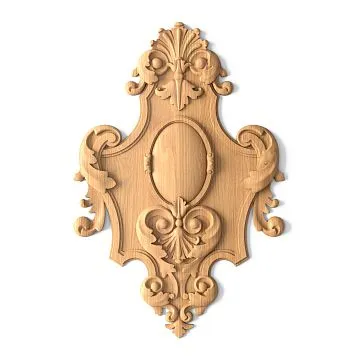
The third level is decorative details. Appliqués, cornices, moldings, rosettes, carved panels — all that adds depth and character to interiors. It is precisely these elements that create that magic of detail which distinguishes quality cinema from mediocre. And here, every millimeter, every line, every curve matters.
Facade elements
Do not forget about exterior shoots.Facade DecorationThis is a separate direction requiring a special approach. Elements must not only be beautiful but also weather-resistant if filming takes place outdoors. Wooden casings, cornices, gables help transform a modern building into a historic mansion or, conversely, create the atmosphere of an old village hut.
From concept to realization: the process of creating cinematic decorations
How are these amazing elements created?Decoration manufacturing for theaterFilm and television — this is a multi-stage process requiring coordinated work of a whole team of professionals.
Stage one: artistic concept
Everything begins with the art director. He studies the script, discusses the overall concept of the film with the director, defines the style and mood of each scene. Then sketches are created — first hand-drawn sketches, then more detailed drawings. At this stage, the main materials, color palette, and proportions are determined.
Stage two: technical design
After the concept is approved, technical work begins. Detailed drawings with all dimensions are created, structural solutions are calculated, and it is determined which elements will be load-bearing and which purely decorative. This is especially important for large-scale projects where actors will physically interact with the decorations.
Stage three: selection of wood
Choosing the type of wood is not just an aesthetic question. Many factors must be considered: weight of the structure, its strength, processing characteristics, cost, material availability. For some elements, solid oak is ideal, for others — linden or birch. Sometimes a combination of different types is used, allowing for an optimal balance of beauty and practicality.
Stage four: manufacturing
Here begins the real magic. Experienced craftsmen transform piles of boards and beams into works of art. Various technologies are used: traditional hand carving for delicate elements, CNC machines for precise reproduction of complex patterns, milling, turning, sanding. Each detail passes through many hands before achieving its final form.
Stage five: finishing
This is no less important stage than manufacturing itself. Wooden elements are coated with special finishes: stains to achieve the desired shade, varnishes for protection and gloss, waxes to create a noble matte finish. Sometimes artificial aging techniques — patination, brushing — are applied to make the new item appear as if it has several centuries of history.
Stage six: assembly on set
Finally, all prepared elements are delivered to the shooting location and assembled into a single composition. This requires meticulous precision, as even the slightest error can ruin the entire shot. Professional assemblers work to millimeter tolerances, ensuring perfect alignment of all elements.
Theater and cinema: two sides of the same coin
Interestingly,Theatrical Decorationsand cinematic sets, despite their similarities, have fundamental differences. What are they?
Theatrical sets are designed for viewing from a relatively greater distance. The audience sits in the auditorium and cannot see fine details. Here, the overall impression, silhouette, and color patch are more important. Therefore, theatricalTheatrical Stage Decorationsare often made more stylized and symbolic.
In cinema, however, the camera can approach at any distance. A close-up mercilessly reveals every flaw. Therefore, cinematic sets must be meticulously detailed down to the smallest details. Every crack, every scratch, every change in texture must be thought out and justified.
Moreover, theatricalStage decorations for a performanceoften must be mobile — they need to be quickly assembled and disassembled between acts or even scenes. Cinematic sets, on the contrary, are usually stationary, at least during the filming of a specific episode.
However, there is also a commonality: both theatrical and cinematic sets must be safe for actors, functional, and visually convincing. And in both cases, wood remains one of the most popular materials, especially when it comes to classic productions or historical films.
A special category isStage decoration for children's theater requires safe, bright, child-friendly elements. Rounded shapes, vibrant colors, and fairy-tale motifs create a magical atmosphere for young audiences.Here, not only beauty but also absolute safety is important. All corners must be rounded, surfaces perfectly smooth, and structures stable. At the same time, the brightness of colors and the expressiveness of forms help create a truly magical atmosphere, in which young viewers easily believe in any fairy tale.
Versatility of wooden decor: from film studios to your home
Amazingly, the technologies and approaches used in creating professional cinematic sets are perfectly applicable in everyday life.Decorations for home— this is not just beautiful words. It is a real opportunity to transform your home into a unique space worthy of appearing on a cinema screen.
Imagine: the same carved appliqués that decorate interiors in historical films can transform your living room. The same wooden panels that create a luxurious atmosphere in cinema can turn your bedroom into a cozy and peaceful retreat.Wall Decoration— this is a simple and effective way to change the perception of space, adding depth and character to it.
AndDecorations for rooms— this is a whole world of possibilities. Cornices, moldings, ceiling rose fixtures, carved door casings, decorative columns — all these elements work just like in cinema, creating the desired mood and atmosphere. Only now, the main characters of this 'film' are you and your family.
Ideas for inspiration
If you are considering transforming your interior, pay attention toDecoration Ideas. Modern designers draw inspiration precisely from cinema and theater, adapting stage solutions for residential spaces.
For example, woodenDecorations for the hallcan turn an ordinary room into a luxurious reception hall. Pilasters at the corners visually raise the ceiling, carved panels on the walls add elegance, and ceiling rose fixtures with stucco become an elegant finishing touch to the composition.
Or takeFor furniture decorationappliqués and friezes. The most ordinary furniture purchased in a store can look completely new if supplemented with carved wooden elements. It’s like makeup and costume for an actor — properly chosen details can transform something beyond recognition.
Of course, the quality of wooden decor directly depends on the skill of the craftsmen.
Of course, the quality of wooden decorations directly depends on the skill of the craftsmen.Decor Storesoffer a wide variety, but how not to get lost in this diversity? How to find the very manufacturer that will turn your dream into reality?
First, pay attention to the portfolio. Serious companies are always ready to show examples of their work and tell about completed projects. Especially valuable is if among the clients are film studios, theaters, TV companies — this is a sign of the highest professionalism.
Secondly, technological equipment is important. Modern production requires a combination of traditional craftsmanship skills and high-tech equipment. Hand carving is beautiful, but for large-scale projects, you also need CNC machines, laser installations, and professional painting booths.
Thirdly, pay attention to the materials used. Quality wood, properly dried and prepared, is the foundation of the product's longevity. Saving on materials is always noticeable and quickly manifests itself through warping and cracking.
Finally, an individual approach is important. Each project is unique, and template solutions do not work here. A good manufacturer is always ready for dialogue, to find non-standard solutions, and to implement the most daring ideas.
Working with decorations for filming
Buy Theater Decorationsor film — this is only the first step. Equally important is to use them correctly. Professional set designers know many tricks that allow them to apply wooden elements as effectively as possible.
Working with light
Wood has an amazing ability to interact with light. Depending on the direction and intensity of the lighting, the same carved element can look completely different. Side lighting emphasizes texture and volume, creating dramatic shadows. Diffused light makes the surface soft and velvety. Direct, harsh light reveals every detail of the carving.
That is why when designing decorations, the lighting scheme for filming is always taken into account. Carved elements are arranged so that the interplay of light and shadow contributes to the overall composition, creating the desired mood.
Scale and perspective
Another important point is working with scale. The camera can distort proportions, and what looks perfect in real life may appear too large or, conversely, too small on screen. Experienced set designers always make test shots to ensure that all elements look harmonious.
Sometimes intentional distortion of scale — so-called forced perspective — is used. Elements placed farther from the camera are made smaller than they should be, creating an illusion of greater space. This technique was actively used in classic Hollywood and has not lost its relevance to this day.
Combining materials
Although wood is a favorite, it is often combined with other materials. For example, the main structure is made from lightweight MDF or even a metal frame, while the front part is covered with natural wood. This allows saving on the weight of the structure (which is especially important for temporary decorations) and budget, without losing visual credibility.
Or another option: wooden elements are supplemented with inserts made of other materials — metal, glass, fabric. Such composite solutions open up vast opportunities for creativity.
Church decoration in film: a special category of craftsmanship
Worthy of separate discussion ischurch decorThis is one of the most complex and responsible categories of decorations. Church interiors often become the setting for historical films, and here authenticity is especially important.
Iconostases, choir areas, carved altars, panels with floral ornamentation — all these elements require not only technical skill but also a deep understanding of traditions, symbolism, and canons of church art. An incorrectly executed detail may ruin the entire atmosphere and provoke justified criticism from experts.
When creating such decorations, masters rely on the best examples of church architecture from different eras. The Byzantine style with its strict monumentality, Russian ornamentation of the 17th century with its incredible richness of carving, classicism with its clear proportions — each period requires its own approach.
Modern design trends: from film to life
Film has always been a trendsetter. What we see today on screen becomes tomorrow's trend in interior design.Trends in Interior DesignMuch of this is shaped by cinema.
Ecological and natural
One of the keyNew trend in interior designis the return to natural materials. Natural wood, stone, textiles made from natural fibers — all of this is not only beautiful but also aligns with modern concepts of ecological sustainability and sustainable development. In film, this trend is reflected in the desire for maximum authenticity in decorations.
Minimalism and expressiveness
Modern trends in interior designThis is a balance between minimalism and expressiveness. Fewer details, but each one is a work of art. One perfectly executed carved panel can become the center of composition, setting the tone for the entire space. This is like good cinema: you don't need to clutter the frame, it's important to find that one detail that says more than a thousand words.
Color and Texture
Trends in interior design 2026These trends highlight the importance of uniqueness. Mass-produced solutions are becoming outdated. People want to live in spaces that reflect their individuality, their history, their taste. Handcrafted work, unique wooden elements, customization — these are what distinguish a truly stylish interior from a soulless showroom.
Personalization
Trends in interior design 2026They emphasize the importance of uniqueness. Mass-produced solutions belong to the past. People want to live in spaces that reflect their individuality, their history, their taste. Handcrafted work, unique wooden elements, customization — these are what distinguish a truly stylish interior from a faceless showroom.
Innovation and traditions
New trends in interior design 2025These show an amazing synthesis of innovation and classicism. Modern wood processing technologies allow creating shapes unimaginable just ten years ago, while still respecting traditional craftsmanship methods. This is like a director shooting a historical film with modern cameras — technology changes, but the essence remains.
Long-term trends
turn interior design into art, where every element is thoughtfully selected to express the owner's taste and individuality.indicate the formation of long-term trends. This is no longer a fleeting trend, but fundamental changes in the approach to space organization. Multifunctionality, flexibility, the possibility of transformation — all of this is reflected in the design of decorations.
The relevance of classicism
Latest trends in interior designremarkably bring us back to timeless values. Classic proportions, time-tested forms, noble materials — all of this is once again in fashion. And wood here — the absolute leader, a material that never goes out of style.
Innovations of the future
New trends in interior design 2026promise even more interesting things. Integration of "smart" technologies into traditional wooden elements, use of new eco-friendly coatings, experiments with forms and textures — all of this makes working with wood incredibly exciting.
Furniture as Art
Fashion trends in interior design with furnituretransform utilitarian items into art objects. Every chair, every table, every cabinet can be a unique piece capable of setting the tone for the entire space. This is especially relevant for cinema, where furniture often becomes a full-fledged character participating in the plot development.
Practical aspects: from order to installation
So, you've decided to order wooden decorations — for filming, for a theatrical production, or for your home. Where to start? How to build the process to achieve exactly the result you dreamed of?
Task formulation
The first and most important step — clearly formulate your wishes. What style do you want to see? Which era? What mood? Collect references — photographs, movie scenes, illustrations. The more visual information you provide, the better the artists will understand your vision.
If it's about professional cinematic or theatrical decorations, you must provide the script, storyboards, information about the lighting scheme and specifics of the filming process. All these details affect the final result.
Concept development
At this stage, the artist or designer creates the first sketches. This is the moment when the idea begins to take shape. Do not be afraid to express your opinion, make adjustments. A good specialist is always open to dialogue and ready to find a solution that satisfies everyone.
After approving the general concept, detailed drawings with exact dimensions are developed. At this stage, the full scope of work and the final cost of the project become clear.
Material Selection
Together with the craftsmen, you need to determine specific wood species, types of finishes, additional materials. Do not hesitate to ask questions: why is this particular species proposed? What properties does it have? How will it behave over time? Professionals are always ready to explain their choice.
Production
This is the longest stage. Depending on the complexity and scale of the project, it may take from several weeks to several months. It's good if you have the opportunity to visit the production periodically, see how the work is progressing, and make minor adjustments along the way.
Acceptance and installation
Before delivery to the site, all elements are checked for compliance with drawings and sketches. Then follows delivery and installation. A professional installation team can assemble even the most complex structure quickly and qualitatively, without damaging the surrounding space.
Operation and Maintenance
Wooden decorations require certain care. Regular dusting with a soft cloth, maintaining optimal humidity levels in the room, periodic renewal of protective coatings — these simple measures will help preserve the beauty of the items for many years.
Stage solutions: when decorations come to life
ProfessionalBuy stage decorations— this is a special category of items. They must not only be beautiful, but also functional, safe, often — mobile.
Requirements for stage decorations
Durability — the first and most important requirement. Stage decorations are subjected to significant loads: actors may lean on them, touch them during performance. The structure must withstand all this while remaining safe.
Acoustics — the second important point. Wooden decorations affect the sound in the hall, and experienced theatrical designers always take this into account. Properly positioned and treated wooden surfaces can improve acoustics, improperly — spoil it.
Mobility — for many performances, the ability to quickly change decorations between acts or even within one act is critical. Modular constructions, a well-thought-out mounting system, minimal weight with maximum strength — these are the main principles.
Innovations in stage decorations
Modern technologies open up new possibilities. Integration of projection systems directly into wooden elements, use of LED lighting built into carved panels, application of special coatings that change properties under different lighting — all of this turns decorations into active participants in the performance.
Some theaters experiment with kinetic decorations — elements capable of moving and transforming right before the audience's eyes. Wood, thanks to its strength and relative lightness, is ideally suited for such solutions.
Secrets of craftsmanship: what distinguishes professionals
Why do some wooden decorations look cheap and unconvincing, while others captivate with their realism? What is the secret of craftsmanship?
Attention to detail
A professional sees what escapes the untrained eye. He knows that door casings in an 18th-century merchant's house differ from those in a nobleman's house. That carving in northern regions had its own characteristics, distinct from southern ones. That over time, wood darkens unevenly — more noticeably where hands touch it more frequently.
All these minute details, taken together, create the sense of authenticity. The viewer may not consciously perceive each individual detail, but the overall impression is precisely formed by them.
Sense of material
A true master feels wood. He sees how the grain will run, where a crack may form, which species is best suited for a specific task. This comes only with experience, with years of work.
Such a specialist will never blindly follow a drawing if he sees that the material dictates its own conditions. He will find a solution that is both beautiful and technically correct.
Artistic taste
Technical skill is the foundation, but it is not enough. Artistic taste, understanding of composition, sense of proportion are needed. One must be able to see how an element will look not in isolation, but within the overall picture, surrounded by other elements, under specific lighting.
A good master is always somewhat an artist, capable not only of executing someone else's vision but also of adding something of their own, enriching it.
Knowledge of history and styles
It is impossible to create convincing decorations without knowing the history of art, architecture, and decorative crafts. Each era has its own style, its own set of techniques and motifs. Baroque with its opulence and dynamism, Classicism with its strictness and clarity, Modernism with its flowing lines — all of this must be known not just theoretically, but felt, understood from within.
Proficiency in technologies
Finally, a modern master must be proficient in both traditional and the latest technologies. Be able to work with a chisel and on a CNC machine. Understand the capabilities of laser cutting while also knowing the subtleties of hand patination. Be open to the new, without fear of losing touch with tradition.
Economics of the question: what makes up the cost
Wooden decorations are not the cheapest pleasure. But what exactly are you paying for? Let's find out.
Materials
Quality wood is already a significant expense. The price depends on the species, on how rare and valuable the material is. Exotic species may cost dozens of times more than pine or birch. But the result will be completely different.
In addition to the wood itself, various auxiliary materials are needed: adhesives, fasteners, coatings, impregnations. Professional-grade compositions cost significantly more than household ones, but they are precisely what ensure the longevity and safety of the products.
Labor
The skilled labor of a qualified master is expensive — and rightly so. Behind each carved element lie years of training, thousands of hours of practice. This is not mass production, where you can manufacture hundreds of identical parts in an hour. Here, each detail is unique and requires an individual approach.
Even when using CNC machines, a highly qualified operator is needed. A person who will prepare a 3D model, set up the equipment, monitor the process, and perform final finishing touches.
Design
The work of an artist, designer, engineer — is a separate cost item. A good project is half the success. It is precisely at this stage that key decisions are made, determining the appearance, technical feasibility, and cost of the product.
Logistics and installation
Transporting large wooden elements requires special transport and care. Installation — work by a professional crew. All of this is also included in the cost.
But the most important thing — the result
Yes, quality wooden decorations are an investment. But it is an investment that pays off. In cinema — through the success of the film, the audience's admiration. In home interiors — years of enjoyment living in a beautiful and harmonious space.
Cheap analogs may look acceptable at first glance, but upon closer inspection — flaws, simplifications, and the absence of that very magic that true craftsmanship provides become apparent.
Frequently asked questions
How long do wooden decorations last?
With proper care and use of quality materials, wooden decorations can last for decades. There are theatrical sets that have been in use for more than half a century. For cinema, where decorations are often needed only during filming, longevity is less critical, but well-made elements will still last many years and can be reused in other projects.
Can the same decorations be used for different films?
Absolutely. Many film studios have extensive decoration warehouses used across different projects. Universal elements — columns, panels, door casings — can be repainted, recombined in new ways, and supplemented with other details. This is both economically advantageous and environmentally responsible.
Which wood species are best suited for decorations?
The choice depends on specific tasks. For carved elements, linden is often used — it is soft, easy to process, and has a uniform structure. For load-bearing structures, stronger woods are preferred — oak, beech, ash. For elements that need to be aged, pine is suitable — its soft wood easily accepts sanding.
How long does it take to make decorations?
The timelines vary greatly. Simple elements can be made in a few days. Complex, large-scale projects may require several months of work. Hand-carving is especially time-consuming — an experienced carver may produce only a few square decimeters of intricate pattern per day.
Can damaged decorations be restored?
Yes, wooden decorations are well-suited for restoration. Damaged fragments can be replaced, lost carving elements can be restored, and finishes can be refreshed. This is one of the advantages of natural wood over synthetic materials.
Which decorations are more expensive — theatrical or cinematic?
Cinematic decorations are usually more expensive, as they require higher detail and precision. Theatrical decorations may be more stylized, which simplifies and reduces their cost. However, much depends on the specific project and its budget.
Is any special permission required for using wooden decorations?
Decorations used indoors must comply with fire safety requirements. This is typically achieved by applying special fire-retardant treatments. For shoots in public places or outdoors, various permits may be required, but this depends on the specific location and is not directly related to the decoration material.
Can decorations be made based on photographs of historical interiors?
Yes, this is a common practice. Based on good photographs, an experienced craftsman can recreate a historical interior with high accuracy. Sometimes, additional research into specialized literature and consultations with historians and art historians are conducted.
How to care for wooden decorations between shoots?
Decorations should be stored in a dry room with constant temperature and humidity. Regularly clean them from dust and check for damage. Before long-term storage, it is recommended to apply additional protective treatments.
Can decorations be ordered remotely without visiting the production site?
Modern technologies make this possible. Through video communication, you can discuss the project, approve sketches, and monitor progress. Many companies successfully work with clients from other cities and even countries. However, personally seeing the result before final acceptance is still desirable.
Conclusion: The magic of wood in the hands of masters
We have traveled a long path — from understanding the role of decorations in modern cinema to the intricacies of their production and application. Now you know that behind every beautiful shot lies the meticulous work of dozens of specialists. ThatDecorations for the stage— is not just a backdrop, but a full-fledged participant in the action, creating atmosphere and helping convey the author’s vision.
Wood has been and remains one of the most noble and expressive materials. It lives its own life, breathes, and responds to environmental changes. In the hands of a true master, it transforms into a work of art capable of moving and inspiring.
Whether it’s a large-scale historical blockbuster, a chamber theatrical production, or a cozy home interior — wooden decorative elements can transform space, fill it with meaning and beauty. They connect the past and present, traditions and innovations, craftsmanship and art.
If you are looking for a reliable partner to bring your most daring visions to life, consider the company STAVROS. Years of experience, modern equipment, a team of talented masters, and boundless passion for their craft — all of this makes STAVROS one of the leaders in the field of wooden decorative item production.
&STAVROS works with major film studios and theaters, as well as private clients, helping to bring projects of any complexity to life. From miniature carved inserts to large-scale architectural structures — here, they know how to do everything. And they do it with heart, understanding, and the same love for the material and craft that distinguishes true professionals.
Every STAVROS product is not just a manufactured item. It is a piece of history, traditions of Russian woodworking craftsmanship, combined with the most modern technologies. It is a guarantee of quality, reliability, and durability. It is confidence that the result will exceed your expectations.
The world of cinema, theater, and design is constantly changing, new trends and technologies emerge. But one thing remains unchanged — the value of true craftsmanship, the beauty of natural materials, the importance of details. And as long as there are masters devoted to their craft, as long as there is wood — this wonderful material gifted to us by nature — new masterpieces will be born, capable of delighting and inspiring.
Create your stories. Bring dreams to life. Surround yourself with beauty. Let wooden decorations, crafted by master hands, become part of your world — whether on a cinema screen, a theater stage, or in your own home.