Article Contents:
- History of Decorative Half Columns: From Antiquity to the Present Day
- Materials of manufacture: traditions and innovations
- Natural Wood: Eternal Classic
- Polyurethane: Modern Solution
- Gypsum and Stone: Classical Materials
- Styles and Design of Decorative Half Columns
- Classic style
- Baroque and Rococo
- Modern style
- Functional Capabilities of Decorative Half Columns
- Space zoning
- Concealing Structural Elements
- Creating Niches and Arches
- Dimensions and Proportions: Important Selection Criteria
- Height of the Half Column
- Diameter and Width
- Entasis and Other Shape Features
- Installation and Mounting: Professional Approach
- Surface Preparation
- Mounting the Half Column
- Finishing
- Decorative Half Columns in Various Rooms
- Living Room
- Dining Room
- Bedroom
- Office and Library
- Care and maintenance: preserving beauty for years
- Wooden Half Columns
- Polyurethane Half Columns
- Gypsum and Stone Half Columns
- Selecting and Purchasing Decorative Half Columns
- Determining Style and Material
- Measuring the Space
- Consult Professionals
- Custom Manufacturing: Uniqueness in Every Detail
- Advantages of custom order
- Process of Custom Manufacturing
- Decorative Half Columns in Modern Interior Trends
- Minimalism and Scandinavian style
- Eco-Style and Natural Materials
- Fusion and Eclecticism
- Economic Aspects: Investment in Beauty and Comfort
- Cost and Factors Affecting Price
- Long-term value
- Conclusion: The Art of Creating a Harmonious Space

In the world of architectural design, there are elements capable of transforming space, giving it a unique charm and grandeur. One such element is the decorative half column — an elegant embodiment of classical aesthetics in modern interiors. This architectural element, with its multi-century history, is currently experiencing a true revival, becoming increasingly popular among admirers of refined design and functional beauty.



History of Decorative Half Columns: From Antiquity to the Present Day
Half-columns as an architectural element originated in ancient times. Ancient Greeks and Romans used them not only as structural elements but also as decorative embellishments for facades and interiors. At that time, half-columns were carved from marble and other natural stones, showcasing the skill of stonemasons and architects.
Over time, the decorative half-column evolved, adopting new forms and being realized in various materials. The Renaissance breathed new life into this element, making it an indispensable part of palace interiors. Baroque and Rococo added opulence and ornamentation to half-columns, while Classicism returned them to strict proportions and minimalist forms.
In modern design decorative half-column has acquired a new sound. It has become not just decoration, but a functional element capable of zoning space, concealing utilities and structural flaws of a room. Today, this element is used in both classical and modern interiors, demonstrating an amazing ability to adapt to various stylistic solutions.




Materials for Manufacturing: Traditions and Innovations
Modern decorative half-columns are made from various materials, each possessing its own unique properties and aesthetic characteristics.
Our factory also produces:


Natural wood: eternal classic
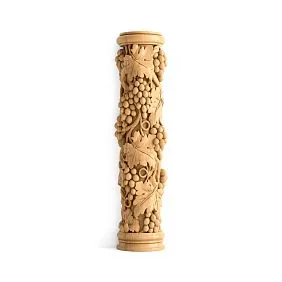
Wood - a traditional and, perhaps, the most noble material for manufacturing half-columns. Decorative half-columns from solid wood possess a unique texture, warmth, and natural beauty. For their manufacture, various types of wood are used:
- Oak - a symbol of strength and durability. Oak half-columns feature expressive texture and can last for decades without losing their appeal.
- Beech - a dense and uniform wood with fine grain, ideally suited for creating half-columns with delicate carving and detailing.
- Ash - a strong and elastic material with a beautiful wood grain pattern, giving half-columns a distinctive expressiveness.
- Walnut - a noble dark-toned wood, creating an atmosphere of luxury and refinement.
Wooden decorative half-columns can be crafted in various styles - from strict classicism to refined Baroque. They can retain the natural wood color or be painted in any shade matching the overall interior design.
Get Consultation
Polyurethane: modern solution
Polyurethane decorative half-columns are a modern alternative to wooden items. They are lightweight, resistant to moisture and temperature fluctuations, and affordable. Thanks to molding technology, polyurethane half-columns can have complex relief and fine details that are difficult to reproduce in wood.
However, despite all the advantages of polyurethane, it cannot compare with natural wood in terms of ecological properties and aesthetic qualities. Decorative half-column from solid wood will always appear more noble and create a special atmosphere in the room.
Gypsum and stone: classic materials
Gypsum and stone half-columns are a tribute to tradition and classic style. They are characterized by monumentality, durability, and the ability to convey the finest details of sculptural decoration. However, such half-columns have significant weight, limiting their use in modern interiors.
Styles and design of decorative half-columns
Decorative half-columns can be made in various styles, each with its own distinctive features and area of application.
Classic style
Classic half-columns are characterized by strict proportions, restrained decoration, and elegance. They can be made in Doric, Ionic, or Corinthian orders, each with its own features of the capital and base. Decorative half-columns of classic style are ideally suited for decorating living rooms, offices, and libraries, creating an atmosphere of respectability and refinement.
Baroque and Rococo
Half-columns in Baroque and Rococo styles are characterized by opulence, ornamentation, and abundance of decorative elements. They are often adorned with carving, gilding, and other decorative elements, creating an impression of luxury and grandeur. Such half-columns will become the central element of the interior, attracting attention and evoking admiration.
Modern style
Modern decorative half-columns are characterized by minimalist forms, minimalism, and functionality. They can be made in neutral colors and have smooth surfaces without excessive decoration. Such half-columns harmoniously fit into modern interiors, adding elegance and structure.
Functional capabilities of decorative half-columns
Decorative half-column is not only a decorative element, but also a functional interior element capable of solving various tasks.
Space Zoning
Half-columns can be used to visually divide space into functional zones. For example, they can separate a living room from a dining room or create a cozy reading nook in a large room. Unlike walls and partitions, half-columns do not clutter the space and do not block natural light.
Masking structural elements
Decorative half-columns Often used to mask load-bearing columns, pipes, wires, and other structural elements that may disrupt the interior's aesthetics. They transform necessary but not always attractive structural elements into elegant architectural details.
Creating niches and arches
Combined with other architectural elements, half-columns can be used to create decorative niches, arches, and portals. Such constructions not only decorate the interior but also create additional functional spaces for placing decorative items, books, or art objects.
Dimensions and proportions: important aspects of selection
Selecting the dimensions and proportions of a decorative half-column is an important stage that requires careful consideration and taking into account the features of the room.
Height of half-column
The height of a half-column should correspond to the ceiling height and the overall proportions of the room. In classical architecture, there are certain canons of proportions according to which the height of a column should be 8-10 times its diameter. However, in modern design, these rules may vary depending on the specific situation and designer's intent.
Diameter and width
The diameter of a half-column determines its visual weight and impact on the overall perception of space. Too thin half-columns may appear fragile and unstable, while overly massive ones may clutter the space and create a sense of heaviness.
Entasis and other shape features
Entasis is a slight thickening of the column in the middle, which creates an optical illusion of a straight line and gives the column a more elegant appearance. This technique, invented by ancient Greeks, is still used in manufacturing high-quality decorative half-columns.
Installation and mounting: professional approach
Correct installation of a decorative half-column is the key to its longevity and aesthetic appeal.
Surface preparation
Before installing a half-column, the wall surface must be carefully prepared. It should be flat, dry, and clean. If necessary, the wall should be leveled using plaster or drywall.
Mounting the half-column
The method of mounting a half-column depends on its material, weight, and structural features. Wooden half-columns are usually mounted to the wall using special brackets, adhesive, and additional fasteners. Polyurethane half-columns can be mounted using special mounting adhesive.
Final finishing
After installation, finishing work may be required — filling joints with putty, painting, or varnishing the surface. These tasks require care and attention to detail to avoid damaging the decorative elements of the half-column.
Decorative half-columns in various rooms
Decorative half-columns can be used in various rooms, giving them a unique character and style.
Living Room
In the living room, half-columns can be used to decorate a fireplace, create decorative niches, or zone the space. They add elegance to the interior and create an atmosphere of classic luxury.
Dining Room
In the dining room Decorative half-columns can be used to decorate buffets, display cases, or create decorative arches. They emphasize the grandeur of the space and create an appropriate atmosphere for family dinners and guest receptions.
Bedroom
In the bedroom, half-columns can be used to decorate the headboard of the bed or create decorative niches for placing lamps and other items. They add romance to the interior and create an atmosphere of comfort and coziness.
Office and library
In an office or library, half-columns can be used to decorate bookshelves, a work desk, or create decorative portals. They emphasize the intellectual atmosphere of the space and create a sense of classical scholarship.
Maintenance and care: preserving beauty for many years
Proper care of decorative half-columns is the key to their longevity and maintaining their aesthetic appeal.
Wooden half-columns
Wooden half-columns require regular maintenance to preserve their beauty and protect them from moisture, ultraviolet rays, and mechanical damage. It is recommended to periodically treat them with special protective compositions—varnish, oils, or waxes—that form a protective film on the wood surface and enhance its natural beauty.
Polyurethane half-columns
Polyurethane half-columns require no special care. It is sufficient to periodically clean them from dust using a soft cloth or vacuum cleaner with a soft attachment. If necessary, they can be washed with water and a mild detergent, avoiding abrasive materials that may damage the surface.
Gypsum and stone half-columns
Gypsum and stone half-columns should be regularly cleaned from dust using a soft brush or vacuum cleaner. For removing stains, a soft damp cloth can be used, avoiding excessive moisture, especially for gypsum items.
Choosing and purchasing decorative half-columns
Choosing a decorative half-column is a responsible process that requires consideration of many factors.
Determining style and material
First of all, it is necessary to determine the style and material of the half-column, which should match the overall interior design and your personal preferences. If you value naturalness and eco-friendliness, the best choice will be Decorative half-column from solid woodIf lightness and moisture resistance are important, you can consider polyurethane products.
Measuring the space
Before purchasing a half-column, it is necessary to carefully measure the space where it will be installed. It is important to take into account the ceiling height, wall width, and other parameters that may affect the choice of half-column size.
Consultation with Professionals
If you are unsure about your choice, it is better to consult professional designers or specialists from the manufacturer's company. They will help you select a half-column that perfectly fits your interior and meets all your requirements.
Custom manufacturing: uniqueness in every detail
If you cannot find a ready-made half-column that meets your requirements, or if you want to create a unique interior element, you can turn to the service of custom manufacturing.
Advantages of custom order
Custom manufacturing decorative half-column allows:
- Choose exact dimensions that match your room
- Determine the style and design that perfectly fits your interior
- Choose the material and finish that match your preferences
- Create a unique interior element that will have no analogs
Custom manufacturing process
The process of custom manufacturing a half-column usually includes several stages:
- Consultation and design - discussing your preferences, creating a sketch and technical specifications
- Material selection - choosing the type of wood or other material that meets your requirements
- Manufacturing - creating the half-column according to the approved design
- Finishing - painting, varnishing, or other surface treatments
- Delivery and installation - transportation of the finished product and professional mounting
Decorative half-columns in modern interior trends
Despite their classical origin, decorative half-columns successfully adapt to modern interior trends, demonstrating remarkable flexibility and versatility.
Minimalism and Scandinavian style
In minimalist and Scandinavian interiors, half-columns acquire sleek, unadorned forms. They can be finished in light tones or retain the natural wood color, creating a sense of lightness and airiness.
Eco-style and natural materials
In eco-style interiors, especially valued are Decorative half-columns from solid wood with minimal processing, preserving the natural beauty and texture of wood. They harmoniously combine with other natural materials — stone, clay, linen — creating an atmosphere of closeness to nature.
Fusion and eclecticism
In fusion or eclectic interior styles, half-columns can combine elements from various styles and eras. For example, a classical form may be enhanced with modern finishes or an unusual color scheme, creating an interesting contrast and drawing attention.
Economic aspects: investment in beauty and comfort
Purchasing a decorative half-column is not merely buying an interior item, but an investment in the beauty and comfort of your home.
Cost and factors affecting price
The cost of a half-column depends on many factors:
- Material — natural wood of premium species will cost more than polyurethane or MDF
- Size and design complexity — the larger the half-column and the more intricate its decorative elements, the higher its cost
- Custom manufacturing — items made to order usually cost more than standard models
- Brand and manufacturer reputation — products from well-known companies with good reputations usually have a higher price, but also guarantee appropriate quality
Long-term value
Quality decorative half-column It is an interior element that is not subject to the influence of rapidly changing fashion. The classical beauty and elegance of half-columns remain relevant for centuries, making them a long-term investment in the aesthetics of your home.
Moreover, high-quality half-columns made from natural materials can serve for decades without losing their appeal, making them a cost-effective purchase in the long term.
Conclusion: the art of creating a harmonious space
A decorative half-column is not merely a decorative element, but also part of architectural heritage, embodying classical aesthetics and symbolizing harmony and proportion. It is capable of transforming any space, giving it a unique character and style, creating an atmosphere of elegance and sophistication.
By choosing half-columns for your interior, you are not merely following fashion trends, but also embracing a multi-century tradition of creating harmonious and aesthetically perfect spaces. You are investing in the beauty and comfort of your home, creating an interior that will delight you and your loved ones for many years.
STAVROS company offers a wide range of decorative half-columns from solid wood of various wood species. The long experience, professionalism of craftsmen, and use of quality materials allow creating items that become true interior ornaments and serve for many years without losing their appeal. By contacting the company STAVROS, you can be sure of product quality and professional approach to every order.