












































































Article Contents:
- Problems of standard doors and their elegant solutions
- Visual shortcomings of standard doors
- Transformative power of decorative elements
- Material Science: Choosing the Foundation for Perfection
- Natural wood: classic beyond time
- MDF: modern alternative
- Composite materials of new generation
- Stylistic directions in door trim design
- Classic tradition: timeless elegance
- Modern minimalism: beauty of simplicity
- Loft and industrial aesthetics
- Technical aspects of door trim installation
- Preparatory work
- Mounting methods
- Final processing of joints
- Color Solutions and Finish Coatings
- Natural wood tones
- Colored enamels and paints
- Special Decorative Effects
- Harmony with the overall interior
- Coordination with Floor Coverings
- Connection with Architectural Elements
- Furniture analogies
- Functional aspects of decorative trim
- Protective functions
- Defect Concealment
- Improving proportions
- Innovative solutions in door trim design
- Laser cutting and engraving
- CNC milling
- Digital printing on wood
- Russian traditions of wooden architecture
- European traditions
- Eastern Motifs
- Modern eclecticism
- Economic aspects of using door trim
- Comparison of alternative solutions
- Impact on property value
- Long-Term Economic Efficiency
- Trends in door trim design development
- Ecological trends
- Technological Innovations
- Personalization and customization
- Practical Recommendations for Selection and Installation
- Project planning stages
- Choosing the Craftsman
- Quality Control
- Conclusion: trim as a tool for creating a unique interior
- Frequently Asked Questions
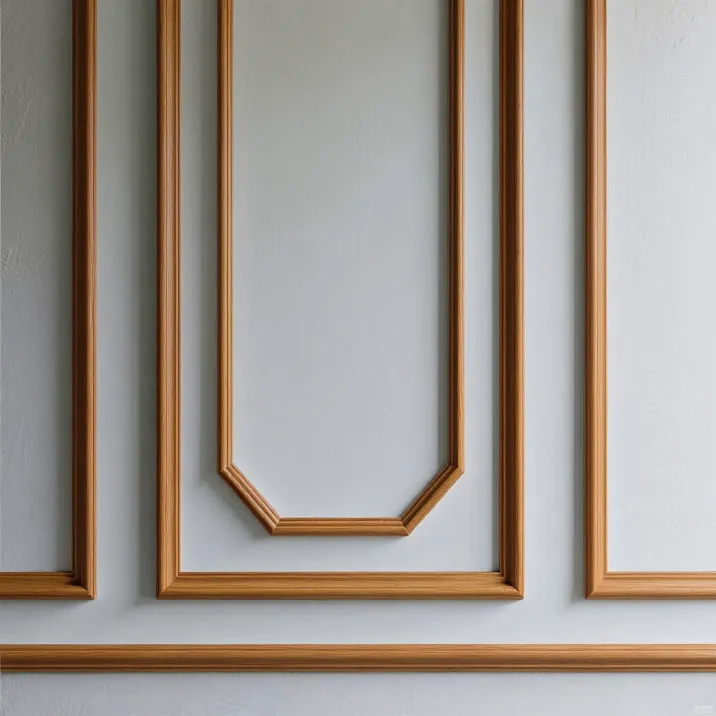
A door is not just a functional element dividing spaces. It is the first impression of a room, the style and taste card of the owners. And if doors were once perceived exclusively utilitarian, todayDecorative Door Panelsthey transform ordinary panels into true works of art capable of radically transforming the interior.
Why does a simple wooden strip possess such transformative magic? The answer lies in perception psychology — the human eye automatically follows lines, rhythm, proportions. Thoughtfully placed decorative elements create an illusion of luxury, solidity, and thoughtful design, even when using budget materials.

Problems of standard doors and their elegant solutions
Mass-produced standard interior doors often look bland and cheap. Flat surfaces without decoration, dull colors, lack of individuality — all this makes the interior dull and unremarkable. But there is a simple and elegant solution to this problem.




Visual shortcomings of standard doors
Modern doors often suffer from monotony and primitive design. A flat panel without relief creates a sense of cheapness, even if the door is made from quality materials. The absence of vertical or horizontal division makes the door visually heavy and uninteresting.
Proportional problems — another common shortcoming. Doors that are too wide or too narrow disrupt the harmony of space, creating imbalance in the interior. Decorative trim allows visually correcting proportions, making the door more harmonious and attractive.
Our factory also produces:



Transformative power of decorative elements
AddingWall decorative panelsVertical strips visually increase the height of the door opening, horizontal ones widen it. Diagonal elements add dynamism and modernity.
Rhythmic placement of strips creates a musical quality in the design. A uniform rhythm calms and creates a sense of order, while a variable rhythm adds interest and draws attention. Playing with the thickness of strips allows creating various visual effects — from subtle hints to expressive accents.
Get Consultation
Material Science: Choosing the Foundation for Perfection
The quality of decorative door strips is determined not only by design but also by the material used. Each material has its own characteristics, advantages, and limitations in application.
Natural wood: classic beyond time
Solid wood remains the gold standard for decorative elements. Natural texture, ability to stain, ecological safety — all of this makes wood an ideal choice for residential interiors.Decorative wooden planksThey possess the unique energy of living material.
Different wood species offer various aesthetic and functional characteristics. Oak, with its pronounced texture and high strength, is ideal for classic interiors. Pine and spruce, due to their softness and ease of processing, suit budget projects. Exotic species — wenge, zebrawood, rosewood — create luxurious, exclusive compositions.
Dimensional stability is a critical factor for decorative door elements. Properly dried wood with a moisture content of 8–12% does not deform under temperature and humidity fluctuations, preserving its original geometry for decades.
MDF: modern alternative
High-density MDF offers an excellent price-to-quality ratio for decorative strips. The uniform structure of the material ensures a perfectly smooth surface without knots or defects. Dimensional stability of MDF surpasses even high-quality wood.
MDF processing possibilities are virtually limitless. Milling complex profiles, creating intricate patterns, imitating carving — all this is achievable with modern equipment. Veneer coating allows achieving the appearance of natural wood at significantly lower cost.
New-generation composite materials
Wood-polymer composites combine the beauty of wood with the practicality of plastic. They are not afraid of moisture, do not deform, and require no special care. These materials are ideal for humid areas — bathrooms, saunas, kitchens.
Polyurethane strips accurately imitate wood carving, moldings, complex architectural profiles. They are lightweight, do not crack, are easy to install and paint in any color. Modern compositions have high detail and are indistinguishable from natural materials.
Stylistic directions in door strip design
Each architectural style dictates its own rules for using decorative elements. Understanding these principles allows creating authentic, stylistically accurate interiors.
Classic tradition: time-tested elegance
Classic style requires symmetry, proportionality, and noble materials. Door strips in a classic interior should repeat architectural elements of the room — cornices, moldings, columns.Decorative wooden plankA classic profile creates a sense of respectability and timeless beauty.
Paneled doors are a hallmark of classic style. Rectangular or arched panels framed by profiled strips create a play of light and shadow, adding volume to a flat door surface. Various panel arrangements — vertical, horizontal, combined — allow adapting the design to specific room proportions.
Modern minimalism: beauty of simplicity
A minimalist approach to design requires maximum simplicity and functionality of each element. Decorative strips in a minimalist interior should be geometrically clear, without unnecessary details or ornamentation.
Simple rectangular sections, contrasting material combinations, asymmetrical compositions — characteristic features of a modern approach to door decoration. Metal inserts, glass elements, combinations of different textures create interesting visual effects without overloading with details.
Hidden fasteners and seamless joints emphasize technological sophistication and perfect execution. Each element should appear as an integral part of the structure, not as an attached ornament.
Loft and industrial aesthetics
Industrial style, with its deliberate roughness and open structures, requires a special approach to decorative elements. Metal strips with rivets, weathered wood, contrasting material combinations create an authentic loft atmosphere.
Visible fasteners become part of the decoration. Bolts, screws, rivets are not hidden but rather emphasized and accentuated. Patina, rust, wear — all of this creates a sense of history and authenticity.
Technical aspects of installing door strips
Quality installation — half the success in creating a beautiful and long-lasting decoration. Incorrect installation can ruin even the most expensive and beautiful strips.
Preparation Work
The door surface must be carefully prepared before installing decorative elements. Cleaning old coatings, sanding, priming — mandatory steps for quality installation.
Marking is a critically important stage. Even minor deviations from vertical or horizontal alignment will be noticeable and spoil the appearance. Use a laser level, metal rulers, and special templates to ensure accurate marking.
Accounting for material expansion prevents deformation during operation. Wood and MDF change dimensions with fluctuations in humidity and temperature. Compensation gaps and proper fastening ensure structural stability.
Methods of mounting
Adhesive joints are suitable for lightweight MDF or thin wood strips. Modern polyurethane adhesives provide strong, durable bonds with most door panel materials.
Mechanical fastening is necessary for heavy wooden planks. Self-tapping screws, finish nails, special fastening systems — the choice depends on the door and plank material. Hidden fastening provides a better appearance but requires more complex installation.
Combined fastening — adhesive plus mechanical fastening — ensures maximum connection reliability. This method is especially important for planks subjected to mechanical loads.
Final processing of joints
Joint quality determines the overall impression of the work. Gaps between planks should be even and neat. Use spacer wedges to ensure uniform spacing.
Sealing joints prevents moisture and contaminants from entering. Acrylic sealants are matched to plank tones or contrast with them to create decorative joints.
Sanding and polishing joints ensure perfectly smooth transitions. Especially important for planks under transparent finishes, where all processing inaccuracies are visible.
Color Solutions and Finish Coatings
The choice of color and type of finish significantly affects the perception of door decorative elements. The right finish not only enhances appearance but also protects the material from external influences.
Natural wood tones
Transparent finishes — varnishes, oils, waxes — preserve and enhance the natural beauty of wood. Different gloss levels create various effects — from deep mirror shine to elegant matte finish.
Staining allows changing the wood tone while preserving its texture. From light Scandinavian whitewash to deep wenge — modern stains offer a rich palette of shades.
Oil-based finishes create a natural appearance and tactile feel. They highlight wood texture, creating a sense of warmth and coziness. Such finishes require periodic renewal but are easy to restore.
Colored enamels and paints
Covering finishes completely hide the material texture, creating a uniform colored surface. This allows using inexpensive base materials while achieving a premium appearance.
Water-based acrylic enamels are eco-friendly, dry quickly, and have no odor. A wide color palette allows implementing any design ideas.
Polyurethane enamels create a more durable finish, resistant to abrasion and mechanical impacts. They are ideal for doors in high-traffic areas.
Special decorative effects
Patina creates an effect of noble antiquity. Various techniques — dry brush, craquelure, wear — simulate natural material aging.
Metallic finishes give planks the appearance of noble metals — gold, silver, copper, bronze. Modern compositions create realistic imitation of metallic surfaces.
Textured finishes imitate various materials — leather, fabric, stone, ceramic. They add tactile interest and visual variety to monochromatic surfaces.
Harmony with overall interior
Door decorative planks should not exist in isolation — they are part of the overall interior composition. Their design should harmonize with other finishing elements.
Coordination with flooring
Wooden baseboardActs as a connecting element between floor and walls. When door planks are executed in the same style as baseboards, it creates a sense of thoughtful and cohesive design.
Combining different materials requires a delicate approach. Wooden planks on doors harmonize beautifully with parquet or wood-effect laminate.wooden skirting board purchaseIn the same tone as door planks — a classic solution for creating a unified style.
Contrasting combinations can be very effective. Dark door planks against a light floor create a graphic, modern composition. It is important to maintain balance and avoid excessive contrasts.
Connection with architectural elements
Moldings, cornices, arches, columns — all these elements should harmonize with door planks. Repeating profiles, materials, and colors creates a unified architectural composition.
decorative plankA single profile can be used on doors, walls, and ceilings, creating a rhythmic, harmonious environment.
Furniture analogies
Furniture style should correspond to door plank style. Classic furniture with carved elements requires matching door decorations. Modern minimalist furniture harmonizes with simple geometric planks.
Color combinations of furniture and doors create either harmony or contrast. Both approaches are valid but require professional sense of proportion and style.
Functional aspects of decorative planks
In addition to aesthetic functions, decorative door strips can perform practical tasks, improving the functionality and ease of use of doors.
Protective functions
Decorative strips can protect the door panel from mechanical damage in areas of intensive contact. This is especially relevant for families with children, where doors are subjected to increased loads.
Metal inserts in decorative strips provide additional protection against impacts and scratches. They can be both obvious design elements and hidden protective components.
Defect Concealment
Decorative strips can mask minor defects on the door panel — scratches, chips, unevenness. Properly placed elements divert attention from problematic areas.
Old doors get a new life thanks to decorative strips. Instead of costly replacement, you can refresh the appearance of existing doors, turning them into stylish interior elements.
Improvement of proportions
Too wide or narrow doors can be visually corrected using decorative strips. Vertical elements make the door appear narrower and taller, while horizontal elements make it appear wider and lower.
Asymmetric compositions can visually shift the center of the door, correcting the perception of space. This is especially useful in rooms with non-standard proportions.
Innovative solutions in door strip design
Modern technologies open up new possibilities for creating unique decorative elements. From traditional processing methods to high-tech solutions — the choice is vast.
Laser cutting and engraving
Laser technologies allow creating the most complex patterns and ornaments with jewel-like precision. Fine lines, minute details, intricate interweavings — all of this is achievable with modern equipment.
3D engraving creates volumetric images and textures on a flat surface. Such strips become true works of art, unique interior elements.
CNC milling
CNC machines allow creating complex 3D profiles with perfect repeatability. Each strip is absolutely identical to others, which is critical for creating rhythmic compositions.
CNC capabilities are practically limitless — from simple geometric profiles to the most complex floral ornaments in the style of modern or baroque.
Digital printing on wood
Modern technologies allow applying any images directly onto wooden surfaces. Photographs, reproductions of paintings, complex ornaments — all of this can become a design element of door strips.
UV printing ensures the durability of images against fading and abrasion. Such coatings last for decades, preserving the original brightness and clarity.
Regional characteristics and cultural traditions
Different cultures have developed their own traditions for decorating doors. Understanding these traditions allows creating authentic interiors in national styles.
European traditions
European classicism tends toward symmetry, proportionality, and the use of an order system. Door strips replicate architectural elements of facades — pilasters, cornices, gables.
Scandinavian tradition prefers simplicity, functionality, and natural materials. Decorative elements are minimal, with emphasis on material quality and craftsmanship perfection.
Eastern motifs
Eastern design philosophy emphasizes harmony with nature, use of natural materials and colors. Wooden strips with natural texture, simple geometric shapes, absence of excessive decoration.
Japanese minimalism requires absolute conciseness and functionality of each element. Decorative strips must be extremely simple and elegant.
Modern Eclecticism
Modern design is not limited to the boundaries of one style. Mixing different traditions, unexpected combinations of materials and forms create unique, individual solutions.
The main thing in an eclectic approach is a sense of measure and understanding of basic compositional principles. Chaotic mixing of styles creates tastelessness, while thoughtful eclecticism creates originality and individuality.
Economic aspects of using door strips
Decorative Door Panels— it is not only a way to decorate, but also a sensible investment in improving the interior. Relatively small expenses can radically change the perception of space.
Comparison of alternative solutions
Replacing old doors with new louvered doors can cost several times more than decorating existing doors with strips. However, the result may be no less impressive.
Custom-made doors according to the designer's sketches are very expensive. Decorative strips allow you to achieve a unique design at significantly lower cost.
Impact on property value
Well-finished doors enhance the overall appeal of the interior, positively affecting the property's market value. Potential buyers pay attention to details that indicate high-quality finishing.
Stylish doors create an impression of expensive, thoughtfully designed aesthetics even when using budget materials in other interior elements.
Long-term economic efficiency
Quality decorative strips last for decades, requiring no replacement or major repairs. This makes them a worthwhile long-term investment.
The possibility of partial updates — replacing individual elements without dismantling the entire structure — reduces costs for maintaining the exterior appearance.
Trends in door trim design
The world of design is constantly evolving, with new materials, technologies, and aesthetic concepts emerging.wooden baseboardDoor trims also follow general trends in interior design.
Ecological trends
Growing consumer environmental awareness influences material and technology choices. Preference is given to natural, renewable materials with minimal chemical treatment.
FSC-certified wood guarantees its origin from sustainably managed forests. Such materials have become the standard for environmentally responsible projects.
Technological Innovations
Smart materials with changing properties open up new design possibilities. Thermochromic coatings that react to surface touch, integrated lighting systems — all of this is becoming reality.
Nanotechnologies allow creating coatings with unique properties — self-cleaning, antibacterial, resistant to contamination and damage.
Personalization and Customization
Modern consumers seek uniqueness and individuality in their interiors. Mass production is giving way to small-batch manufacturing based on custom projects.
Digital technologies make customization accessible and economically viable. Each element can be unique, reflecting the owner's personality and preferences.
Practical Recommendations for Selection and Installation
Successful implementation of a door decoration project requires careful planning and adherence to technical requirements.with a classic profile creates a sense of solidity, reliability.Door trims must be part of a unified concept.
Project planning stages
Start by analyzing the existing interior and defining the style in which the decorative elements will be executed. Create sketches or use computer modeling to visualize the result.
Measure all doors and create precise drawings indicating the dimensions and placement of the strips. This will help avoid errors when ordering materials.
Choosing an installer
Quality installation of decorative strips requires professional skills and specialized tools. Choose installers with experience and portfolios of completed projects.
Discuss all technical details — mounting methods, materials, timelines for work completion. Quality work cannot be cheap — saving on installation may ruin expensive materials.
Quality control
Regularly monitor the progress of work, especially at critical stages — marking, installation of the first elements, finishing. Correcting errors at early stages is significantly easier and cheaper.
Work acceptance should include checking the quality of joints, alignment of installation, and finish quality. All remarks must be resolved before final payment.
Conclusion: strips as a tool for creating a unique interior
Decorative door strips are not just decoration — they are a powerful tool for transforming interiors. They can turn ordinary doors into works of art, create a unique style, and highlight the owner's individuality.
In an era of standardization and mass production, decorative strips become a way to stand out and create a unique, one-of-a-kind space. They allow implementing the boldest design ideas without resorting to major renovations or expensive materials.
Properly selected and professionally installed decorative strips serve for decades, delighting the eye and creating a sense of completeness and thoughtful interior design. They become the very detail that turns a home into a work of art.
STAVROS Company has many years of experience creating decorative elements from natural wood. The combination of traditional craftsmanship and modern technologies allows creating items that not only decorate interiors but also serve for many years, preserving their beauty and functionality. Each STAVROS strip is the result of skilled craftsmen’s work, who understand that a home should not only be beautiful but also comfortable for living.
Frequently asked questions
Can decorative strips be installed on any doors?
Decorative strips can be installed on most types of doors — wooden, MDF, even metal, with appropriate surface preparation. Exceptions are glass doors and doors with complex curved surfaces. It is important to correctly choose the mounting method depending on the door material.
How long does it take to manufacture and install the strips?
Manufacturing time depends on the design complexity and production load — from 5-7 days for simple strips to 2-3 weeks for intricate carved elements. Installation on one door takes 2-4 hours depending on the number of elements. Full drying of coatings requires an additional 1-2 days.
How to care for decorative strips on doors?
Care depends on the type of coating. Lacquered strips are wiped with a dry soft cloth, optionally slightly dampened with a mild detergent. Oil-based coatings require periodic renewal with special compounds. Avoid abrasive agents and solvents.
Can the design of the strips be changed after installation?
Partial changes are possible — for example, repainting in another color or adding new elements. Major design changes usually require dismantling and manufacturing new strips. Therefore, it is important to carefully plan the design during the planning stage.
Are decorative strips suitable for humid areas?
With proper selection of materials and coatings, decorative strips can be used in bathrooms and kitchens. Moisture-resistant materials (composites, treated wood) and special coatings are required. Adequate ventilation of the room is mandatory.
How much do decorative door strips cost?
Cost varies from 300-500 rubles per linear meter for simple MDF strips to 2000-5000 rubles per meter for carved elements made of premium hardwoods. Installation cost is added — 1000-3000 rubles per door depending on the complexity of work.
Can strips be removed without damaging the door?
Using quality adhesive compounds and proper installation techniques, strips can be removed with minimal surface damage to the door. Mechanical fasteners are easier to remove but leave visible holes. Plan the design as a long-term solution.
What warranty is provided for decorative strips?
The material warranty is usually 2-5 years depending on the manufacturer and coating type. Installation work warranty is 1-2 years. Damage caused by improper use, mechanical impacts, or changes in operating conditions are not covered.





