Article Contents:
- What Are Decorative Door Panels?
- Types of Decorative Door Panels
- Wooden Decorative Panels
- MDF and Veneer Panels
- Plastic and Self-Adhesive Panels
- Metallic Decorative Panels
- Sizes and Shapes of Decorative Panels
- Application of Decorative Panels in Door Structures
- How to Install Decorative Panels on Doors
- Decorative Panels in Interior Design: Style and Aesthetics
- Where to Buy Decorative Door Panels
- Decorative Panels Made by Yourself
- Final Comparison and Conclusion

Modern interiors require attention to every detail, anddecorative panelsplay an important role in creating a finished look of the room. These finishing elements allow you to transform an ordinary door into a stylish interior accent, conceal flaws, and highlight design strengths.Decorative Door Panelsnot only serve an aesthetic function but also a practical one — they protect surfaces from damage and wear.
Usedecorative wooden panelshave become a popular solution among designers and apartment owners for decorating door openings. This is due to the material's versatility and its ability to harmoniously fit into any interior style — from classic to modern minimalism. If you plan tobuy a decorative panel, it is important to understand the characteristics of different types and materials.
Decorative door panels serve as a link between the door leaf and the overall style of the room. They help create a harmonious transition, conceal technical elements, and give the structure a finished look. Properly selected panels can visually alter the proportions of the door, making it appear taller or wider, and emphasize certain architectural features.


What Are Decorative Door Panels?
Decorative Door Panelsare narrow decorative elements that are attached to the door leaf or frame to create a three-dimensional pattern, conceal joints, or add aesthetic appeal. Unlike door casings, which frame the door opening, panels are placed directly on the door surface.
Decorative Panel for Furniturehave similar functions to door panels but are used for decorating cabinets, chests, and other built-in furniture.Decorative Furniture Panelsand door options are often made from the same materials, allowing for a unified style in the interior.
Decorative strips differ from molding and trim in size and application method.Decorative overlay stripsThey are mounted over the main structure, creating additional volume and texture.
Main materials for manufacturing strips include various types of natural wood, MDF with coating, plastic, and metal. Each material has its advantages and is suitable for specific usage conditions and stylistic solutions. Natural wood remains a classic choice due to its eco-friendliness, durability, and unique texture.
MDF with decorative coating offers a more affordable alternative to solid wood while maintaining an attractive appearance. Plastic variants are distinguished by their water resistance and ease of maintenance, making them optimal for high-humidity areas.




Types of decorative strips for doors
The modern market offers a wide range ofdecorative door strips, differing by material, size, color, and texture. The choice of a specific type of strip depends on the interior style, project budget, and technical requirements.
Decorative wood-grain stripis especially popular due to the natural beauty of wood grain texture and its versatility in application. Such strips harmonize well in both classic and modern interiors.
For creating a luxurious interior, usedecorative metal stripanddecorative gold strip, which add shine and elegance to the door structure.Decorative corner stripsare used for decorating corners and creating geometric compositions.
Our factory also produces:


Wooden decorative strips
Natural wood remains a classic choice for manufacturing decorative strips. The most popular species are oak, beech, ash, and pine. Oak strips are distinguished by high strength and expressive texture, while beech strips offer uniform structure and ease of processing.
Ash is attractive for its contrasting grain and high wear resistance, while pine is an economical option with a pleasant resinous aroma. Wooden strips can be stained, varnished, or painted, expanding their application possibilities in various interior color schemes.
Advantages of wooden strips include ecological purity, restorability, and the unique pattern of each item. Disadvantages include sensitivity to moisture and temperature fluctuations, and the need for regular maintenance.
Get Consultation
MDF and veneer strips
MDF strips covered with natural veneer offer an optimal price-to-quality ratio. They mimic the appearance of natural wood but cost significantly less. MDF has stable dimensions, does not deform from humidity or temperature changes.
Veneered strips are available in a wide range of wood species and shades. Modern technologies allow creating realistic imitations of expensive exotic wood species at an affordable price.
Main advantages of MDF strips: stable dimensions, affordable price, wide range of decorative options. Disadvantages include lower durability compared to solid wood and sensitivity to moisture if the protective coating is damaged.
Plastic and self-adhesive strips
For quick interior updates and economical repairs, plastic strips are used. They are easy to install, require no special care, and are resistant to moisture. Self-adhesive variants allow installation without additional fastening materials.
Plastic strips can imitate various materials—from wood to stone and metal. Modern printing technologies ensure high-quality reproduction of textures and colors.
Advantages of plastic strips include water resistance, ease of installation, affordable price, and variety of decorative options. Disadvantages include a less prestigious appearance compared to natural materials and limited repair possibilities in case of damage.
Metal decorative strips
Aluminum, chrome-plated, and gold-plated strips are used to create modern and high-tech interiors. Metal elements are especially popular in high-tech, loft, and minimalism styles.
Such strips are distinguished by durability, resistance to corrosion and mechanical damage. They can have various surfaces - matte, glossy, textured, or with decorative coating.
Metal strips perfectly match modern hardware and create a unified stylistic look. They do not fade in the sun, are easy to clean, and retain their original appearance for many years.
Dimensions and shapes of decorative strips
Choosing the correctdimensions of decorative stripis critically important for achieving the desired aesthetic effect.Width of decorative stripvaries from thin accent elements to wide strips that become the main decorative element of the door.
Wooden decorative wall plankcan have a width from 5 to 200 mm, with the most popular sizes being 20 to 80 mm.Decorative strip 5 mmis used to create thin accent lines,Decorative strip 10 mm— for more noticeable decorative elements.
Wide options, such asdecorative strip 100 mm, are used to create large decorative panels on the door leaf. The standard length of most strips is 2-3 meters, which allows minimizing the number of joints during installation.
The cross-sectional shape of the strip significantly affects the appearance and style of the door. Rectangular strips create clear geometric lines, suitable for modern interiors. Semi-circular options add softness and classic elegance. Corner strips are used for decorating external and internal corners, creating framed compositions.
The thickness of the strip also plays an important role in the perception of the design. Thin strips create a light, elegant pattern, while thick ones give a solid, robust appearance. Proper combination of different thicknesses allows creating a multi-level composition with play of light and shadow.
When choosing dimensions, it is necessary to consider the proportions of the door leaf. For standard interior doors, optimal strips are 20-40 mm wide, while for entrance doors, wider options up to 80-100 mm can be used.
Application of decorative strips in door structures
Decorative strips for furnitureand doors find wide application in various areas of interior design. The main functionof decorative door stripsis to create an aesthetically pleasing appearance and conceal technical elements of the structure.
One of the main applications is concealing joints between different materials or structural elements. Strips effectively hide gaps, unevenness, and other defects that arise during installation. This is especially relevant when working withdecorative strip for furniture cabinet, where it is necessary to ensure perfectly straight lines.
Decorative strips on door panels can create a three-dimensional pattern, imitating louvered doors or forming original geometric compositions.Decorative strips for sliding doorshelp visually divide large surfaces into more proportionate segments.
Strips serve as an important accent in interior design, drawing attention to the door structure and emphasizing its stylistic affiliation. In classical interiors, they create a traditional look with elegant lines, while in modern interiors, they provide clear geometry and minimalist aesthetics.
Enhancing a specific style is another important function of decorative strips. For classical interiors, strips with smooth curves and traditional profiles are used; for modern style, asymmetrical and non-standard shapes; for loft, rough textures and contrasting materials.
In rooms with high ceilings, vertical strips help visually increase the height of doors, making them more proportionate. Horizontal elements, on the contrary, widen the door panel and are suitable for narrow openings.
How to install decorative strips on doors
Correct installation of decorative strips requires knowledge of basic mounting methods and attention to detail.How to mount decorative stripsdepends on the material of the strip, type of surface, and operating conditions.
Several basic mounting methods exist. Adhesive bonding is suitable for lightweight strips and smooth surfaces. Special construction adhesives, liquid nails, or high-strength double-sided tape are used.How to install decorative stripsusing adhesive requires careful surface preparation and precise positioning of elements.
Mechanical mounting with screws ensures maximum connection reliability. This method is suitable for heavy wooden strips and heavily used surfaces. Screws can be concealed using decorative caps or countersunk and filled with putty.
Installing decorative stripsusing mounting profiles allows for easy disassembly if needed. This method is often used in office and public interiors.
Mounting decorative stripsbegins with precise measurement and marking. It is necessary to consider the placement of door handles, locks, and other hardware elements. Strips are marked and cut with a small allowance for precise fitting on-site.
It is important to ensure perfectly straight lines and even spacing between elements. For this, a construction level, chalk line, and special guides are used. Connection angles must be precisely fitted, especially when creating framed compositions.
Surface preparation includes cleaning from dust and dirt, degreasing, and priming if necessary. Wooden surfaces must be dry, free of visible defects and unevenness.
Decorative strips in interior design: style and aesthetics
proper use ofdecorative strips for furniturein interior design allows creating a harmonious composition that unites various elements of the room.Decorative strips in interior designcan radically change the perception of space, adding depth and character.
look especially effectivedecorative strips in interior design of a living roomwhere they can link the design of doors with the decoration of walls, ceilings, and furniture. Uniformity of decorative elements creates a sense of thoughtful and complete design.
Combining strips with different materials requires understanding their interaction. Wooden strips harmonize well with natural materials — stone, brick, fabric. Metallic variants emphasize modern materials — glass, concrete, plastic.
When installing interior doors, it is important to consider the style of the entire interior. In classic interiors, traditional profiles and natural finishes are used, while in modern interiors, simple geometric shapes and contrasting colors are employed.
Sliding closet systems and sliding constructions gain special expressiveness due to decorative strips. They help break large surfaces into visually comfortable segments, create rhythm and movement in the composition.
Decorative strip photoanddecorative strips photoManufacturers' catalogs demonstrate numerous application options. Modern solutions include combining various materials, colors, and textures to create unique designer effects.
Color solutions play a key role in the perception of strips. Contrasting colors create bright accents and attract attention, while tonal combinations ensure soft transitions and a calm atmosphere.
Where to buy decorative strips for doors
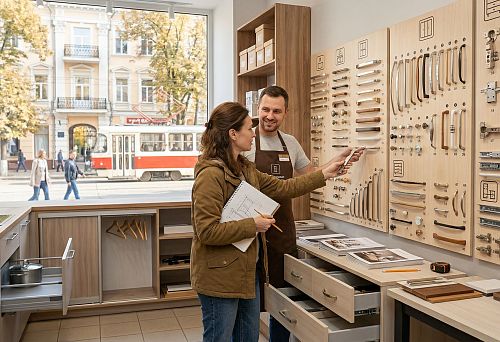
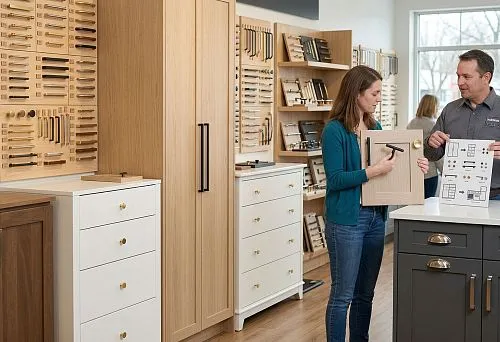
The modern market offers numerous options for purchasing decorative strips.buy a decorative panelThey can be purchased both in traditional hardware stores and through online platforms.
Large retail chains offer a wide variety of strips made from different materials and price categories.Decorative strips on OzonThey are often presented at attractive prices with convenient delivery on other online platforms.
Leroy Merlin decorative stripsDIY stores like Leroy Merlin offer not only the strips themselves but also all necessary installation materials and expert consultations.
For those who value convenience, the following options are availableself-adhesive decorative strips for furniturewhich can be installed without special skills or tools.Buy decorative strips made of MDFat affordable prices with quality assurance.
The price range depends on the material, profile complexity, and manufacturer. Plastic strips start at 50-100 rubles per linear meter, MDF options cost 150-500 rubles, and wooden strips from premium species may reach 1000-3000 rubles per meter.
Specialized manufacturers offer custom production of strips according to specified dimensions and profiles, which is especially important for exclusive projects and restoration work.
Decorative strips made by yourself
Manufacturing decorative strips yourself allows creating unique decorative elements that fully match the intended design.Decorative strips made by yourselfrequire certain woodworking skills and special tools.
How to make decorative strips yourselfcan be made from various materials, but natural wood remains the most popular. The process begins with selecting the appropriate blank — boards or beams of the required width and thickness.
How to make decorative stripsdepends on the desired profile and decoration complexity. Simple rectangular strips can be made using a circular saw or electric planer. More complex profiles require a router.
Manufacturing stages include selecting high-quality material without visible defects, cracks, or knots. The blank must be well-dried with moisture content not exceeding 10-12%. Cutting is performed with allowances for processing and sanding.
Sanding is an important stage that determines the quality of the finished product. Start with coarse sandpaper and gradually move to finer grit. The final sanding is done with paper of grit 220-320.
Staining or varnishing protects wood from moisture and UV exposure, highlighting the natural wood texture. Various tinting compounds can be used to achieve the desired shade.
Installing homemade strips on a door requires care and precision. It is necessary to mark the installation locations in advance, drill holes for screws, and securely fasten the elements.
Final comparison and conclusion
decorative panelsfor doors represent a universal solution for improving the interior's appearance and creating a unique style.Decorative door stripsnot only decorate the room but also perform practical functions — protect surfaces, conceal defects, and highlight architectural features.
Decorative wood stripremains the most popular choice due to its eco-friendliness, durability, and aesthetic appeal. Alternative materials — MDF, plastic, metal — offer their advantages under certain usage conditions.
Choosing a specific type of strips depends on the interior style, project budget, and technical requirements. It is important to consider not only appearance but also practical aspects — durability, ease of maintenance, and repairability.
Proper installation of decorative strips requires precision and care, but is entirely feasible with basic tool-handling skills. Professional installation guarantees an ideal result and long-term durability of the structure.
Decorative Door Panelsallow creating a unique interior reflecting the owners' personal preferences and lifestyle. They form a complete room image, harmoniously combining various decorative elements. Investing in quality decorative strips pays off through increased comfort and aesthetic appeal of the interior.