Article Contents:
- Evolution of Decorative Art
- Modern materials and technologies
- Stylistic Diversity of Modern Reliefs
- Functional Capabilities in Interior Design
- Technological innovations in production
- Classic White
- Large-Scale Compositions and Architectural Integration
- Psychological Impact of Three-Dimensional Decor
- Russian traditions of wooden architecture
- Trends in the Development of Decorative Art
- Economic Aspects and Investment Appeal
- Technical Aspects of Installation and Mounting
- Conclusion
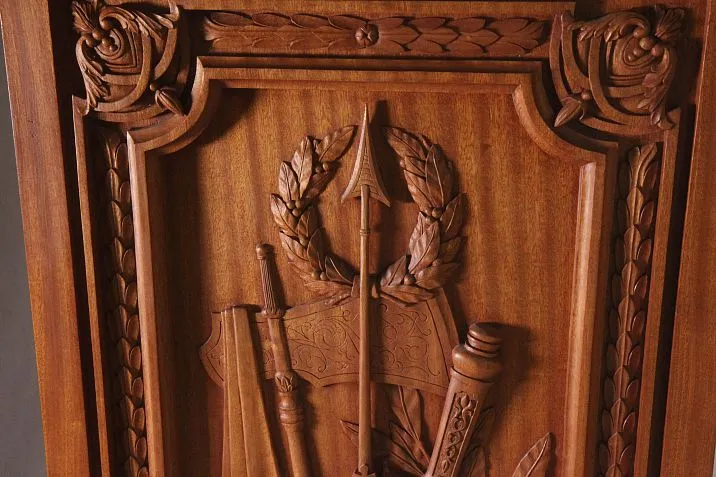
The magic of sculptural decoration can radically transform any room, filling it with depth, character, and unique individuality. Decorative Reliefs Represent a unique symbiosis of artistic craftsmanship and functional design, allowing to create an exclusive atmosphere in any interior. From ancient times to the present, this form of plastic art remains a sought-after tool for realizing the most daring creative ideas.
In the era of mass interior solutions, decorative moldings become especially valuable — they embody individuality, aristocracy, and impeccable taste of the owner. Each relief element tells its own story, creating a unique emotional connection between space and its inhabitants.


Evolution of Decorative Art
The origins of relief craftsmanship date back to deep antiquity, when the first civilizations discovered the magic of three-dimensional imagery. Egyptian pharaohs adorned their palaces with relief compositions, immortalizing feats and divine power. Ancient Greece gifted the world with perfection of proportions and harmony of forms, which still inspire modern artists.
Medieval art introduced spirituality and symbolism into relief sculpture, creating a new language of artistic expression. Gothic cathedrals still astonish with the complexity and detail of stone carving, where each element carries deep meaning and emotional weight.
The Renaissance became the golden age for decorative art. Masters of that time achieved unprecedented heights in creating relief compositions, combining ancient harmony with Christian symbolism. It was precisely then that relief art finally established itself as an independent art form capable of decorating any architectural space.
Baroque and Rococo brought opulence and theatricality into decorative sculpture. Interiors of that era literally breathed luxury, where every surface was covered with refined ornaments and complex compositions. Gilding, polychromy, play of light and shadow — all these techniques created unforgettable visual impressions.




Modern Materials and Technologies
Modern production of decorative elements has undergone a radical change due to the emergence of innovative materials and technologies. Traditional plaster has found a worthy alternative in the form of polyurethane compositions, possessing unique operational characteristics.
Polyurethane of the new generation is a high-tech material combining the lightness of foam with the strength of stone. The density of modern polyurethane products ranges from 0.8 to 1.4 g/cm³, which is several times less than traditional plaster. This property opens up limitless possibilities for placing decorative elements even on lightweight structures.
The strength characteristics of polyurethane are impressive — the material withstands significant mechanical loads, does not deform under temperature fluctuations, is resistant to humidity. Modern compositions contain UV stabilizers, preventing fading and degradation under sunlight.
Ecological safety is the most important advantage of modern materials. Polyurethane products do not emit toxic substances, do not create favorable conditions for microbial growth, and are completely safe for human health. Certificates of compliance confirm the possibility of use in children's and medical facilities.
Injection molding technology ensures perfect reproduction of the finest details. Modern molds are made from high-quality silicone compounds, allowing to reproduce skin texture, fabric surface, and the finest nuances of botanical ornaments.
Our factory also produces:


Stylistic Diversity of Modern Reliefs
Richness of Artistic Directions of Modern Decorative Reliefs Captivates the imagination. From strict classical canons to avant-garde experiments — every style finds its embodiment in three-dimensional plastic.
Neoclassicism remains the standard of aristocratic taste. Clear lines, symmetrical compositions, traditional motifs — rosettes, palmettes, meanders create an atmosphere of solemnity and grandeur. Portrait reliefs of great personalities, mythological scenes, allegorical compositions transform ordinary walls into art galleries.
Empire introduces military symbolism and imperial grandeur. Eagles, laurel wreaths, torches, swords — all these elements create an atmosphere of triumph and glory. Gilding emphasizes the solemnity of compositions, making the interior truly royal.
Modern opens new horizons of artistic expression. Smooth lines, botanical motifs, female figures in flowing garments create poetic images full of lyricism and romance. Irises, lilies, poppies become the basis for creating unique compositions.
Art Deco introduces geometric clarity and dynamism. Zigzags, spirals, stylized plant forms create rhythmic compositions full of energy and movement. Contrasting combinations of matte and glossy surfaces enhance the decorative effect.
Ethnic styles reveal the richness of world cultures. African masks, Eastern ornaments, Celtic patterns, Slavic motifs — each culture brings its unique images and symbols. Modern technologies allow reproducing ancient techniques with remarkable precision.
Get Consultation
Functional capabilities in interior design
Modern decorative reliefs perform numerous functions far beyond simple decoration. They become a powerful tool for solving complex design tasks and creating unique spatial solutions.
Zoning of space is one of the key functions of large relief compositions. Vertical panels can serve as decorative partitions, visually dividing a single space into functional zones. At the same time, the sense of spaciousness and unity is preserved, which is especially important in modern open layouts.
Creating accent walls allows radically changing the perception of a room. A relief composition above the headboard transforms a bedroom into royal chambers. A relief in the living room becomes the compositional center around which the rest of the furnishings is arranged.
Masking architectural flaws is an important practical function of decorative elements. Poorly placed beams, protruding structures, height differences can be transformed into artistic features using relief overlays and compositions.
Improved acoustic characteristics of a room are achieved through the relief surface, which helps scatter sound waves. This is especially relevant for home theaters, music rooms, and conference rooms.
Integration of lighting transforms static compositions into dynamic decorative elements. Hidden backlighting highlights the relief’s volume, creating a dramatic interplay of light and shadow that changes throughout the day.
Technological innovations in production
Modern technologies for producing decorative reliefs utilize the most advanced scientific and technical achievements. Computer modeling allows creating the most complex compositions with mathematical precision, eliminating any errors.
3D modeling opens boundless creative possibilities. Designers work with virtual models, experimenting with shapes, proportions, and details. The ability to preview visualization allows clients to see the result even before production begins.
CNC milling ensures ideal precision in manufacturing master models. Modern machines can create details of complexity unattainable by hand. Processing error does not exceed 0.05 mm, guaranteeing perfect geometry of finished products.
Digital scanning of historical samples allows creating accurate copies of world art masterpieces. Museum exhibits and architectural landmarks become accessible for reproduction with the finest details.
Injection molding in vacuum chambers eliminates the formation of pores and voids in finished products. Uniform material density throughout the volume ensures stable strength characteristics and longevity.
Color Solutions and Final Finish
Modern coloring and decorating possibilities for reliefs are astonishingly diverse. From classic white to complex multi-layer coatings — each solution creates its own unique atmosphere.
Patination gives items a noble antique appearance. Various techniques — from simple toning to complex multi-layer aging — create an effect of multi-century history. Green patina of copper, noble gray of bronze, tarnished silver — each effect requires special technologies and materials.
Gilding remains a classic of decorative art. Modern technologies allow using both traditional leaf gold and innovative metallic coatings. Various shades — from warm red to cool white gold — create different emotional effects.
Polychrome painting transforms reliefs into true works of painting. Fine detailing, play of light and shadow, richness of color transitions create an illusion of volume and realism of the image.
Flocking creates unexpected tactile effects. Velvet-like surface invites touch, adding an interactive element to the interior. Various colors and pile lengths open wide creative possibilities.
When working with decorative reliefs Special attention is paid to the compatibility of finish coatings with the overall interior style and room lighting.
Large-scale compositions and architectural integration
Creating large-scale relief compositions requires a deep understanding of architectural principles and laws of visual perception. Each element must organically fit into the overall concept, supporting and developing the architectural idea.
Friezes and borders create horizontal accents, visually expanding space. Botanical ornaments, geometric patterns, narrative compositions can wrap around a room, creating a sense of completeness and unity in design.
Panels and central compositions become dominant features of the interior. Large narrative reliefs require a special approach to placement — they must be located in the main visual zone, not competing with other decorative elements.
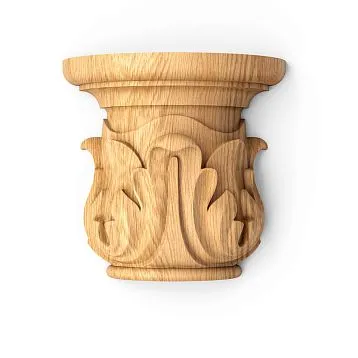
Architectural framing highlights structural elements of a building. Columns, arches, niches gain additional expressiveness through relief decoration. Capitals, bases, archivolts become full-fledged works of art.
Integration with furniture creates a unified design concept. Relief on furniture facades, decorative overlays, carved elements transform utilitarian items into applied art pieces.
Psychological impact of three-dimensional decor
The influence of reliefs on a person’s psycho-emotional state is a scientifically proven fact. Three-dimensional images affect the subconscious much more strongly than flat ones, creating deep emotional impressions.
Natural motifs promote relaxation and reduce stress. Images of flowers, leaves, birds create a sense of connection with nature, which is especially important in urban conditions. Botanical reliefs in a bedroom or living room create an atmosphere of calm and harmony.
Classic themes lend the interior solidity and respectability. Mythological characters, historical scenes, allegorical compositions highlight the owner’s cultural level, creating an atmosphere of intellectual leisure.
Abstract compositions stimulate creative thinking and imagination. Play of forms, rhythmic repetitions, unexpected combinations activate the right hemisphere of the brain, promoting the generation of new ideas.
Portrait images create a special emotional connection with the space. Family portraits, images of household pets, copies of masterpieces fill the home with personal meanings and memories.
Regional characteristics and cultural traditions
The Russian market for decorative reliefs has its own distinctive features, associated with historical traditions, climatic conditions, and cultural preferences.
Climate adaptation of modern materials takes into account harsh Russian conditions. Frost-resistant compositions, temperature-resistant coatings, special additives ensure the longevity of products in continental climate conditions.
Cultural motifs are reflected in the themes of reliefs. Particularly popular are images of Russian nature, historical figures, Orthodox symbolism. Birch groves, snow-covered fields, ancient Russian warriors create an atmosphere of national character.
Architectural compatibility with Russian architectural traditions requires a special approach to proportions and scale. Reliefs must harmonize with high ceilings, wide openings, characteristic of Russian architecture.
Price accessibility is an important factor for the Russian market. Use of local materials, optimization of production processes make high-quality decorative elements accessible to a wide range of consumers.
Trends in the development of decorative art
Modern technological development opens new horizons for the evolution of relief art. Integration of digital technologies, ecological innovations, product personalization shape the industry's future appearance.
Smart materials with changing properties will allow creating dynamic compositions. Thermochromic coatings will change color depending on temperature, photochromic coatings — depending on lighting. Interactive elements will respond to human presence, creating a unique user experience.
Ecological technologies are becoming a priority for development. Biodegradable materials, waste recycling, use of renewable energy sources — all this forms a new philosophy of production.
Product personalization reaches a new level thanks to digital technologies. Each customer will be able to receive an absolutely unique item, created specifically for their interior and reflecting their personal preferences.
Virtual reality will change the design and selection process of decorative elements. Customers will be able to "try on" different options in a virtual space, see the result under various lighting conditions, evaluate compatibility with furniture and accessories.
Economic Aspects and Investment Attractiveness
Investments in quality decorative reliefs should be considered in the long term. Initial costs are offset by numerous advantages — from aesthetic pleasure to increased property value.
The longevity of modern materials exceeds 25 years of active use without loss of initial characteristics. This makes investments economically justified, especially compared to other types of decorative finishes requiring regular renewal.
The uniqueness of items increases the owner's status and creates an irreplaceable atmosphere. In an era of mass production, individual artistic solutions become especially valuable, highlighting exclusivity and refined taste.
Increased property value is an important economic effect of quality decoration. Unique interior solutions significantly increase the attractiveness of a property on the real estate market, ensuring additional profit upon sale.
Minimal maintenance costs — an advantage of modern materials. Reliefs require no special care, are resistant to contamination, and do not require regular coating renewal.
Technical aspects of installation and mounting
Correct installation of decorative reliefs is a critically important stage, determining the longevity and aesthetic quality of the decorative solution. Modern mounting technologies ensure secure attachment with minimal impact on load-bearing structures.
Preparation work includes careful analysis of wall load-bearing capacity, checking surface verticality and horizontality, creating a marking grid. The quality of preparation directly affects the final result.
New-generation adhesive systems provide strong and elastic bonding. Polyurethane adhesives compensate for thermal deformations, prevent cracking at joints. Setting time is regulated by special additives.
Additional mechanical fastening is used for large and heavy elements. Hidden anchor systems provide maximum reliability, remaining invisible after installation completion.
Final joint finishing requires special skill. Modern spackling compounds ensure perfect fitting of elements, creating the impression of a monolithic composition.
Conclusion
Modern decorative reliefs represent a unique synthesis of traditional craftsmanship and innovative technologies. They open boundless possibilities for creating exclusive interiors capable of satisfying the most refined tastes.
Investments in quality decorative plastic are investments in beauty, prestige, and individuality. Modern materials and technologies guarantee longevity, ecological safety, ease of maintenance while preserving the highest aesthetic qualities.
Choosing decorative reliefs is choosing a lifestyle. In a world of standardization and uniformity, each relief item becomes a manifesto of individuality, reflecting the owner's personality and aesthetic ideals.
The future of decorative art is linked to further development of technologies, ecological production, and product personalization. Reliefs of tomorrow will become even more advanced, accessible, and diverse, while retaining the main quality — the ability to transform ordinary spaces into works of art.
Technological innovations continue to expand the horizons of the possible. The integration of artificial intelligence into the design process, the use of nanotechnology in materials science, the development of additive manufacturing technologies — all of this is shaping a new era of decorative art.
STAVROS, recognized as a leader in creating exclusive interior solutions, demonstrates the highest standards in producing decorative reliefs. Rich experience working with various styles and materials, deep understanding of modern design trends, and the use of advanced technologies make STAVROS a reliable partner in creating unique decorative compositions.
The team of highly skilled artists, designers, and technologists at STAVROS provides an individual approach to every project, ensuring the creation of works that fully meet expectations and surpass even the most daring dreams of clients. From classical solutions to avant-garde experiments — each project is executed with maximum attention to detail and impeccable craftsmanship.