












































































Article Contents:
- Historical Journey: The Evolution of Decorative Molding
- From Ancient Civilizations to the Renaissance
- Baroque, Rococo, and Classicism: The Golden Age of Decorative Arts
- Modern, Art Deco, and Contemporary: New Interpretations
- Anatomy of Decorative Molding: Basic Elements and Their Functions
- Moldings: The Universal Design Soldiers
- Cornices: The Crowns of Architectural Composition
- Baseboards: Inconspicuous Yet Essential
- Casing and Doorways: Framing Openings
- Materials for Decorative Molding: From Traditions to Innovations
- Wood: Eternal Classicism
- Polyurethane: Modern Alternative
- Gypsum: Traditions of Molded Decoration
- Innovative Materials: Expanding the Boundaries of Possibility
- Stylistic Solutions: Decorative Molding in Various Interiors
- Classic Style: Elegance and Harmony
- Modern Style: Minimalism and Functionality
- Eclecticism and fusion: playing with styles and materials
- Ethnic styles: cultural heritage in modern interpretation
- Practical Aspects: From Selection to Installation
- How to Choose the Right Decorative Molding
- Installation and Mounting: Professional Secrets
- Maintenance and Restoration: Extending the Life of Decorative Elements
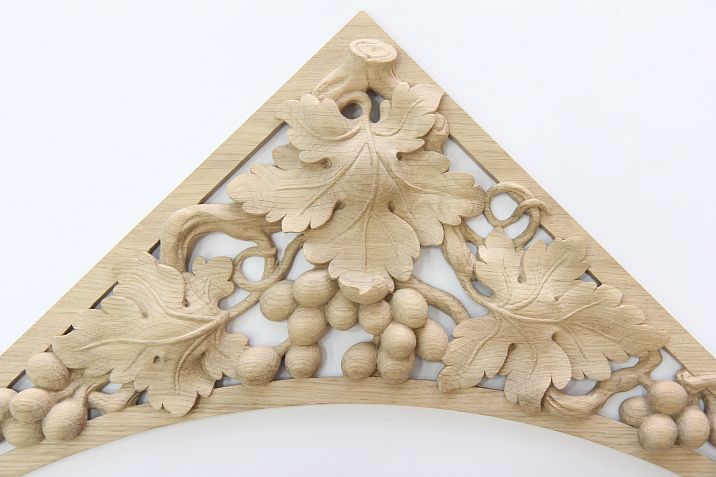
In the world of interior design, there are elements capable of transforming an ordinary room into a work of art. Among such elements, special prominence is given to decorative moldingwhich not only performs practical functions but also becomes a key accent in creating a cohesive spatial composition. Like a picture frame, decorative molding emphasizes the merits of the interior, hides flaws, and gives each detail a sense of completion.
In this article, we will delve into the wonderful world of decorative elements, uncover their historical significance, technical features, and modern application trends. You will learn how to properly select and combine various types of moldings, which materials are best suited for specific rooms, and how to create a unique design on your own using these refined details.


Historical Journey: The Evolution of Decorative Molding




From Ancient Civilizations to the Renaissance
History decorative frame dates back to millennia. In ancient Egypt, architects used special elements to frame door and window openings, giving them particular significance and sacred meaning. These early forms of molding often contained hieroglyphs and symbolic imagery that not only adorned the space but also conveyed specific information.
In ancient Greece and Rome, architectural molding reached a new level of development. Classical orders with their clear proportions and characteristic elements—capitals, friezes, cornices—appeared. Each detail had its place within the overall composition and adhered to strict canons. It was precisely during this period that the foundations of classical decorative framewere laid, which continue to influence modern design.
The Middle Ages introduced religious motifs and symbolism into the art of molding. Gothic cathedrals with their pointed arches, stained glass windows, and intricate carved elements demonstrate how decorative molding can create an atmosphere of elevation and aspiration toward heaven.
The Renaissance marked a return to classical ideals, but with a new understanding of space and perspective. Architects and masters of this period created refined moldings, combining classical elements with innovative solutions. Palladio, Brunelleschi, and other great masters used decorative molding as an important tool for creating harmonious proportions and expressive architectural compositions.
Our factory also produces:


Baroque, Rococo, and Classicism: The Golden Age of Decorative Arts
The Baroque era brought unprecedented opulence and dynamism to art decorative frameComplex curved forms, abundance of floral motifs, gilding, and other techniques created an impression of movement and emotional richness. Palaces of this period were literally overwhelmed with decorative elements, each of which was a work of art.
Rococo, developing from Baroque, further intensified ornamentation and the elegance of forms. decorative molding This style is characterized by asymmetry, lightness, and playfulness. Characteristic elements — rocaille (stylized shells), floral garlands, amorini — created an atmosphere of refined luxury and carefree elegance.
Neoclassicism, emerging as a reaction to the excesses of Baroque and Rococo, returned to strict classical forms. decorative molding This style is characterized by clear lines, symmetry, and restraint. It emphasizes the architectural logic of space and creates a sense of noble simplicity.
Get Consultation
Modern, Art Deco, and Contemporary: New Interpretations
The end of the 19th — beginning of the 20th century brought revolutionary changes to art decorative frameThe Modern style abandoned historical references in favor of new, organic forms inspired by nature. Smooth lines, floral motifs, unusual materials — all of this created a unique aesthetic that still delights with its originality.
Art Deco, flourishing in the 1920s–30s, offered its own interpretation decorative frameGeometric forms, contrasting colors, exotic materials and motifs created an image of luxury and modernity. This style became a symbol of the jazz age and is still associated with elegance and chic.
Modern design offers numerous approaches to decorative framing — from minimalist solutions, where framing is reduced to the necessary minimum, to eclectic compositions combining elements of different styles and eras. Technological progress allows creating frames from new materials and using innovative techniques, opening boundless creative possibilities.
Anatomy of Decorative Framing: Basic Elements and Their Functions
Moldings: Universal Design Soldiers
Moldings are, perhaps, the most common elements decorative frameThey are profiled strips of various cross-sections, used for various purposes: from framing door and window openings to creating decorative wall panels.
There are many types of moldings, each with its own purpose:
Basic moldings are used to create the foundation of a decorative composition. They usually have a simple profile and serve to distinguish different zones or surfaces.
Crown moldings are installed at the junction of the wall and ceiling, creating a smooth transition between them. These elements can be simple or very complex, with numerous decorative details.
Cove moldings are used to create coffered ceilings — structures divided into geometric sections. Such ceilings were popular in classical architecture and are experiencing a new rebirth in modern interiors.
Frame moldings are used to create decorative frames on walls, which can frame paintings, mirrors, or simply serve as independent ornaments.
The choice of molding depends on the interior style, room proportions, and personal preferences. It is important to remember that moldings should harmonize with the overall design and not overload the space.
Cornices: Crowns of Architectural Composition
Cornices are horizontal projecting elements decorative framewhich traditionally are located at the top of the wall, at the junction with the ceiling. They serve both a practical function, concealing irregularities and defects of the junction, and an aesthetic one, giving the interior a sense of completion and elegance.
Cornices can have different shapes and sizes:
Simple cornices have a minimalist design and are suitable for modern interiors, where clean lines and restrained decoration are important.
Profiled cornices feature complex cross-sections with multiple curves, protrusions, and recesses. They are characteristic of classical styles and create a rich, expressive image.
Crown moldings are adorned with three-dimensional decorative elements — plant motifs, geometric patterns, and figurative compositions. Such moldings become true works of art and central elements of interior design.
When choosing a crown molding, it is important to consider ceiling height and room scale. In rooms with low ceilings, it is better to use small, lightweight moldings that will not visually 'press' on the space. In high-ceilinged rooms, on the contrary, you can afford massive, expressive structures.
Baseboards: Inconspicuous, yet necessary
Baseboards are elements decorative framethat are installed at the lower part of the wall, at the junction with the floor. Their main function is to protect the wall from damage and dirt, as well as to conceal the technological gap between the wall and the floor covering. However, modern baseboards have long ceased to be purely utilitarian details and have become an important design element.
Baseboards differ by shape, size, and material:
Classic wooden baseboards are made from solid wood and can have various profiles — from simple rectangular to complex shaped ones. They add warmth and naturalness to the interior, and pair well with wooden floors and furniture.
Polyurethane baseboards are lightweight, moisture-resistant, and easy to install. They can imitate various materials, including wood, stone, and metal, and are suitable for rooms with high humidity.
Metallic baseboards are made from aluminum, stainless steel, or brass. They have high strength, resistance to damage, and a modern appearance, making them an ideal choice for minimalist and high-tech interiors.
When choosing a baseboard, it is important to consider not only its appearance, but also practical aspects: compatibility with flooring, resistance to moisture and mechanical impacts, and ease of maintenance.
Reveals and portals: framing openings
Moldings and doorways are elements decorative frameused to decorate door and window openings. They not only give openings a finished look, but also protect wall edges from damage, and can improve sound and thermal insulation of the room.
Moldings are typically profiled strips installed around the opening. They can be simple or decorative, with carving, inlay, painting, and other embellishments. In traditional architecture, moldings were often true works of art, reflecting regional characteristics and the individual style of the craftsman.
Portals are more complex structures that create an architectural frame for the opening. They may include columns, pilasters, gables, cornices, and other elements. Portals are characteristic of classical styles and give interiors a solemn and monumental character.
When choosing moldings and portals, it is important to consider the interior style, proportions of the opening, and overall room composition. These elements should harmonize with other details decorative frame and create a cohesive look.
Materials for decorative framing: from tradition to innovation
Wood: Eternal Classic
Wood remains one of the most popular materials for creating decorative frame. It possesses natural beauty, warmth, and eco-friendliness that cannot be reproduced artificially. Moreover, wood is easy to work with, allowing the creation of elements of the most complex shapes.
Various types of wood are used to make wooden framing, each with its own characteristics:
Oak — a hard, durable wood with a distinctive texture. Oak elements are known for their longevity and noble appearance, which only improves over time. Oak is traditionally used to create classic interiors.
Spruce — a soft, light-colored wood. Spruce elements are affordable and well-suited for creating rustic and Scandinavian interiors. However, they are less resistant to mechanical damage than elements made from hardwoods.
Larch — a strong, moisture-resistant wood with a beautiful golden hue. Larch elements are suitable for rooms with high humidity and can even be used in bathrooms.
Exotic species (teak, wenge, merbau, etc.) — wood with unusual texture and color. Elements made from exotic species create a unique, memorable look and are often used in exclusive interiors.
Wooden decorative molding can be painted, stained, varnished, or oiled depending on the desired effect. Also popular is the technique of wood aging, which gives elements a vintage, patinated look.
Polyurethane: modern alternative
Polyurethane — a synthetic material that in recent decades has become a popular alternative to traditional materials for decorative frame. It has several advantages that make it an attractive choice for modern interiors:
Lightweight — polyurethane elements are significantly lighter than wooden or plaster analogs, simplifying their transportation and installation.
Moisture resistance — polyurethane does not absorb moisture and does not deform under its influence, allowing its use in bathrooms, kitchens, and other rooms with high humidity.
Durability — polyurethane is resistant to mechanical damage, does not crack or flake upon impact.
Detail reproduction accuracy — the manufacturing technology allows creating polyurethane elements with very complex relief and fine details.
Ease of installation — polyurethane elements are easily cut with a regular saw and attached using special adhesive.
Polyurethane decorative molding can imitate various materials — wood, stone, plaster — and is suitable for creating interiors in various styles, from classic to modern. However, it should be remembered that polyurethane, despite all its advantages, cannot fully replace natural materials, especially in interiors where authenticity and eco-friendliness are important.
Plaster: traditions of sculptural decoration
Plaster — one of the oldest materials for creating decorative frame. It was used in antiquity for manufacturing architectural details and sculptural ornaments. Today, plaster elements remain popular due to their unique properties:
Plasticity — plaster easily takes any shape, allowing the creation of elements of the most complex configuration.
Ecological safety — plaster is a natural material, does not emit harmful substances and does not cause allergic reactions.
Moisture permeability — plaster elements 'breathe', which helps create a favorable microclimate in the room.
Fire resistance — plaster does not burn and does not support combustion, which increases the fire safety of the room.
Plaster decorative molding can be executed in various techniques:
Casting — plaster solution is poured into a mold, where it hardens and takes the required configuration. This method allows creating identical elements in large quantities.
Hand sculpting — the artisan manually shapes the element from plaster solution. This method is used for creating unique, original works.
Troweling — a special tool (template) is pulled across the plaster solution, forming the desired profile. This method is used for creating cornices, moldings, and other linear elements.
Plaster elements can be left white or painted in any color. Also popular is gilding, where gold leaf or its imitation is applied to plaster, giving the elements a luxurious, festive appearance.
Innovative materials: expanding the boundaries of the possible
. Modern technologies constantly expand the arsenal of materials for creating decorative frame. New solutions emerge that combine aesthetic qualities with practicality and eco-friendliness:
Composite materials — these are mixtures of various components that combine the advantages of different materials. For example, wood-plastic composites combine the naturalness of wood with the strength and water resistance of plastic.
3D printing — a technology that allows creating elements of complex shapes from various materials (plastic, metal, ceramic) based on a digital model. This opens new opportunities for customization and personalization. decorative frame.
Biodegradable materials — eco-friendly alternatives to traditional synthetic materials. They are made from renewable resources and do not harm the environment during disposal.
Luminescent materials — contain phosphors that absorb light and then emit it in darkness. Such elements can create interesting lighting effects and serve as markers at night.
Innovative materials expand the creative possibilities of designers and allow creating decorative molding, which not only decorates the space but also performs additional functions — improves acoustics, regulates humidity, creates special lighting, etc.
Stylistic solutions: decorative framing in various interiors
Classic style: elegance and harmony
Classic style — the embodiment of elegance, harmony, and proportionality. decorative molding Plays a key role in it, creating the structure and rhythm of space. For classic interiors, the following elements are characteristic:
Symmetrical compositions — decorative molding are arranged symmetrically relative to the central axis of the room or a separate wall. This creates a sense of order and harmony.
Proportionality — the sizes and shapes of framing elements correspond to the overall proportions of the room. In the classical style, the golden section — a proportion considered ideally harmonious — is often used.
Detailing — classical decorative molding is distinguished by richness of details: carving, moldings, inlays. However, this detailing is never excessive or chaotic.
Natural materials — the use of high-quality natural materials such as wood, marble, and bronze is characteristic of the classical style. They emphasize the status and longevity of the interior.
In a Classic Interior decorative molding can be used for various purposes:
- Creating architectural elements — columns, pilasters, arches, which structure the space and give it monumentality.
- Decorating walls — using moldings, decorative panels, pilasters, niches are created, which break up large surfaces and make them more interesting.
- Accenting door and window openings — casings, portals, sills emphasize the importance of these elements and create a smooth transition between different zones.
- Decorating ceilings — cornices, rosettes, coffered ceilings transform the ceiling from a simple surface into an important element of interior composition.
The classical style requires attention to detail and quality of execution. decorative molding It must be flawless, with clear lines and perfect joints. Only then will it create the image of noble luxury characteristic of classical interiors.
Modern style: minimalism and functionality
Modern style is characterized by clean lines, functionality, and the absence of excessive decoration. However, this does not mean that decorative molding it is not used. On the contrary, it plays an important role, but takes on new forms and meanings:
Minimalism — modern framing has simple, geometric forms without excessive detailing. It creates clear lines and emphasizes the structure of the space.
Functionality — each framing element has a practical purpose, decorative function is secondary. For example, moldings can conceal technical utilities or serve for zoning the space.
Contrast — modern decorative molding often creates contrast with surrounding surfaces — by color, texture, material. This makes it noticeable and expressive even with minimalist forms.
Innovative materials — in modern style, new materials and technologies are actively used: metal, glass, composites, LED lighting, etc.
In modern interiors decorative molding it can be used for:
- Creating visual effects — for example, built-in lighting in cornices or skirting boards creates an effect of floating walls or ceilings.
- Zoning space — moldings on walls or ceilings can indicate different functional zones without using partitions.
- Accenting architectural features — framing can highlight interesting architectural elements or, conversely, conceal flaws.
- Integrating technical elements — modern framing often includes lighting, ventilation, and acoustic systems, making them part of the design.
Modern style requires precision and quality of execution. decorative molding It must be perfectly flat, with precise angles and flawless joints. Any imperfections will be noticeable due to the minimalist forms and absence of masking decoration.
Eclecticism and fusion: playing with styles and materials
Eclecticism and fusion — styles based on mixing various stylistic directions, eras, and cultures. In them decorative molding becomes a tool for creating unique, one-of-a-kind compositions:
Variety — in an eclectic interior, elements of framing from different styles and eras can be combined: classical cornices with modern skirting boards, Eastern portals with European moldings, etc.
Contrast — eclecticism plays on contrasts: old and new, luxurious and simple, traditional and avant-garde. These contrasts create a dynamic, memorable image.
Individuality — an eclectic interior always reflects the personality of its owner, his tastes, hobbies, travels. decorative molding becomes a way to tell a story.
Experimentation — eclecticism and fusion allow experimenting with forms, materials, colors, creating unexpected and original combinations.
In an eclectic interior decorative molding it can be used for:
- Creating stylistic accents — for example, a classical portal can become a central element in a modern minimalist interior.
- Combining disparate elements — framing can serve as a connecting element between items of different styles and eras, creating a cohesive composition.
- Zoning space — different styles of framing can indicate different functional zones: classic for the living room, modern for the kitchen, etc.
- Creating multi-layered effects — in an eclectic interior, framing can create several visual layers, each with its own character and mood.
Eclecticism and fusion require good taste and a sense of proportion. Despite the apparent freedom, these styles have their own rules and patterns. decorative molding should create a harmonious composition, where each element is in its place and contributes to the overall image.
Ethnic styles: cultural heritage in a modern interpretation
Ethnic styles are based on the traditions and aesthetics of various cultures and peoples. In them decorative molding often has deep symbolic meaning and reflects unique artistic traditions:
Authenticity — ethnic framing strives to reproduce traditional forms, ornaments, techniques. This creates a sense of immersion in another culture.
Symbolism — many elements of ethnic framing have symbolic meaning, associated with religious, mythological, or cultural representations. For example, in Moroccan style, arches and portals are often decorated with geometric patterns that have sacred meaning.
Ethnic decorative molding is often handmade using traditional techniques: carving, painting, inlay. This gives it special value and uniqueness.
Natural materials — in ethnic styles, natural, local materials historically used in that culture predominate: wood, stone, clay, bamboo, etc.
In an ethnic interior decorative molding it can be used for:
- Creating an authentic atmosphere — for example, carved wooden portals in Indian style or painted cornices in Russian style immerse one in the atmosphere of the corresponding culture.
- Accentuating key elements — in a Japanese interior, minimalist framing emphasizes the significance of tokonoma (a niche for scrolls and ikebana).
- Zoning space — in Moroccan style, arched openings with rich decoration divide the room into functional zones.
- Telling a story — ethnic framing may contain ornaments and symbols that tell about the traditions, beliefs, and history of a people.
Ethnic styles require knowledge and respect for cultural traditions. decorative molding should be authentic and harmonious, avoiding superficial copying or cultural appropriation. Modern interpretations of ethnic styles often combine traditional elements with contemporary materials and technologies, creating a current and functional interior.
Practical aspects: from selection to installation
How to choose the right decorative framing
Choosing decorative frame — a responsible process that requires consideration of many factors. Here are the main criteria to pay attention to:
Interior style — framing should match the overall stylistic solution of the room. A classic interior requires traditional, detailed elements, a modern one — minimalist and functional, an eclectic one — diverse and contrasting.
Room proportions — the size and shape of the framing should correspond to the scale of the room. In small rooms with low ceilings, it is better to use light, small elements, while in spacious rooms with high ceilings, one can afford massive, expressive structures.
Functional requirements — the frame must serve not only a decorative but also a practical function: conceal defects, protect surfaces, improve acoustics, etc. It is important to determine what tasks the frame should perform in a specific case.
Material and finish — material selection depends on usage conditions, budget, and aesthetic preferences. Natural materials (wood, stone) create a warm, cozy atmosphere, while synthetic materials (polyurethane, plastic) are more practical and affordable.
Color solution — the frame can be contrasting against main surfaces or, conversely, blend with them. The first option creates bright accents, while the second provides a more calm, cohesive look.
Budget — cost decorative frame may vary significantly depending on the material, complexity of shape, and method of manufacture. It is important to determine priorities and allocate the budget accordingly.
When selecting a frame, it is useful to use samples and visualizations to visualize how the elements will appear in the actual interior. It is also advisable to consult a professional designer who can help select the optimal solution considering all factors.
Installation and mounting: professional secrets
Installation decorative frame — a process requiring precision, care, and specific skills. Here are the main stages and professional installation tips:
Surface preparation — before installation, the surface must be cleaned of dust, dirt, old paint, or wallpaper. The surface should be flat, dry, and strong. If necessary, walls and ceilings are leveled.
Marking — accurate marking is essential for successful installation. Tools such as a laser level, plumb bob, tape measure, and pencil are used. Special attention is paid to corners and joints, where perfect precision is required.
Element preparation — before installation, frame elements must be prepared: cut to size, make necessary cuts, and process ends. Special tools are used for cutting: a miter saw for wood and polyurethane, an angle grinder with a diamond disc for stone, etc.
Mounting — the mounting method depends on the frame material and substrate. Wooden elements are mounted with nails, screws, or special adhesive; polyurethane elements with mounting adhesive; gypsum elements with gypsum plaster or special adhesive. It is important to choose the correct fastener that ensures secure fixation without damaging the element.
Joint and seam finishing — after installation, joints and seams must be processed to create the impression of a unified structure. Materials such as putty, sealant, and decorative trim are used. Special attention is paid to corners, where perfect connections are required.
Final finishing — the final stage — finishing the frame: sanding, priming, painting, varnishing, gilding, etc. This gives the elements a finished appearance and protects them from external influences.
Professional craftsmen use several tips that help achieve an ideal result:
- For precise cutting of angles, a miter box with an adjustable angle is used, allowing for perfect connections even in non-standard situations.
- When installing cornices and moldings on ceilings, temporary support — wooden beams or special holders — is used to hold elements until the adhesive dries.
- To create smooth curves on curved surfaces, wooden elements are pre-soaked or scored on the inner side, while polyurethane elements are heated with a construction hairdryer.
- For perfect connection of elements in corners, the "miter" technique is used — ends are cut at a 45-degree angle and carefully fitted together.
Installation decorative frame — a task requiring patience and attention to detail. The quality of installation affects not only the appearance but also the longevity of the structure.
Maintenance and restoration: extending the life of decorative elements
Proper care of decorative framing allows maintaining its attractive appearance and extending its service life. Maintenance methods depend on the material of the elements:
Wooden framing requires regular cleaning with a soft cloth or brush. For more thorough cleaning, a slightly damp cloth with mild detergent can be used, followed by careful drying. Periodically (every 1-2 years), it is recommended to renew the protective coating — varnish, oil, wax. This prevents wood from drying out and cracking, protects against moisture and dirt.
Polyurethane framing is easily cleaned with a damp cloth and mild detergent. It does not require special protection, but may occasionally need touch-ups, especially in high-use areas. Acrylic paints are used for this purpose, as they adhere well to polyurethane and do not yellow over time.
Gypsum framing is cleaned dry — with a soft brush or cloth. Wet cleaning is permitted only for elements coated with water-resistant paint or varnish. Gypsum is a porous material that easily absorbs moisture and dirt, so it is recommended to periodically renew the protective coating.
Restoration is a complex process requiring specialized knowledge and skills, especially when dealing with historical objects. decorative frame may be required in case of mechanical damage, stains that cannot be removed by regular cleaning, or natural aging of the material. Here are the main restoration methods:
Shape restoration — for minor chips, cracks, dents, special compounds are used to restore the original shape of the element. For wood, this is wood putty; for polyurethane — polymer putty; for gypsum — gypsum plaster.
Cleaning from contaminants — for removing stubborn stains, mold, and old paint, special cleaners are used, selected according to the framing material. It is important to choose a cleaner that effectively removes contaminants without damaging the material.
Coating renewal — after shape restoration and cleaning, a new protective coating is applied: paint, varnish, wax, gold leaf, etc. This not only improves the appearance but also protects the element from further damage.
Element replacement — in case of severe damage where restoration is impossible or impractical, individual elements are replaced. It is important to select new elements identical to the originals in shape, size, and texture.
Professional restoration decorative frame This is an art requiring knowledge of materials, techniques, and historical styles. In the case of valuable historical elements, it is recommended to consult professional restorers who can preserve the authenticity and artistic value of the framing.





