Article Contents:
- Crafts of Ancient Rus: Origins of Traditions
- Modern Decorative and Applied Arts of Moscow: Traditions and Innovations
- 1. Wood Carving
- Where to See Decorative and Applied Arts in Moscow?
- Significance of Decorative and Applied Arts of Moscow
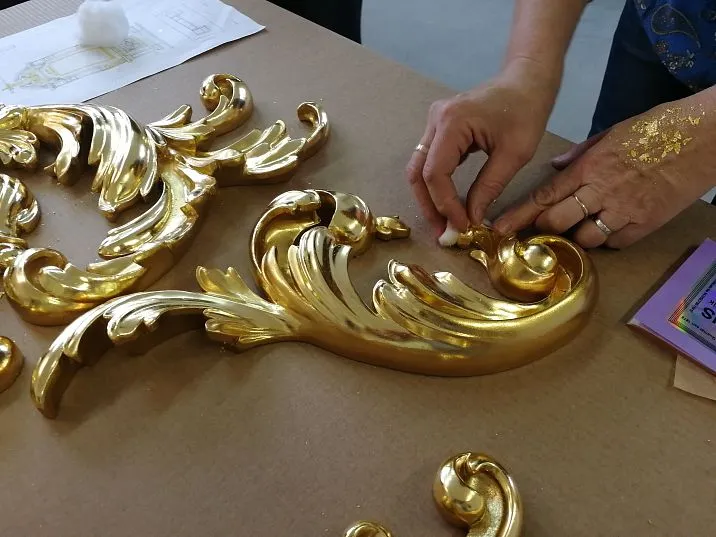
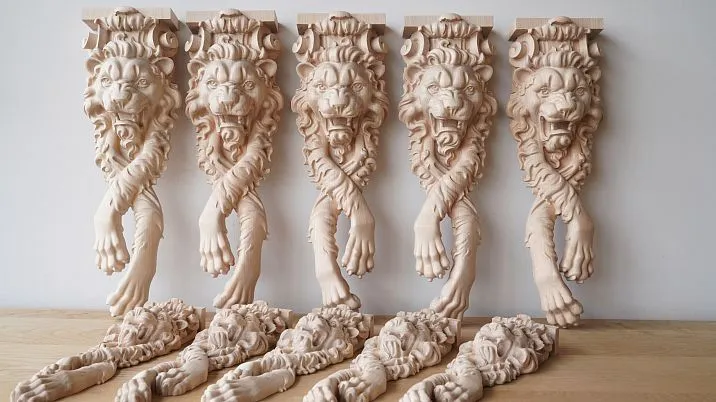
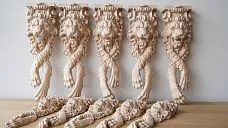
Decorative and applied arts of Moscow are a heritage that has been formed over centuries. Since the founding of the city, masters and artisans have created unique items that not only adorned space but also served as an important part of daily life. The history of decorative and applied arts of Moscow is the history of the development of crafts, creativity, and the search for harmony between utility and beauty.


Crafts of Ancient Rus: Origins of Traditions
The origins of decorative and applied arts of Moscow date back to Ancient Rus. Already in the 12th-13th centuries, when Moscow began to become an important cultural and trading center, crafts played a significant role in society's life. The main directions at that time were:
● Woodcarving: masters created ornaments for wooden houses, churches, and household items.
● Metalworking: decorative elements for weapons, ornaments, and church utensils were produced.
● Ceramics: tableware, tiles, and decorative elements adorned both peasant homes and the residences of the nobility.
During this period, patterns and ornaments created by masters had deep symbolism. They reflected Slavic beliefs and worldview: the sun symbolized life, geometric patterns – harmony, and plant motifs – connection with nature.
Baroque and Classicism Era: The Golden Age of Art
The 17th-18th centuries became the golden age of decorative and applied arts of Moscow. During this period, the city actively developed, and luxurious palaces, estates, and churches required exquisite decorations. It was precisely during this time that traditions emerged that continue to inspire modern masters.
- Wood Carving
○ Iconostases in Moscow churches were created using complex floral and geometric patterns.
○ Furniture for palaces was adorned with rich carvings, emphasizing the status of its owners.
○ Architectural elements such as cornices and moldings became an important part of interior decoration.
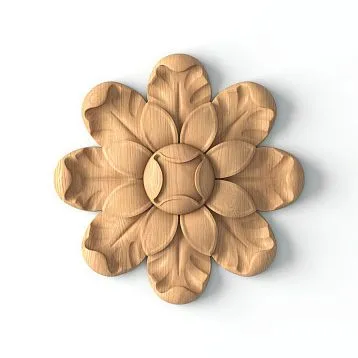
- The company STAVROS continues the traditions of this period, creating carved items from solid wood suitable for both classic and modern interiors. Explore the collection on the page Wooden Inlays.
- Ceramics and Porcelain
○ During this period, workshops emerged that produced porcelain tableware and decorative elements for interior decoration.
○ Mosaics and hand-painted tiles adorned churches and palaces.
- Textiles
○ Carpets, tapestries, and curtains with exquisite patterns became an indispensable part of Moscow interiors.
○ Patterns reflected the influence of European styles such as Baroque and Classicism, while preserving Russian motifs.
Soviet Era: New Ideals
In the 20th century, decorative and applied arts of Moscow began to reflect societal changes. Instead of luxury and refinement, emphasis was placed on utility and accessibility.
● Woodcarving adopted more rigid forms but retained its place in decorating furniture and interiors.
● Ceramics were actively used to create mosaics decorating public buildings and metro stations.
● Textile arts became accessible to mass consumers while preserving their artistic value.
Significance of Historical Roots Today
Modern decorative and applied arts of Moscow actively use the heritage of past eras. Historical motifs and techniques have become the foundation for creating new works that combine tradition with modern approaches.
- Preservation of Traditions
Artisans working with woodcarving, textiles, metal, and ceramics preserve techniques passed down from generation to generation. - Modern application
Traditional ornaments find application in modern interiors, enriching them with aesthetics and individuality.
STAVROS Company is a vivid example of how the traditions of decorative and applied arts can remain relevant today. The company’s products include carved appliqués, panels, and moldings that embody historical motifs in contemporary interiors. Learn more about the collection on the page Wooden Inlays.




Modern Decorative and Applied Arts of Moscow: Traditions and Innovations
In the 21st century, decorative and applied arts of Moscow continue to develop, combining historical heritage with modern technologies and design approaches. Today, Moscow artisans create unique pieces that find application both in classical and modern interiors. Modern decorative and applied arts of the capital actively adapt to changing tastes and societal needs, remaining popular among lovers of aesthetics.
Directions of modern decorative and applied arts
1. Woodcarving
Woodcarving remains one of the leading directions, where traditional craft techniques combine with modern design solutions. This art form remains relevant due to its versatility and ability to add warmth and elegance to interiors.
● Popular items:
○ Carved appliqués: used to decorate furniture, doors, window openings, and walls.
○ Moldings and cornices: help create accent lines in interiors.
○ Panels and rosettes: add texture and depth to ceiling and wall decoration.
STAVROS Company maintains leadership in creating carved wooden items, offering a wide selection of appliqués and panels that reflect a modern approach to traditions. Explore the collection on the page Wooden Inlays.
2. Ceramics
Moscow ceramicists actively use both traditional and modern methods of working with clay. Their products find application in interiors, decorating walls, floors, and furniture.
● Where ceramics is used:
○ Decorative tiles: decorate kitchen, bathroom, and fireplace zones.
○ Artistic tableware: hand-painted decoration makes each item unique.
○ Mosaics and panels: used to create accent elements.
3. Metal
Artistic forging and casting continue to be an important part of decorative and applied arts of Moscow. Modern masters create items that combine the strength of metal with its aesthetic expressiveness.
● Popular items:
○ Wrought iron railings and balustrades.
○ Lamps, furniture elements, and accessories.
○ Decorative panels with geometric or floral motifs.
4. Textile
Moscow textile workshops create exquisite fabrics that find their place in interiors and fashion. Traditional techniques such as hand embroidery and weaving are used to create modern items.
● Items:
○ Wall hangings and rugs for decoration.
○ Cushions and curtains with unique ornaments.
○ Upholstery that harmonizes with other interior elements.
Modern approaches in decorative and applied arts of Moscow
- Use of new technologies
Modern masters actively use innovations such as laser cutting, 3D printing, and digital painting. This allows creating items with high precision and complex patterns. - Ecological approach
Sustainability has become one of the main trends. Using natural materials such as wood, clay, and textiles helps preserve natural resources and create health-safe products. - Mixing Styles
Modern decorative and applied art in Moscow actively blends traditional motifs with minimalism, high-tech, and other styles. This allows creating items suitable for various interiors.
The Role of STAVROS in Contemporary Art
STAVROS is a striking example of combining traditions and innovations in decorative and applied art. Their products include:
● Carved appliqués and panels that decorate both classic and modern interiors.
● Moldings and cornices that emphasize the lines of space.
● Baseboards and decorative elements that complement architectural solutions.
Each item is crafted with attention to detail and using solid oak, beech, and other wood species. This makes STAVROS products durable, eco-friendly, and aesthetically expressive. Learn more on the page Wooden Inlays.
Our factory also produces:


Where to see decorative and applied art in Moscow?
Moscow is a cultural center where you can not only see samples of decorative and applied art but also learn about their history, visit workshops of contemporary masters, and even purchase unique items. The city offers numerous places that reflect the richness of craft traditions and innovations.
Museums of Decorative and Applied Art
- Museum of Decorative and Folk Art
One of the leading museums in Moscow, featuring numerous unique exhibits:
○ Carved wooden panels and appliqués from different eras.
○ Textile items such as rugs, tapestries, and embroidery.
○ Ceramic items, including tableware, tiles, and decorative sculptures.
○ Metal items created by masters of artistic forging.
- This museum is an excellent place to acquaint yourself with the traditions of Russian decorative and applied art.
- Tretyakov Gallery
In addition to famous paintings, the gallery contains a collection of icons and decorative elements that adorned Moscow churches and palaces. - VDNH
Thematic exhibitions dedicated to folk crafts and contemporary decorative art are held on the exhibition complex grounds. Here you can see:
○ Installations using wood carving.
○ Mosaics created by contemporary masters.
○ Textile samples with national motifs.
Galleries and Workshops
- Galleries of Contemporary Art
Many Moscow galleries organize exhibitions dedicated to contemporary decorative and applied art. Here you can see how traditional techniques adapt to new design solutions. - Workshops and Showrooms
Numerous workshops operate in Moscow, where you can witness the creation process of items such as carved appliqués, ceramics, or textiles. For example:
○ Wood carving workshops offer exclusive items for interior decoration.
○ Ceramic artists conduct master classes and demonstrate their works.
STAVROS company also offers clients the opportunity to view the collection of carved wooden items. Unique appliqués, moldings, and panels are ideal for decorating furniture, walls, and ceilings. View the assortment on the page Wooden Inlays.
Fairs and Markets
- Russian craft fairs
Annual fairs are held in Moscow, where artisans present their works:
○ Wooden carved items.
○ Ceramic elements and decorative tableware.
○ Unique textile items.
- International art and design exhibitions
On these exhibitions, you can see works that combine traditions with modern technologies. They include:
○ Wrought metal elements.
○ Decorative panels and mosaics.
○ Furniture with carved appliqués.
Stores and showrooms
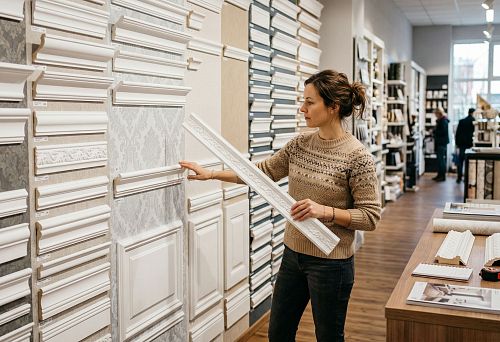
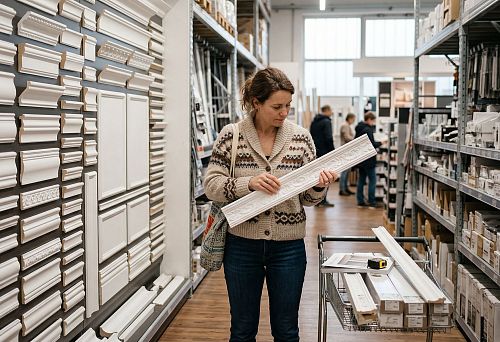
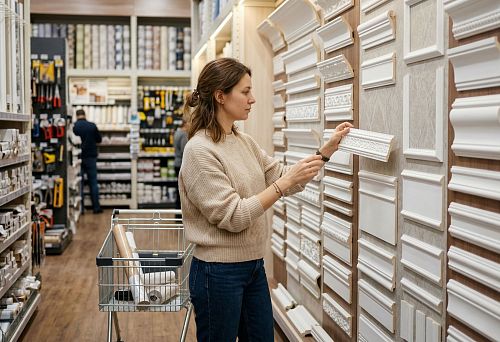
For those who wish to purchase decorative applied art items, Moscow offers numerous specialized stores and showrooms. Among them stand out companies that combine tradition with modern design, such as STAVROS. Their products include:
● Carved wooden appliqués for furniture and interiors.
● Mouldings and baseboards with elegant patterns.
● Panels and outlets that will become accent elements of your space.
Familiarize yourself with the STAVROS product range on the page Wooden Inlays and choose items that will highlight the style of your interior.
Get Consultation
Significance of Moscow's decorative applied art
Decorative applied art of Moscow is not merely objects created for decorating space. It represents a unique combination of aesthetics, culture, and craftsmanship, making it an essential part of the city's history, present, and future. The art of Moscow artisans has found application in architecture, interiors, everyday life, and national culture, occupying a special place in the hearts of those who value handcrafted work and creative approaches.
Cultural Heritage
- Preservation of Traditions
Decorative applied art of Moscow reflects centuries-old traditions of artisan craftsmanship passed down from generation to generation. The symbolism of patterns, methods of material processing, and hand techniques—all of this has been preserved thanks to the perseverance of artisans. - Historical Significance
Many decorative applied art items of Moscow have close ties to the city's history. Carved wooden elements, mosaics, textiles, and ceramics were used to decorate Moscow palaces, churches, and estates. - Reflection of Cultural Identity
Patterns, motifs, and forms characteristic of Moscow art convey the spirit of the region. They reflect values, ideals, and aspirations that have been formed over centuries.
Modern Functions
- Interior Aesthetics
Today, decorative applied arts are actively used in interior design. They give space individuality and a unique style, whether classic, minimalist, or eclectic design. - Functionality
Modern art of Moscow successfully combines aesthetics with practical application. Carved wooden appliqués from STAVROS or decorative ceramic tiles not only adorn space but also serve as utilitarian elements. - Inspiration for designers
Traditional motifs of Moscow decorative art serve as inspiration for modern designers, who adapt them to new tastes and technologies.
Influence on society
- Support for craftsmanship
The development of decorative applied arts helps preserve craft professions, supporting artisans who create unique handmade items. - Education and enlightenment
Museums, workshops, and exhibitions of decorative arts in Moscow contribute to popularizing traditions, engaging new generations in studying and preserving cultural heritage. - Ecological approach
The use of natural materials such as wood, textiles, and clay makes decorative applied arts part of eco-oriented production.
Role of STAVROS in preserving traditions
STAVROS is a bright example of how modern production can support the traditions of decorative applied arts. Their products:
● Preserve cultural heritage through the use of traditional wood carving techniques.
● Embodiment of modern ideas, combining aesthetics and functionality.
● Respond to contemporary demands, offering solutions for interiors of any style.
In the STAVROS collection, you will find:
● Carved appliqués for furniture, walls, and doors.
● Mouldings and skirting boards with unique patterns.
● Decorative panels and sockets suitable for modern and classic interiors.
Explore the assortment on the page Wooden Inlays and choose items that will help realize your design idea.
Conclusion
Decorative applied arts of Moscow are not just part of cultural heritage, but a living tradition that continues to inspire artisans, designers, and art lovers. It unites the past and the present, connecting centuries-old traditions with innovations to create unique items that adorn space and imbue it with meaning.
STAVROS supports this tradition, offering products that reflect craftsmanship and artistic expression. If you wish to add decorative art elements embodying the spirit of Moscow to your interior, pay attention to STAVROS products. Learn more about the collection on the page Wooden Inlays and be inspired to create a unique space.