Article Contents:
- From the hearth corner to the city apartment
- Color symphony of folk art
- Materials in which folk wisdom lives
- Wood — the foundation of foundations
- Ceramics — the soul of Russian soil
- Textiles — threads of folk memory
- Ornamental poetry of Russian folk art
- Language of symbols, understood by the heart
- Painting as painting on wood
- Embodiment of folk traditions in modern interior
- Embodiment of folk traditions in modern interior
- Kitchen — the heart of the Russian home
- Living room — a place for the soul and heart
- Bedroom — a secluded world of beauty
- Children's room — world of Russian fairy tales
- Where Ivan the Tsarevich and Vasilisa the Beautiful live
- Development through beauty
- Practical advice for creating a folk interior
- Where to start your journey to a Russian home
- Mistakes to avoid
- Care for folk crafts
- Seasonal decoration in folk style
- Spring motifs of awakening
- Summer abundance of colors
- Autumn generosity of harvest
- Winter fairy tale of frost patterns
- Regional characteristics of folk decor
- Northern restraint and strictness
- Central Russia — classic of folk style
- Southern regions — a riot of colors
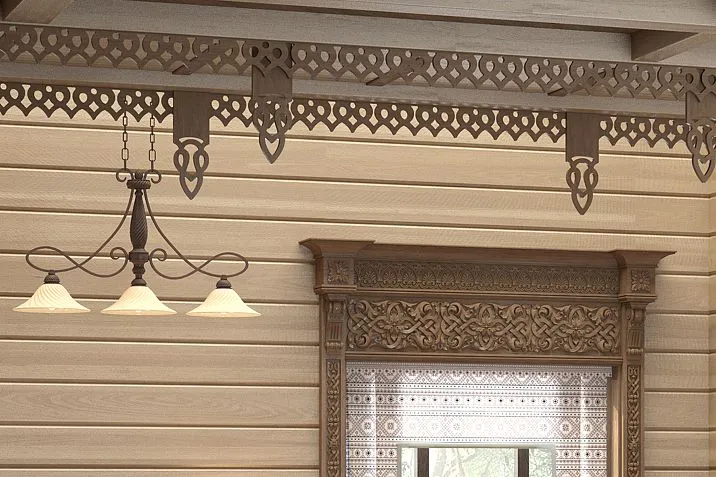
Is there anything more stirring than touching the roots of one's own culture? When we speak of decor in Russian folk styleBefore us unfolds a wonderful world, where each pattern tells a story, each color carries symbolic meaning, and each form reflects the centuries-old wisdom of the people. This is not merely a fashion trend for ethnic style — it is a return to the roots, to the authentic and genuine that makes our home not just a dwelling, but a place where the soul resides.
In the modern world of glass skyscrapers and plastic furniture, Russian folk decor becomes a breath of fresh air, an opportunity to feel connected to our ancestors and surround ourselves with items created with love and an understanding of beauty. Isn't this true luxury — to live among things that delight the eye and warm the heart?


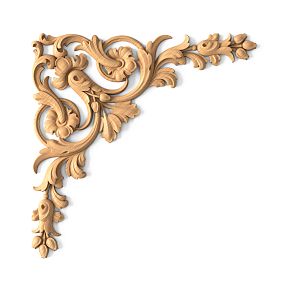
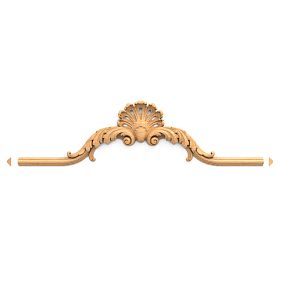
The magic of folk art in the modern home




From the hearth corner to the city apartment
Imagine: a rustic room in an old house, where every item was crafted by hand, where wood smelled of resin and sunshine, where painted tableware shimmered with all the colors of the rainbow. It is precisely from here, from the depths of centuries, that we receive an understanding of what true decor in Russian folk style.
Our ancestors did not know the concept of 'interior design,' yet they created such beauty that still astonishes us with its harmony. Every detail in a peasant house was not merely functional — it was imbued with meaning. Carved window casings protected against evil spirits, embroidered tablecloths attracted prosperity, painted tableware brought joy and created a festive mood.
Today we can bring this philosophy into our home, without turning it into a museum of antiquity. Modern folk decor is an art of finding a balance between authenticity and functionality, between traditions and the comfort of the 21st century.
The uniqueness of Russian folk art lies in its remarkable ability to transform while remaining recognizable. Whether it's Хохлома painting on modern furniture or Gzhel motifs on ceramic panels — everywhere we recognize that special poetry which makes our home truly Russian.
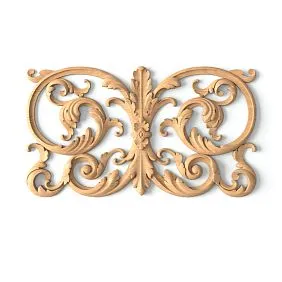
Our factory also produces:



The color symphony of folk art
How does a Russian folk song sound? Bright, resonant, with harmonies and half-tones. Similarly, the color palette of folk decor. There is no place for dullness or indifference — each shade lives its own life and tells its own story.
Red color in Russian folk art — this is not just paint, it is a symbol of life force, love, joy. From bright crimson to deep carmine, from coral-pink to rich burgundy — red color is everywhere: in painting, embroidery, fabrics. It warms the soul and creates a sense of celebration.
Blue color — this is the sky over Rus', this is violets fields and Gzhel glaze. It brings to the interior a sense of spaciousness, purity, spirituality. Combined with white, blue creates that unique palette which became the hallmark of Russian folk art.
Golden hues — from light yellow to rich ochre — these are the colors of the sun, ripe ears, honeyed summer. They add warmth and coziness to interiors, creating a sense of abundance and well-being.
Green tones in folk decor — these are the colors of nature, growth, renewal. From delicate salad green to deep emerald, green color enlivens interiors and creates a connection with the natural world.
Get Consultation
Materials in which folk wisdom lives
Wood — the foundation of foundations
What could be more Russian than the scent of pine boards or birch logs? Wood in Russian folk decor — is not just a material, it is a living substance that carries the energy of the forest, the strength of the earth, the warmth of human hands.
Pine, with its amber resin streaks and clear annual ring pattern, creates a sense of reliability and solidity. It is ideal for large decorative elements — beams, panels, solid furniture. Birch, with its delicate texture and warm tone, is perfect for making small decorative items, turned pieces, carved appliqués.
Oak — symbol of longevity and strength — is used where special durability and grandeur are needed. Lime, soft and pliable — ideal for delicate carving and elegant ornaments.
Modern wood processing technologies allow us to fully reveal its natural beauty. Special oils and waxes highlight the texture, brushing creates an aged effect, patination adds a noble patina of time.
Ceramics — the soul of Russian soil
Clay — this is the first material that humans learned to work with. In Russian folk art, ceramics occupies a special place, becoming the basis for creating not only utilitarian, but also highly artistic items.
Gzhel ceramics, with its unique blue-and-white painting, became a symbol of Russian decorative art. Every brushstroke here is a small work of art, every swirl — a poetic line. Modern Gzhel is not limited to traditional tableware — decorative panels, vases, tiles allow using this art form in various interior solutions.
Dymkovo toys, bright and cheerful, bring to the interior notes of childlike innocence and joy. These painted figurines can become wonderful decorative accents in a child's room or living room.
Tiles — decorative ceramic tiles — were traditionally used to clad stoves, but today they are found in various interior solutions. A kitchen backsplash clad with tiles, a wall panel in the living room, decorative inserts in the bathroom — everywhere these works of ceramic art create a unique atmosphere of the Russian home.
Textile — threads of folk memory
Linen, cotton, wool — these natural materials create a special tactile environment of the Russian folk interior. Each fiber here breathes, lives its own life, creating unique sensations of comfort and coziness.
Linen — the pride of Russian textile — possesses remarkable properties. In summer it cools, in winter it warms, and over the years it only becomes more beautiful. Linen fabrics with traditional patterns create an atmosphere of purity and freshness, so characteristic of the Russian home.
Cotton fabrics — lawn, poplin, satin — allow for creating bright, colorful compositions. Floral motifs, geometric patterns, plant ornaments on cotton fabrics bring cheerfulness and optimism into the interior.
Wool fabrics — from coarse homemade cloth to delicate Pavlovsk shawls — add solidity and warmth to the interior. They are ideal for creating cozy resting corners, for decorating bedrooms or living rooms in cold weather.
Ornamental poetry of Russian folk art
Language of symbols, understood by the heart
Russian folk ornament is an entire encyclopedia of folk wisdom, recorded not in words, but in lines, colors, and forms. Each swirl here has meaning, each flower tells a story, each bird carries a wish for happiness and prosperity.
Geometric ornaments — the oldest layer of folk creativity. Rhombuses symbolize sown fields, crosses — protection from evil forces, spirals — eternal movement of life. These simple, at first glance, figures create a powerful energetic field in the interior space.
Plant motifs reflect the deep connection of the Russian person with nature. Stylized trees with lush crowns, floral garlands, leaves and fruits — all this creates a feeling of eternal spring in the house. The motif of the "Tree of Life" holds a special place — symbol of fertility, growth, and connection of generations.
Zoomorphic images in Russian folk decor always carried a sacred meaning. A horse — symbol of the sun and fertility, a bird — souls and heavenly protection, a fish — abundance and life force. Incorporating these images into modern decor creates a rich symbolic undertone in the interior.
Painting as painting on wood
Khokhloma painting — this is real painting on wood, where a golden background creates a sense of preciousness and luxury. Red rowan berries, black grass swirls, green leaves — all this combines into amazing compositions full of life and movement.
Gorodets painting with its fairy-tale horses, lush roses, and everyday scenes brings an atmosphere of Russian fairy tales into the interior. Bright colors, clear outlines, expressive images make each painted item a true work of art.
Mезенская роспись с ее архаичными мотивами и сдержанной цветовой гаммой создает ощущение связи с древнейшими пластами народной культуры. Олени, кони, птицы, выполненные в красно-черной гамме на светлом фоне дерева, выглядят как символические письмена наших предков.
Embodiment of folk traditions in modern interior
Kitchen — the heart of the Russian home
The kitchen in a Russian home has always been more than just a place for preparing food — it was the center of family life, a place where important conversations took place and guests were received. folk decor can become a continuation of this beautiful tradition.
Wooden kitchen furniture facades with carved appliqués or painted inserts create an atmosphere of an old-fashioned stove room. A countertop made of natural wood or stone emphasizes the connection with natural materials. Open shelves filled with painted tableware make the kitchen not only functional but also beautiful.
A tile backsplash above the work surface can become a true work of art. Gzhel motifs, Khokhloma patterns, geometric ornaments — the choice depends on the overall interior concept and personal preferences.
Textile kitchen decoration in folk style includes linen napkins with embroidery, cotton tablecloths with floral motifs, curtains with traditional patterns. All these elements create a feeling of home coziness and hospitality.
Kitchen lighting should be warm and cozy. Wooden chandeliers with wrought iron elements, ceramic shades with painting, linen lampshades create soft, diffused light, so characteristic of the Russian home.
Living room — a place for the soul and heart
A living room in Russian folk style is a space where every guest feels welcome, where one can rest the soul and enjoy the beauty of surrounding objects. Here, it is especially important to find a balance between authenticity and modern comfort.
Soft furniture upholstered in natural fabrics with traditional patterns creates the foundation of the interior. A wooden coffee table with carved legs, a bookcase with painted shelves, a chest with decorative appliqués — all these items should be not museum exhibits, but living, used objects.
Walls in the living room can be decorated with panels featuring folk motifs, decorative plates with painting, embroidered pictures. It is important not to overload the space, but to create several bright accents that will attract attention and please the eye.
Rugs and runners with traditional patterns not only decorate the floor, but also create additional coziness. It is better to choose items with subdued, muted patterns that will not clash with other decor elements.
Bedroom — a secluded world of beauty
A bedroom in the style of Russian folk decor is an oasis of peace and beauty, a place where one can rest not only the body but also the soul. Here, natural materials and soft, muted tones are especially important.
A carved wooden bed becomes the central element of the interior. Linen bedding with embroidery or lace inserts creates an atmosphere of purity and freshness. A blanket with traditional motifs adds color and warmth.
Wooden wardrobes and chests with decorative appliqués are not only functional but also beautiful. A mirror in a carved wooden frame, a vanity with painted drawers — these items transform the bedroom into a true feminine boudoir.
Window treatments should be gentle and airy. Linen or cotton curtains with subtle embroidery, lace drapes create soft, diffused lighting and a sense of security.
Children's room — a world of Russian fairy tales
Where Ivan the Tsarevich and Vasilisa the Beautiful live
A children's room decorated in the spirit of Russian folk art is a wonderful world where fairy tales come alive, where every item can tell a magical story. Here decor in Russian folk style it unfolds in all its glory, creating a developmental and inspiring environment for the child.
Wooden furniture is safe and eco-friendly. A bed shaped like a Russian cottage, a wardrobe with painted doors, a table and chairs with folk motifs — all of this creates a fairy-tale atmosphere. It is important to choose furniture without sharp corners and with quality surface finishing.
Folk-style toys are not only beautiful but also develop a child's taste. Wooden horses, painted Matryoshkas, clay whistles introduce a child to the traditions of their native culture. Dyakovo toys, especially loved by children, are distinguished by their bright colors.
Textile decoration of a child's room can be more vibrant and cheerful. Blankets with images of fairy tale characters, curtains with folk motifs, geometric-patterned rugs create a joyful, festive atmosphere.
The walls of a child's room can be decorated with folk-style paintings. Fairy tale birds, flowering trees, playful animals — all of this develops the child's imagination and creates a unique atmosphere of Russian fairy tales.
Development through beauty
Surrounding a child with items of folk art is not only beautiful — it is also educationally valuable. Children raised among works of folk art better understand their native culture, develop an artistic taste, and learn to appreciate handcrafted work.
Joint creation of decorative elements can become a wonderful family activity. Painting wooden blanks, embroidering napkins, clay modeling — all of this not only develops creative abilities but also strengthens family bonds.
Practical tips for creating a folk interior
Where to start the journey to a Russian home
Creating an interior in the spirit of Russian folk art is a creative and engaging process, but it requires certain knowledge and preparation. Where should one begin this wonderful journey of transforming an ordinary dwelling into a true Russian home?
The first step — defining the concept. Will it be a stylization of a peasant hut, an elegant estate, or a modern interpretation of folk motifs? This choice determines all further planning.
The second step — studying traditions. Browse folk art albums, visit museums, study the characteristics of various crafts. This will help avoid mistakes and create a truly authentic interior.
The third step — planning the budget. Quality items from folk artisans are not cheap, but they last for decades and are passed down as heirlooms. It is better to buy a few truly good items than many cheap imitations.
The fourth step — seeking artisans and manufacturers. Contact trusted suppliers who value their reputation and guarantee the quality of their products.
Mistakes to avoid
One of the most common mistakes when creating an interior in a folk style is overloading it with decorative elements. Remember: better less, but better. A few quality items will create a stronger impression than many random trinkets.
Another mistake — mixing styles from different regions without understanding their characteristics. Of course, Хохлома and Гжель can coexist in one interior, but their combination requires refined taste and understanding of color and compositional rules.
Do not turn a modern dwelling into a museum — the interior should be alive and functional. All decorative items should not only please the eye but also serve practical purposes.
Care for folk crafts
Folk art items require special care. Wooden items need regular treatment with special compositions, protection from moisture and direct sunlight. Ceramics require careful handling and proper cleaning.
Textile items with embroidery are better washed by hand in cool water with mild detergents. They should be stored in cotton bags that protect them from dust and moths.
Hand-painted items cannot be washed with abrasive cleaners — this may damage the painting. It is better to use a soft, damp cloth and special care products for artistic items.
Seasonal decoration in folk style
Spring motifs of awakening
Spring in a Russian home is a time of renewal, when the interior is filled with fresh colors and scents. Green tones become dominant, floral motifs appear, and light fabrics replace heavy winter draperies.
Spring decor may include willow branches in painted vases, first field flowers, and light linen curtains replacing heavy winter drapes. On the table, you can place ceramic items depicting spring birds and plants.
Textile decoration also shifts toward lighter materials. Winter wool blankets give way to floral cotton covers, heavy drapes to airy curtains.
Summer abundance of colors
Summer is the time of maximum flourishing of folk decor. Bright colors, abundance of flowers, and light fabrics create an atmosphere of celebration and joy. This is the time when you can use the boldest color combinations and decorative elements.
Summer tables are adorned with painted plates depicting berries and fruits, bright tablecloths with floral motifs, clay jugs with field flowers. In the interior, light screens with paintings and decorative panels with summer landscapes appear.
Special attention is given to the decoration of verandas or summer kitchens. Here, you can use brighter and more contrasting combinations, creating an atmosphere of folk festivities and celebration.
Autumn generosity of harvest
Autumn in a Russian home is a time of gratitude for the harvest, a time of summarizing and preparing for winter. In decor, golden and ochre tones appear, along with motifs of ripe fruits and ears of grain.
Autumn decor includes compositions of dried flowers and grasses in painted vases, pumpkins and apples on wooden plates, bundles of onions and garlic hanging from the ceiling. On windows, curtains with images of autumn leaves and fruits appear.
Textiles become warmer and cozier. Wool blankets with traditional patterns, cushions with embroidery in autumn tones create a feeling of warmth and comfort before the approaching winter.
Winter fairy tale of frost patterns
Winter in a Russian home is a time of special coziness and warmth. The interior is filled with warm tones — red, golden, brown. Heavy fabrics appear, creating a sense of protection from frost.
Winter decor may include compositions of spruce branches in painted vases, candles in wooden candlesticks, wool blankets with folk motifs. On walls, panels with images of winter landscapes and fairy tale characters appear.
Special attention is given to New Year and Christmas decoration in folk style. Wooden Christmas ornaments, painted balls, linen angels create a unique atmosphere of a Russian holiday.
Regional characteristics of folk decor
Northern restraint and strictness
Russian North gave the world a special type of folk art, characterized by restrained color palettes and strict forms. Here, calm tones — white, gray, brown, muted red — dominate. Ornaments are more geometric and less ornate than in southern regions.
Northern style in interior design creates an atmosphere of calmness and contemplation. Simple furniture forms, subdued colors, natural materials — all this promotes relaxation and rest. This style is especially suitable for bedrooms or offices.
Decorative elements of northern style include carved items from light wood, linen fabrics in natural color with subtle embroidery, ceramics of simple forms. All this creates a sense of purity and clarity.
Central Russia — classic folk style
Central regions of Russia gave the world the most famous works of folk art — Khokhloma, Gzhel, Zhostov trays. Here, the classic Russian folk style with its distinctive features developed.
Bright colors, lush floral ornaments, rich painting — all this creates a festive, festive atmosphere. Interior in Central Russian style suits living rooms, dining rooms, children's rooms.
A feature of this style is the ability to combine different types of decorative art in a single composition. Khokhloma painting may coexist with Gzhel ceramics, Zhostov trays — with Palekh boxes.
Southern regions — explosion of colors
Southern regions of Russia were distinguished by a special love for bright, saturated colors. Here, red, blue, and yellow tones dominated, creating a joyful, festive atmosphere. Ornaments were larger and more expressive.
Southern style in interior design creates a feeling of joy and optimism. Bright carpets, colorful fabrics, painted furniture — all this makes the home festive and celebratory. This style is especially suitable for kitchens, children's rooms, verandas.
Characteristic elements of southern style are bright ceramic items, embroidery with gold and silver threads, fabrics with large floral ornamentation. All of this creates a sense of abundance and generosity.
in creating a harmonious interior in the spirit of Russian folk decor It is important to understand that this is not just a fashion trend, but a return to roots, to the authentic and genuine that makes our home a place of power and inspiration. Each element of folk art carries centuries of wisdom, beauty, and spirituality of our ancestors.
Modern masters and producers, such as the company STAVROS, carefully preserve folk art traditions, adapting them to the requirements of modern life. High-quality materials, strict adherence to traditional techniques, attention to detail — all of this allows creating items that not only decorate interiors but also convey the richness of Russian culture to future generations. Choosing STAVROS products means choosing not just decorative elements, but a piece of Russian soul, embodied in beautiful forms and quality materials.