Article Contents:
- Psychology of wall decor: why it matters
- Influence of textures on perception
- Material base of modern wall decor
- Polyurethane overlays: technological perfection
- Gypsum elements: homage to tradition
- Wooden elements: living warmth of nature
- Classification of wall decor by functionality
- Structural elements: foundation of composition
- Accent overlays: focal points
- Functional elements: beauty and practicality
- Stylistic directions in wall decor
- Neoclassicism: eternal elegance
- Art Deco: Geometric Luxury
- Minimalism: beauty of simplicity
- Loft: industrial aesthetics
- Regional characteristics of the wall decor market
- Moscow market: center of innovation
- Saint Petersburg: traditions and modernity
- Regional centers: growing potential
- Production technologies: from craft to industry
- Traditional casting: time-tested technology
- 3D printing: technologies of the future
- CNC milling: precision and speed
- Innovative materials in wall decor
- Composite materials: the best from different worlds
- Nanomaterials: functional beauty
- Biomaterials: ecology of the future
- Installation of wall decor: art of mounting
- Preparation work: foundation of quality
- Adhesive connections: chemistry of reliability
- Mechanical fasteners: reliability and durability
- Maintenance and Care: Extending Service Life
- Regular Cleaning: Prevention is Better than Cure
- Restoration: Returning to Original Beauty
- Design Trends: What's in Style Today
- Maximalism: The Return of Luxury
- Biophilic Design: Harmony with Nature
- Technological Design: Function Defines Form
- Economic aspects: investments in beauty
- Cost and Value: Different Concepts
- Project Budgeting: Planning Without Surprises
- Saving Without Compromising Quality
- Frequently Asked Questions
- Conclusion
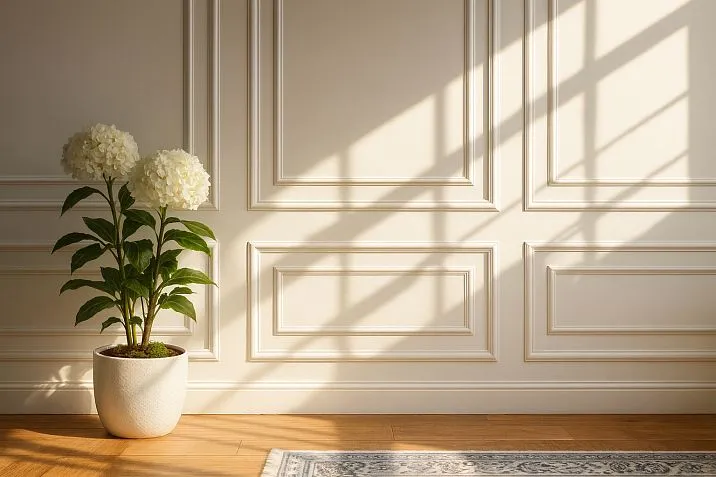
Walls are the canvas on which the story of your home unfolds. But how to turn ordinary surfaces into works of art? The modern market offers many solutions, yet finding quality materials is no easy task. where to buy wall decor Without compromising on quality and style? This question occupies the minds of thousands of people striving to create a unique interior.
The days when wall decoration was limited to wallpapering or painting are long gone. Today, wall decoration is an entire industry combining traditional craftsmanship with cutting-edge technology. From classic moldings to futuristic 3D panels — the choice is breathtaking. But how to avoid getting lost in this variety and find exactly what will turn your home into a place of power and inspiration?


Psychology of Wall Decoration: Why It Matters
Did you know that people spend about 90% of their lives indoors? At the same time, walls occupy the majority of visible space. It’s no wonder that their decoration has a tremendous impact on our psychological and emotional state, productivity, and even health.
Neuropsychologists claim: properly decorated walls can reduce stress levels by 25%, boost creativity by 40%, and improve overall well-being. The secret lies in the harmonious combination of shapes, textures, colors, and rhythms that make up decorative elements.
But where to find such "magical" materials? The answer lies in understanding that quality decoration is not just beauty — it’s the science of creating a harmonious space.




Influence of Texture on Perception
Relief surfaces create a play of light and shadow, adding depth and dynamism to space. Smooth elements calm and organize, while rough ones stimulate tactile sensations and add coziness. Combining different textures is an art requiring understanding of their psychological impact.
Our factory also produces:
Material Base of Modern Wall Decoration
Get Consultation
Polyurethane Appliqués: Technological Perfection
Polyurethane has brought a true revolution to the world of decorative finishes. This material combines the beauty of classic forms with the advantages of the 21st century. Lightness, strength, water resistance, ease of installation — just a brief list of the merits of modern polyurethane products.
Imagine: an element indistinguishable from handcrafted work of an 18th-century artisan, yet not afraid of moisture, temperature fluctuations, or mechanical impacts. Polyurethane appliqués open up boundless creative possibilities in any room — from humid bathrooms to sunny terraces.
Gypsum Elements: A Homage to Tradition
Gypsum — a material with a thousand-year history, still relevant today. Its ability to capture the finest details makes gypsum decoration indispensable for creating truly classic interiors. Each gypsum element is unique, like a fingerprint.
However, gypsum requires special care: professional installation, specific maintenance, and protection from moisture. This material is for true connoisseurs willing to invest in lasting beauty.
Wooden Elements: The Living Warmth of Nature
Wood remains one of the most popular materials for wall decoration. Its natural warmth, unique texture, and ability to "breathe" create a special atmosphere of coziness and harmony. Where to Buy Decorative Planks Walls made of quality wood — a question that concerns fans of eco-style and Scandinavian minimalism.
Modern wooden elements undergo special treatment, enhancing their durability and resistance to external influences. New drying and impregnation technologies allow using wooden decor even in rooms with variable humidity.
Wall Decoration Classification by Functionality
Structural Elements: The Basis of Composition
Moldings, strips, profiles — these are the foundation of any decorative composition. They create a frame, establish rhythm, and define proportions. Where to Buy Moldings for Wall Decoration high quality — the key question for creating a harmonious interior.
Modern moldings are produced in hundreds of different profiles — from minimalist geometric forms to richly decorated classical elements. Each profile has its purpose and creates a specific visual effect.
Accent Appliqués: Focal Points
Rosettes, medallions, cartouches, botanical ornaments — these are the soloists in the orchestra of wall decoration. They attract attention, create focal points, tell stories. High-quality appliqués can turn an ordinary wall into a work of art.
When selecting accent elements, it is important to maintain a sense of proportion. One striking accent can transform the entire room, but an excess of details creates visual chaos.
Functional Elements: Beauty and Practicality
Modern decoration is not limited to purely aesthetic functions. Many elements combine beauty with practicality: they conceal utilities, improve acoustics, and create additional storage space.
For example, decorative panels can integrate lighting systems, creating an eye-catching backlight. Relief surfaces improve the acoustic properties of a room, absorbing excess sound.
Stylistic Directions in Wall Decoration
Neoclassicism: Eternal Elegance
The neoclassical style is experiencing a new wave of popularity. Its defining features — symmetry, proportionality, noble restraint — are more relevant than ever. However, modern neoclassicism is more minimalist and functional than its historical prototype.
Key elements of neoclassical wall decoration: fluted pilasters, rosettes with laurel wreaths, geometric ornaments, strict moldings. The color palette leans toward neutral tones with accents of gold or silver.
Art Deco: geometric luxury
The art deco style, born in the 1920s, is experiencing a renaissance today. Its defining features — geometric ornaments, contrasting combinations, luxurious materials — are perfectly suited for creating striking interiors.
Wall decoration in the art deco style is characterized by clear lines, symmetrical compositions, and the use of metallic accents. Zigzag ornaments, stylized botanical motifs, sun rays — these are characteristic elements of this direction.
Minimalism: the beauty of simplicity
Minimalist decoration requires special skill — each element must be perfectly selected and placed. There is no room for chance; every detail carries semantic weight.
Wall decoration in minimalist interiors is characterized by clean lines, minimalist forms, and a neutral color palette. One high-quality element can transform the entire wall, creating an elegant accent.
Loft: industrial aesthetics
The loft style brought the aesthetics of industrial spaces into interior design. Rough textures, metallic elements, exposed utilities — all of this creates a unique atmosphere of freedom and creativity.
Wall decoration in the loft style often imitates industrial elements: pipes, beams, rivets. Metallic appliqués, rust imitation, rough textures — these are characteristic features of this direction.
Regional Characteristics of the Wall Decoration Market
Moscow Market: Center of Innovation
Moscow, as the capital of Russia, concentrates the best examples of wall decoration. Here you can find both leading global brands and innovative domestic manufacturers. Decor where to buy in Moscow — this question has many answers thanks to the developed infrastructure of the capital.
Moscow design centers offer a full range of services: from consultations to design and installation. High competition stimulates continuous improvement in product quality and service.
Saint Petersburg: Tradition and Modernity
The northern capital is renowned for its architectural traditions. This is reflected in the wall decoration market — here classical solutions are especially popular, with precise replicas of historical samples.
Saint Petersburg manufacturers specialize in recreating decorative elements from the 18th-19th centuries, using modern technologies to enhance their durability and practicality.
Regional Centers: Growing Potential
Regional markets for wall decor are actively developing. Local manufacturers often offer more attractive prices, specializing in certain types of products.
The development of logistics networks makes quality decor accessible to residents of any region. Online trade erases geographical boundaries, providing equal opportunities to all buyers.
Production technologies: from craft to industry
Traditional casting: a time-tested technology
Casting into molds remains the primary method of producing decorative elements. Modern silicone molds allow achieving incredible detail, reproducing the tiniest nuances of the original.
The casting process requires high skill from artisans. Proper mixing of components, temperature control, timely removal from the mold — each stage affects the quality of the finished product.
3D printing: technologies of the future
Additive technologies open new horizons in the production of wall decor. 3D printing allows creating elements of any complexity, inaccessible through traditional manufacturing methods.
Personalization is now accessible — each customer can receive unique decor, specially created for their interior. Production times are reduced by orders of magnitude, and reproduction accuracy reaches the micrometer level.
CNC milling: precision and speed
CNC machines allow creating wooden and polymer decorative elements with jewel-like precision. Computer control eliminates human factors, ensuring identical elements across the entire series.
CNC technologies are especially in demand in producing moldings, strips, profiles — elements requiring high dimensional and profile accuracy.
Innovative materials in wall decor
Composite materials: the best from different worlds
Modern composites combine the advantages of various materials. Polymer-mineral composites possess the strength of stone and the ease of processing of plastic. Wood-polymer composites retain the beauty of wood but surpass it in durability.
Composite materials open new possibilities for designers. They allow creating elements impossible with traditional materials.
Nanomaterials: functional beauty
Nanotechnologies are penetrating the field of decorative finishes. Nanostructured coatings possess self-cleaning properties, antibacterial effects, and the ability to change color under the influence of light or temperature.
Imagine a decorative element that cleans itself from dust, kills bacteria, or changes color depending on the time of day. This is not science fiction — such materials already exist and are gradually entering widespread use.
Biomaterials: ecology of the future
Environmental requirements stimulate the development of biodegradable materials for decor. Mycelium, modified cellulose, bioplastics — these materials are not only safe for the environment but also possess unique aesthetic properties.
Biomaterials often have a living, organic structure, creating a special atmosphere of harmony with nature.
Installation of wall decor: the art of mounting
Preparation work: the foundation of quality
Quality installation begins with careful surface preparation. Walls must be perfectly flat — any irregularities will be noticeable after installing decor. Priming improves adhesion and prevents stains.
Marking is a critically important stage. Using laser levels and special templates ensures precise installation. Even the slightest error in marking can ruin the entire composition.
Adhesive connections: chemistry of reliability
Modern adhesives for decorative elements provide bond strength exceeding the strength of the materials themselves. Polyurethane, epoxy, and cyanoacrylate adhesives — each type has its specific application.
The correct choice of adhesive depends on the decor material, type of substrate, and operating conditions. Professional installers know the nuances of applying each type of adhesive.
Mechanical fasteners: reliability and longevity
For heavy decorative elements, adhesive bonding may be insufficient. In such cases, a combined installation — adhesive plus mechanical fasteners — is used. Hidden fasteners preserve the aesthetic of the decorative element.
The choice of fasteners depends on the wall material and the weight of the decorative element. For aerated concrete, special anchors are needed; for brick, others; for gypsum board, yet others.
Maintenance and Care: Extending Service Life
Regular Cleaning: Prevention is Better Than Cure
Different materials require different care methods. Polyurethane elements can be cleaned with regular cleaning agents; gypsum elements require gentle dry cleaning. Wooden elements require periodic treatment with protective compounds.
Regular maintenance can extend the lifespan of decor by many times. Accumulated dust not only damages the appearance but can also cause damage.
Restoration: returning original beauty
Modern restoration materials allow restoring even severely damaged decorative elements. Special putties, paints, and varnishes restore the decor to its original appearance.
Preventive restoration — replacing individual damaged elements — is cheaper than full decor replacement. The modular system of many modern collections allows easily replacing individual fragments.
Design trends: what is current today
Maximalism: return of luxury
After many years of minimalism's dominance in design, there is a return to more saturated, rich interiors. Maximalism does not mean lack of taste — it is a thoughtfully curated abundance, where each element has its place.
Wall decor in maximalist interiors is characterized by rich details, complex compositions, bold color solutions. where to buy furniture decor and walls in a unified style — an actual question for fans of this direction.
Biophilic design: unity with nature
Biophilic design is based on the human desire to unite with nature. In wall decor, this is expressed through the use of natural forms, textures, colors. Botanical ornaments, imitation of natural materials, organic shapes — are characteristic features of this direction.
Scientific research confirms the beneficial effect of biophilic design on human mental and physical health. This makes it especially relevant for residential interiors.
Technological design: function determines form
The development of technology affects not only the methods of producing decor, but also its aesthetics. Technological design celebrates the beauty of functionality, precision, and perfection.
Wall decor in a technological style is characterized by clear lines, geometric forms, use of modern materials. Integration with "smart home" systems makes such decor not only beautiful but also functional.
Economic aspects: Investment in beauty
Cost and value: different concepts
The price of decorative elements may vary significantly depending on the material, manufacturing complexity, and brand. However, a low price does not always mean value — cheap decor may require replacement within a few years.
Quality decor is a long-term investment. It not only serves for decades, but also increases property value. A well-designed interior can increase apartment price by 15-20%.
Project budgeting: planning without surprises
Budget planning for decoration should consider not only material costs, but also installation expenses, additional materials, and possible revisions. Experienced designers recommend setting aside a reserve of 20-30% of the main sum.
Phased project implementation allows evenly distribute expenses over time. Starting with basic elements, one can gradually add details, creating a finished look.
Saving without compromising quality
There are many ways to save on decor without compromising quality. Buying directly from the manufacturer, bulk purchases, using leftover materials from large projects — all of these can reduce expenses.
Combining expensive accent elements with more affordable base elements can create the impression of a luxurious interior within a reasonable budget.
Frequently asked questions
How to calculate the required quantity of decorative elements?
Calculating the amount of decor depends on the chosen placement scheme and room size. For accurate calculation, it is better to create a scaled plan or use specialized programs. Experienced sales staff can assist with calculations based on photos of the room and placement sketches.
Can one type of decor be used in different rooms?
Using a single decor style in all rooms creates interior cohesion. However, it is important to consider the functional characteristics of each room. For example, moisture-resistant materials are better suited for bathrooms.
How to combine modern technologies with classic decor?
Modern materials allow recreating any historical styles with improved performance characteristics. Polyurethane elements can accurately imitate 18th-century plasterwork, yet they are not afraid of moisture and require no complex maintenance.
What decor is suitable for small rooms?
In small rooms, it is important to maintain a sense of proportion. It is better to use elements in light tones with shallow relief. Vertical elements visually raise the ceiling, while horizontal ones expand the space.
Can decor made from different materials be combined?
Combining different materials can create interesting visual effects. It is important to maintain a general stylistic concept and consider the compatibility of materials based on their performance characteristics.
How often should you update the decor?
Quality decor can serve for decades without losing its appearance. Updates are usually not due to wear but to a desire to change the interior style. Modular systems allow easy modification of the composition without full replacement.
Does decor affect the microclimate of a room?
Relief surfaces increase the wall area, which may affect air humidity. Some materials (e.g., plaster) can regulate humidity by absorbing and releasing moisture. This is especially important in bedrooms and children’s rooms.
Can decorative elements be installed by oneself?
Simple elements (moldings, small inserts) can be installed by oneself if one has basic skills and tools. Complex compositions are better entrusted to professionals — installation errors may damage expensive materials.
Conclusion
Wall decor is not just interior decoration — it is a powerful tool for creating an atmosphere that affects our mood, well-being, and quality of life. Properly selected and professionally installed decorative elements can transform an ordinary home into a dream space.
The modern market offers limitless opportunities for creativity — from traditional materials to innovative developments, from classic forms to avant-garde solutions — the choice is limited only by imagination and budget. However, the key to a successful project lies not only in the beauty of materials, but also in their quality, functionality, and durability.
When choosing a supplier of decorative elements, it is important to pay attention not only to the assortment and prices, but also to the company’s reputation, quality of service, and professionalism of consultants. where to buy decor highest quality with a warranty of durability and professional support — this question has a clear answer for those who value perfection.
The STAVROS company represents a unique combination of long-standing experience, advanced technologies, and deep understanding of modern consumer needs. In-house full-cycle production, strict quality control at every stage, extensive product range, and individual approach to each project — these principles make STAVROS a reliable partner in creating dream interiors.
Investing in quality wall decor today creates a foundation for comfortable and beautiful living for many years to come. Let the walls of your home become a canvas for realizing the boldest design ideas and a daily source of inspiration.