Article Contents:
- Revolution in Perception: What Has Changed in the World of Facade Design
- Psychology of Relief Surfaces
- Popularity Statistics
- Technological Revolution: Modern Methods of Creating Facade Decoration
- CNC Milling — Precision Serving Beauty
- 3D Modeling: From Idea to Realization
- Laser Cutting: Jewel-like Precision in Details
- Material Science: Choosing the Foundation for a Masterpiece
- High-Density MDF — Universal Material
- Solid Wood — Classic of the Premium Segment
- Composite materials of new generation
- Stylistic diversity: from classic to avant-garde
- Neoclassicism: Revival of Traditions
- Modern: Natural Forms in Contemporary Interpretation
- Minimalism: The Power of Simplicity
- Ethnic motifs: cultural heritage in modern interpretation
- Functional Aspects: Beauty Serving Practicality
- Ergonomics of Relief Surfaces
- Push-to-Open Technology in Carved Facades
- Hidden Mounting System
- Color Solutions: Palette of Possibilities
- Technology of Painting Relief Surfaces
- Antique Effect: Noble Patina of Time
- Metallic Coatings: Luxury in Details
- Production Process: From Sketch to Finished Product
- Design Stage
- Production Preparation
- Quality Control
- Packaging and Logistics
- Installation and mounting: secrets of professionals
- Preparatory work
- Canopy and Hinge Systems
- Adjustment and setup
- Maintenance and Operation: Preserving Beauty for Years
- Daily Cleaning
- Preventive maintenance
- Damage Restoration
- Economic aspects: investment in quality of life
- Production Cost
- Comparison with alternatives
- Impact on property value
- Ecological aspects: Responsibility to nature
- Sustainable forestry
- Safe Coatings
- Waste Disposal
- Trends in development: looking into the future
- Integration of smart technologies
- Biomimetic Technologies
- Production Personalization
- New Materials
- Regional Features and Cultural Influences
- European Approach: Reserve and Functionality
- American Style: Practicality and Comfort
- Asian Traditions: Harmony and Symbolism
- Russian Specificity: Synthesis of Traditions
- Innovative Solutions: Technologies of Tomorrow
- Holographic Coatings
- Self-healing materials
- Antibacterial Surfaces
- Conclusion: Art That Transforms Space
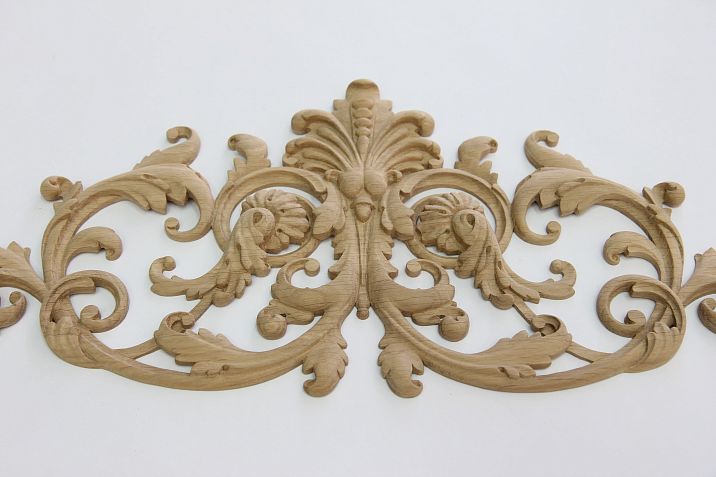
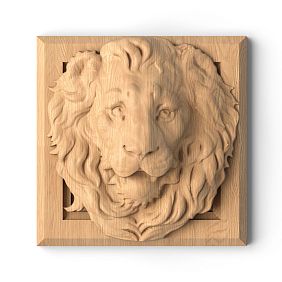
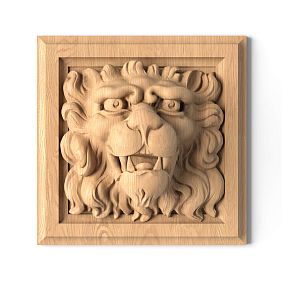
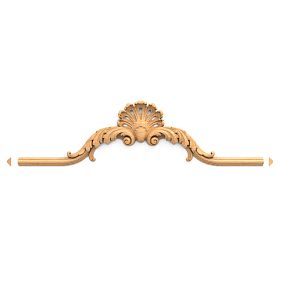
The era of plain, featureless surfaces is irrevocably passing into the past. Today carved facade decoration becomes the hallmark of stylish interiors, transforming ordinary furniture into applied art pieces. Each relief element tells a story about the owner’s taste, their understanding of beauty, and their pursuit of perfection.



Revolution in Perception: What Has Changed in the World of Facade Design
Recall kitchens from a decade ago — smooth, functional, but utterly emotionless. Today, designers and furniture manufacturers are radically rethinking approaches to facade design. Furniture facades with carving have become not just a trend, but a philosophy of creating space where every detail matters.




Psychology of Relief Surfaces
The human brain is structured such that smooth surfaces are perceived as dull and lifeless. Relief, however, creates a play of light and shadow, adds dynamism, and encourages the gaze to linger and examine details. Carved elements of facades activate tactile memory — even without touching the surface, we sense its texture.
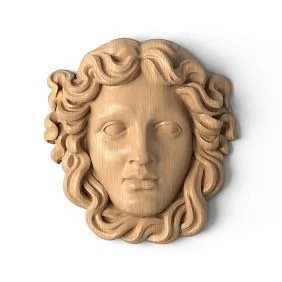
Our factory also produces:


Popularity Statistics
According to market research in furniture production, demand for facades with decorative finishes has increased by 340% over the past five years. This is not a coincidence — consumers are tired of minimalism and seek individuality.
Get Consultation
Technical Revolution: Modern Methods of Creating Facade Decoration
CNC milling — precision at the service of beauty
Modern CNC machines allow creating wooden facade decoration with jewel-like precision. CNC processing technology has opened up limitless possibilities for realizing the most daring design ideas.
Technical capabilities of modern equipment:
|
Parameter |
Characteristics |
Advantages |
|
Processing accuracy |
±0.05 mm |
Ideal geometry of parts |
|
Cutting depth |
Up to 25 mm |
Creation of deep relief |
|
Processing speed |
15–30 m/min |
High productivity |
|
Workpiece size |
Up to 3000×2000 mm |
Processing of large elements |
3D modeling: from idea to realization
The creation process begins with computer modeling. Designers create three-dimensional models of future products, calculate each ornament element, and optimize the structure for specific production tasks.
Laser cutting: jewel-like precision in details
For creating especially thin elements, laser cutting is used. This technology allows creating decorative facade elements with line thickness down to 0.1 mm, which is impossible with mechanical processing.
Material science: choosing the base for a masterpiece
High-density MDF — universal material
MDF boards with density of 800–900 kg/m³ have become the standard for producing carved facades. This material has an optimal combination of properties:
- Uniform structure — absence of voids and inclusions
- Dimensional stability — minimal deformation with humidity changes
- Excellent machinability — clean cut without chips
- Ecological safety — emission class E1
Solid wood — classic of the premium segment
For exclusive projects, solid wood of noble species is used. Carved inlays on facades made of oak, ash, or beech create an unparalleled atmosphere of luxury and prestige.
New-generation composite materials
The development of the chemical industry has provided furniture makers with materials possessing unique properties:
- Moisture-resistant MDF — for kitchen facades
- Fire-resistant boards — for commercial facilities
- Antibacterial surfaces — for medical facilities
Stylistic diversity: from classic to avant-garde
Neoclassicism: revival of traditions
Modern interpretation of classical motifs implies simplification of forms while preserving recognizable elements. Flutes, rosettes, and Ionic elements acquire a new sound in the context of modern interiors.
Characteristic elements of neoclassical decoration:
- Symmetrical compositions with a central axis
- Plant ornaments in stylized execution
- Geometric borders and frames
- Moderate relief depth (3–8 mm)
Modern: natural forms in a contemporary interpretation
The modern style in facade decoration is characterized by smooth, flowing lines imitating natural forms. Waves, branch curves, flower petals — all of this finds reflection in relief compositions.
Minimalism: the power of simplicity
Even in minimalist design, there is room for decoration. Simple geometric shapes, strict lines, contrasting textures create expressive compositions without excessive ornamentation.
Ethnic motifs: cultural heritage in a modern interpretation
Ornaments from various cultures are adapted to modern manufacturing technologies. Scandinavian runes, Eastern patterns, African motifs — the entire world becomes a source of inspiration for facade decoration creators.
Functional aspects: beauty serving practicality
Ergonomics of relief surfaces
carved facade decoration should not only please the eye but also be convenient to use. The depth of relief is calculated according to ergonomic requirements — elements should not interfere with door opening or create inconvenience during cleaning.
Push-to-Open technology in carved facades
Modern handle-free opening systems combine perfectly with relief surfaces. Specifically designed pressure zones are integrated into the overall decorative composition, remaining functional and inconspicuous.
Hidden mounting system
High-quality facade decoration is mounted without visible fastening elements. Special hidden mounting systems are used, ensuring reliable connections while preserving aesthetics.
Color solutions: palette of possibilities
Technology for painting relief surfaces
Painting facades with deep relief requires special technologies. A multi-stage coating application system is used:
- Priming — creation of an adhesive layer
- Base coating — main color of the product
- Patina — highlighting relief with contrasting shades
- Protective lacquer — finishing coating for durability
Antique effect: noble patina of time
Artificial aging allows creating the impression of antique furniture. The technology involves applying several layers of paint followed by partial treatment to simulate natural wear.
Metallic coatings: luxury in details
Imitation of metallic surfaces — gold, silver, bronze — adds luxury and solemnity to facades. Modern materials allow creating coatings indistinguishable from real metals.
Production process: from sketch to finished product
Design stage
Work begins with detailed design. Designers create sketches, taking into account the room's dimensions, interior style, and functional requirements. Each element is worked out down to the finest details.
Production Preparation
Based on approved sketches, CNC machine control programs are created. Tool movement trajectories, feed rates, and cutting depths are calculated for each decorative section.
Quality control
Each item undergoes multi-stage quality control:
- Incoming material inspection
- Operational control at each production stage
- Final acceptance of finished items
Packaging and logistics
Finished facades are wrapped in special protective film to prevent damage during transport. Shock-absorbing materials and rigid frames are used for large elements.
Installation and mounting: secrets of professionals
Preparation Work
Quality installation begins with furniture frame preparation. Surfaces must be flat, clean, and degreased. The structure's geometry and dimensions are checked against the project.
Hanging systems and hinges
For heavy carved facades, reinforced hanging systems are used. Hinge load may exceed standard values by 2-3 times due to increased mass of decorated panels.
Adjustment and setup
After installation, all movable elements are carefully adjusted. Gaps between panels should be uniform, and mechanisms should operate smoothly and silently.
Care and maintenance: preserving beauty for a long time
Daily cleaning
Relief surfaces require special care. Soft brushes and special cloths are used, which penetrate all decorative recesses without damaging the finish.
Preventive Maintenance
It is recommended to conduct preventive inspections of facades every half year. The condition of the finish, reliability of decorative element fastening, and operation of hardware are checked.
Damage restoration
Local finish damage can be repaired without replacing the entire facade. Modern repair compounds allow restoring both the original color and surface texture.
Economic aspects: investment in quality of life
Production cost
The price of carved facades consists of several components:
|
Cost component |
Share in price |
Influencing factors |
|
Materials |
35-40% |
Type and quality of base |
|
Finishing |
25-30% |
Decor complexity |
|
Coating |
15-20% |
Type and quantity of layers |
|
Hardware |
10-15% |
Class and brand |
Comparison with alternatives
The cost of quality carved facades is comparable to the price of solid wood furniture, but significantly exceeds the cost of smooth laminate surfaces. However, durability and aesthetic value offset initial expenses.
Impact on property value
Furniture with decorative facades increases apartment value by 8-12%. This is especially relevant for premium real estate, where every interior detail affects the overall impression.
Ecological aspects: responsibility toward nature
Sustainable Forestry
Producers of quality decor use wood from certified forests. The FSC certificate guarantees that forest resources were used responsibly, taking into account ecological and social factors.
Safe coatings
Modern lacquer and paint materials meet the strictest ecological standards. Water-based systems with minimal volatile organic compound content are used.
Waste disposal
Production waste does not end up in landfills. Sawdust and shavings are used to produce fuel pellets, and wood trimmings are used to manufacture small parts.
Trends in development: looking toward the future
Integration of smart technologies
The future of facade decoration is linked to the integration of electronic components. Hidden lighting, touch control panels, wireless charging — all of this will become part of furniture facades.
Biomimetic technologies
Studying natural forms provides new ideas for decoration. The structure of butterfly wings, beetle shells, and plant leaves inspire designers to create unique textures and ornaments.
Customized production
Advancements in technology enable the creation of unique items for each customer. 3D scanning, artificial intelligence, and robotic production make mass customization economically viable.
New materials
Research in materials science promises the emergence of fundamentally new bases for facade decoration. Nanocomposites, bioplastics, and smart materials with changing properties will open new horizons for designers.
Regional characteristics and cultural influences
European approach: restraint and functionality
European manufacturers adhere to principles of moderation in decoration. Lines are clean, ornaments are geometric, colors are calm. Priority is given to functionality and durability.
American style: practicality and comfort
The American approach to facade decoration is characterized by a focus on maximum comfort. Soft, streamlined shapes, practical finishes, and neutral colors are used.
Asian traditions: harmony and symbolism
Eastern design philosophy manifests in striving for harmony among all elements. Each decorative element has symbolic meaning, and compositions are built according to feng shui principles.
Russian specificity: synthesis of traditions
The Russian market absorbs the best global traditions, adapting them to local conditions and preferences. Both classic European motifs and ethnic Russian ornaments are popular.
Innovative solutions: technologies of tomorrow
Holographic coatings
Advancements in optical technologies allow creating coatings with holographic effects. The facade surface changes color and pattern depending on viewing angle and lighting.
Self-healing materials
Research in smart materials has led to the development of coatings capable of autonomously repairing minor scratches and damage under the influence of heat or light.
Antibacterial surfaces
Silver and copper nanoparticles embedded in the coating structure provide continuous antibacterial protection. This is especially relevant for kitchen facades and furniture in public spaces.
Conclusion: Art that transforms space
carved facade decoration Today, it is not just a way to decorate furniture — it is a philosophy of creating space where every detail matters. Modern technologies allow us to realize the boldest design concepts, creating pieces that become true works of art.
Choosing relief facades, we invest not only in the beauty of our home, but also in our own emotional well-being. Every day, touching beauty, we receive a charge of positive energy and inspiration for new achievements.
Quality facade decoration is a symbiosis of tradition and innovation, where time-honored techniques of masters combine with the possibilities of modern technologies. It is the opportunity to create a unique space that reflects the individuality of the owner and brings joy every day.
For more than fifty years, the STAVROS company has created works of wooden art, combining a deep understanding of traditions with the use of the most advanced technologies. Every STAVROS product is the result of meticulous work by masters and designers striving for perfection in every detail. Choosing STAVROS means choosing quality proven by time and beauty that never goes out of style.