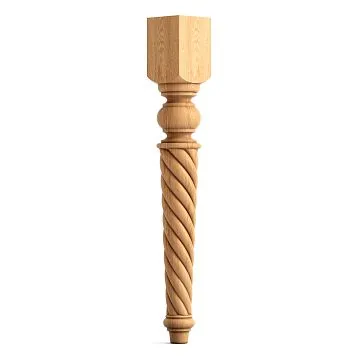
Article Contents:
- Polyurethane decor: a revolution in the world of finishing materials
- Unique properties of the material
- Types of polyurethane decor
- Advantages of use
- Wooden baseboards: eternal classic in modern interior design
- Types of wooden skirting boards
- Wood species
- Profiles and sizes
- Advantages of wooden skirting boards
- Harmonious combination: polyurethane and wood in a unified ensemble
- Principles of successful combination
- Stylistic solutions
- Technical aspects
- Practical advantages of the combination
- Economic feasibility
- Functional Capabilities
- Visual effects
- Maintenance and operation
- Maintenance of polyurethane decor
- Maintenance of wooden baseboards
- Prevention of Damage
- FAQ - Frequently Asked Questions
- Conclusion

Can high-tech modern materials and centuries-old traditions of natural wood be combined in one space to create an interior of exceptional beauty and functionality? The answer is obvious for those who understand the value of thoughtful material combination:polyurethane decorationon walls, ceiling and furniture in combination withwith wooden skirting boardscreates a unique balance between practicality and natural elegance. Polyurethane offers limitless possibilities for decoration - from exquisite moldings to relief appliqués - while being resistant to moisture, temperature fluctuations, and time. Natural wood at the base of walls brings that irreplaceable warmth, tactile quality, and sophistication that no synthetic material can replicate. How to properly combine these two elements so they do not compete but mutually enhance each other's qualities? What stylistic, color, and technical solutions ensure harmony? What should be considered when selecting and installing?


Polyurethane decor: a revolution in the world of finishing materials
The appearance of polyurethane in the interior decor industry has been a true revolution, providing designers and homeowners with a tool that combines the aesthetics of classical moldings with the practicality of modern technologies.polyurethane decorationrepresents decorative elements made from polyurethane foam by casting into molds, created from original plaster pieces or according to original sketches.




Unique properties of the material
Polyurethane's water resistance is absolute - the material does not absorb water even with prolonged contact, does not swell, does not deform, does not develop mold. This property makespolyurethane decoran ideal choice for rooms with high humidity - bathrooms, kitchens, pools, saunas, where traditional plaster decor quickly deteriorates. After installation in a bathroom, polyurethane appliqués and moldings retain their flawless appearance for decades, requiring no special care or restoration.
Temperature stability ensures preservation of shape and structure within a range from minus 60 to plus 80 degrees Celsius. Polyurethane elements do not crack in cold, do not soften in heat, do not deform under direct sunlight. Thanks to this,polyurethane decorationis used not only in interiors but also for facade decoration, where it is exposed to all climatic factors.
Mechanical strength at minimal weight - another critical advantage. Polyurethane density is 250-300 kg per cubic meter compared to 1200-1400 kg for plaster. This means that a polyurethane element is 4-5 times lighter than its plaster counterpart of the same dimensions. At the same time, polyurethane is elastic, resistant to impacts, does not crumble or flake. Its lightness simplifies transportation, reduces load on load-bearing structures, and makes installation accessible for one person without assistants.
The longevity of polyurethane decor is guaranteed by manufacturers for 30-50 years, but practice shows that quality items last significantly longer. The material is not susceptible to biological degradation - no mold, fungus, or bacteria develop on it. It does not attract pests. It does not fade under ultraviolet light with a special protective coating. It does not require periodic restoration or renewal.
Ecological safety is confirmed by international certificates. Modern polyurethane foam does not contain toxic components, does not emit harmful substances under normal operating conditions. The material is hypoallergenic, odorless, safe for children, pregnant women, and people with heightened sensitivity. This makespolyurethane decora preferred choice for residential spaces where air quality is critically important.
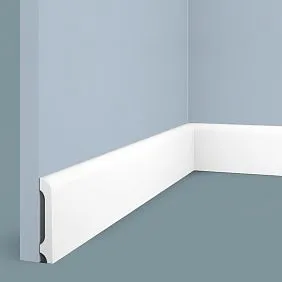
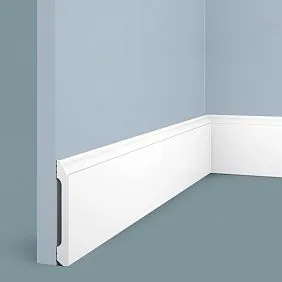
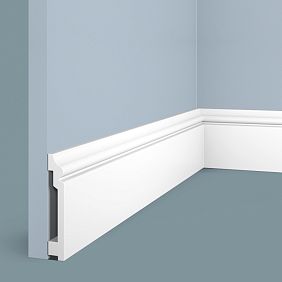
Our factory also produces:
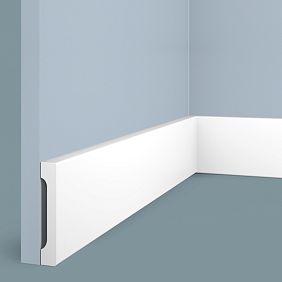
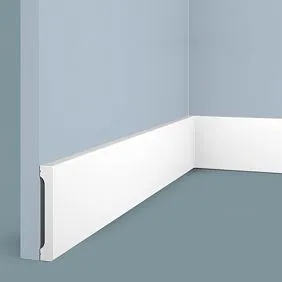
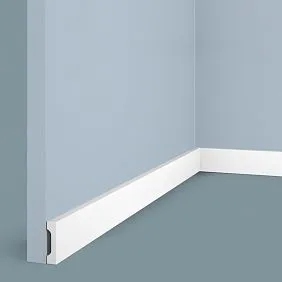
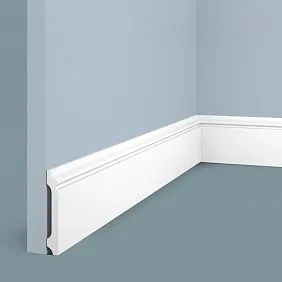

Types of polyurethane decor
Decorative inserts - elements designed to decorate flat surfaces. They can imitate wood carving, plant ornaments, geometric patterns, classical motifs. Sizes of inserts vary from miniature 5x5 cm for furniture decor to large 60x60 cm for wall compositions.polyurethane decorationInstalled as inserts on doors, furniture facades, wall panels, creating a three-dimensional relief and visual richness.
Moldings - long relief strips used for framing, zoning, creating decorative frames. Width of moldings ranges from thin 2-3 cm for delicate decor to massive 15-20 cm for monumental compositions. Moldings are used to create wall panels, frame door and window openings, divide walls into functional zones, and decorate furniture.
Ceiling rose - round or polygonal elements designed to frame chandeliers and lamps. Diameter of roses ranges from compact 30 cm for small rooms to impressive 150 cm for halls with high ceilings. Relief of roses can be simple concentric or complex with plant motifs, scrolls, ornaments.
Brackets and consoles - elements imitating load-bearing structures. Used for visual support of beams, shelves, cornices. Sizes of brackets range from decorative 15x15 cm to functional 40x40 cm capable of bearing real load. Stylistic variety - from strict classicism to baroque opulence.
Corner elements and ornaments are installed at intersections of moldings, at corners of frames, above door openings. They create accents, complete the composition, mask joints. Sizes of corner elements are chosen to match the width of moldings - usually 30-50% larger for harmonious perception.
Pilasters and half-columns form vertical divisions, creating classical architectural character. Height of pilasters reaches full room height 2.5-3 meters, width 8-30 cm depending on interior scale. Pilasters can be smooth or fluted, topped with capitals of various orders.
Get Consultation
Advantages of using
Ease of installation - key practical advantage.polyurethane decorFastened with special polyurethane adhesive, which ensures reliable connection to any substrates - concrete, brick, gypsum board, wood, plaster. No wet processes, long drying time, special skills required. Cutting of elements is done with standard metal hacksaw or jigsaw. Installation of a medium-sized room takes one to two days of work by one person.
Ability to paint opens up unlimited design perspectives. Polyurethane accepts any paints - acrylic, latex, water-based, oil-based. You can create classic white decor, paint elements to match wall color for monochromatic solutions, apply contrasting colors for modern interiors, use patina and gilding techniques to achieve an antique effect. Repainting is possible multiple times without damaging the surface.
Costpolyurethane decorPolyurethane decor costs 1.5-3 times less than gypsum analogs. Installation is 3-5 times cheaper due to simplicity and speed. Transportation costs are minimal due to lightweight nature. No operational expenses for repair, restoration, or replacement of elements. In total, polyurethane solution costs 2-4 times less than gypsum for equal or superior aesthetics.
Universality of application allows using polyurethane decor in any conditions. Dry and wet rooms, heated and unheated spaces, interiors and facades, residential and commercial objects. Material is equally suitable for new constructions, where rapid installation is required, and for restoration of historical buildings, where polyurethane recreates lost elements indistinguishable from originals.
Wooden baseboard: eternal classic in modern interior
If polyurethane is the embodiment of technological progress, then natural wood is a multi-century tradition, tested by time.wooden baseboardPerforms both functional and aesthetic tasks: covers the technological gap between wall and floor, protects lower part of wall from damage, hides utilities, completes interior composition, bringing natural warmth and elegance.
Types of wooden skirting boards
Solid wood baseboard - premium option, manufactured from a single piece of wood using milling. Raw materials include coniferous species - pine, spruce, larch, and hardwoods - oak, beech, ash, walnut.wooden baseboardSolid wood baseboards have unique texture - each plank is unique in grain pattern, arrangement of medullary rays, color transitions. This is a living material that breathes, regulates humidity, creates a healthy microclimate.
Sizes of solid wood baseboards are standardized by manufacturers. Height varies from compact 40-50 mm for minimalist interiors to impressive 100-150 mm for classical spaces with high ceilings. Thickness is usually 15-22 mm, providing sufficient strength without excessive bulk. Length of planks is 2-3 meters, allowing to minimize number of joints.
Veneered baseboard consists of a base made of inexpensive wood - usually pine or spruce - covered with a thin layer of veneer of valuable species 2-4 mm thick. Technology allows achieving the appearance of oak, beech, walnut baseboards at 1.5-2 times lower cost than solid wood. Veneer is glued under pressure, creating a strong bond. Visually, veneeredwooden baseboardis practically indistinguishable from solid wood, especially after final finishing with varnish or oil.
Glued baseboard is made from short wood segments 30-60 cm long, joined with micro-tenons. Joints are invisible even on unprocessed surfaces. Advantages of glued baseboard - complete absence of knots and defects, stable geometry due to cross-oriented fibers in adjacent segments, affordable price. Disadvantage - less natural appearance compared to solid wood.
Wood species
Pine - the most popular material, optimally combining price and quality. Color of pine is light yellow with a pinkish tint, texture expressive with clear annual rings and resin canals. Density of pine 450-500 kg/m³ ensures sufficient strength for baseboard. Resin content provides natural protection against moisture. Pinewooden baseboardis easy to process, well accepts stains, paints, varnishes, oils. Affordable price makes pine a choice for most projects.
Oak - standard of strength and durability among species for baseboards. Density of oak 700-850 kg/m³ guarantees that baseboard will last centuries without losing properties. Color of oak varies from light brown to dark chocolate depending on wood age and processing method. Texture is noble with characteristic medullary rays creating light play. Oak baseboards have natural antiseptic properties due to high tannin content. Cost of oak baseboard is 3-5 times higher than pine, but durability and aesthetics justify the cost.
Ash shows expressive contrasting texture with clearly defined stripes. Color is light brown with gray or olive notes. Density of ash 650-700 kg/m³, hardness higher than oak. Ash baseboards are exceptionally beautiful under transparent varnish, highlighting natural grain. This species is chosen when visual expressiveness of wood is important while maintaining strength.
Beech has light, almost white color with delicate pinkish tint. Texture is fine, uniform, without clearly defined annual rings. Density of beech 650-700 kg/m³ ensures high wear resistance. Beech baseboards are ideal for painting and tinting due to light uniform base. Any shade - from white to black - lays evenly without spots.
Larch - premium choice among coniferous species. Density 650-700 kg/m³ brings larch close to hardwoods. Color is reddish-brown, very decorative. High content of special resin makes larch exceptionally resistant to moisture - it does not rot even with constant contact with water.wooden baseboardMade from larch - optimal choice for rooms with high humidity, ground floors, and country homes.
Profiles and Sizes
Classic skirting board profile has a rounded top and flat or slightly concave bottom. This shape ensures tight fit against walls and floors even with minor irregularities. Height of classic skirting board is 60-80 millimeters - a universal size suitable for most interiors. Relief is moderate - one or two grooves, light profiling.
Modern profile is characterized by minimalism and simplicity. Skirting board has a rectangular cross-section with slight rounding of the top edge or none at all. Height is usually 50-70 millimeters, thickness 15-18 millimeters. Such skirting board fits Scandinavian, minimalist, and high-tech interiors where clean lines without decorative excesses are important.
High skirting board 100-150 millimeters is typical for classic interiors with high ceilings. It creates monumentality, emphasizes verticality of space, harmonizes with heavy door casings and ceiling cornices. Profile of high skirting board is often complex - multiple levels, protrusions, grooves, creating play of light and shadow.
Wide skirting board has increased thickness 25-40 millimeters at standard height. Such shape allows hiding cable channels for wires, creating cleanliness and order. Wide skirting boards are functional in modern interiors where numerous electronics require proper communication organization.
Advantages of wooden skirting boards
Ecological safety and natural wood are unquestionable. Wood does not emit toxic substances under any operating conditions. Material is hypoallergenic, does not accumulate static electricity, does not attract dust.wooden baseboardCreates a healthy microclimate, regulating humidity - absorbs excess moisture when humidity increases and releases it when humidity decreases.
Natural beauty of wood is incomparable with artificial imitations. Unique texture, natural tones, warmth of material create a special atmosphere. Each skirting board is unique - two absolutely identical ones by pattern do not exist. This individuality is especially valued in handcrafted, author interiors, where uniqueness of each detail is important.
Durability of quality wooden skirting boards is measured in decades. Skirting boards from hardwoods - oak, ash, larch - serve 50-100 years and more without loss of functional or aesthetic properties. Properly treated and protected wood practically does not age, gradually acquiring noble patina that increases its value.
Repairability - practical advantage of wood. Scratches, dents, wear are easily removed by local sanding and re-coating. Deep damage is repaired with wood putty followed by painting. Wooden skirting board can be restored multiple times, fully restoring original appearance. Possibility of repainting, toning allows changing color when interior design changes.
Sound insulation properties of wood reduce transmission of impact noise between rooms. Skirting board partially dampens vibrations from footsteps, moving furniture, household appliances. Especially effective are skirting boards from softwoods - pine, spruce - and high profiles, creating air gap between wall and floor.
Harmonious combination: polyurethane and wood in one ensemble
Seems syntheticpolyurethane decorationand naturalwooden baseboardmaterials from different worlds. But it is precisely their combination that creates interiors of special depth, where practicality of polymers is complemented by natural warmth of wood, creating balance between functionality and aesthetics.
Principles of successful combination
Vertical zoning of space - basis of harmonious combination.wooden baseboardWorks in lower part of wall, creating transition from floor to vertical plane.polyurethane decorationPlaced higher - on walls, ceiling, furniture - forming architectural expressiveness. Such material distribution is natural for perception - heavy, solid wood at the bottom, light decorative polyurethane above.
Color harmony is critical for integrity. Classic solution - white or lightpolyurethane decoron walls and ceiling withwooden skirting boardnatural tone. Light upper part creates airiness, dark lower part adds solidity. Contrast between white polyurethane and rich wood color - from honey oak to dark wenge - is a time-tested combination.
Alternative approach - monochromatic solution.polyurethane decorPainted in tone of wood, creating illusion of fully wooden interior. Using paints with wood texture effect, polyurethane can be made to resemble wood. Wooden skirting board is stained with stains to achieve desired tone. Such solution unites materials, reducing visual contrast.
Large reliefpolyurethane decorationrequires proportionally highof wooden floor skirting board- 80-120 millimeters. Thin, elegant polyurethane decor harmonizes with compact skirting boards 50-70 millimeters. Disproportion - massive decor with thin skirting board or vice versa - disrupts visual balance.
Stylistic unity unites diverse materials. If polyurethane decor is executed in classic style with floral ornaments, skirting board must have traditional profile with bevels and grooves. Modern minimalist polyurethane requires simple rectangular-section skirting board. Baroque opulence of polyurethane elements is supported by complex wooden skirting board profile.
Stylistic solutions
In classic interiorpolyurethane decorationcreates ceiling cornices, wall moldings, panel-forming elements, and chandeliers recesses.wooden baseboardHigh, 80-120 millimeters, with a classic profile, completes the composition from below. Color solution — white polyurethane, wooden skirting in walnut, mahogany, or aged wood tones. Pastel-colored walls — cream, beige, light blue — serve as a backdrop.
Neoclassicism simplifies forms while preserving classical principles. Polyurethane moldings become flatter with minimal relief. Appliqués feature geometric, not floral, motifs. Skirting is also minimalist — height 60-80 millimeters, simple profile. Colors are neutral — white, gray, beige polyurethane with light or medium-toned wooden elements.
In a modern stylepolyurethane decorused accentually — decorative panel on one wall, geometric moldings framing a TV or fireplace zone.Wooden baseboardHeight 50-70 millimeters, rectangular cross-section, possibly painted in contrasting color — black, graphite, dark gray. Combination creates a balance between the technological polyurethane and the natural warmth of wood.
Scandinavian style leans toward minimalism and natural materials. Polyurethane decor is limited to thin ceiling cornices painted white. Skirting from light woods — pine, ash, white oak — height 60-80 millimeters, simple profile. Entire palette is light — white walls, light wood, creating spaciousness and freshness of a northern interior.
Provence and country styles use both materials, giving them a slight worn effect, vintage look. Polyurethane decor is painted with matte pastel shades — lavender, mint, peach — with patina. Wooden skirting retains natural color or is painted white with artificial aging. Combination creates a cozy, slightly naive atmosphere of a country house.
Eclecticism allows bold combinations. Modern minimalist polyurethane with antique carved wooden skirting. Or classic ornate polyurethane decor with ultra-modern exotic wood skirting. Key to success — find a unifying element: repeating color, common scale, echoing ornament motif.
Technical aspects
First, perform final wall finishing — painting, wallpapering. Then installpolyurethane decoration— moldings, appliqués, recesses. Glue fully dries, joints are sealed with acrylic sealant, sanded. Polyurethane elements are painted. Floor covering is laid with a technological gap of 10-15 millimeters from the wall. Last to be installed iswooden baseboard, closing the gap and completing the composition.
Material junctions require care. If polyurethane panels or moldings are installed on the wall close to the floor, skirting must fit tightly against them. A 1-2 millimeter gap compensates for possible wood movement. The junction can be covered with a thin decorative strip — wooden or polyurethane.
Fasteners are selected individually. Polyurethane elements are mounted with special glue — polyurethane, acrylic, liquid nails. Heavy elements are additionally secured with self-tapping screws, flush-mounted heads, and spackling. Wooden skirting is mounted with finish nails, self-tapping screws, clips, or a combination method. Important: do not damage polyurethane decor while mounting skirting.
Final finishing unites elements. Polyurethane is painted with matte or semi-matte paints — gloss makes material resemble plastic. Wooden skirting is coated with varnish, oil, or paint depending on desired effect. If goal is to emphasize wood texture, transparent finishes are used. For monochromatic solution, skirting is painted with covering paints.
Practical advantages of combination
Combinationof polyurethane decorandof wooden floor skirting board— not only aesthetic, but also practical solution, offering numerous functional benefits.
Economic feasibility
Using polyurethane for main wall and ceiling decor instead of expensive wooden finishing reduces costs by 3-5 times.polyurethane decorationImitates wood carving, plaster moldings, stone elements at reasonable prices. Wooden skirting, used only around room perimeter, adds elegance without excessive costs. Required skirting meters are relatively few.
Installation of combined solution is 4-6 times cheaper than full wooden finishing. Polyurethane is installed quickly by one person without special skills. Wooden skirting is the only element where professional help may be needed for perfect corner trimming. Significant savings on labor.
Operational costs are minimal. Polyurethane requires no maintenance for years — only periodic dust cleaning. Wood needs only occasional coating renewal every 10-15 years. No repairs, restorations, or element replacements. Lifespan of both materials is measured in decades.
Functional capabilities
Polyurethane’s moisture resistance allows using decor in any rooms, including bathrooms and kitchens. Wooden skirting with quality protective coating also serves in humid conditions, but requires selection of durable species — larch, oak. Combination works in all room types.
Behind widewooden skirting boardwith cable channel, wires for internet, TV, and phone are hidden. Behind polyurethane moldings, material joints, wall irregularities, minor defects are concealed. Decor becomes a functional element.
Lighting scenarios are created with cove lighting behind polyurethane elements. LED strips installed behind ceiling cornices or wall moldings provide soft diffused light, creating atmosphere. Wooden skirting can be supplemented with built-in lighting, creating a light line along the floor.
Thermal and acoustic insulation improves. Wooden skirting partially dampens impact noise, disperses vibrations. Polyurethane elements on walls and ceilings disperse sound waves, reducing echo. In rooms with acoustic problems, such decor improves acoustic environment.
Visual Effects
Ceiling height is increased using vertical polyurethane elements - pilasters, moldings, elongated panels. Dark-colored elements visually lower the floor level, increasing the distance to the ceiling. Light-colored baseboards blending with walls do not steal height.Wooden baseboardLight-colored baseboards, blending with walls, do not steal height.
Perception of space is altered through horizontal divisions. Polyurethane moldings running horizontally at eye level visually expand narrow rooms. Wooden baseboards running along the entire perimeter unify the space, making it cohesive.
Creating focal points - a designer's technique. Accent wall with richpolyurethane decor- large appliqués, relief panels - attracts attention.Wooden baseboardOn this wall, the decor can be higher and more relief, enhancing the accent. Other walls are decorated more modestly.
Material balance creates perceptual harmony. The lightness and smoothness of polyurethane are balanced by the weight and texture of wood. Synthetic and natural, practical and traditional find equilibrium, creating an interior of depth and character.
Care and Maintenance
The longevity of the combination depends on proper maintenance of both materials.
Maintenance of polyurethane decor
Dry cleaning is performed monthly with a soft brush or vacuum cleaner with a soft attachment. Dust is easily removed from relief grooves.polyurethane decorIt does not attract dust via static, and cleaning takes minimal time.
Wet cleaning is permissible for painted elements. The surface is wiped with slightly damp cloth without pressure. The material does not absorb moisture or swell. On the kitchen, non-aggressive cleaning agents can be used to remove grease stains.
Coating renewal is performed as needed. If paint has faded, elements are repainted. The old surface is lightly sanded with fine sandpaper, and fresh paint is applied. Polyurethane holds any paint well without primer.
Maintenance of wooden baseboards
Dry cleaning is performed weekly with a soft cloth or brush.wooden baseboardIt collects less dust than fabric, but regular cleaning maintains appearance.
Wet cleaning for varnished baseboards is performed with a well-wrung cloth. Water must not enter joints. Use furniture cleaning products with polishing effect.
Coating renewal every 10-15 years restores original appearance. Old varnish is removed by sanding, and fresh varnish is applied. Oil-based coatings are easier to renew - light sanding and a new layer of oil.
Damage Prevention
Protection from moisture in bathrooms and kitchens includes good ventilation. Avoid direct water contact with joints. Promptly wipe spilled liquids.
Protection from mechanical damage - care during cleaning and furniture rearrangement. Wool pads on furniture legs prevent scratches on wooden baseboards. Do not strike polyurethane elements with hard objects - the material is elastic, but deep dents are possible.
Protection from UV is relevant for elements near windows. Direct sunlight fades and dries wood. Use curtains during sunny hours. Polyurethane does not fade, but some paints may lose brightness.
FAQ - Frequently Asked Questions
Can polyurethane decor be combined with wooden baseboards in humid rooms?
Yes, this is one of the main advantages of such a combination.polyurethane decorationIt is absolutely moisture-resistant, does not absorb water, ideal for bathrooms, kitchens, pools.wooden baseboardIt requires choosing moisture-resistant species - spruce, oak, teak - and mandatory treatment with moisture-protective compounds. Use yacht varnish or special oil for humid rooms in 2-3 layers. After proper treatment, wood serves for decades in humid environments. Ensure good ventilation to remove excess moisture.
How much does room decoration with this decor cost?
For a standard 20 sq. m. room approximately:polyurethane decor(moldings, appliqués) 12-30 thousand rubles depending on complexity,Wooden baseboardaround the perimeter from spruce 6-10 thousand, from oak 15-25 thousand rubles. Installation work 10-20 thousand. Total 28-75 thousand rubles. For comparison - full wooden paneling costs 90-180 thousand. Significant savings with comparable aesthetics.
How long does such a combination last?
With quality installation and minimal maintenance — decades.polyurethane decorGuaranteed to last 30-50 years without changes.Wooden baseboardFrom hardwoods with quality finish — 40-80 years. The only maintenance required is updating the baseboard finish every 10-15 years, which practically extends service life indefinitely. Polyurethane requires only cleaning.
Can it be installed by oneself?
polyurethane decorationAvailable for self-installation — lightweight, adheres with glue, cuts with a regular saw. Manufacturers provide instructions.Wooden baseboardRequires precise 45-degree angle trimming. With a miter saw or miter box and care, it can be done yourself. For an ideal result, professional help is recommended at least for complex areas. Compromise — install polyurethane yourself, hire a professional for the baseboard.
Which colors match best?
Classic — whitepolyurethane decorwithwooden skirting boardnatural tone. White visually expands space, wood adds warmth. Modern option — polyurethane in wall color, baseboard in contrasting color (dark on light or vice versa). For luxurious interiors — polyurethane with gold, baseboard in dark wood. For Scandinavian style — all elements white or very light. Main thing — balance, colors should not compete.
Is it suitable for small rooms?
Yes, but with scale limitations. In small rooms, use thinpolyurethane decor— 10-15 cm overlays, 5-7 cm moldings, and compactSkirting50-70 mm. Heavy elements reduce space. Light colors — white or light-gray polyurethane, baseboard from light wood or painted to match ceiling. Avoid complex compositions. Proper decor visually enlarges small rooms.
How does the combination affect property value?
Positively. Quality finishing increases perceived value. The interior looks more expensive and finished. Such property attracts more attention, sells faster and at a higher price. Experts estimate a 5-10% increase in value for apartments with quality decorative finishing. For luxury properties, presence of decor is a mandatory sign of class. It’s an investment that pays off upon sale.
Is special surface preparation required?
Required. Walls and ceilings must be flat, clean, dry, and primed. Height differences over 5 mm will create gaps during installationpolyurethane decor. Level with plaster or drywall, sand, prime. Forwooden baseboardwall flatness in the mounting area is important. Quality preparation — 50% of success.
Can it be combined with other materials?
Yes,polyurethane decorationandWooden baseboardCombine beautifully with other elements. Any type of wallpaper, decorative panels, natural stone, ceramic tiles fit naturally. Wooden baseboards, moldings, cornices complement the composition. Textiles and soft furniture harmonize with natural materials. Main thing — moderation, avoid overloading space.
Conclusion
Combinationof polyurethane decorandof wooden floor skirting boardThis solution harmoniously combines innovative technology with centuries-old traditions of natural materials. High-tech polyurethane offers unlimited decorating possibilities for walls, ceilings, and furniture, without fear of moisture, temperature fluctuations, time, or mechanical impacts. It is easy to install, affordable, long-lasting, and universally applicable.
Natural wood at the base of walls brings that unique warmth, tactile quality, and elegance that no synthetic material can replicate. Wooden baseboard creates a transition from floor to wall, protects lower wall sections from damage, conceals utilities, and completes the interior composition with natural nobility. Its presence transforms an interior from merely beautiful into noble, with character and depth.
The versatility of the combination allows its use in interiors of any style. Classic style finds traditional elegance in this duo — white decor and natural wood. Neoclassicism values simplified forms while preserving material quality. Modern styles achieve a balance of polyurethane practicality and wood’s naturalness. Scandinavian minimalism uses light tones of both materials to create spaciousness. Provence and country styles add a light worn effect, vintage charm. Eclecticism creates bold, memorable combinations, blending different eras and styles.
Economic efficiency is obvious upon comprehensive analysis. Using polyurethane for primary decoration instead of expensive materials reduces costs by 3-5 times. Wooden baseboard used only around the perimeter adds elegance without excessive expense. Installation is simpler and cheaper than full wooden finishing by 4-6 times. Operational costs are minimal — both materials are durable and require infrequent maintenance.
Practical advantages include polyurethane’s moisture resistance, allowing its use in any room. Ease of installation makes decor accessible for self-installation. Paintability opens up unlimited design solutions. Wood’s eco-friendliness creates a healthy microclimate. Repairability of both materials ensures long-term preservation of original appearance.
Aesthetic qualities of the duo create interiors of exceptional depth. The relief of polyurethane decor adds volume, play of light and shadow, architectural expressiveness. Natural wood texture brings uniqueness — each baseboard is unique in pattern. Contrast between polyurethane’s smoothness and wood’s texture, lightness and weight, synthetic and natural creates visual richness impossible to achieve with monochromatic use of one material.
STAVROS Company offers comprehensive solutions for creating harmonious interiors where modern technology meets traditions of natural materials. The assortment includes a wide range ofpolyurethane decorVarious sizes and styles of moldings, from thin to heavy-duty, outlets, brackets, corner elements, pilasters. Products are made from high-quality polyurethane from European manufacturers, guaranteeing durability, safety, and precise reproduction of details.
Wooden baseboardsProduced by STAVROS from selected wood of various species - pine, oak, beech, ash, larch. The raw material undergoes kiln drying to an optimal moisture content of 8-10 percent, ensuring dimensional stability and absence of deformation after installation. Processing on high-precision European equipment ensures ideal geometry and surface finish. Baseboards are available in various profiles and heights - from compact 50 millimeters for modern interiors to impressive 120 millimeters for classic spaces.
STAVROS professional consultants will help select elements that harmoniously match each other and correspond to the interior style. They will take into account room dimensions, ceiling height, color scheme, project budget, and client preferences. They will calculate the required material quantity with technological allowances. They will recommend suitable installation methods, fasteners, and adhesives. They will suggest finishing options - painting, staining, patination, gilding. Individual approach to each client, deep understanding of materials and technologies - STAVROS' signature style.
Product quality is confirmed by international certifications, compliance with standards, long experience, and thousands of completed projects. Strict control at all stages - from raw material procurement to packaging of finished products - guarantees compliance with the highest standards. Incoming control of wood and polyurethane, intermediate control during production, final inspection of finished products ensure consistent quality.
Flexible pricing policy makes STAVROS products accessible to a wide range of clients. Discount system for wholesale buyers, construction companies, and designers allows saving up to 30 percent on large orders. Direct deliveries from the manufacturer without intermediary markups ensure competitive prices with maximum quality. Convenient logistics, own transport, careful packaging guarantee timely delivery of products in perfect condition.
Choosing a combinationof polyurethane decorandof wooden floor skirting boardChoosing STAVROS products means selecting quality proven over time and by thousands of satisfied clients. This solution combines the practicality of modern materials, the nobility of natural wood, and beauty that will delight for decades. An investment in comfort, aesthetics, and property value that pays off both materially and emotionally. This is a space where you want to live, work, entertain guests, raise children, and create memories - a space where every detail is thoughtfully designed, and every material is chosen with care for quality and longevity.