Article Contents:
- Philosophy of Russian style in modern country house interior
- Main directions of Russian style for a country house
- Russian izba: simplicity and authenticity
- Russian estate: nobility and elegance
- A la Russe: European perspective on Russian traditions
- Materials and finishes in Russian style
- Wood — the soul of Russian interior
- Stone and brick: foundation of reliability
- Plaster and whitewash: breath of antiquity
- Color palette of Russian country house
- Main colors of Russian style
- Natural tones as the basis of the palette
- Seasonal changes in the palette
- Furniture in Russian style for country house interior
- Traditional Russian furniture
- Buffets and chests: storage with history
- Modern interpretation of traditions
- Decorative elements and accessories
- Folk crafts in interior
- Textile Decoration
- Religious and ritual items
- Decorating individual zones of a country house in Russian style
- Living room — the heart of the house
- Kitchen — place of family meals
- Bedroom — place of rest and tranquility
- Entryway — first impression of the house
- Textiles and fabrics in Russian country house interior
- Natural materials — basis of Russian textiles
- Traditional patterns and ornaments
- Color combinations in textiles
- Lighting of a country house in Russian style
- Natural Lighting
- Artificial Lighting
- Modern interpretation of traditions
- Technologies in traditional interior
- Ecology and healthy lifestyle
- Adaptation to modern lifestyle rhythm
- Personalization and uniqueness
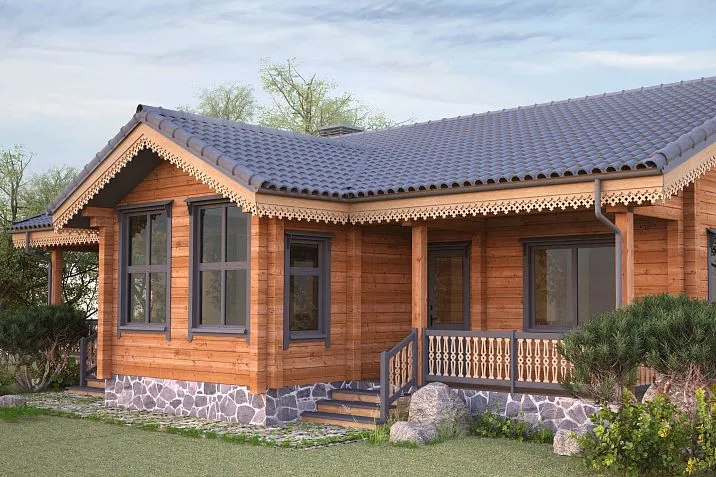
Imagine a morning at the dacha, when the first rays of sunlight pierce through carved window frames, and the air is filled with the aroma of freshly brewed tea from a real samovar. This is not a romantic dream, but a reality that can be created by choosing the right style for your country house. Dacha in Russian style interiorRussian style in interior — this is not just a fashion trend or nostalgia for the past, it is a philosophy of life embodied in space.
Why exactly Russian style wins the hearts of modern owners of country property? The answer lies in the deep human need to connect with roots, to create a space where the soul rests from urban hustle. Russian style offers what is so lacking in megacities — authenticity, warmth of human hands, and connection with nature.


Philosophy of Russian style in modern dacha interior
When talking about Russian style in dacha interior, we touch upon something greater than just a design direction. It is a whole philosophy of existence, based on principles of harmony with nature, respect for traditions, and creation of an atmosphere of genuine homeliness.
Principle of naturalness — the foundation of Russian style. Here, there is no place for artificial materials and synthetic coatings. Wood, stone, clay, linen — these are the materials that form the basis of the interior. They breathe, live their own lives, age beautifully and nobly.
Functionality of each element — another cornerstone of the style. In a Russian izba, there was no room for useless items. Every item served a specific purpose: a chest stored valuables, a bench was a place for rest and sleep, a stove heated and fed. Modern interior in Russian style inherits this wisdom, avoiding decorative elements for decoration's sake.
Layeredness and depth characterize Russian interior. This is not minimalism with its sterile cleanliness of lines. Here, every corner is filled with meaning: painted dishes on shelves tell of folk artisans' skill, embroidered tablecloths preserve memories of women's hands that created them, and darkened icons in the red corner testify to the spiritual depth of the owners.
Modern Dacha in Russian style interior This is not a museum or a stylization of antiquity. It is a living space where traditions organically blend with the comfort of the 21st century. Here, modern furniture can stand — made of natural wood with folk carving elements. Here, modern appliances work, but hidden behind wooden facades decorated with traditional patterns.




Main directions of Russian style for dacha
Russian style — a multifaceted concept. Depending on your preferences and possibilities, you can choose one of three main directions, each with its own features and charm.
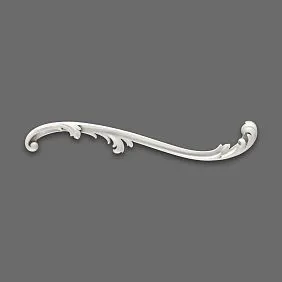
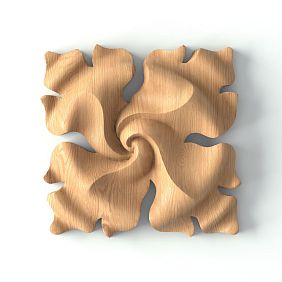
Our factory also produces:




Russian izba: simplicity and authenticity
The direction 'Russian izba' — this is a return to roots, to that simplicity which gives true beauty. Here, rough finishes dominate, deliberately simple furniture, and minimal decorative excesses. Walls made of unplaned timber or logs remain in their original state, treated only with protective compounds.
Furniture in such an interior is maximally functional: massive tables made of solid wood, simple stools and benches, large chests for storage. No fancy shapes — only clear lines and natural beauty of wood texture.
Color palette is restrained: natural wood tones, white color of whitewashed walls, muted tones of home-woven fabrics. Bright accents are provided by painted dishes, colorful cushions with folk embroidery, and bouquets of wildflowers.
Get Consultation
Russian estate: nobility and elegance
The style 'Russian estate' — this is the interior of a nobleman's house from the 18th-19th centuries, where peasant simplicity combines with the elegance of noble culture. Here, elements of luxury already appear: tiled stoves, carved furniture with inlays, crystal chandeliers, and silverware.
Walls in estate style can be covered with wallpaper featuring floral patterns or painted in calm pastel tones. Ceilings are adorned with wooden beams, sometimes painted with traditional patterns. Floors are covered with parquet or wide planks, over which Persian rugs or home-woven runners are laid.
Furniture becomes more refined: carved buffets with porcelain dishes, soft sofas and chairs upholstered in velvet, round tables for family tea gatherings. A special place is reserved for the piano — an indispensable attribute of estate life.
A la Rus: European perspective on Russian traditions
The direction 'a la Rus' emerged in Europe at the beginning of the 20th century, when Russian culture experienced a period of particular popularity. This is a kind of stylization, where Russian motifs are interpreted through the prism of European understanding of comfort and beauty.
In such an interior, Russian elements are used sparingly, as bright accents in a fairly neutral space. Matryoshkas on shelves, Zhostov trays on walls, Pavlopolsk scarves as decorative panels — all this creates a recognizable Russian atmosphere without overloading the space.
This direction is ideal for those who want to add Russian character to their dacha interior but are not ready for radical changes. Here, you can use modern furniture, complemented by a few characteristic items of Russian decorative and applied art.
Materials and finishes in Russian style
Choosing materials for a dacha in Russian style — this is not just an aesthetic question, but a philosophy. Each material must be natural, ecologically clean, and durable. Our ancestors did not know synthetics, but built houses that stood for centuries.
Wood — the soul of Russian interior
Wood in Russian style — this is not just a building material, it is a living substance that breathes, changes over time, and acquires a noble patina. For walls, timber, logs, or timber imitation are used. Each wood species has its own character: pine gives a resinous aroma and golden hue, oak impresses with strength and noble texture, birch enchants with delicacy and lightness.
When choosing wooden finishes, it is important to understand: wood should look natural. No glossy varnishes or glaring stains. Oil-based impregnations are best, as they highlight the natural beauty of wood and protect it from external influences.
Ceiling beams are another important element of wooden interior design. They can be structural or decorative, but in any case, they must look substantial and sturdy. Sometimes beams are adorned with carving or painting, but more often they are left in their natural state, highlighting the beauty of natural wood.
Stone and brick: the foundation of reliability
Stone in Russian interiors is used to create accents and zone spaces. This can be natural stone for fireplace or stove cladding, brickwork for creating cozy niches, or stone tiles for kitchen backsplashes.
The role of stone in fireplace decoration is especially important — the heart of the Russian home. Traditional izdets with their unique patterns turn the stove into a work of art. Modern masters revive this ancient craft, creating izdets using traditional techniques.
Plaster and whitewash: the breath of antiquity
In some rooms of a dacha, it is appropriate to use traditional plaster followed by whitewashing. This technique is especially suitable for kitchens and bedrooms, where white walls create a sense of cleanliness and freshness.
Modern plaster can imitate old plaster, with slight irregularities and handcrafted texture. Such finishing is perfectly compatible with wooden elements and creates a sense of authenticity.
Color palette of the Russian dacha
Color in Russian interiors is not just a decorative element — it carries meaning and mood. The traditional Russian palette was shaped by the nature of Russia’s middle belt and has deep symbolic roots.
Main colors of Russian style
White color — symbol of purity and light — holds a special place in Russian interiors. It is the color of linen shirts, birch bark, freshly fallen snow. In interiors, white is used for walls, ceilings, textiles. It creates a sense of spaciousness and purity, serving as an ideal background for bright accents.
Red color — color of life, joy, and celebration — is traditionally considered the main color of Russian style. It is the color of the red corner, where icons hung, festive sarafans, and painted tableware. In modern interiors, red is used sparingly: in textiles, decor, small furniture items.
Blue color — color of sky and water — symbolizes infinity and spirituality. In Russian interiors, it appears in famous Gzhel painting, blue izdets, festive tablecloths and curtains.
Green color — color of Russian forests and meadows — brings freshness and connection to nature into the interior. This can be the deep emerald hue of Хохлома painting or the soft olive tone of linen fabrics.
Natural tones as the basis of the palette
In addition to traditional bright colors, Russian style actively uses the entire range of natural tones. Brown tones of natural wood — from light yellow pine to dark chocolate-colored oak — form the basis of the color scheme.
Beige and sandy tones of plaster, linen fabrics, unprocessed clay add warmth and coziness. Gray tones of natural stone, metal objects, winter sky serve as a neutral background for more vibrant elements.
Seasonal changes in the palette
An interesting feature of Russian style — the possibility of seasonal changes in the color palette. In summer, interiors are filled with bright colors of field flowers: cornflower blue, poppy red, daisy white. In winter, the palette becomes more restrained: whites, grays, and browns dominate, while bright accents are provided by red rowan berries and green spruce branches.
Furniture in Russian style for dacha interiors
Furniture in Russian style — it is not just decorative items, but functional works of art, created by masters and carrying the soul of the creator. Each piece of furniture has its own history, purpose, and place in the home’s space.
Traditional Russian furniture
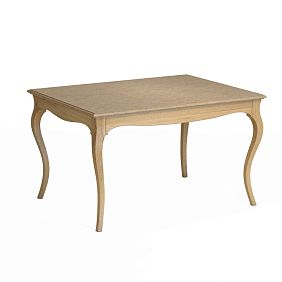
The table — the center of family life — has always been massive and sturdy in a Russian home. Modern dacha furniture in Russian style inherits these traditions: tables are made from solid wood, often without a single nail, using traditional joinery. The shape can be rectangular or round — suitable for cozy family tea gatherings.
Benches and stools — the oldest types of seating furniture — are returning to modern interiors. They can serve as additional seating or as decorative elements. Benches with carved backs or storage space under the seat are especially good.
Trunks — an indispensable element of Russian daily life — in modern interiors serve as original storage systems. They can function as coffee tables, benches, or simply as decorative elements. Trunks are decorated with painting, carving, or metal inlays.
Buffets and stands: storage with history
A buffet — a piece of furniture introduced to the Russian home from European culture, but firmly established in it. In a dacha interior, the buffet becomes not only a place for storing tableware, but also a showcase for displaying collections: painted plates, samovars, folk toys.
Tableware stands — a more modern variant of the buffet — allow for beautifully displaying festive tableware and creating striking compositions from decorative-applied art items.
Modern interpretation of traditions
Modern furniture in Russian style for dacha does not blindly copy old samples, but creatively reinterprets them. Sofas and chairs adopt traditional forms but are equipped with modern fillings for comfort. Kitchen sets are made of natural wood but are fitted with all necessary modern hardware.
Special attention is paid to details: handles are made of wood or wrought metal, fronts are decorated with traditional patterns, and countertops are made of natural stone or solid wood.
Decorative elements and accessories
Russian-style decor is not a random collection of items, but a system of symbols and images, each carrying deep meaning. Thoughtfully chosen accessories can transform an ordinary space into one imbued with the spirit of Russian culture.
Folk crafts in interior design
Khokhloma painting — with its golden patterns on a black background — turns ordinary tableware and furniture into works of art. Khokhloma plates, spoons, and salt cellars are not only beautiful but also functional. They can be used daily, allowing you to enjoy their beauty every day.
Gzhel ceramics — with their blue-and-white patterns — bring a sense of freshness and purity to the interior. Gzhel teapots, cups, vases, and figurines look wonderful on open buffet shelves or on a table.
Zhostov trays — with their luxurious floral bouquets — can serve as functional serving pieces or as decorative wall panels.
Pavloposad scarves — with their bright floral patterns — are used not only for their intended purpose but also as decorative elements: they are made into pillowcases, curtains, and tablecloths.
Textile decor
Embroidery — the oldest form of Russian decorative art — appears in modern interiors in pillowcases, tablecloths, towels, and wall hangings. Hand-embroidered pieces are especially prized, but high-quality machine embroidery can also become an interior decoration.
Lace — light and elegant — is used to decorate windows, tables, and beds. Vologda lace, Elek lace, and Krestets lace — each type has its own characteristics and charm.
Patchwork sewing — an ancient method of creating beautiful and practical items from fabric scraps — is experiencing a new rebirth. Patchwork quilts, cushions, and runners create a unique atmosphere of handmade beauty.
Religious and ritual items
Icons in the red corner — a traditional element of the Russian home. In modern interiors, they can occupy a prestigious place in the living room or bedroom, creating an atmosphere of spirituality and tranquility.
Lamps — antique lighting fixtures — can be used as decorative elements or function as intended in modern interiors, creating soft, warm lighting.
Decorating individual zones of a dacha in Russian style
Each room in a dacha in Russian style has its own decorative features, dictated by its functional purpose and traditional use of space.
Living room — the heart of the home
A living room in Russian style is a place where the whole family gathers, where guests are received and long winter evenings are spent. The central element of the living room should be a stove or fireplace. Even if the house is heated by modern methods, the presence of a hearth creates an irreplaceable atmosphere of home comfort.
Furniture group is arranged around the hearth: sofas and armchairs with soft upholstery, a coffee table, bookshelves. It is important to create several zones: for conversation by the fireplace, for reading in a comfortable armchair by the window, for music-making — if there is a piano or other instruments.
Walls are decorated with paintings by Russian artists — Levitan’s landscapes, Venetsianov’s genre scenes, Borovikovsky’s portraits. If it is not possible to acquire originals, high-quality reproductions will also create the necessary atmosphere.
Kitchen — place of family meals
A kitchen in Russian style is not only a place for preparing food, but also the center of family life. Here, families gather for morning tea, here heartfelt conversations take place, here the closest friends are welcomed.
The main decoration of the kitchen is a large wooden table, around which the whole family can gather. Around the table — wooden chairs or benches. On the walls — open shelves with beautiful tableware: painted plates, clay pots, wooden spoons and ladles.
Samovar — an essential attribute of the Russian kitchen — can be either functional (electric) or decorative. Next to it — beautiful cups, sugar bowl, jam in painted rosettes.
The working zone’s backsplash can be tiled with ceramic tiles or styled to resemble them. The exhaust hood is hidden in a wooden box styled to look like an old pipe.
Bedroom — place of rest and tranquility
A bedroom in Russian style should be as cozy and calm as possible. Here, light pastel tones dominate: white, cream, light blue, soft pink.
Choose a heavy wooden bed with a high headboard. Bedding — only from natural fabrics: linen, cotton, with simple embroidery or lace trim.
By the window — a comfortable reading chair with a soft blanket and a small table for books and a cup of tea. On the walls — family photos in beautiful frames, small icons, a mirror in a carved frame.
Entryway — first impression of the house
In a Russian home, the entryway was called the ‘senya’ and served not only as a place to undress but also as a kind of buffer between the outside world and the cozy interior.
A modern country house entry in Russian style should be functional and beautiful. Here you need spacious coat closets, shelves for shoes, a mirror, a bench or stool for changing shoes.
Walls can be covered with wooden panels or painted in warm, cozy tones. The floor — stone-imitating tiles or thick planks with water-resistant treatment.
Textiles and fabrics in Russian country house interiors
Textiles in Russian style are not just decorative — they create an atmosphere of warmth and coziness. Properly chosen fabrics can transform even the most modest room, filling it with soul and character.
Natural materials — the foundation of Russian textiles
Linen — the oldest fabric in Russia — is ideal for country house interiors. Linen curtains, tablecloths, pillowcases create a feeling of freshness and cleanliness. Linen washes well and becomes softer and more beautiful over time.
Cotton — a more recent but firmly established material — is used for bedding, kitchen textiles, decorative cushions. Especially good is stuffed cotton with traditional Russian patterns.
Wool — warm and cozy — is indispensable for blankets, throws, rugs. Wool fabrics with traditional patterns create a winter coziness atmosphere even on a summer day.
Silk — a luxurious material — is used sparingly in Russian style: for festive tablecloths, decorative cushions, drapes in the living room.
Traditional patterns and ornaments
Plant motifs — the most popular in Russian textiles. These can be stylized flowers, leaves, berries, entire bouquets. Especially popular are roses, poppies, cornflowers, rowan.
Geometric patterns — more ancient and symbolic. Diamonds, squares, zigzags, stripes — each element has its own meaning and creates a specific mood.
Animal motifs — birds, horses, deer — are often found in folk embroidery and give textiles a special expressiveness.
Color combinations in textiles
Traditional Russian fabrics are distinguished by rich color combinations. Red-and-white — the most classic, symbolizing joy and purity. Blue-and-white combinations remind of Gzhel ceramics and frosty window patterns. Green-and-yellow compositions are associated with summer meadows and Хохлома painting.
Lighting of a country house in Russian style
Proper lighting in a Russian interior creates an atmosphere of warmth and coziness, highlighting the beauty of natural materials and decorative elements.
Natural lighting
Russian houses were always built with maximum use of natural light in mind. Large windows with carved frames are not only beautiful but also functional — they let in maximum sunlight.
Window treatment in Russian style requires special attention. Heavy drapes are inappropriate here — better to use light linen or cotton curtains, possibly with embroidery or lace trim. They should let in light but create a feeling of coziness and protection.
Artificial lighting
Central lighting in Russian style should be warm and soft. Ideal are chandeliers made of wood and metal, styled after vintage lanterns. Lampshades can be fabric with traditional patterns.
Local lighting is created by table lamps with fabric lampshades, floor lamps made of natural materials, wall sconces in the form of vintage candlesticks.
Decorative lighting — candles in beautiful candlesticks, candelabras, fireplace — creates a special atmosphere and turns an ordinary evening into a small celebration.
Modern interpretation of traditions
Modern Dacha in Russian style interior It is not blind copying of the past, but a creative reinterpretation of traditions taking into account modern needs and possibilities.
Technology in traditional interiors
Modern technologies allow creating comfortable living conditions without compromising the stylistic integrity of the interior. A "smart home" system is hidden behind traditional facades, modern appliances are integrated into wooden furniture, and air conditioners are concealed behind decorative grilles.
An electric fireplace styled like a Russian stove allows enjoying the play of fire without the hassle of wood and ash. Modern heating systems provide comfortable temperatures throughout the house, while decorative radiators in vintage style maintain the overall style.
Ecology and healthy lifestyle
Russian style is inherently ecological — it implies using only natural materials. Modern interpretations of the style develop this idea: eco-friendly paints and varnishes, water and air purification systems, solar panels hidden under traditional roofs.
Organic gardening, cultivation of ecologically clean products, use of alternative energy sources — all of this seamlessly integrates into the philosophy of modern Russian style.
Adaptation to the modern pace of life
Modern families spend limited time at the dacha, so the interior must be not only beautiful but also practical. Easy-to-clean surfaces, simple-to-maintain furniture, convenient storage systems — all of this is considered when creating a modern interior in the Russian style.
Multi-functional furniture — transformable tables, sofa beds, benches with storage — helps save space without compromising stylistic integrity.
Personalization and uniqueness
Every house in the Russian style should reflect the personality of its owners, their hobbies, and lifestyle. Collections of folk art, family heirlooms, handmade items — all of this makes the interior unique and irreplaceable.
Custom furniture from local artisans, unique decorative items, wood or ceramic painting — such elements transform the home into a work of art and create an emotional connection between the owners and their dwelling.
Creating a dacha interior in the Russian style is a journey into the world of traditions, beauty, and harmony. It is an opportunity to reconnect with the roots of one’s culture and create a space where the soul can rest from the hustle of the modern world. The Russian style teaches us to value simple things: the warmth of a home hearth, the beauty of handcrafted items, the joy of communication with loved ones.
In a world where everything changes rapidly, the Russian style remains an island of stability and peace. It reminds us that true beauty lies not in expensive materials or trendy fashions, but in harmony, comfort, and connection with traditions.
Choosing the Russian style for your dacha means choosing not just a way to decorate the interior, but a philosophy of life based on respect for nature, traditions, and human labor. You are creating a home that will delight not only you, but also your children and grandchildren, passing on your love for your native culture and a sense of connection to your roots.
Modern technologies and materials allow you to realize any dreams about an ideal home in the Russian style. The key is to remember that authentic Russian style is not a set of decorative elements, but a holistic worldview based on harmony with nature and respect for traditions.
When creating a dacha project in the Russian style, it is important to consult professionals who understand all the subtleties of this direction and can offer modern solutions in a traditional execution. The company STAVROS specializes in creating unique interiors that combine centuries-old traditions of Russian architecture with modern technologies and materials. Our specialists will help you create a home that will become a true work of art and delight many generations of your family.