Article Contents:
- Anatomy of Perfection: What Makes Ash Material Unique
- Strength characteristics at world level
- Aesthetic Revolution of Light Wood
- Psychology of Color in Architecture
- Technological aspects of premium material production
- Revolutionary Drying Methods
- Dimensional Variety for Any Task
- Classification by Quality and Purpose
- Revolution in Construction Technologies
- Innovative Laminated Technologies
- Furniture Industry: New Quality Standards
- Specialized Applications
- Economic Advantages of Smart Choices
- Investment attractiveness
- Processing technologies and final finishing
- New-generation protective coatings
- Installation Technologies for Professionals
- Fastening Systems and Connections
- Ecological Aspects of Modern Production
- Principles of sustainable forestry
- Innovative Modification Technologies
- Chemical Modification and Composites
- Design Trends and Architectural Solutions
- Lighting Solutions and Visual Effects
- Quality control and international standards
- Modern non-destructive testing methods
- Logistical Solutions and Storage
- Regional characteristics and suppliers
- Technology Development Prospects
- Practical Recommendations for Professionals
- Cost Optimization and Planning
- Market Trends and Development Forecasts
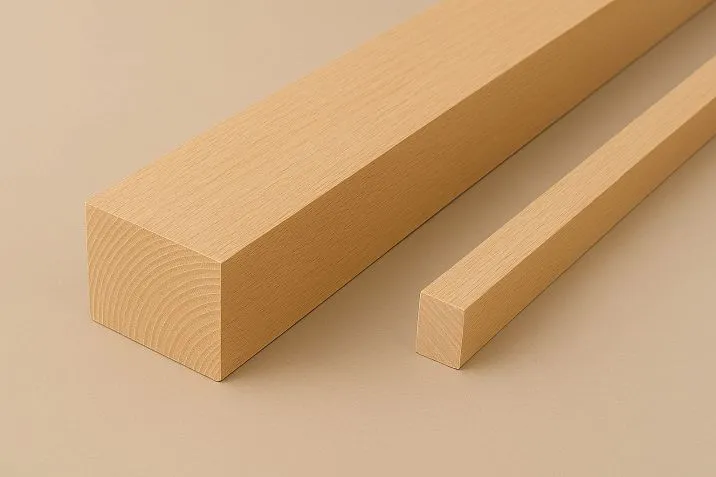
Imagine a material that combines the nobility of European traditions with the innovative possibilities of modern construction. Ash Lumber It is precisely this — it is not just wood, it is a philosophy of quality embodied in every fiber of this light, strong, and remarkably versatile material. In an era when architects and designers seek the ideal balance between functionality and aesthetics, ash lumber becomes the answer to the most daring creative challenges.


Anatomy of Perfection: What Makes Ash Material Unique
Nature created European ash as a material of exceptional characteristics. The density of the wood reaches impressive 680-720 kilograms per cubic meter, placing it in the same category as elite hardwoods. At the same time, the hardness rating by Brinell reaches 3.8 units, providing the material with phenomenal wear resistance and the ability to withstand significant mechanical impacts.
The uniqueness of ash wood lies in its structural features. Unlike oak with its clearly defined grain, ash has a uniform structure without a distinct separation between heartwood and sapwood. This feature creates visual harmony, which became the foundation for numerous design solutions in modern architecture.




World-Class Strength Characteristics
The static bending strength reaches impressive 104 MPa, and the modulus of elasticity is 14.1 GPa. These figures are not just technical indicators — they guarantee that structures made of ash lumber will withstand the most severe loads. The impact toughness of the material varies from 55 to 75 kJ/m², ensuring the ability to absorb energy without critical damage.
Moisture stability is another advantage of beech wood. With proper drying technology to 8-12% moisture content, the material retains its geometric dimensions across a wide range of climatic conditions. The shrinkage coefficient is only 0.17% radially and 0.32% tangentially, making beech constructions exceptionally stable.
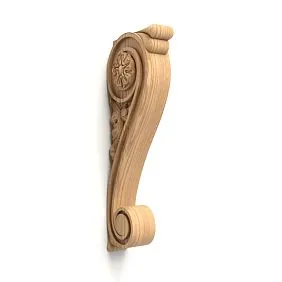
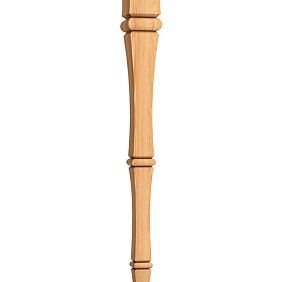
Our factory also produces:


Aesthetic Revolution of Light Wood
The color palette of beech wood is poetry of nature embodied in wood. From soft cream to warm rose-beige tones, beech wood creates an atmosphere of coziness and harmony. The texture features a fine-pored structure with evenly distributed medullary rays, forming a delicate, almost invisible pattern.
Annual rings are minimally expressed, ensuring visual purity and calm perception. This feature has made beech a favorite material for designers creating interiors in minimalist, Scandinavian, and modern classic styles.
Get Consultation
Psychology of Color in Architecture
Light shades of beech wood have a beneficial effect on a person's psycho-emotional state. Studies show that light wood promotes concentration, reduces stress levels, and creates a sense of openness and freedom. That is why Ash Lumber it is so popular in office interiors, educational institutions, and medical centers.
Technological Aspects of Premium Material Production
Modern beech timber production is a symphony of advanced technologies and centuries-old traditions. The process begins with careful selection of raw material: trees aged 60-80 years, grown in the temperate climate of central and northern Europe, are considered optimal. Such wood possesses the ideal balance of density, strength, and workability.
Logging is conducted exclusively during the winter period, when sap movement is minimal and moisture content in the wood is at a low level. This ensures better material stability during subsequent processing and use.
Revolutionary Drying Methods
Drying beech wood is an art requiring the highest level of skill. The material is extremely sensitive to abrupt changes in temperature and humidity, so the process is carried out in specially equipped chambers with programmable control. The temperature regime does not exceed 50-55°C, and the process takes 4-6 weeks to achieve optimal moisture content of 8-12%.
Innovative vacuum drying technologies allow processing time to be reduced to 3 weeks while preserving all quality characteristics. Moisture removal occurs evenly throughout the cross-section, eliminating internal stresses and deformations.
Dimensional Variety for Any Task
Modern industry offers beech timber in an astonishing range of sizes. From miniature 10×10 mm planks for delicate decorative work to massive 300×300 mm elements for serious structural applications — the dimensional range will satisfy even the most demanding client.
Standard sections 20×20, 40×40, 50×50, 80×80, 100×100, 150×150, 200×200 mm cover 95% of needs in the construction and furniture industries. Element lengths vary from 1 to 6 meters for solid timber and can reach 18 meters for glued constructions.
Classification by Quality and Purpose
Professional sorting ensures optimal material suitability for assigned tasks. Class "Extra" represents wood without visible defects — ideal for luxury furniture and exclusive interior solutions. Such material undergoes exceptionally careful selection, excluding even the slightest defects.
First grade allows minor natural features — small healthy knots up to 10 mm in diameter, slight color transitions. Second grade is intended for structural use, where priority is given to strength characteristics.
Revolution in Construction Technologies
Using beech timber in modern construction opens new architectural horizons. The material is ideal for creating load-bearing structures of medium and high load capacity. Beams for floors made of beech with a cross-section of 150×200 mm can support a distributed load of up to 450 kg per linear meter over spans up to 6 meters.
Frame technologies using beech material allow creating energy-efficient buildings with minimal thermal bridges. Low thermal conductivity of wood (0.15-0.17 W/(m·K)) provides excellent insulation properties of structures.
Innovative Glued Technologies
Production of glued beech timber is the pinnacle of modern wood processing technologies. Gluing individual lamellas under high pressure using eco-friendly adhesives creates a material with unique properties. The strength of glued timber is 20-30% higher than that of solid wood.
The ability to create elements of complex geometry — arched beams, curved structures, radius details — turns Ash Lumber into a universal tool for realizing the most daring architectural concepts.
Furniture Industry: New Quality Standards
In furniture production, beech wood has taken a special place due to the combination of strength, workability, and aesthetic qualities. Light tone and uniform structure make it an ideal material for modern furniture in minimalist, Scandinavian, and high-tech design styles.
Chairs made of beech timber withstand daily loads for decades, tabletops retain their original appearance under intensive use, beds provide necessary strength while ensuring ecological safety. Beech furniture does not deform, does not creak, and serves generations.
Specialized Applications
The food industry especially values beech wood for the absence of resin canals and neutral taste. Cutting boards, kitchenware, and food storage containers are made specifically from beech. The material does not absorb odors, easily undergoes sanitary treatment, and possesses natural antibacterial properties.
The sports industry uses beech timber to produce gymnastic equipment, handles of sports equipment, and components of exercise machines. The combination of strength and comfort upon contact with skin makes it indispensable in this field.
The cost analysis demonstrates outstanding economic efficiency of beech material. At an initial cost 25-35% lower than oak equivalents, beech timber provides comparable performance characteristics. The service life of properly processed structures is 60-80 years with minimal maintenance.
High density allows using elements of smaller cross-section compared to coniferous species, reducing overall project cost by 20-30%. Absence of resinous exudates eliminates additional expenses for protective surface treatment.
Using beech timber increases the prestige of real estate. Buyers of modern housing highly value ecologically clean natural materials, positively affecting liquidity and market value of real estate.
Investment Appeal
Workability of beech wood is one of its key advantages. Uniform structure ensures a clean surface after planing, minimal fiber tear during milling, and absence of splinters during drilling. This makes beech ideal for manufacturing items with complex geometry.
Processing technologies and final finishing
Sanding achieves a surface roughness parameter less than 2 micrometers. For final finishing, abrasive grit size 220-320 is used, ensuring ideal preparation for any type of coating.
Natural oils are the optimal choice for treating beech timber in residential spaces. Linseed oil deeply penetrates wood structure, enhances natural texture, and creates a breathable protective coating. Wax-based compositions provide additional moisture protection and create a pleasant silk-like sheen.
Protective coatings of the new generation
Modern polyurethane varnishes are used for surfaces subjected to heavy loads. They create a durable coating resistant to abrasion and chemical exposure while preserving the natural appearance of wood.
Installation Technologies for Professionals
Mounting Technologies for Professionals
Quality installation of beech timber structures requires adherence to specific technological requirements. The material must undergo mandatory acclimatization at the site — at least 7 days under temperature and humidity conditions matching the intended operating environment.
Pre-drilling holes prevents cracking during fastener installation. Drill bit diameter should be 80-85% of the screw diameter to ensure secure fastening without damaging the wood structure.
Fastening Systems and Connections
For connecting beech timber elements, various types of fasteners are used depending on operating conditions. Stainless steel screws are suitable for most structures. Adhesive joints provide maximum strength — polyvinyl acetate adhesives for interior applications, polyurethane for exterior structures.
Ecological aspects of modern production
Ash Lumber Represents an ecological purity standard among construction materials. It contains no toxic substances, does not emit harmful compounds, and creates a healthy microclimate in rooms. Scientific studies confirm the beneficial effect of natural wood on human psycho-emotional state.
The carbon footprint of beech timber production is negative — trees absorb more CO2 during growth than is emitted throughout the entire production and transportation cycle. This makes it one of the most ecologically responsible choices in modern construction.
Principles of Sustainable Forestry
European beech forests are managed according to sustainable development principles. FSC certification guarantees that every felled tree is replaced by several saplings. The average regeneration cycle for beech plantations is 60-80 years, ensuring forest resource renewal.
Innovative Modification Technologies
Modern processing methods allow improving the natural properties of beech wood. Thermomodification at 160-200°C in steam environment reduces hygroscopicity by 40-50%, increases biostability, and imparts a noble dark-brown hue to the material.
The process is fully ecological — no chemical substances are used; treatment occurs only under the influence of temperature and steam. Thermally treated beech achieves dimensional stability comparable to tropical species.
Chemical Modification and Composites
Impregnation with polymer compositions creates wood-polymer composites with unique properties. These materials combine the natural beauty of wood with the performance characteristics of synthetic materials — enhanced water resistance, biostability, and dimensional stability.
Design Trends and Architectural Solutions
Modern designers actively use light beech wood to create interiors of the new generation. Minimalism, Scandinavian style, eco-design — beech finds organic application everywhere due to its neutral tone and clean lines.
Open beam structures made of beech timber create a sense of lightness and spaciousness. Combining with modern materials — glass, metal, stone — creates unique architectural solutions where natural beauty is enhanced by innovative technologies.
Lighting Solutions and Visual Effects
The light surface of beech timber has high reflectivity, enabling the creation of interiors with natural lighting. This is especially important in northern regions where sunlight is insufficient for a significant part of the year.
Quality control and international standards
Production of high-quality beech timber is regulated by strict European standards. EN 338 defines strength characteristics of structural timber, EN 14081 sets requirements for machine sorting. CE marking confirms compliance with all European safety requirements.
Each batch undergoes comprehensive laboratory testing. Moisture content, density, strength characteristics, and biostability are determined. Test protocols serve as documented confirmation of declared parameters.
Modern non-destructive testing methods
Ultrasonic defectoscopy reveals hidden defects without damaging the material. X-ray scanning shows density distribution across the element’s cross-section. These technologies guarantee the highest quality of each product.
Logistical Solutions and Storage
Proper storage beech timber is critically important for preserving its properties. The material is stored on wooden pads with ventilation gaps, protected from direct precipitation while ensuring air exchange.
Transportation requires special packaging — moisture-impermeable films create a controlled atmosphere, preventing sudden humidity changes. Shock-absorbing pads eliminate mechanical damage during long-distance transport.
Regional characteristics and suppliers
Leading producers of beech timber are Germany, Austria, France, and Romania. German manufacturers are renowned for innovative technologies and impeccable quality. Austrian companies specialize in glued constructions with complex geometries.
Eastern European suppliers offer optimal price-to-quality ratios while meeting all technological requirements. Active modernization of production allows them to compete with Western manufacturers.
Prospects for technology development
The future of the beech industry is linked to the development of nanotechnologies, biotechnological processing methods, and digitalization of production. 3D scanning optimizes material cutting, while automation increases processing accuracy.
Innovative coatings with programmable properties, self-cleaning surfaces, antibacterial composites — directions that may revolutionize the industry in the coming years.
Practical recommendations for professionals
Selecting a beech timber supplier requires careful analysis. Company reputation, presence of quality certificates, and ability to provide samples — key evaluation criteria. A visit to the production facility provides a full understanding of technological capabilities.
Incoming inspection must include checking moisture content, geometric parameters, and absence of critical defects. Each batch is accompanied by a quality certificate specifying all characteristics.
Cost optimization and planning
Planning purchases 6–12 months in advance allows taking advantage of advance order offers. Consolidating orders ensures achieving bulk volumes and additional discounts.
Market trends and development forecasts
Global trends demonstrate steady growth in demand for eco-friendly materials. The concept of a healthy home and the development of "green" construction support interest in natural wood. Beech timber fully meets these requirements.
Limited European forest resources create conditions for stable price growth in the long term. Investments in high-quality natural materials are becoming increasingly attractive.
STAVROS is a recognized leader in supplying elite construction and finishing materials made from high-quality natural wood. Decades of collaboration with leading European beech timber producers, deep understanding of architects', designers', and builders' needs, enable the company to guarantee impeccable quality of every product.
Choosing materials from STAVROS means obtaining not just construction timber, but a comprehensive solution including professional expert consultation, individual approach to each project, reliable logistical support, and long-term warranty commitments. Our philosophy is built on the conviction that high-quality natural materials are the foundation of beautiful, durable, and environmentally safe structures that become the pride of owners and symbols of exceptional craftsmanship.