Article Contents:
- Oak: natural palette of perfection
- Unique physical properties of oak
- Workability: workshop dream
- Versatility of oak products application
- Furniture production: traditions and innovations
- Architectural elements: elegance in details
- Specialized items: function and form
- Technological secrets of oak processing
- Drying: foundation of stability
- Steam treatment: art of bending
- Final finishing: revealing beauty
- Stylistic flexibility: oak in various interiors
- Scandinavian minimalism: natural harmony
- Modern Classic: Elegance Beyond Time
- Eco-style: closeness to nature
- Ecological advantages of oak products
- Resource Renewability
- Carbon balance
- Biodegradability and disposal
- Economic Efficiency and Investment Attractiveness
- Price-to-Quality Ratio
- Technological efficiency and productivity
- Market perspective
- Innovations in oak product manufacturing technology
- Thermal Modification
- Impregnation
- Composite technologies
- Quality Control and Standards
- Raw Material Incoming Inspection
- Technological control
- Final acceptance
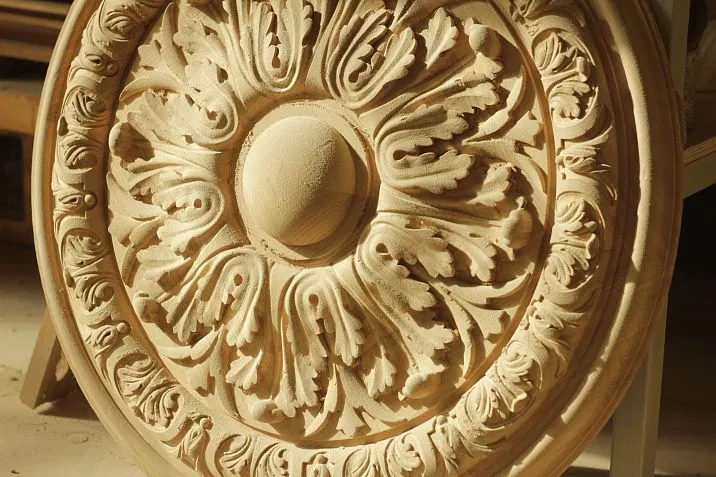
Among the many wood species used in modern design, oak holds a special place — a material that has captivated craftsmen for centuries with its versatility and unique qualities. Oak products are experiencing a true renaissance today, becoming symbols of elegance and practicality in the world of high-end interior design. This wood possesses an amazing ability to adapt to any style while preserving its unique individuality and natural beauty.



Oak: natural palette of perfection
When selecting materials for creating high-end interior solutions, oak deserves special attention. Its light pink wood with characteristic fine pores creates a unique color play — from delicate cream to rich pinkish-brown. This natural color palette makes oak products ideal companions for virtually any design solution.




The beech has unique physical characteristics
The density of beech wood is impressive, ranging from 650 to 720 kilograms per cubic meter, providing exceptional strength to finished products. Hardness on the Brinell scale reaches 3.8 units, enabling the creation of structures capable of withstanding significant loads without deformation or structural damage.
A distinctive feature of beech is its uniform structure with fine pores, making its surface ideally suited for various types of finishing. Annual rings are moderately pronounced, creating a calm, non-aggressive pattern that does not strain the eye and harmoniously blends into any space.
The medullary rays in beech wood appear as fine lines, creating a characteristic "fluting" on radial cuts. This natural decoration imparts a unique textural expressiveness to products, making each element a one-of-a-kind work of natural art.
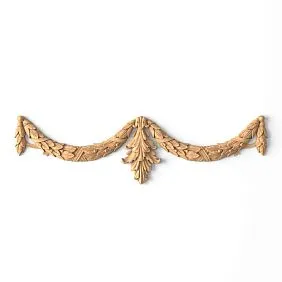
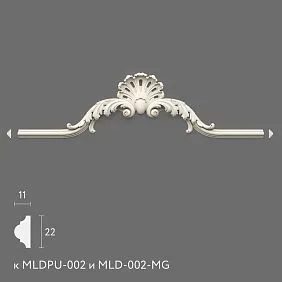
Our factory also produces:



Workability: a workshop dream
Beech is rightfully considered one of the most workable species. Its wood easily accepts all types of mechanical processing: sawing, planing, milling, turning. The fine-pored structure ensures a smooth surface after processing, practically requiring no additional sanding.
Beech’s ability to bend is particularly valuable. When steamed, the wood becomes pliable, allowing the creation of curved elements with a radius of curvature up to 5-6 times the diameter of the blank. This characteristic opens up limitless possibilities for creating original design solutions.
Glued joints in beech products exhibit exceptional strength. The uniform structure of the wood ensures even distribution of adhesive, creating joints that surpass the strength of solid wood.
Get Consultation
Multifaceted applications of beech products
The range of applications for beech products is astonishingly diverse. From elegant decorative elements to robust load-bearing structures — this species finds use everywhere where a combination of strength, beauty, and functionality is required.
Furniture production: tradition and innovation
In the furniture industry, beech holds a special place due to its versatility. Beech furniture chairs are renowned worldwide for their strength and comfort. Famous Viennese chairs, which remain a standard of elegance to this day, are made specifically from steamed beech.
Beech kitchen furniture combines practicality with aesthetic appeal. Beech plywood countertops, 40-60 millimeters thick, withstand intensive use while retaining their original appearance. The moisture resistance of treated wood allows its use even in high-humidity zones.
Children’s furniture is traditionally made from beech due to its ecological safety and non-toxicity. The smooth surface eliminates the risk of splinters, while high strength ensures durability under active children’s use.
Architectural elements: elegance in detail
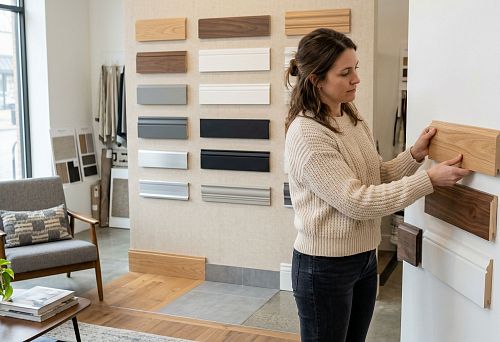
Oak products In architecture, beech presents a wide spectrum of decorative and functional elements. Beech skirting boards create an elegant floor trim, accentuating the geometry of space without excessive intrusion.
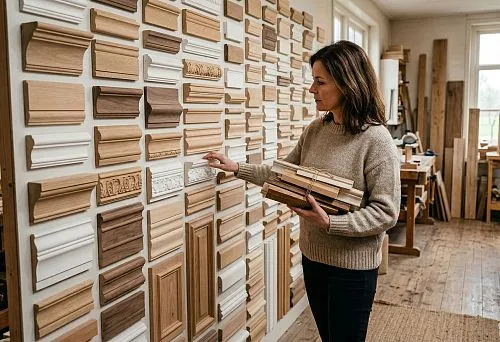
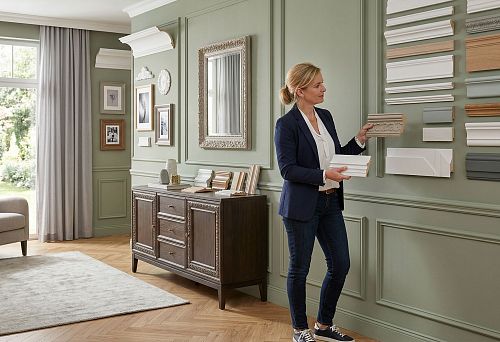
Beech moldings and cornices allow the creation of refined interior compositions. The light tone of the wood visually expands the space, making it feel more airy and spacious. The ability to tint to any desired color gives designers complete creative freedom.
Beech stair elements combine functionality with aesthetics. Steps 40-50 millimeters thick provide the necessary structural rigidity, while balusters demonstrate the artistic potential of the material.
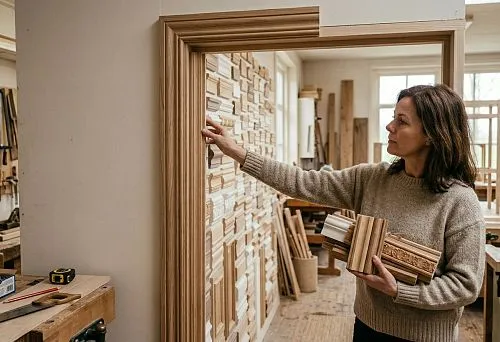
Beech door and window casings create elegant framing for openings. The material’s ability to maintain a precise profile geometry ensures perfect element alignment without visible gaps.
Specialized products: function and form
Beech musical instruments are renowned for their acoustic properties. Guitar bodies, piano soundboards, and components of wind instruments — everywhere beech wood reveals its unique sound characteristics.
Beech kitchenware combines practicality and hygiene. Beech cutting boards, spatulas, and rolling pins do not absorb odors and are easy to clean. The antibacterial properties of the wood make such utensils ideal for contact with food products.
Beech toys meet the strictest safety standards. Smooth surface, absence of resins and toxic substances, high strength — all of this makes beech toys a choice for conscientious parents.
Technological secrets of beech processing
Creating quality beech products requires a deep understanding of the material’s specific properties and mastery of special technologies. Each production stage has its nuances, affecting the final product quality.
Drying: the foundation of stability
Proper drying of beech wood is a critically important stage, determining the stability of finished products. The initial moisture content of freshly cut beech can reach 80-90 percent, and it must be reduced to 8-12 percent for furniture production.
Atmospheric drying of beech requires special attention to the uniformity of the process. The wood is stacked in piles with mandatory spacers 25-30 millimeters thick to ensure air circulation. The process may take from 6 months to 2 years depending on the material thickness.
Kiln drying allows precise control of the process. Temperature regimes are individually selected: initial temperature 45-50 degrees Celsius at 85 percent air humidity gradually increases to 70 degrees Celsius as humidity drops to 30 percent.
Stabilization of dried material includes storage in climate-controlled chambers under controlled parameters. This stage lasts several weeks and ensures even moisture distribution throughout the wood volume.
Steam treatment: the art of bending
The unique ability of beech to bend after steaming opens up wide possibilities for creating curved elements. The process requires precise adherence to temperature-time regimes.
Steaming is performed at a temperature of 95-105 degrees Celsius for 1-2 hours per centimeter of the blank's thickness. The steam should be saturated but not overheated to avoid damaging the wood structure.
Bending is performed immediately after steaming, while the wood retains its plasticity. Special templates are used to ensure the desired curvature. The bending radius can be 3-6 times the thickness of the blank without risk of breakage.
Shape fixation occurs during the drying of the bent element. The blank remains in the template until fully dried, which may take several days. Properly bent elements retain their shape for decades without additional fastening.
Final finishing: revealing beauty
Final finishing of beech products is aimed at protecting the wood and revealing its natural beauty. The light color of beech allows for a wide range of finishing materials to be applied.
Sanding is performed in stages with gradually decreasing abrasive grit. The fine-pored structure of beech allows achieving mirror-smooth surface finish using abrasive grit 320-400.
Staining allows changing the wood color within a wide range. Water-based stains penetrate evenly due to the uniform structure of beech. Alcohol-based stains create more saturated tones, while oil-based stains ensure deep pigment penetration.
Lacquering protects the surface from mechanical impacts and moisture. Polyurethane lacquers create a durable coating that does not hide the wood texture. Nitro lacquers dry quickly and are easily repairable.
Waxing is traditionally used to create a natural matte finish. Wax compositions highlight the tactile qualities of wood and create a pleasant to the touch surface with a slight sheen.
Stylistic versatility: beech in various interiors
The remarkable ability of beech products to adapt to various stylistic directions makes this species a universal designer's tool. From classic to ultra-modern interiors — beech finds its application everywhere.
Scandinavian minimalism: natural harmony
In Scandinavian interiors, beech plays a key role due to its light natural color and calm texture. Oak products In Scandinavian style, forms are characterized by simplicity and functionality.
Furniture made of natural beech without staining creates a sense of lightness and spaciousness. Simple geometric shapes highlight the beauty of the material without distracting attention from it. Matte finishes preserve the natural wood grain.
Decorative elements are minimized; emphasis is placed on the quality of processing and the purity of lines. Baseboards, moldings, and cornices have simple profiles without excessive ornamentation. The color palette is limited to natural beech tones.
Functionality prevails over decoration. Each interior element carries practical load; unnecessary details are excluded. Built-in beech furniture creates a sense of unified space.
Modern classic: elegance beyond time
Modern interpretations of classic styles actively use beech wood to create elegant, yet uncluttered interiors. Here, beech serves as a noble alternative to more expensive species.
Furniture combines classic proportions with modern functionality. Elegant chair back curves, smooth tabletop lines, refined profiles create an atmosphere of refinement without excessive pomp.
Color solutions vary from natural light tones to deep brown shades achieved through staining. Contrasting combinations of light beech with dark accents create dynamic compositions.
Decorative elements are present in moderate amounts. Carved details, inlays, patinas are applied delicately, enhancing rather than masking the natural beauty of the wood.
Eco-style: closeness to nature
Ecological interiors fully utilize the natural qualities of beech wood. Minimal processing, natural finishes, and preservation of natural defects create a sense of closeness to nature.
Unprocessed or lightly sanded surfaces showcase the natural texture of beech. Wax finishes highlight the tactile qualities of the material, creating pleasant sensations upon touch.
Combining with other natural materials — stone, ceramic, textiles made from natural fibers — enhances the natural theme of the interior. Live plants complement the composition.
The color palette is limited to natural tones. Staining is applied minimally, primarily for unifying the shade of different elements.
Ecological advantages of beech products
In an era of growing ecological awareness, beech products attract attention for their ecological advantages. This species represents an example of sustainable use of natural resources.
Renewable resource
Beech belongs to fast-growing species with a short reproduction cycle. Trees reach technical maturity by 80-100 years, significantly earlier than oak or ash. This ensures stable supply of raw material without harming forest ecosystems.
Beech forest regeneration occurs naturally due to abundant fruiting. Seeds germinate easily, ensuring natural forest renewal. Artificial plantings also successfully establish.
Management of beech forests is based on principles of sustainable forestry. Selective logging ensures continuous forest cover, preserving biodiversity and ecological functions of the forest.
Carbon balance
Beech wood actively sequesters carbon from the atmosphere, converting it into long-term reserves in the form of cellulose and lignin. One cubic meter of beech wood contains approximately 200-250 kilograms of sequestered carbon.
can serve for decades, maintaining carbon in a bound state. Oak products can serve for decades, keeping carbon in a bound state.
The energy consumption for producing beech products is significantly lower than for manufacturing analogs from synthetic materials. This reduces the overall carbon footprint of the product.
Biodegradability and disposal
At the end of their service life, beech products are fully biodegradable. Composting allows returning nutrients to the natural cycle without polluting the environment.
Secondary use of wood is possible through recycling into technical wood chips, fuel briquettes, composite materials. This ensures maximum utilization of valuable raw material.
Burning wood as biomass fuel does not increase atmospheric CO2 concentration, as only the carbon absorbed by the tree during growth is released.
Economic efficiency and investment attractiveness
Choosing beech products represents a balanced economic decision, combining reasonable cost with high consumer quality and durability.
Price-to-quality ratio
Beech occupies a middle position in the price range of wood species, offering an optimal combination of quality and accessibility. The cost of beech products is significantly lower than oak or ash products with comparable performance characteristics.
High physical-mechanical properties ensure the longevity of products, reducing replacement and repair costs. The service life of quality beech products is measured in decades with proper use.
The versatility of application allows using one material for various purposes, simplifying procurement and ensuring stylistic unity in interior design.
Technological and productive efficiency
Excellent workability of beech reduces production costs. High processing speed, minimal waste, and good surface quality after mechanical processing positively affect product cost.
Standardization of technological processes is possible due to the uniformity of wood properties. This allows organizing mass production with stable quality.
The possibility of automating production processes reduces labor costs and increases manufacturing accuracy. Modern equipment works efficiently with beech wood.
Market outlook
Growing demand for eco-friendly materials increases the market attractiveness of beech products. Consumer environmental awareness stimulates preference for natural materials.
Advancements in wood processing technologies expand the application possibilities of beech in new fields. Innovative coatings, modification methods, and composite materials open new markets.
Stable supply of raw material ensures predictable pricing. Unlike exotic species, beech is not subject to sharp price fluctuations.
Innovations in beech product manufacturing technology
Modern beech product manufacturing actively incorporates innovative technologies, improving product quality and expanding application areas.
Modern thermal modification technologies allow improving the performance characteristics of beech timber. Treatment at 160-200°C in a steam environment reduces hygroscopicity by 40-50%, increases biostability, and imparts a noble dark tone to the wood.
Thermo-treatment of beech wood at 160-230 degrees Celsius in an inert atmosphere fundamentally changes its properties. The process reduces hygroscopicity, increases biostability, and alters color from light brown to dark chocolate.
The dimensional stability of thermally modified wood is 2-3 times higher than that of ordinary wood. This allows its use in variable humidity conditions without risk of deformation.
Improved biostability expands application areas, including outdoor structures and items used in humid conditions.
Impregnation
Deep impregnation of wood with special compositions improves its operational properties. Polymer compositions fill pores, increasing material density and strength.
Antiseptic treatments protect against biological degradation. Fire-retardant compositions reduce the flammability of wood. Water-repellent treatments increase moisture resistance.
Composite technologies
Laminated beech wood surpasses solid wood in several characteristics: dimensional stability, absence of defects, and the ability to create large-sized elements opens up new application areas.
Combining with other materials creates hybrid structures with improved properties. Reinforcement with fibers, combination with metal or plastic expands functional capabilities.
Quality Control and Standards
Ensuring stable quality beech products requires strict adherence to technological standards and systematic control at all production stages.
Incoming Raw Material Control
Incoming raw material quality inspection includes assessment of moisture content, grade, and dimensional parameters. Moisture content must not exceed established norms for this product type. Grade is determined by the presence of defects: knots, cracks, rot, insect damage.
The geometric parameters of lumber must comply with technical requirements. Deviations in thickness, width, and length must not exceed allowable values.
Biological damage is excluded by thorough inspection for signs of fungal infection or insect damage.
Technological control
At each stage of production, control of technological parameters is maintained. Drying temperature and humidity regimes, mechanical processing parameters, and characteristics of finishing materials must comply with established norms.
Intermediate quality control allows timely detection and elimination of deviations. Geometric parameters, surface quality, and joint strength are checked at each operation.
Final acceptance
Finished products undergo comprehensive inspection against all quality parameters. Appearance, geometry, functionality, and compliance with technical requirements — all aspects are subject to control.
Selective tests for strength, durability, and resistance to various influences confirm that products meet stated characteristics.
Marking and packaging ensure product preservation during transport and identification of quality parameters.
In today's world of interior design, beech products occupy a special place, combining natural beauty, functionality, and economic efficiency. This remarkable wood continues to captivate the hearts of designers and consumers with its versatility and unique charm.
Choosing beech products means investing not only in the beauty of your home, but also in its longevity, ecological safety, and healthy microclimate. The light tones and calm texture of beech create an atmosphere of comfort and harmony, contributing to the psychological well-being of all household members.
Technological innovations continuously expand the possibilities of using beech wood, opening new horizons for the creativity of designers and architects. From traditional processing methods to high-tech modification processes — beech adapts to modern requirements while preserving its best natural qualities.
The ecological advantages of beech products are becoming increasingly relevant in the context of growing environmental awareness in society. Choosing renewable, biodegradable materials is a contribution to preserving nature for future generations.
Company STAVROS, understanding the unique potential of beech wood, offers a wide range beech productscreated using advanced technologies and years of experience working with natural materials. Each STAVROS product embodies the best traditions of woodworking, enhanced by modern innovations, producing items that delight the eye, serve for a long time, and highlight the refined taste of their owners. Choosing STAVROS means choosing quality proven by time and beauty created by nature and perfected by human craftsmanship.