Article Contents:
- Price landscape of oak timber: realities of 2025
- Anatomy of pricing: what each ruble represents
- Economic philosophy of premium materials
- Concept of ownership cost
- Investment attractiveness
- Regional geography of price and quality
- Russian market: production centers
- Import alternatives and their features
- Technology as a pricing factor
- Traditional processing vs. modern methods
- Glued constructions: technological breakthrough
- Seasonal fluctuations and procurement strategies
- Optimal time for purchase
- Cost optimization strategies
- Hidden costs and additional expenses
- Logistical specifics
- Specialized processing
- Criteria for evaluating price offers
- Indicators of suspiciously low prices
- Signs of a reasonable price offer
- Financial instruments and payment schemes
- Installment and credit programs
- Currency aspects and hedging
- Comparative analysis of alternative materials' cost
- Competition among premium species
- Modern composite alternatives
- Regional support programs and benefits
- Government initiatives
- Ecological advantages and certification
- Market Development Prospects and Price Forecast
- Demand and Supply Trends
- Technological Innovations
- Practical procurement recommendations
- Supplier selection algorithm
- Procurement Budget Optimization
- Quality control and material acceptance
- Incoming inspection upon delivery
- Proper material storage
- International Experience in Pricing
- European markets
- North American Market
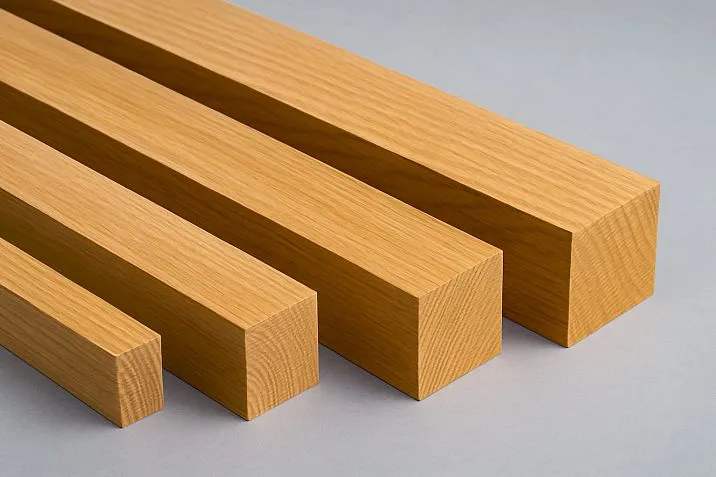
The question of construction material cost always arises sharply when serious construction is discussed. But what if price stops being just a number and becomes an investment in the future? Oak timber price which may seem substantial, represents a unique combination of natural perfection and long-term economic benefit. In a world where cheapness often turns into cost, oak remains the benchmark of sensible investments in quality.

Price landscape of oak timber: realities of 2025
The modern oak timber market is characterized by a wide price range, reflecting the diversity of quality factors and production technologies. In Russia, the cost varies from 20,000 to 65,000 rubles per cubic meter, depending on the origin of the wood, processing method, and material grade. The Kazakh market shows comparable figures — from 450,000 to 700,000 tenge per cubic meter for premium grades.
Timber with a 100×100 mm cross-section costs from 15,000 tenge per linear meter, 150×150 mm size costs 34,000 tenge, and a massive 300×300 mm element may reach 135,000 tenge per linear meter. These figures are not merely market indicators — they reflect complex technological processes and decades of experience of woodworkers.




The anatomy of pricing: what each ruble represents
Origin and age of the wood — a fundamental factor in pricing. Oak grown in northern latitudes on harsh soils possesses exceptional density up to 750 kilograms per cubic meter. Trees of a century’s age are valued significantly higher than younger ones due to the unique characteristics of the wood.
Drying technology critically affects the final cost. Kiln drying to a moisture content of 12–15% increases the price by 40–60% compared to air drying, but guarantees geometric stability and absence of deformation during use.
Quality category determines the final cost. Material of the "Extra" class, free of visible defects, may cost 2.5–3 times more than second-grade timber, but such quality is required for elite projects and prestigious structures.
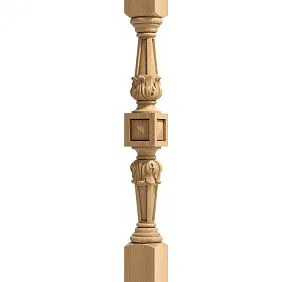
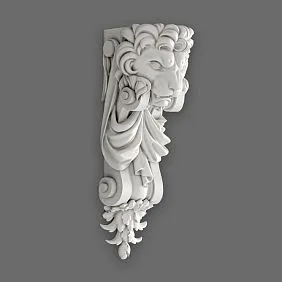
Our factory also produces:



Economic philosophy of premium materials
Get Consultation
Concept of ownership cost
The true economics of oak timber unfolds not at the moment of purchase, but over decades of use. Although the initial overpayment is 300–400% compared to coniferous species, the total ownership cost is 50–70% lower due to the material’s phenomenal longevity.
Using oak timber fundamentally changes the status of a real estate property. Homes and commercial buildings with oak structures automatically enter the premium segment and sell for 25–40% more than similar properties made from traditional materials.
Investment Appeal
Using oak beams fundamentally changes the status of the real estate. Homes and commercial buildings with oak structures automatically enter the premium segment and sell for 25-40% more than similar properties made from traditional materials.
Buyers of luxury real estate are willing to pay significantly more for natural, durable materials, understanding their true value. This makes investments in oak structures not only practically justified, but also financially profitable in the long term.
Regional geography of prices and quality
Russian market: production centers
In Russia, the geography of quality oak timber is closely linked to the location of oak forests and wood processing plants. Central regions — Voronezh, Belgorod, and Tambov Oblasts — offer material at the most competitive prices, from 25,000 rubles per cubic meter, due to proximity to raw material sources.
Northern manufacturers compensate for distance from oak forests with modern technologies and strict quality control. Their products often surpass southern analogs in stability of characteristics, justifying the price of 35,000–45,000 rubles per cubic meter.
Import alternatives and their features
European oak timber, especially from French and German origins, is priced at 80,000–120,000 rubles per cubic meter on the Russian market. This cost is due to strict quality standards, FSC certification, and use of advanced processing technologies.
American white oak is offered at 60,000–80,000 rubles per cubic meter and features special characteristics — lighter shade and uniform structure — valued in production of luxury furniture and interior elements.
Technology as a pricing factor
Traditional processing versus modern methods
Traditional oak timber production includes air drying for 2–3 years followed by kiln drying. This process requires significant time and space resources, reflected in the cost of 30,000–40,000 rubles per cubic meter.
Modern high-tech lines with computer-controlled drying and processing allow obtaining material of stable quality in significantly less time. Use of vacuum drying, thermal modification, and special impregnations increases the cost to 50,000–70,000 rubles per cubic meter, but ensures exceptional performance characteristics.
Glued constructions: technological breakthrough
Production of glued oak timber is a high-tech process requiring specialized equipment and materials. Use of water-resistant D4 class adhesives, multi-stage quality control, and precision surface processing increase cost by 1.5–2 times compared to solid timber.
The cost of glued oak timber is 60,000–95,000 rubles per cubic meter, but such investments pay off through unique capabilities — creation of elements of any length, absolute geometric stability, and increased structural strength.
Seasonal fluctuations and procurement strategies
Optimal Time for Purchase
The oak timber market is subject to pronounced seasonal fluctuations. The autumn-winter period is characterized by a 15–25% drop in demand, creating excellent opportunities for advantageous purchases. Producers strive to clear warehouse space, offering discounts up to 20% off summer prices.
Planning purchases 6–12 months in advance allows taking advantage of special offers for advance orders. Major producers are willing to provide discounts up to 25% for orders of 50 cubic meters or more with delivery deferred.
Cost Optimization Strategies
Consolidated purchases — combining with other developers to achieve wholesale volumes. This strategy is especially effective for cottage communities, where several houses are built simultaneously. Savings can amount to 20-35% of retail price.
Direct contracts with manufacturers exclude intermediary markups, reducing cost by 15-30%. This requires significant order volumes and advance payment, but pays off for major projects.
Flexibility in sizes — adapting the project to standard size ranges allows avoiding additional charges for non-standard items, which may amount to 30-50% of base cost.
Hidden Costs and Additional Expenses
Logistical Features
Transportation of oak timber creates special requirements due to the material's significant weight. A cubic meter of dry oak weighs 650-750 kilograms, which is 1.5-2 times heavier than coniferous species. Delivery cost may amount to 15-25% of material cost, especially for remote regions.
Large-format elements require specialized transport — long-haul trucks, trailers with appropriate permits. This increases logistics costs but is necessary to preserve material integrity and comply with safety requirements.
Specialized Processing
Although oak timber is often used without additional finishing, protective coatings for exterior structures may increase project cost by 10-20%. Premium-grade oil-based impregnations, special varnishes, and preservative compounds — each type of treatment has its own cost and application requirements.
Use of specialized stainless steel fasteners costs 3-4 times more than standard ones, but is necessary to prevent corrosion and maintain the aesthetic appearance of structures. Tannins in wood react with iron, forming irreversible dark stains.
Criteria for Evaluating Price Offers
Indicators of Suspiciously Low Prices
Price is significantly lower than market rate — reason for detailed analysis of the offer. Unscrupulous suppliers may offer material with elevated moisture content, improper drying technology, hidden defects, or non-compliance with declared specifications.
Absence of documentation regarding wood origin, quality certificates, technical passports — red flags indicating potential problems. Quality Oak timber price of which appears overpriced, is always accompanied by a complete set of documents.
Indicators of Reasonable Price Offers
Price transparency, detailed description of material characteristics, opportunity to inspect samples — signs of a serious supplier. Willingness to provide technical documentation, laboratory test results, and client recommendations indicates company reliability.
Flexible discount system depending on order volume, payment terms, delivery deadlines characterizes a professional business approach. Quality suppliers are always ready for dialogue and seeking optimal solutions.
Financial Instruments and Payment Schemes
Installment and credit programs
Most major suppliers offer installment plans or partnerships with banks for financing the purchase of oak timber. This is especially relevant for private developers planning to build luxury projects, where material cost may constitute a significant portion of the budget.
Inventory credit secured by the construction project — an option for serious developers. Interest rates vary from 12% to 18% annually depending on the amount and contract terms. Leasing schemes are optimal for commercial projects where tax optimization is important.
Currency aspects and hedging
When working with imported materials, it is critically important to consider currency risks. Exchange rate fluctuations may significantly affect the final project cost, especially with long delivery periods. Fixing the rate at contract signing or currency clauses help minimize these risks.
Forward contracts and options — tools for hedging currency risks for large orders. Additional insurance costs amount to 1-3% of deal value, but ensure predictable project budget.
Comparative analysis of alternative material costs
Competition among premium breeds
In the segment of luxury building materials, oak competes with other hardwoods. Ash costs 10-15% more than oak but lags behind in biostability. Beech is 20-25% cheaper but significantly lags behind in durability under humid conditions.
Exotic species — teak, merbau, ipe — are significantly more expensive than oak (2-3 times), but lack centuries-old traditions of use in Russian climate conditions. Their application requires specialized knowledge and processing technologies.
Modern composite alternatives
High-tech composite materials attempt to compete with natural wood in performance characteristics. LVL (Laminated Veneer Lumber) costs 35,000-50,000 rubles per cubic meter, has high strength, but lags behind oak in aesthetic qualities and eco-friendliness.
CLT (Cross Laminated Timber) made of oak — innovative material costing 80,000-120,000 rubles per cubic meter. It combines the natural qualities of oak with the structural capabilities of modern technologies, opening new architectural horizons.
Regional support programs and benefits
Government initiatives
Some regions of Russia implement programs supporting the use of local forest resources. Subsidies for purchasing locally produced materials may amount to 10-20% of cost, making oak timber more accessible for private developers.
Concessional financing for wooden house construction at 7-12% annual interest — another tool of state support. Programs operate in regions with developed forestry industries and aim to stimulate demand for local products.
Ecological advantages and certification
FSC certification adds 5-10% to material cost but confirms sustainable forestry and ecological responsibility. For projects seeking BREEAM or LEED environmental ratings, such certification is mandatory.
The carbon footprint of oak timber is negative — during its growth, trees absorb more CO2 than is emitted during production. This makes oak an ideal choice for projects with high environmental standards.
Market development prospects and price forecasts
Demand and supply trends
Growing interest in natural, eco-friendly materials, the development of the luxury construction segment, and understanding the value of long-term investments — these factors support sustainable demand for oak timber. Limited raw material availability and the long growth cycle of oaks create conditions for stable price growth.
Advancements in processing technologies, emergence of new oak material types, and expansion of application areas may stimulate additional demand and sustain high price levels.
Technological Innovations
Digitalization of production, automation of processes, and implementation of AI-based quality control systems may reduce costs by 10-15% in the medium term. However, cost savings will be partially offset by rising quality and environmental standards.
Nanotechnology in protective coatings, biotechnological methods for improving wood properties, and 3D processing technologies — these are directions that may radically transform the industry in the next 10-15 years.
Practical purchasing recommendations
Supplier selection algorithm
Start with analyzing the reputation of potential suppliers. Review customer feedback, portfolios of completed projects, and presence of quality certificates. Request material samples for visual inspection and laboratory testing.
Assess the supplier's production capacity, presence of modern equipment, and quality control systems. Visiting the production facility provides a full understanding of technological capabilities and production culture.
Procurement budget optimization
Planning is key to cost savings. Accurate calculation of material needs, including technological waste, helps avoid overpayment for excess material or costly delivery of missing components.
Flexible delivery schedules may provide a discount of up to 15%. Manufacturers are interested in balanced production load and are willing to offer discounts to clients not bound by rigid deadlines.
Quality control and material acceptance
Incoming inspection upon delivery
Each batch of oak timber must be accompanied by a quality certificate specifying all characteristics. Mandatory humidity check using a portable moisture meter — material must match declared parameters within ±2% accuracy.
Visual inspection includes checking geometric parameters, absence of critical defects, and conformity of color and texture to samples. Any deviations must be recorded in the acceptance act for subsequent resolution.
Proper material storage
Oak timber requires special storage conditions to preserve its quality characteristics. Material must be protected from direct exposure to precipitation but provided with natural ventilation to prevent moisture condensation.
Storage on pallets ensures even ventilation and prevents deformation. Stack height should not exceed 2 meters to avoid damage to lower rows under the weight of upper rows.
International pricing experience
European markets
Germany and Austria are leaders in producing high-quality oak timber. Prices vary from 1,200 to 2,000 euros per cubic meter for premium-grade material. High cost is due to strict quality standards, environmental requirements, and an advanced certification system.
French oak is traditionally considered the benchmark of quality and costs 1,500–2,500 euros per cubic meter. Climate and soil characteristics give French oak unique properties highly valued by manufacturers of luxury furniture and wine barrels.
North American market
USA is the world’s largest producer of oak timber. American white oak costs 800–1,200 USD per cubic meter on the domestic market. Developed logistics and automation allow offering quality material at competitive prices.
Canadian oak is less common but distinguished by exceptional density due to harsh climate. Its cost is 1,000–1,500 USD per cubic meter, justified by the material’s unique characteristics.
For many years, STAVROS has been a recognized leader in supplying premium construction and finishing materials. Decades of experience working with leading oak timber manufacturers, deep understanding of the needs of the most discerning clients, and impeccable business reputation enable the company to guarantee optimal price-to-quality ratio for every project.
Choosing oak timber from STAVROS means obtaining not just material, but a comprehensive solution including professional consultation on selecting optimal characteristics for specific tasks, reliable logistical support, and long-term warranty service. Our philosophy is built on the understanding that true cost savings lie not in minimizing initial expenses, but in maximizing long-term value and reliability of investments in quality materials that will serve generations.