Article Contents:
- Birth of a classical element
- Evolution of forms and materials
- Anatomy of perfection: what a balustrade consists of
- Main structural elements
- Materials: traditions and innovations
- Materials: Traditions and Innovations
- Functionality and aesthetics: dual role of the balustrade
- Safety without compromise
- Architectural expressiveness
- Balustrade styles: from classic to avant-garde
- Classic balustrades
- Modern Interpretations
- Technical aspects: how to choose the ideal balustrade
- Parameter calculation
- Installation and mounting
- Balustrade on terraces in various architectural contexts
- Country houses and villas
- Urban townhouses and penthouses
- Historical reconstructions
- Maintenance and care: how to preserve beauty for years
- Seasonal maintenance
- Material-specific care
- Innovations in the world of balustrades: looking to the future
- Smart balustrades
- Eco-friendly solutions
- Economic aspects: investment in beauty and safety
- Factors Affecting Cost
- Long-Term Savings
- Psychological aspect: how a balustrade affects perception of space
- Creating a sense of safety
- Forming status
- Practical tips for choosing a balustrade for your terrace
- Considering architectural style
- Adaptation to climatic conditions
- Integration with landscaping
- Balustrade as part of the overall design project
- Combining with other exterior elements
- Creating a cohesive composition
- Legal Aspects: Norms and Rules
- Building codes and regulations
- Coordination in Historic Districts
- Conclusion: balustrade as an investment in beauty and comfort
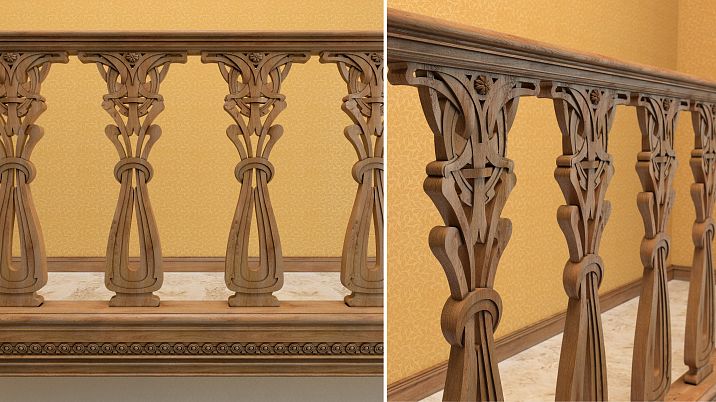
A terrace is not just an addition to the house. It is a special space where interior and exterior merge, where nature meets architecture, and comfort meets aesthetics. And precisely terrace balustrade it becomes the element that transforms an ordinary area into an elegant place for rest and contemplation. It is not just a fence—it is an architectural ornament that imparts your home with aristocratic charm and completeness.
Have you ever noticed how the impression of a house changes when its terrace is framed by an elegant balustrade? How the space transforms, becoming more structured, harmonious, and secure? Let’s dive into the world of balustrades and uncover all the secrets of this amazing architectural element that can turn your home into a true work of art.





History of Balustrades: From Antiquity to the Present




Birth of a Classical Element
Balustrades did not appear yesterday—their history spans millennia. The earliest references to these architectural elements can be found in ancient Assyrian palaces, where they served not only as barriers but also as symbols of power and wealth. However, the true golden age of balustrades came during the Renaissance, when Italian architects, inspired by ancient models, began actively incorporating them into their projects.
The term 'balustrade' comes from the Italian word 'balaustro,' meaning 'wild pomegranate.' It was the shape of the pomegranate flower that inspired craftsmen to create the classic form of the baluster—the main element of a balustrade. Michelangelo was among the first to standardize the proportions of balusters, creating the very recognizable silhouette we see today.
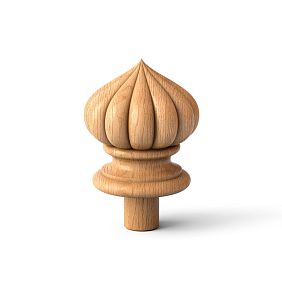
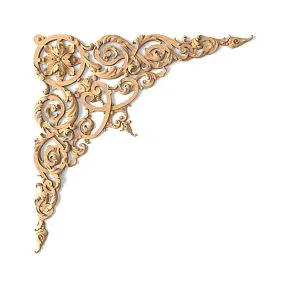
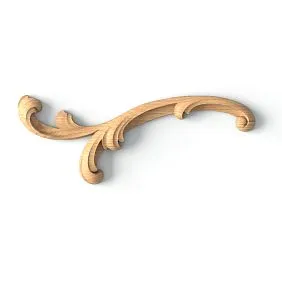
Our factory also produces:



Evolution of Forms and Materials
Over time, balustrades have evolved, reflecting changes in architectural styles and technological advancements. From massive stone structures of the Baroque era to elegant cast iron railings of the Victorian period—each era contributed its own unique touch to the design of these elements.
Today terrace balustrade It is a synthesis of centuries-old traditions and modern technologies. It can be crafted from a wide variety of materials: from classic marble and wood to innovative composite materials that mimic natural stone but offer improved properties.
Get Consultation
Anatomy of Perfection: What Makes Up a Balustrade
Main Structural Elements
To truly appreciate the beauty and functionality of a balustrade, it is necessary to understand what elements it consists of:
- Balusters—vertical posts that form the foundation of the entire structure. It is they that define the style and character of the balustrade. Classical balusters have a symmetrical shape with a widening in the middle, but modern variations can be incredibly diverse.
- Handrail—the top horizontal part of the balustrade, on which one can lean. It not only serves a practical function but also visually unifies the entire structure.
- Base—the bottom horizontal part on which the balusters are mounted. It ensures the stability of the entire structure.
- Newels—massive elements installed at the beginning and end of the balustrade, as well as at turns. They give the structure a sense of completion and monumentality.
Materials: Traditions and Innovations
Choosing a material for a balustrade is not only an aesthetic decision but also a practical one. Each material has its own advantages:
- Natural stone (marble, granite, limestone)—a classic option distinguished by durability and noble appearance. Such balustrades can serve for centuries, acquiring a unique charm over time.
- Wood—a warm, eco-friendly material that harmonizes beautifully with natural surroundings. Modern processing technologies allow significantly extending the service life of wooden balustrades.
- Concrete—an affordable material that allows creating balustrades of any shape. When properly finished, concrete items can imitate natural stone.
- Polymer materials—lightweight, resistant to environmental effects, and requiring minimal maintenance. Ideal for regions with harsh climates.
- Metal—a strong, durable material that allows creating both classical and modern balustrade designs.
Functionality and Aesthetics: The Dual Role of a Balustrade
Safety Without Compromise
Primary and Main Function Balustrades of the terrace Ensure safety. This is especially relevant for terraces located at an elevation. A properly designed balustrade should:
- Have optimal height (usually 90-110 cm)
- Have sufficient strength to withstand lateral loads
- Have spacing between balusters to prevent a child from falling (no more than 10 cm)
Modern balustrades not only comply with construction standards—they exceed them, providing maximum safety without compromising aesthetics.
Architectural Expressiveness
In addition to its practical function, a balustrade plays an important aesthetic role. It:
- Emphasizes the architectural style of the house
- Creates a visual boundary of space
- Adds monumentality and completeness to the building
- Forms a unique silhouette of the house, making it recognizable
That is why you should approach the selection of balustrade design with no less care than you would when choosing the facade or interior of the house.
Balustrade styles: from classic to avant-garde
Classic balustrades
Classic balustrade style embodies harmony and proportionality. Such constructions are characterized by:
- Symmetrical baluster shapes
- Clear proportions of all elements
- Use of traditional materials (marble, limestone)
- Presence of decorative elements (carvings, ornaments)
Classic balustrades are ideally suited for houses in the neoclassical, Renaissance Revival, or neoclassical styles. They create an atmosphere of aristocracy and timeless elegance.
Modern Interpretations
Modern balustrades feature a wide variety of forms and materials. They can be:
- Minimalist, with simple geometric forms
- Asymmetrical, creating a dynamic visual effect
- Combined, combining different materials (e.g., stone and glass)
- Innovative, using the latest technologies and materials
Such balustrades become not just a safety element, but a true work of modern art, highlighting the individuality of the house owner.
Technical aspects: how to choose the ideal balustrade
Parameter calculation
Balustrade design begins with precise calculations. It is necessary to consider:
- Perimeter length of the terrace
- Height from terrace surface to top of handrail (usually 90-110 cm)
- Distance between balusters (usually 10-15 cm)
- Number and placement of pedestals
- Loads that the structure must withstand
Professional manufacturers, such as the company STAVROS, offer not only ready-made solutions but also custom design taking into account all the specifics of your terrace.
Installation and Mounting
Installing balustrades is a responsible process that requires a professional approach. Main stages include:
- Foundation preparation (concreting, leveling)
- Installation of the lower balustrade base
- Installation of balusters with equal spacing
- Installation of handrail and decorative elements
- Final finishing and material protection
A properly installed balustrade will serve for decades, retaining its original appearance and ensuring safety.
Terrace balustrades in various architectural contexts
Country houses and villas
For country houses terrace balustrade becomes an important element that highlights the owner's status and creates an atmosphere of country idyll. In such projects, the following are often used:
- Massive balustrades made of natural stone
- Wooden balustrades that harmonize with the natural surroundings
- Combined constructions combining different materials
Balustrades on terraces with views of gardens or water bodies look especially striking, creating a frame for the natural landscape.
Urban townhouses and penthouses
In an urban environment, balustrades acquire special significance, becoming an element that distinguishes a residence among similar buildings. Urban terraces are characterized by:
- Compact balustrades with minimalist design
- Use of modern materials (glass, metal)
- Integration with lighting systems
- Multifunctionality (e.g., built-in flower boxes)
Such balustrades not only ensure safety but also create a private space for relaxation amidst urban bustle.
Historical reconstructions
A special case is the restoration of historical balustrades or the creation of their exact replicas for architectural monuments. Here it is important:
- Adherence to historical accuracy
- Use of traditional technologies and materials
- Preservation of original proportions and decorative elements
Such projects require not only technical skill but also deep knowledge in the field of architectural history.
Maintenance and Care: How to Preserve Beauty for Years
Seasonal maintenance
To maintain the balustrade's original appearance, regular maintenance is required:
- Spring: thorough cleaning of accumulated winter dirt, checking for damage caused by frost
- Summer: protection from ultraviolet rays (for wooden and some polymer balustrades)
- Autumn: preparation for the winter season, treatment with protective compounds
- Winter: cleaning of snow and ice, which may create additional load
Material-specific care
Each material requires its own approach to maintenance:
- Stone: periodic treatment with hydrophobic agents to protect against moisture and dirt
- Wood: regular renewal of protective coatings (varnish, oils, paints)
- Metal: protection against corrosion, repainting if necessary
- Polymer materials: cleaning from dirt, checking for cracks and deformations
Proper care significantly extends the lifespan of the balustrade and preserves its aesthetic qualities.
Innovations in the world of balustrades: a look into the future
Smart Balustrades
Modern technologies have not overlooked such a traditional element as the balustrade. Today, "smart" solutions are emerging:
- Built-in LED lighting that activates at dusk or upon motion detection
- Heating systems for handrails in cold-climate regions
- Integration with home security systems
- Sensors that can detect excessive load on the balustrade
Such innovations make the balustrade not just a decorative element, but part of a modern smart home ecosystem.
Eco-friendly Solutions
The trend toward eco-friendliness is reflected in balustrade production:
- Use of recycled materials
- Use of environmentally friendly paints and stains
- Development of biodegradable composite materials
- Implementation of energy-saving manufacturing technologies
These solutions allow creating balustrades that are not only beautiful and functional, but also have minimal environmental impact.
Economic aspects: investment in beauty and safety
Factors Affecting Cost
The cost of a balustrade depends on many factors:
- Selected material (from affordable concrete to exclusive marble)
- Design complexity and presence of decorative elements
- Perimeter length and structure height
- Need for individual design
- Installation complexity (especially on existing terraces)
At the same time, it is important to understand that terrace balustrade This is a long-term investment that not only increases safety but also increases property value.
Long-term savings
Quality balustrade, despite initial costs, allows saving in the long term:
- Reduced repair and maintenance costs
- Reduced risk of accidents and associated expenses
- Improved home energy efficiency (some types of balustrade can provide additional wind protection)
- Increases property liquidity when selling
Psychological aspect: how balustrade affects space perception
Creating a sense of safety
Balustrade is subconsciously perceived as a protective element, which is especially important for terraces located at height. It creates:
- A physical barrier preventing falls
- A visual boundary that psychologically structures the space
- A feeling of security, allowing complete relaxation on the terrace
Formation of status
Historically, balustrades were a sign of aristocracy and wealth. This connotation remains today:
- An elegant balustrade emphasizes the owner's status
- Creates an impression of solidity and tradition
- Demonstrates attention to detail and good taste
That is why many property owners choose balustrades even when they are not necessary from a safety standpoint.
Practical tips for choosing a balustrade for your terrace
Architectural style consideration
The first and main rule - the balustrade must harmonize with the overall architectural style of the house:
- For classic facades, traditional balustrades with symmetrical balusters are suitable
- For modern minimalist homes - minimalist constructions of glass or metal
- For country-style or chalet-style country houses - wooden balustrades with carved elements
Climate condition compliance
The regional climate should be considered when selecting the material:
- For a humid climate, it is better to choose moisture-resistant materials (stone, composites, some types of metals)
- In regions with sharp temperature fluctuations, material resistance to thermal deformation is important
- In coastal areas, resistance to salt fog and wind loads is required
Integration with the landscape
The balustrade should harmoniously integrate not only with the house's architecture but also with the surrounding landscape:
- For terraces with a view of the garden, more open designs that do not obstruct the landscape are suitable
- In mountainous areas, massive stone balustrades look well
- Near a body of water, structures reminiscent of maritime themes are appropriate
Balustrade as part of an overall design project
Combination with other exterior elements
The balustrade should be part of a unified architectural ensemble, coordinating with:
- The house facade (materials, color palette, style)
- Other exterior elements (columns, pilasters, cornices)
- Garden paths and small architectural forms
- Landscape design of the plot
Creating a cohesive composition
Professional designers consider the balustrade not as a separate element, but as part of an overall composition:
- It can become a connecting element between the house and the garden
- Highlight architectural features of the building
- Create visual accents and guide the viewer's gaze
- Form a unified perception of the space
Legal aspects: norms and rules
Building codes and regulations
When designing and installing a balustrade, current regulations must be considered:
- SNiP and GOST regulating the height and strength of barriers
- Fire safety requirements (especially for wooden balustrades)
- Accessibility norms for people with limited mobility (in public buildings)
- Local building regulations and restrictions
Approval in historic districts
Special attention should be paid to approval if the house is located in a historic zone:
- Historical style compliance may be required
- Permission from heritage protection authorities is required
- Material and technology selection may be restricted
Conclusion: balustrade as an investment in beauty and comfort
terrace balustrade It is not just a functional element ensuring safety. It is an architectural ornament that transforms the space, gives it completeness and individuality. A well-chosen balustrade becomes the home’s signature, reflecting the taste and status of its owner.
STAVROS Company has been specializing for many years in creating exclusive balustrades that combine centuries-old craftsmanship traditions with modern technologies. Each item is the result of meticulous work by professionals who invest not only their skill but also their soul into it.
Choosing a balustrade from STAVROS is not just investing in a beautiful architectural element — you are investing in quality of life, safety and comfort, in aesthetic pleasure you will enjoy every day when stepping onto your terrace.
Let your terrace become a special place where functionality and beauty, tradition and innovation, nature and architecture merge into one. Let the STAVROS balustrade become a worthy frame for this space, highlighting its uniqueness and your impeccable taste.