Article Contents:
- Vologda Woodworking Traditions: Heritage of Centuries
- Influence of Architectural Styles on Craft Development
- Material Science: Secrets of Choosing Wood for the Northern Climate
- Coniferous Species: Reliability Proven Over Time
- Hardwood Species: Nobility and Refinement
- Technological Solutions: From Handcraft to Modern Production
- Turning: the art of creating ideal forms
- Milling: Possibilities of Modern Technologies
- Hand Carving: Soul in Every Piece
- Baluster Classification: Variety of Forms and Styles
- Precision-crafted balusters: classic elegance
- Flat Balusters: Modernity and Functionality
- Carved Balusters: Lacework in Wood
- Dimensional standards and technical requirements
- Height and proportions
- Cross-Section and Shape
- Distance between balusters
- Production process: from rough stock to finished product
- Material preparation
- Rough processing
- Final finishing
- Protective Treatment
- Economic aspects: investments in quality and beauty
- Pricing factors
- Long-Term Savings
- Installation and mounting: secrets of professionals
- Preparatory work
- Mounting methods
- Final finishing
- Maintenance and Care in Northern Climate Conditions
- Humidity control
- Regular Cleaning
- Recoating
- Modern trends in baluster design
- Combined Solutions
- Non-standard shapes
- Functional additions
- Where to Find Quality Solutions in Vologda
- Supplier selection criteria
- Specialized Manufacturers
- Practical tips for selection
- Matching interior design
- Functional Requirements
- Climate Conditions
- Innovations in production
- Digital technologies
- Ecological Aspects
- Personalization
- Restoration and repair
- Preservation of Authenticity
- Modern Restoration Methods
- Conclusion: Investment in Beauty and Traditions

The ancient city of Vologda, shrouded in legends and imbued with the spirit of Russian architecture, has always been renowned for its master craftsmen. Here, among white-stone churches and wooden palaces, masterpieces of decorative-applied art were born, which still today captivate with their beauty and craftsmanship. Within this tradition, balusters hold a special place — elegant architectural elements capable of transforming an ordinary staircase into a work of art.
What makes a modern person pause and look at the old mansions of Vologda? Why do some houses seem especially attractive to us, while others pass by unnoticed? The secret lies in the details — in those very architectural elements that create a building’s unique appearance. And among these details, balusters play one of the key roles.
Today, when everyone strives to create a unique interior for their home, balusters are once again gaining popularity. They do not merely serve a functional role as supports for railings — they become artistic expressions, a way to convey the individuality of the home’s owner.


Vologda Woodworking Traditions: Heritage of Centuries
The land of Vologda has long been renowned for its forest riches. Dense northern forests provided builders with excellent materials — pine, spruce, birch — which, in the skilled hands of craftsmen, became true works of art. Woodworking traditions were passed down from generation to generation, perfected and enriched with new techniques.
The climatic features of the Vologda region have left their mark on woodworking technologies. Long winters, short summers, high humidity — all of this required a special approach to material selection and processing methods. Local craftsmen learned to create items that are not only beautiful but also capable of withstanding the whims of the northern climate.




Influence of Architectural Styles on Craft Development
Vologda has always been open to the influence of various architectural styles. Baroque of the Peter era, classicism of the 18th century, eclecticism of the 19th century — each style left its mark on the local tradition of producing decorative elements. Balusters made by Vologda craftsmen reflected these influences, yet retained a unique local character.
The distinctive feature of the Vologda approach was the ability to adapt metropolitan trends to local conditions and traditions. This created a unique blend of elegance and practicality, which continues to make Vologda products recognizable and sought after today.
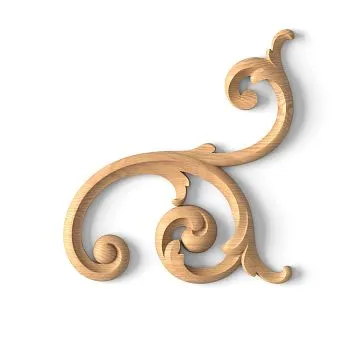
Our factory also produces:


Material Science: Secrets of Choosing Wood for the Northern Climate
Choosing material for manufacturing balusters in the Vologda region is an entire science requiring deep understanding of the properties of various wood species. Not every tree can withstand the harsh conditions of the northern climate and retain its beauty for many years.
Get Consultation
Coniferous Species: Reliability Proven Over Time
Spruce remains the favorite material for making balusters in Vologda. Northern spruce, grown under harsh conditions of a short summer and long winter, possesses special density and strength. Slow growth creates a fine-grained wood structure, ensuring high stability of finished products.
The resinous substances contained in spruce serve as natural protection against moisture and pests. This is especially important in the Vologda climate, characterized by high humidity and sharp temperature fluctuations.
Pine is used less frequently, but it has its advantages. Pine wood is lighter than spruce and has a more uniform structure, making it ideal for creating balusters to be painted. The absence of prominent resin pockets allows for even coverage.
Deciduous species: nobility and refinement
Birch is a traditional material for Vologda craftsmen. Birch wood is characterized by its whiteness, density, and excellent workability. It is ideal for creating intricately carved elements with complex configurations.
Oak, although not a local species, is actively used for creating premium items. Oak balusters are distinguished by exceptional durability and a noble appearance.
Linden is valued for its softness and ease of processing. Linden balusters are easily carved, allowing for the creation of items with delicate details.
Technological solutions: from handcraft to modern production
The production of balusters in Vologda has undergone a long development path — from entirely handcrafted production to the use of modern high-tech machines. At the same time, the best traditions of handcraft are preserved and passed on to new generations of craftsmen.
Turning processing: the art of creating ideal shapes
Turned balusters are a classic genre that never goes out of fashion. Modern CNC lathes allow for the creation of items with perfect geometry and repeatable forms. At the same time, each baluster retains individual characteristics related to the natural wood structure.
The turner’s skill is demonstrated in the ability to feel the material, understand the direction of fibers, and create shapes that highlight the natural beauty of wood. Buy balusters in Vologda turned type can be purchased from manufacturers who preserve the traditions of local craftsmanship.
Milling: possibilities of modern technologies
Milling machines open up limitless possibilities for creating flat balusters with complex configurations. Modern equipment can cut delicate ornaments and create geometric patterns of any complexity.
A special direction — manufacturing pierced balusters, where milling technologies allow creating real wooden lace. Such items require high operator skill and precise equipment setup.
Hand carving: soul in every item
Despite the development of machine technologies, hand carving remains the pinnacle of craftsmanship. Carved balusters are one-of-a-kind items, each bearing the imprint of the artisan's individual creativity.
In Vologda, traditions of artistic wood carving are preserved. Local craftsmen create balusters that can be called true works of art. Every ornament element is thoughtfully designed and executed with love for the craft.
Baluster classification: variety of forms and styles
The world of balusters is astonishing in its diversity. Each type has its own features, area of application, and aesthetic qualities.
Turned balusters: classical elegance
Turned balusters are bodies of revolution with various decorative elements. They can be simple, with minimal details, or complex, with numerous transitions and embellishments.
Classic turned balusters often have a shape resembling miniature ancient columns. Base, fluted stem or other decorative elements, capital — all this creates a sense of solemnity and respectability.
Flat balusters: modernity and functionality
Flat balusters are a relatively new direction that has gained wide popularity due to its versatility and cost-effectiveness. They are flat boards of various thicknesses with carved decorative elements.
The advantage of flat balusters lies in the possibility of creating complex ornaments at relatively low material costs. They are ideal for modern interiors, where minimalism and functionality are valued.
Pierced balusters: wooden lace
Pierced balusters are the pinnacle of the milling craftsman's skill. Complex ornaments, thin struts, delicate patterns — all this requires the highest precision and craftsmanship.
Such balusters look especially striking in interiors where the play of light and shadow is important. Pierced elements create interesting lighting effects, adding dynamism and expressiveness to the interior.
Dimensional standards and technical requirements
When choosing balusters, it is important to consider not only aesthetic but also technical aspects. Certain standards ensure the safety and functionality of stair constructions.
Height and proportions
The standard height of balusters is 900 mm, providing a comfortable handrail height for most people. However, this parameter may vary depending on specific project conditions.
It is important to observe correct proportions between different parts of the baluster. The base should be sufficiently massive to ensure stability, the decorative part — proportionate to the overall height, the upper support zone — sufficient for secure handrail attachment.
Cross-section and shape
The cross-section of round balusters varies from 30 to 50 mm in diameter. For square elements, standard sizes are 40×40, 50×50, 60×60 mm. The choice of specific size depends on the overall proportions of the staircase and stylistic requirements.
Flat balusters have a thickness of 18 to 25 mm and a width of 70 to 120 mm. These parameters ensure sufficient strength with optimal material usage.
Distance between balusters
The key safety parameter is the distance between balusters. It must not exceed 120 mm, preventing children from slipping between the posts. For families with young children, it is recommended to reduce this interval to 100 mm.
Production process: from blank to finished product
Manufacturing high-quality balusters is a complex technological process requiring highly skilled craftsmen and modern equipment.
Material Preparation
The process begins with careful selection of timber. Roughs must be free of knots, cracks, and other defects. Special attention is paid to the grain direction — it must be parallel to the future baluster’s axis.
The timber undergoes kiln drying to a moisture content of 8–12%. This is a critically important stage, as it determines the stability of the geometry of finished products. In the Vologda climate, proper drying is especially important.
Rough processing
At this stage, roughs are processed to approximate future baluster dimensions. Band saws and jointers are used, ensuring precise dimensions and correct geometry of the roughs.
Final finishing
Final processing includes turning, milling, or carving — depending on the type of baluster. At this stage, the item acquires its final shape and all decorative elements.
Special attention is paid to surface quality. Each baluster undergoes multi-stage grinding with abrasives of varying grit.
Protective treatment
Finished balusters are coated with protective finishes — varnishes, oils, or waxes. In Vologda, it is especially important to ensure reliable protection against moisture and temperature fluctuations.
Economic aspects: investment in quality and beauty
The cost of balusters in Vologda varies widely depending on numerous factors. Understanding these factors will help make an informed choice.
Pricing Factors
The material used is the primary factor determining cost. Pine balusters are the most affordable, while oak balusters are significantly more expensive but also longer-lasting.
The complexity of processing — simple turned shapes are cheaper than intricately carved items with complex configurations. Hand-carved designs increase the cost several times.
The size of the item — larger balusters require more material and processing time.
Order volume — the price per unit decreases when ordering larger quantities.
Long-term savings
Quality balusters are an investment for decades. Saving on materials or manufacturing quality may result in the need for replacement within a few years.
wooden balusters for staircases High-quality balusters require little serious maintenance for many years, making them an economically advantageous solution.
Installation and mounting: secrets of professionals
The quality of baluster installation directly affects the safety and longevity of the entire staircase structure. In Vologda, experienced masters work who know all the subtleties of installation under local climate conditions.
Preparation Work
Before installation, precise marking is required. Each baluster must be installed strictly vertically, adhering to specified intervals.
The surfaces of steps and handrails must be carefully prepared. They must be smooth, clean, and treated with appropriate finishes.
Methods of mounting
Fastening with dowels and glue — the most common method for wooden structures. Provides strong and inconspicuous connections.
Bolted connections — used for heavy balusters or when special strength of fastening is required.
Fastening with metal plates — a modern method ensuring quick and reliable installation.
Final finishing
After installation, all wooden elements must be treated with protective finishes. In Vologda, it is especially important to ensure protection against moisture and temperature fluctuations.
Care and maintenance in northern climate conditions
Proper care of balusters in Vologda has its own peculiarities, related to regional climatic conditions.
Humidity control
Maintaining an optimal indoor humidity level (40–60%) is critically important for preserving wooden balusters. In Vologda homes, this can be a problem, especially during winter.
Regular cleaning
Balusters should be regularly cleaned of dust using soft cloth or specialized wood cleaning agents. Special attention should be paid to hard-to-reach areas in carved elements.
Recoating
Protective coatings require periodic renewal. In Vologda, this should be done more frequently than in drier climates.
Modern trends in baluster design
Modern designers constantly seek new ways to use balusters in interior design, creating unique solutions that combine tradition and innovation.
Combined Solutions
Combined balusters, combining wood with metal, glass, or other materials, are gaining popularity. Such solutions allow creating a unique appearance while preserving all the advantages of wood.
Unconventional Shapes
Modern technologies allow creating balusters of the most unusual shapes. This opens new opportunities for the creativity of designers and architects.
Functional Additions
Balusters can perform additional functions — serve as support for shelves, integrate lighting elements, include decorative inserts.
Where to find quality solutions in Vologda
Vologda offers a wide range of baluster manufacturers and suppliers. It is important to choose a reliable partner who understands the specifics of the local climate and quality requirements.
Supplier selection criteria
When choosing a place where Buy wooden balusters In Vologda, pay attention to:
- Experience working in the local market
- Presence of own production
- Quality of materials used
- Ability to manufacture to custom sizes
- Warranty and After-Sales Service Terms
Specialized Manufacturers
The best choice is to consult specialized manufacturers who have long-term experience working specifically with wooden products. Such companies understand all the nuances of working with different wood species.
Practical Tips for Selection
Choosing balusters is a complex task requiring consideration of multiple factors.
Interior Compatibility
Balusters should harmonize with the overall interior style. Traditional shapes suit classic interiors, while minimalist solutions are ideal for modern ones.
Functional Requirements
Consider the intensity of staircase use, presence of children in the household, and specific usage conditions.
Climate conditions
In Vologda, special attention should be paid to the quality of timber drying and protective treatment of the products.
Production innovations
Modern technologies open up new possibilities in baluster production.
Digital technologies
The use of 3D modeling and CNC machines allows creating products of any complexity with high precision.
Ecological aspects
Growing attention to ecology encourages the use of wood from sustainably managed forests.
Personalization
Modern consumers value individuality. Manufacturers offer services for custom-made items based on individual designs.
Restoration and Rehabilitation
In the historic part of Vologda, there is often a need to restore old staircases with wooden balusters.
Preservation of authenticity
During restoration, it is important to preserve the historical appearance of items. This requires deep knowledge of historical styles and traditional techniques.
Modern restoration methods
Modern technologies allow restoring even severely damaged balusters. Special compositions are used to strengthen the wood.
Conclusion: Investment in beauty and traditions
Balusters are more than just elements of staircase construction. They are an opportunity to connect with centuries-old traditions of Vologda craftsmanship, create a unique atmosphere in your home, and invest in beauty that will delight for many years.
In Vologda, a city rich in woodworking traditions, choosing balusters becomes especially important. Here, every detail must meet the high standards of quality and craftsmanship established by previous generations of artisans.
Turned wooden balusters They remain a classic of the genre, never going out of fashion. Their elegant forms and perfect proportions make them universally suitable for any interior style.
Quality Carved balusters from solid wood These are works of art that transform an ordinary staircase into an architectural masterpiece. Each detail is created with love and skill, making such items especially valuable.
When choosing balusters in Vologda, remember: this is a decision for many years. High-quality items made of natural wood, crafted while respecting all traditions and modern technologies, will last for decades, becoming even more beautiful and valuable over time.
Investing in quality balusters, you get not only a beautiful staircase, but also a piece of Vologda’s history and craftsmanship traditions passed down from generation to generation. In a city where every home preserves memories of the past, your home should also tell a story — a story of good taste, quality, and respect for traditions.
For many years, the company STAVROS has specialized in producing high-quality solid wood items. Rich experience, modern technologies, and deep understanding of woodworking traditions allow creating items that combine classic quality with modern requirements. By contacting STAVROS specialists, you receive a quality guarantee proven over time and the opportunity to realize the boldest design ideas in the spirit of the best Vologda traditions.