






































Article Contents:
- Historical heritage in modern interiors
- Evolution from architecture to furniture
- Cultural significance in various styles
- Technical Specifications and Structural Features
- Material science aspects
- Geometric parameters and proportions
- Manufacturing Technologies
- Material preparation
- Turning processing
- Final finishing
- Classic Directions in Modern Interpretation
- Classical styles
- Modern Interpretations
- Ethnic Motifs
- Practical application in various types of furniture
- Tables and tables
- Chairs and armchairs
- Cabinets and chests of drawers
- Technical aspects of mounting and installation
- Ways to mount to tabletops
- Structural Reinforcement
- Adjustment and leveling
- Maintenance and care
- Daily care
- Periodic maintenance
- Restoration and repair
- Economic Aspects and Investment Appeal
- Financial Schemes and Cost Optimization Methods
- Long-Term Economic Efficiency
- Conclusion
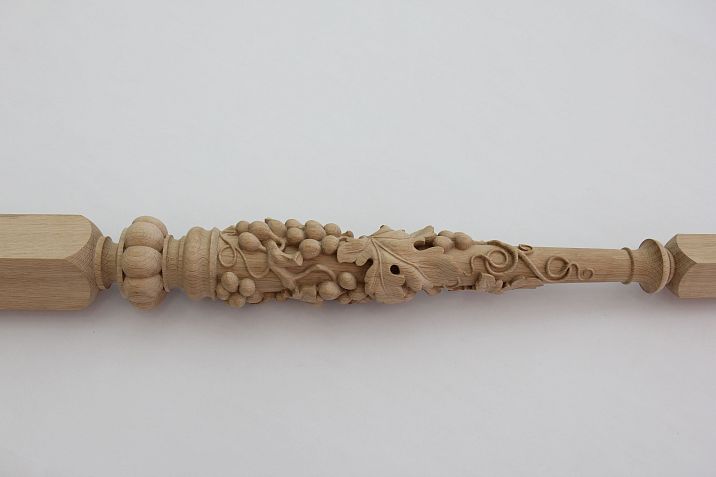
Have you ever thought about what turns an ordinary piece of furniture into a work of art? The secret lies in the details, and one of the most important details are baluster legs — unique elements capable of transforming a simple table, chair, or chest into a true masterpiece of interior design. These elegant supports, originally created for stair railings, have found new life in furniture manufacturing, becoming a symbol of refinement and craftsmanship.
In the modern world, where mass production often strips objects of individuality, using balusters as furniture legs opens up limitless possibilities for creating unique interior solutions. Each baluster carries within it the history of carpentry craftsmanship, embodying woodworking traditions passed down from generation to generation.
Using balusters as furniture support elements is not merely a designer's whim, but a conscious choice in favor of quality, durability, and aesthetic perfection. These elements possess unique structural features that make them ideal for creating sturdy and beautiful furniture constructions.


Historical heritage in modern interiors
The history of balusters goes back to ancient times, when craftsmen of Mesopotamia first began using these decorative elements to adorn architectural structures. Over time, balusters evolved, acquiring various forms and styles reflecting the cultural characteristics of different eras.




Evolution from architecture to furniture
The transition of balusters from the architectural sphere to furniture manufacturing occurred naturally. Master carpenters, enchanted by the elegance and functionality of these elements, began adapting them for creating furniture legs. Thus, the first tables and chairs with balusters as legs appeared.
The distinctive feature of balusters lies in their unique shape, which combines strength and elegance. A classical baluster consists of three main parts: base, decorative body, and top section. This construction ensures optimal load distribution and creates a visually appealing silhouette.
In the Renaissance, baluster legs became a symbol of aristocracy and refined taste. Italian masters created furniture with balusters that adorned palaces and mansions of the nobility. Every detail was carefully crafted, creating a harmonious blend of functionality and beauty.
Our factory also produces:


Cultural significance in various styles
Baroque brought theatricality and opulence to baluster design. Masters of this era created complex compositions with numerous decorative elements, turning each leg into a miniature sculpture. Spiral scrolls, floral ornaments, intricate geometric patterns — all became characteristic features of Baroque balusters.
Neoclassicism restored strictness and symmetry, but did not deprive balusters of decorative appeal. Masters of this period achieved an amazing balance between functionality and beauty, creating elements that looked equally well in grand halls and cozy living rooms.
Modern designers draw inspiration from historical examples, adapting classical forms to meet the requirements of contemporary interiors. Minimalist balusters with clean lines fit perfectly into modern spaces while maintaining a connection to the traditions of craftsmanship.
Get Consultation
Technical characteristics and structural features
Using balusters as furniture legs requires a deep understanding of their structural features and technical characteristics. These elements must not only decorate furniture but also ensure its reliability and longevity.
Material Science Aspects
The quality of wood plays a decisive role in creating durable and beautiful baluster legs. Hardwood species such as oak, beech, and ash provide maximum strength and resistance to mechanical impacts. Oak's density of 700-800 kg/m³ makes it an ideal material for creating furniture legs capable of withstanding significant loads.
Beech, possessing similar strength characteristics to oak, differs with a lighter shade and less pronounced texture. This species is ideal for creating furniture in a modern style, where restraint and elegance are valued. Beech balusters are easily stained, allowing for any desired shade.
Ash is characterized by exceptional uniformity of structure, making it an ideal material for turning and carving. The pinkish hue of ash wood gives furniture a warm, cozy character. This species is especially popular in creating children's furniture due to its ecological safety and non-toxicity.
Geometric parameters and proportions
Correct proportions are key to creating harmonious furniture with balusters. The height of the leg should correspond to the functional purpose of the furniture item and create a visually balanced composition. For dining tables, the optimal height is 720-750 millimeters, and for coffee tables — 400-500 millimeters.
The diameter of the leg baluster at its widest part is usually 80-120 millimeters for large furniture and 50-80 millimeters for more delicate items. The ratio of height to maximum diameter should be within 6:1 — 8:1 to ensure optimal proportions.
The taper of the baluster is an important parameter affecting the visual perception of furniture. A smooth narrowing from the base to the top creates a sense of lightness and elegance, while cylindrical forms give furniture a more rigid and monumental appearance.
Manufacturing Technologies
Creating high-quality leg balusters requires high craftsmanship and adherence to complex technological processes. Each stage of production affects the final quality of the product and its operational characteristics.
Material Preparation
The process begins with careful selection of timber. The blanks must be dried to a moisture content of 8-12% in specialized drying chambers with controlled regimes. This ensures the geometric stability of the finished products and prevents cracking during use.
Material cutting is performed taking into account the direction of the grain and the location of defects. Each blank is checked for the absence of internal stresses that could cause warping during processing. The optimal cross-section of the blank should exceed the maximum diameter of the future baluster by 10-15 millimeters.
Pre-processing includes trimming blanks with a 20-30 millimeter allowance for final trimming. This allows removal of end cracks and ensures perfect perpendicularity of ends to the product's axis.
Turning Processing
The main forming operation is turning on specialized lathes. Modern CNC turning centers allow reproducing complex profiles with high accuracy and repeatability, which is especially important when manufacturing sets of furniture legs.
Programming turning machines requires deep understanding of wood processing characteristics. Cutting speed, tool feed, and cutting depth — all these parameters must be optimized for each specific wood species and type of profile being processed.
Special skill is required when creating transitions between different profile elements. Smooth junctions, characteristic of quality balusters, are achieved through precise feed control and the use of special tools with correctly shaped cutting edges.
Final finishing
After turning, balusters undergo careful sanding. This process is performed in several stages with gradually decreasing abrasive grit. Initial sanding is done with 120-150 grit paper, intermediate with 180-220 grit, and final with 280-320 grit.
The quality of sanding is critically important for subsequent finishing. Any scratches or irregularities will be visible under transparent coatings and spoil the appearance of the finished product. Experienced craftsmen perform a final manual sanding using fine sandpaper to eliminate the smallest defects.
Pre-treatment with protective compositions extends the service life of wooden elements. Antiseptic impregnations protect wood from fungi and insects, while special primers improve the adhesion of the final coating.
Design possibilities and stylistic solutions
Using leg balusters in furniture design opens up limitless opportunities for creative expression. The variety of forms, sizes, and styles allows creating unique furniture pieces that perfectly fit any interior.
Classic styles
Classic style implies using balusters with traditional proportions and restrained decoration. Geometric elements — spheres, cylinders, cones — form a harmonious whole. Decorative elements, if present, have an architectural character: fluting, moldings, astragals.
The color palette of classic balusters is usually restrained: natural wood tones, white, cream, gray. Such elements are universal and suitable for most interiors, not drawing attention to themselves but giving furniture a noble appearance.
Classic balusters are often manufactured in series with minor variations in details. This creates compositional rhythm and emphasizes the architectural character of the furniture. A set of four identical legs creates a sense of stability and order.
Modern Interpretations
Modern design offers new approaches to using balusters in furniture. Minimalist forms with clean lines and absence of decorative elements fit perfectly into contemporary interiors. Such balusters highlight the beauty of the material and perfection of proportions.
Asymmetric compositions and unusual material combinations create unique design solutions. Combining wood with metal, glass, or stone allows creating furniture that becomes a central element of the interior.
Color experiments open up new possibilities for design. Bright shades, gradient transitions, contrasting combinations — all this allows creating furniture reflecting the owner’s individuality and modern design trends.
Ethnic motifs
Using ethnic motifs in baluster design allows creating furniture with a distinctly national character. Russian woodworking traditions offer a rich arsenal of decorative elements: geometric ornaments, plant motifs, symbolic imagery.
Eastern styles bring refinement and elegance to baluster design. Japanese minimalism, with its clean lines and natural materials, creates a sense of harmony and tranquility. Chinese motifs, with their symbolism and intricate ornaments, transform furniture into a work of art.
Scandinavian style offers simple, functional forms with an emphasis on material quality and craftsmanship. Light wood species, natural tones, minimal decoration — all this creates an atmosphere of coziness and comfort.
Practical application in various types of furniture
The versatility of leg balusters allows using them in the most diverse types of furniture. From massive dining tables to delicate consoles — these elements can add a special charm and individuality to any piece.
Tables and tables
Dining tables with balusters as legs create an atmosphere of solemnity and respectability. Heavy oak balusters can withstand significant loads, ensuring stability even for large tabletops. Classic proportions and noble wood texture make such tables a central element of dining or living rooms.
Coffee tables require more delicate proportions. Thin balusters with refined profiles create a sense of lightness and airiness. Such furniture fits perfectly into modern interiors, not cluttering space but adding elegance.
Console tables with balusters become true works of art. The possibility of using asymmetric compositions or unusual material combinations allows creating unique design solutions that become ornaments for hallways or living rooms.
Chairs and Sofas
Using balusters in chair construction requires special skill and understanding of ergonomic principles. Legs must provide not only aesthetic appeal but also comfort during use. Properly designed balusters create optimal support and do not hinder the movements of the seated person.
Bar stools with high balusters create a special atmosphere in the kitchen or bar. Additional crossbars between legs provide structural rigidity and serve as footrests. Such furniture combines functionality with an elegant appearance.
Chairs with balusters require a special approach to design. It is necessary to consider not only aesthetic requirements but also ergonomic principles. Properly designed armrests and backrests in combination with elegant legs create a comfortable and beautiful place for rest.
Cabinets and Chests
High cabinets on balusters create a sense of lightness and elegance. Furniture raised above the floor visually increases space and simplifies cleaning. Balusters must be strong enough to support the weight of a filled cabinet, yet maintain an elegant appearance.
Cabinets with baluster legs become a decoration for the bedroom or living room. The ability to use various types of wood and finishing methods allows creating furniture ideally suited to a specific interior. Classic forms combine beautifully with modern countertop materials.
Vitrines and sideboards require special attention to proportions. Balusters must harmonize with the overall dimensions of the furniture and not appear too bulky or, conversely, fragile. Properly selected legs emphasize the beauty of displayed items and create a museum-like display effect.
Technical aspects of mounting and installation
Secure attachment of baluster legs to furniture structures requires the use of special technologies and fastening elements. The quality of the connection determines the durability and safety of furniture use.
Ways to attach to countertops
The most reliable method of attaching balusters to countertops is using metal plates or brackets. These elements are installed at the top of the baluster and secured to the countertop with bolts or screws. This connection ensures high strength and allows for disassembly if necessary.
Threaded connections using metal bushings allow creating disassemblable structures. Holes are drilled into the countertop, into which threaded bushings are installed. Balusters are fitted with corresponding bolts that are screwed into the bushings. This system is especially convenient for furniture transportation.
Adhesive connections with additional mechanical fastening ensure structural monolithism. Modern polyurethane adhesives create a strong and durable connection, reinforced by screws or dowels. This method is suitable for stationary furniture that does not require disassembly.
Structural reinforcement
To increase the rigidity of furniture with baluster legs, additional elements — braces, crossbars, and base supports — are often used. These parts connect legs to each other, forming a spatial frame that significantly increases the overall stability of the structure.
Braces are horizontal elements connecting legs at the top. They bear horizontal loads and prevent loosening of connections. Braces can be both functional and decorative, matching the baluster style.
Crossbars are installed at the lower part of legs and perform a similar function. They are especially important for tall furniture, where the center of gravity is significantly higher than the points of support. Properly designed crossbars not only strengthen the structure but also serve as footrests.
Adjustment and leveling
Uneven floors can cause stability issues for furniture on baluster legs. To compensate for these irregularities, adjustable supports — special screw mechanisms embedded in the lower part of legs — are used. They allow precise leveling of furniture and ensure even load distribution.
Furniture feet protect baluster legs from moisture and mechanical damage upon contact with the floor. They are made from various materials: plastic, metal, felt. The choice of material depends on the type of flooring and the operating conditions of the furniture.
Anti-vibration pads reduce vibration transmission from furniture to the floor and vice versa. This is especially important for furniture installed on wooden floors, where resonant phenomena may cause discomfort for residents on lower floors.
Care and Maintenance
Proper care of baluster legs ensures their longevity and preservation of the original appearance. Wooden elements require regular, but not complicated, maintenance.
Daily Care
The basis of care for wooden balusters is regular dust and dirt removal. This is done using a soft dry cloth or special wood cleaning cloths. Wet cleaning is performed with a well-wrung cloth using special non-aggressive chemical-free cleaning agents.
Special attention should be paid to joints and decorative elements where dust may accumulate. For cleaning hard-to-reach areas, soft brushes or special brushes are used. It is important to avoid abrasive materials that may damage the finish.
When spots or stains are detected, they should be removed immediately, preventing absorption into the wood. Most household stains are easily removed with a mild soap solution, after which the surface is wiped dry with a cloth.
Periodic maintenance
It is recommended to treat balusters with special polishing compounds every month, which nourish the wood and create a protective film on the surface. Polishes are applied in a thin layer and rubbed in until fully absorbed with a soft cloth.
Seasonal maintenance includes inspecting all joints, checking the strength of fastenings, and identifying possible defects. Special attention is given to areas of maximum load — points of attachment to countertops and bases.
If fastenings are found to be weakened, immediate measures must be taken to reinforce them. Timely maintenance prevents serious problems and extends the lifespan of the furniture.
Minor damage to oak balusters can be repaired yourself using special wax pencils or wood putty. It is important to select the material to match the wood tone precisely for an undetectable repair.
Minor surface damage — scratches, dents, chips — can be repaired independently using special repair compounds. For each type of wood, corresponding materials are selected that exactly match the color and texture.
Serious damage requires professional intervention. Cracks in the wood, damage to decorative elements, moisture damage — all of this requires specialized knowledge and tools for quality restoration.
Complete re-coating is performed every 5-7 years depending on usage intensity. The old coating is removed by sanding, after which a new coating is applied in full. This process is best entrusted to professionals.
Economic Aspects and Investment Attractiveness
Investing in quality furniture with baluster legs represents a long-term investment in comfort and prestige. Such furniture not only serves for decades but can also increase in value, especially if made from valuable wood species.
Cost and Pricing
The price of furniture with balusters depends on many factors: wood species, complexity of processing, quality of finish, manufacturer's reputation. Furniture made from solid oak or beech is significantly more expensive than similar items made from pine, but lasts much longer.
Handmade work is always valued higher than machine processing. Furniture made by experienced craftsmen using traditional technologies may cost several times more than mass-produced items, but its quality is incomparable.
Design exclusivity also affects the cost. Unique baluster shapes created according to an individual project require additional expenses for development and manufacturing special tools, which are reflected in the final price of the item.
Long-term economic efficiency
Quality furniture with balusters pays for itself through its longevity. While cheap furniture requires replacement every 5-7 years, solid wood items can serve for decades without losing functionality or aesthetic appeal.
The ability to restore and repair allows maintaining furniture in ideal condition with minimal expenses. This is especially important for antique or designer items, the cost of which may significantly increase over time.
The versatility of design of quality balusters ensures their relevance as interior trends change. Classic forms never go out of style, and the possibility of changing finishes allows adapting furniture to new stylistic requirements.
Conclusion
Baluster legs represent a unique combination of functionality, aesthetics, and historical heritage. These elements can transform ordinary furniture into works of art, creating an atmosphere of elegance and comfort in any interior.
Modern manufacturing technologies allow creating balusters of any complexity, embodying the most daring design concepts in wood. At the same time, the best traditions of craftsmanship are preserved, passed down from generation to generation by carpenters and woodworkers.
Choosing furniture with balusters is an investment in quality, beauty, and longevity. Such items not only serve their functional purpose but also become family heirlooms passed down through generations.
Proper care and timely maintenance ensure a long life for furniture with balusters. These items can retain their beauty and functionality for decades, delighting owners and their guests.
For those who appreciate true quality and beauty, we recommend exploring the collection baluster legs, where the best examples of modern woodworking craftsmanship are presented.
STAVROS Company has been a recognized leader in creating exclusive wooden items for many years. Our masters combine centuries-old traditions with modern technologies, creating balusters the highest quality, which will adorn any interior and become a source of admiration for many years.