












































































Article Contents:
- Genesis of Architectural Elegance
- From ancient civilizations to modernity
- Evolution of Form and Meaning
- Functional Philosophy of Vertical Elements
- Triad of Purpose
- Psychology of Vertical Perception
- Materials Science: From Classic to Innovation
- Grandeur of Natural Stone
- Wooden Symphony
- Metallic Expression
- Glass Fantasies
- Stylistic Directions and Their Features
- Classical Harmony
- Baroque opulence
- Modernist Experiments
- Modern minimalism
- Technological Aspects of Creation
- Design and Calculations
- Production processes
- Quality Control
- Regional Characteristics and Traditions
- Russian Architectural School
- European traditions
- Eastern Motifs
- Modern Trends and Innovations
- Ecological Architecture
- Digital technologies
- Smart materials
- Aesthetic Psychology of Space
- Influence on Perception
- Color Harmony
- Trends in Furniture Design
- Restoration and preservation of heritage
- Challenges of Restoration
- Modern Conservation Methods
- Economic Aspects
- Investment attractiveness
- Price-to-Quality Ratio
- Future of Architectural Balustrades
- Technological prospects
- Ecological trends
- Personalization and customization
- Conclusion
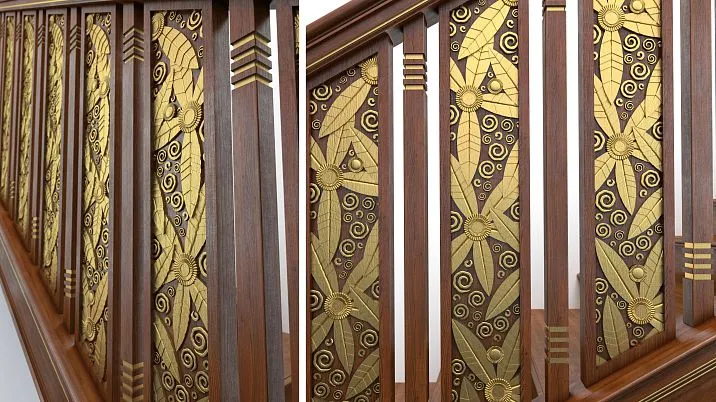
When we speak of great architectural creations, our gaze inevitably turns to grand domes, elegant arches, and majestic columns. But there are elements that, remaining in the shadow of monumentality, create that very atmosphere which makes our hearts stop in awe. Balustrades in architecture — one of such elements, modest in size, but colossal in its influence on the perception of space.
Imagine a staircase without balustrades — cold, faceless, devoid of soul. Now add a row of elegant vertical supports, each of which is like a musical note in an architectural symphony. Instantly, space comes alive, acquires character, begins to tell a story. This is the magic of balustrades — they transform functional elements into works of art.


Genesis of Architectural Elegance




From Ancient Civilizations to Modernity
The history of balustrades in architecture traces back to deep antiquity, when the first architects realized: beauty and functionality can coexist in harmonious unity. Ancient Assyrians, constructing their magnificent palaces, first applied the principle of vertical railing, which later evolved into what we today call a balustrade.
But the true golden age of balustrades in architecture fell upon the Renaissance. It was then that these elements ceased to be mere functional details and became a means of artistic expression. Michelangelo, this titan of art, first proposed vase-shaped forms, which became a classic model for subsequent generations of architects.
Our factory also produces:


Evolution of Form and Meaning
Each historical epoch brought its own characteristics to balustrade design. Baroque gifted the world with lavish, decoratively rich forms, where every detail was meticulously crafted. Classicism, on the contrary, leaned toward the strictness of lines and noble simplicity. Modernism contributed its own touch, proposing smooth, natural forms reminiscent of botanical motifs.
Modern architecture has not abandoned the use of balustrades, but has reinterpreted their role. Today, they can be crafted from the most diverse materials — from traditional stone and wood to ultra-modern glass and composite materials.
Get Consultation
Functional Philosophy of Vertical Elements
Triad of Purpose
Architectural balustrades perform three primary functions, each equally important in creating a harmonious space. The first is protective: they ensure safety, preventing falls from staircases, balconies, and terraces. This is their original, utilitarian purpose, which remains relevant today.
The second function is constructive. Balusters serve as supports for handrails, distributing load and ensuring the strength of the entire railing system. They create a rigid frame capable of withstanding significant forces.
The third function is aesthetic, and it is precisely this that transforms a utilitarian element into a work of art. Balusters establish rhythm in space, create visual accents, and shape the overall perception of the architectural ensemble.
Psychology of Verticality Perception
Why do vertical elements have such a strong impact on our perception? Psychologists assert that vertical lines are associated with growth, development, and aspiration upward. In architecture, balusters create a sense of dynamism, even when they are absolutely static.
The rhythmic repetition of vertical elements creates a unique musicality in space. The human eye, gliding over a row of balusters, perceives them as a visual melody, where each element is a note in the architectural score.
Material Science: From Classic to Innovation
Grandeur of Natural Stone
Stone balusters are classic, proven over centuries. Marble, granite, sandstone — each material has its own unique characteristics. Marble balusters impress with their elegance and ability to convey the finest details of carving. Granite balusters impress with their monumentality and durability. Sandstone attracts with warm tones and natural texture.
Working with stone requires the highest level of craftsmanship. Each baluster in architecture made of natural stone is the result of a sculptor’s painstaking labor, who must not only master the technique of material processing but also understand its internal structure and feel its character.
Wooden Symphony
Wood is a material that will never go out of fashion in architecture. Wooden balusters possess a unique warmth and coziness that cannot be achieved with other materials. Oak conveys a sense of reliability and solidity, ash — elegance and refinement, pine — simplicity and naturalness.
Modern wood processing technologies allow creating balusters of incredible complexity and beauty. Laser cutting, CNC milling, thermal treatment — all these methods open new possibilities for creativity.
Metallic Expression
Metallic balusters are embodiments of modernity and technological progress. Stainless steel, aluminum, cast iron, wrought iron — each metal has its own aesthetic and functional characteristics.
Wrought balusters represent a special form of art. Each detail is handmade, making every item unique. Modern forging technologies allow creating items of incredible complexity and elegance.
Glass Fantasies
Glass architectural balusters are a symbol of modern architecture. They create a sense of lightness and airiness, visually expanding space. Modern tempered glass possesses high strength and safety, making it an ideal material for creating railings.
Stylistic directions and their characteristics
Classic Harmony
Classical style in architecture implies strict adherence to canons developed over centuries. Balusters in classical architecture are characterized by proportionality, symmetry, and noble simplicity. They often have the form of miniature ancient columns, with a base, shaft, and capital.
Classical balusters are created according to strict mathematical proportions based on the principles of the golden section. Each element is carefully calibrated and harmonizes with other details of the architectural ensemble.
Baroque opulence
Baroque is a style that knows no bounds in ornamentation. Baroque balusters impress with their complexity and richness of decoration. They may be adorned with carved garlands, mascarons, plant ornaments. Each detail is meticulously crafted with jewel-like precision.
Creating baroque balusters in architecture requires not only technical skill but also artistic sensitivity. The master must sense proportion so that the richness of decoration does not become tasteless.
Modernist Experiments
Modernism brought a fundamentally new approach to baluster design. Rejecting strict classical canons, modern architects drew inspiration from natural forms. Balusters could imitate plant stems, ocean waves, or flames.
This style opened new opportunities for creativity, allowing architects to experiment with forms and materials. Modern architectural balusters often became central compositional elements, drawing primary attention.
Modern minimalism
Modern architecture leans toward simplicity and functionality. Minimalist balusters are distinguished by clean lines and the absence of decorative excesses. Their beauty lies in perfect proportions and high-quality execution.
This approach requires special skill, as any inaccuracy becomes noticeable. In minimalism, there is no room for chance — every detail must be thought out and justified.
Technological Aspects of Creation
Design and Calculations
Creating balusters in architecture begins with careful design. The architect must consider numerous factors: the loads the structure will bear, climatic conditions, aesthetic requirements, project budget.
Modern computer modeling programs allow creating three-dimensional models of future balusters, conducting strength calculations, and optimizing the structure. This significantly simplifies the design process and reduces the likelihood of errors.
Production processes
Manufacturing balusters is a complex technological process requiring high qualifications from the workers. Depending on the material and complexity of the item, various processing methods may be applied: turning, milling, casting, forging, carving.
Modern computer-controlled equipment allows achieving high precision and repeatability of products. However, to create truly unique architectural balusters, manual work by the master is often required.
Quality control
The quality of balusters is critically important, as they perform not only decorative but also protective functions. Each item must undergo careful inspection for compliance with technical requirements and safety standards.
Modern non-destructive testing methods allow identifying hidden defects in the material that could lead to structural failure during operation.
Regional characteristics and traditions
Russian Architectural School
Russian architectural tradition has made its unique contribution to the art of baluster making. Russian masters have always distinguished themselves by a special sense of proportion and skill in working with wood. Balusters in the architecture of Russian estates and palaces impress with their refinement and technical perfection.
A distinctive feature of Russian style is the combination of European architectural traditions with local characteristics and materials. This has created a unique style that is easily recognizable and highly valued around the world.
European traditions
The European architectural school has provided the world with numerous outstanding examples of baluster use. Italian masters of the Renaissance, French architects of the Baroque, English architects of Classicism — each national school has contributed to the development of this art.
Studying European traditions allows one to understand the evolution of styles and techniques, and to trace the influence of various cultures on each other.
Eastern motifs
Eastern architecture offered its own perspective on the use of vertical elements in railings. Chinese, Japanese, and Indian traditions introduced new forms and ornaments into world architecture.
Modern architects often turn to Eastern motifs, creating balusters in architecture that combine Western technologies with Eastern aesthetics.
Modern trends and innovations
Ecological Architecture
Modern architecture increasingly pays attention to ecological aspects. This applies to baluster creation as well. Use of recycled materials, energy-efficient production technologies, waste minimization — all these principles are reflected in the modern approach to creating architectural balusters.
Biodegradable composite materials, wood from sustainably managed forests, secondary metal recycling — these technologies allow creating beautiful and functional items without harming the environment.
Digital technologies
The digital revolution has touched the field of baluster creation. 3D printing, laser cutting, robotic processing — these technologies open new possibilities for creativity and allow implementing the most daring design ideas.
Virtual and augmented reality help architects and clients better visualize how balusters will look in the architecture of a specific object even during the design stage.
Smart Materials
Advances in materials science have led to the emergence of so-called "smart" materials, which can change their properties depending on external conditions. Self-cleaning surfaces, color-changing materials, shape-memory composites — all these innovations find application in creating modern balusters.
Aesthetic Psychology of Space
Influence on Perception
Balusters in architecture exert a deep psychological impact on people. The rhythmic repetition of vertical elements creates a sense of order and harmony. Different forms and proportions can evoke various emotional reactions.
Tall, slender balusters create a sense of grandeur and majesty. Low, grounded ones evoke coziness and intimacy. Complex, decoratively rich forms attract attention and create a festive atmosphere.
Color Harmony
The color of balusters plays an important role in forming the overall perception of space. Light tones visually expand space and create a sense of lightness. Dark tones add solidity and respectability.
Contrasting combinations can create bright accents that draw attention to specific areas. Monochromatic solutions help create a calm, soothing atmosphere.
Lighting Effects
The interaction of architectural balusters with light creates additional opportunities for artistic expression. The play of light and shadow on a relief surface can dramatically alter the perception of form throughout the day.
Artificial lighting opens up even more possibilities. Bottom lighting of balusters creates a dramatic effect, side lighting emphasizes the material's texture, diffused light creates a soft, romantic atmosphere.
Restoration and preservation of heritage
Challenges of Restoration
Restoring historical balusters in architecture is a complex task requiring deep knowledge and high skill. The restorer must not only restore the original appearance of the item but also preserve its historical authenticity.
Often, lost elements must be recreated based on surviving fragments or historical documents. This requires not only technical skills but also a deep understanding of the stylistic features of the era.
Modern Conservation Methods
Modern science offers new methods of conservation and protection of historical balusters. Special compositions for protecting stone and wood, methods for reinforcing deteriorating structures, technologies for cleaning from pollutants — all these achievements help preserve architectural heritage for future generations.
Laser cleaning allows removing pollutants without damaging the base material. Nanotechnologies enable creating protective coatings just a few molecules thick, which do not alter the appearance of the item but effectively protect it from destruction.
Economic Aspects
Investment Appeal
Quality balusters in architecture represent a long-term investment. They not only decorate a building but also increase its value. This is especially true for items made from noble materials or custom-designed pieces.
Antique balusters only increase in value over time, making them attractive to collectors and investors. Handmade unique items are especially highly valued.
Price-to-quality ratio
When choosing balusters, it is important to find the optimal price-to-quality ratio. Cheap mass-produced items may look attractive but often lack necessary durability. Expensive exclusive items may be an unjustified expense for simple projects.
An experienced architect will help find the optimal solution that meets both aesthetic requirements and the project's budget.
The development of technologies opens new prospects for creating balusters in architecture. Artificial intelligence will help optimize design, taking into account multiple factors simultaneously. Automation of production will allow creating items of the most complex shapes with high precision and repeatability.
Technological prospects
Nanotechnologies will enable the creation of materials with pre-defined properties. Self-healing coatings, materials with changing characteristics, integrated electronics — all these innovations will find application in balusters of the future.
Environmental considerations will play an increasingly important role in selecting materials and production technologies. Biodegradable composites, grown materials, closed-loop technologies — these approaches will become standard in the industry.
Ecological trends
The concept of 'green' architecture implies not only the use of environmentally friendly materials, but also minimizing energy consumption at all stages of the product's life cycle.
The future belongs to individualized solutions. Modern technologies allow creating unique architectural balusters for each project without significant cost increase. Parametric design, 3D printing, robotic processing — all these technologies make mass customization a reality.
Personalization and Customization
Clients increasingly value individuality and are willing to pay for unique solutions. This stimulates the development of new design and production approaches.
Clients increasingly value individuality and are willing to pay for unique solutions. This encourages the development of new approaches to design and production.
Conclusion
Balustrades in architecture — it is not just a functional element, but an embodiment of humanity's striving for beauty and harmony. Over centuries, these humble vertical supports have evolved from simple utilitarian details into exquisite works of art.
Modern technologies open boundless creative opportunities for architects and designers. New materials, innovative processing methods, digital design technologies — all this allows creating balusters in architecture that not only fulfill their functional tasks but also become central elements of architectural composition.
The future of architectural balusters lies in the harmonious combination of tradition and innovation, where centuries of master craftsmanship is complemented by the capabilities of modern technologies. Environmental considerations, personalization, smart materials — these trends will define the industry's development in the coming decades.
Each era leaves its mark in architectural history, and our era will not be an exception. Architectural balusters of the 21st century will reflect our time — the time of technological breakthroughs, ecological awareness, and the pursuit of individuality.
For many years, STAVROS has remained faithful to the traditions of quality and craftsmanship in creating architectural elements. Combining centuries of experience with modern technologies, STAVROS creates products that not only meet the highest quality standards but also embody beauty and functionality. Choosing STAVROS means choosing reliability proven over time and innovations aimed at the future.





