Article Contents:
- Anatomy of a modern balyshina website: from showcase to ecosystem
- Information architecture: logic above all
- Visual component: when a picture is worth a thousand words
- Technical specifications: language of professionals
- Parameter detailing
- Technical drawings and schematics
- User experience: path from click to purchase
- Loading speed: time is money
- Search system: finding a needle in a haystack
- Content marketing: education as a sales tool
- Educational materials
- Case studies and portfolio
- Technological innovations in online balyshina sales
- Augmented reality: virtual try-on
- Artificial intelligence assisting the buyer
- Logistics and delivery: the last mile to perfection
- Packaging and product protection
- Tracking and control
- Mobile optimization: trading in your pocket
- Responsive design vs. mobile apps
- Optimization for touch control
- Analytics and optimization: data as the foundation of decisions
- Web analytics: understanding the customer
- A/B testing: scientific approach to optimization
- Security and trust: foundation of long-term relationships
- SSL certificates and encryption
- Transparency and openness
- Integration with social networks: power of community
- Social Media Content
- User-Generated Content
- Personalization: Individual Approach for Each Customer
- Recommendation Systems
- Dynamic Content
- Omnichannel: Unified Experience Across All Platforms
- Online-Offline Integration
- Unified Loyalty System
- The Future of Baluster Websites: Trends and Forecasts
- Voice Commerce
- Blockchain and Transparency
- Virtual Reality
- Conclusion

In the era of digital technologies, searching for ideal baluster elements has fundamentally changed. Today baluster website represents not just a product catalog, but a full-fledged ecosystem where traditional craftsmanship meets modern sales technologies. This is a space where every pixel works to help the buyer find exactly the balusters that will turn an ordinary staircase into an architectural masterpiece.
The revolution in online trade has even touched such a conservative industry as the production of wooden interior elements. The modern buyer is no longer willing to spend weekends traveling to construction markets — he wants to see the entire assortment, compare prices, read reviews, and make an informed decision without leaving home. That is why a quality baluster website has become a key success factor in this field.
But what makes a baluster sales website truly effective? How to distinguish a professional platform from an amateur one? And most importantly — how to find the resource that will help you turn your designer dreams into reality? These questions concern everyone who plans to create or reconstruct a staircase in their home.


Anatomy of a Modern Baluster Website: From Showcase to Ecosystem
A modern website specializing in baluster sales represents a complex technical and marketing system. This is not just a set of photos with prices — it is a full-fledged digital platform that must solve multiple tasks simultaneously.




Information Architecture: Logic Above All
The first thing that catches the eye when visiting a quality baluster website is the well-thought-out catalog structure. Products must be systematically categorized by several criteria: material, style, dimensions, price category. Professional websites offer multi-level filtering, allowing users to quickly find the desired product among thousands of items.
Navigation should be intuitive even for users encountering the purchase of staircase elements for the first time. Breadcrumbs, side menu, search with auto-suggestion — all these elements work to make the buyer’s experience convenient.
Our factory also produces:


Visual Component: When a Picture Is Worth a Thousand Words
The quality of photos on a baluster website is not just a marketing tool — it is a necessity. The buyer must see the wood texture, the quality of processing, the proportions of the item. Professional websites offer high-resolution photos with zoom capability, shots from different angles, and sometimes even a 360-degree view.
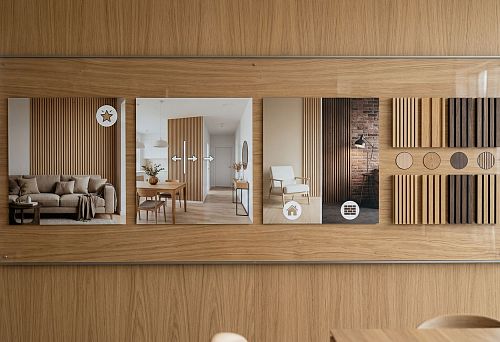
Photos of balusters in interior settings are especially important. They help the buyer visualize how the finished staircase will look and make the right purchasing decision.
Get Consultation
Technical Specifications: Language of Professionals
A quality baluster website must provide comprehensive technical information about each item. This is not just dimensions and material — it is a complete specification that will help an architect or builder make an informed decision.
Parameter Detailing
Each baluster must be described with precise dimensions (height, width, depth), wood species, material moisture, surface treatment type, mounting method. Professional websites even specify such nuances as corner rounding radius or decorative groove depth.
Special attention is paid to describing the wood species. Simply writing "oak" is not enough — one must indicate the wood’s origin, drying method, and quality class. This information is critically important for professional buyers.
Technical drawings and schematics
Drawings must comply with GOST and include all necessary dimensions.
Installation schematics are another important element of technical documentation. They help understand how to properly install balusters, what fasteners to use, and what tools are required.
User experience: the path from click to purchase
Modern baluster site must provide a flawless user experience at every stage of interaction with the customer. From the first visit to receiving the product — each step should be thought out and optimized.
Loading speed: time is money
In the era of mobile internet, page loading speed has become critically important. Users are not willing to wait more than 3 seconds — they simply leave for competitors. Professional sites use modern optimization technologies: image compression, caching, CDN networks.
Mobile device optimization is especially important. More than half of today's purchases are made via smartphones and tablets, so the site must display correctly on screens of any size.
Search system: finding a needle in a haystack
A quality search system is the heart of any catalog site. It should understand not only exact product names but also synonyms, slang terms, and even misspellings. Modern search systems use machine learning to improve result relevance.
Product filtering should be multi-level and intuitive. The buyer should be able to sort balusters by price, material, style, size, manufacturer. Good sites remember user preferences and show relevant products upon repeat visits.
Content marketing: education as a sales tool
Modern baluster buyers are not impulse buyers. They carefully study the issue, compare options, and read reviews. Therefore, quality content becomes a powerful tool for attracting and retaining customers.
Educational materials
Top baluster sites offer an extensive knowledge base: articles on material selection, installation guides, tips for caring for wooden items. This content not only helps customers make the right decision but also increases trust in the company.
Video content is especially effective in this field. Videos showing the manufacturing process of balusters, their installation, and comparisons of different materials attract thousands of views and bring quality traffic to the site.
Case studies and portfolios
Real projects using balusters are the best advertising for manufacturers. Photos of finished staircases, stories about design challenges and their solutions, and reviews from satisfied customers — all this creates an emotional connection with the brand.
Case studies with non-standard solutions are especially valuable: balusters for spiral staircases, exclusive carved elements, restoration of historical objects. Such projects demonstrate the company's expertise and attract customers with specific requirements.
Technological innovations in online baluster sales
The online retail industry is rapidly developing, adopting new technologies to improve the user experience. Baluster sites are not left behind by these trends.
Augmented reality: virtual try-on
AR technologies allow customers to 'try on' balusters directly in their homes. By pointing a smartphone camera at a staircase, the user can see how the selected elements will look in the real interior. This technology significantly reduces return rates and increases customer satisfaction.
Some advanced sites offer full AR applications that not only visualize individual balusters but also allow creating a complete 3D model of a future staircase.
Artificial intelligence assisting the customer
AI consultants are becoming increasingly popular on baluster sites. They analyze user preferences, ask clarifying questions, and suggest the most suitable options. Such systems are especially useful for beginners who don't know where to start choosing.
Machine learning is also used for content personalization. The site remembers which products the user viewed and shows similar or complementary items on subsequent visits.
Logistics and delivery: the final mile to perfection
Even the most beautiful and functional baluster site is useless if the company cannot organize quality delivery. Wooden items require special handling during transportation.
Packaging and protection of goods
Balusters are fragile items that are easily damaged during improper transportation. Professional companies develop special packaging solutions: individual sleeves for each baluster, shock-absorbing materials, moisture-resistant films.
Special attention is paid to protecting carved elements. For complex balusters, individual packaging is created that replicates the item's shape and ensures maximum protection against damage.
Tracking and control
Modern logistics systems allow real-time tracking of the shipment's location. The buyer can see where their order is and plan for receiving the goods. SMS and email notifications inform about all delivery stages.
Some companies offer photo and video reports on the condition of the goods at the warehouse before shipment. This gives the buyer additional confidence in the product quality.
Mobile optimization: trading in your pocket
Mobile commerce is rapidly gaining momentum. Today, more than 60% of purchases are made via mobile devices, and this trend will only continue to grow.
Adaptive design vs. mobile applications
Most baluster websites use adaptive design, which automatically adjusts to screen size. However, some large companies develop specialized mobile applications with enhanced functionality.
Mobile applications allow using unique smartphone features: camera for AR visualization, GPS to locate the nearest warehouse, push notifications about special offers.
Optimization for touch control
The mobile version of the site must be optimized for finger control. Buttons should be large enough to tap easily, and the interface should be intuitive for touch control.
Special attention is paid to the order process. It must be as simple and fast as possible, with minimal fields to fill out.
Analytics and optimization: data as the foundation of decisions
Successful baluster site This is not a static structure, but a living organism that constantly develops based on analysis of user behavior.
Web analytics: understanding the customer
Modern analytics systems allow tracking every user action on the site: which pages they visit, how long they spend on each, where they leave the site. These data help identify problematic areas and optimize the user experience.
Analyzing the sales funnel is especially important. Where do potential customers drop off? At the product selection stage, order placement, or payment? Understanding these moments allows targeted improvements to the site.
A/B testing: a scientific approach to optimization
Top baluster websites constantly run A/B tests on various elements: headlines, buttons, block placement, color schemes. Even minor changes can lead to significant conversion growth.
Everything is tested: from the text on the 'Buy' button to the placement of filters in the catalog. A scientific approach to optimization allows decisions to be made based on data, not intuition.
Security and trust: the foundation of long-term relationships
In the era of cyber threats, website security has become critically important. Customers must be assured that their personal data and payment information are securely protected.
SSL certificates and encryption
All modern baluster websites must use SSL encryption to protect transmitted data. The green lock icon in the browser's address bar is the minimum security standard expected by users.
Special attention is paid to protecting payment data. Top websites use tokenization of card data and comply with the PCI DSS standard.
Transparency and openness
Customer trust is earned not only through technical security measures but also through transparency in business operations. The site must contain detailed company information: address, phone numbers, bank details, certificates, licenses.
Customer reviews are another important element of trust. They must be authentic, with the possibility of verification. Some websites integrate with external review platforms for additional credibility.
Integration with social networks: the power of community
Social networks have become an indispensable part of the marketing strategy of any online business. Baluster sites actively use these channels to attract customers and build a community.
Social media content
Instagram and Pinterest are ideal for showcasing beautiful interiors with wooden balusters. High-quality photos of completed projects garner thousands of likes and drive target audiences to the website.
YouTube is used for educational content: video instructions on installation, material reviews, interviews with craftsmen. Such content not only attracts customers but also positions the company as an expert in its field.
User-generated content
Photos of staircases made by customers themselves are a powerful marketing tool. They demonstrate the real quality of the product and inspire others to make a purchase.
Many websites organize contests for the best interior using their balusters. Winners receive prizes, and the company receives high-quality promotional content.
Personalization: individual approach to each customer
Modern technologies allow creating a personalized experience for each website visitor. This is especially important for baluster websites, where product selection often depends on individual preferences and project specifics.
Recommendation systems
Machine learning algorithms analyze user behavior and suggest the most relevant products. If a customer views classic oak balusters, the system will show them similar models and complementary elements.
Recommendations become more accurate with each interaction. The system takes into account not only the current session but also the history of previous visits, if the user is registered on the website.
Dynamic content
Website content can change depending on visitor characteristics: geographic location, time of day, device used for viewing. For example, residents of northern regions may see balusters made from more frost-resistant wood species.
Personalization affects not only product offers but also content: articles, videos, case studies. Each user sees the most relevant information for them.
Omnichannel: consistent experience across all platforms
Modern customers use multiple channels to research and purchase products: website, mobile app, social networks, offline stores. Successful companies ensure a consistent experience across all these platforms.
Online and offline integration
Many baluster manufacturers have both online stores and physical showrooms. It is important to ensure data synchronization across all channels: inventory, prices, promotions must be consistent everywhere.
The customer should be able to start selecting on the website, continue in the showroom, and complete the purchase via the mobile app. All their preferences and interaction history must be preserved.
Unified loyalty system
Loyalty programs must work across all channels. Bonuses earned from online purchases can be redeemed in offline stores, and vice versa. This creates additional motivation for customers to remain loyal to the brand.
The future of baluster websites: trends and forecasts
The online retail industry is developing at a rapid pace. What technologies will shape the future of baluster websites?
Voice commerce
Smart speakers and voice assistants are becoming increasingly popular. In the future, customers will be able to order balusters using voice commands: 'Alexa, order classic oak balusters for the staircase in the living room.'
This will require adapting product catalogs for voice search and creating new interfaces for customer interaction.
Blockchain and transparency
Blockchain technology can ensure full transparency of the origin of the wood used to manufacture balusters. Customers will be able to track the entire journey of the material: from the forest to the finished product.
This is especially important in the context of growing demands for eco-friendliness and sustainable development.
Virtual Reality
VR technologies will allow creating fully immersive virtual showrooms, where customers can 'walk' among various baluster models, examine them in detail, and compare options.
Such solutions are especially relevant for companies operating in remote regions where it is not possible to establish a physical showroom.
Conclusion
Modern baluster site — this is much more than just a product catalog. It is a complex technological platform that combines traditional woodworking craftsmanship with advanced digital solutions. The success of such a site depends on multiple factors: content quality, interface usability, technical infrastructure reliability, and logistics efficiency.
Top baluster websites don’t just sell products — they create ecosystems where customers receive comprehensive support: from selecting suitable items to installation and maintenance consultations. They use data to understand customer needs and continuously improve their services.
The future belongs to companies that can harmoniously combine centuries-old woodworking traditions with innovative digital technologies. Artificial intelligence, augmented reality, personalization — all these tools serve one goal: to help every customer find exactly the balusters that will bring their dreams of a beautiful and functional home to life.
In this context, STAVROS’s experience deserves special attention, as the company has become one of the leaders in the production of wooden interior elements over more than 20 years of operation. The company’s website demonstrates industry best practices: from detailed catalogs with technical specifications to educational content and personalized services. The 6,000-square-meter production facility, equipped with 19 CNC machines, enables the creation of exceptional-quality products, while a team of 150 specialists ensures full customer service. STAVROS’s products are shipped to 25 countries worldwide, confirming international recognition of the company’s quality and reliability. This approach — combining traditional craftsmanship with modern technologies and customer orientation — defines the future of the online baluster trade industry.