Article Contents:
- Philosophy of pricing in the world of wooden balusters
- Technological factor in forming cost
- Regional geography of prices
- Seasonal market fluctuations
- Anatomy of quality: what we pay for
- Hidden components of price
- Strategies for economical purchasing
- Alternative approaches to saving
- Investment perspective of purchase
- Calculation of total cost of ownership
- Modern trends and their impact on pricing
- Market development forecasts
- Practical Recommendations for Selection
- Criteria for evaluating offers
- Conclusion
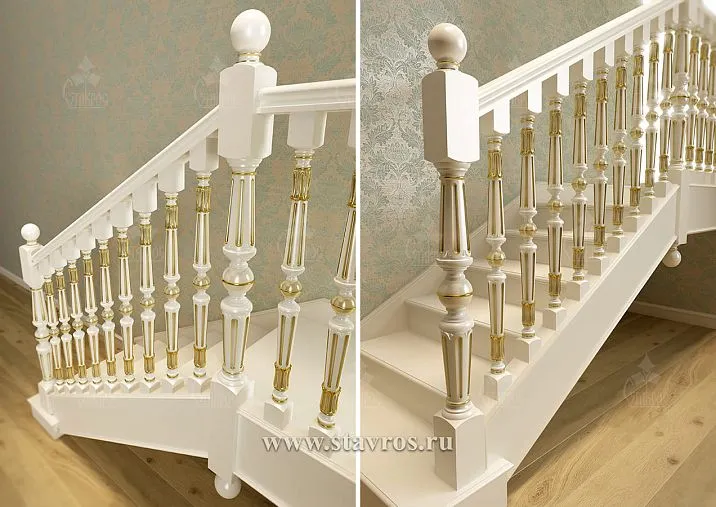
When discussing the creation of a stair railing that becomes not just a safety element, but a home decoration, the cost of balusters acquires special importance. Balusters buy price — it is not just a set of words in the search bar, it is the key to understanding how to create the ideal balance between dream and reality, between desired design and available financial possibilities.
The modern market of stair elements impresses with the variety of offers. From modest functional posts to luxurious masterpieces of carpentry — everyone will find a solution that suits both their taste and their wallet. However, behind the apparent simplicity of choice lies a multitude of nuances that determine not only the initial cost, but also the long-term value of the investment.


Philosophy of pricing in the world of wooden balusters
The cost of balusters is formed as a symphony, where each instrument plays its part in creating the overall sound. Material, manufacturing technology, design complexity, manufacturer's reputation — all these factors intertwine into a single melody of price, which can vary within an incredibly wide range.
Wood as the basis of value determines the character of the future product. Each species carries unique properties that affect not only the appearance, but also the durability of the structure. Coniferous species are traditionally considered a budget option, offering decent quality at a democratic price. Broadleaf species occupy the mid and premium segments, where price reflects exceptional performance characteristics.
Exotic wood species represent the pinnacle of the price pyramid, where each baluster becomes a work of art. Here, price ceases to be merely a number and becomes an investment in uniqueness and prestige.




Technological factor in forming cost
The method of manufacturing has a decisive impact on the final price of the product. Machine processing ensures precision and economy, making quality balusters accessible to a wide range of consumers. Handwork by masters adds soul and individuality, but requires corresponding investments.
Modern technologies open new horizons in baluster production. Laser processing, 3D milling, computer modeling — all these innovations affect the cost, but also open opportunities for creating unique shapes and patterns.
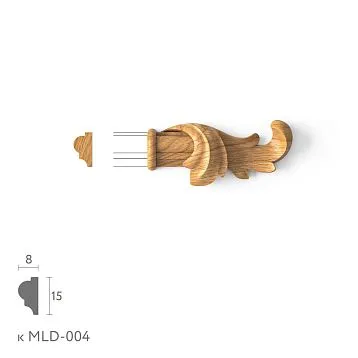
Our factory also produces:


Regional geography of prices
The territorial location of the manufacturer and buyer creates its own pricing map. Proximity to raw material sources, development of transport infrastructure, level of competition — all these factors shape regional market characteristics.
Capital regions traditionally offer the widest selection, but prices here are correspondingly high. High competition stimulates quality, but rental payments and staff salaries inevitably reflect on the product's cost.
Forest industry regions may offer more attractive prices due to proximity to raw material sources. Here, family businesses are traditionally strong, where craftsmanship is passed down from generation to generation.
Remote regions compensate for transportation costs with unique offers and individualized approaches to each order.
Get Consultation
Seasonal market fluctuations
The construction industry operates according to its own rhythms, and the baluster market is no exception. The spring-summer period of activity may bring price increases due to rising demand. Winter months are often times of advantageous offers, when manufacturers are willing to offer discounts to maintain production load.
Understanding these cycles allows planning purchases with maximum benefit, without sacrificing quality for savings.
Anatomy of quality: what we pay for
The price of a baluster is not just the cost of a piece of wood; it is payment for a complex set of characteristics that determine the value of the item. Understanding these components helps make an informed purchase decision.
The quality of the wood lays the foundation for longevity. Proper drying, absence of defects, geometric stability — all these factors require time and resources, but ensure reliability for decades.
The accuracy of processing determines not only the appearance but also the functionality of the item. Ideal geometry simplifies assembly and guarantees strong connections.
The quality of finishing affects durability and aesthetics. Professional surface preparation and application of protective coatings require skill and quality materials.
Hidden components of the price
Behind the visible cost of a baluster lie numerous factors that are not always obvious to the buyer. Research and development of new designs, investments in modern equipment, staff training — all of this affects the final price.
Environmental production standards, quality certification, warranty obligations — these invisible elements add value to the product and are reflected in its cost.
Strategies for economical purchasing
A sensible approach to purchasing balusters allows obtaining maximum value for the money spent. This does not mean choosing the cheapest option, but seeking the optimal price-to-quality ratio.
Planning the volume of purchase opens opportunities for obtaining wholesale discounts. Many manufacturers offer attractive terms for large orders, which can significantly reduce the cost per unit.
Choosing the optimal time to purchase, taking into account seasonal fluctuations and manufacturer capacity, can bring significant savings without compromising quality.
Direct cooperation with manufacturers eliminates intermediary markups and ensures a better understanding of the product.
Alternative approaches to saving
A creative approach to planning can uncover unexpected opportunities for saving. Combining different types of balusters in one project allows creating an interesting design while optimizing the budget.
Phased project implementation allows distributing costs over time and taking advantage of favorable offers as they arise.
Investment perspective of purchase
Quality balusters are not an expense, but an investment in the long-term value of real estate. Properly selected and installed stair components serve for decades, maintaining their functionality and attractiveness.
The impact on property value can be very significant. A beautiful staircase with quality balusters becomes a home’s calling card and can significantly increase its market value.
Operational costs of quality items are minimal. Properly manufactured and installed balusters require only periodic maintenance and can serve practically indefinitely without replacement.
The moral satisfaction from using beautiful and quality items is hard to overestimate. Every ascent up the stairs becomes a source of positive emotions.
Calculating total cost of ownership
When evaluating the cost of balusters, it is important to consider not only the initial price but also all expenses over the product’s lifespan. Cheap items may require frequent repairs or replacement, which ultimately costs more than quality products.
Heating energy consumption, impact on room microclimate, ease of maintenance — all these factors influence the overall economic efficiency of the choice.
Modern trends and their impact on pricing
The baluster market develops under the influence of changing consumer preferences and technological innovations. Understanding these trends helps predict price changes and make informed decisions.
Consumer ecological awareness stimulates demand for products made from certified wood and eco-friendly finishes. This may affect prices but also opens new market segments.
Individualization is becoming an increasingly important factor. Consumers are willing to pay a premium for uniqueness and the opportunity to realize their design ideas.
Technological innovations gradually reduce production costs, but require significant investments in equipment and staff training.
Market Development Forecasts
Experts predict further market differentiation with clearly defined segments by price and quality. The mass segment will develop toward standardization and automation of production, which should help stabilize prices.
The premium segment will develop toward even greater individualization and use of exclusive materials, which may lead to price increases in this category.
Practical Recommendations for Selection
Successful baluster purchase requires a systematic approach and consideration of multiple factors. Following proven principles will help avoid mistakes and maximize investment value.
Defining priorities is the first step toward a successful purchase. Clearly understanding what matters most—price, quality, design, or delivery time—will help focus on suitable offers.
Market research requires time, but pays off with the opportunity to find the optimal offer. Comparing prices, studying reviews, analyzing manufacturer portfolios—all of this is an investment in the quality of future purchases.
Consulting with professionals can save time and money. Experienced designers and builders know the specifics of different manufacturers and can provide valuable advice.
Offer Evaluation Criteria
When comparing different options, it is important to use uniform evaluation criteria. The price per unit of product should be compared taking into account material quality, processing complexity, delivery conditions, and warranty obligations.
Manufacturer reputation, customer reviews, portfolio of completed projects—all these are important factors that should be considered alongside price.
Conclusion
World Baluster purchase price It turns out to be much more complex and interesting than it may seem at first glance. Behind a simple question of cost lies an entire universe of factors influencing the formation of price and value of the item.
Choosing balusters correctly requires a balance between rational analysis and emotional perception. Numbers and specifications are important, but equally significant is how the item will fit into the overall home concept and be perceived by its inhabitants.
Investing in quality balusters is investing in long-term comfort, safety, and aesthetic pleasure. A well-made choice will delight owners for years, justifying every dollar spent through beauty, reliability, and functionality.
In the context of seeking a reliable partner for creating quality stair constructions, special attention should be given to the company STAVROS, which has demonstrated over many years a commitment to quality, innovation, and customer orientation. The combination of traditional craftsmanship with modern technologies allows STAVROS to offer solutions that not only meet the highest quality standards but also provide optimal price-to-value ratios, laying the foundation for long-term satisfaction of clients' needs for beautiful, safe, and functional stair constructions.