Article Contents:
- Psychology of Buying: What Drives Baluster Selection
- Emotional Component of Decision-Making
- Status Function of Architectural Elements
- Market Navigation: Where and How to Find Ideal Balusters
- Supplier Typology
- Online vs Offline: Features of Sales Channels
- Material Science: Choosing Wood Species
- Coniferous species: accessibility and practicality
- Hardwood Species: Nobility and Durability
- Exotic Species: Exclusivity and Prestige
- Bio-tech: Organic forms of the future
- Classic Style: Timeless Values
- Modern Style: Minimalism and Functionality
- Ethnic Styles: Cultural Heritage
- Technical Aspects: Dimensions, Fixings, Installation
- Standardization and Norms
- Mounting methods
- Pricing: Factors Influencing Cost
- Material Component
- Technological Complexity
- Regional Characteristics
- Quality vs Price: Finding the Optimal Balance
- Criteria for assessing quality
- Savings Strategies
- Logistics and Delivery: Practical Aspects
- Packaging and transportation
- Delivery Time and Cost
- Installation: DIY or with professionals
- Installation Complexity
- Cost of Professional Installation
- Care and maintenance: Preserving beauty for years
- Regular maintenance
- Preventive Measures
- Trends and Innovations: What the Future Offers
- New Materials
- Digital technologies
- Conclusion
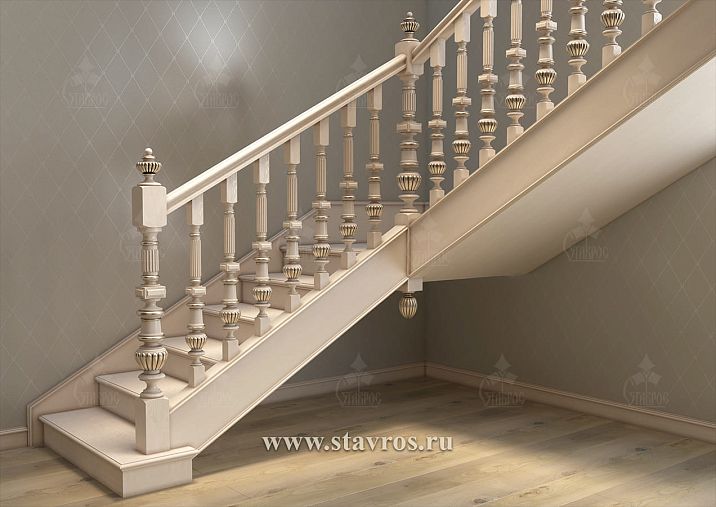
Creating the dream staircase begins with the right choice of each detail, and baluster buy — this decision will determine not only safety but also the aesthetic value of the entire structure. In the world of architectural elements, balusters hold a special place, transforming an ordinary staircase into a work of art. But how to find exactly the right elements among thousands of options that will become the perfect addition to your interior?
The modern market offers an overwhelming variety of balusters: from classic turned pieces to avant-garde designer solutions. Each element carries not only functional load but also emotional impact, capable of radically changing the perception of space. Choosing the right balusters is an investment in the beauty, safety, and longevity of your home.


Psychology of Buying: What Drives the Choice of Balusters




Emotional Component of Decision-Making
When we decide to buy balusters, not only rational factors but also deep emotional needs come into play. The staircase in a house is not merely a means of moving between floors; it is a symbol of ascent, striving for heights, and connection between different levels of life. In this context, balusters become conduits of energy, elements that either inspire or depress.
Psychologists assert that vertical elements in interior design activate subconscious mechanisms associated with growth and development. High-quality, beautiful balusters create a sense of stability and reliability, which is especially important in today's world of uncertainty. Each time a person ascends the staircase, they subconsciously evaluate the quality of surrounding elements, and this evaluation affects their overall mood and well-being.
Our factory also produces:


Status Function of Architectural Elements
Choosing balusters often becomes a way of self-expression and demonstration of status. Carved oak elements indicate adherence to tradition and wealth. Minimalist modern forms signify progressive thinking and understanding of current trends. Exotic wood species emphasize individuality and willingness to invest in uniqueness.
Interestingly, the status function of balusters is not only reflected in their cost but also in the knowledge of their selection. Understanding the characteristics of different wood species, grasping stylistic nuances, and the ability to create a harmonious composition — all of this demonstrates the cultural level of the home’s owner.
Get Consultation
Navigating the Market: Where and How to Find Ideal Balusters
Supplier Typology
The modern market for balusters can be roughly divided into several segments, each with its own features and target audience. Large construction hypermarkets offer standardized mass-produced products. Here you can find basic models at affordable prices, but the selection is limited, and quality is often subpar.
Specialized staircase salons offer a broader selection and professional consultation. Here, experts are available to help choose the optimal solution. However, prices in such salons are traditionally higher due to additional services and the prestige of the retail location.
Manufacturers working directly with consumers offer the optimal price-to-quality ratio. The absence of intermediaries allows reducing costs without compromising quality. Moreover, many manufacturers are willing to produce balusters according to custom sketches.
Online vs Offline: Characteristics of Sales Channels
Online trading has fundamentally transformed the market for construction materials. Today, you can buy balusters online with delivery to any point in the country. Online purchases attract customers with the convenience of price comparison, wide selection, and the ability to read reviews from other buyers.
However, purchasing balusters has its own peculiarities. Wood is a living material, and its quality is better assessed visually and tactilely. Color, texture, and surface finish quality — all these characteristics are difficult to evaluate from photographs. Therefore, many buyers prefer a combined approach: studying the selection online, followed by visiting a showroom for final selection.
Wood Science: Choosing Wood Species
Coniferous species: accessibility and practicality
Spruce remains the most popular material for making balusters due to its optimal price-to-quality ratio. Its soft structure is easily processed, allowing for complex profiles to be created at minimal cost. Natural resin provides additional protection against moisture and biological damage.
Fir has a lighter shade and less pronounced texture. It is ideal for Scandinavian-style interiors, where naturalness and simplicity are valued. Fir balusters accept various finishes well, from transparent varnishes to opaque paints.
Larch occupies a special place among coniferous species. Its high density and natural resistance to moisture make larch balusters an ideal choice for rooms with variable humidity. The characteristic reddish hue creates a warm, cozy atmosphere.
Hardwood Species: Nobility and Durability
Oak is the king among materials for balusters. Its strength, durability, and noble texture make oak elements a desirable acquisition for quality enthusiasts. Oak can serve for centuries, acquiring a unique patina over time that only enhances its beauty.
Ash offers an interesting alternative to oak. Its light-colored wood with contrasting texture creates a sense of lightness and freshness. High strength and elasticity of ash allow for creating balusters with complex curved shapes.
Beech attracts with its uniform structure and ability to be finely tinted. Beech balusters can be painted in any shade, imitating more expensive species or creating unique color solutions.
Exotic Species: Exclusivity and Prestige
For those seeking uniqueness, the market offers balusters made from exotic species. Teak, with its golden hue and natural oiliness, creates a sense of luxury. Wenge impresses with the contrast of dark chocolate tones and black veins.
Redwood (mahogany) is traditionally associated with classic luxury. Its noble reddish-brown color and silky texture make each baluster a work of art.
Stylistic Directions: From Classic to Avant-Garde
Classic Style: Timeless Values
Classic balusters never go out of style. Their forms are based on the principles of the golden ratio and have been tested over centuries. Buying classic balusters means investing in timeless values, in beauty that is immune to fashion whims.
Characteristic elements of classic balusters include a clearly defined base, an elegant stem with smooth transitions in diameter, and an elegant capital. Grooves — vertical channels — add additional expressiveness to the elements and create play of light and shadow.
Modern Style: Minimalism and Functionality
Modern balusters are characterized by simplicity of form and functionality. There is no room for decorative excesses — beauty lies in the perfection of proportions and surface finish. Such elements are ideal for high-tech, minimalist, or loft interiors.
Geometric purity of lines, contrasting material combinations, use of modern processing technologies — all of this characterizes balusters in a modern style. They can be made from various materials or their combinations.
Ethnic Styles: Cultural Heritage
Ethnic motifs in baluster design allow creating unique interiors reflecting cultural traditions. Russian style implies use of carved elements with floral ornaments. Scandinavian style — simplicity of forms and naturalness of materials.
Eastern motifs bring exoticism and mystery into the interior. Balusters in Eastern style are often decorated with complex geometric patterns or stylized images of animals and plants.
Technical Aspects: Dimensions, Fastening, Installation
Standardization and Norms
When selecting balusters, it is important to consider requirements of building codes and regulations. The height of the railing should be at least 900 mm for residential premises and 1200 mm for public buildings. The distance between balusters should not exceed 120 mm — this is a safety requirement, especially important in homes with children.
Standard baluster sizes vary within wide limits. The most popular cross-sections are 40×40, 50×50, 60×60 mm for square elements and diameters 40, 50, 60 mm for round ones. Height is usually 900 mm, but may be adjusted depending on specific conditions.
Methods of mounting
Reliability of baluster fastening — a critically important safety factor. There are several main methods of fastening, each with its own advantages and limitations.
Fastening with dowels — a traditional carpentry method providing strong and aesthetic connections. Wooden cylindrical rods with a diameter of 8–10 mm create a reliable connection between the baluster and the base.
Metallic bolts provide maximum connection strength. Threaded rods with a diameter of 8–12 mm allow creating detachable connections and adjusting the installation height of balusters.
Pricing: Factors Influencing Cost
Material Component
Wood species — the main factor determining the cost of balusters. Pine elements of standard size cost from 200–300 rubles per piece. Larch balusters cost 400–600 rubles. Oak elements start from 800–1000 rubles and may reach 3000–5000 rubles for complex carved items.
Exotic species form the premium market segment. Balusters made of teak, wenge, or redwood may cost from 2000 to 8000 rubles per piece depending on the complexity of processing.
Technological Complexity
The method of manufacturing significantly affects the final cost. Simple turned balusters represent the most affordable option. Router-cut elements with grooves or complex profiles cost 30–50% more.
Carved balusters — the top of the price pyramid. Hand-carving may increase the cost by 3–5 times compared to simple turned items. Each carved element is unique and requires high craftsmanship from the artisan.
Regional characteristics
Geography also affects pricing. In Moscow and St. Petersburg, prices are traditionally 20–30% higher compared to regions. This is due to higher rental rates, wages, and logistics costs.
In regions rich in forest resources, prices for wooden items are traditionally lower. Siberian manufacturers offer larch balusters at very attractive prices due to proximity to raw material sources.
Quality vs Price: How to Find the Optimal Balance
Criteria for quality assessment
When selecting balusters, it is important to be able to assess the quality of the items. The first criterion — wood moisture content. Quality balusters should have a moisture content of 8–12%. Exceeding this value may lead to warping and cracking.
Quality of surface finish — the second important criterion. The surface should be smooth, without chips, scratches, or tool marks. Special attention should be paid to ends — they should be flat and perpendicular to the baluster’s axis.
Geometric accuracy — the third quality criterion. Dimensional deviations should not exceed ±1 mm for general dimensions and ±0.5 mm for decorative elements.
Savings strategies
You can buy balusters with optimal price-to-quality ratio by using several strategies. The first — purchasing directly from the manufacturer. Excluding intermediaries allows saving 20–30% off the retail price.
The second strategy — bulk purchases. Most manufacturers offer discounts for large orders. The discount may range from 10% for orders of 50 pieces to 25% for orders of 200 or more items.
The third strategy — seasonal purchases. During the winter period, demand for construction materials decreases, and many manufacturers offer discounts of up to 15–20%.
Logistics and Delivery: Practical Aspects
Packaging and transportation
Bannisters are relatively fragile items requiring careful handling. Quality packaging protects the elements from mechanical damage and moisture. Bannisters are usually wrapped in shrink film with cardboard inserts.
Special containers or pallets are used for long bannisters. It is important to ensure even load distribution and prevent bending of elements during transportation.
Delivery Terms and Cost
Delivery times depend on the region's remoteness and the transportation method. Car delivery within Moscow and its region usually takes 1-2 days. Delivery to regions may take from 3 to 14 days depending on the distance.
Delivery cost is calculated based on the weight, volume of the cargo, and distance. For large orders, many suppliers offer free delivery or significant discounts on logistics services.
Installation: Do It Yourself or With Professionals
Installation Complexity
Installing bannisters requires certain skills and tools. The main difficulty lies in accurate marking of installation locations and ensuring the verticality of elements. Any deviations will be noticeable and spoil the overall impression of the staircase.
For quality installation, you need: a drill with a set of drill bits, a level, a measuring tape, a marking pencil, fasteners. When using adhesive connections, you will also need wood glue and clamps for fixation.
Cost of Professional Installation
Professional installation services cost from 200 to 500 rubles per bannister. The price depends on the complexity of the structure, type of fastening, and region. In Moscow and St. Petersburg, rates are traditionally higher.
Professional installation guarantees quality installation and often includes warranty obligations. This is especially important for expensive carved bannisters, where an error may lead to significant financial losses.
Care and Maintenance: Preserving Beauty for Years
Regular Maintenance
Wooden bannisters require regular but simple maintenance. The main procedure is cleaning with a soft cloth or vacuum cleaner with a soft attachment. Frequency — no less than once a week.
To maintain the gloss of varnished surfaces, you can use special wood polishes. They not only clean the surface but also nourish the wood, preventing it from drying out.
Preventive measures
It is recommended to inspect bannister fasteners once a year. Natural wood shrinkage may weaken connections. If necessary, fasteners are tightened.
Protective coating renewal is performed every 3-5 years depending on usage intensity. Modern varnishes and oils allow applying a new coating over the old one without prior cleaning.
Trends and Innovations: What the Future Offers
New materials
Technological development has led to the emergence of new materials for manufacturing bannisters. Fiber-based composites combine the beauty of natural wood with improved performance characteristics.
Thermally modified wood achieves increased resistance to moisture and biological damage without using chemical impregnation. This is an environmentally friendly alternative to traditional protection methods.
Digital technologies
3D printing opens new possibilities for creating unique decorative elements. Although this technology cannot yet fully replace traditional wood processing methods, it allows creating complex prototypes and small decorative details.
Virtual and augmented reality help customers better visualize how selected bannisters will look in their interiors. Some manufacturers already offer apps that allow "trying on" different bannister options in real time.
Conclusion
baluster buy This is a solution that requires a balanced approach and consideration of many factors. From material selection to installation method — every detail affects the final result. Quality bannisters not only ensure the safety and functionality of the staircase but also create a unique atmosphere in the home.
The modern market offers solutions for any budget and style. The key is to find a reliable supplier who will help make the right choice and provide quality products. Investing in quality bannisters pays off through their longevity, beauty, and ability to increase property value.
Remember: a staircase with beautiful bannisters is not just a functional structure — it is a work of art that will delight you and your guests for years. Every ascent on such a staircase will be a small celebration, a reminder that beauty should and can be part of everyday life.
For many years, STAVROS has remained a reliable partner for those who value the quality and beauty of wooden products. Rich experience, modern technologies, and strict adherence to quality standards allow STAVROS to offer products that fully meet the expectations of the most demanding customers. Choosing STAVROS means choosing reliability, professionalism, and quality guaranteed by time.