Article Contents:
- Technical Superiority of Compact Dimensions
- Engineering Logic of 40×40 Section
- Material Efficiency
- Aesthetic Philosophy of Minimalism
- Visual Lightness in Interior
- Stylistic versatility
- Production Technologies and Quality
- Wood Selection for Compact Elements
- Processing Technologies
- Quality Control and Standardization
- Installation and Mounting: Features of Working with Compact Elements
- Specifics of Mounting Thin Balusters
- Installation technology
- Economic Advantages of Compact Solutions
- Cost Efficiency
- Logistical Advantages
- Application areas and functional capabilities
- Residential interiors
- Commercial Buildings
- Restoration projects
- Design Possibilities and Decorative Finishing
- Profile Options
- Carved elements
- Combined Solutions
- Care and Maintenance of Compact Balusters
- Protective Coatings
- Regular Maintenance
- Innovations and development prospects
- New materials and technologies
- Digital technologies in production
- Ecological aspects and sustainable development
- Rational Use of Resources
- Waste recycling
- Conclusion
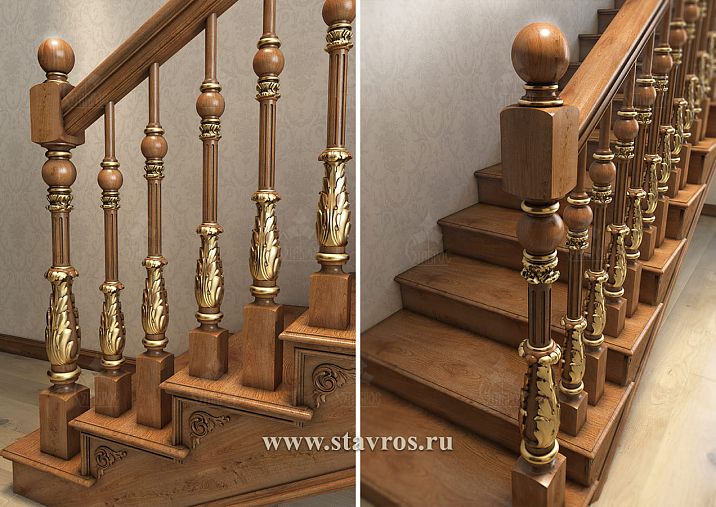
In the world of architectural solutions, there are elements that seem insignificant at first glance, but play a key role in shaping the appearance of the entire space. Baluster 40 40 — such an element that combines functionality, aesthetics, and economic efficiency. These compact vertical posts with a 40×40 mm cross-section represent an optimal solution for creating elegant staircase railings in limited space and budget conditions.
Why exactly the 40×40 mm size has gained such popularity among builders and designers? The answer lies in the unique balance between strength, visual lightness, and accessibility. These balusters provide the necessary structural reliability without creating a sense of heaviness, which is especially important in modern interiors, where airiness and openness of space are valued.


Technical Superiority of Compact Dimensions




Engineering Logic of 40×40 Section
The 40×40 mm cross-section size is not random — it is the result of careful calculations and years of experience. This size provides an optimal ratio of bending strength to the structure’s own weight. The moment of resistance of a 40×40 mm square section is 10667 mm³, which is sufficient to withstand standard operational loads while using minimal material.
The square cross-section has several advantages over the round one. It provides equal strength in all directions, which is critically important for elements subjected to multidirectional loads. Moreover, the square cross-section simplifies mounting to the base and handrail, ensuring a more secure connection.
Our factory also produces:


Material Efficiency
Balusters 40×40 demonstrate exceptional material efficiency. At a standard height of 900 mm, the volume of one element is only 1440 cm³, which corresponds to a weight of approximately 720 grams when made of pine. Such lightness significantly simplifies transportation, installation, and reduces the load on the staircase’s load-bearing structures.
Material savings do not mean compromising on quality. Modern wood processing technologies allow creating products from compact blanks that match or even exceed the strength of heavier analogs, thanks to superior quality of raw material in some cases.
Get Consultation
Aesthetic Philosophy of Minimalism
Visual Lightness in Interior
Modern architecture leans toward minimalism principles, where every element must be both functional and aesthetically justified. The 40 40 baluster perfectly fits this concept, creating a sense of airiness and openness in space. Thin vertical lines visually increase the room’s height without cluttering it with bulky elements.
The rhythmic repetition of compact balusters creates a unique musicality in the space. The eye easily glides along a row of slender posts, perceiving them as a single composition rather than a collection of separate elements. This is especially important in small rooms, where every square centimeter of space matters.
Stylistic Universality
Compact dimensions make 40×40 balusters universally suitable for various stylistic directions. In Scandinavian interiors, they emphasize principles of functionality and naturalness. In loft style, they create contrast with rough textures, adding a touch of elegance. In classic interiors, they serve as a restrained backdrop for more expressive decorative elements.
The possibility of different surface treatments expands stylistic options. Smooth lacquered balusters suit modern interiors, matte oil-based finishes — for eco-style, tinted to premium wood species — for classic solutions.
Production technologies and quality
Wood Selection for Compact Elements
The production of quality 40×40 balusters begins with careful selection of raw materials. For elements of small cross-section, uniformity of wood structure is especially important. Any defects — knots, cracks, uneven density — in compact elements become critical and may lead to product failure.
Spruce remains the most popular material for manufacturing balusters of this size due to its optimal price-to-quality ratio. Its soft structure is easily processed, and its natural resin provides additional protection against moisture and biological damage.
Larch represents the premium segment among coniferous species. Its high density and natural resistance to moisture make larch balusters an ideal choice for rooms with variable humidity. The characteristic texture with contrasting growth rings creates a striking visual effect even in compact sizes.
Processing Technologies
Modern production of 40×40 balusters uses high-precision equipment ensuring perfect geometry of the products. Four-sided planers create perfectly flat surfaces with deviations no more than ±0.2 millimeters. Such precision is critically important for compact elements, where any irregularities become noticeable.
The drying process for small cross-sections has its own characteristics. Compact blanks reach equilibrium moisture faster, but require a more delicate temperature regime to prevent cracking. The optimal moisture content of finished products is 8–12%, ensuring dimensional stability during use.
Quality control and standardization
Each 40×40 baluster undergoes a multi-stage quality control. Visual inspection identifies surface defects, dimensional control checks compliance with size specifications, and strength tests confirm compliance with regulatory requirements.
Standardization of production processes ensures interchangeability of elements within a batch. This is especially important for large-scale deliveries, where each baluster must precisely match the standard. Modern quality systems allow achieving deviations of no more than ±1 millimeter in length and ±0.5 millimeter in cross-section.
Installation and Mounting: Special Features of Working with Compact Elements
Specifics of Mounting Thin Balusters
Mounting 40×40 balusters requires a special approach to selecting fasteners. The compact cross-section limits the use of heavy-duty fasteners, so special attention is paid to load distribution and connection quality.
The most effective mounting method is using 8 mm diameter dowels. This size ensures sufficient connection strength without weakening the baluster’s cross-section. The dowel insertion depth should be at least 20 mm on each side, requiring precise drilling of holes.
An alternative solution are threaded rods with diameters of 6–8 mm. They provide a detachable connection and allow adjusting the baluster’s installation height. It is especially important to use washers with increased diameter to evenly distribute load across the wood cross-section.
Installation technology
Installing 40×40 balusters begins with precise marking of mounting locations. The distance between element centers should not exceed 120 mm — a requirement dictated by safety considerations. When using compact balusters, this distance is often reduced to 100 mm to create a denser railing.
Special attention is paid to vertical alignment. Deviation from vertical exceeding 2 mm per meter of height is unacceptable and will be noticeable to the naked eye. Using a laser level or plumb bob is mandatory to achieve professional installation quality.
The installation sequence involves first mounting the end balusters, then tensioning a reference string and installing intermediate elements. This approach ensures uniform height of all elements and correct geometry of the railing.
Economic Advantages of Compact Solutions
Cost Efficiency
40×40 balusters represent the most economical solution among wooden stair elements. Their cost is 25–40% lower than larger-section balusters with comparable functional characteristics. Savings are achieved through reduced material consumption, simplified processing, and lower transportation costs.
For a standard staircase 3 meters long, 25–30 balusters are required. Using 40×40 mm elements saves 8,000–15,000 rubles compared to 60×60 mm balusters — a significant saving when the construction budget is limited.
Logistical advantages
Compact dimensions significantly simplify logistics. A standard cargo vehicle can carry 1.5–2 times more 40×40 balusters compared to larger-section elements. This reduces transportation costs and allows forming larger delivery batches.
The light weight of the elements simplifies loading, unloading, and installation. One person can easily carry a bundle of 10–15 balusters, speeding up installation and reducing labor costs.
Furniture facades: elegance in details
Residential interiors
In private home construction, 40×40 balusters find wide application due to their optimal combination of functionality and aesthetics. They are ideal for staircases in small homes, where preserving a sense of spaciousness is important. Compact dimensions do not clutter space, allowing light to freely pass through the railing.
Such balusters look especially effective in Scandinavian-style interiors, where functionality and natural materials are valued. Light-colored spruce or larch wood creates a sense of purity and freshness, characteristic of northern design.
Commercial objects
In office and shopping centers, 40×40 balusters are used to create light, airy railings that do not obstruct views or create a sense of enclosure. Their compactness allows maximum efficient use of usable space in the premises.
The economic efficiency of compact balusters is especially important in large-scale construction projects. Savings on each element in large-scale projects can amount to hundreds of thousands of rubles, significantly affecting the overall cost of the project.
Irkutsk masters actively participate in the restoration of historical buildings in Siberia. Their rich experience and deep understanding of traditions allow them to create items indistinguishable from historical samples.
When restoring historical buildings, it is often necessary to recreate balustrades matching the era of construction. 40×40 balusters allow precise reproduction of proportions and style of old staircases, when massive elements were not yet widespread.
The ability to manufacture balusters according to individual drawings makes them indispensable for restoration work. Masters can recreate lost elements with millimeter precision, preserving the historical authenticity of the object.
Design Possibilities and Decorative Treatment
Profile Options
Despite their compact size, 40×40 balusters offer wide opportunities for decorative treatment. The simplest option — beveling at a 45-degree angle — gives elements a more elegant appearance and eliminates sharp edges, which is important from a safety standpoint.
Routing shallow grooves creates an interesting play of light and shadow on the baluster surface. Vertical grooves visually elongate elements, making the staircase appear more slender. Horizontal grooves, on the contrary, emphasize the massiveness and solidity of the structure.
Carved elements
Artistic carving on 40×40 balusters requires special skill due to the limited surface area. Master carvers create miniature compositions, where every detail is worked with jewel-like precision. Such items become true works of art.
Popular motifs for carving on compact balusters include floral ornaments, geometric patterns, and stylized images. It is important to maintain proportions and avoid overloading the small surface area with excessive details.
Combined Solutions
Modern design often implies combining different materials in one structure. 40×40 balusters combine beautifully with metal inserts, creating interesting texture contrasts. Stainless steel, brass, or black metal add a sense of modernity and technology to the structure.
Glass inserts between wooden balusters create an effect of lightness and transparency. This solution is especially effective in high-tech interiors, where visual weightlessness of structures is important.
Care and Maintenance of Compact Balusters
Protective coatings
The choice of protective coating for 40×40 balusters depends on operating conditions and aesthetic preferences. Lacquer coatings create a durable protective film that reliably protects wood from moisture and mechanical damage. Modern polyurethane lacquers have high wear resistance and maintain transparency for many years.
Oil-based coatings penetrate into the wood structure, highlighting its natural texture. They create a more natural appearance but require periodic renewal. For compact balusters, this does not create significant difficulties due to the small surface area.
Regular Maintenance
Care for 40×40 balusters does not require special skills or tools. Regular cleaning with a soft cloth removes dust and surface dirt. Using specialized wood care products helps maintain the protective properties of the coating.
Periodic inspection of fasteners allows timely detection of weakened connections. Compact balusters are more sensitive to fastener loosening, so regular inspection is especially important for ensuring the safety of the structure.
Innovations and development prospects
New materials and technologies
The development of wood processing technologies opens new opportunities for creating 40×40 balusters with improved characteristics. Thermomodification of wood increases its stability and resistance to biological damage without using chemical impregnation.
Composite materials based on wood fibers offer an alternative to natural wood. They combine the aesthetics of wood with improved performance characteristics: resistant to rot, require no regular maintenance, and have stable dimensions.
Digital technologies in production
The introduction of automated design systems allows creating accurate 3D models of balusters before production begins. This reduces the number of errors and allows optimizing material usage.
CNC machines ensure the highest precision of processing and repeatability of products. For 40×40 balusters, this is especially important, since any deviations in compact elements become noticeable.
Ecological aspects and sustainable development
Rational Resource Use
The production of 40×40 balusters demonstrates principles of rational resource use. Lower wood consumption per unit of product reduces pressure on forest resources. This is especially important in the context of growing attention to ecological issues.
The possibility of using wood of smaller diameters expands the raw material base and allows more efficient use of forest resources. Younger wood often has better homogeneity characteristics, which is important for compact products.
Waste Recycling
Waste from the production of compact balusters is easily recycled into technical wood chips, pellets, or wood flour. The high quality of raw material makes these by-products valuable materials for other industries.
Zero-waste production systems allow using almost 100% of the original raw material, which corresponds to the principles of circular economy and sustainable development.
Conclusion
Baluster 40 40 Represents an ideal solution for modern construction, where functionality, economy, and aesthetic appeal are valued. Compact dimensions do not mean compromise in quality — on the contrary, they open new possibilities for creating light, airy structures that match the spirit of the times.
The versatility of application makes these balusters indispensable for a wide range of projects — from private homes to large commercial buildings. Economic advantages allow creating high-quality balustrades within limited budgets, without sacrificing safety or beauty.
Technological sophistication of modern production guarantees high quality of each item. Strict control at all stages, from raw material selection to final finishing, ensures compliance with the highest standards.
The future of 40×40 balusters is linked to the development of new materials and technologies that will further expand their functional capabilities. Ecological requirements stimulate the search for more sustainable solutions, while digital technologies open new horizons for personalization and customization.
Choosing compact balusters means betting on the future — on technologies that allow creating beautiful, functional, and economically efficient solutions. This is the choice of people who value quality, understand the importance of details, and strive for harmony in everything.
For many years, STAVROS has remained a leader in producing high-quality wooden products for staircases. Specializing in creating balusters of various sizes and configurations, STAVROS offers a full range of solutions for any architectural task. The combination of traditional craftsmanship with modern technologies allows creating products that meet the highest standards of quality and aesthetics. Choosing STAVROS means choosing reliability, beauty, and professionalism, proven over time.