Article Contents:



Picture frame styles: From classic to avant-garde
Each picture frame style is a separate chapter in the book of art. From classical to avant-garde, picture frame styles reflect the epochs and movements in which they were created, and continue to inspire new creative quests.
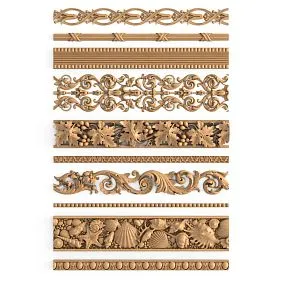
Classic picture frames are the embodiment of eternity and traditions. They are often adorned with carving and gilding, and their forms resemble architectural elements of ancient temples and palaces. A classic picture frame is the choice of those who appreciate the elegance and luxury of past centuries.
Modernist picture frames are characterized by simplicity of lines and forms. They reflect the spirit of innovation and experimentation at the beginning of the 20th century. These picture frames are ideally suited for artworks in the modern, abstract, and other styles that strive to express a pure idea.
Modern picture frames are a play of fantasy and technology. They can be made from unexpected materials, have unusual shapes and colors. A modern picture frame is a statement of boldness and individuality, suitable for those seeking something unique and exclusive.
Avant-garde picture frames are art without boundaries. They can be abstract, experimental, sometimes even provocative. Avant-garde picture frames are chosen by those who wish to go beyond traditional perceptions of art and interior design.




Choosing a picture frame to match interior style: The art of harmony
Choosing a picture frame is not just a decision about a frame for a painting, but a decision about creating harmony in the interior, where each element interacts with others, creating a unified melody of style.
When we choose a picture frame, we are like composers striving for perfect sound. We must consider not only the size and color of the walls, but also the materials of the furniture, the shades of textiles, lighting, and even the color temperature in the room. The picture frame must respond to all these nuances, like a shade in an artist's palette, complementing and enriching the overall picture.
The style and era of the artwork are the starting point. A classical painting requires a frame with carving and patina, which will transport the viewer to the era of the artwork's creation. A modern abstract painting will require a minimalist frame that will not distract from the meaning and form.
The overall concept of the room is the canvas on which we apply colors. The picture frame must harmonize with the furniture, whether it's the strict lines of a classical armchair or the smooth curves of a modern sofa. It must match the textiles — the echo of the frame can be a motif on curtains or a pattern on a rug.
Individuality and worldview are what make choosing a picture frame personal. The picture frame can be a calm background for a vibrant personality or, conversely, a bright accent in a restrained space. It can reflect the owner's interests — being strict and functional for a minimalist or refined and detailed for a classicist.
Thus, picture frame styles are not only a matter of fashion, but a matter of taste, preferences, and life philosophy. A correctly chosen picture frame becomes not just a part of the interior, but its soul, reflecting the character and world of its inhabitants, creating a unique space full of style and harmony.
Our factory also produces:




Practical application of picture frames: Functionality meets beauty
In this section, we explore how picture frames transform from simple frames into multifunctional interior elements, combining practicality and aesthetic appeal.
Picture frames have long ceased to be exclusively frames for paintings. They have found their place in the most diverse corners of our homes and offices, taking on new and unexpected roles. Here are just a few examples of how picture frames can enrich and organize space:
As an element of architectural decoration, picture frames can serve as elegant framing for doorways or windows, adding elegance and completeness to a room. Using picture frames as decorative moldings allows creating unique visual effects, emphasizing ceiling height or wall depth.
As organizers of space, picture frames can be used to create original shelves or niches, where every line and corner is designed with functionality and appearance in mind. They can become the basis for exhibition systems in galleries and museums, where it is important not only to present the exhibit qualitatively but also to ensure its preservation.
As zoning tools, picture frames can help visually divide space into functional zones without the need to build walls. This is especially relevant in open spaces or studios, where each zone must combine privacy and openness.
As a design accent, picture frames can be used to create unique lamps or mirrors, becoming the central element of decoration. They can serve as the basis for art objects, where the frame plays no less a role than the artwork itself.
Thus, picture frames in modern interiors are not only decoration, but also a functional element that can become an answer to many design challenges. They help create a space where beauty and practicality coexist in harmony, making our daily life more organized and aesthetically pleasing.
Get Consultation
Care and restoration of picture frames: The art of preservation
Picture frames, like any other art and decor items, require attention and care to maintain their beauty and functionality for many years. In this section, we will consider how to properly care for picture frames and what is needed for their restoration.
Regular care for picture frames includes cleaning dust and dirt that may accumulate in grooves and patterns. Using a soft cloth or brush will help avoid scratches and damage to the surface. For wooden picture frames, it is recommended to use special wood care products that not only clean but also nourish the material, preserving its natural color and texture.
Restoration of picture frames is a process requiring special care and knowledge. In case of damage, such as chips, cracks, or loss of pattern fragments, it is necessary to consult specialists who can restore the original appearance of the picture frame. Restorers use various techniques, from color and texture matching to complex reconstruction of lost elements.
Protecting picture frames from harmful external factors, such as direct sunlight, high humidity, or sharp temperature changes, will help extend their lifespan. Using special glass or UV-protective coatings can prevent fading and deformation.
Thus, care and restoration of picture frames are not just measures to preserve their appearance, but an art that allows these cultural heritage items to be passed on to future generations in their original form, preserving the history and beauty they carry.
Breadsticks in the modern world
In conclusion of our journey through the world of picture frames, we will summarize and look at the prospects for their use in the modern world. Picture frames, beginning their history many centuries ago, are now at the forefront of design and decoration. They continue to inspire artists, designers, and everyone who appreciates beauty and style.
Modern technologies and materials open new horizons for picture frames, allowing to create unique and individual solutions for each interior. Picture frames today are not only frames for paintings; they are elements that can completely transform a space, adding character and elegance.
In the future, we can expect the emergence of even more innovative and eco-friendly materials, new forms, and ways of using picture frames. They will continue to be an indispensable part of interior design, reflecting the spirit of the times and the preferences of their owners.
Thus, picture frames remain an important part of our culture and everyday life, a symbol of elegance and timeless beauty that does not lose its relevance over time.