Article Contents:
- Art Deco philosophy: between luxury and geometry
- Geometric balusters: architectural sculpture of the staircase
- Luxurious moldings: graphic ornaments and geometric panels
- Furniture handles with brass inlays: jewelry detail of interior
- Classic furniture in the Art Deco style
- Art Deco color palette 2026
- Lighting in Art Deco interiors
- Textiles and finishes in Art Deco
- Decorative elements and accessories
- Practical tips for creating an Art Deco interior
- Conclusion: create Art Deco luxury with STAVROS
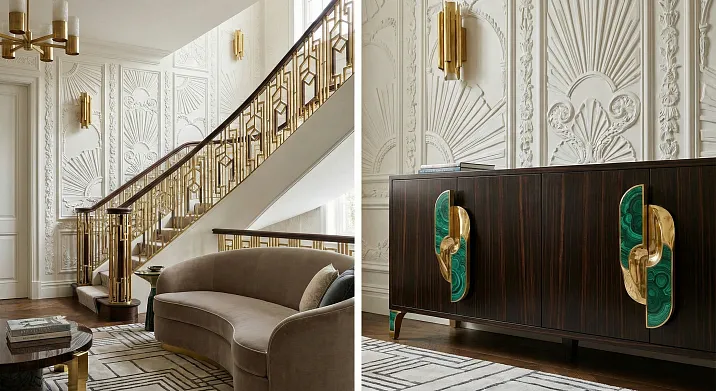
Art Deco is making a comeback. The style, born in the 1920s-30s as a symbol of optimism, technological progress, and the jazz era, is experiencing a renaissance in 2026. But this is not a museum reconstruction — it’s a modern interpretation, where geometric strictness combines with a minimalist color palette, luxury is expressed through details, symmetry creates visual rhythm.balustersbecome architectural sculptures.Moldingsacquires Art Deco graphic ornaments — zigzags, stepped forms, sun rays.Furniture Handleswith brass inlays combine the warmth of wood and the noble gleam of metal.Classic Furnitureis interpreted through the prism of Art Deco — symmetrical forms, luxurious materials, flawless craftsmanship. Modern Art Deco is a style for people who value character, status, individuality, rejecting anonymous minimalism in favor of expressive space.


Art Deco philosophy: between luxury and geometry
Art Deco (Art Deco — abbreviation from Arts Décoratifs) emerged in Paris in the 1920s as a reaction to the ornate modernism and aftermath of World War I. The world wanted optimism, luxury, progress. Art Deco provided all this — through strict geometry, symmetry, luxurious materials, and technology. It was the style of ocean liners and skyscrapers, Hollywood glamour and jazz clubs, speed of automobiles and elegance of evening gowns.
In 2026, Art Deco returns as a response to the modern person’s demand for expressiveness and character. After a decade of neutral minimalism, people want interiors that speak, tell stories, create atmosphere. Art Deco provides this through the visual language of geometry, rhythm, symmetry, and luxurious materials.
Key principles of Art Deco remain unchanged. Geometry is the basis of composition — zigzags, stepped forms, trapezoids, chevrons create visual rhythm. Symmetry — everything is mirrored relative to the central axis, creating grandeur and order. Verticality — elongated proportions, upward orientation, a sense of growth and ambition. Luxurious materials — marble, expensive wood species, brass, bronze, mirrors, velvet — create tactile and visual luxury. Contrast — dark and light, glossy and matte, wood and metal create a dramatic effect.
But the modern interpretation adapts these principles to the realities of the 21st century. Luxury becomes more restrained — not flamboyance, but quality. Geometry is purer — not overloaded with ornamentation, but minimalist forms. The color palette is calmer — not only black and gold, but beige, gray-green, warm wood. Functionality is higher — Art Deco 2026 is not only beautiful, but also comfortable, thoughtfully designed, adapted to modern lifestyle.




Geometric balusters: architectural sculpture of the staircase
balustersin Art Deco — these are not just supporting elements of railings, but architectural sculptures that set the tone for the entire staircase and interior. Classic turned balusters with smooth curves give way to geometric forms — sharp edges, stepped transitions, trapezoidal sections.
Art Deco balusters come in various forms. A stepped baluster has several levels of different thicknesses, creating a visual rhythm of ascent and descent. A trapezoidal baluster widens toward the base, creating a sense of stability and monumentality. A hexagonal or octagonal baluster in cross-section creates a play of facets and light. A baluster with geometric cutouts — squares, triangles, zigzags — becomes an intricate sculpture.
wooden balustersin Art Deco are tinted in contrasting colors. The classic combination — dark wood (wenge, mahogany, dark walnut) with gold or brass accents. Modern interpretation — light wood (beech, whitewashed oak) with black or bronze details. Gradient tinting from dark at the base to light at the top enhances the sense of verticality.
Material combinations create richness of textures.Wooden balusterwith brass inlays combines the warmth of wood and the cool gleam of metal. Brass strips can run horizontally, emphasizing the stepped form, or vertically, enhancing the upward orientation. Brass capitals and bases of balusters create a majestic framing.
Rhythm and repetition are important principles of art deco.Balusters for staircaseThey are established with clear regularity, creating a visual rhythm. The repeating geometric pattern of balusters enhances the sense of order and symmetry. Alternating between two types of balusters — thicker and thinner — adds additional dynamism.
The staircase symmetry in art deco is absolute. If the staircase has two flights with an intermediate landing, both flights are mirror-symmetrical.Wooden balustersThey are identical on both flights, creating a sense of completeness and harmony.
Lighting the balusters emphasizes geometry. Side lighting creates a play of light and shadow on the edges of geometric balusters. Underlighting the staircase treads creates a floating staircase effect, where balusters seem to emerge from light. Accent lighting from above or below emphasizes the verticality of balusters, enhancing the dramatic effect.
to buy balustersIn art deco style — it means choosing not just a functional element, but an architectural masterpiece that sets the tone for the entire interior. Geometric forms, contrasting colors, material combinations, absolute symmetry — all of this creates a staircase worthy of a 1930s Hollywood mansion or a modern luxury residence.
Our factory also produces:


Luxurious moldings: graphic ornaments and geometric panels
MoldingsIn art deco, it rejects baroque scrolls and floral ornaments in favor of geometric forms, graphic lines, symmetrical compositions. This molding emphasizes architecture, creates a visual rhythm, and adds luxury through form, not decoration.
Art deco ornaments are ideally suited for realization. It is lightweight, durable, allows creating clear geometric forms without losing detail.
Polyurethane moldingsIt easily takes on any color — gold, silver, bronze, black, white — creating the desired effect.polyurethane moldingsEasily colored in any color — gold, silver, bronze, black, white — to create the desired effect.
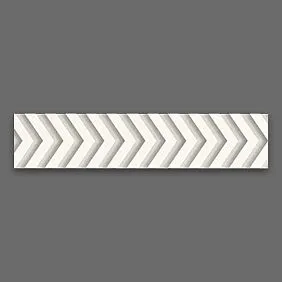
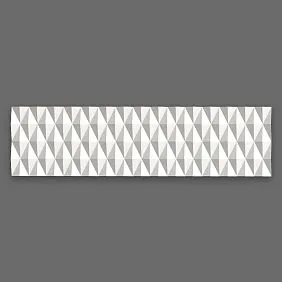
Moldings made of polyurethaneIn art deco style, moldings have strict geometric profiles. Step moldings with multiple levels create a three-dimensional frame. Moldings with zigzag ornamentation add dynamism. Wide flat moldings with thin geometric lines create restrained elegance.
Ceiling moldings in art deco are especially expressive.Plaster ceilingIt may have a geometric panel in the center — square, octagon, combination of geometric forms.Ceiling moldingIt creates a multi-level composition — a sunburst-style rosette in the center, surrounded by stepped frames, framed by a cornice with geometric ornamentation.
Wall moldingsIt creates a panel structure. Vertical moldings divide the wall into symmetrical panels — a classic art deco technique. Within the panels, there may be geometric-patterned wallpaper, mirrors, or contrasting coloring.— everything must correspond to the chosen era.Corner pieces, central medallions, and borders — have geometric ornaments supporting the overall style.
Color solutions for moldings in art deco are contrasting. Classic combination — white or cream molding on dark walls (deep blue, emerald, burgundy). Modern interpretation — gold or bronze molding on light beige or gray walls. Monochromatic solution — black molding on a black wall, where form is revealed through play of light and shadow.
Metalized moldings enhance luxury.Polyurethane moldingsPainted to resemble gold, brass, or bronze, it creates a precious metal effect. This is especially effective when combined with real brass details — chandeliers, hardware,furniture handles.
Mirrors and moldings — a characteristic combination of art deco. Mirror panels are framed by geometric moldings. Mirror tiles are laid in stepped or zigzag patterns.Moldings around mirrorshave a sunburst ornament or stepped shape.
You can buy ready-made stucco matching the Baroque style. Calculate the quantity: linear meters of cornices and moldings, number of rosettes, pilasters, consoles, corner elements. Add a ten to fifteen percent allowance for trimming.In art deco style — it means obtaining a tool for creating graphic, structural, luxurious interiors. Geometric ornaments, symmetrical compositions, contrasting colors, metalized finishes — all of this transforms simple walls and ceilings into architectural artworks.
Get Consultation
Furniture handles with brass inlays: a jewelry detail of the interior
Furniture HandlesIn art deco — these are not just functional hardware, but jewelry details that emphasize the status of the furniture and the entire interior. Combination of wood and brass — a classic art deco pairing, uniting the warmth of natural material with the cool, noble gleam of metal.
Geometric and symmetrical forms. Rectangular handles with sharp edges and acute angles. Trapezoidal handles that widen toward the ends. Octagonal or hexagonal knob handles with faceted cuts. Step handles with multiple thickness levels. Half-moon handles with smooth curves but sharp edges.
wooden furniture handlesWith brass inlays, they create a material contrast. The wooden base may be made of dark mahogany, walnut, or wenge — classic art deco. Or light beech or bleached oak — modern interpretation. Brass inlays may be strips, capitals at the ends, central medallions, or geometric inlays.
The combinations of wood and brass are diverse. A wooden handle with brass ends — a classic option where metal frames the wood. A wooden handle with a brass band in the middle — a symmetrical solution. A wooden base with brass geometric inlays — squares, triangles, zigzags — creates a complex visual pattern. A fully brass handle with a wooden insert — the reverse solution for a more metallic interior.
Wooden furniture handleIn art deco, it has flawless finishing. The wood is sanded to smoothness, coated with oil or wax, pleasant to the touch. Brass is polished to a mirror finish or has a matte satin finish. The transition between wood and brass is perfectly precise, without gaps or misalignments — a sign of quality craftsmanship.
Handles in art deco are large and confident. This is not miniature, inconspicuous hardware, but expressive elements that emphasize the significance of furniture. Long handles (15-30 cm) for chests and cabinets. Large knobs (5-8 cm in diameter) for doors. Proportions are symmetrical and balanced — length, width, height are in harmonious proportion.
Handles on furniture are symmetrically placed. On two-door cabinets, handles are mirror-symmetrical relative to the central axis. On chests with multiple drawers, handles are placed strictly along the vertical axis. Symmetry creates visual order and grandeur — key qualities of art deco.
Combination with other hardware supports the style. Hinges, lock holes, decorative plates are also made of brass with geometric shapes. All metal has the same finish — polished, satin, or patinated — creating visual unity.
Buy furniture handlesIn art deco style — means choosing not just hardware, but jewelry-like details that transform ordinary furniture into works of decorative applied art. Geometric forms, combination of wood and brass, flawless craftsmanship, large proportions — all this creates luxury through details, characteristic of art deco.
Classic furniture in the spirit of art deco
Classic FurnitureIn art deco interpretation, it rejects baroque extravagance in favor of geometric strictness, symmetry, and luxurious materials. This is furniture that combines the historical solidity of classicism with the technological aesthetics of art deco.
Furniture shapes are geometric and symmetrical. Rectangular silhouettes with sharp angles. Trapezoidal elements — legs, armrests, backs. Round tabletops on geometric bases. Octagonal or hexagonal tables. Tiered buffets and chests with multiple depth levels.
Materials are premium and expressive. Solid dark wood — mahogany, rosewood, ebony, wenge. Or light-colored — maple, beech, whitewashed oak — for modern interpretation. Marble for tabletops — black, white with black veins, green, red. Mirrors for cabinet and buffet fronts. Velvet and satin for upholstery — emerald, sapphire, burgundy.
Brass and bronze — mandatory metallic accents.Furniture HandlesWith brass inlays. Brass legs for tables and chairs. Brass trim on tabletops and shelves. Brass decorative plates with geometric ornaments.
Inlay and marquetry — traditional techniques adapted for art deco. Inlay with brass or mother-of-pearl creates geometric patterns on wooden surfaces. Marquetry from different wood species forms sunburst ornaments, zigzags, stepped patterns. These techniques turn furniture into works of applied art.
Furniture types are diverse. Chests and buffets with symmetrical fronts, geometric handles, mirrored inlays. Dining and coffee tables with marble or wooden tops on geometric bases. Chairs and sofas with trapezoidal armrests, stepped backs, velvet upholstery. Cabinets with mirrored doors framed by brass moldings. Consoles with marble tops on brass legs.
Color palette is contrasting. Dark wood + gold brass — classic luxury. Black lacquer + silver metal — modern elegance. Light wood + bronze accents — a softened version of art deco. Emerald velvet + brass frame — color accent on a neutral background.
Furniture proportions are confident and substantial. This is not airy lightness, but monumental solidity. Wide tabletops, massive legs, high backs. Furniture creates a sense of stability, reliability, status — important values of art deco.
Symmetry in furniture arrangement is absolute. Two identical chairs on either side of a fireplace. Two lamps symmetrically positioned relative to a sofa. A chest centered on a wall, symmetrically framed by mirrors or paintings. This symmetry creates visual order and grandeur.
Furniture lighting highlights geometry and materials. Directional light reveals wood texture, brass sheen, velvet depth. Mirrored elements reflect light, enhancing it. Glass shelves with backlighting create a floating structure effect.
Art Deco color palette 2026
The art deco color palette for 2026 has evolved compared to the classic period of the 1920s-30s. While preserving the principles of contrast and luxury, the modern palette is more restrained, natural, and adapted to contemporary taste.
Neutral base colors create a background. Beige, cream, ivory — warm light tones that replace pure white. Gray, gray-brown, taupe — cool neutrals that create a modern sound. These colors are used for walls, ceilings, large surfaces, creating a calm background for accents.
Dark saturated colors add drama. Deep blue (navy, sapphire) — classic art deco color, symbolizing luxury and depth. Emerald green — another favorite, rich and noble. Burgundy, wine — warm dark tones that create coziness in luxury. Black — used sparingly, to create maximum contrast.
Warm wood tones — an important part of the palette. Mahogany, walnut, teak — reddish-brown tones, classic for art deco. Honey, amber, caramel — lighter warm tones for modern interpretation. Wood adds natural warmth to a technological style.
Metallic colors — gold, brass, bronze, copper — create luxurious accents. Gold is used sparingly — in hardware, lamps, fine decorative lines. Brass — a more restrained option, matte or slightly patinated. Bronze and copper — for vintage effect, with patina and darkening.
Accent colors add individuality. Mustard yellow — warm accent, reference to sunburst rays. Terracotta — orange-brown, earthy and warm. Dusty pink — soft accent for bedrooms and feminine spaces. Lavender — an unusual choice for art deco, but effective in modern interpretation.
Contrasting combinations create a dramatic effect. Black + gold — maximum luxury and contrast. Deep blue + brass — elegant combination. Emerald + bronze — rich and noble. Cream + dark wood — restrained elegance.
Monochromatic solutions within one color create refinement. Different shades of beige — from light cream to deep taupe. Different shades of gray — from pearl to graphite. Monochrome creates complexity through tone and texture, not through color contrast.
Lighting in art deco interiors
Lighting in art deco — is not merely a functional necessity, but a key element of atmosphere. Lamps themselves are works of art — geometric forms, luxurious materials, flawless craftsmanship.
Art Deco chandeliers are monumental and geometric. Multi-tiered structures with stepped levels. Round or octagonal shades made of milk glass. Brass or chrome frames with geometric elements. Crystal pendants that create light reflections.
Wall sconces are symmetrically placed in pairs. Geometric shades — cones, cylinders, hemispheres. Brass brackets with curves and angles. Often sconces are directed upward, creating diffused reflected light.
Torches feature architectural forms. Tall, slender stands with geometric details. Simple-shaped shades — cylindrical, conical, rectangular. Brass or black metal frames. Torches are often placed symmetrically — two identical ones on either side of a sofa or fireplace.
Table lamps as decorative objects. Sculptural bases made of marble, metal, or glass. Geometric or streamlined forms. Shades made of silk, glass, or metal mesh. Art Deco table lamps are not just light sources, but art objects.
Hidden lighting emphasizes architecture. LED strips behindornate cornicescreate edge lighting on the ceiling. Underlightingmoldingsfrom below or the sides reveals relief and geometric ornaments. Underlighting of mirrored panels creates depth and reflections.
Accent lighting highlights artworks and architectural details. Directional spotlights illuminate paintings, sculptures,balusters. Interior backlighting of display cases and cabinets showcases collections and fine tableware.
Lighting scenarios create different atmospheres. Bright general lighting for active life. Dimmed local lighting for evening relaxation. Accent lighting for creating dramatic shadows and reflections. Colored backlighting (rare but possible) for special occasions.
Textiles and finishes in Art Deco
Textiles in Art Deco are luxurious and geometric. Fabrics — velvet, satin, silk, brocade — create tactile luxury. Colors are rich — emerald, sapphire, burgundy, gold. Patterns are geometric — zigzags, chevrons, stepped forms, stylized floral motifs.
Rugs with geometric patterns create a visual accent on the floor. Rectangular or round rugs with symmetrical ornaments. Contrasting color combinations — black and white, blue and gold. Rugs are often laid symmetrically relative to the room’s center or furniture’s axis of symmetry.
Draperies are monumental and draped. Heavy curtains in velvet or brocade down to the floor. Colors are deep and rich. Tiebacks with tassels and brass holders. Valances with geometric folds. Draperies are often symmetrical — two identical panels, mirrored in draping.
Luxurious fabric upholstery. Velvet for sofas and chairs — soft, deep, inviting to sit. Brocade for chairs and ottomans — more structured and noble. Leather for chairs and sofas — smooth, cool, status-oriented. Upholstery colors contrast with wooden furniture or support the overall interior palette.
Decorative pillows with geometric patterns add layers. Zigzags, chevrons, stepped forms, sun rays — ornaments repeat motifsmoldingsand other interior elements. Pillows may be made of contrasting fabrics — velvet + silk, brocade + satin.
Wallpapers with Art Deco patterns create accent walls. Geometric ornaments, stylized floral motifs, metallic elements. Wallpapers are often used within panels framed byornate moldings, creating a complete composition.
Decorative elements and accessories
Art Deco accessories are carefully selected and symmetrically arranged. Each item has meaning, nothing is random or superfluous.
Mirrors are the most important element of Art Deco. Large mirrors in geometric frames — octagonal, with stepped edges, with sunburst ornament. Wall-mounted mirror panels creating an illusion of space. Mirrored tiles laid in geometric patterns. Mirrors reflect light, enhance illumination, create depth.
Art objects are geometric and sculptural. Statuettes in bronze, marble, glass with streamlined or angular forms. Vases in geometric shapes — cylinders, cubes, pyramids. Clocks with architectural forms and brass details. Abstract or stylized sculptures matching Art Deco aesthetics.
Paintings and posters in the style of the era. Geometric abstraction, cubism, posters from the 1920s-30s. Frames are simple geometric or with Art Deco ornamentation. Paintings are placed symmetrically — one central or two identical ones on either side.
Books as a decorative element. Antique editions in leather bindings, arranged by color or size. Books on design, architecture, Art Deco art of the era. Bookshelves are framed byornate moldingsor have brass brackets.
Plants add nature to the technological style. Large architectural plants — palms, ficus, monsteras. Planters in geometric shapes made of brass, marble, ceramic. Plants are placed symmetrically or as accent elements in corners.
Practical tips for creating an Art Deco interior
Creating an interior in the art deco style requires attention to detail, understanding of style principles, quality materials, and professional execution.
Start with architecture. Art deco is an architectural style, so begin with architectural elements.MoldingsThey create the structure of walls and ceilings.balustersThey define the character of staircases. Moldings divide walls into panels. These elements are the foundation upon which the entire interior is built.
Observe symmetry. This is a fundamental principle of art deco. Furniture, lighting fixtures, and accessories are arranged symmetrically relative to the central axis. Even if the room’s layout is asymmetrical, create symmetrical compositions within zones.
Use geometry. Shapes must be clear — squares, rectangles, circles, octagons, trapezoids. Avoid random or organic forms. Geometry creates visual order and structure.
Choose quality materials. Art deco is a style of luxury achieved through quality, not quantity.Solid wood productsReal marble, quality brass, natural velvet — invest in materials that will last for decades and retain their beauty.
Create contrasts. Dark and light, matte and glossy, wood and metal, hard and soft. Contrasts create visual dynamics and highlight the qualities of each material.
Do not over-decorate. Art deco is luxurious but not fussy. Each element must have meaning. Better to have fewer, but higher quality. One luxurious item is more impactful than ten average ones.
Work with professionals. Art deco requires precise execution — symmetry must be absolute, lines must be clear, materials flawless. This is not a style easily implemented independently. Interior designers, skilled craftsmen, quality suppliers — these are investments that pay off in results.
Conclusion: Create art deco luxury with STAVROS
Art deco in 2026 is a modern interpretation of a historic style, where geometric strictness combines with luxurious materials, symmetry creates visual order, and details define the character of space. This is a style for those who value quality, status, individuality, rejecting anonymous minimalism in favor of expressive interiors.
The company STAVROS offers all elements for creating an art deco interior.wooden balustersGeometric forms — stepped, trapezoidal, multi-faceted — create architectural sculpture for staircases. We can manufacture balusters according to custom sketches, add brass inlays, and create a unique composition.
Polyurethane moldingsSTAVROS is presented in classic and modern forms. We offerMoldingswith geometric profiles,decorative elementswith art deco ornamentation, cornices with stepped forms. All molding can be painted in any colors, including metallic finishes in gold, brass, bronze.
wooden furniture handlesSTAVROS — is jewelry-like hardware for your furniture. We create handles with geometric forms and brass inlays, combining warm wood and cool metallic sheen. Each handle is handmade, undergoes rigorous quality control, and is flawless in detail.
Classic FurnitureIn art deco interpretation — our specialization. We work with premium hardwoods, use traditional joinery craftsmanship, create furniture that will last generations. Brass inlay, marquetry, flawless surface finishing — all this makes our furniture pieces of applied art.
We offer custom design and manufacturing of art deco elements. Our designers will help create a concept, select elements, develop unique details. Masters will realize the project with absolute precision, maintaining symmetry, geometry, and material quality.
In the STAVROS catalog you will findbalusters, molding, Furniture Handles, Crown Molding, Baseboards, decorative elements— everything needed to create an art deco interior. We offer delivery throughout Russia, professional installation, quality warranty, and consultation support.
Create an interior that reflects your individuality, status, taste. An interior where geometry creates order, symmetry — grandeur, luxurious materials — tactile and visual pleasure. Choose art deco, choose quality, choose STAVROS — and your home will become a work of architectural art, worthy of the finest examples of the 1920s and modern luxury residences.