Article Contents:
- Functional Essence of Staircase Railings
- Safety as a Foundational Principle
- Structural Support of the Handrail System
- Material Science in Baluster Production
- Wood: classic, time-tested
- Metallic solutions: strength and modernity
- Innovative Materials of Modernity
- Stylistic directions in railing design
- Classic traditions in modern execution
- Minimalism and High-Tech: The Geometry of the Future
- Loft and industrial aesthetics
- Technological aspects of production
- Traditional Turning Craftsmanship
- Modern Methods of Shaping
- Quality Control and Standardization
- Installation and Setup: Professional Approach
- Preparation Work and Planning
- Mounting methods and their features
- Final finishing and protective coatings
- Ergonomics and Operational Safety
- Anthropometric requirements
- Special Requirements for Children
- Adaptation for people with disabilities
- Maintenance and care of staircase railings
- Regular Technical Maintenance
- Cleaning Methods for Various Materials
- Prevention of Damage
- Modern Trends and Innovations
- Integration of Smart Home Technologies
- Ecological aspects of production
- Personalization and Individual Design
- Economic aspects of selection
- Lifecycle Cost Analysis
- Impact on property value
- Project Budget Optimization
- Regional Characteristics and Climatic Factors
- Adaptation to Climatic Conditions
- Seismic Stability of Structures
- Traditions and Cultural Characteristics
- The Future of Staircase Railings
- Prospective Materials and Technologies
- Integration with Security Systems
- Ecological innovations
- Conclusion
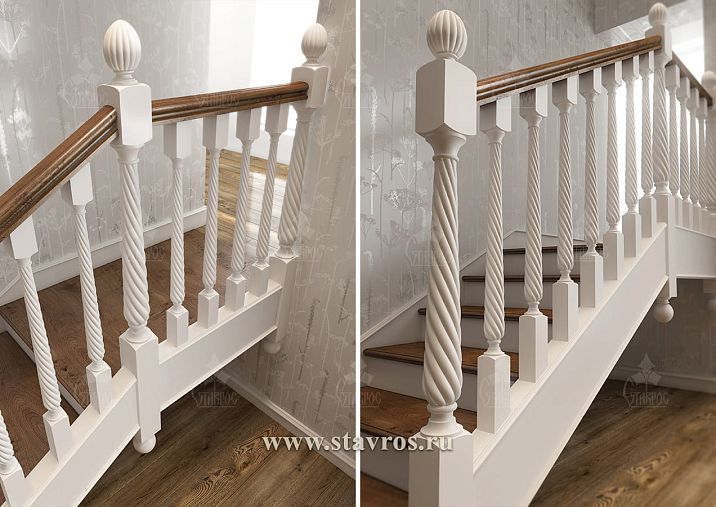
A staircase in a house is not just a functional element for moving between floors. It is an architectural dominant that sets the tone for the entire interior and demonstrates the owner's taste. In creating this harmony, the key role is played by Handrails and balusters for staircasestransforming an ordinary structure into a work of art.
The approach to designing staircase railings has fundamentally changed over the past decades. If previously balusters were considered exclusively as functional safety elements, today they have become full-fledged decorative components capable of radically transforming the space. Every detail matters — from material selection to the finest nuances of surface finishing.


Functional Essence of Staircase Railings




Safety as a Foundational Principle
The primary task of any staircase railing is to ensure user safety. Balusters create a reliable barrier, preventing accidental falls and providing stable support when ascending or descending. A properly designed railing system takes into account anthropometric data of all potential users — from children to elderly people.
The distance between individual baluster elements is calculated with great care. Too wide gaps pose a risk for children, while overly dense spacing may visually overload the structure. The optimal interval is 100–120 millimeters, ensuring the ideal balance between safety and aesthetics.
Our factory also produces:


Structural Support of the Handrail System
Balusters perform a critically important structural function, distributing the load from handrails along the entire length of the staircase span. Without these intermediate supports, even the strongest handrails may deform under lateral forces. Each baluster acts as a miniature column, transferring loads to the treads or landings.
Engineering calculations show that properly installed balusters can withstand significant horizontal loads—up to 100 kilograms per linear meter. This characteristic is especially important for staircases with high usage intensity or in public buildings.
Get Consultation
Material Science in Baluster Production
Wood: Classic, Time-Tested
Wooden balusters remain the most popular choice due to their unique combination of aesthetic and functional qualities. Natural wood possesses inherent warmth that cannot be replicated with artificial materials. Each wood species has its own distinctive characteristics — from the noble texture of oak to the refined smoothness of beech.
Modern wood processing technologies allow creating balusters with exceptional durability. Special impregnations protect the material from moisture, insects, and fungal damage, extending service life to 50 years or more. The ability to locally repair or replace individual elements makes wooden railings especially practical for long-term use.
Metallic solutions: strength and modernity
Metallic balusters open up boundless possibilities for architectural creativity. Stainless steel, aluminum alloys, wrought iron — each material brings its own unique characteristics. Metal allows creating structures with minimalist design, where every line emphasizes the modernity of the interior.
Forged balusters deserve special attention, representing true works of decorative and applied art. Master blacksmiths create unique patterns that become the central element of staircase composition. Such items are often passed down from generation to generation, becoming family heirlooms.
Innovative Materials of Modernity
Polymer composites, reinforced concrete, fiberglass — modern industry offers revolutionary solutions for creating staircase railings. These materials combine the lightness of aluminum with the strength of steel, opening new horizons for design experimentation.
Balusters made of cast marble and artificial stone are particularly interesting. These materials allow reproducing the texture of natural stone at significantly less weight and cost. Casting technology ensures perfect geometry of the items and enables creating complex decorative elements.
Stylistic directions in railing design
Classic traditions in modern execution
Classic style in staircase railing design never goes out of fashion. Balusters with traditional proportions, turned on a lathe, create an atmosphere of aristocratic elegance. Symmetrical forms, smooth transitions, elegant capitals — each element emphasizes nobility and refinement.
Modern interpretation of classicism allows bold experiments with scale and proportions. Enlarged balusters can become a dominant interior element, while miniature ones create a sense of lightness and airiness. The play of contrasts between traditional forms and modern materials produces unexpected and impressive solutions.
Minimalism and high-tech: geometry of the future
High-tech style requires a radically different approach to designing staircase railings. Here, clear geometric forms, polished surfaces, and innovative materials dominate. Balusters transform into architectural elements emphasizing the technological and modern character of the space.
Glass panels, metal cables, LED lighting — a modern designer's arsenal is practically limitless. Such solutions create a sense of weightlessness in the staircase structure, visually expand the space, and fill it with light. Such railings look especially impressive in interiors with panoramic windows and open floor plans.
Loft and industrial aesthetics
Industrial style has brought a completely new philosophy to staircase railing design. Rough metal texture, visible weld seams, deliberate simplicity of forms — all this creates a unique atmosphere of urban romance. balusters for staircases In loft style, railings are often made of black metal with minimal surface treatment.
Combining different materials — wood and metal, concrete and glass — allows creating unique compositions reflecting the owner's individuality. This approach is especially popular in reconstructed industrial buildings, where historical architecture harmoniously combines with modern interior solutions.
Technological aspects of production
Traditional turning craftsmanship
The art of making turned balusters dates back to deep antiquity. Master turners create unique items where every detail is precisely calibrated to the millimeter. Modern CNC lathes allow reproducing the most complex profiles with perfect accuracy while preserving the soul of handcrafted work.
The process of creating a wooden baluster begins with careful selection of material. Blank materials undergo special drying, ensuring the stability of the final item's geometry. Each stage of processing — from rough turning to final polishing — requires the highest level of craftsmanship and attention to detail.
Modern shaping methods
Casting and molding technologies have opened new possibilities for mass production of balusters with complex configurations. Polymer materials allow reproducing the finest decorative details inaccessible to traditional processing. This approach significantly reduces the cost of items while maintaining high quality.
3D printing is becoming increasingly popular for creating prototypes and small-batch production. This technology allows realizing the most daring design ideas, creating balusters with previously impossible geometric forms. Biomimetic structures, fractal patterns, parametric surfaces — the boundaries of creativity are constantly expanding.
Quality control and standardization
Modern production of staircase railings adheres to strict quality and safety standards. Each batch of balusters undergoes comprehensive tests for strength, load resistance, and durability. Automated control systems ensure identical geometric parameters for all items in the series.
Product certification guarantees compliance with international safety standards. Special attention is paid to the ecological safety of materials and coatings, which is critically important for residential spaces. Testing protocols include checks for harmful substance emissions, UV resistance, and temperature fluctuations.
Installation and mounting: professional approach
Preparation and planning
Quality installation of staircase railings begins with careful planning and preparation. Precise marking of the position of each baluster is critically important for the overall perception of the structure. Even minor deviations from design dimensions can significantly spoil the appearance of the finished item.
Professional installers use special templates and measuring tools to ensure ideal installation geometry. Laser levels, digital protractors, precision rulers — modern equipment guarantees the highest accuracy of work. Each element is installed with consideration for the overall composition and functional requirements.
Methods of mounting and their features
The method of attaching balusters depends on the material of the base and the railing elements themselves. Wooden balusters are attached to wooden steps using special self-tapping screws installed at an angle for maximum reliability. The screw length is 80-90 millimeters, ensuring deep penetration into the base material.
For metal structures, anchor bolts or welded connections are used. Each method has its advantages and limitations. Bolted connections allow for disassembly if necessary, while welding ensures maximum strength and monolithic integrity of the structure.
Finishing and protective coatings
The final installation stage includes applying protective and decorative coatings. Wooden elements are treated with special compounds protecting against moisture and biological damage. Multi-layer coating systems include primer, intermediate layers, and finish coating, each serving its own function.
Metal surfaces require special attention to anti-corrosion protection. Modern powder coatings not only protect against corrosion but also offer wide possibilities for color finishing. Polymer coatings are resistant to mechanical damage and retain their original appearance for many years.
Ergonomics and operational safety
Anthropometric requirements
Designing staircase railings must consider human physiological characteristics. Handrail height, baluster shape, spacing between elements — all these parameters affect comfort and safety of use. Standard railing height is 900-1000 millimeters, ensuring comfortable grip for people of different heights.
The shape of the handrail is critically important for ergonomics. Round or oval cross-section with a diameter of 40-50 millimeters provides the most comfortable grip. The surface should be smooth, without sharp edges or protruding elements that could injure users.
Special requirements for children
Staircase railings in homes with children require special attention to safety. The distance between balusters should not exceed 100 millimeters to prevent a child's head from getting stuck. The railing height can be increased to 1200 millimeters for additional protection.
Additional handrails at a height of 600-700 millimeters provide convenience for children using the stairs. Such elements should be integrated into the overall railing design without compromising its aesthetic integrity. Modern manufacturers offer special child-friendly handrails with bright coloring and ergonomic shapes.
Adaptation for people with disabilities
Universal design of stair railings implies usability by people with various physical abilities. Handrails should extend beyond the stair flight by 300-400 millimeters, providing additional support when starting movement. Tactile elements on handrails help visually impaired individuals navigate space.
Contrasting coloring of railing elements improves visibility of the structure for people with impaired vision. Use of materials with different textures creates additional tactile references, enhancing safety when using stairs.
Maintenance and care of stair railings
Regular Technical Maintenance
The longevity of stair railings directly depends on the quality of maintenance and regular servicing. Wooden elements require periodic renewal of protective coatings — typically every 3-5 years depending on usage intensity. Timely maintenance prevents serious damage and extends the service life of the structure.
Metal railings require regular inspection of anti-corrosion coatings. Even minor damage can become a source of corrosion that rapidly spreads across the entire surface. Local repair of the coating is significantly cheaper than full restoration of elements.
Cleaning methods for different materials
Each material requires a specific approach to cleaning and maintenance. Wooden surfaces are cleaned with mild detergents without abrasive particles. Use of aggressive chemical substances may damage protective coatings and lead to premature aging of the material.
Stainless steel requires special means to maintain its mirror finish. Regular polishing with special compounds prevents stains and preserves the original appearance. Glass elements are cleaned with standard glass cleaners, but require careful handling to avoid scratches.
Damage Prevention
Preventing damage is significantly more effective than repairing it. Using protective pads in high-wear areas extends the service life of railings. Soft pads on handrails prevent wear from constant contact with users' hands.
Control of air humidity is critically important for wooden elements. Sudden fluctuations in humidity may cause wood cracking and deformation. Using humidifiers or dehumidifiers helps maintain optimal operating conditions.
Modern trends and innovations
Integration of smart home technologies
Modern stair railings are increasingly integrated with smart home systems. LED lighting built into handrails or balusters not only creates an impressive lighting effect but also enhances safety when using stairs at night. Motion sensors automatically turn on the lighting when a person approaches.
Sensory elements in handrails can control various home systems — lighting, climate control, audio system. Such integration turns the staircase into an interactive element of living space, enhancing comfort and functionality of the home.
Ecological Aspects of Production
The modern stair railing industry pays increasing attention to ecological aspects of production. Use of renewable materials, waste recycling, energy reduction — these factors are becoming important criteria for environmentally conscious consumers.
FSC certification for wooden products guarantees that the material originates from sustainably managed forests. Non-toxic water-based coatings replace traditional lacquers with high volatile organic compound content. This approach ensures safety for residents' health and minimal environmental impact.
Personalization and individual design
The trend toward personalization also affects the field of stair railings. Clients increasingly demand unique solutions reflecting their individuality and lifestyle. Modern technologies allow creating stair balusters with personalized elements — engraving, inlay, unique shapes.
Parametric design opens up limitless possibilities for creating unique forms. Computer algorithms generate design variants based on specified parameters, creating shapes impossible to conceive using traditional methods. This approach allows creating railings perfectly matching the architecture of a specific building.
Economic aspects of selection
Life Cycle Cost Analysis
When selecting stair railings, it is important to consider not only the initial cost but also operating expenses over the entire service life. Inexpensive materials may require frequent repairs and replacements, ultimately costing more than high-quality products with long service life.
High-quality wooden balusters last 50 years or more with proper care. Stainless steel metal structures require virtually no maintenance and retain their original appearance for decades. Investments in quality materials and professional installation pay off through minimal operating costs.
Impact on property value
Quality stair railings significantly increase property value. Exclusive design solutions can raise home price by 10-15%. This is especially relevant for luxury real estate, where every interior detail affects the overall perception of the property.
Investments in stair railings premium-grade railings are considered a long-term investment in real estate. When selling a home, quality railings become a key competitive advantage, attracting buyers and justifying a high price.
Project budget optimization
Proper budget planning allows achieving maximum results with limited funds. Combining different materials — for example, wooden handrails with metal balusters — creates an impressive design at a reasonable cost. Using standard elements with individual finishes ensures uniqueness while maintaining cost-effectiveness in series production.
Phased project implementation allows distributing expenses over time. Initially, basic safety elements can be installed, with decorative components added later. This approach is especially relevant for new constructions, where budgets are limited by multiple expenditures.
Adaptation to Russian climate
Adaptation to Climatic Conditions
Material selection for stair railings should consider regional climatic conditions. In high-humidity areas, materials with enhanced resistance to corrosion and rot are preferred. Marine climates require special anti-corrosion coatings for metal elements.
Sharp temperature fluctuations affect the linear dimensions of materials. Wooden elements may crack rapidly with sudden changes in temperature and humidity. Compensatory gaps and flexible joints prevent damage from thermal deformation.
Seismic resistance of structures
In seismically active regions, special attention is given to the flexibility and damping properties of stair railings. Rigid connections may break during an earthquake, so special elastic elements are used to absorb seismic loads.
Modular railing systems have enhanced seismic resistance due to the ability of elements to move relative to each other without damaging connections. Such constructions require special design and seismic load calculations.
Traditions and cultural characteristics
Regional architectural traditions significantly influence the design of stair railings. Russian traditions of wooden architecture involve the use of carved elements and natural materials. Caucasian motifs include forged elements with complex ornaments.
Modern architecture strives for the synthesis of traditions and innovations. Classical forms are reinterpreted using modern materials and technologies. This approach creates unique solutions that reflect cultural identity while meeting contemporary requirements for comfort and safety.
The Future of Stair Railings
Prospective Materials and Technologies
The development of nanotechnology opens new possibilities for creating materials with unique properties. Self-cleaning surfaces, antibacterial coatings, materials with variable properties — these innovations are already being applied in the production of stair railings.
Composite materials based on carbon fibers have exceptional strength at minimal weight. Such materials allow creating railings with previously impossible proportions — ultra-thin elements with high load-bearing capacity.
Integration with security systems
Future stair railings will become an integral part of building safety systems. Fall sensors embedded in railings will automatically trigger emergency response services. Biometric sensors in handrails will monitor users' health status.
Artificial intelligence will allow railings to adapt to the behavior of specific users. The system will be able to recognize the gait of an elderly person and automatically activate additional lighting or warning signals.
Ecological Innovations
The development of biotechnology will lead to the emergence of living railings — structures integrated with plants. Such systems will purify the air, regulate humidity, and create a unique atmosphere in the room. The symbiosis of architecture and nature will become a new direction in interior design.
Closed production cycles will ensure complete recycling of railings that have served their purpose. Materials will be designed with the possibility of multiple uses without loss of quality. This approach minimizes environmental impact and reduces product cost.
Conclusion
The world of stair railings is in constant evolution, where traditional craftsmanship harmoniously combines with advanced technologies. Handrails and balusters for staircases They are no longer just functional elements — they have become full-fledged works of architectural art capable of transforming any space1.
Choosing the optimal solution requires a comprehensive approach, taking into account numerous factors — from technical requirements to aesthetic preferences. High-quality materials, professional manufacturing, and proper installation ensure not only safety and longevity, but also the unique beauty of the stair structure.
Investing in quality stair railings is investing in comfort, safety, and prestige of your home. Every detail matters, and each element affects the overall perception of the space. The right choice today will ensure enjoyment of the staircase for many years.
In this context, the products of the company STAVROS — a recognized leader in the production of elite stair railings — deserve special attention. Years of experience, use of advanced technologies, and commitment to quality traditions make STAVROS products a benchmark in the industry. Choosing STAVROS means choosing not just a product, but a philosophy of perfection embodied in every detail of the stair railing.