












































































Ceiling rosette CPU-071 decoration idea
Ceiling rosette CPU-071 decoration idea
Get Consultation
Polyurethane elements used: STAVROS


We will help you implement the project
Measurements
You send us furniture, interior, and preferences dimensions
Design
Our specialists will create a project (paid service, from 2000 rub.)
Kitting
After project approval, you receive a specification
Implementation
We will select partners in your city for painting and mounting decor
You may also be interested in


Frequently asked questions
Our showrooms are located in Saint Petersburg and Moscow. Production is located in Saint Petersburg.
Moscow contacts: https://www.stavros.ru/contacts_all/?tab=msk
Contacts of Saint Petersburg: https://www.stavros.ru/contacts_all/?tab=spb
- Send request by email [email protected]
- Write to us at Telegram
- Write to us at WhatsApp
- Order by phone +7 (800) 555-46-75
- Visit our showroom in Saint Petersburg and Moscow
Yes, we ship orders throughout Russia and to CIS countries.
We cooperate with transportation companies such as СДЭК and DPD.
You can also arrange pickup of your order through any convenient transportation company for you.
Delivery cost depends on the size, weight of the item, and delivery address.
When placing an order, the delivery cost is calculated automatically and displayed as a separate line on our website.
Prices and availability of items on the website are always current. Data is updated daily.
Note: items in stock are stored on the warehouse in unpolished form and shipped within 3 working days.
If the item is not in stock, average production time: 5–10 working days.
This is the quality of polishing of the items.
Standard — machine polishing, at a more attractive price.
Prestige — detailed hand polishing, items do not require further work.
More details: https://www.stavros.ru/information/kachestvo/
This is the type of veneer of the items.
Under enamel: produced by gluing wooden laminates without color and texture matching. Contrast tonal and textural differences are noticeable. This blank should be chosen if the item is intended for opaque coating.
Under tinting: produced by gluing wooden laminates with color and texture matching. Tonal and textural differences may occur. This blank should be chosen if the item is intended for semi-transparent finish.
More details: https://www.stavros.ru/information/kachestvo/
Beech — dense, non-porous wood, most often used for items covered with enamel.
Oak — dense, porous wood with clearly visible natural grain. Due to its strength and decorative properties, it is often used in items with semi-transparent coating, highlighting the wood pattern.
Custom-made, if non-standard items are required, we can produce products from other types of wood, including blanks provided by the customer, manufactured according to our technical specifications.
All our furniture legs can withstand a vertical load of at least 100 kg.
Average production time for custom-made items: 5–10 working days.
Most items are stored on the warehouse in unpolished form. We need time to polish and pack orders.
Yes, we manufacture non-standard items according to individual projects, but we only accept orders with a minimum quantity.
We can manufacture items of the desired size, but we only work with bulk orders. For details, please consult the sales department manager.
Yes, some of our products can be used outdoors. For example, polyurethane items, as well as carved door casings made of pine.
Other items are produced to order using PUR glue, if minimum quantity is available. No warranty is provided for such products, as outdoor conditions are considered aggressive.
Yes, we paint items when ordering products for a total amount of 150,000 rubles or more.
- Dust removal. After sanding, the surface must be dusted.
- Priming. Apply primer in an even layer.
- Matting. After the primer has fully dried, the surface should be matted (lightly sanded for better adhesion).
- Finish coating. Apply finish coating: lacquer or enamel, in 2 layers, with interlayer drying.
More details: https://www.stavros.ru/information/sovety/
Apply adhesive to the decor. Attach to the surface and press briefly. Then, remove the decor from the surface and leave it open for 3–5 minutes. Press the decor firmly onto the surface and hold for 5–10 seconds.
More details: https://www.stavros.ru/information/sovety/
Ideally, you should prepare a design project before placing an order.
You can do this yourself by downloading drawings of our products from our website, or you can order a project from us.
If the number of decorative elements and fittings is small, our company's manager can assist you with selection.
Unfortunately, this service is not provided.
The packaging method depends on the type of items, but in each case, we ensure sufficient protection for safe transportation.
We most often use corrugated cardboard and stretch film. Fragile items are additionally secured on a rigid base to prevent damage during transport.
We ship all items starting from 1 piece.
Room measurements and item installation can be performed by our partners — carpentry companies represented in most regions of Russia.
Also see
Baroque symphony on the ceiling: a luxurious composition with rosette CPU-071 for a palace interior
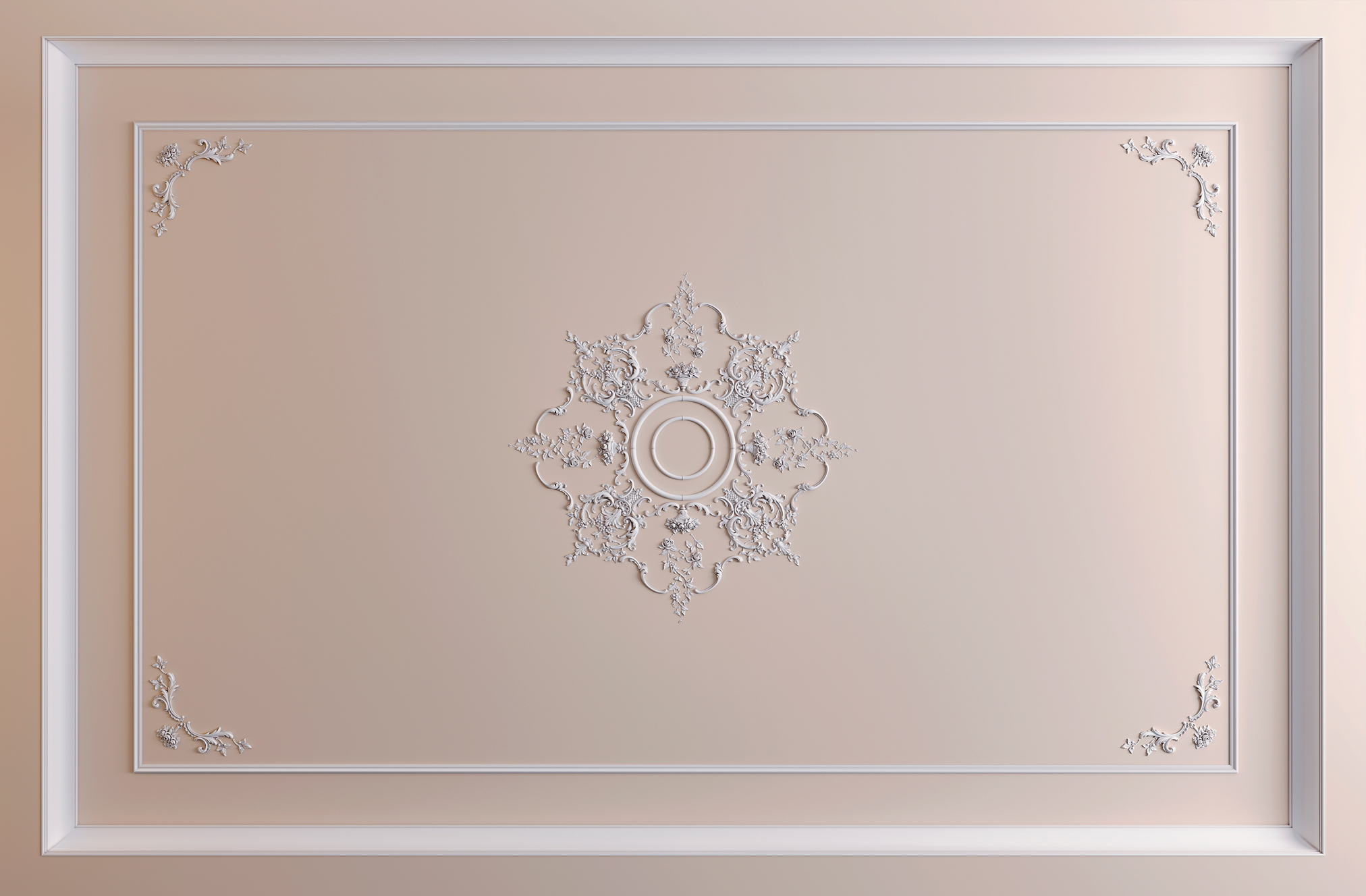
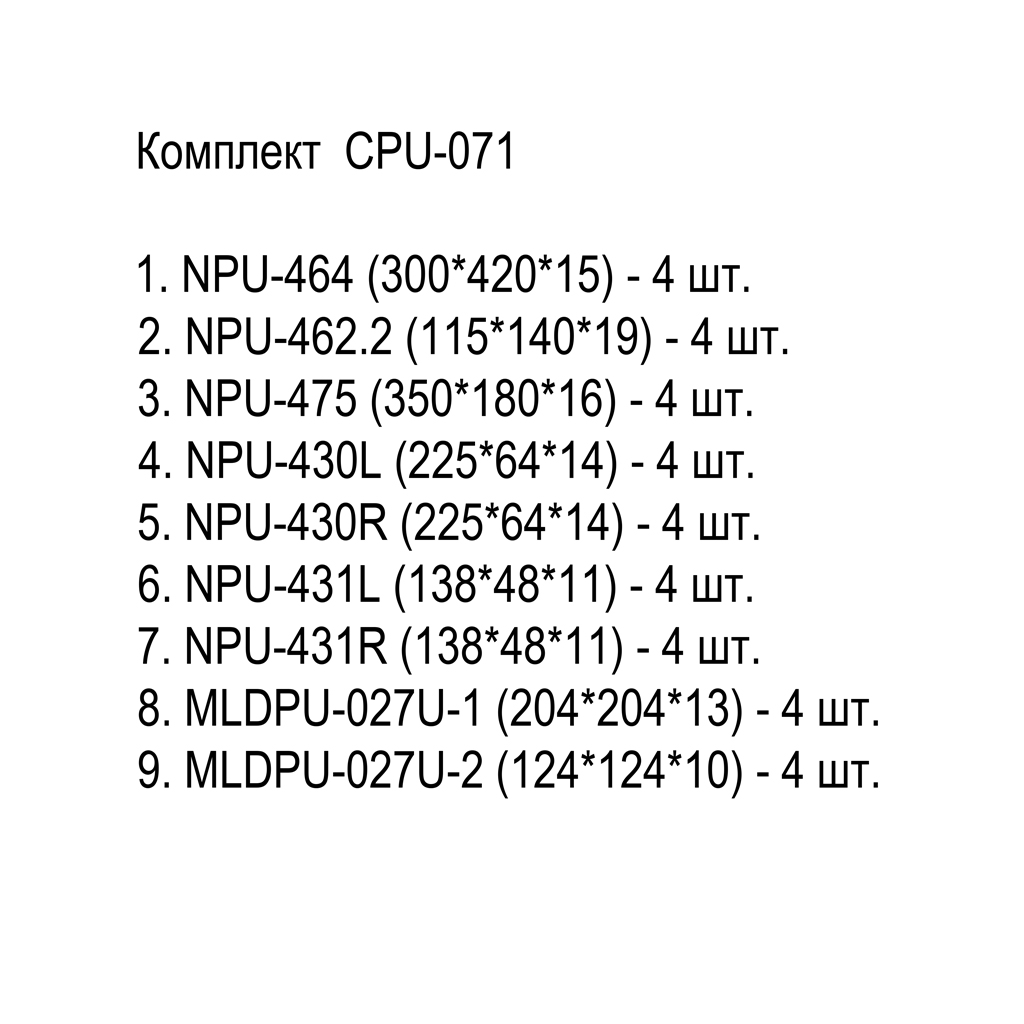
Creating a ceiling composition with the central rosette CPU-071 opens up endless possibilities for implementing classical decor in the spirit of 18th-century European palaces. This large-scale decoration project combines nine different polyurethane molding elements into a single harmonious system, transforming an ordinary ceiling into a work of architectural art. The comprehensive solution allows for the creation of a multi-level decorative structure with rich Baroque ornamentation, which will become the central accent of a spacious living room, grand hall, or banquet hall.
Concept of a multi-layered ceiling composition
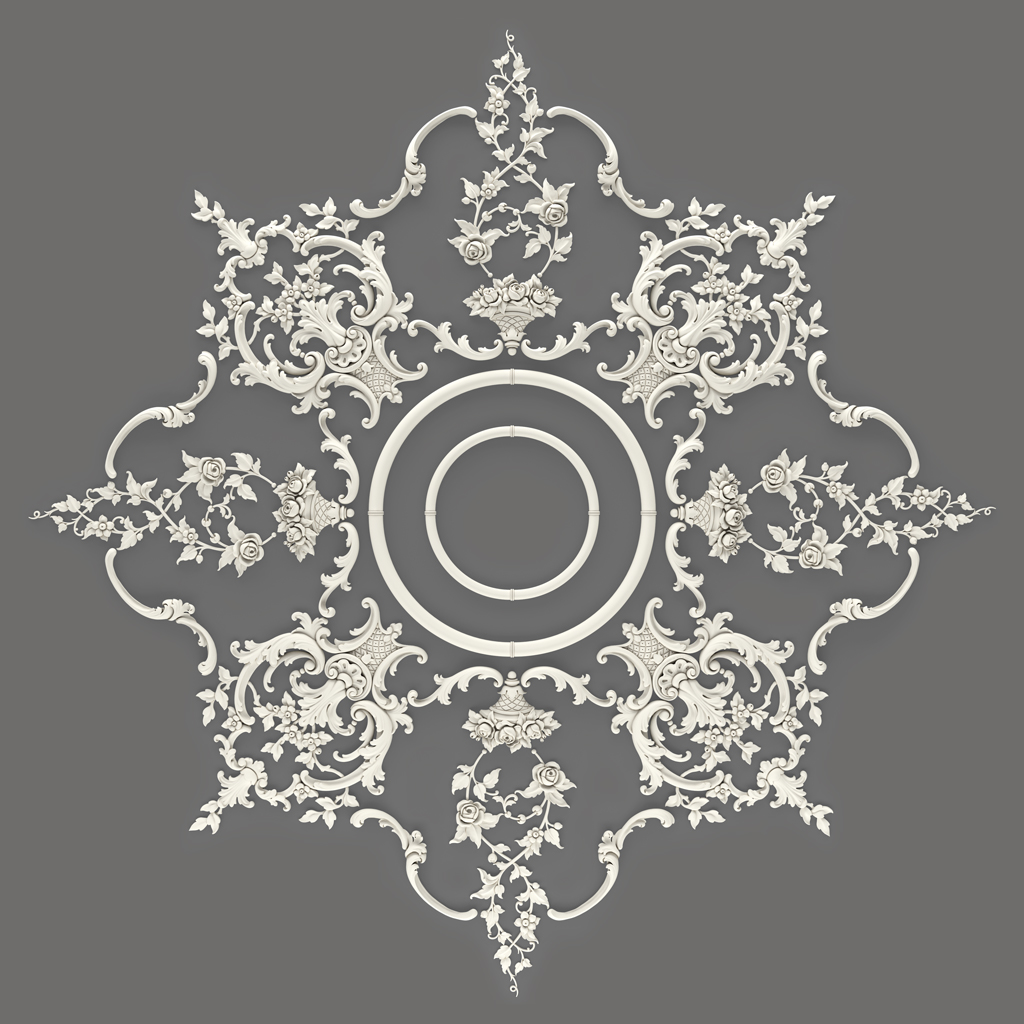
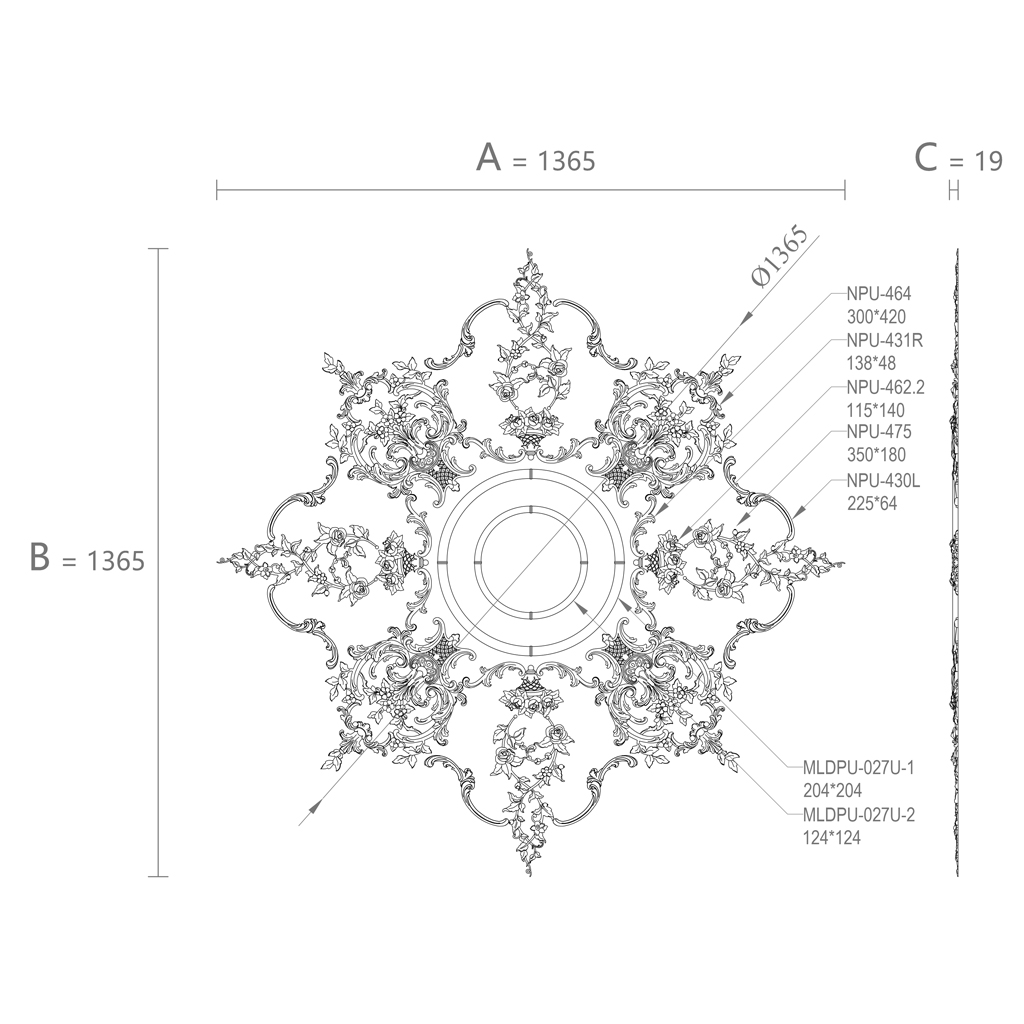
The decoration idea is based on the principle of a radial composition, where the central rosette CPU-071 with a diameter of 1365 millimeters serves as the starting point for building the entire decorative ensemble. Rays of various molding elements radiate from the center, creating a complex multi-level structure with deep relief and rich ornamentation. Eight main directions of the composition are formed using corner elements NPU-464, creating powerful Baroque accents along the diagonals and axes of the rosette.
The inner contour of the composition is formed by medium-sized decorative elements — moldings NPU-462.2 and corner fragments NPU-431, which fill the space between the central rosette and the large corner accents. These elements create an intermediate level of decor, ensuring a smooth visual transition from the monumental central part to the peripheral zones. Asymmetrical moldings NPU-430L and NPU-430R add picturesqueness and dynamism to the composition, characteristic of the Rococo style.
The outer contour is decorated using horizontal moldings NPU-475, creating straight sections between the corner elements and forming a geometric frame for the entire composition. The finishing elements are decorative medallions MLDPU-027U of various sizes, which are placed at key points of the composition to enhance the decorative effect and create additional visual accents.
Elements of the set and their role in the composition
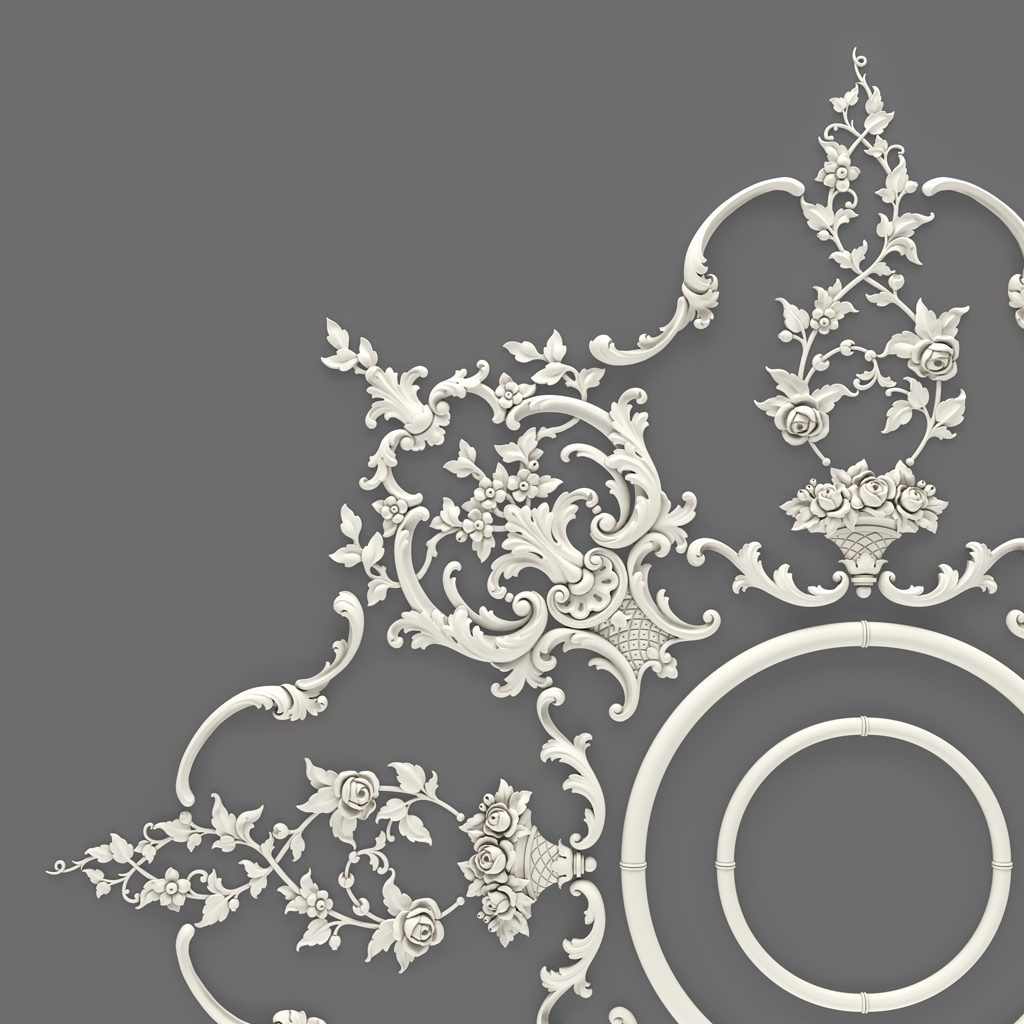
Corner elements NPU-464 measuring 300×420×15 millimeters serve as the main accents along eight directions from the central rosette. These large fragments with rich floral ornamentation create powerful visual rays that guide the eye from the center to the periphery and back. Four elements are placed along the main axes of the composition, forming a cross-shaped structure that emphasizes the symmetry and monumentality of the decor.
Moldings NPU-462.2 with dimensions of 115×140×19 millimeters fill the gaps between the large corner elements, creating a secondary rhythm of ornamentation. These compact details with fine relief work form transitional zones that ensure the visual coherence of the entire composition. Four elements are placed symmetrically relative to the center, supporting the overall radial structure of the decor.
Horizontal moldings NPU-475 measuring 350×180×16 millimeters create straight sections of the composition, connecting the corner elements and forming the geometric framework of the decor. These fragments with classical ornamentation introduce an element of order into the Baroque opulence of the central part, creating a balance between curved floral forms and strict architectural geometry.
Asymmetrical moldings NPU-430L and NPU-430R with dimensions of 225×64×14 millimeters are mirror-reflected elements with characteristic Rococo scrolls. Placed in pairs along four directions, these details create picturesque accents and introduce an element of ease into the strict symmetry of the composition. The delicate floral motifs of these moldings contrast with the massiveness of the central rosette, creating an effect of lightness and airiness.
Small corner elements NPU-431L and NPU-431R measuring 138×48×11 millimeters serve as the finishing touches of the composition, filling small gaps and creating fine detailing in the peripheral zones. These miniature fragments with elegant ornamentation add jewel-like precision to the composition and demonstrate attention to the smallest decorative details.
Decorative medallions MLDPU-027U-1 with a diameter of 204 millimeters and MLDPU-027U-2 with a diameter of 124 millimeters are placed at key points of the composition as independent accent elements. Large medallions are installed at the intersections of the main axial lines, creating additional focal points, while small medallions fill intermediate zones, enriching the decor with additional decorative details.
Principles of element placement
The central rosette CPU-071 is installed exactly in the center of the room or at the focal point of the interior composition, usually coinciding with the location of the main chandelier. From the center of the rosette, eight radial rays are laid out at angles of forty-five degrees to each other, forming a framework for placing all other elements. Four main rays are directed towards the corners of the room, four additional ones towards the midpoints of the walls, creating an even distribution of decor across the entire ceiling area.
At a distance of sixty to eighty centimeters from the edge of the central rosette, large corner elements NPU-464 are placed, oriented with their vertices towards the center of the composition. These elements are installed along the four main directions, creating the first outer contour of the decor. The exact distance is determined by the dimensions of the room and the need to maintain the proportionality of the composition.
Between the corner elements NPU-464, moldings NPU-462.2 are placed, filling the gaps and creating a visual connection between the large accents. These elements are placed along diagonal directions, forming intermediate rays of the composition. The distance between the moldings and the central rosette is chosen to create a harmonious distribution of decorative elements without overcrowding or empty spaces.
Horizontal moldings NPU-475 are installed on the outer contour of the composition, connecting the corner elements NPU-464 and forming a geometric frame. These straight-line fragments create a transition from the radial structure to the rectangular layout of the room, ensuring a harmonious connection between the decorative composition and the architecture of the space.
Asymmetrical moldings NPU-430L and NPU-430R are placed in pairs in the gaps between the main elements, creating additional decorative accents. The mirror arrangement of left and right elements ensures visual balance of the composition, while the slight asymmetry of the ornamentation adds picturesqueness and ease. Small corner elements NPU-431L and NPU-431R fill the remaining gaps, creating the final detailing.
Decorative medallions MLDPU-027U of various sizes are placed at nodal points of the composition — at the intersections of axial lines, in the centers of the formed decorative sectors, in the gaps between large elements. Large medallions create secondary focal points, while small ones serve as connecting elements that ensure the visual unity of the entire composition.
Color solutions and decoration techniques
Classical white execution involves painting all elements of the composition in one tone, creating the effect of traditional plaster molding. A monochrome solution emphasizes the relief of the ornament through the play of light and shadow, creating an exquisite and elegant decor without color accents. A white composition on a light ceiling forms a subtle volumetric structure that adds depth and architectural expressiveness to the space.
A two-color solution involves painting the central rosette CPU-071 in one tone, and all additional elements in a contrasting or similar shade. This technique allows for accentuating the center of the composition, creating a visual hierarchy of decorative elements. The combination of a white center with cream or light beige peripheral elements creates a soft gradient transition, giving the composition depth and multi-layeredness.
Gilding the protruding elements of the ornament creates an effect of palace luxury and historical authenticity. Gold paint or gold leaf is applied to the relief details of all elements of the composition — acanthus leaves, floral rosettes, rocaille, volutes. The main plane remains white or cream, creating a rich contrast between the metallic sheen of the protruding parts and the matte surface of the background.
Patination creates an effect of noble antiquity and antique value of the decor. Dark patina is applied to the recesses of the relief of all elements, then partially wiped from the protruding parts, creating a natural patina of time. The combination of a light base with dark accents in the deep areas of the ornament forms a rich shadow structure, enhancing the perception of volume and complexity of the composition.
Silver plating or bronzing is used to create cold or warm metallic shades that harmonize with the corresponding hardware of chandeliers, furniture, and accessories. Silver tones are suitable for modern neoclassical interiors with chrome elements, while bronze shades are ideal for traditional classical spaces with brass hardware.
The ombre technique involves a gradient transition from a saturated tone in the center of the composition to a lighter one on the periphery or vice versa. The central rosette CPU-071 is painted in the darkest or lightest shade, then the tone gradually changes as it moves outward to the external elements. This solution creates an effect of glow or fading of the decor, adding dynamics and visual depth to the composition.
Integration with lighting systems
A central chandelier of classic design with a diameter from eighty to one hundred twenty centimeters is installed in the center of the rosette CPU-071, becoming an organic part of the decorative composition. Multi-arm light fixtures with crystal pendants, bronze fittings, or forged frames perfectly combine with the baroque ornament of the stucco. The decorative bowl of the chandelier partially overlaps the inner ring of the rosette, creating visual unity of the lighting fixture and architectural decor.
Spotlights are integrated into decorative medallions MLDPU-027U, creating uniform background lighting around the central composition. A recessed LED light fixture is installed in each large medallion, providing additional illumination of the peripheral areas of the room. This solution combines the decorative function of the stucco with the practical function of lighting, creating a universal ceiling decor system.
Contour LED lighting is installed along the perimeter of the central rosette CPU-071 in a specially created technological gap between the rosette and the ceiling. The hidden strip creates an effect of a floating composition, illuminating the relief of the ornament from below and forming a soft halo glow. Adjustable brightness and color temperature of the lighting allow creating various lighting scenarios depending on the time of day and functional purpose of the room.
Directional spotlights are placed along the perimeter of the room and directed at the decorative composition, creating accent lighting for the stucco. Side light emphasizes the relief of the ornament, creating rich shadows and enhancing the perception of volume. Several sources of directional light, located at different angles, form a complex light-shadow structure that changes depending on the observer's position.
Smaller satellite chandeliers are installed at the points where large corner elements NPU-464 are placed, creating a multi-center lighting system. Four additional light fixtures with a diameter from forty to sixty centimeters duplicate the style of the central chandelier, forming a symmetrical light composition. This solution is suitable for very large rooms with an area from fifty square meters, where one central light fixture is insufficient for full illumination.
Stylistic variations of the composition
Strict classicism implies restrained use of decorative elements with an emphasis on geometric clarity of the composition. In this variant, the central rosette CPU-071 is complemented only by straight moldings NPU-475 and symmetrically placed medallions MLDPU-027U, creating an ordered structure without excessive ornamentation. White monochrome execution emphasizes the purity of forms and architectural logic of the decor.
Lush baroque uses all elements of the set in maximum concentration, creating a rich multi-layered composition with abundant floral ornament. Corner elements NPU-464 are placed in all eight directions from the center, the gaps are filled with asymmetrical moldings and medallions, creating a dense decorative structure. Gilding of relief details enhances the impression of palace luxury and artistic sophistication.
Elegant rococo accents asymmetrical elements NPU-430 and small details NPU-431, creating a light picturesque composition with delicate floral motifs. The central rosette CPU-071 is combined predominantly with curved elements, while straight moldings are used minimally. Pastel painting tones with light gilding create an atmosphere of French aristocratic refinement.
Restrained neoclassicism applies the principle of selective use of elements, creating a composition with a pronounced center and minimal peripheral decor. The rosette CPU-071 is complemented only by four corner elements NPU-464 along the main axes and straight moldings NPU-475, forming a geometric frame. Monochrome painting in light gray or beige tones creates a modern interpretation of classical decor.
Eclectic synthesis combines elements of various styles, creating a unique authorial composition. The baroque central rosette CPU-071 is complemented by strict classicist moldings NPU-475 and rocaille asymmetrical elements NPU-430, forming a multi-layered structure with a combination of various decorative traditions. Combined painting using white, gold, and patinated elements creates a visually rich and artistically expressive decor.
Practical implementation recommendations
Planning the composition begins with creating a scaled drawing of the ceiling with precise placement of all decor elements. It is necessary to calculate distances between elements, angles of their placement, and points for mounting light fixtures. Preliminary visualization in a graphic editor or creating a cardboard mockup to scale helps assess the proportionality of the composition and, if necessary, adjust the placement of elements before installation begins.
Installation is performed in stages, starting with the installation of the central rosette CPU-071, then large corner elements NPU-464, after which intermediate parts are mounted as their size decreases. Each element is installed with a check for horizontality and alignment with the center of the composition. Using a laser level and marking strings ensures positioning accuracy and symmetry of the entire structure.
Joining elements requires careful fitting of adjacent parts to create seamless transitions. The ends of moldings are cut at appropriate angles using a miter box or miter saw. Joints are filled with acrylic sealant, which is sanded after drying to create a smooth surface. High-quality joining ensures visual unity of the composition and creates the impression of a solid monolithic decor.
Painting is performed after complete installation and sealing of all joints. The surface is primed with a special compound for polyurethane, then a base layer of paint is applied. Decorative techniques of gilding, patination, or creating gradients are performed after the base coat dries. A final protective varnish secures the decorative coating and ensures the durability of the finish.
Lighting integration is planned before the start of stucco installation, taking into account the location of electrical wiring and mounting points for light fixtures. For hidden lighting, technological gaps are created between elements and the ceiling, where LED strips are installed. Recessed light fixtures are mounted in decorative medallions with pre-drilled holes of appropriate diameter.