





























































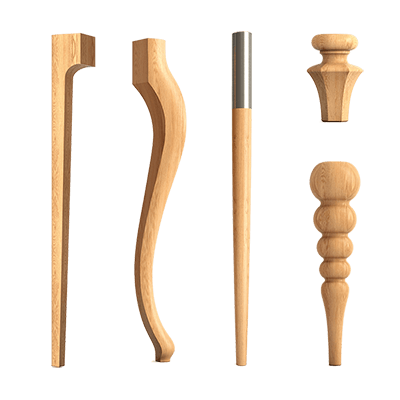

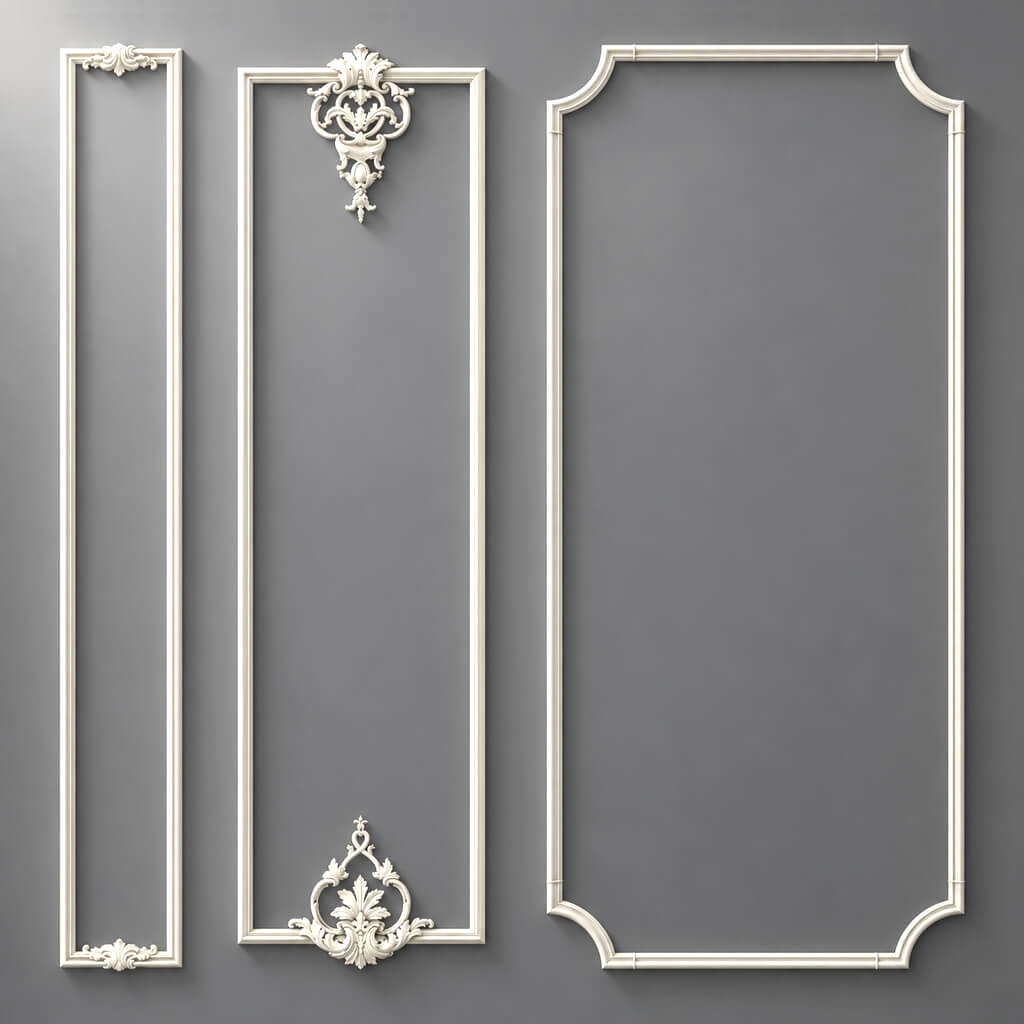
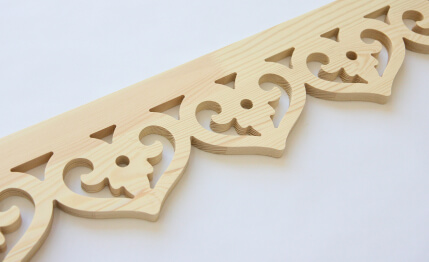
Trim


 5-10 days
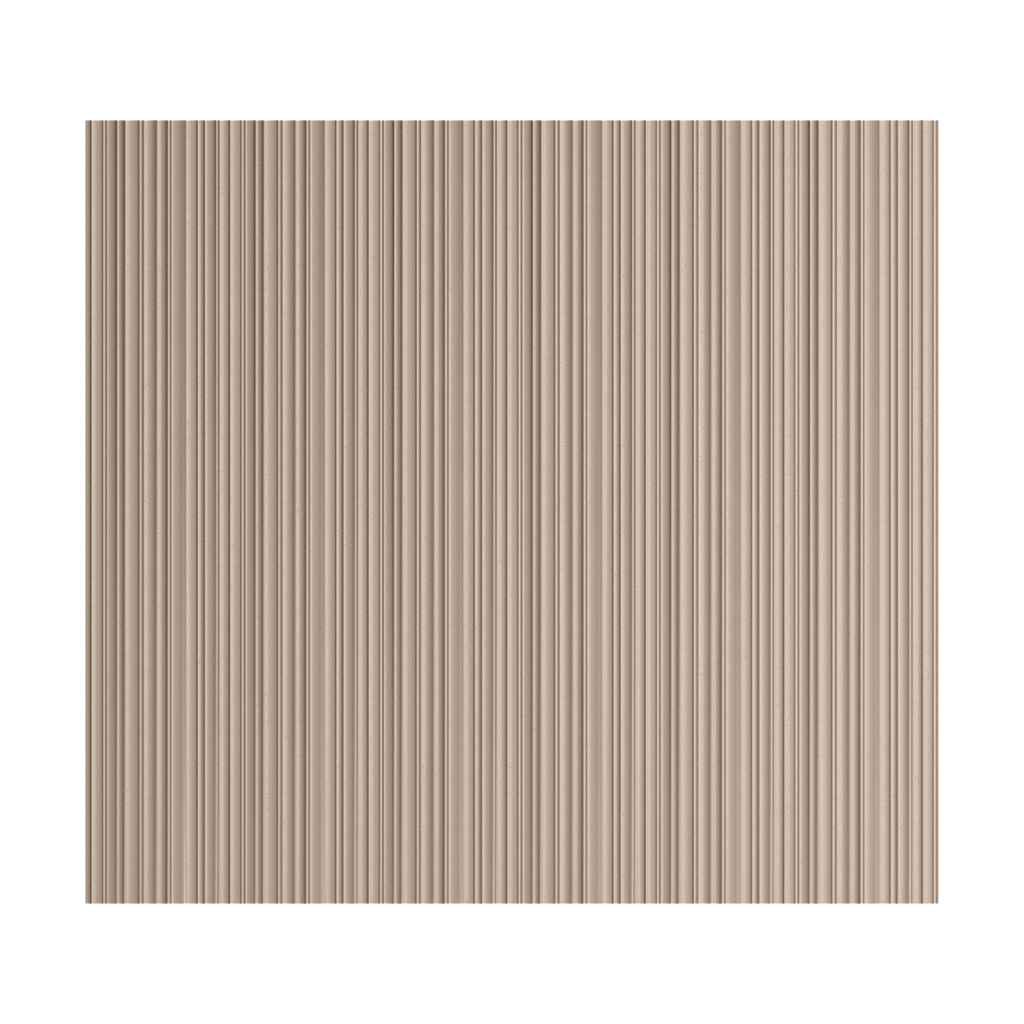
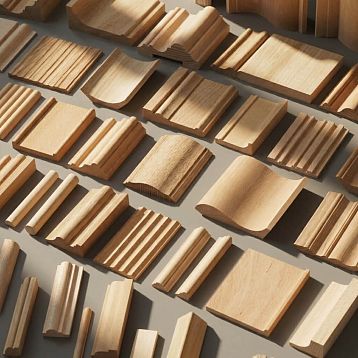
Samples of molded products
1.19 $


 In stock
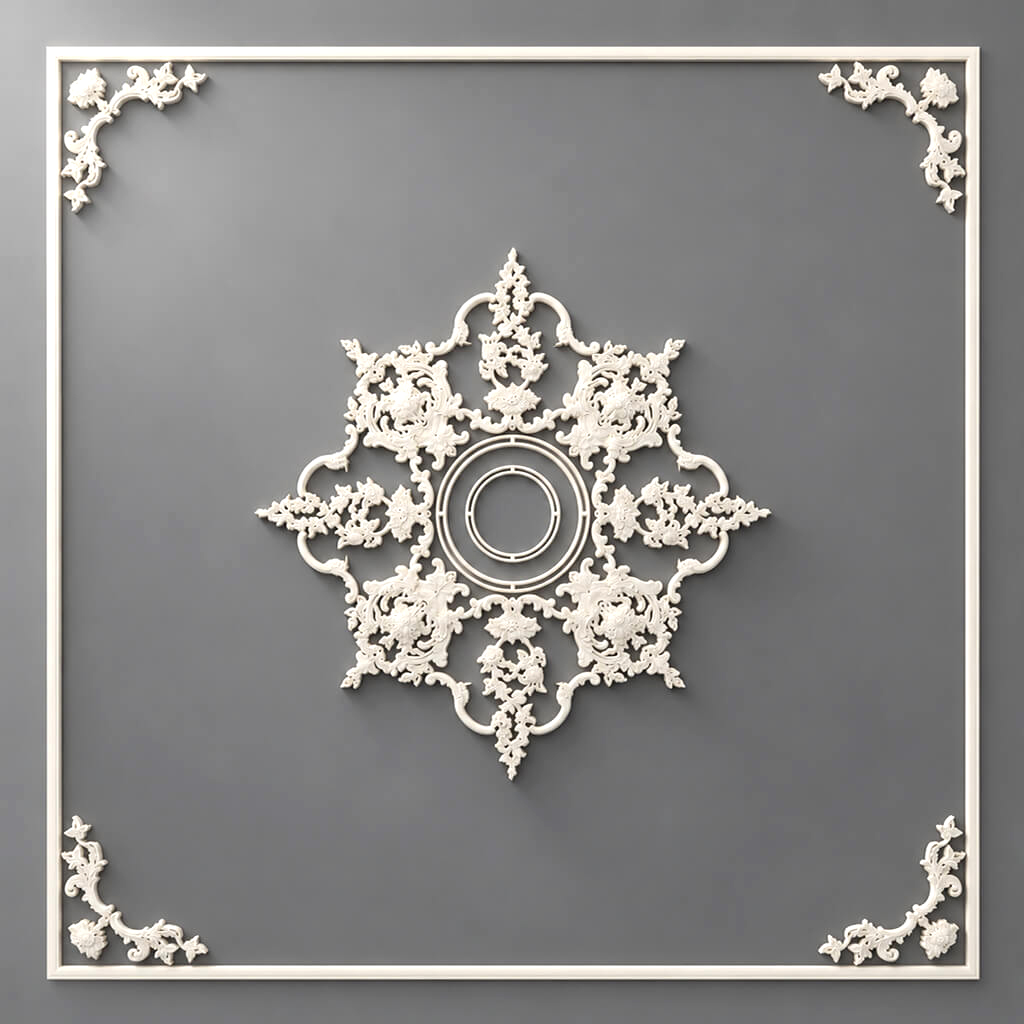
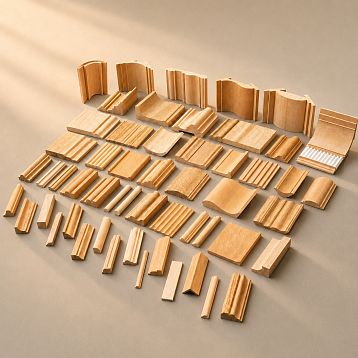
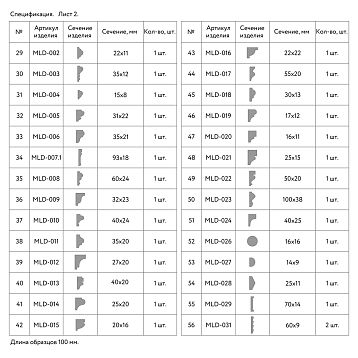
Sample Set of Moldings OMLD-005
65.18 $


 In stock
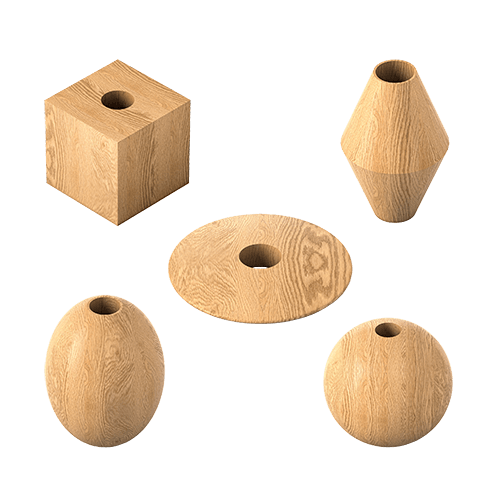
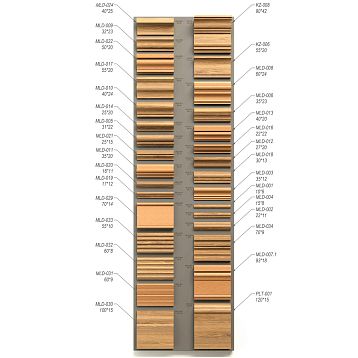
Exhibition stand SV-006
40.19 $


 New
In stock
New
In stock
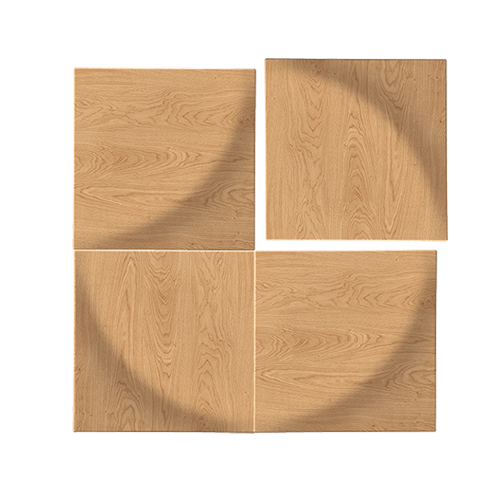
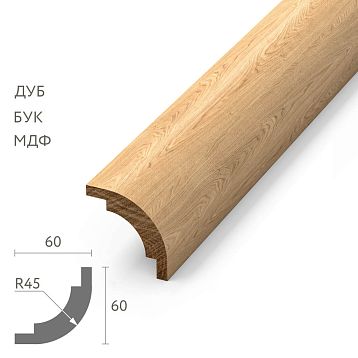
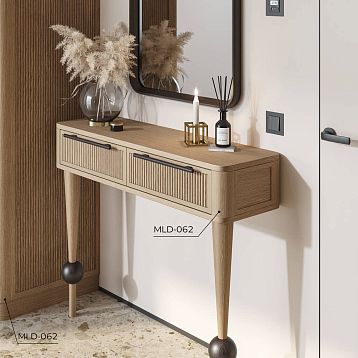
Corner element for furniture MLD-062
from 47.07 $

 New
5-10 days
New
5-10 days
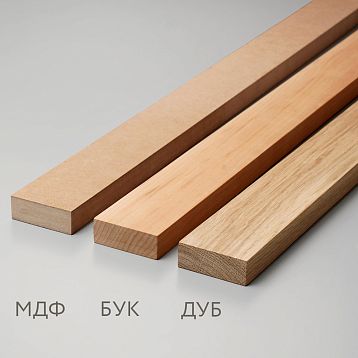
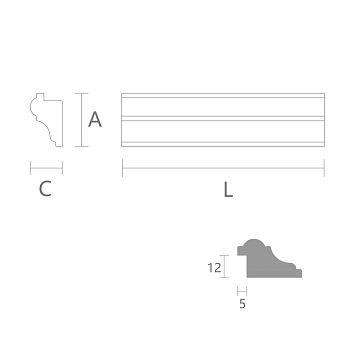
Wooden molding MLD-019.1
from 10.14 $

 New
5-10 days
New
5-10 days
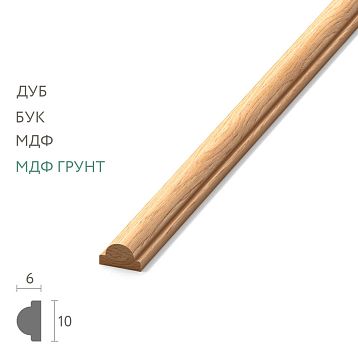
Wooden molding MLD-006.1
from 16.05 $


 In stock
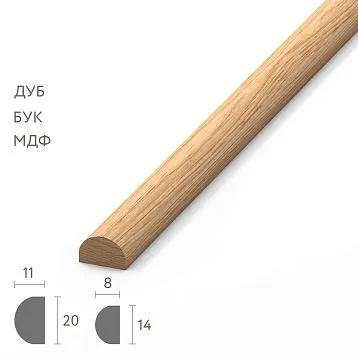
Wooden Molding MLD-001
from 2.66 $


 In stock
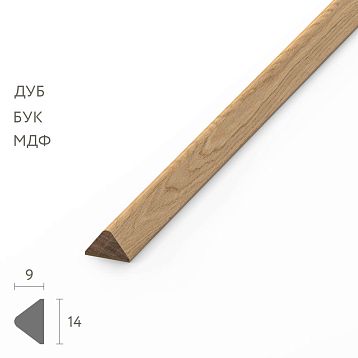
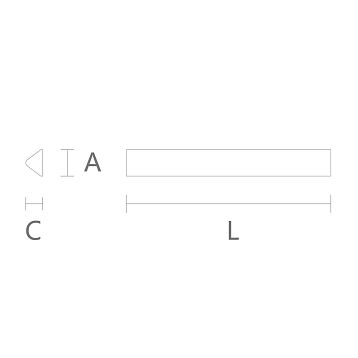
Wooden Molding MLD-027
from 4.22 $
 In stock
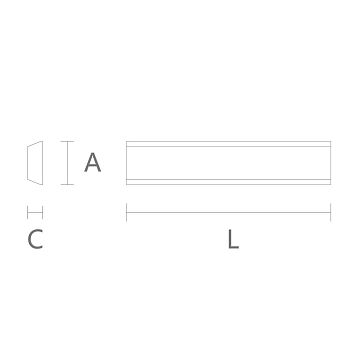
Wooden molding MLD-063
from 4.35 $

 In stock
Wooden molding MLD-064
from 4.83 $


 In stock
Wooden Molding MLD-026
from 11.10 $


 In stock
Wooden molding MLD-060
from 26.67 $


 In stock
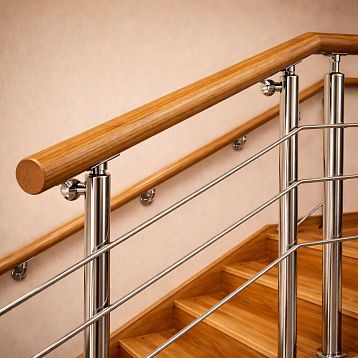
Stair Handrail PR-004
from 71.94 $


 In stock
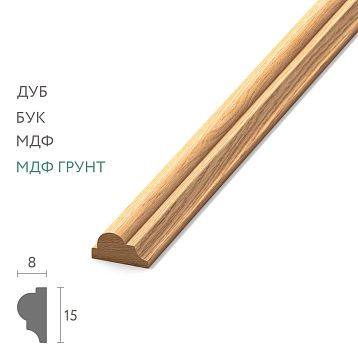
Wooden Molding MLD-020
from 6.28 $


 In stock
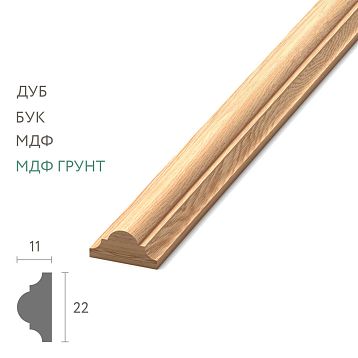
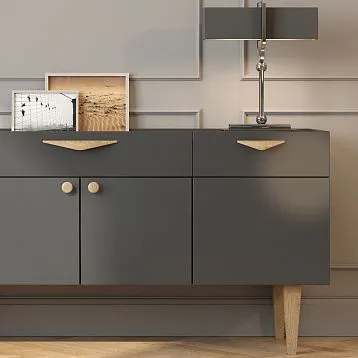
Wooden Molding MLD-004
from 4.22 $


 Bestseller
In stock
Bestseller
In stock
Solid wood molding MLD-002
from 5.55 $


 In stock
Wooden molding MLD-019
from 7.97 $


 In stock
Wood Molding MLD-056
from 7 $


 In stock
Wooden Molding MLD-014
from 9.29 $


 In stock
Wooden Molding MLD-015
from 13.64 $


 In stock
Wooden Molding MLD-012
from 9.66 $


 In stock
Wooden molding MLD-057
from 8.33 $


 In stock
Wooden Molding MLD-038
from 10.02 $


 In stock
Wooden molding MLD-059
from 6.64 $


 In stock
Wooden Molding MLD-024
from 31.74 $


 In stock
Wooden molding MLD-011
from 11.83 $


 In stock
Wooden molding MLD-028
from 13.52 $


 In stock
Wooden Molding MLD-018
from 10.02 $


 In stock
MLD-051 Wooden Molding
from 8.33 $


 In stock
Wooden Molding MLD-046
from 11.95 $
Oak, Beech, and MDF Molding Products — Cornices, Moldings, Skirting Boards
STAVROS Production Expertise
Manufacturing Process
STAVROS modern woodworking production is based on European quality standards while using domestic raw materials. Each batch of products undergoes a multi-stage quality control: from incoming wood inspection to final geometric testing of finished profiles.
Specialized drying chambers ensure uniform moisture reduction to optimal 8-12%, preventing subsequent deformations. German-made four-sided planers guarantee ideal surface processing with tolerance no more than ±0.1 mm per linear meter.
Raw Material Quality Control
Selection of wood for decorative elements is conducted according to strict criteria: absence of knots with diameter over 3 mm, straight grain, uniform texture. Oak blanks undergo additional sorting by color tones to ensure uniformity within a single order.
Beech elements are subjected to steaming at 100°C to improve formability, enabling the creation of decorative elements with complex curved profiles without loss of strength characteristics.
Molding Products Catalog
Architectural Ceiling Cornices
solid wood cornicesSTAVROS are available in a wide range of sizes, from compact 45 mm to representative 200 mm in height. Classic profiles with traditional grooves recreate the atmosphere of palace interiors, while modern minimalist forms emphasize minimalist aesthetics.
Technical Specifications of Ceiling Cornices:
-
Length of standard profiles: 2.0–4.0 m
-
Wood moisture content: 8–12%
-
Surface finish cleanliness class: Ra 1.6 μm
-
Straightness tolerance: ±1 mm per 2 m
-
Edge rounding radius: 2–5 mm
Oak cornices exhibit expressive texture with characteristic annual rings, creating visual depth. Beech variants feature uniform structure and neutral tone, ideally suited for subsequent staining or painting.
Cornice size grid by application:
| Height (mm) | Room Type | Ceiling Height | Interior style |
|---|---|---|---|
| 45-60 | Compact | 2.4–2.7 m | Scandinavian |
| 80-100 | Standard | 2.8–3.0 m | Modern |
| 120-150 | Spacious | 3.1–3.5 m | Neoclassical |
| 160-200 | Representative | from 3.6 m | Classic |
Decorative Wall Moldings
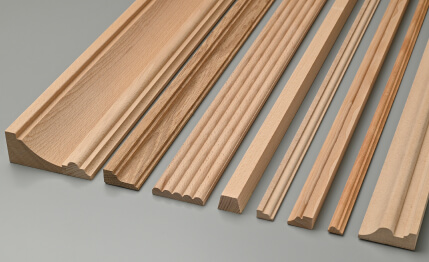
Moldings from solid woodThey serve as the basis for creating panel systems, framing openings, and decorating fireplace surrounds. The production line includes more than 40 standard profiles of varying complexity.
Classification of moldings by purpose:
-
Framing strips: 15–30 mm (paintings, mirrors)
-
Panel systems: 40–80 mm (wall compositions)
-
Architectural details: 90–150 mm (columns, pilasters)
-
Fireplace surrounds: 120–200 mm (portals, shelves)
A distinctive feature of beech moldings is the ability to form rounded elements with a minimum radius of 400 mm. The steaming technology allows creating arched structures, bay window frames, and curved panel systems.
Application of moldings in interior design:
-
Creating classic wainscoting (wooden panels)
-
Framing door and window openings
-
Decorating fireplace surrounds and niches
-
Forming ceiling rose and medallion elements
-
Zoning space with horizontal lines
Functional baseboard
Wooden skirting boardsSTAVROS combine protective function with decorative elements. Profiles are made from solid wood without technological channels, ensuring maximum strength and aesthetics.
Floor baseboard size grid:
| Height (mm) | Thickness (mm) | Application | Interior style |
|---|---|---|---|
| 50-60 | 12-16 | Small rooms | Scandinavian |
| 70-80 | 16-20 | Standard rooms | Modern |
| 90-100 | 20-22 | Spacious halls | Neoclassical |
| 110-140 | 22-25 | Representative interiors | Classic |
Baseboard construction options:
-
With sharp edges for modern interiors
-
With rounded edges for classic spaces
-
Decorative profiles with ornamental elements
-
Simple rectangular sections for minimalism
Elegant door casings
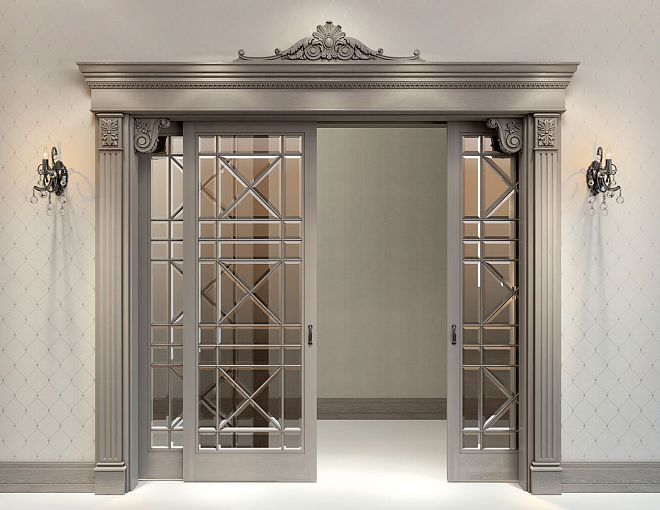
Solid wood casingsForm the finished look of door and window openings. The production program covers both traditional Russian motifs with rich carving and European minimalist profiles.
Construction variants of door casings:
-
Flat rectangular: for modern interiors
-
Decorative single-sided: with decoration on the front side
-
Relief double-sided: for through openings
-
Telescopic sliding: for various wall thicknesses
Casing widths vary from 50 to 120 mm depending on room scale and opening size. The golden rule of proportions suggests a casing width to opening height ratio of 1:25.
Construction profiles for door frames
Door frame profiles are made from premium solid wood with enhanced requirements for geometric stability. Special drying and stabilization technology eliminates warping during operation.
Technical parameters of door profiles:
-
Frame beam cross-section: 32×74 mm, 40×74 mm, 40×100 mm
-
Quarter depth for door leaf: 12-15 mm
-
Quarter width: 20-25 mm
-
Length of standard blanks: 2.1-3.0 m
-
Accuracy class of processing: IT7
Profile construction includes technological slots for installing inset hinges, slots for seals, and milling for lock hardware. Profiles can be manufactured for non-standard door leaf thicknesses from 30 to 60 mm.
Wall-mounted decorative rails
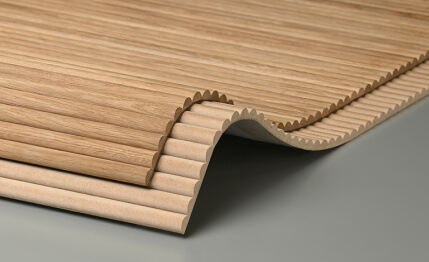
Wooden railsBecame an indispensable element of modern interior design. Vertical or horizontal placement creates rhythmic compositions, visually correcting room proportions.
Popular cross-sections of decorative rails:
| Cross-section (mm) | Installation spacing (mm) | Effect | Style |
|---|---|---|---|
| 10×20 | 50-100 | Fine graphic | Minimalism |
| 15×40 | 100-150 | Medium rhythm | Scandinavian |
| 20×40 | 150-200 | Expressive texture | Modern |
| 30×50 | 200-300 | Strong verticals | Loft |
Mounting systems include hidden clips, magnetic holders, adhesive compounds. For ceiling mounting, reinforced consoles with a load capacity of up to 15 kg per linear meter are used.
Architectural protective angles
Wooden anglesProvide reliable protection for external wall corners from mechanical damage while serving as a decorative element. Equal and unequal leg constructions allow adapting the product to various thicknesses of finishing materials.
Protective angle sizes:
-
Small: 15×15 mm (thin coverings)
-
Standard: 25×25 mm (normal conditions)
-
Reinforced: 40×40 mm (high loads)
-
Unequal leg: 20×30 mm (different wall thicknesses)
Installation is performed using polyurethane adhesive or mechanical fasteners. The possibility of multiple restoration makes wooden angles an economically advantageous solution for 15-20 years of service.
Universal structural battens
Wooden planksServe as the basis for creating frame structures, lattices, and furniture components. High geometric dimensional accuracy ensures quality assembly without additional fitting.
Standard cross-sections of structural battens:
-
20×40 mm: light frames, lattices
-
40×40 mm: partition studs, furniture components
-
50×50 mm: load-bearing elements, joists
-
40×60 mm: beams, girders with increased stiffness
The moisture content of structural batten does not exceed 12%, which meets the requirements of GOST 8486-86 for premium grade products.
Material science and properties of raw materials
European oak veneer
European oak (Quercus robur) has high density (650-750 kg/m³) and distinctive texture with clearly visible annual rings. Tangential sawing shows a wavy pattern, radial sawing reveals characteristic medullary rays.
Natural resistance to biological influences is due to high tannin content (up to 10%). These tannins not only protect wood from decay and insects but also impart a characteristic slightly bitter aroma to freshly processed items.
Physical and mechanical properties of oak wood:
-
Compressive strength limit: 58 MPa
-
Bending strength limit: 105 MPa
-
Elastic modulus: 13000 MPa
-
Janka hardness: 5.5 kN
-
Tangential shrinkage: 8.2%
-
Radial shrinkage: 4.0%
Processing of oak blanks requires the use of hard metal tools due to the high density and abrasiveness of the material. Final sanding is performed using abrasive grit P180-P240 to achieve the required surface finish.
Eastern beech (Fagus orientalis) is characterized by a uniform fine-pored structure and a neutral pinkish hue. The absence of a pronounced grain makes it ideal for staining and painting.
The exceptional formability of beech allows for the creation of curved elements after steaming at 100-110°C. The minimum bending radius is 8-10 thicknesses of the blank without forming wrinkles or fiber breaks.
Properties of beech wood:
Density at 12% moisture: 620-680 kg/m³
-
Compressive strength: 62 MPa
-
Bending strength: 120 MPa
-
Impact toughness: 95 kJ/m²
-
Swelling coefficient: 0.40% per 1% moisture
-
Beech's hygroscopicity requires a stable indoor climate. Deformations of the product may occur if relative humidity fluctuates by more than ±10%. Recommended operating conditions: temperature 18-24°C, humidity 45-65%.
The hygroscopic nature of beech requires a stable indoor climate. Deformations of the items may occur if relative humidity fluctuates by more than ±10%. Recommended operating conditions: temperature 18–24°C, humidity 45–65%.
High-density MDF
High-density MDF (Medium Density Fiberboard) produced by European factories ensures geometric stability at significantly lower cost compared to solid wood. Material density of 750-850 kg/m³ allows for fine milling of complex profiles.
The binder is a urea-formaldehyde resin with low free formaldehyde content (E1 emission class). Formaldehyde content does not exceed 0.1 mg/m³, meeting the strictest ecological requirements.
Advantages of MDF for trim items:
-
Absolute dimensional stability
-
Absence of internal stresses
-
Uniform structure throughout the volume
-
Ability to create complex profiles
-
Ideal adhesion of coatings
-
Resistance to cracking
MDF processing is performed using carbide cutting tools with a positive cutting angle. Feed rate is increased by 30-40% compared to solid wood due to material uniformity.
Surface Treatment Technologies
Multi-stage sanding
Surface preparation of trim items includes sequential sanding with abrasives of grit P80-P120-P180-P240. Each stage removes traces of the previous processing and ensures uniform surface roughness for high-quality application of finish coatings.
Wide-belt sanders with automatic feed guarantee consistent processing quality. Dust extraction systems maintain cleanliness in the working zone and prevent abrasive clogging by wood dust.
Specialized priming
Primer selection depends on the wood species and type of finish coating. For oak, isolating primers based on shellac are used, blocking tannin migration. For beech, penetrating compounds are used to strengthen the surface layer.
Primer application is performed by spraying in paint booths with controlled climate. Temperature 20±2°C and humidity 50±5% ensure optimal conditions for forming a high-quality film.
Multi-layer finish
Finish coatings include a wide range of materials from natural oils to high-performance polyurethane varnishes. The choice of coating system is determined by operating conditions and aesthetic requirements.
Classification of finish coatings:
| Finish type | Purpose | Advantages | Disadvantages |
|---|---|---|---|
| Wax-oil | Emphasizes texture | Naturalness, repairability | Requires regular maintenance |
| Water-based varnish | Ecological protection | Fast drying, odorless | Lower durability |
| Polyurethane varnish | Maximum protection | High strength, water resistance | Repair complexity |
| Stain + varnish | Color change | Wide color range | Cannot be lightened |
Interlayer drying is performed in convection ovens at 40-60°C. Intermediate sanding with P320-P400 abrasive ensures adhesion of subsequent layers.
Application in architectural styles
Classicism and neoclassicism
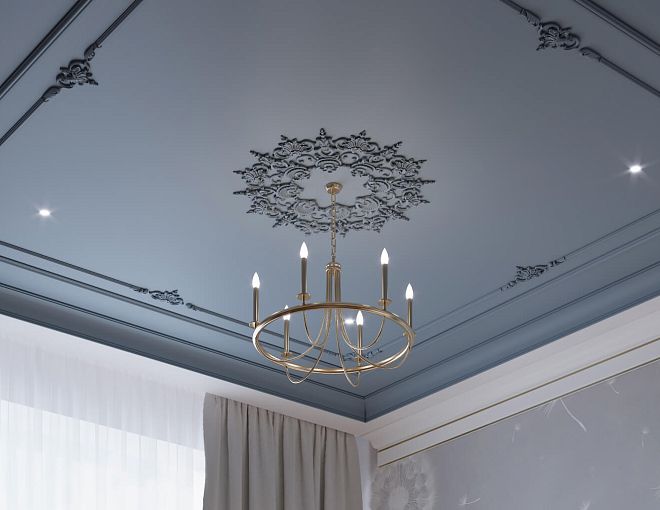
Classic interiors require cornices with complex profiles and rich decorative carving. Characteristic elements include ovals (egg-shaped elements), denticles (tooth-like elements), acanthus (stylized leaves).
The height of ceiling cornices in classic interiors is 1/8-1/10 of the room's height. For ceilings 3.2 m high, a cornice height of 320-400 mm is recommended. Panel systems are created using moldings 80-120 mm wide, set back from the floor by 800-900 mm.
Color solution implies using noble shades: bone white, antique gold, patinated bronze. Artificial aging technique imparts items with noble historicity.
Baroque and Rococo
Baroque interiors are characterized by maximum ornamentation and lavish forms. Carved moldings are decorated with floral ornaments, scrolls, and mascarons.
Rococo asymmetrical compositions are created using curved elements of complex configuration. Minimum curvature radii reach 200-300 mm, requiring the use of specially processed beech.
Gilding on red or green bole highlights the relief of carving. Aging technique includes craquelure, wear marks, and wormholes.
Modern and Art Deco
Modern style is characterized by smooth, plant-based forms without sharp angles. Curvilinear moldings create flowing compositions that imitate natural forms.
Art Deco introduces geometric clarity and symmetry. Characteristic are stepped profiles, zigzag elements, solar motifs. Contrasting combinations of dark and light woods emphasize the graphic nature of compositions.
Inlay with mother-of-pearl, rare wood species, and metallic inserts creates refined decorative effects.
Scandinavian Minimalism
Scandinavian minimalism implies the use of simple geometric profiles without decorative excesses. White or light-gray coloring creates a sense of purity and spaciousness.
Natural-toned wooden planks form accent walls, creating tactile and visual contrasts. Vertical placement visually increases ceiling height, while horizontal placement expands the space.
Functionality prevails over decoration. Hidden mounting systems and integrated lighting ensure maximum comfort with minimal visual impact.
Industrial Loft
Loft style combines rough industrial materials with the nobility of wood. Heavy wooden beams with a 100×100 mm cross-section imitate structures of old factory buildings.
Contrasting combinations of dark oak with metallic elements create a brutal aesthetic. Intentionally rough processing, preserving saw and axe marks, emphasizes the industrial theme.
Open communications are integrated into decorative solutions, becoming architectural elements rather than hidden from view.
Design and technical calculations
Determination of material requirements
Calculating linear meters of molding requires precise measurements of the room, taking into account all architectural features. For ceiling cornices, the perimeter is measured minus the width of doorways.
When calculating wall moldings, the installation height, number of horizontal and vertical elements, and complexity of corner joints are considered. For panel systems, the number of internal beams is additionally calculated.
Material reserve coefficients:
-
Straight sections: +5%
-
90° angles: +10%
-
Complex angles: +15%
-
Radius elements: +20%
-
Carved decorations: +25%
Technological waste during production amounts to 8-12%, depending on the complexity of the profile and the size of the blanks.
Static load calculations
The load-bearing capacity of wooden beams is calculated according to SP 64.13330.2017 'Wood Structures'. The calculated compressive resistance of wood is 29 MPa for oak and 31 MPa for beech.
The maximum distributed load on a 50×50 mm oak beam with a span of 1.0 m is 2.8 kN/m. When the span increases to 2.0 m, the allowable load decreases to 0.7 kN/m due to loss of stability.
Safety factors are taken as no less than 2.5 for critical structures and 2.0 for secondary elements.
Temperature and humidity deformations
Linear deformations of wood depend on the direction of fibers and species. The linear expansion coefficient along the grain is 3-5×10⁻⁶ 1/°C, across the grain 30-50×10⁻⁶ 1/°C.
When humidity changes by 1%, linear dimensions change:
-
Oak: along the grain 0.01%, across 0.2-0.4%
-
Beech: along the grain 0.01%, across 0.3-0.5%
-
MDF: in all directions 0.02-0.03%
Compensatory gaps during installation should be 2–3 mm per 3 m of solid wood and 1–2 mm for MDF.
Professional installation techniques
Mechanical mounting systems
Mechanical fastening ensures secure fixation of trim elements to various bases. For cornices weighing up to 5 kg/m, use 6×40 mm anchors with a spacing of 400–500 mm.
Heavy cornices weighing more than 8 kg/m require reinforced mounting with M8×80 mm anchor bolts to load-bearing structures. Intermediate brackets are installed every 600 mm to prevent sagging.
Recommended fasteners by base type:
| Base | Type of fastener | Diameter/length | Installation spacing |
|---|---|---|---|
| Concrete | Anchor wedge | 8×60 mm | 400–500 mm |
| Brick | Nylon anchor | 8×80 mm | 300–400 mm |
| Gypsum board | Butterfly anchor | 6×50 mm | 250-300 mm |
| Wood | Self-tapping screw | 5×70 mm | 400–500 mm |
Pre-drilling holes with diameter 0.8–0.9 times the screw diameter prevents wood cracking.
Modern adhesive joints
Polyurethane adhesives provide high joint strength while maintaining joint flexibility. The 15–20 minute setting time allows adjustment of element positions during installation.
Epoxy compounds are used for critical joints subjected to shear. Two-component systems provide joint strength up to 25 MPa, exceeding the strength of the wood itself.
Silicone sealants are used to fill expansion joints. Neutral formulations are compatible with any materials and do not cause corrosion of metal elements.
Corner joints are precise
A 45° angle joint requires high precision in beveling. Circular saws with laser pointer ensure accuracy ±0.1°. Additional finishing is done by grinding on a pad.
Internal angles are less critical to precision, as small gaps are masked by sealant. External angles require perfect fitment; otherwise, defects will be visible under any lighting.
Technology for bonding corner joints:
-
Beveling ends at 45°±0.1°
-
Applying adhesive in a thin, even layer
-
Aligning parts with geometric control
-
Clamping for 2-4 hours
-
Removing squeezed-out adhesive with a damp cloth
-
Final sanding after full curing
Using guide templates eliminates misalignment and ensures repeatability of results.
Operation and Maintenance
Climate requirements are optimal
Optimal operating conditions for solid wood trim involve maintaining a stable microclimate. Air temperature of 18-24°C and relative humidity of 45-65% ensure dimensional stability.
Sharp humidity fluctuations exceeding ±15% over a short period may cause warping, cracking, and partial delamination of finishes. Seasonal transitions with heating/cooling system switching are especially critical.
Air conditioning systems must provide even air distribution without direct impact on wooden elements. Recommended air velocity not exceeding 0.3 m/s.
Regular maintenance is preventive
Weekly cleaning includes dry wiping with soft cloth or vacuum cleaner with soft brush. Wet cleaning is permitted using well-wrung cloth without abrasive agents.
Specialized wood care products are applied 2-3 times per year to maintain protective properties of the finish. Wax-oil coatings require renewal every 12-18 months depending on usage intensity.
Signs indicating need for restoration:
-
Surface dullness in frequently contacted areas
-
Localized darkening from moisture
-
Minor scratches and chips
-
Partial delamination of finish
-
Cracks appearing in wood
Timely consultation with specialists allows localized repair without full replacement of elements.
Professional localized repair
Scratch removal is performed by sequential sanding with progressively finer grits P240-P320-P400. After removing damage, a repair compound matching the original finish is applied.
Crack filling is done with wood putty followed by toning to match the base material. High-quality repair is virtually invisible when color and texture are properly matched.
Full restoration includes removal of old finish, sanding, priming, and application of new finish. The process takes 5-7 days, including drying time for each layer.
Investment economic efficiency
Comparative analysis of ownership cost
Initial investments in solid wood trim items significantly exceed the cost of MDF equivalents, however, the long service life ensures economic justification.
Comparison of total ownership cost over 20 years:
| Material | Price per linear meter | Service life | Number of replacements | Total costs |
|---|---|---|---|---|
| Painted MDF | 800 rub. | 5-7 years | 3-4 times | 3200-4000 rub. |
| Beech solid wood | 2400 rub. | 20-25 years | 0-1 time | 2400-4800 rub. |
| Oak solid wood | 3600 rub. | 30-50 years | 0 times | 3600 rub. |
Additional advantages of solid wood include the possibility of restoration, increased property value, and ecological safety.
Impact on property value
Quality finishing with solid wood trim increases the market value of real estate by 8-15%. The effect is especially significant in the premium real estate segment, where natural materials are a mandatory attribute.
Expert appraisers separately highlight the quality of finishing materials when determining the market value of a property. The presence of handcrafted elements, rare wood species, and complex decorative elements significantly increases the assessed value.
The liquidity of real estate with quality wooden finishing is 20-30% higher than the average market level, which is especially important when rapid sale is required.
Ecological Aspects of Production
The carbon footprint of solid wood products is significantly lower than that of synthetic analogs. One cubic meter of wood sequesters 0.9 tons of CO₂ throughout the product's entire life cycle.
Resource renewability is ensured by sustainable forestry programs. FSC certification guarantees that the wood is sourced from responsibly managed forests.
Biodegradability of wooden products eliminates ecological problems during disposal. Unlike MDF, which contains formaldehyde resins, solid wood can be composted without harming the environment.
Frequently asked questions
How does molding differ from baseboard?
Molding is a decorative trim element that can be placed at any height on a wall to create panels, frames, or architectural details. Baseboard serves a protective function, covering the junction between the floor and wall at the bottom of the room.
Can wooden trim be restored?
Yes, this is the main advantage of solid wood. STAVROS solid wood molding can be sanded and refinished multiple times, recoated, and minor damages repaired. The average time between restorations is 10-15 years with active use.
How to care for oak products?
Regular dry cleaning with a soft brush, wet wiping with a well-wrung cloth once a week. Renew protective coating every 5-7 years. Avoid excessive water and aggressive cleaning agents.
What is the optimal width of a casing?
For standard apartments — 70-80 mm, for rooms with high ceilings — 90-100 mm. The width should proportionally match the opening size and overall room scale.
Can solid wood molding be used in a bathroom?
Yes, provided it is properly treated with STAVROS specialized moisture-resistant compounds and good ventilation is ensured. Oak is more suitable for humid areas due to its natural moisture resistance.
Which wood species to choose — oak or beech?
Oak — maximum strength, status, durability over 50+ years, but higher price. Beech — excellent workability for complex profiles, affordable price, durability of 30-40 years with proper care.
How long do STAVROS products last?
With proper care, our products retain their original appearance for 30-50 years with the possibility of multiple restorations. Manufacturer’s warranty — 5 years against manufacturing defects.
Do you manufacture products to custom sizes?
Yes, STAVROS offers manufacturing of molding to custom drawings and dimensions. Minimum order for non-standard profiles — from 50 linear meters.
How long does it take to manufacture an order?
Standard profiles — 3-5 working days. Custom items — 10-14 working days. Complex profiles with molding — up to 21 days. Exact delivery times are confirmed upon order placement.
Can oak and beech be combined in one interior?
Yes, with proper color coordination. Light beech harmonizes well with stained oak. It is recommended to use matching profiles and finishes to create a unified style.
Transforming interiors with STAVROS molding products is an investment in durability, beauty, and ecological safety. The combination of traditional craftsmanship with modern technologies ensures unparalleled quality that will delight owners for decades.
Choosing between solid oak, beech, or high-quality MDF is determined by project budget, stylistic preferences, and usage conditions. Each material has its advantages and optimal applications, but the consistent quality and attention to detail, for which STAVROS factory is renowned, remain unchanged.
Request a Call
Have questions about our products or your project? Leave your contact details and our team will get back to you.
Your request has been sent!
Our manager will contact you within 5 minutes