












































































Wall Decor
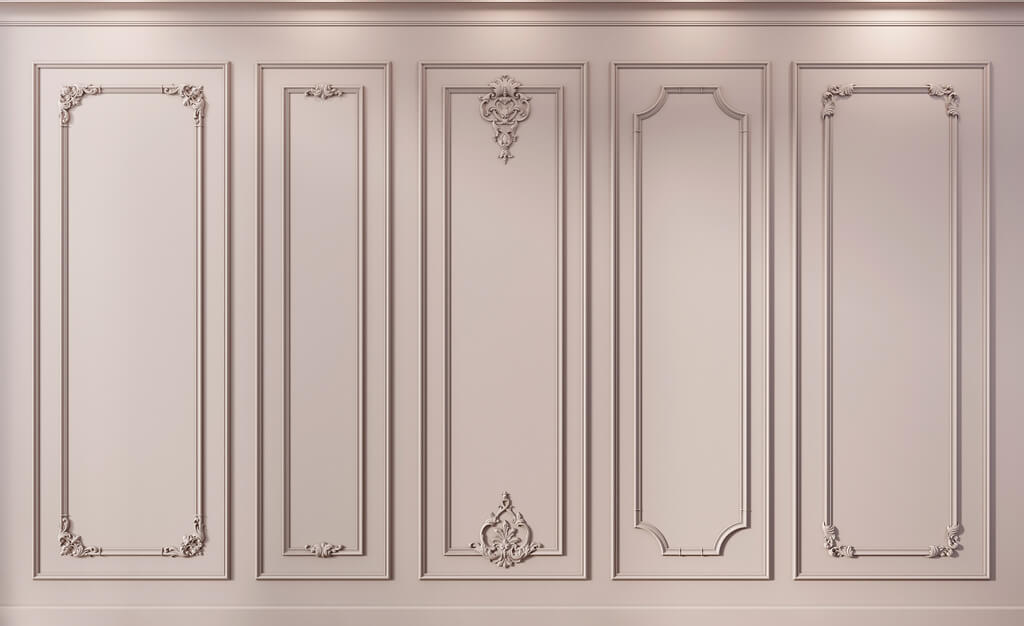
Collection "Neoclassic"
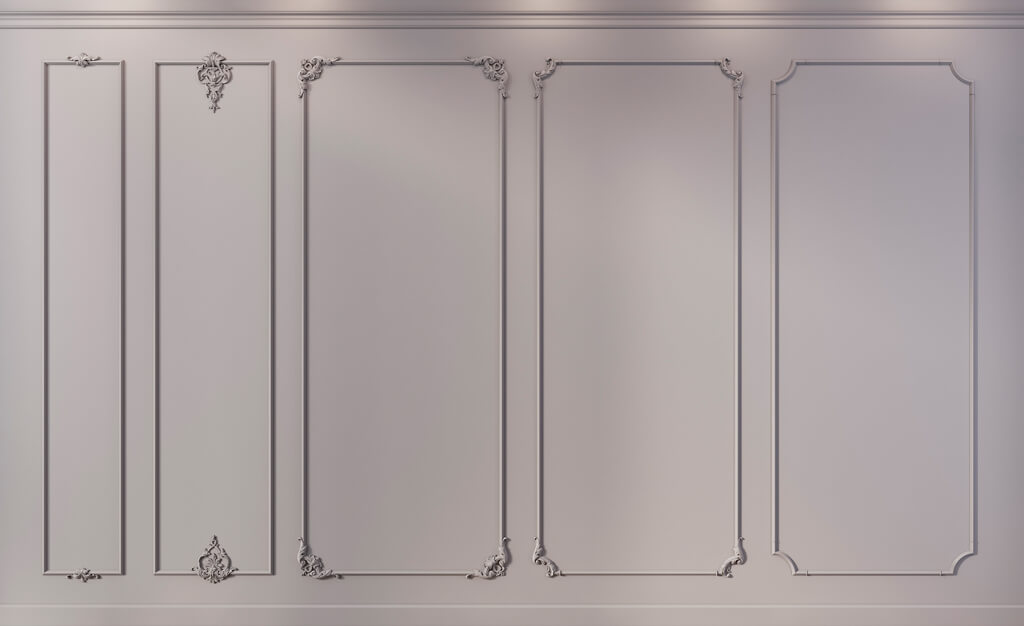
Neoclassic Light Collection
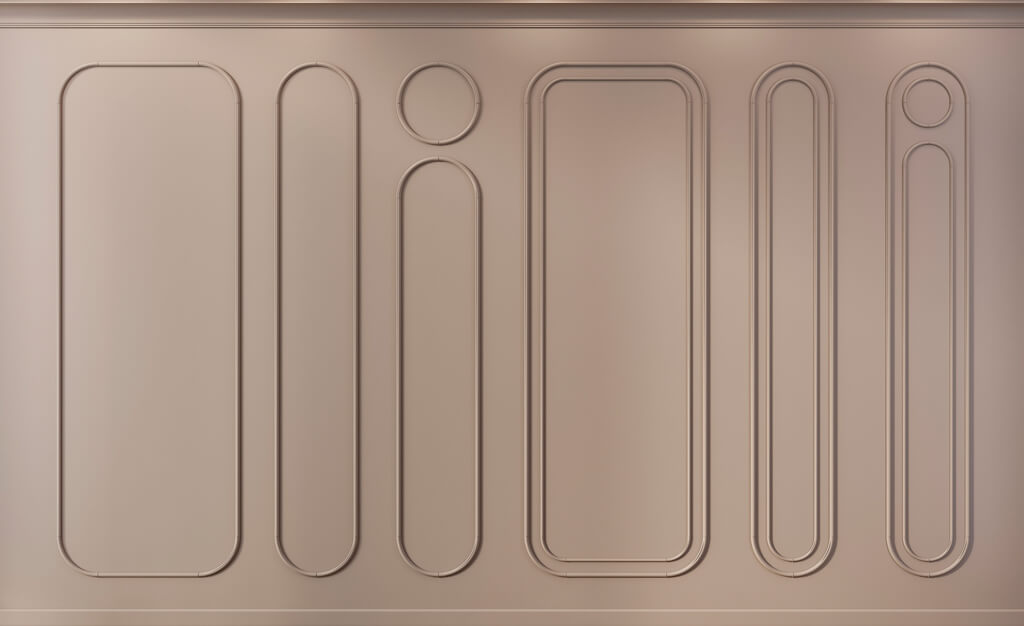
Japandi Collection
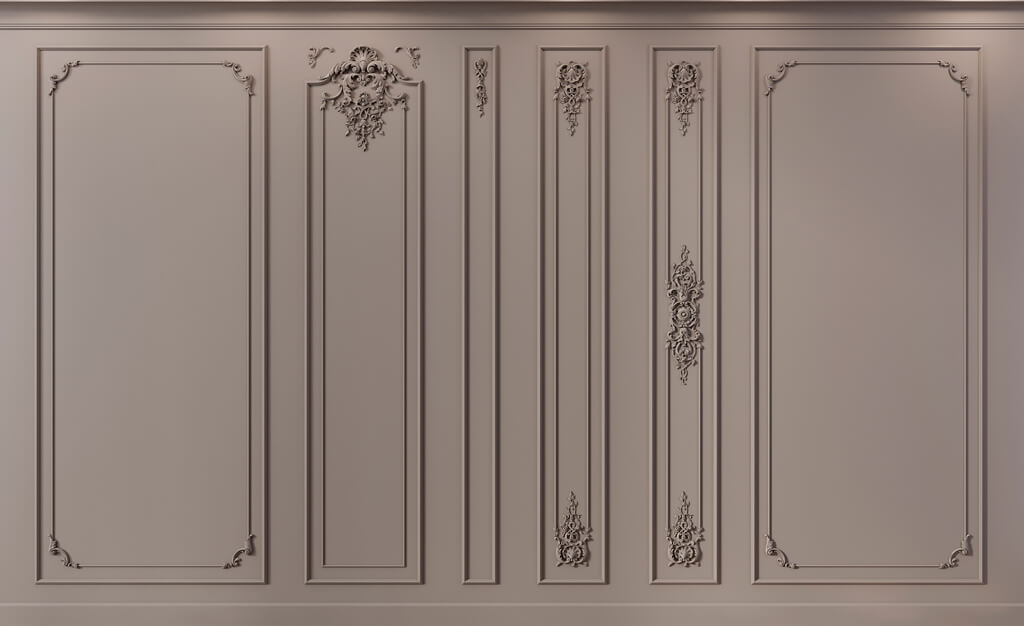
Versailles Light Collection
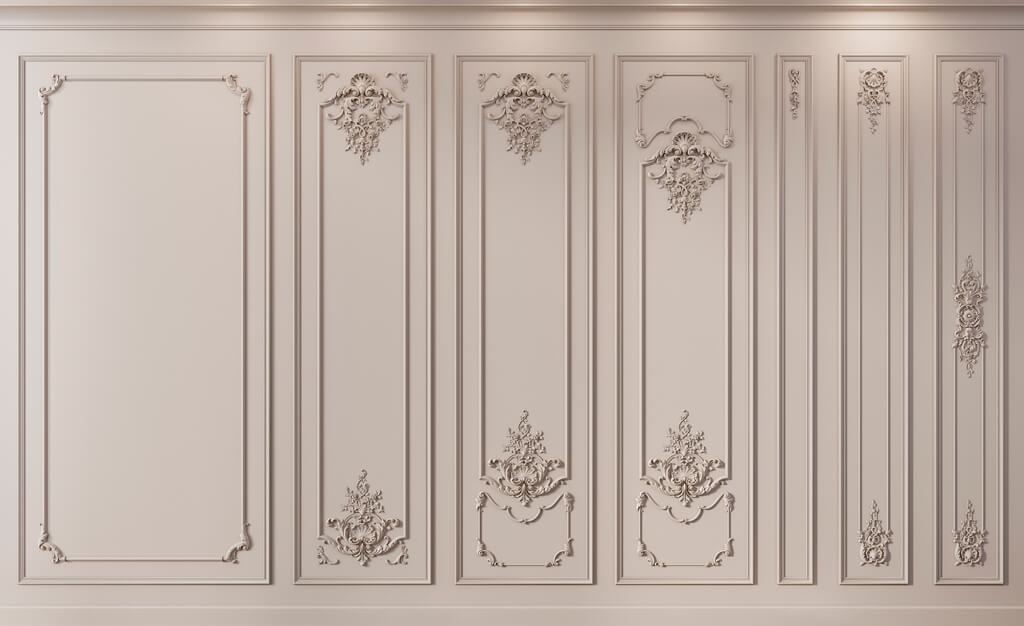
Versailles Collection
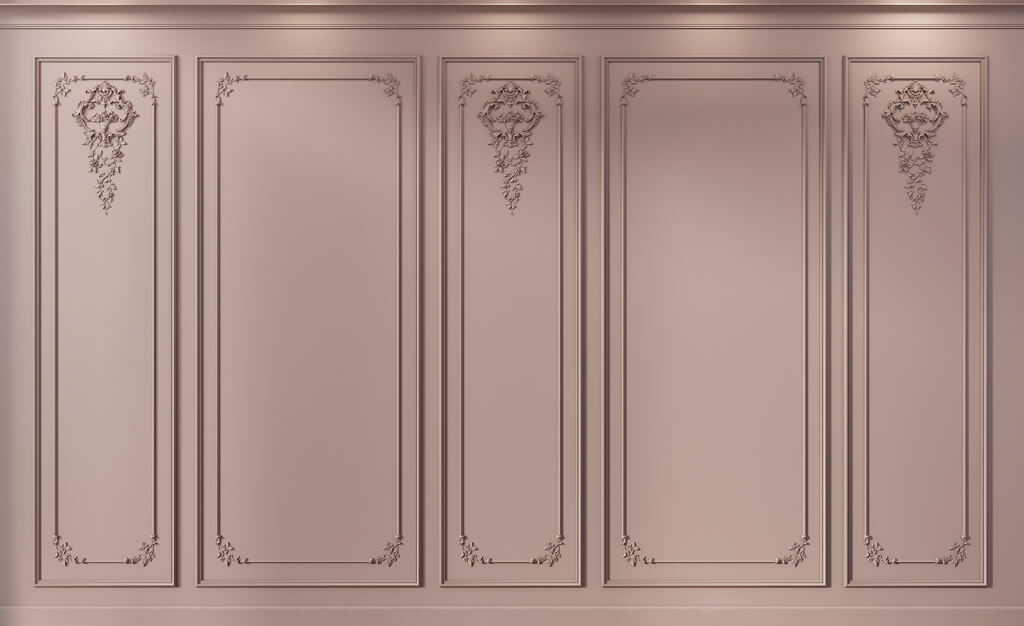
Botanical Garden Collection
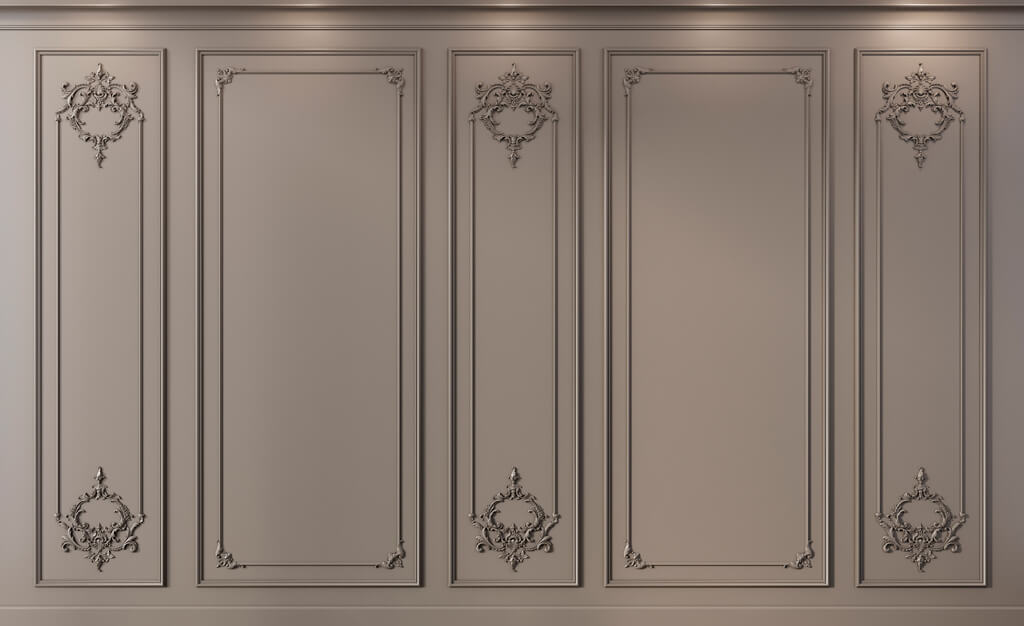
Tauride Garden Collection
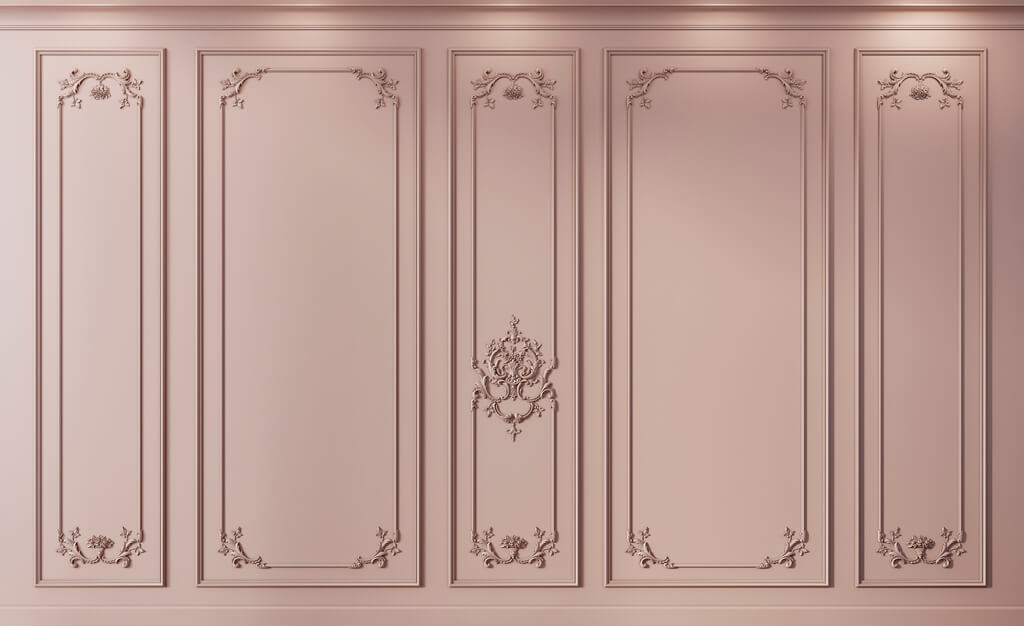
COLLECTION "SUMMER GARDEN"
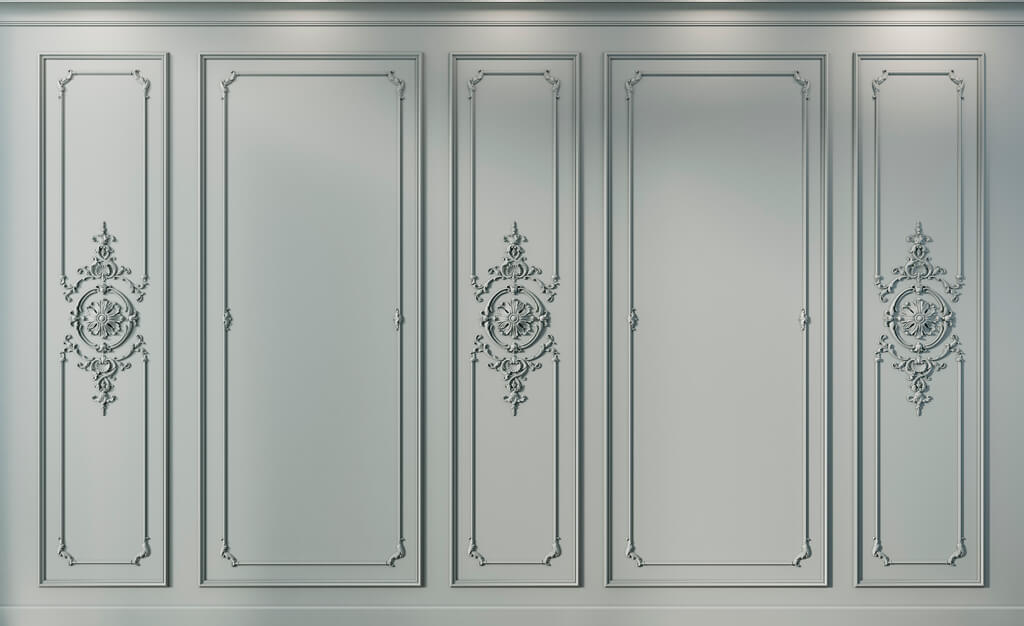
Brussels Collection
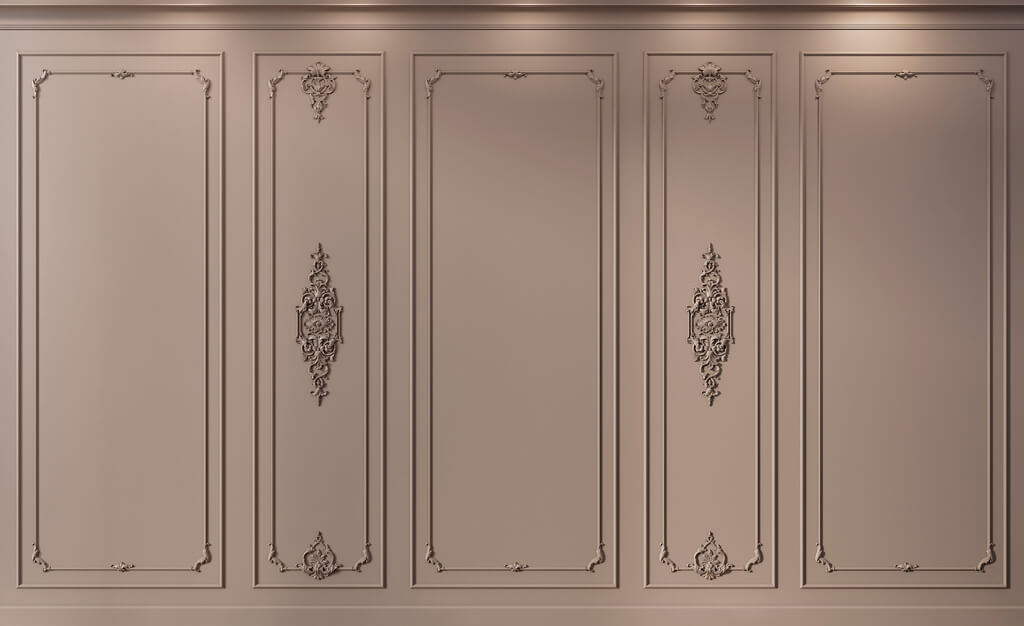
Verona Collection
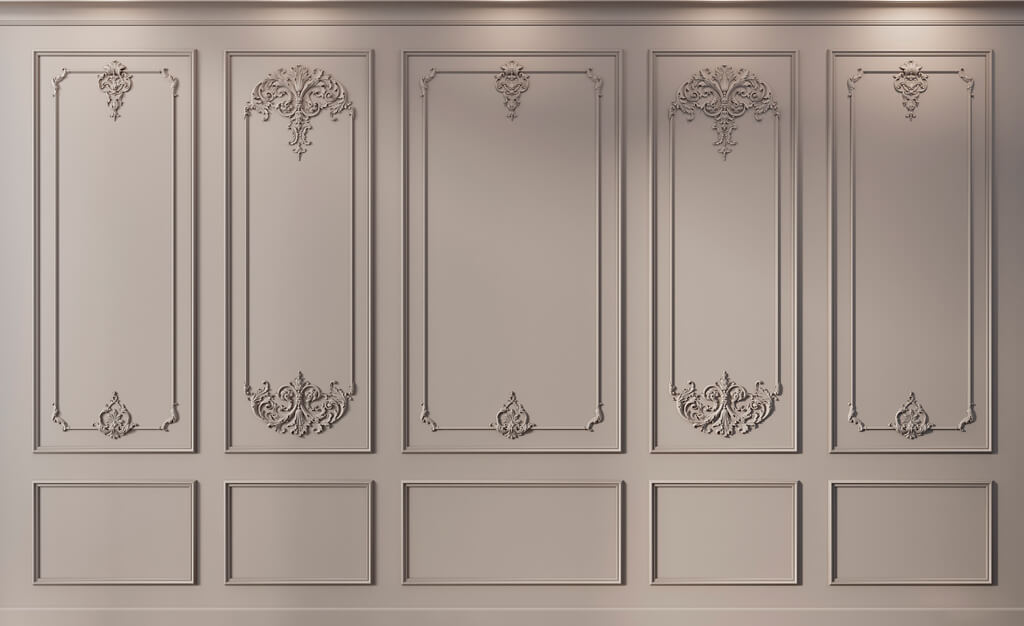
Ekateringof Collection
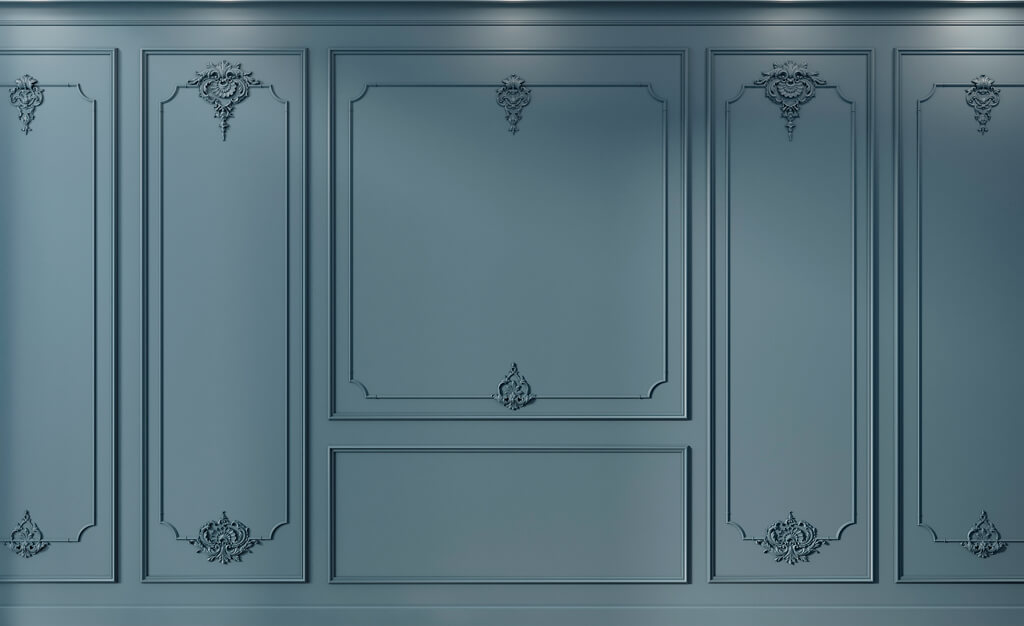
Petersburg Collection
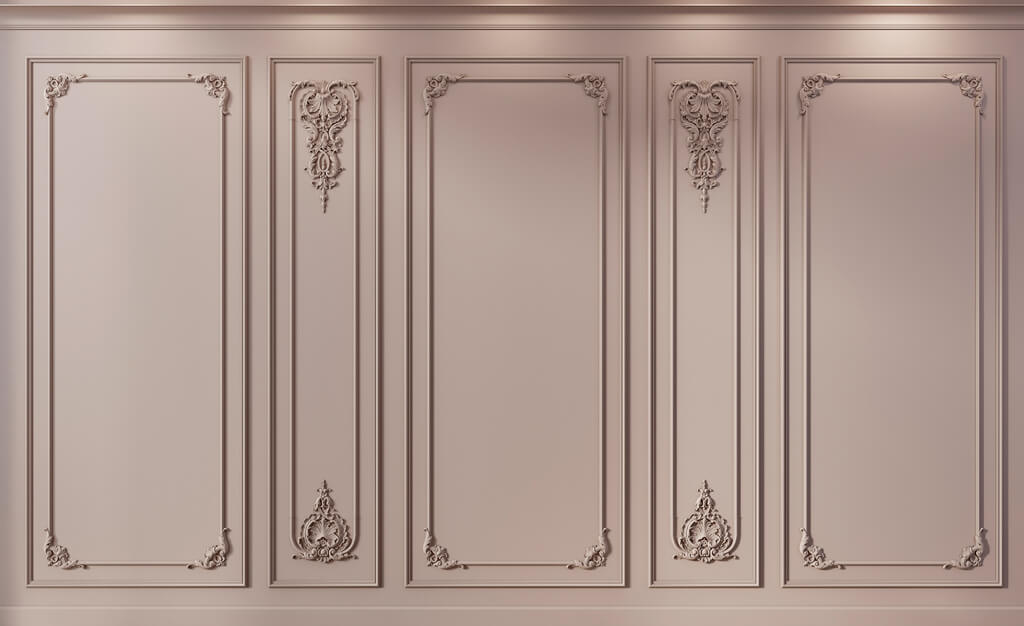
Peterhof Collection
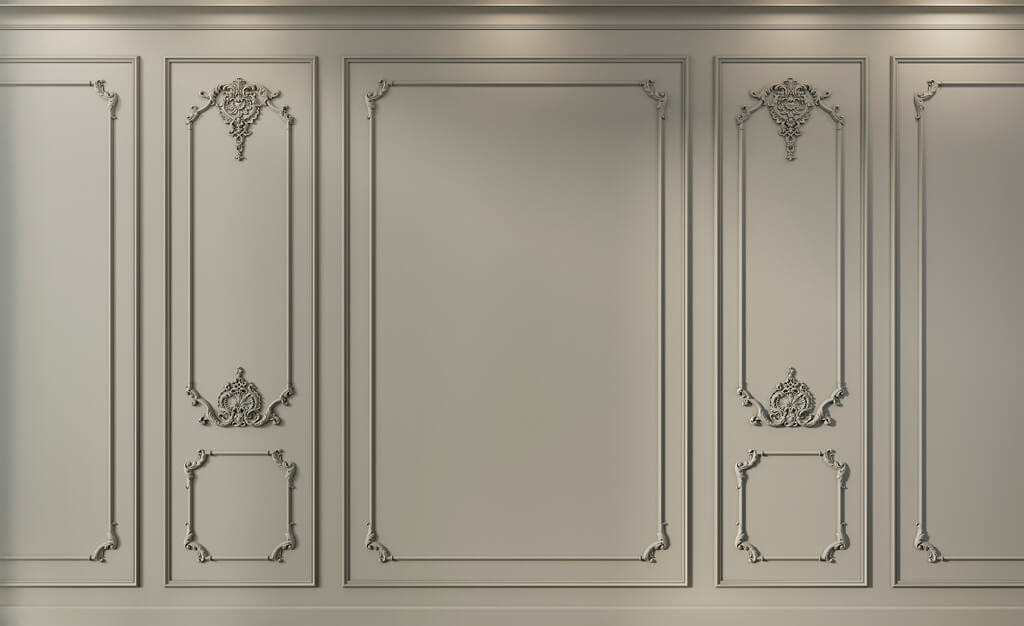
Tsarskoye Selo Collection
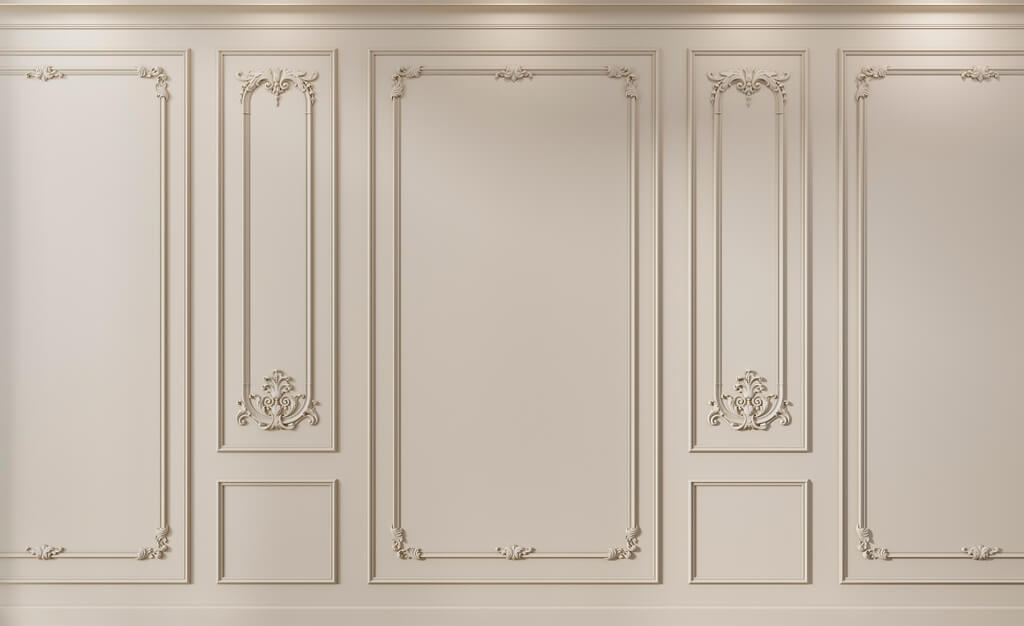
Pavlovsk Collection
Wall Decor Gallery of Applications
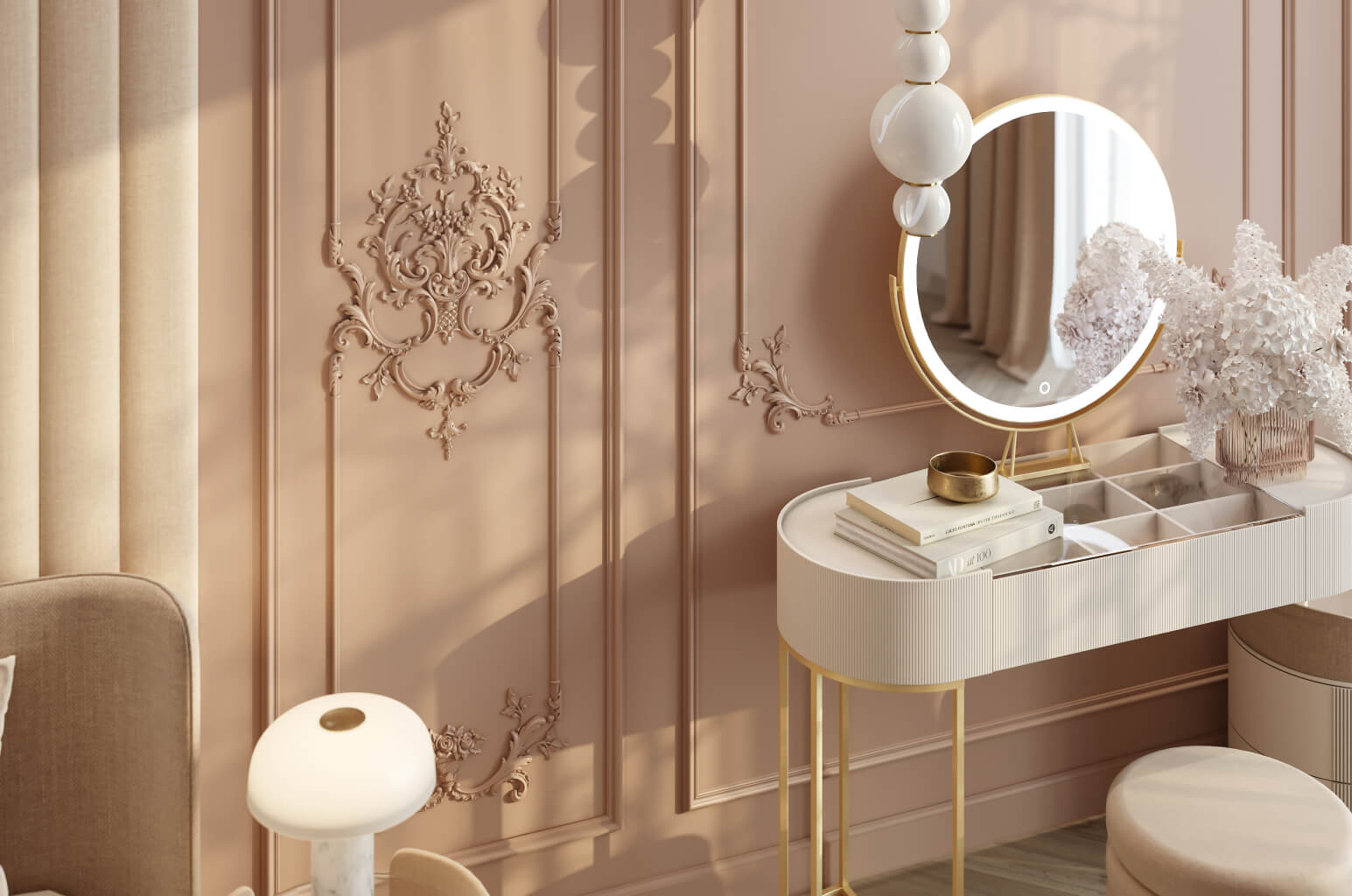
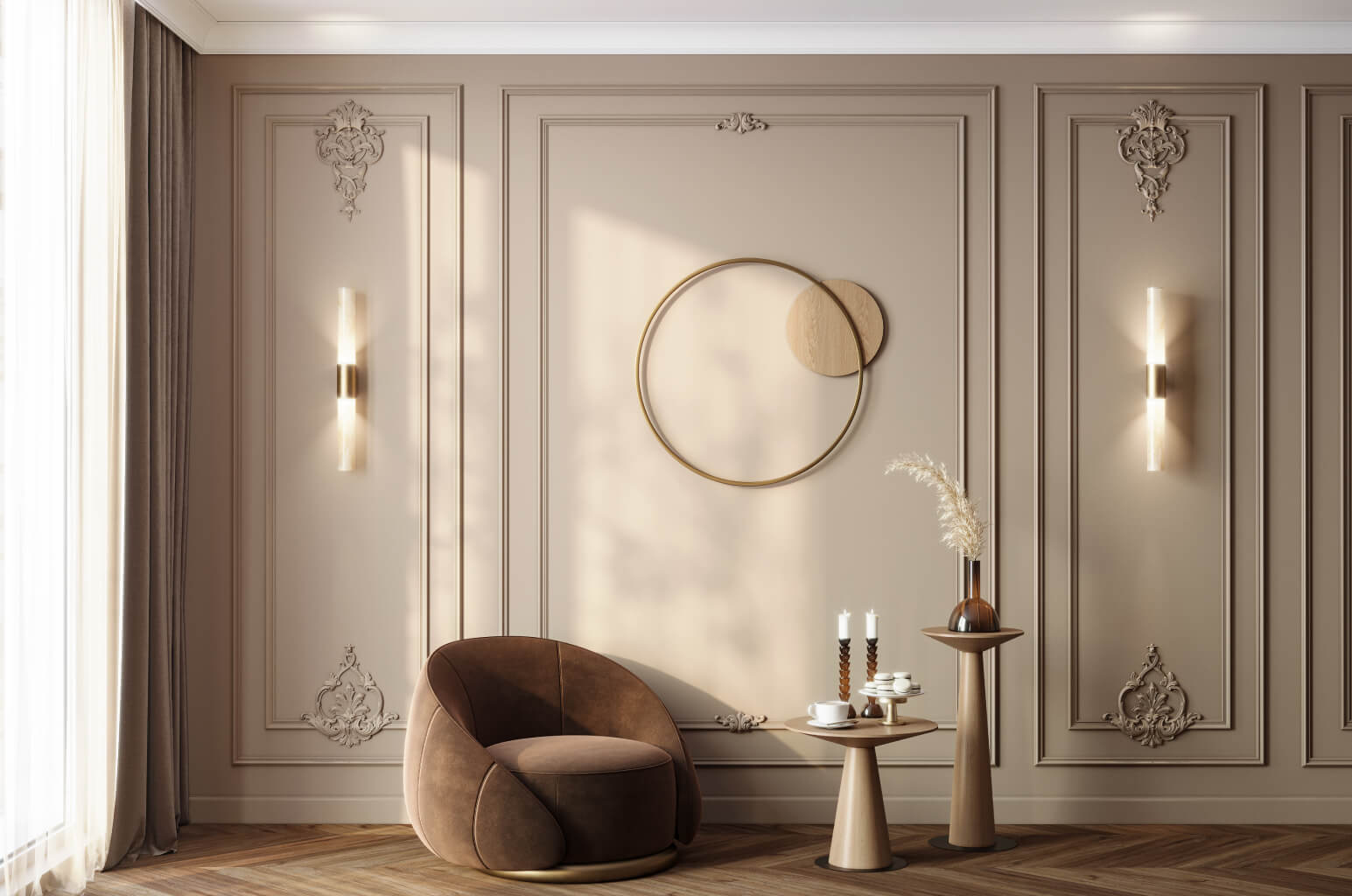
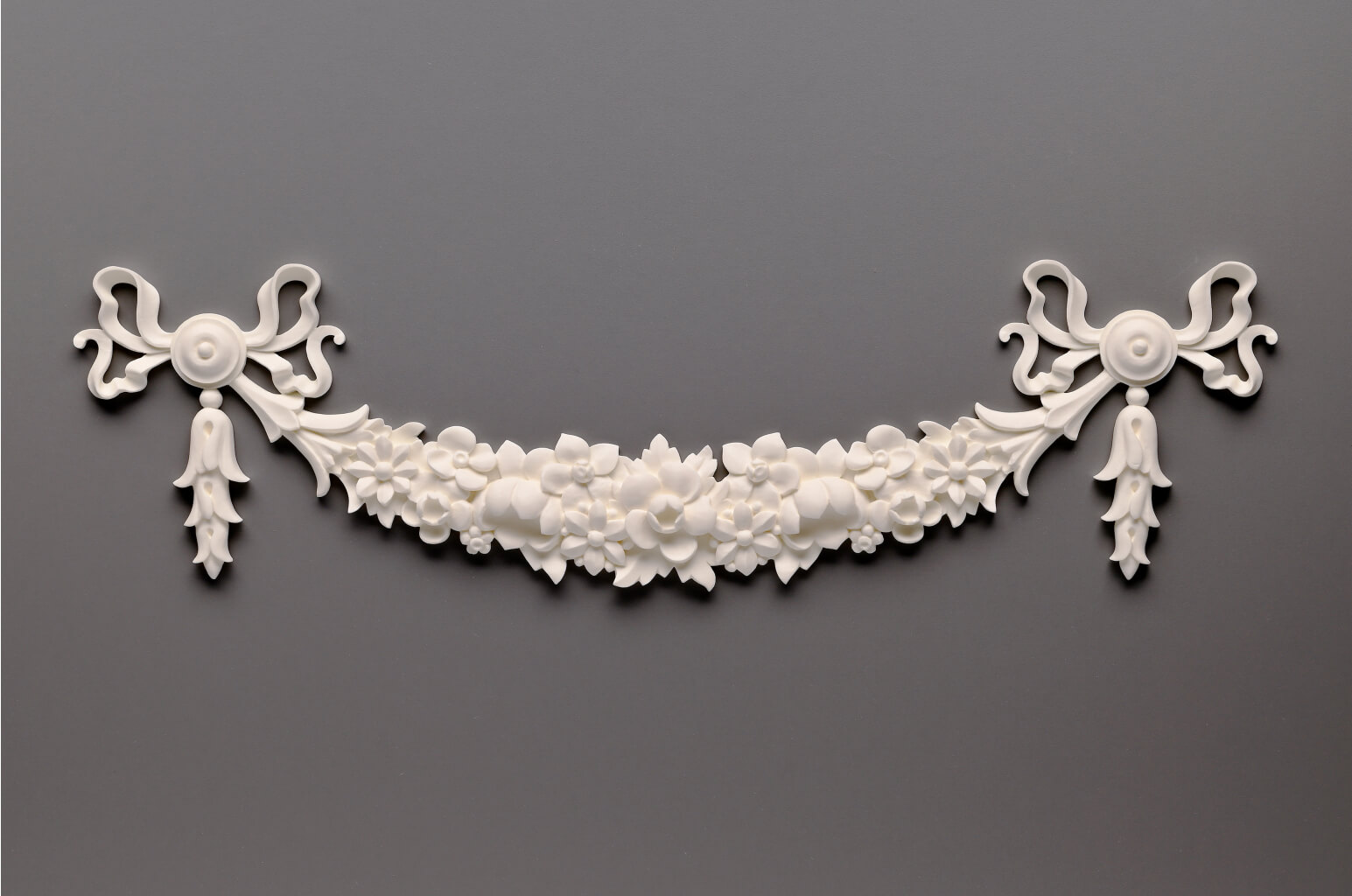
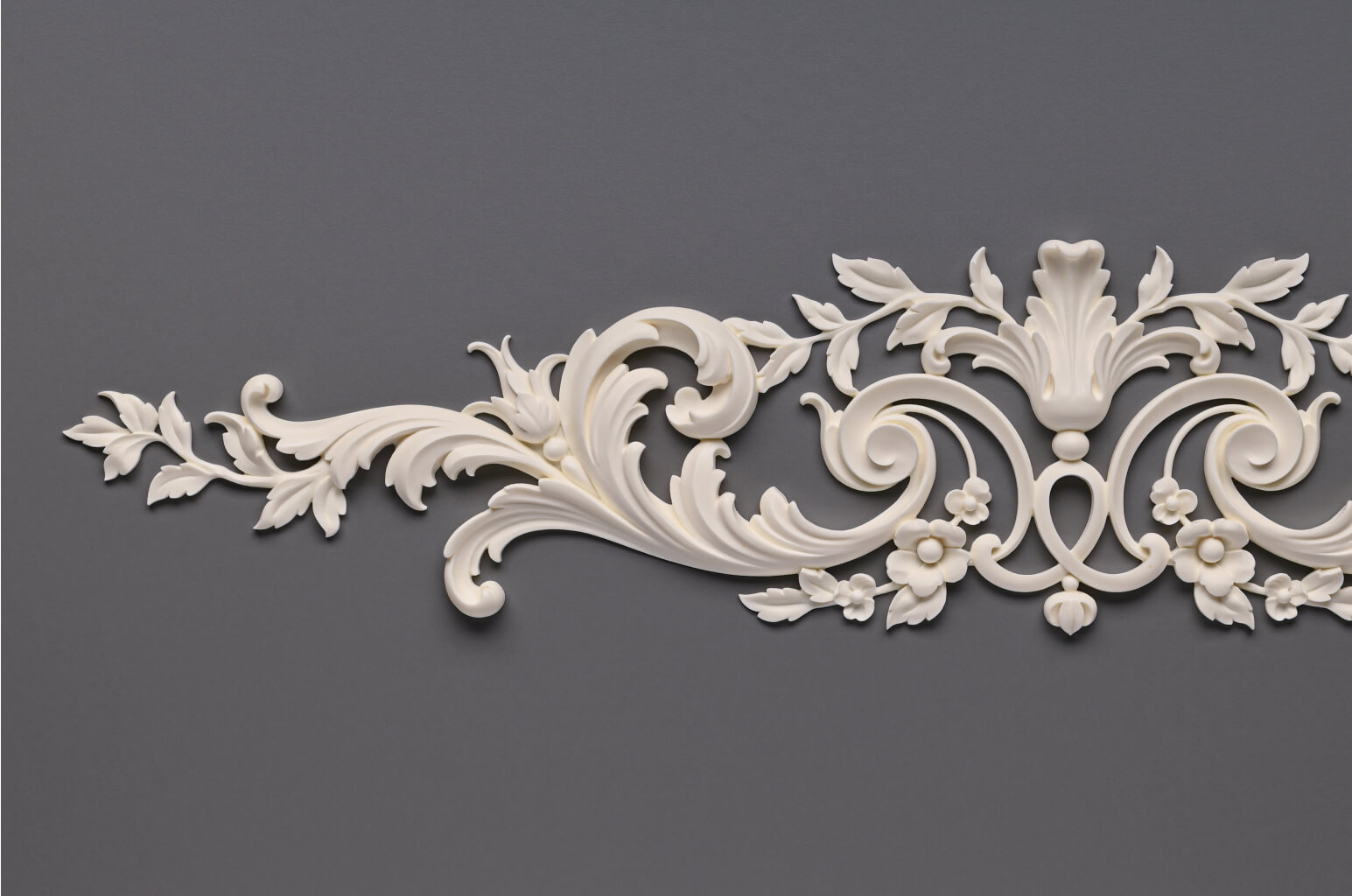
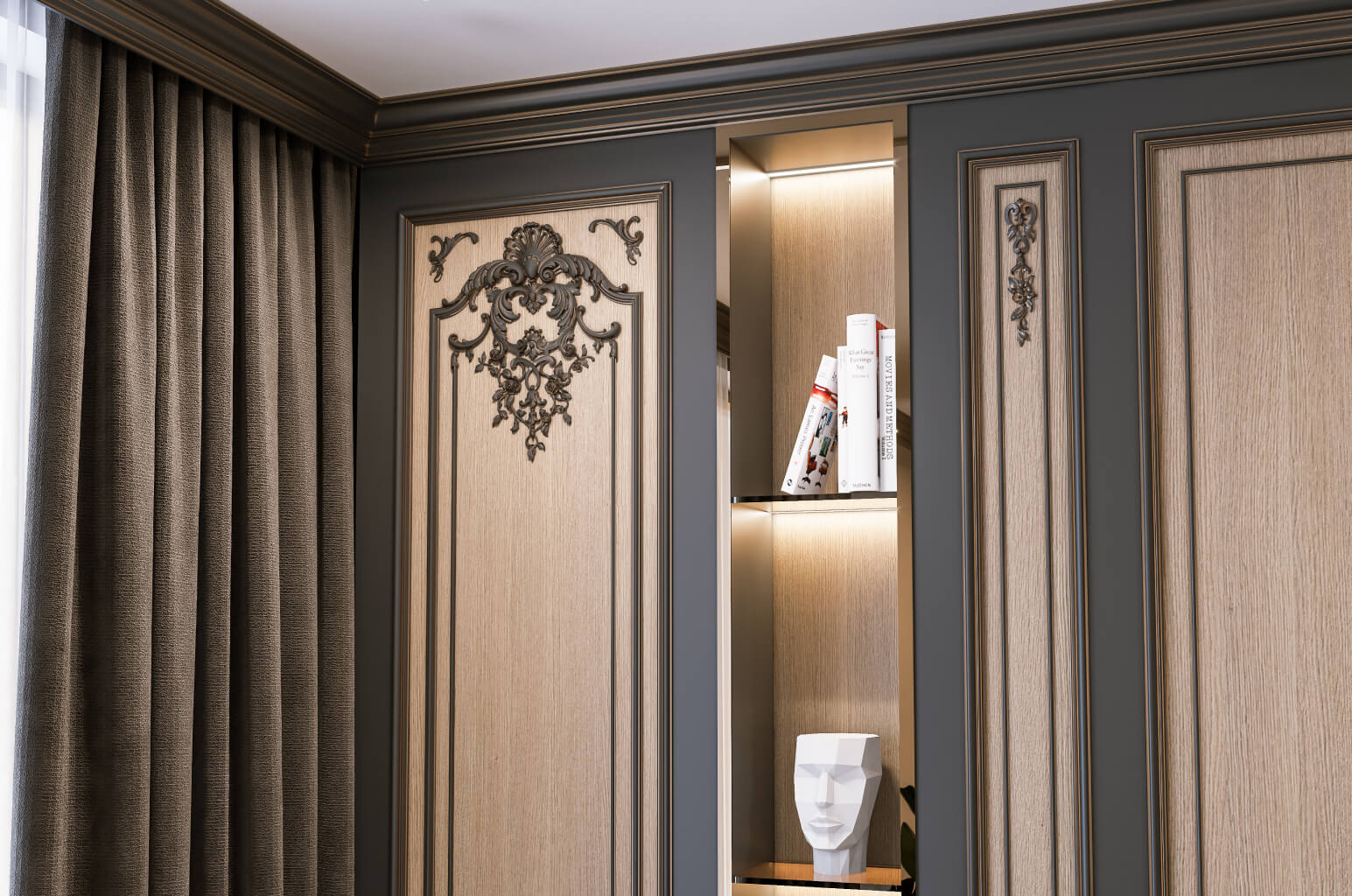
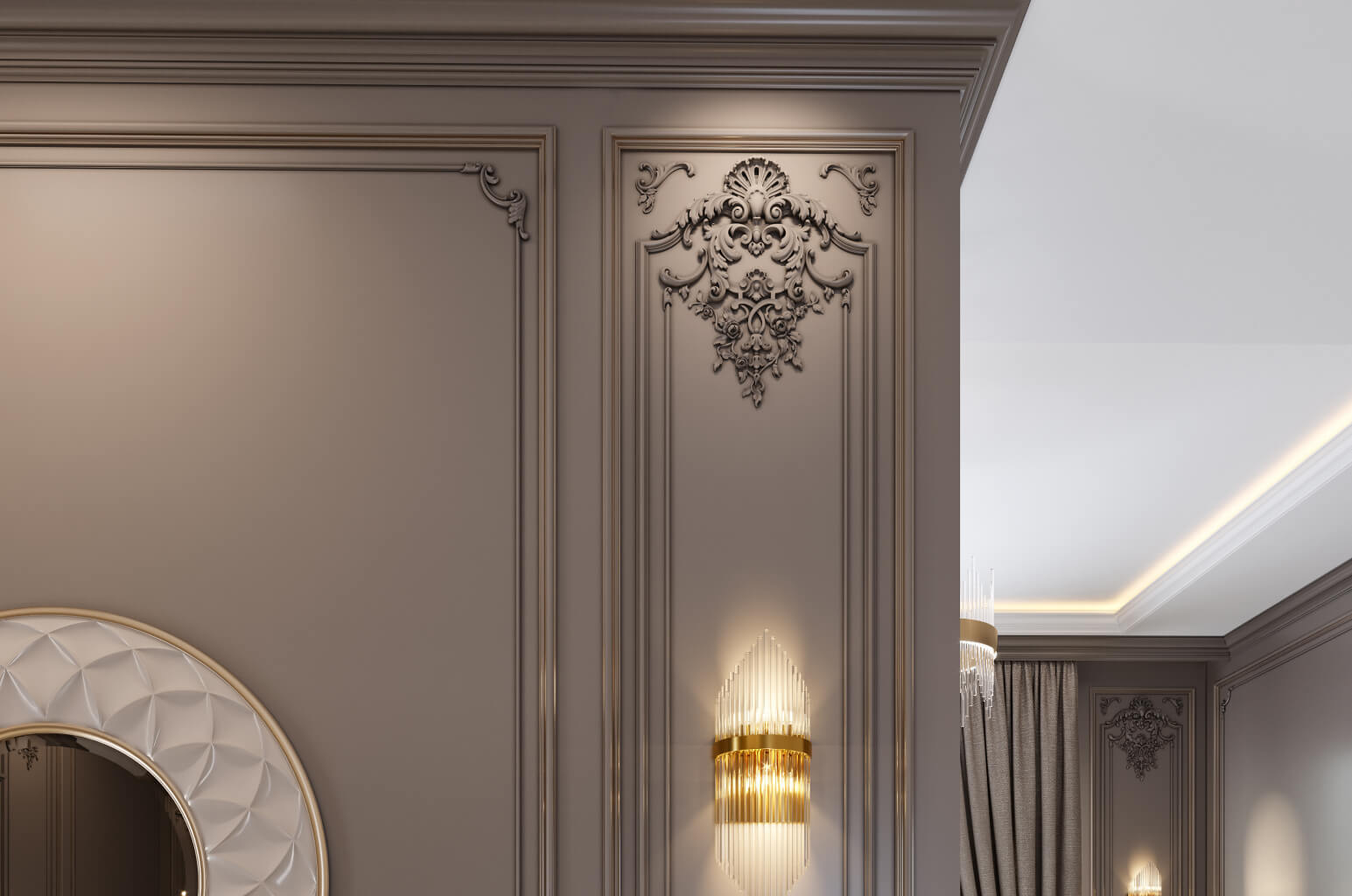
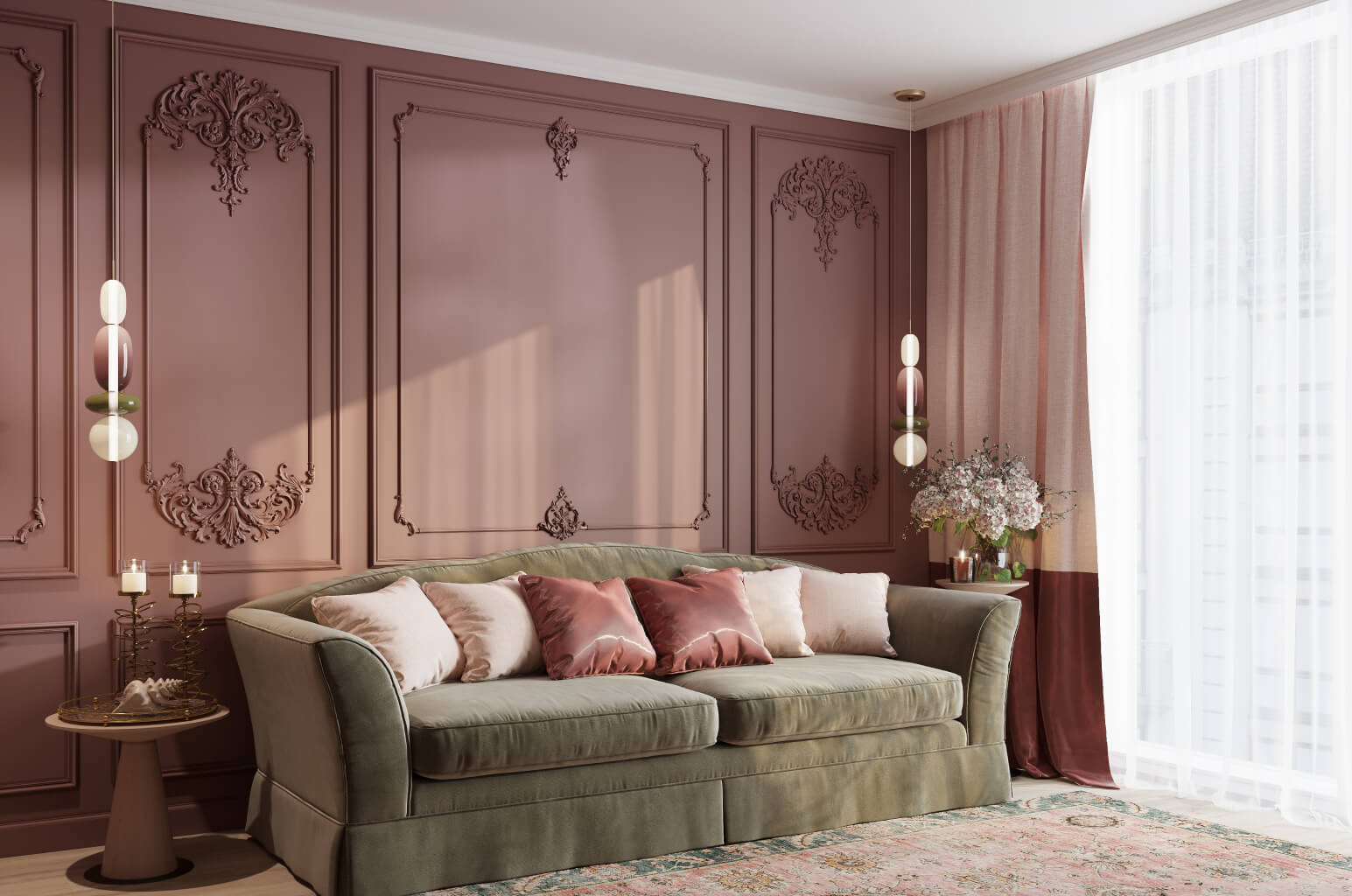
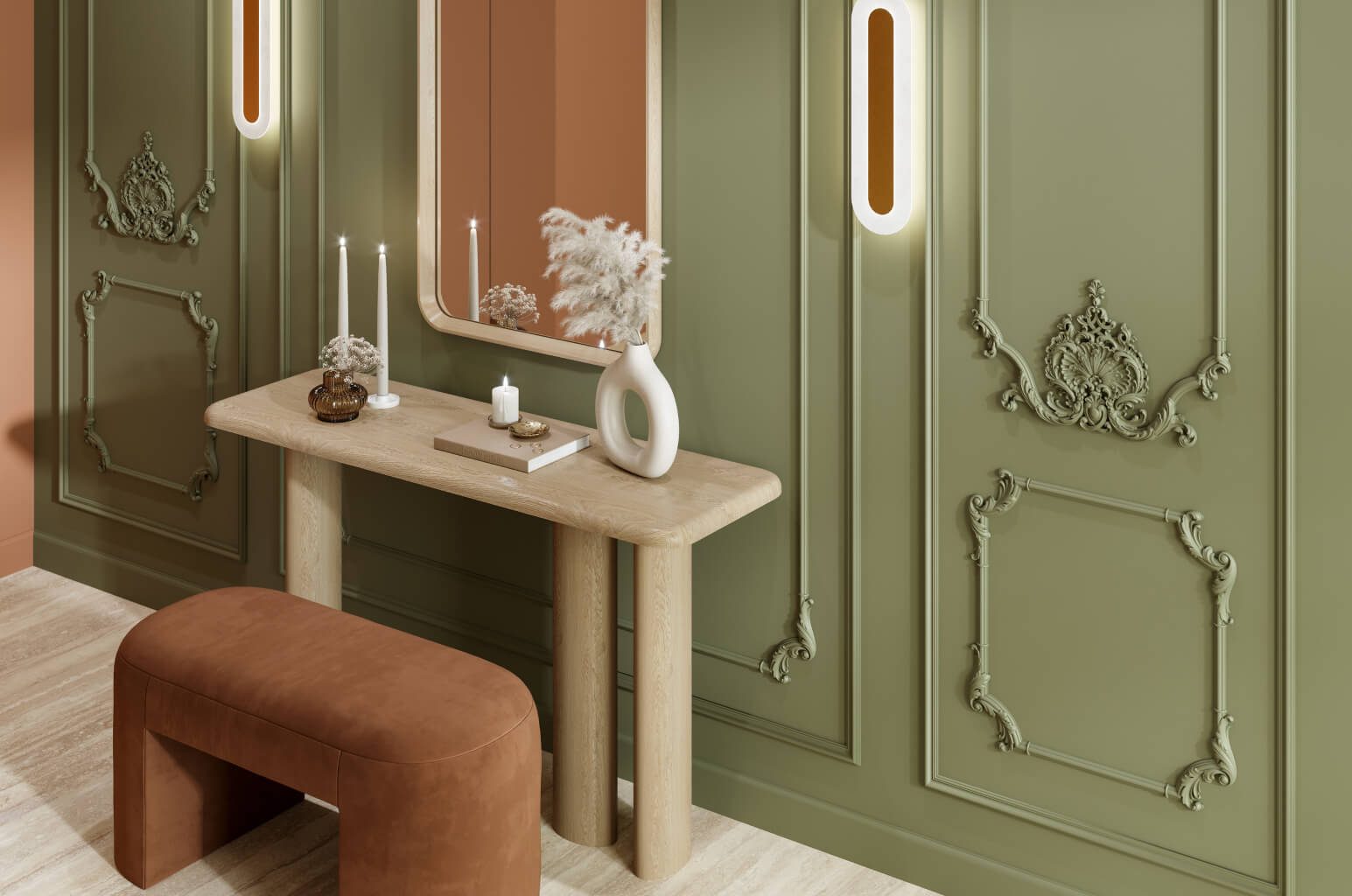
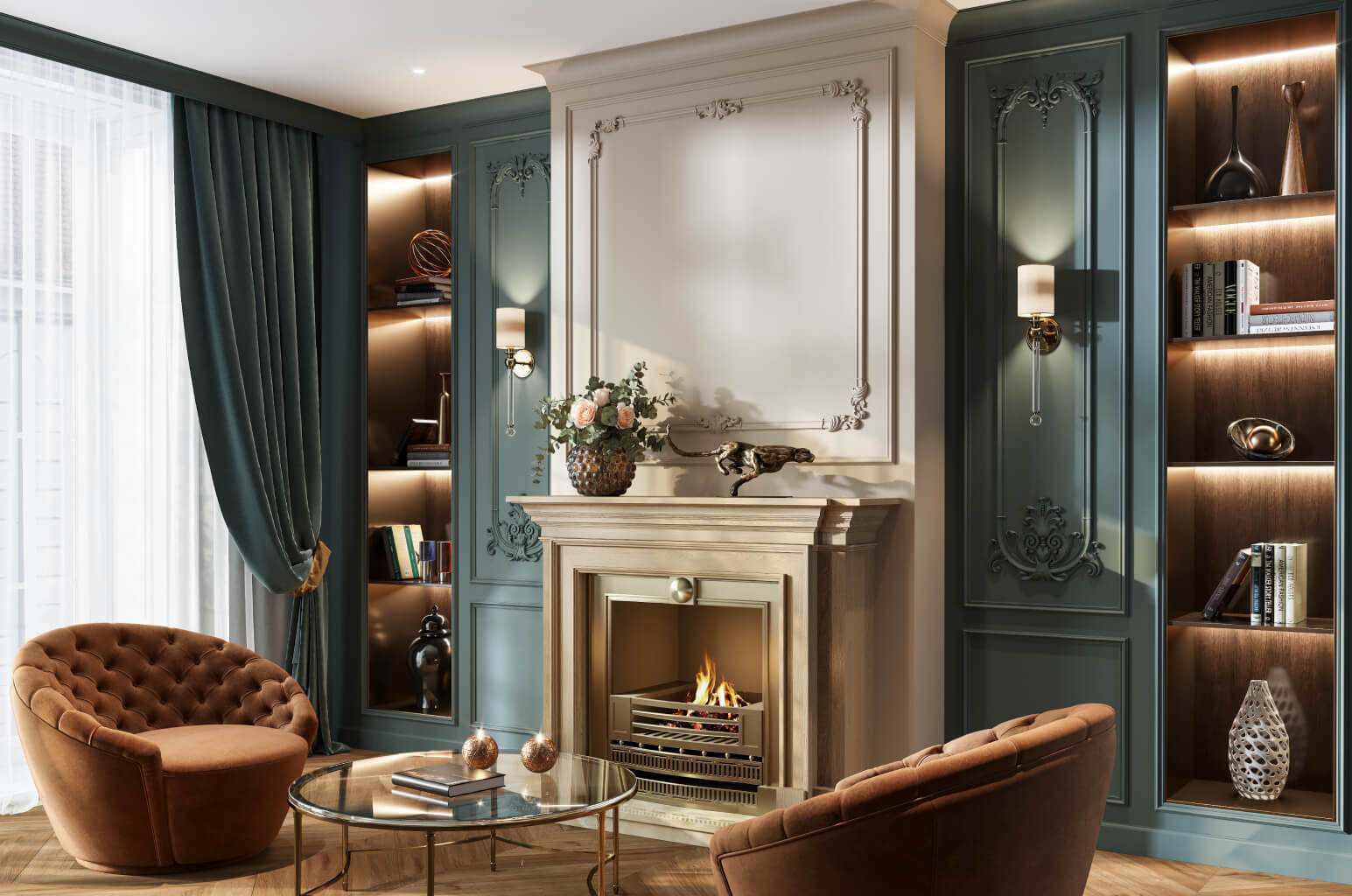
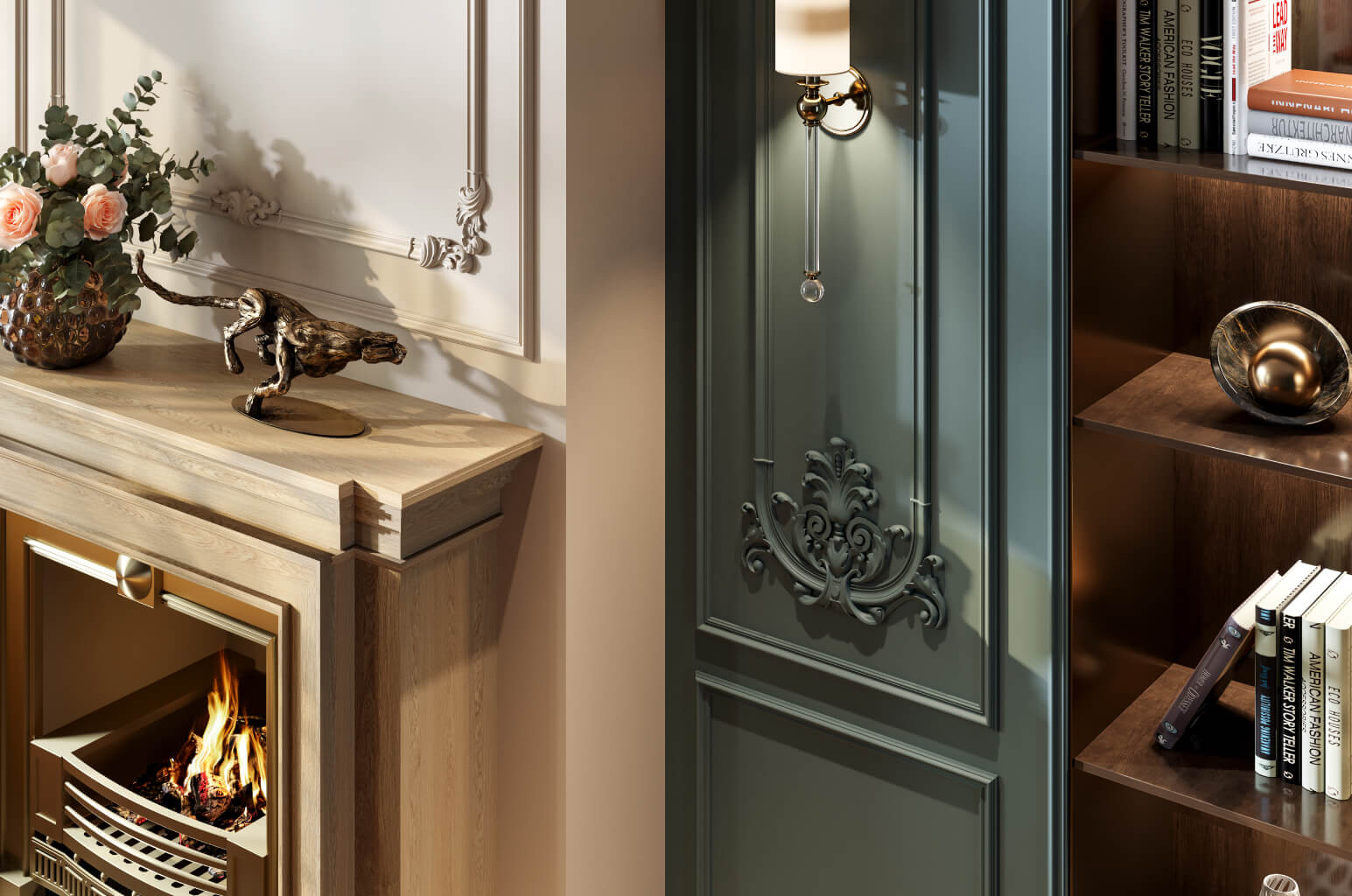
Polyurethane Wall Decor: A Modern Solution for Stylish Interiors
Polyurethane decorative wall elements represent an innovative solution for creating refined interiors, combining the aesthetics of classical moldings with the advantages of modern materials.Polyurethane Moldingsfor walls allows to realize the most daring design ideas, transforming the space and giving it a unique character without significant financial costs and complex installation work.
Advantages of Polyurethane Wall Decor
Polyurethane decorative wall elements possess a unique set of characteristics that make them the optimal choice for decorating both residential and public interiors. The material with density ranging from 150 to 420 kg/m³ provides an ideal balance between strength and weight, which is critically important for wall decor.
The lightness of the material significantly simplifies the installation and transportation of items. Unlike traditional gypsum moldings, which require reinforced mounting and professional installation, polyurethane decor can be easily attached to the wall using special polyurethane adhesive. This allows for self-installation without hiring specialists or using complex equipment.
High strength and impact resistance protect the decor from accidental mechanical damage during operation. The material does not crack, crumble, or deform under load, which is especially important for elements located at the level of possible contact. Resistance to mechanical impacts guarantees the preservation of the original appearance of items for many years.
Water resistance of polyurethane makes it an ideal material for use in rooms with high humidity – kitchens, bathrooms, toilets, pools, and spa zones. The material does not absorb water, does not swell, does not rot, and does not develop mold even under prolonged exposure to moisture and steam. This expands the possibilities of applicationdecorative elementsin any area of the house.
Resistance to temperature fluctuations allows using polyurethane decor in unheated rooms, on glazed balconies and loggias, in country houses with intermittent heating. The material does not crack in cold, does not deform when heated, and retains all its properties within a temperature range from -60 to +80°C.
Ecological and safety of polyurethane is confirmed by quality certificates. The material does not contain phenols, formaldehyde, and other toxic substances, does not emit harmful vapors and odors, and is absolutely safe for human health and pets. This allows usingpolyurethane moldingin bedrooms, children's rooms, and other living areas.
The longevity of polyurethane items is measured in decades. With proper installation and minimal maintenance, decor retains its flawless appearance for more than 30 years without requiring repair or replacement. The material does not change color under ultraviolet radiation, does not fade, and does not yellow over time.
Types of Polyurethane Wall Decor
Assortmentdecorative wall elementsmade of polyurethane includes a variety of items, allowing to create diverse compositions and solve various design tasks.
Decorative Panels
Polyurethane panels are elements of regular geometric shapes – squares or rectangles – with a three-dimensional relief pattern on the front surface. Panels are used to create accent walls, decorate headboards, decorate TV zones, and zone open-plan spaces.
The relief surface of panels can imitate various textures – fabric, leather, wood, stone, gypsum molding, architectural elements. The three-dimensional pattern creates a play of light and shadow, giving the wall volume and expressiveness. Panels are available in various sizes and with diverse ornaments – from strict geometric patterns to complex floral compositions.
A feature of panels is the absence of edges along the perimeter, which ensures perfect element alignment and creates a seamless decorative covering without visible seams. When mounted on a flat surface, it creates the impression of a single relief wall.
Wall Moldings
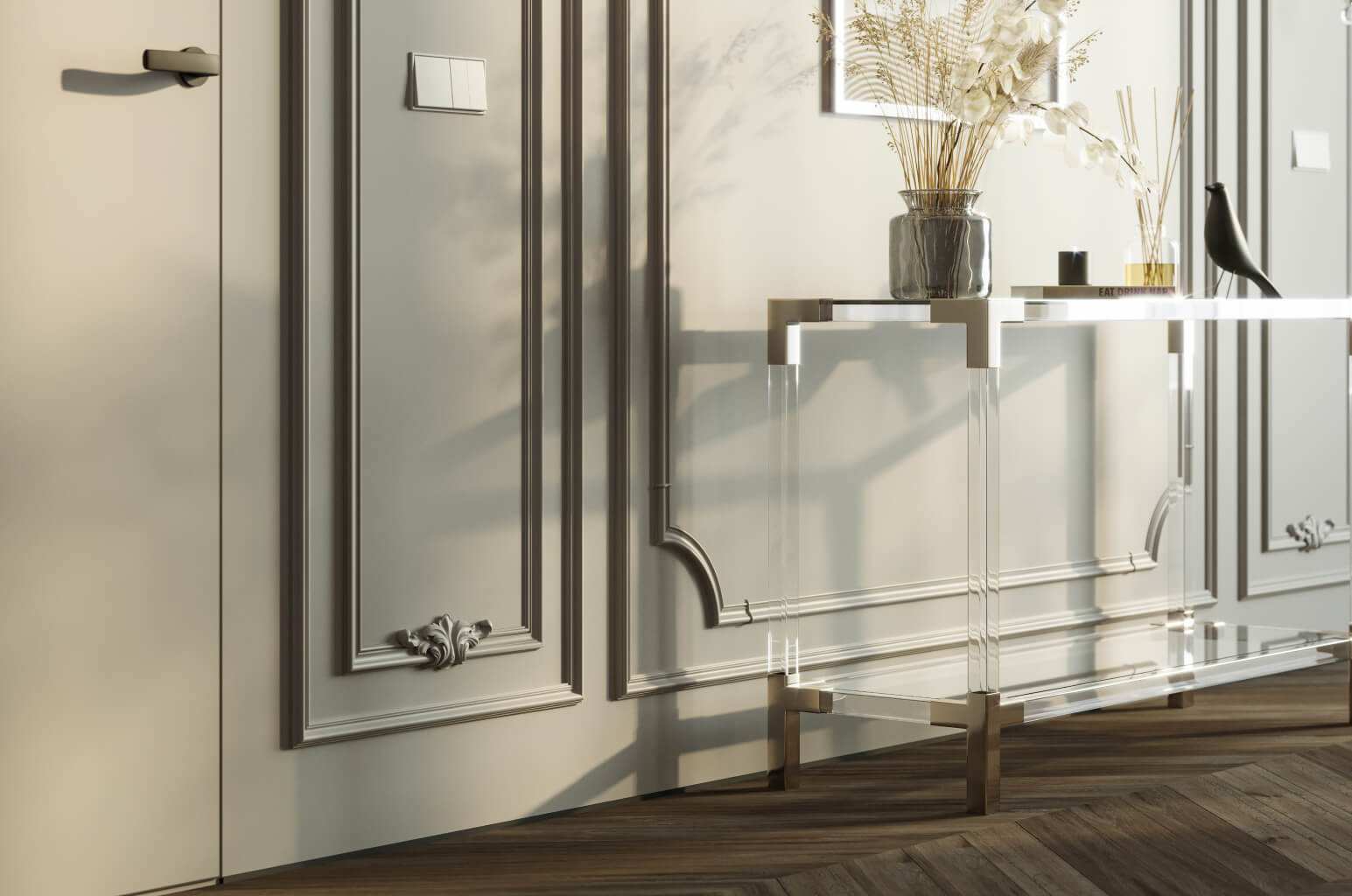
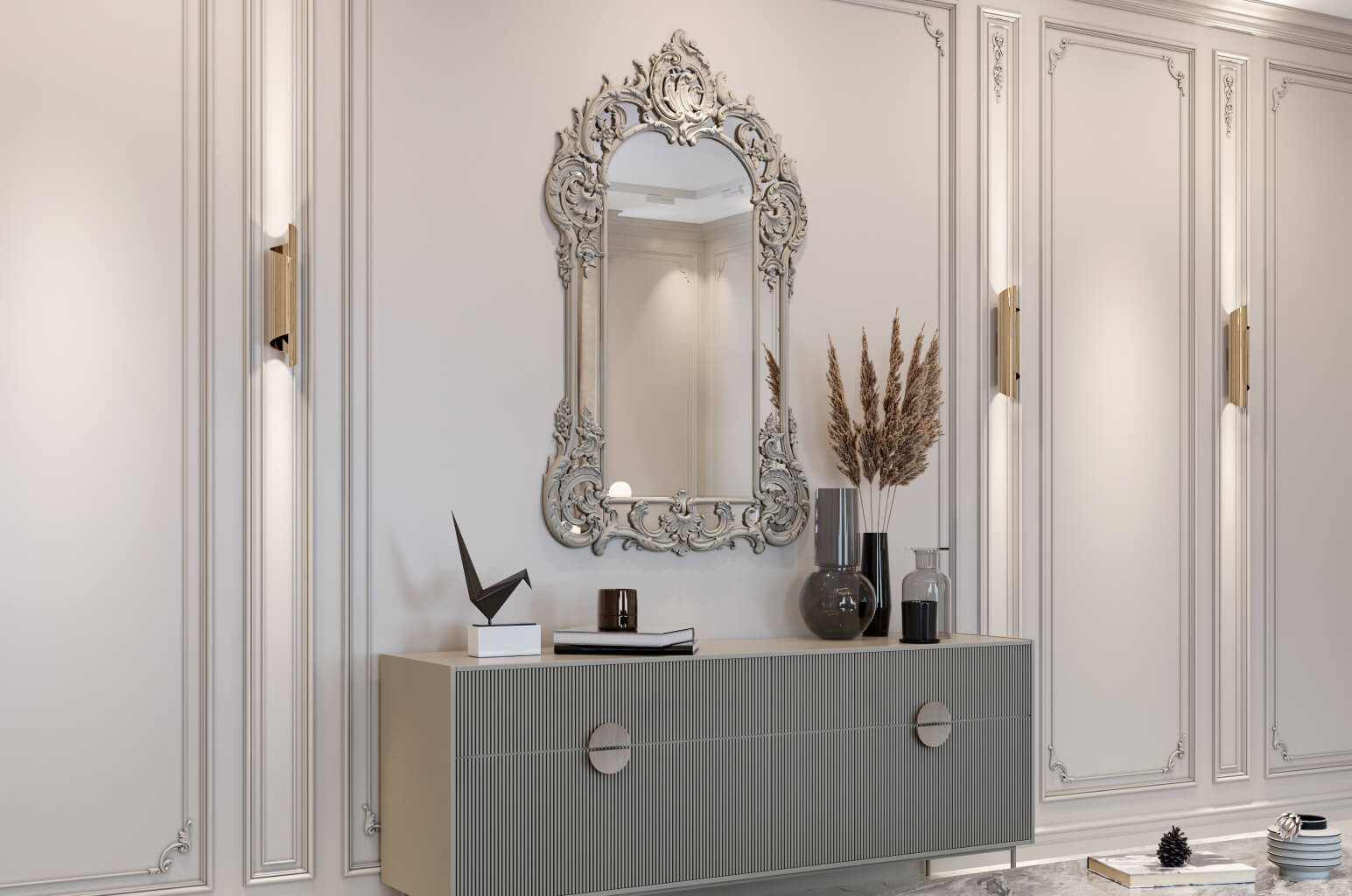
Moldings are decorative strips with profiled surfaces used to frame walls, create frames, divide space horizontally or vertically. With moldings, you can form classical wall panels, frame mirrors and paintings, and create geometric compositions.
The profile of moldings can be simple and minimalist or complex with multi-level relief and decorative elements. The width of strips varies from 20 to 200 mm, allowing to select the optimal size for rooms of different areas and ceiling heights.
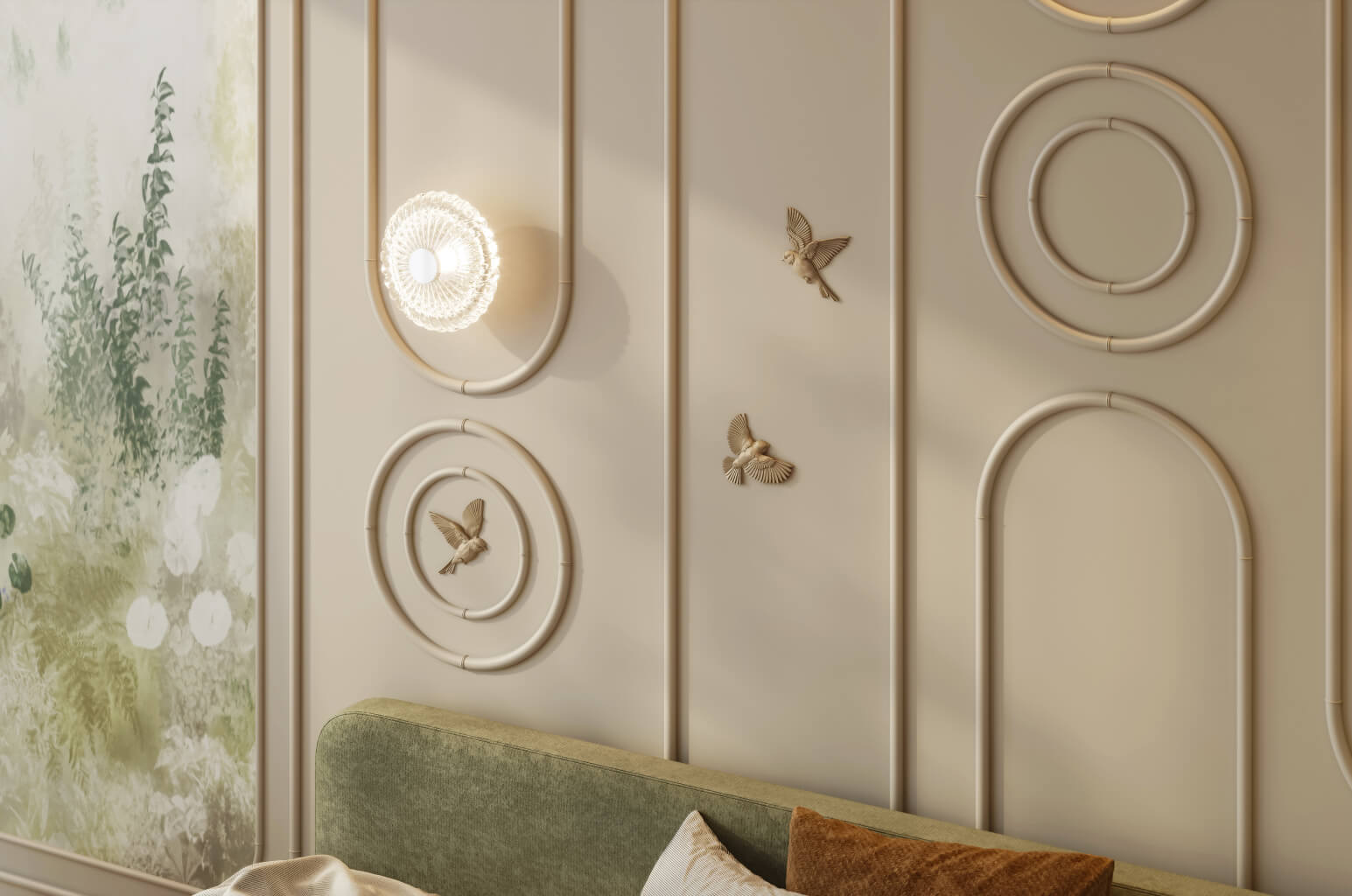
Flexible moldings are designed for decorating curved surfaces – arches, columns, bay windows, walls with complex geometry. The elasticity of the material allows bending the strip to a specified radius without deforming the profile or cracking.
Corner Elements and Rosettes
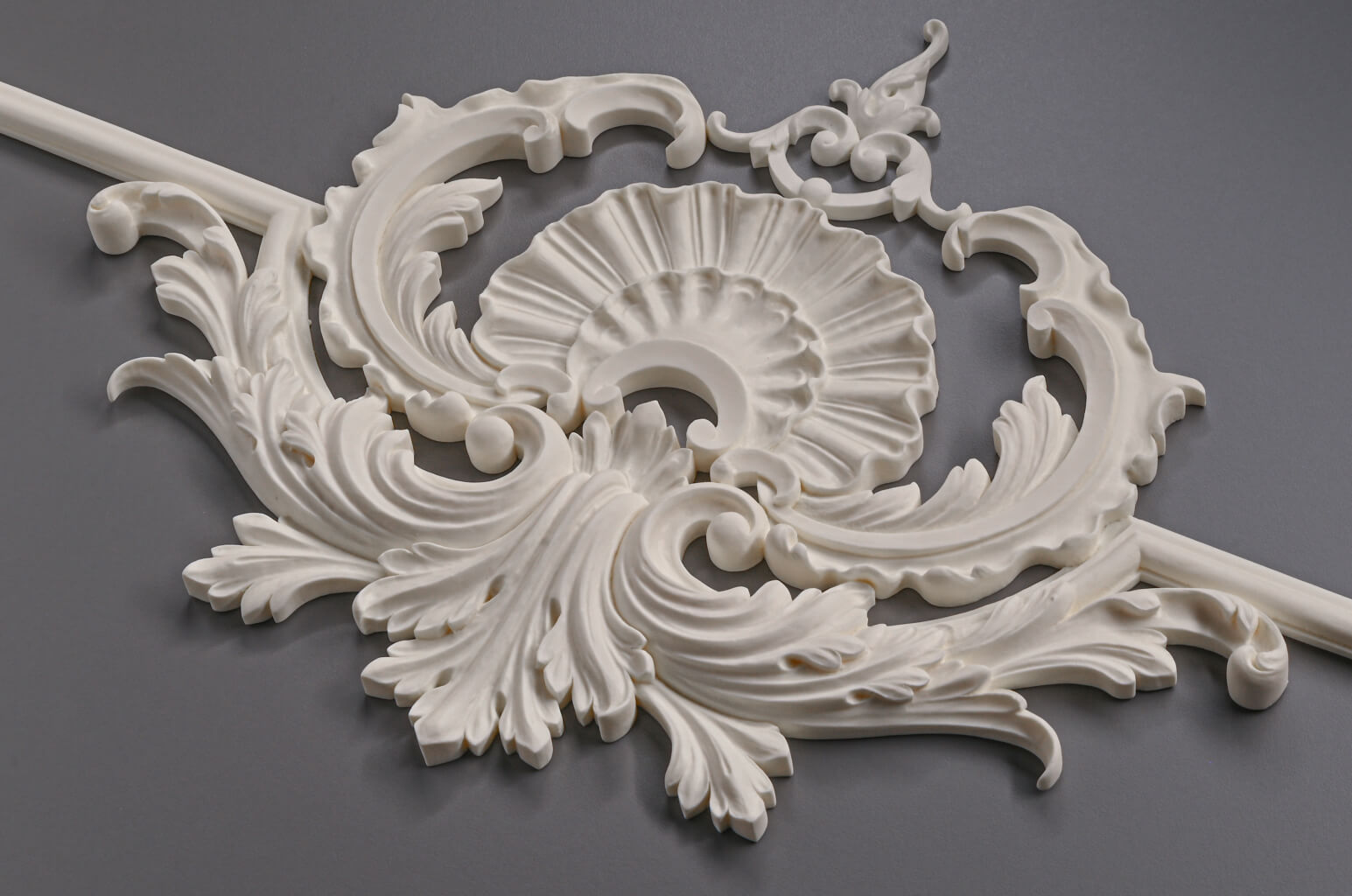
Corner elements are used to decorate interior and exterior corners of a room, connect moldings at right or arbitrary angles. Rosettes – decorative elements of round, oval, or polygonal shape with a three-dimensional ornament – serve as the center of composition on the wall, mounting points for lights, and accents in panels.
Socket relief can be executed in various styles – from ancient vegetal ornaments to strict geometric patterns of modern design. Socket sizes vary from miniature 100-150 mm to large 600-800 mm in diameter.
Pilasters and half-columns
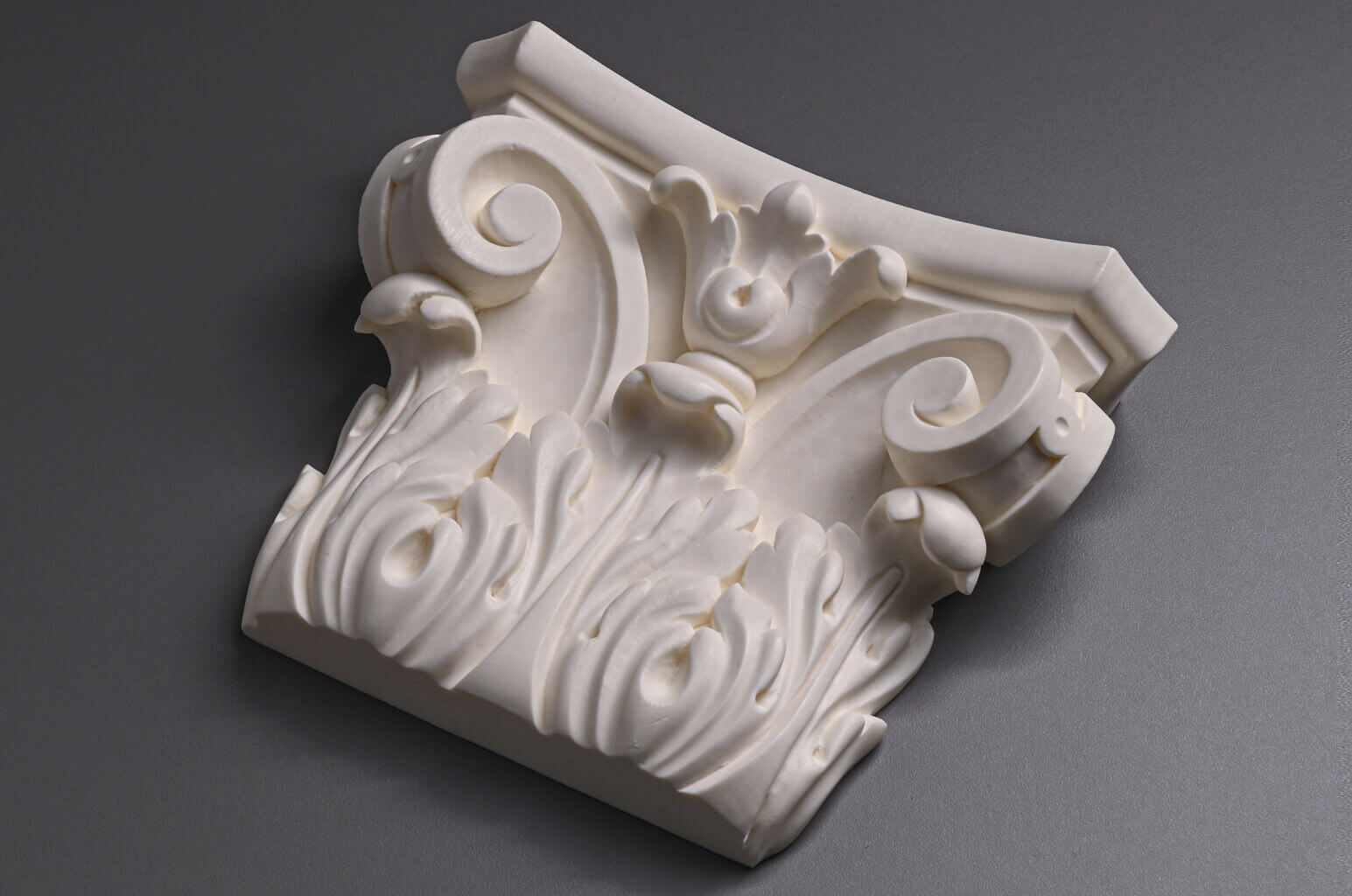
Pilasters – vertical rectangular protrusions with capitals and bases – are used for visual division of walls, creating rhythmic spatial structure, and framing door and window openings. Half-columns – cylindrical elements attached to walls – perform similar functions but create a more pronounced volumetric effect.
Polyurethane pilasters and half-columns imitate classical architectural orders – Doric, Ionic, Corinthian – with corresponding proportions and decorative elements. The height of the items can reach 2.5–3 meters, allowing their use in rooms of standard height.
Decorative appliqués
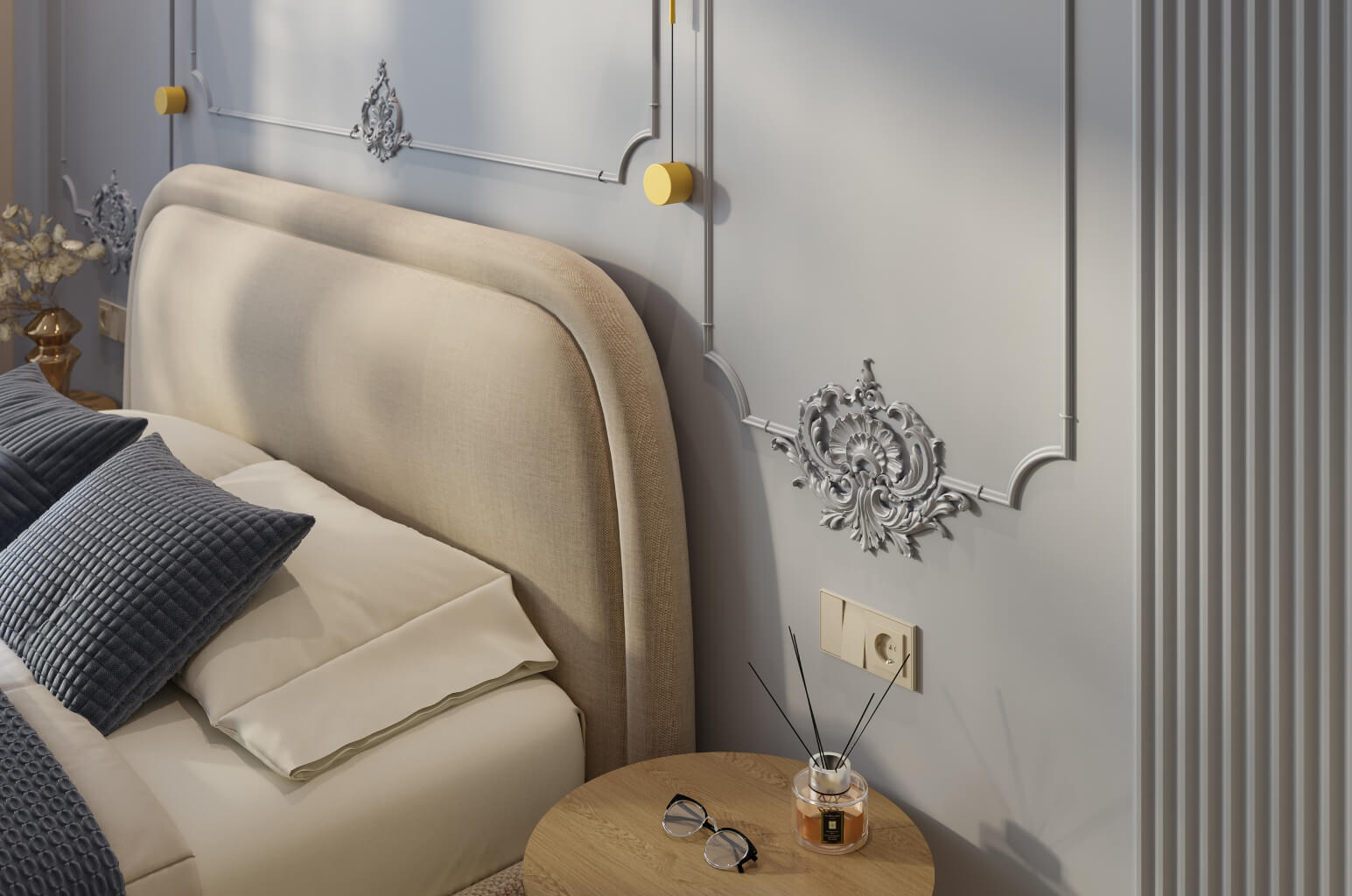
Decorative appliqués – small three-dimensional elements with vegetal, geometric, or figurative ornamentation – are used to create complex compositions, embellish panels, and complement moldings and panels. Appliqués are mounted over the main decoration, creating a multi-layered relief surface.
The assortment of appliqués includes flowers, leaves, shells, scrolls, geometric shapes, corner ornaments, and other motifs. Sizes vary from miniature 30–50 mm to large 200–300 mm, enabling the creation of compositions of any complexity.
Stylistic solutions
Polyurethane wall decorSuitable for realizing interiors in various stylistic directions, from historical to modern.
Classic style
In a classical interior, it is characteristic to use wall panels framed by moldings, pilasters with capitals, rosettes, and decorative appliqués with vegetal motifs. Symmetrical composition, proportional elements, and rich ornamentation create an atmosphere of solemnity and luxury.
The color scheme of classical decor implies white, cream, bone color, with possible use of gilding or patination to achieve an effect of noble antiquity.Relief DecorationIn classical style, suitable for living rooms, dining rooms, offices, and bedrooms.
Neoclassicism
Neoclassical style preserves the main principles of classicism but differs in greater restraint of decoration and simplicity of forms. Simple moldings without complex relief, panels of regular geometric shape, and minimal decorative appliqués are used.
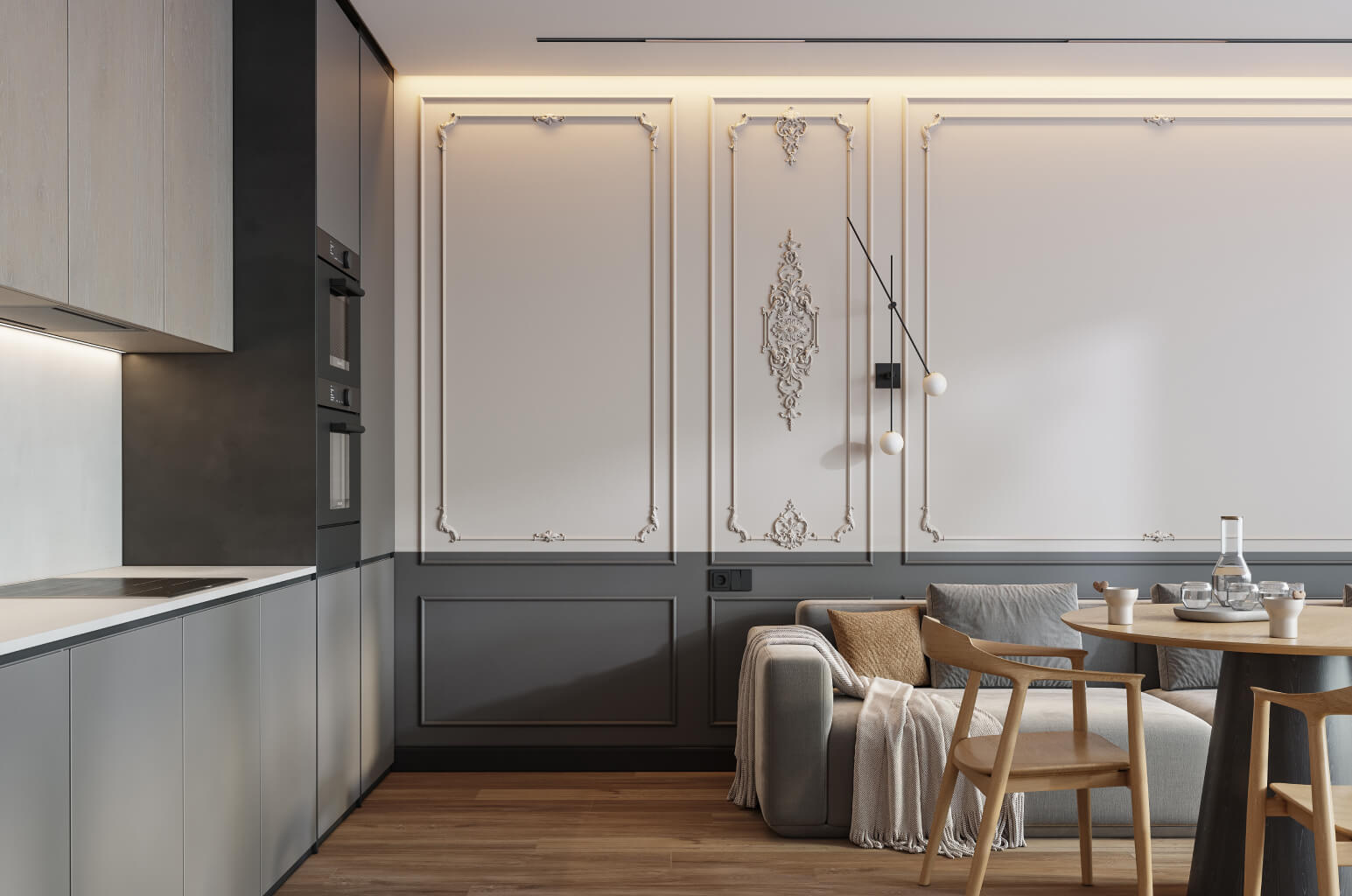
The color palette of neoclassicism leans toward neutral light tones – white, beige, gray, with possible contrasting combinations of white decor on dark walls or vice versa. This solution suits modern apartments and houses where elegance without excessive pomp is important.
Baroque and Rococo
Baroque and Rococo styles are characterized by maximum ornamentation, abundance of stucco, complex curved forms, and asymmetrical compositions. Large rosettes with lavish ornamentation, flexible moldings creating scrolls and waves, and numerous decorative appliqués are used.
The color scheme implies the use of gilding, silvering, patination, and contrasting combinations.polyurethane moldingsIn baroque style, it creates an atmosphere of palace luxury and is suitable for spacious rooms with high ceilings.
Art Deco
Art Deco style combines luxury with geometry and symmetry. Panels with geometric relief, moldings with angular profiles, decorative elements in the form of zigzags, steps, and sun rays are used. Vertical compositions are characteristic, emphasizing the height of the room.
The color palette of Art Deco includes contrasting combinations of black and white, gold and black, and use of metallic shades. Art Deco decor is suitable for living rooms, halls, offices, and creates an atmosphere of glamour and sophistication.
Modern style
For modern interiors, it is characteristic to use minimalist panels with simple relief, simple moldings, and geometric compositions. Decor does not overload space but creates structure and accents, highlighting architectural features of the room.
The color scheme leans toward monochromatic tones – white, gray, black, with possible use of colored panels matching wall color.Wall decorIn modern style, it combines with minimalist furniture and is suitable for any room.
Installation technology
Installation of polyurethane decor on walls is a simple process that can be performed independently with basic skills and adherence to technology.
Surface preparation
The wall must be flat, clean, dry, and strong. Old wallpaper, peeling paint, and crumbling plaster must be removed. Significant unevenness is leveled with putty. The surface is degreased and primed to improve adhesion.
If the wall has paintable wallpaper or other durable coatings, decoration can be mounted directly on them provided the coating adheres securely to the base. It is important to ensure the coating can support the weight of the decorative elements.
Marking and Fitting
Before installation, mark the wall to determine the exact placement of all decorative elements. It is recommended to lay out the elements on the floor or temporarily attach them to the wall to assess the composition and make adjustments.
To create symmetrical compositions, use a level and plumb bob. Moldings for panels are marked according to the proportions of the golden section or other classical ratios. It is important to allow for material allowance for trimming and possible errors.
Element preparation
Polyurethane items must be acclimated to the room's climate for 24 hours before installation. This is especially important when there is a significant temperature difference between the storage location and the installation site.
Elements are cut to size using a fine-toothed hacksaw or a circular saw. To achieve a clean cut without chipping, use a sharp tool and make the cut in one smooth motion without back-and-forth movements.
Applying Adhesive and Installation
Polyurethane decor is secured using a special polyurethane adhesive that ensures a strong bond and flexible seam, compensating for thermal expansion. The adhesive is applied to the back of the element using a thin zigzag or dot application.
The element is pressed against the wall and held in place for 30–60 seconds until the adhesive sets. For heavy elements, temporary fixation with painter’s tape or supports may be required until the adhesive fully dries.
Excess adhesive protruding from under the element is wiped away with a damp cloth before it dries. Joints between elements and gaps between decor and the wall are filled with acrylic sealant or putty, then sanded and leveled.
Final finishing
After the adhesive and sealant have dried, the entire decor surface is sanded with fine-grit sandpaper to remove imperfections and prepare for painting. The surface is primed with acrylic primer to improve paint adhesion.
Painting is done using water-based acrylic or latex paints in 2–3 coats with intermediate drying. Special formulations and application techniques are used to achieve patina, gilding, or other decorative finishes.
Variants of Application in Interior
Wall Decorative ElementsPolyurethane decorative elements open up wide possibilities for transforming interiors and solving various design tasks.
Accent Wall
Creating an accent wall using decorative panels or moldings is a popular modern design technique. The textured surface draws attention, structures the space, and creates a focal point in the interior.
An accent wall can be placed behind the headboard in a bedroom, behind a sofa in a living room, in the TV zone, or in the dining area. The color scheme may match the main walls or contrast with them, creating a more striking effect.
Panels and Frames
Decorative panels made of moldings on walls are a classic interior design technique. Rectangular, square, or complex polygonal frames create a rhythmic structure on the wall, add architectural character, and visually raise the ceiling when placed vertically.
The interior of panels can be painted in contrasting colors, covered with patterned wallpaper, or decorated with decorative plaster. Mirrors, pictures, or photographs can be placed within frames, or gallery-style arrangements can be created.
Space Zoning
Vertical moldings, pilasters, and decorative panels are used to visually divide open-plan spaces into functional zones. This solution does not clutter the room with partitions, preserving the feeling of spaciousness and freedom.
Zoning with decor is especially relevant in studio apartments, where it is necessary to visually separate the kitchen from the living room, the sleeping area from the workspace. Vertical elements create visual boundaries without physically dividing the space.
Masking Defects
Polyurethane decor effectively masks wall irregularities, cracks, repair marks, and poor material joints. Moldings cover transitions between different finishes, panels conceal surface defects, and decorative overlays divert attention from problem areas.
Such use of decor allows updating the interior without major renovation or wall leveling, significantly saving time and money. The result looks stylish and professional.
Imitating Architectural Elements
Using pilasters, half-columns, cornices, and other architectural elements made of polyurethane, one can create in a regular apartment the atmosphere of a classic mansion or palace interior. Such elements give the space a sense of scale, grandeur, and historical depth.
Imitating architectural decor is especially effective in rooms with high ceilings, where full-size pilasters and columns can be used. In standard apartments, shortened versions of elements are used, preserving proportions and style.
Care and Maintenance
Polyurethane wall decor requires no complex maintenance and retains its original appearance with minimal effort.
Regular cleaning
To remove dust, simply wipe the surface with a dry or slightly damp soft cloth. Textured areas can be cleaned with a soft brush or a vacuum cleaner with a furniture attachment on low power.
When dirt appears, use mild cleaning agents diluted in water. Do not use abrasive cleaners, solvents, or aggressive chemical compounds that may damage the surface or paint.
Repair of damage
For small chips or scratches on painted surfaces, simply touch up the damaged area with the same paint. For more serious damage, the defect may require filling, sanding, and repainting.
In case an element detaches from the wall, clean the backside of the element from remnants of old adhesive, apply fresh adhesive, and firmly press the element against the wall. Properly installed decorative elements serve for decades without requiring repair.
Renovation of Finishing
Polyurethane decor can be repainted multiple times when interior design changes or finishing is updated. To do this, the surface is lightly sanded to remove the gloss of the old paint, primed, and painted in the new color.
Decorative coatings such as patinas, metallic paints, and textured finishes can be applied. This allows adapting existing decor to a new interior style without dismantling or replacing elements.
Advantages of Choosing
Polyurethane wall decorfrom the company Stavros – is the optimal combination of quality, aesthetics, and affordability.
The wide range of products allows selecting decor for interiors in any style – from classic to modern. Precise detailing and clear relief ensure high aesthetic value of the items, indistinguishable from plaster molding.
Affordable pricing makes polyurethane decor a democratic alternative to expensive plaster molding or natural stone. With significantly lower costs, comparable or even superior aesthetic effects are achieved.
Ease of installation allows for self-installation, saving on professional services. Installation instructions are included with each item, and the company’s technical support is ready to answer any questions.
Durability and reliability of polyurethane decor guarantee preservation of investments for many years. The items require no repair, replacement, or special maintenance, making them an economically advantageous solution.
Polyurethane Molded Decor for Walls– is the opportunity to transform your interior, give it individuality and style, and create an atmosphere of comfort and beauty in your home.
Order a call
Do you have questions? Fill out the form and send it.
Your request has been sent!
Our manager will contact you within 5 minutes