












































































Article Contents:
- Philosophy of modern kitchen design
- Kitchen as a social space
- Technological revolution in the kitchen
- Layout solutions: from classic to avant-garde
- Linear kitchens: elegance in simplicity
- Corner kitchens: maximum functionality
- Island kitchens: theater of culinary art
- L-shaped kitchens: professional approach
- Stylistic directions: from classic to high-tech
- Classic Style: Timeless Values
- Provence: French charm
- Scandinavian style: northern restraint
- Loft: industrial aesthetics
- High-tech: technologies of the future
- Color solutions: psychology of kitchen palette
- White color: classic of the genre
- Gray color: modern elegance
- Black color: drama and contrast
- Natural wood tones
- Vibrant accents: focal points
- Materials: the basis of durability and beauty
- Natural wood: warmth and nobility
- MDF: universality and accessibility
- Natural stone: luxury and durability
- Artificial stone: practicality of modernity
- Ceramica: a new word in design
- Technologies and innovations: the kitchen of the future is already here
- Built-in appliances: invisible assistance
- Induction cooking surfaces
- Ventilation systems: fresh air without compromise
- Smart kitchen: technology at the service of comfort
- Lighting: scenarios for different moods
- General Lighting: The Foundation of Comfort
- Task Lighting: Precision and Comfort
- Decorative lighting: creating atmosphere
- Lighting Control
- Storage Systems: Order as Art
- Ergonomic Storage Principles
- Pull-out Systems: Maximum Convenience
- Corner Solutions: Utilizing Complex Zones
- Tall Cabinets: Vertical Storage
- Decorative elements: details that create character
- Backsplash as an Accent Zone
- Moldings and Trim: Classic Elegance
- Display Elements: Showcasing Beauty
- Rail Systems: Functional Decor
- Planning and Design: The Path to the Perfect Kitchen
- Design Stages
- Working with a designer
- Modern Design Technologies
- Production and Manufacturing: From Idea to Reality
- Manufacturer Selection
- Quality Control
- Logistics and delivery
- Budget Planning: Optimizing Costs Without Compromising Quality
- Defining priorities
- Step-by-step implementation
- Smart Savings
- Trends and prospects for development
- Ecological trends
- Technological Innovations
- Personalization
- Maintenance and Operation: Preserving Beauty for Years
- Care for Different Materials
- Preventive maintenance
- Modernization and Upgrades
- Working with Professionals: The Dream Team
- Interior Designer
- Design Technologist
- Master Craftsman
- Installer
- Psychology of Kitchen Space
- Color Impact
- Ergonomics and Comfort
- Social aspects
- Kitchen - the heart of the home, the place where culinary masterpieces are born, family gathers, and heartfelt conversations take place. But what transforms an ordinary room into a cozy and functional space? The right
- Frequently Asked Questions
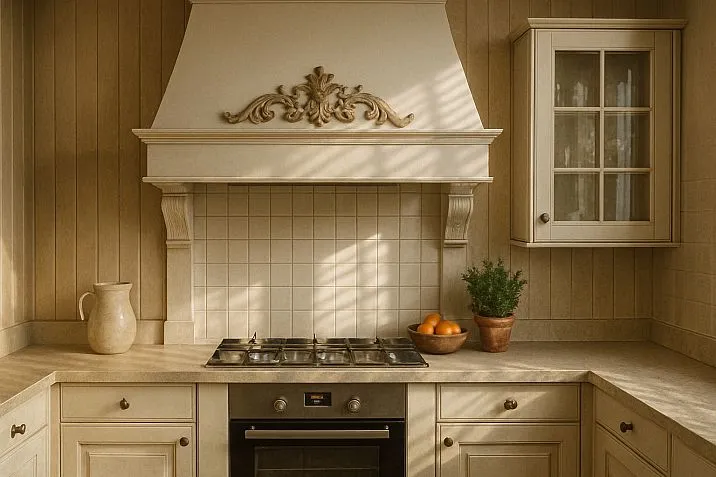
How many hours per day do we spend in the kitchen? We prepare breakfast before work, have dinner as a family, meet friends over a cup of coffee... It turns out that the kitchen is not just a place for cooking, but a true center of family life. That is why Unique kitchen interiors deserve special attention and careful planning.
But what does 'unique' mean in relation to kitchen space? It is when every detail is thought out not only from the standpoint of functionality, but also aesthetics. When the design reflects the character of the homeowner, the family's lifestyle, their tastes and preferences. When the result is not another standard kitchen from a catalog, but a unique piece, created specifically for certain people and a specific space.
Philosophy of modern kitchen design
What has changed in the perception of the kitchen over the past decade? If it was once purely utilitarian space, hidden from outsiders, today the kitchen has become a full-fledged part of living space. Open layouts, integration of kitchen with living room, kitchen islands — all these solutions require a fundamentally different approach to design.




Kitchen as a social space
Modern kitchens must be ready for various usage scenarios. In the morning, the whole family has breakfast here, during the day the homeowner prepares lunch, in the evening children do homework at the bar counter, and on weekends friends gather for an impromptu party. Can a standard solution handle such a variety of tasks?
Unique Interior Designs Kitchens take into account all these nuances. Here, not only the ergonomics of the working process are thought out, but also the comfort for all family members and guests.
Our factory also produces:
Technological revolution in the kitchen
Modern kitchens are unthinkable without complex household appliances. But how to integrate all these devices so that they do not disrupt the harmony of the space? kitchen furniture is made of Today? Materials must not only withstand the effects of temperature, moisture, and intensive use, but also harmoniously blend with built-in appliances.
Get Consultation
Layout solutions: from classic to avant-garde
Layout is the foundation of any kitchen design. The correctness of its choice depends not only on the convenience of work, but also on the overall perception of space.
Linear kitchens: elegance in simplicity
Seems like what could be simpler than a linear layout? All furniture is arranged along one wall. But it is precisely in simplicity that lies complexity — each element must be functionally justified and aesthetically flawless.
In small apartments, a linear layout is often the only possible option. But this is not a reason to abandon uniqueness! where to buy furniture decorWhat can transform even the simplest kitchen? Properly chosen overlays and moldings can turn dull facades into works of art.
Corner kitchens: maximum functionality
L-shaped layout — the golden middle ground between compactness and functionality. Corner kitchens allow optimal use of space and create a convenient working triangle.
But how to make the corner not just functional, but beautiful? Modern hardware systems turn corner cabinets into convenient and spacious storage. Decorative elements mask the technical features of the construction.
Island kitchens: theater of culinary art
Kitchen-island — this is not just a trend, but a philosophy. Here, the process of cooking becomes part of communication, a show for guests. The homeowner is not isolated in the kitchen, but remains at the center of events.
But an island requires space — at least 15-20 square meters. Yet the opportunities for creativity here are limitless! The island can include a cooking surface, sink, bar counter, wine cabinet, storage systems.
U-shaped kitchens: professional approach
U-shaped layout — the choice of those who take cooking seriously. Here, you can place the maximum number of working surfaces and storage systems.
What materials are used for kitchen furniture for such large-scale projects? Materials must not only be beautiful, but also practical, withstand intensive use.
Stylistic directions: from classic to high-tech
Choosing a style is an expression of the owners' personality. Each style dictates its own rules of play, its own color palette, materials, and forms.
Classic Style: Timeless Values
Classic kitchen — the embodiment of stability and respectability. Here, natural materials, restrained colors, elegant forms prevail.
where to buy moldings for decoration In a classic style? Traditional profiles with smooth lines highlight the nobility of solid wood and create a sense of a luxurious, high-quality interior.
Classic kitchens require space. In a small room, an abundance of decor may create a feeling of confinement. But in a spacious kitchen, the classic style unfolds in all its glory.
Provence: French charm
Provencal style brings to the kitchen the atmosphere of French countryside — lightness, romance, closeness to nature. Pastel tones, floral motifs, artificially aged surfaces create a feeling of coziness and warmth.
what materials are used to make wooden furniture For Provencal kitchens? Usually, solid pine or oak is used, followed by patina and brushing, which accentuate the wood's texture.
Scandinavian style: northern restraint
Scandinavian style conquered the world with its functionality and minimalism. Light tones, natural materials, minimal decor — all aimed at creating a sense of spaciousness and light.
In Scandinavian kitchens, white dominates in combination with natural wood. Simple furniture shapes are compensated by high-quality materials and thoughtful functionality.
Loft: industrial aesthetics
Loft style brought the aesthetics of industrial spaces into residential interiors. Brick walls, metal structures, rough textures create a brutal yet attractive atmosphere.
Loft kitchens often have an open layout and become part of a larger space. Here, bold solutions are appropriate — for example, a range hood styled as industrial ventilation, or a bar counter made of untreated wood on metal supports.
High-Tech: Technologies of the Future
Kitchens in the high-tech style — a realm of modern technology. Glossy surfaces, metal, glass, built-in appliances create a feeling of a spaceship.
What furniture fronts are made of For high-tech kitchens? Usually, MDF with acrylic coating or plastic — materials that allow achieving perfectly smooth, glossy surfaces.
Color solutions: psychology of kitchen palette
Color on the kitchen plays a special role. It not only creates mood, but also affects appetite, activity, and desire to spend time in this space.
White color: genre classic
White kitchens never go out of fashion. They visually expand space, create a sense of cleanliness and order, and serve as an ideal backdrop for bright accents.
But white is not all the same. There are dozens of shades of white — from cold Arctic to warm cream. The choice of a specific shade depends on lighting, room size, and overall style.
Gray color: modern elegance
Gray has become one of the most popular colors in modern kitchen design. It is elegant, practical, and combines beautifully with any other colors.
Gray kitchens can be strict and minimalist, or cozy and warm — it all depends on the shade and materials. Light gray expands space, dark gray adds solidity and respectability.
Black color: drama and contrast
Black kitchens — a choice for bold and confident people. The black color creates a dramatic, theatrical atmosphere, highlighting the luxury of materials and quality of execution.
But black requires careful handling. In a small room, it may create a feeling of confinement. Yet, when combined with proper lighting and contrasting elements, black can create a truly unique interior.
Natural wood tones
Wood brings warmth and coziness to the kitchen. Different species offer various color palettes — from light birch to dark wenge.
what can be used to make furniture For the kitchen, to preserve the natural beauty of wood? Modern coatings allow protecting wood from moisture and stains while preserving its natural texture.
Bright accents: focal points
Bright colors on the kitchen should be used carefully. They can become a highlight of the interior, but in excess, they cause fatigue and irritation.
The best way to use bright colors is through accent points. This can be a bright backsplash, colorful appliances, unusual lamps, or decorative elements.
Materials: foundation of durability and beauty
Choosing materials for the kitchen is a compromise between beauty, practicality, and budget. Each material has its advantages and limitations.
Natural wood: warmth and elegance
Solid wood remains one of the most popular materials for kitchen furniture. It creates a unique atmosphere of coziness and naturalness.
What is better for making furniture For the kitchen — solid wood or veneer? Each option has its advantages. Solid wood is more durable and can be restored, while veneer is cheaper and less prone to deformation.
MDF: versatility and accessibility
MDF has become the primary material for modern built-in furniture. It allows creating complex shapes, holds hardware well, and can imitate any surface.
What is cabinet furniture made of? High quality? Modern MDF, processed according to European standards, does not fall short of natural wood in quality, and in some indicators even surpasses it.
Natural stone: luxury and durability
Countertops made of natural stone — marble, granite, quartzite — are symbols of luxury and status. They are beautiful, durable, and hygienic.
But natural stone requires special care. Marble is sensitive to acids, granite may contain radioactive elements. Therefore, choosing a specific type of stone requires professional consultation.
Artificial stone: practicality of modernity
Composite materials based on quartz or acrylic combine the beauty of natural stone with the practicality of modern technologies. They require no special care, do not absorb odors and grease, and can be produced in any colors and textures.
Ceramica: a new word in design
Modern ceramic can imitate any material — wood, stone, metal, fabric. It is absolutely practical, hygienic, and resistant to any effects.
Large-format ceramic slabs allow creating seamless surfaces, which is especially important for countertops and backsplashes.
Technologies and innovations: the kitchen of the future is already here
Modern kitchens are unthinkable without high-tech equipment. But how to integrate all these devices so they do not disrupt the design harmony?
Built-in appliances: invisible help
Full integration of appliances into furniture is one of the main trends in modern kitchen design. Refrigerators, dishwashers, and ovens become invisible, hidden behind uniform facades.
But integration requires precise planning. The dimensions of niches must precisely match the appliance sizes, ventilation must be provided, and convenient access for maintenance must be ensured.
Induction cooktops
Induction stoves have fundamentally changed the perception of safety and efficiency in cooking. They heat only the cookware, while the surface remains cool.
Induction panels can be integrated into any countertops, creating a perfectly flat surface. Some models even allow cooking directly on the countertop without traditional burners.
Ventilation systems: fresh air without compromises
Modern exhaust hoods are not just devices for removing odors, but full-fledged design elements. They can be built-in, island, ceiling, or wall-mounted.
Hidden ventilation systems integrated into countertops or ceilings deserve special attention. They provide effective air purification while remaining practically invisible.
Smart kitchen: technology at the service of comfort
Smart home systems transform the kitchen into a high-tech space. The oven can preheat before your arrival, the refrigerator can order products, and the dishwasher can start at the most convenient time.
Voice control, touch panels, mobile apps — all of this makes working in the kitchen maximally comfortable and efficient.
Lighting: scenarios for different moods
Proper lighting can fundamentally change the perception of the kitchen space. On the kitchen, several types of lighting are needed for different tasks and moods.
General lighting: the basis of comfort
General lighting should provide even illumination of the entire space. This can include ceiling fixtures, recessed spotlights, or track lighting systems.
For the kitchen, the optimal color temperature is 3000–4000K — it ensures comfortable perception and does not distort the colors of food products.
Task lighting: precision and comfort
Work surfaces require additional lighting. Traditionally, this is achieved with under-cabinet lighting, but other solutions are possible — for example, fixtures integrated into the range hood.
It is important to avoid shadows cast by your own body while working. Therefore, light sources should be positioned in front of or to the side of the work area.
Decorative lighting: creating atmosphere
Decorative lighting creates mood, highlights beautiful interior elements, and defines zones. This can include under-cabinet lighting, LED strips in niches, or unusual pendant fixtures.
Backlit transparent and semi-transparent materials — glass, onyx, acrylic — look especially striking. They glow from within, creating a magical atmosphere.
Lighting control
Modern lighting control systems allow you to create various lighting scenarios. Bright, invigorating light is needed in the morning, soft and cozy light in the evening, and festive, dynamic lighting for parties.
Dimmers and multi-channel control systems should be planned during the design phase. Retrofitting often involves additional complexity and costs.
Storage systems: order as an art
Thoughtfully designed storage systems are the foundation of a functional kitchen. Every item should have its designated place, be easily accessible, yet not create visual clutter.
Principles of ergonomic storage
Modern ergonomics identifies several storage zones depending on the frequency of item use:
● Active zone (70–120 cm from the floor) — for daily-use items
● Passive zone (above 120 cm and below 70 cm) — for infrequently used items
● Dead zone (above 180 cm and below 40 cm) — for seasonal items only
Pull-out systems: maximum convenience
Pull-out drawers are much more convenient than hinged doors. They provide access to all contents and allow rational use of cabinet depth.
Modern hardware allows creating pull-out systems of any configuration — from simple drawers to complex organizers with multiple compartments.
Corner solutions: utilizing complex zones
Corners are traditionally considered problematic zones in the kitchen. However, modern storage systems transform them into convenient and spacious areas.
Carousels, pull-out systems, foldable shelves — there are many solutions for effectively using corner cabinets.
Tall cabinets: vertical storage
Column cabinets allow maximum use of room height. They can house built-in appliances, create a pantry, or organize dish and food storage.
To facilitate access to upper shelves, pull-out mechanisms, lift systems, and foldable ladders are used.
Decorative elements: details that create character
where to buy decor What decorative elements for the kitchen will become the interior’s signature? Thoughtfully chosen decorative elements transform a functional space into a work of art.
Backsplash as an accent zone
The kitchen backsplash is not only protection for the wall from splashes and stains, but also an important decorative element. It can become a color accent, support the overall style, and add individuality to the interior.
Modern materials for backsplashes amaze with variety — from traditional ceramic tiles to glass panels with photo printing, from natural stone to metal sheets.
Moldings and appliqués: classic elegance
Where to Buy Moldings for Wall Decoration on the kitchen? Properly chosen profiles can radically change the perception of furniture, adding elegance and individuality.
Moldings can be made from various materials — wood, MDF, polyurethane. Each material offers its own possibilities for processing and finishing.
Display elements: demonstration of beauty
Glass facades allow showcasing beautiful tableware, creating a sense of lightness and airiness. Lighting in display cabinets turns them into real exhibitions.
Glass can be transparent, matte, tinted, with various treatments — sandblasting, engraving, beveling.
Railing systems: functional decor
Where to Buy Decorative Planks and space organization? Railing systems are functional decor that allows keeping frequently used items within reach while also decorating the interior.
Modern railings can be made from various materials — stainless steel, brass, aluminum. You can hang not only kitchen utensils, but also shelves, containers, spice holders.
Planning and design: the path to the ideal kitchen
Creating a unique kitchen interior is a complex process requiring a professional approach and careful planning.
Design stages
Kitchen design includes several stages:
- Measuring the room and analyzing technical conditions
- Creating a technical specification
- Development of a layout solution
- Material and equipment selection
- Creating working drawings
- Project visualization
Each stage is important and requires a professional approach. Errors at the design stage may lead to serious problems during implementation.
Working with a designer
A professional designer will help avoid typical mistakes, suggest non-standard solutions, and take into account all nuances of kitchen operation.
When choosing a designer, it is important to review their portfolio, ensure understanding of your needs and preferences, discuss the budget and project implementation timeline.
Modern design technologies
3D modeling allows you to see the future kitchen even before work begins. You can assess proportions, color combinations, and layout convenience.
Virtual reality makes project presentation even more vivid. You can literally walk around the future kitchen and evaluate all details from the inside.
Production and manufacturing: from idea to reality
sell furniture high quality? Manufacturing quality is the foundation of success. Even the most beautiful design can be ruined by poor execution.
Choosing a furniture baluster manufacturer is important to consider several key factors. The company's reputation, built over years of operation, is a reliable indicator of product quality.
When choosing a kitchen furniture manufacturer, it is important to evaluate:
● Experience and reputation
● Quality of materials used
● Production technological equipment
● Staff qualifications
● Quality control system
Quality control
Quality control must be carried out at every stage of production. Special attention should be paid to:
● Dimensional accuracy
● Surface finish quality
● Correct assembly of hardware
● Compliance with color and texture samples
Logistics and delivery
Delivery and installation of kitchen furniture require a professional approach. Structural elements must be properly packaged, and delivery sequence should be planned in consideration of the object's specific features.
Budget planning: optimizing costs without compromising quality
Creating a unique kitchen does not always require a huge budget. Proper planning allows achieving an excellent result at reasonable costs.
Priority definition
It is important to determine what to spend the majority of the budget on:
● High-quality frame and door panel materials
● Reliable hardware
● Quality countertop
● Good appliances
Decorative elements can be added gradually, as funds accumulate.
Phased implementation
It is not necessary to do everything at once. One can start with the main furniture, then add decorative elements, additional appliances, and accessories.
Reasonable savings
Savings can be made on:
● Using alternative materials (veneer instead of solid wood, artificial stone instead of natural stone)
● Simplifying constructions
● Choosing less expensive but quality hardware
● Performing some tasks yourself
However, one must not compromise on the quality of main structural elements and safety.
Trends and Development Prospects
The world of kitchen design is constantly evolving, with new materials, technologies, and approaches to space organization emerging.
Ecological trends
Increasing attention is being paid to the ecological nature of materials and manufacturing processes. What quality furniture is made of of the future? These are recycled materials, renewable resources, and safe coatings.
Technological Innovations
The development of "smart home" technologies fundamentally changes the perception of a modern kitchen. Artificial intelligence, the Internet of Things, and voice control — all of these are becoming part of everyday life.
Personalization
The trend toward personalization is only intensifying. Mass customization technologies allow creating unique items at the price of mass-produced ones.
Care and maintenance: preserving beauty for years
How to sell furniture properly — it is not only about showcasing its advantages, but also explaining the rules of operation. Proper care extends the life of the kitchen and preserves its original appearance.
Care for different materials
Each material requires specific care:
Natural wood requires regular treatment with protective compounds
Glossy surfaces require gentle cleaning agents
Natural stone may require special impregnation
Stainless steel requires regular polishing
Preventive Maintenance
Regular preventive maintenance allows identifying and resolving minor issues before they become serious malfunctions:
● Adjusting hinges and guides
● Lubricating mechanisms
● Checking fasteners
● Updating protective coatings
Modernization and updating
Quality kitchen furniture can serve for decades. But over time, updates may be required:
● Replacing facades to change style
● Installing new appliances
● Adding modern storage systems
● Updating lighting
Working with professionals: the dream team
Creating a unique kitchen interior is a job for a team of professionals. Each specialist contributes to the final result.
Interior designer
The designer creates the overall concept, selects the style, materials, and color palette. He must take into account the client's preferences, room characteristics, and project budget.
Technical designer
The technical designer translates the designer's idea into technical solutions. He calculates structures, selects hardware, and creates working drawings.
Master craftsman
What to give a cabinetmaker On a professional holiday? Respect for his work and understanding of the importance of quality execution. The master craftsman brings the project to life in material, and the final result depends on his skill.
Installer
Correct installation is the final stage of creating a kitchen. Even the highest-quality furniture can be ruined by improper installation.
Psychology of Kitchen Space
The kitchen affects our mood, behavior, even family relationships. Understanding psychological aspects will help create a truly comfortable space.
Color impact
Different colors affect appetite and mood differently:
● Red stimulates appetite but may cause aggression
● Yellow boosts mood but can cause fatigue in excess
● Green calms and relaxes
● Blue reduces appetite but promotes concentration
Ergonomics and comfort
Proper ergonomics reduces fatigue and increases efficiency in the kitchen. The height of work surfaces, storage system placement, and organization of work zones — all of this affects comfort of use.
Social aspects
The modern kitchen is a place for family communication. The layout should promote interaction and create opportunities for joint activities.
Conclusion: kitchen as a reflection of lifestyle
Unique kitchen interiors are not just beautifully decorated spaces, but reflections of the family's lifestyle, values, and aspirations. Every detail here should be thoughtfully designed and functionally justified.
Creating such a kitchen requires a professional approach, quality materials, and attention to detail. where to buy decor and other elements for creating a unique interior? It is important to choose reliable suppliers who guarantee the quality of their products.
STAVROS has specialized in creating elements for unique interiors for many years. A wide range of decorative elements, furniture hardware, and components allows to realize the most daring design ideas. A professional approach, quality materials, and individual attention to each client make STAVROS a reliable partner for designers, architects, and furniture manufacturers.
Frequently asked questions
How much time is required to create a unique kitchen interior?
The timeline depends on the project's complexity. Design takes 2-4 weeks, furniture manufacturing — 4-8 weeks, installation — 3-5 days. Overall, the process may take from 2 to 4 months from the moment the project is approved.
What budget should be allocated for a unique kitchen?
The cost varies widely depending on size, materials, and appliances. A quality medium-sized kitchen may cost from 300 thousand to 1.5 million rubles and more.
Can a unique interior be created in a small kitchen?
Absolutely! Limited space does not prevent creating a unique design. On the contrary, it requires a more creative approach to layout and solution selection.
What materials are best to choose for kitchen furniture?
The choice depends on budget and requirements for use. Solid wood is beautiful and long-lasting, but expensive. MDF with quality finish — optimal price-to-quality ratio. Plastic is practical for frequently used surfaces.
How often should a kitchen interior be updated?
A quality kitchen can serve 15-20 years without major updates. However, minor changes — replacing facades, adding new accessories — can be done every 5-7 years.
Is it worth saving on kitchen appliances?
Appliances are an investment in comfort and safety. It is better to choose fewer, but quality appliances, rather than many cheap ones. Good appliances last longer and consume fewer resources.
How to choose the right color palette for the kitchen?
Colors should match your temperament and lifestyle. Calm people prefer neutral tones, while active individuals — bright accents. It is important to consider lighting and room size.
What to do if the kitchen turned out not as expected?
Do not rush to redo everything. Try targeted changes: different lighting, new accessories, rearranging appliances. Sometimes minor adjustments dramatically change the perception of space.


