Article Contents:
- Philosophy of Return: From Synthetic to Authenticity
- Psychology of Wood: Why We So Deeply Need This Material
- Wood in Different Styles: The Universality of the Material
- Minimalism with Soul
- Classic of the New Century
- Eco Style and Wabi-Sabi
- Loft with Warmth
- Modern eclecticism
- Wood Species: Each with Its Own Soul
- Oak: Nobility of Centuries
- Ash: Dynamism and Light
- Beech: Warmth and Softness
- Walnut: Intellectual Refinement
- Spruce: Democratic Simplicity
- Forms and Elements: How Wood Enters the Interior
- Wall Panels and Planks
- Ceiling elements
- Architectural Details
- Furniture and Hardware
- Stairs and Balusters
- Color and Texture: Endless Variety
- Natural shades
- Tinted Wood
- Processed Texture
- Ecology and Sustainability: Wood as a Responsible Choice
- Renewable resource
- Carbon footprint
- Biodegradability
- Human Health
- Caring for Wood: Simpler Than It Seems
- Protective Coatings
- Regular maintenance
- Restoration
- Wood and Technology: Modern Symbiosis
- Digital production
- 3D Modeling
- Smart Wood
- Biomimicry
- Price Range: Wood for Every Budget
- Budget segment
- Mid-range segment
- Premium
- Geography of the Trend: Wood in Different Cultures
- Scandinavia: Light Wood and Minimalism
- Japan: wabi-sabi and respect for material
- Mediterranean: warm tones and rough processing
- Russia: durability and carving
- Combining: wood with other materials
- Wood and metal
- Wood and stone
- Wood and glass
- Wood and textile
- Wood and concrete
- Personalization: wood as expression of individuality
- Individual design
- Unique carving
- Material history
- The future of wood in interior design
- Smart wood
- Biotechnologies
- Wood from waste
- Virtual wood
- Frequently asked questions about wood in interiors
- How to choose a wood species for interior?
- How to care for wooden interior elements?
- Is wood in interior design expensive?
- Can wood be used in bathrooms and kitchens?
- How does wood affect health?
- Which interior styles suit wood best?
- Is it eco-friendly to use wood?
- How to combine different wood species in one interior?
- Can wooden elements be installed by oneself?
- How do wooden elements affect room acoustics?
- How to protect wood from insects?
- Conclusion: the era of wood has only just begun

The world of interior design is undergoing a revolution. After decades of dominance by synthetic materials, cold minimalism, and industrial textures, something unexpected is happening — the triumphant return of natural wood. But this is not just nostalgia for the past. It is a conscious choice of modern people, tired of soulless technology, craving warmth, authenticity, and connection with nature.Current interior design trends2025 shouts loudly and confidently: wood is returning to stay for good.
Why now? The global pandemic has changed our perception of home. An apartment is no longer just a place to sleep — it has become an office, gym, restaurant, cinema, and refuge from the chaos of the outside world. And in this multifunctional space, people desperately need warmth, coziness, and natural energy. Plastic, concrete, glass no longer provide the sense of home that wood offers. A living, breathing material with unique texture, warm to the touch, filled with centuries of energy — this is what modern people need.Fashionable design trendsreflect this need, making wood the main hero of interior compositions.




Philosophy of Return: From Synthetics to Authenticity
For the last twenty years, designers have obsessively sought novelty. Every season demanded innovations, bold experiments, a rejection of traditions. Scandinavian minimalism, with its sterile whiteness, became the mantra of mass housing. Industrial loft, with bare concrete and metal structures, won the hearts of urbanites. High-tech, with its abundance of glass and chrome, created futuristic spaces. All of this was interesting, fresh, provocative. But cold. Anonymous. Soulless.
Human beings are natural creatures. Millions of years of evolution have programmed our brains to respond to natural stimuli — the rustling of leaves, the scent of earth, the texture of wood. Urban life has deprived us of these connections, and the consequences have been dramatic: rising anxiety, depression, chronic fatigue. Designers finally realized: interiors must not only impress, but also heal. And there is no better remedy than natural materials, the foremost of which is wood.
Modern interior style2025 is not a return to grandma’s apartments with heavy oak furniture. It’s a new reading of wood: light, modern, diverse. Designers have learned to use wood in such a way that it appears current, fresh, even futuristic. Thin wooden slats create graphic compositions. CarvedDecorative Insertstransform simple furniture into works of art. Unprocessed cross-sections of trunks become striking countertops. Wood is no longer hidden — it is displayed, celebrated, elevated to cult status.




Psychology of Wood: Why We So Deeply Need This Material
Scientists have long studied the phenomenon of biophilia — the innate human attraction to nature. Research proves: even simple contemplation of wood reduces cortisol levels (stress hormone), normalizes heart rate, improves concentration. Touching wooden surfaces activates brain regions responsible for pleasure and relaxation. The scent of natural wood has a therapeutic effect, improving sleep and reducing anxiety.
But it’s not only physiology. Wood carries deep symbolic meaning. It is the material of time — each growth ring preserves the history of seasons, droughts, bountiful harvests. It is the material of growth — from a tiny seed to a mighty trunk. It is the material of stability — trees live for centuries, outliving generations of people. Surrounding ourselves with wood, we subconsciously connect with these archetypes, gaining a sense of rootedness, continuity, reliability.
New trends in interior design 2025consider the psychological component. Designers do not simply add wooden elements for aesthetics — they strategically place them in areas of maximum psychological impact. A wooden panel in an office promotes concentration. A bedroom features warm wooden textures for relaxation. A child’s room includes safe wooden toys and furniture to develop tactile sensitivity. Every room becomes a therapeutic space where wood works for human well-being.
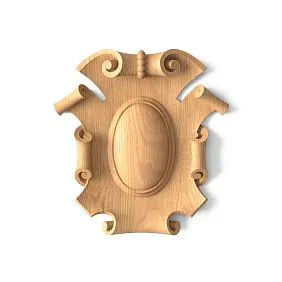
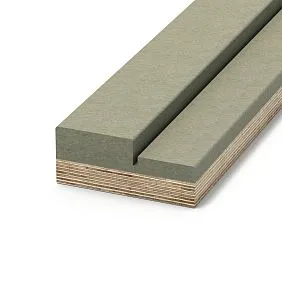
Our factory also produces:



Wood in Different Styles: The Universality of the Material
One of the greatest advantages of wood is its stylistic universality. There is no design direction in which wood would appear inappropriate. Only the method of processing, shapes, species change, but the very presence of wood is organically suited to any context.
Get Consultation
Minimalism with Soul
Scandinavian and Japanese minimalism have always valued wood, but used it sparingly, almost ascetically. In 2025, minimalism becomes warmer, more human. Light species — beech, birch, maple — create calm, airy spaces. But now wood is not just background, but a focal point. A massive wooden beam on a white ceiling. A textured wall of unprocessed planks in a monochrome living room.wooden planks on the wallcreate rhythmic graphics, adding dynamism to a strict interior.
Classic of the New Century
Classic interiors are experiencing a renaissance, but in an updated form. No heaviness or pomp of the Victorian era — modern classicism is light, elegant, with a refined sense of proportion. Here, wood of dark noble species — oak, walnut, mahogany — plays the leading role. Carvedpilastersframe doorways.Wooden cornicescreate architectural divisions on the ceiling. Furniture with elegant wooden legs and carved backs brings back the spirit of aristocratic salons, but without excess.
Ecological Style and Wabi-Sabi
These directions elevate wood to absolute status. Here, the imperfection of the material is valued — knots, cracks, uneven texture. A countertop made from a whole cross-section of a trunk with preserved bark. Shelves from roughly processed planks. Furniture made from logs and branches. This is the apotheosis of authenticity, where every wooden item is unique and tells its own story.Decorative materialsin eco-style, the most natural materials with minimal processing are chosen.
Loft with Warmth
Industrial style traditionally leans toward cold materials — concrete, metal, brick. But in 2025, wood is actively integrated into loft spaces, softening their brutality. Massive wooden beams under the ceiling contrast with metal structures. Floors made of unprocessed planks add warmth to concrete walls. Roughly processed wooden furniture creates a balance between industrial and natural elements.
Modern Eclecticism
Perhaps the most interesting thing happens in eclectic interiors, where designers boldly mix eras, styles, materials. Here, an antique wooden chest stands beside a cutting-edge acrylic chair. A carved wooden frame surrounds a minimalist mirror.Wooden moldingsclassical shapes decorate walls painted in bold modern colors. This play of contrasts creates unique, lively interiors full of character and individuality.
Wood Species: Each with Its Own Soul
Choosing a wood species is not merely a technical decision, but deeply emotional. Each species possesses a unique character, energy, and visual impact.
Oak: Nobility of Centuries
King among trees. Hard, durable, with expressive texture. Oak symbolizes stability, reliability, aristocracy. Light oak creates Scandinavian elegance. Medium — classic durability. Dark, weathered — dramatic luxury.Solid Wood ItemsOaks serve generations, becoming family heirlooms. Furniture, parquet, panels, staircases — everywhere where strength and beauty are needed, oak is indispensable.
Ash: Dynamics and Light
Lighter and more contrasting than oak, with distinctive long grains. Ash creates a sense of movement, energy, and light. It is ideal for modern interiors where lightness is needed without losing structure. Ash takes staining beautifully, allowing for any shade — from natural light to deep brown.
Beech: Warmth and Softness
Beech is the embodiment of coziness. Its pinkish tones create a warm, welcoming atmosphere. Its uniform fine texture makes it ideal for carving — carved pieces feature exquisite detailing. Beech is perfect for children’s rooms, bedrooms, dining rooms — anywhere where a soft, friendly energy is needed.Oak inlaysFeatures intricate detailing. Oak is great for children's rooms, bedrooms, dining rooms — anywhere soft, friendly energy is needed.
Walnut: intellectual elegance
Dark, with a rich palette of brown shades and expressive texture. Walnut is associated with intelligence, sophistication, and creativity. It is ideal for studies, libraries, and music rooms. Walnut furniture looks expensive and exclusive, and carved elements gain special depth thanks to the play of light on its complex texture.
Spruce: Democratic Simplicity
A soft coniferous species, accessible and practical. Spruce, with its resinous aroma, creates the atmosphere of a country house, cottage, or Scandinavian chalet. Light in color, with characteristic knots, it is ideal for eco-style, Provence, and country styles. Spruce stains well, allowing for diverse effects at a low cost.
Forms and Elements: How Wood Enters the Interior
Wood penetrates modern interiors in many ways. It’s not only furniture and floors, but dozens of decorative and functional elements, each contributing to a cohesive composition.
Wall Panels and Planks
Wooden wall panels are experiencing a real boom. These are not Soviet dark panels covering half a wall, but light, graphic, and diverse constructions. Vertical planks visually raise ceilings, create rhythm, and conceal utilities. Horizontal planks expand space and add structure. Diagonal planks create dynamism, directing the gaze.Wooden panelsThey can cover an entire wall or form an accent zone, creating a focal point in the interior.
Panels of the boiserie type — a classic solution returning to fashion. The wall is divided into geometric sections using moldings, creating volume and architectural character. The modern version uses minimalist profiles and non-standard proportions, avoiding museum-like rigidity.
Ceiling Elements
The ceiling — often an overlooked plane in interior design. But wooden elements can transform it into a true work of art. Massive wooden beams create character, especially in rooms with high ceilings. They can be structural or decorative, dark or light, rough or perfectly smooth.
Wooden cornice — a classic element framing the ceiling, visually lowering it or, conversely, emphasizing its height.Wooden corniceIt can be simple and minimalist or richly carved, depending on the interior style.
Coffered ceilings with wooden cells create volume and rhythm, transforming the ceiling into an architectural element. This solution is ideal for spacious rooms with high ceilings, where grandeur and solemnity are needed.
Architectural Details
pilasters and columnsWooden architectural details — not an anachronism, but a current way to add architectural character to interiors. They frame doorways, divide space into zones, and support arches. In classic interiors, carved columns with capitals are used. In modern interiors — minimalist rectangular or round wooden posts.
Arches and Vaults — a trend gaining momentum. Smooth curved forms create softness, coziness, and architectural expressiveness. Wooden arches can be massive, made from solid beams, or light, assembled from thin planks.
Baseboards and moldings — final touches that give the interior a sense of completion.Wooden baseboardHeight of 10–15 cm — European standard, making the room feel more prestigious. Moldings divide walls, create frames, and add relief.
Furniture and Hardware
Solid wood furniture is an investment for decades. It never goes out of style, doesn’t break, and doesn’t lose its appeal. Moreover, over time, wooden furniture develops a patina, becomes more noble and valuable. Tables, chairs, beds, wardrobes, chests — all in wooden form create the foundation of the interior.
But details are equally important.wooden furniture handlesThey transform an ordinary cabinet into an exclusive piece. Carved legs for tables and chairs add elegance. Wooden appliqués on facades create relief and character. It is precisely these small details that form the final impression of the interior.
The staircase and balusters are not just a functional element, but an architectural centerpiece. A wooden staircase creates a sense of solidity, durability, and respectability.
A wooden staircase creates a sense of solidity, durability, and respectability.wooden balustersThese are carved posts supporting the handrails. They can be classic, with vase-like shapes, or modern, geometric. The choice of baluster shape determines the character of the entire staircase.
Steps made of solid oak or ash, carved balusters, heavy wooden handrails — such a staircase becomes a piece of joinery art, which you admire as you ascend and descend.
Color and texture: endless variety
Natural wood is beautiful on its own, but modern processing technologies allow us to unlock its potential on a new level.Color trends for 2026For wooden elements, this includes the widest palette.
Natural Tones
Light wood — Scandinavian classic, never going out of style. Whitewashed oak, light ash, birch create a sense of spaciousness, purity, and light. Ideal for small rooms and northern rooms.
Mid-tones — natural oak, beech, walnut in their natural form. Universal shades suitable for most interiors, creating a balance between warmth and restraint.
Dark wood — veneer, stained oak, mahogany. Luxury, drama, depth. Dark shades visually reduce space but add intimacy and status.
Stained Wood
Toning allows preserving the wood texture while changing the color. Grey wood — the hit of recent years, creating a modern, urban look. Ocher and terracotta shades add warmth and Mediterranean spirit. Greenish tones create an unusual, fresh effect.
Gradient toning — a smooth transition from one shade to another — creates an artistic effect, turning a wooden element into an art object.
Processed texture
Brushing — mechanical removal of soft fibers, which highlights the wood texture. Brushed wood becomes textured, expressive, and pleasant to the touch.
Thermo-treatment changes the wood structure, making it more stable and giving it a noble brown tone without chemical stains.
Patination — artificial aging that creates a vintage look. Light patina adds Provençal charm. Dark — antique luxury.
Ecological and sustainable: wood as a responsible choice
Modern consumers increasingly recognize the ecological consequences of their decisions. And here, wood demonstrates enormous advantages over synthetic materials.
Renewable resource
With proper forest management, wood is an absolutely renewable resource. Responsible manufacturers, such asSTAVROSonly work with certified wood from forests where logging is controlled and compensated by new plantings.
Carbon footprint
Wood absorbs carbon dioxide during growth and retains carbon in its structure. Using wood in interiors is a way to sequester carbon for decades. Unlike plastic, concrete, or metal production, processing wood requires minimal energy consumption.
Biodegradability
At the end of its life cycle, wooden items fully decompose, returning to the natural cycle. Or they can be recycled and reused in other projects. Old beams become countertops, planks — wall decor.
Human health
Wood does not emit toxic substances, unlike many plastics and composite materials. It regulates humidity in rooms, creating a comfortable microclimate. Some species, especially conifers, emit phytoncides — natural disinfectants that improve air quality.
Care for wood: simpler than it seems
Many avoid wood in interiors, considering it a fussy material. In reality, with proper treatment, caring for wooden elements is simple and not burdensome.
Protective coatings
Modern oils, waxes, and varnishes reliably protect wood from moisture, dirt, and mechanical damage. Oil absorbs into the structure, highlighting the texture and creating a matte silk-like finish. Varnish creates a durable film, protecting against scratches and moisture. The choice depends on the type of item and the intensity of use.
Regular Maintenance
Dry cleaning with soft cloth or vacuum cleaner with soft attachment — the basis of care. This removes dust, preventing its accumulation in the texture. Wet cleaning — as needed, with slightly damp cloth without excess water.
Restoration
Wooden items can be restored, returning them to their original appearance or even improving them. Scratches are sanded, wear is filled, and finishes are renewed.Wooden itemsCreated by STAVROS to serve for decades, and easily restorable when needed.
Wood and Technology: Modern Synergy
Apparently, wood is an ancient, traditional material. But modern technologies reveal its potential in new ways, creating amazing possibilities.
Digital production
CNC machines allow cutting complex shapes from wood with millimeter precision. What used to take months of handcrafting by a master carpenter is now accomplished in hours. This does not replace manual labor, but complements it, enabling the creation of unique items more affordably and quickly.
3D Modeling
Before creating a wooden element, designers model it in 3D, checking proportions, fit within the interior, and functionality. The client can see a photorealistic visualization of how a carved column or panel will look in their living room.
Smart Wood
Engineered wood — glued beams, LVL, cross-laminated wood — combines the beauty of natural wood with enhanced stability and strength. These materials do not warp or crack, allowing the creation of large-scale structures without limitations.
Biomimicry
Scientists study the structure of wood at the cellular level to create new materials that mimic its properties. This leads to the development of improved processing methods that fully reveal wood’s natural potential.
Price Range: Wood for Every Budget
Common misconception: wood in interiors is incredibly expensive. In reality, the price range is vast, and solutions are available for any budget.
Budget Segment
Spruce, pine — affordable coniferous species that, with proper treatment, look impressive. Simple forms without intricate carving, minimal processing. Wooden planks on one accent wall, simple baseboards, basic furniture — all of this is accessible even with a limited budget.
Mid-Range Segment
Oak, ash, beech — noble species at reasonable prices. Moderate carving, classic forms, quality processing. Here you can afford wooden panels for walls, cornices, balusters for staircases, quality furniture. This is the optimal balance of price and quality.
Premium
Rare species, complex hand carving, custom design, exclusive furniture. Each element is crafted as a work of art, considering even the smallest client preferences. The result — a unique interior that no one else has.
It is important to understand: wood is an investment. Cheap MDF furniture lasts 5–7 years and ends up in a landfill. Quality wooden furniture serves generations, is passed down as heritage, and becomes antiques that increase in value. Saving on natural wood in the long term results in higher costs.
Geography of the Trend: Wood in Different Cultures
The return of wood to interiors is a global trend, but each culture interprets it differently.
Scandinavia: Light Wood and Minimalism
Northern countries have never abandoned wood. Light ash, birch, pine create spaces filled with light. Minimal decor, maximum functionality. Here, wood is not decoration — it is the foundation of the interior.
Japan: Wabi-sabi and Respect for Material
The Japanese elevated the reverence for wood into a philosophy. Every crack, every knot is valued as a unique detail. Furniture is minimalist but thoughtfully detailed. Wood is processed minimally to preserve its natural essence.
Mediterranean: Warm Tones and Rough Processing
Here, wood combines with stone, terracotta, and textiles. Warm ochre and brown tones create an atmosphere of eternal summer. Furniture is rustic, heavy, with visible signs of time. This is the aesthetics of imperfection, which creates coziness.
Russia: Durability and Carving
Russian tradition of wooden architecture — carving, painting, multi-layered patterns. Modern Russian interiors reinterpret this heritage, using carved elements sparingly as refined accents.Stavros CompanyContinues the traditions of Russian masters, creating carved items of premium quality.
Combining: Wood with Other Materials
Wood is beautiful on its own, but true magic begins when it combines with other materials.
Wood and metal
Classic combination that creates a contrast of warmth and coolness, nature and technology. Wooden countertop on metal legs. Metal handles on wooden furniture. Wooden beams with metal fasteners. This is the foundation of industrial and loft styles.
Wood and stone
Two natural materials that complement each other perfectly. Stone wall and wooden floor. Marble countertop in wooden frame. Stone fireplace with wooden shelf. The combination of stone's roughness and wood's warmth creates a powerful natural effect.
Wood and glass
Contrast of transparency and density, lightness and solidity. Glass countertop on wooden base. Glass doors in wooden frames. Glass shelves on wooden wall. Glass adds airiness, wood adds reliability.
Wood and textile
Softness of fabric softens the structure of wood. Textile cushions on wooden bench. Fabric upholstery on wooden chairs. Curtains framing wooden windows. Textile adds color, comfort, and home coziness.
Wood and concrete
Modern combination that creates brutal elegance. Concrete floor and wooden furniture. Concrete walls with wooden panels. Wooden countertops on concrete kitchen. This is the aesthetics of honest materials, where each plays its role.
Personalization: wood as expression of individuality
Latest trends in interior designEmphasize the importance of personalization. Mass production gives way to unique items that reflect the owner's personality. And wood — is the ideal material for this.
Individual design
Furniture and decor are created for a specific person, their height, habits, aesthetic preferences. Table at the right height. Chair with ideal back support. Shelves precisely for the book collection. This is not just a purchase, but creating items that will become part of life.
Unique carving
Carved elements can include personal symbols, initials, family crests, commemorative dates. Door with carved panel telling family history. Furniture with carving including images significant to the owner. This turns the interior into an autobiography.
History of the material
Some designers use wood with history — old beams from dismantled houses, boards from disassembled barns, wood from sunken ships. Each such item carries history, time, energy of the past.
Future of wood in interior design
What awaits wood in interiors in 5-10 years? The trend for natural materials will only intensify, but new forms, technologies, and approaches will emerge.
Smart wood
Integration of technology into wooden elements. Countertops with wireless charging. Panels with built-in LED lights. Furniture with touch control. Wood will no longer be just decoration, becoming a functional high-tech element.
Biotechnology
Growing furniture and decor. Scientists are already experimenting with directed tree growth, creating shapes directly during growth. In the future, it will be possible to "grow" a chair or table, bypassing the stages of felling and processing.
Wood from waste
Composite materials from wood shavings, chips, bark — by-products of wood processing. Technologies allow creating beautiful and durable items from this "waste," implementing circular economy principles.
Virtual wood
Augmented reality will allow "trying on" wooden elements in the interior before purchase. By pointing a smartphone at a wall, you will see how wooden panels will look. This will simplify selection and reduce errors.
Frequently asked questions about wood in interior design
How to choose wood species for interior?
Choice depends on several factors. For living rooms with moderate load, oak and beech are suitable. For floors, stairs, and frequently used furniture, choose oak — it is harder and more durable. For children's rooms, beech is optimal — it is warm and safe. For offices and libraries, walnut looks prestigious. For budget projects — pine. Also consider aesthetics: light species expand space, dark ones create intimacy.
How to care for wooden interior elements?
Regular dry cleaning with soft cloth removes dust. Avoid excess moisture — wood does not like wet cleaning. Use special wood care products — oils, waxes, polishes — they nourish the wood and renew the protective layer. Protect from direct sunlight, which may fade the finish. Maintain optimal humidity 40-60% — this prevents cracking and deformation. Renew the finish every few years.
Is wood in interior design expensive?
The price range is vast. Simple pine elements are accessible even on a modest budget. Oak and ash belong to the mid-price segment, offering the optimal balance of price and quality. Rare species and intricate carving belong to the premium segment. Remember: wood is an investment for decades. Cheap furniture lasts 5–7 years, while wooden furniture lasts generations. In the long run, wood is more economical.
Can wood be used in the bathroom and kitchen?
Yes, but proper treatment is required. For humid areas, choose stable species — teak, larch, or thermally treated wood. Essential protective coating — oil or lacquer that does not allow moisture to pass through. Good ventilation is crucial to prevent wood from being constantly exposed to humidity. Wooden countertops in the kitchen require regular care but look luxurious and create a unique atmosphere.
How does wood affect health?
Wood positively affects both physical and psychological health. Unlike many synthetic materials, it does not emit toxic substances. It regulates humidity, creating a comfortable microclimate. Coniferous species release phytoncides — natural antiseptics. Visual contact with wood reduces stress, normalizes blood pressure, and improves concentration. Tactile contact — touching wood — activates brain regions responsible for relaxation.
Which interior styles suit wood best?
All of them. Wood is universal. In Scandinavian style, use light wood. In classic style — dark carved wood. In loft — rough-hewn. In eco-style — maximally natural. In minimalism — clean lines. In Provence — patinated. In modern — tinted in unusual colors. There is no style where wood would look out of place — only the method of treatment and forms change.
Is it eco-friendly to use wood?
With responsible sourcing — yes. Choose wood certified by FSC or PEFC, confirming legality and sustainable harvesting. Wood is a renewable resource if forests are managed properly. Producing wooden items requires less energy than plastic or metal. Wood absorbs carbon. At the end of its life, it fully decomposes. It is one of the most eco-friendly materials for interiors.
How to combine different wood species in one interior?
The main rule — unity of tone. Warm tones (reddish, reddish-brown) go well together. Cool tones (grayish, brown with gray undertones) — also. Do not mix warm and cool wood — this creates dissonance. You can combine light and dark wood of the same tone — this creates contrast. Texture should be the unifying element — choose species with visible grain, so they appear as a family of materials.
Can you install wooden elements yourself?
Simple elements — baseboards, moldings, rails — can be installed yourself with basic skills and tools. You need a miter saw for precise angled cuts, a level, and fasteners. Complex elements — panels, cornices, balusters — better to entrust to professionals. Incorrect installation may damage expensive items.STAVROSoffers professional installation services, guaranteeing quality installation.
How do wooden elements affect room acoustics?
Wood is an excellent sound-absorbing material. Wooden panels on walls reduce noise levels, eliminate echoes, and improve acoustics. This is especially important in rooms with high ceilings, where sound can reverberate. The porous structure of wood absorbs sound waves, creating a comfortable acoustic environment. That’s why wooden finishes are traditionally used in concert halls and recording studios.
How to protect wood from insects?
Modern protective compositions effectively prevent insect damage. AllSolid Wood Itemsfrom STAVROS undergo treatment with antiseptics that protect against wood-boring beetles, termites, and mold. Additionally, varnish or oil coating is applied, creating a barrier. In residential spaces with normal humidity, the risk of damage is minimal. It is important to avoid moisture — humidity attracts insects.
Conclusion: the era of wood has only just begun
The return of natural wood to interior design is not a passing trend, but a fundamental shift in understanding what residential space should be. After decades of obsession with synthetics, glass, and concrete, humanity has realized a simple truth: we are part of nature, and surrounding ourselves with natural materials is critically important for our well-being.
Current interior design trendsIn 2025, unanimously point to wood as the material of the future. Paradoxically, the oldest building material turns out to be the most modern. Technologies allow us to unlock wood’s potential in new ways: digital manufacturing creates complex shapes, new processing methods improve properties, biotechnologies open up unprecedented possibilities.
Fashionable design trendshighlight not only the aesthetic but also the ethical value of wood. In the era of climate crisis, choosing renewable, eco-friendly materials is a conscious stance. Wood absorbs carbon, does not pollute the environment, and fully decomposes. It is a material that allows you to live beautifully without harming the planet.
Modern interior styleUsing wood — it is harmony of functionality, beauty, and eco-friendliness. It is spaces that do not merely look good in photos, but are pleasant to live in. Wood creates a special atmosphere — warm, cozy, alive. It does not shout about its presence, but gently works on all levels of perception: visual, tactile, olfactory, even energetic.
Choosing wood for interiors is an investment in the quality of life. Wooden elements do not lose value over time — on the contrary, they acquire patina, become more noble, and pass on to future generations as family heirlooms. This is the opposite of the culture of disposability that dominated the last decade. Wood teaches us to value longevity, quality, and the connection between generations.
STAVROS has been creating handmade wooden items for over twenty years, decorating homes around the world. We do not simply produce decorative elements — we preserve Russian carving traditions, combining them with modern technologies. Eachsolid wood itemmade on our production line carries a part of the craftsman’s soul, love for the material, and respect for the client.
STAVROS offers over 5,900 models of carved items — from classicbalustersandcrown moldingsto original collections of decorative appliqués. We work with noble species — oak, ash, beech — ensuring exceptional quality and longevity. Our production is equipped with modern equipment from leading European manufacturers, but final finishing is always done manually by experienced masters.
STAVROS is not just a supplier of wooden elements. It is a partner in creating your dream interior. We offer a full cycle of services: consultation on selection, individual design, manufacturing from sketches, delivery across Russia, professional installation. Working with us, you get not just products, but a turnkey solution.
New trends in interior design 2026Continuing to develop the theme of natural wood, offering new color solutions, textures, and forms. STAVROS keeps pace with these trends, constantly updating collections, experimenting with toning, and implementing innovative processing methods. We offer not only classic items but also modern solutions — wall planks, modular panels, minimalist forms.
The quality of our products is proven by time and thousands of satisfied customers. More than 2000 partners around the world work with STAVROS products, including leading furniture manufacturers and renowned designers. Our company has been awarded the title 'Leader of the Russian Industry 2020,' confirming recognition by the professional community.
Choosing STAVROS means choosing traditions of quality, innovations in woodworking, individual approach, and impeccable service. Our products will adorn your home for decades, creating an atmosphere of coziness, warmth, and natural harmony. Wooden elements from STAVROS are not just decoration — they are a philosophy of life surrounded by genuine, quality, long-lasting things.
Contact us, and we will help you bring your ideas to life. Let natural wood enter your home, bringing beauty, comfort, and a connection to nature. The future of interior design lies in natural materials. The future lies in wood. And this future is created by STAVROS.