












































































Article Contents:
- Introduction to Furniture Manufacturing Technology
- Modern Realities and Traditions
- Significance of Furniture Manufacturing Technology
- History of Crafts and Development of Traditions
- Traditional Tools and Crafts
- Production process automation
- Advantages of Automation:
- Use of Digital Platforms and ERP Systems
- Key Advantages of ERP Systems:
- Innovative Materials and Eco-Technologies
- Examples of Innovative Materials:
- Stages of Manufacturing Furniture in Classic Style
- 1. Design and Planning
- 2. Material Selection and Raw Material Preparation
- 3. Cutting and Processing Components
- 4. Assembly and Installation
- 5. Finishing and Decorative Treatment
- Automation and digitalization of production
- 1. Use of CNC Machines and Laser Cutting
- 2. Use of ERP Systems
- 3. Digital Design and 3D Modeling
- 4. Robotic Assembly Lines
- Eco-Technologies and Sustainable Development
- Innovations in Classic Furniture Design
- 1. Application of virtual reality
- 2. 3D printing and prototyping
- 3. Integration of functionality
- Digital promotion tools
- 1. SEO and content marketing
- 2. Social networks and SMM
- 3. Email marketing and newsletters
- Offline activities and PR
- Revenue Forecasting and Cost Calculation
- Strategies for increasing profitability
- Building a Team of Professionals
- Effective management and organizational structure
- Company Legal Formalities
- Intellectual Property Protection
- Main risks of the furniture business
- Measures to Minimize Risks
- Experience of market leaders
- Key factors of success for the company STAVROS:
- Practical recommendations
- Current trends and forecasts
- Scaling and development strategies
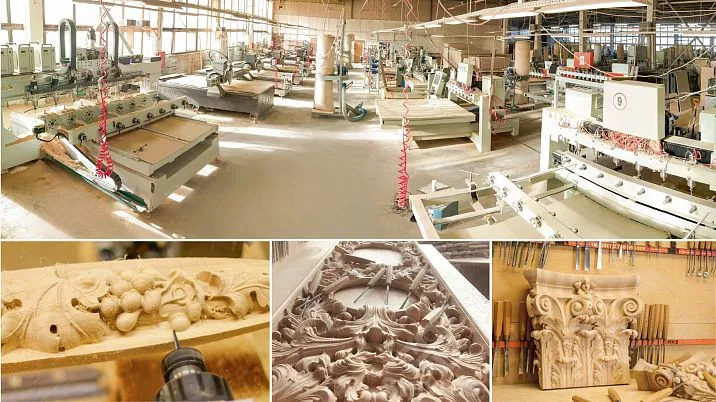
In an era when consumer demands become increasingly refined and technology advances at a rapid pace, furniture manufacturing is undergoing a period of profound transformation. Today, furniture manufacturing technology is not merely a set of production processes; it is an integrated system combining traditional craftsmanship, modern innovations, and creative vision. The question of creating items reflecting the aesthetics of classic furniture becomes especially relevant, as it embodies harmony, stability, and elegance in all interior design spheres.
In this article, based on 50 years of experience in journalism, copywriting, SEO, and design, all aspects of furniture manufacturing technology are covered. Both traditional methods and modern innovative approaches to creating items — including classic furniture, traditional furniture, and furniture in classic style — will be examined. Special attention will be given to examples of successful projects and product promotion methods. Additional information can be obtained by visitingthis section.


Introduction to furniture manufacturing technology




Modern realities and traditions
The modern furniture industry is a symbiosis of traditions and innovations. On one hand, there is deep respect for centuries-old artisanal traditions, where every detail is crafted with love and attention to nuances. On the other hand, modern technologies allow significantly speeding up the production process, improving product quality, and reducing costs.
For many decades, furniture manufacturing technology remained a matter of craftsmanship and experience. Masters, passing down their knowledge from generation to generation, used traditional tools and methods to create unique items distinguished by durability and aesthetic value. However, with the development of industrialization, new technologies emerged, allowing automation of processes and mass production of furniture while maintaining high quality and individuality of the product.
In recent years, there has been a rapid increase in interest in classic-style furniture. Classic furniture, possessing its historical depth and timeless elegance, remains in demand despite changes in fashion trends. Manufacturing such furniture requires not only modern technological solutions but also a deep understanding of aesthetics imbued with tradition. In this context, furniture manufacturing technology acquires particular significance.
Our factory also produces:


Significance of furniture manufacturing technology
Furniture manufacturing technology is a comprehensive process covering all stages of creating a product: from design to final processing and packaging. Each of these stages has its own characteristics and requires special attention, as the quality of these stages directly affects the final appearance, functionality, and durability of the furniture.
Main tasks of furniture manufacturing technology are:
● Ensuring high-quality products while adhering to safety standards.
● Optimizing production processes to reduce manufacturing time and lower costs.
● Implementation of innovations enabling the creation of products with unique functional and aesthetic characteristics.
● Preservation of traditional craftsmanship methods combined with modern technologies to create items reflecting the aesthetics of classic furniture.
Thus, furniture manufacturing technology is the foundation upon which the entire furniture business is built. The efficiency of this technology determines the competitiveness of the enterprise, customer satisfaction, and ultimately, the financial stability of the business.
Get Consultation
Traditional methods in classic furniture production
History of crafts and the formation of traditions
The origins of furniture making date back to deep antiquity. Since the first craftsmen began processing wood to create functional household items, furniture became an inseparable part of human culture and daily life. Traditional furniture-making methods were based on the transmission of experience from master to apprentice, where every detail was imbued with skill and heartfelt warmth.
Classic furniture, crafted strictly in accordance with centuries-old traditions, always distinguished itself not only by refined design, but also by strength, durability, and harmony of forms. These items preserve traces of individuality and creative approach of each craftsman, making each piece unique.
Traditional tools and crafts
The production of classic furniture has traditionally been associated with manual labor, where craftsmen used tools such as chisels, planes, hammers, and saws. Each operation was performed with utmost care, and every structural element underwent meticulous processing and polishing. It was precisely this approach that ensured high aesthetic value and longevity of the items.
● Wood carving. The art of carving became an important component of classic furniture. Craftsmen created delicate patterns that gave the items a distinctive charm and individuality.
● Patination and finishing. The finishing technology included the use of natural oils, waxes, and varnishes, which allowed preserving the natural beauty of wood and imparting an elegant sheen to the item.
● Hand assembly. Traditional furniture was often assembled by hand, ensuring maximum precision and strength of joints. This approach required a high level of craftsmanship but guaranteed the uniqueness of each item.
These methods are still valued by admirers of classic furniture, despite the introduction of modern technologies. After all, it is precisely these methods that impart the timeless aesthetics that are so highly prized in interiors designed in the classic style.
Modern technologies in furniture production
Automation of production processes
With the development of digital technologies, furniture production undergoes significant changes. The introduction of automated lines, robotic systems, and modern CNC machines allows significantly speeding up the manufacturing process, improving processing accuracy, and reducing production costs.
Advantages of automation:
● Speed and precision. Automated lines enable performing complex operations with high speed and accuracy, reducing the likelihood of errors.
● Cost reduction. Process optimization leads to reduced production time, which, in turn, allows lowering the cost of items.
● Quality improvement. Continuous monitoring of production processes ensures consistent product quality, which is especially important for classic-style furniture.
Modern technologies also allow integrating digital tools such as CAD/CAM systems, which enable the development of precise 3D models of items and allow conducting virtual design testing before mass production begins.
Use of digital platforms and ERP systems
Information technologies have become an indispensable part of modern furniture production. ERP systems (Enterprise Resource Planning) allow integrating all stages of the production process, from raw material procurement to delivery of finished products.
Key advantages of ERP systems:
● Resource control. ERP systems allow tracking all inventory, planning purchases, and optimizing logistics.
● Production management. Integration of all production stages enables prompt response to changes in demand and allows minimizing costs.
● Analytics and forecasting. Modern systems allow conducting detailed analysis of production metrics, forecasting demand, and adjusting the company's development strategy.
The use of digital platforms contributes not only to optimizing production but also to improving communication among employees, which is a key factor in successfully managing furniture production.
Innovative materials and eco-technologies
One of the most important trends in modern furniture production is the shift toward using innovative materials and eco-friendly technologies. Today, manufacturers increasingly abandon traditional materials in favor of modern composites, which possess high strength, durability, and aesthetic appeal.
Examples of innovative materials:
● New generation composites and plastics. These materials have high resistance to mechanical damage, are not susceptible to moisture, and possess unique decorative properties.
● Nanomaterials. The use of nanotechnology allows creating coatings resistant to scratches, ultraviolet radiation, and chemical substances.
● Eco-friendly wood. The use of wood sourced from sustainably managed forests is becoming increasingly popular, especially in the classic furniture segment.
The introduction of such materials not only enhances the quality and durability of products but also contributes to building a positive corporate image oriented toward ecological sustainability. This is especially important for products belonging to the categoryclassic furniture, where aesthetics and ecological responsibility play a key role.
Manufacturing process of classic furniture
Stages of manufacturing furniture in classic style
Manufacturing classic furniture is a complex multi-stage process combining traditional craftsmanship methods with modern technologies. The process can be divided into several key stages:
1. Design and planning
Design is the first and one of the most important stages, laying the foundation for the future product. At this stage, the following are considered:
● Aesthetics and functionality. Designers develop a concept based on traditional motifs and modern trends to createClassic Furniturewhich will harmoniously fit into the interior.
● Technical parameters. At this stage, the dimensions, proportions, and structural features of the product are defined, ensuring its strength and functionality.
● Use of digital technologies. Applying CAD systems and 3D modeling allows visualizing the design, making adjustments in early stages, and creating precise drawings for production.
2. Selection of materials and preparation of raw materials
The next stage is material selection, which determines the quality and durability of the product:
● Wood. For classic furniture, preference is given to natural wood, possessing excellent decorative properties and durability.
● Metal elements. Use of forged or cast parts to create decorative and functional elements.
● Fabrics and upholstery. Selection of natural fabrics for upholstery, matching the style and aesthetics of classic furniture.
● Lacquers, oils, and waxes. Applied for finishing and protecting the surface, imparting an elegant sheen and longevity to the product.
3. Cutting and processing of parts
At this stage, the raw material undergoes initial processing:
● Cutting to size. Using modern laser and CNC machines, ensuring precision and neatness of the cut.
● Forming parts. Processing edges, sanding, and shaping parts to prepare them for assembly.
● Wood carving. Traditional carving methods are used to create decorative elements that give the product a classic appearance.
4. Assembly and mounting
Assembly of products is the stage where all prepared elements are combined into a single product:
● Hand assembly. Masters assemble products by hand using traditional methods, ensuring high precision and individuality of each part.
● Fasteners and connections. Special adhesives, screws, and other fastening elements are used to ensure structural strength.
Quality control at every stage. Each assembled part undergoes inspection to ensure compliance with standards and technical requirements.
5. Finishing and decorative treatment
The final stage of furniture manufacturing includes decorative finishing:
● Sanding and polishing. The furniture surface is carefully processed to achieve smoothness and gloss.
● Lacquer and oil coating. Application of protective layers that highlight the wood texture and provide protection against external influences.
● Decorative elements. Carving, inlay, and painting are used to create a unique style and artistic value of the item.
This multi-stage process allows creatingclassic furniturewhich is distinguished by high quality, durability, and timeless aesthetics.
Integration of modern technologies into furniture manufacturing
Automation and digitalization of production
Modern technologies allow significantly improving traditional furniture manufacturing methods. Automation of processes reduces production time, increases processing accuracy, and lowers costs. In this context, the following solutions play a key role:
1. Use of CNC machines and laser cutting
CNC machines allow performing operations with high precision and repeatability, which is especially important in mass production of items requiring strict adherence to dimensions and proportions. Laser cutting ensures neatness and minimal material waste, contributing to more efficient raw material usage.
2. Use of ERP systems
Implementing ERP systems (Enterprise Resource Planning) allows integrating all stages of the production process — from raw material procurement to delivery of finished products. This ensures transparency, timely management, and efficient resource allocation, positively impacting the company's overall productivity.
3. Digital design and 3D modeling
Using CAD/CAM systems and 3D modeling allows creating accurate digital models of products, conducting virtual tests, and adjusting the design before production begins. These technologies are especially useful for creatingclassic furniturewhere precision and adherence to aesthetic standards are crucial.
4. Robotic assembly lines
Automation of assembly processes allows speeding up production, reducing the likelihood of errors, and ensuring high-quality final products. Robotic systems enable performing routine operations at high speed, freeing up craftsmen to work on unique and complex decorative elements.
Environmental responsibility in furniture manufacturing
Eco-technologies and sustainable development
Modern consumers are increasingly paying attention to the ecological aspect of products. Under conditions of global changes and growing demand for eco-friendly solutions, companies are forced to integrate eco-technologies into their production processes. This includes:
● Use of renewable materials. Applying wood from sustainable forestry and recycled materials helps reduce negative impact on the environment.
● Energy-efficient technologies. Modern equipment and optimized production processes allow reducing energy consumption and lowering emissions of harmful substances.
● Waste recycling systems. Implementing technologies for recycling and reusing waste helps not only reduce costs but also create a positive company image oriented toward sustainable development.
These measures become especially important for manufacturers aiming to createclassic furniture with high aesthetic value and minimal environmental impact.
Influence of technologies on furniture design and functionality
Innovations in classical furniture design
Modern technologies not only optimize production, but also open up new possibilities for design. Thanks to digital tools, designers can experiment with forms, textures, and colors, creating unique items that correspond to traditionsClassic Furniturebut at the same time possess modern functional characteristics.
1. Application of Virtual Reality
Virtual and augmented reality technologies allow customers to visualize the future interior and "try on" furniture before its manufacture. This enables design adjustments, taking into account the actual room dimensions and client preferences, which is especially important when ordering exclusiveclassic furniture.
2. 3D Printing and Prototyping
Using 3D printing allows creating prototypes of unique design elements, significantly accelerating the development process and enabling experimentation with new forms without significant production costs. This technology becomes especially in demand when creating limited editions of exclusive furniture, where every detail matters.
3. Integration of Functionality
Modern designers strive not only for aesthetics but also for the functionality of products. Innovative elements, such as hidden storage systems, transformable structures, and smart technologies allowing control of lighting or temperature inside furniture, are incorporated into classic furniture. These solutions increase the value of the product and meet the growing needs of modern consumers.
Promotion and Marketing in the Furniture Business
Digital Promotion Tools
In the modern world, digital marketing plays a key role in promoting the furniture business. Effective use of digital tools not only helps gain audience trust but also significantly increases sales.
1. SEO and Content Marketing
Proper SEO optimization of the website and creation of high-quality content are the cornerstone of successful promotion. Using key phrases such as "furniture manufacturing technology", "classic furniture", "classic furniture", and "furniture in classic style" helps the site achieve high positions in search engines. For example, materials fromthis sectionwhere classic style products are presented.
Content marketing includes publishing articles, blogs, case studies, and videos, which allows forming an expert image of the company and gaining audience trust.
2. Social Networks and SMM
Active use of social networks such as Instagram, Facebook, Pinterest, and TikTok allows demonstrating production processes, sharing new collections, and interacting with customers. Regular posts, live streams, interactive campaigns, and contests help create a strong community around the brand and increase customer loyalty.
3. Email Marketing and Newsletters
Email marketing remains an effective way to maintain contact with the audience. Regular newsletters with news, promotions, useful tips, and analytical materials not only inform subscribers but also stimulate repeat purchases.
Offline Activities and PR
Traditional promotion methods are equally important:
● Participation in exhibitions and conferences. These events allow direct interaction with potential clients and partners, demonstrate unique solutions, and strengthen the brand's position.
● Conducting presentations and masterclasses. Such events help demonstrate the furniture manufacturing process, explain technologies, and showcase exclusive design solutions, which contributes to building trust in the brand.
● Publishing advertising materials in specialized publications. This allows reaching the target audience interested in classic furniture and classic furniture, and conveying the value of the offered products to them.
Financial planning and resource management
Revenue forecasting and cost calculation
Effective financial planning is a key element of successful business. In the furniture manufacturing business, the following aspects are important:
● Market analysis and sales forecasting. Assessing demand, seasonal fluctuations, and analyzing competitors allows creating a realistic revenue forecast.
● Calculating variable and fixed costs. Careful analysis of expenses for raw materials, energy, rent, labor, and marketing helps determine the break-even point.
● Developing a budget and investment plan. It is important to plan which funds will be allocated for production modernization, marketing activity development, and expanding the product range.
● Monitoring financial flows. Using ERP systems to track all financial operations allows promptly responding to changes and adjusting the budget.
Strategies for increasing profitability
To increase the profitability of the furniture business, it is necessary to constantly optimize costs and seek new sources of income:
● Optimization of production processes. Implementing modern technologies allows reducing time and material costs.
● Expanding the product range. Offering exclusive and customized items allows increasing the value of finished products.
● Strengthening marketing activities. Proper brand promotion contributes to sales growth and increased profitability.
● Reducing operational expenses. Rational management of inventory and logistics allows minimizing storage and transportation costs.
Organizational structure and personnel management
Team of professionals
The key to the success of any enterprise is a qualified and motivated team. For a furniture manufacturing business, it is important:
● Hire highly qualified specialists with experience in production, design, engineering, and marketing.
● Conduct regular training and professional development. Training, seminars, and workshops contribute to developing professional skills and implementing innovative work methods.
● Create a motivation system. Introducing bonuses, rewards, and career advancement programs contributes to increasing employee productivity and loyalty.
● Foster a positive corporate culture. Openness, responsibility, and support for creative initiatives are the guarantee of stable growth and innovative development of the enterprise.
Effective management and organizational structure
The organizational structure should ensure:
● Clear distribution of responsibilities among departments.
● Efficient communication system and timely decision-making.
● Use of modern information systems for monitoring task completion and analyzing work efficiency.
● Continuous improvement of business processes to increase productivity and work quality.
Legal aspects and regulatory compliance
Legal structuring of the enterprise
To successfully run a business, it is necessary to ensure full legal formalization:
● Register the enterprise and choose the organizational and legal form.
● Obtaining licenses and quality certificates. Compliance with safety, labor protection, and environmental standards is mandatory.
● Formalizing contracts with suppliers, clients, and partners to ensure legal protection of the business.
Intellectual Property Protection
Protection of unique technological solutions and design developments is an important aspect:
● Patenting new technologies. This allows maintaining a competitive advantage and protecting innovative developments.
● Registration of trademarks and logos. Protecting the brand helps prevent unauthorized copying.
● Obtaining copyright. This ensures legal protection of original designs and unique solutions.
Effective legal protection is the foundation for sustainable business development and minimizing risks associated with legal disputes.
Risks and Methods of Their Minimization
Main risks of the furniture business
Any business faces risks, and furniture production is no exception. Main risks include:
● Raw material risks. Price fluctuations, supply disruptions, and low-quality materials may negatively affect product cost.
● Technological risks. Equipment breakdowns, failures in automated processes, and outdated technologies require constant updates and monitoring.
● Competitive risks. Increase in the number of competitors, aggressive pricing policies, and changes in consumer preferences may reduce market share.
● Economic and political risks. Currency fluctuations, changes in legislation, and global economic crises may significantly impact the financial stability of the business.
Risk mitigation measures
To successfully run a business, it is important to develop a comprehensive set of measures:
● Diversification of suppliers and raw material bases. This reduces dependence on a single source and minimizes supply disruptions.
● Regular equipment updates. Technical maintenance and modernization of the production base reduce the likelihood of failures and increase efficiency.
● Insurance of material and financial risks. Using insurance policies helps protect the business from unexpected losses.
● Flexible financial planning. Continuous budget monitoring and timely response to changes in market conditions help maintain stability.
● Continuous market analysis. Prompt identification of trends and adjustment of strategies facilitate rapid adaptation to changes.
Effective risk management is the key to sustainable business development under conditions of high competition and economic uncertainty.
Successful case studies and practical recommendations
Experience of market leaders
Examples of successful companies in the furniture business demonstrate that a thoughtful combination of traditional methods with modern technologies allows achieving outstanding results. One prominent example is the companySTAVROS, which successfully integrated innovative technologies into the production process of classic furniture while maintaining the highest quality standards.
Key factors of success for the company STAVROS:
● Innovative approach. Continuous introduction of new technologies, process automation, and use of ERP systems.
● High-quality raw materials. Procurement of certified materials and strict quality control at all production stages.
● Effective promotion. Active use of digital marketing, SEO optimization, and participation in international trade shows.
● Environmental responsibility. Use of eco-friendly materials and energy-efficient technologies.
● Strong brand and individuality. Unique design and emphasis on classic aesthetics, which attract discerning customers.
These factors enabledSTAVROS to win consumer trust and secure leading positions in the market for furniture hardware and classic furniture.
Practical recommendations
Based on the experience of successful companies, the following recommendations can be identified for those aiming to develop a business in the furniture sector:
● Invest in modern technologies. Automation, digitization, and adoption of innovative materials will help reduce costs and improve product quality.
● Focus on quality and uniqueness. Developing unique design solutions and strict adherence to quality standards create a solid foundation for long-term success.
● Actively promote the brand. Using modern digital marketing methods, social media, and offline events helps gain trust and increase sales.
● Continuously analyze the market. Regular monitoring of trends and adapting strategy according to changes enables rapid response to new challenges.
● Create an effective organizational structure. Building a strong team of professionals and efficient resource management contribute to stable business growth.
● Protect intellectual property. Patenting innovative solutions and registering trademarks help maintain competitive advantages.
These recommendations are important guidelines for those who wish to build a successful enterprise in the furniture business and achieve high financial results.
Prospects for the development of the furniture business in Russia
Current trends and forecasts
The Russian furniture market, including the furniture hardware segment, continues to develop, responding to global challenges and domestic needs:
● Growing demand for eco-friendly and sustainable solutions. Consumers increasingly favor products made with natural materials and energy-efficient technologies.
● Active adoption of digital technologies. The Internet of Things, artificial intelligence, and 3D modeling have become an integral part of production, enabling process optimization and improved product quality.
● Increased demand for customized solutions. Personalization and customization of furniture allow creating unique items fully aligned with the client’s requirements.
● Global expansion. Russian manufacturers aim to enter international markets, leveraging franchising models and strategic partnerships.
These trends indicate that the furniture business in Russia has enormous growth potential, and the proper application of modern technologies and strategies will enable capturing new market segments and strengthening positions on the international stage.
Scaling and Development Strategies
To achieve success in a highly competitive environment, it is essential to develop scaling strategies that include:
● Expanding production capacities. Investments in equipment modernization and process automation contribute to increased production volumes.
● Diversifying product assortment. Offering a wide range of products, from mass-market to exclusive segments, allows meeting the needs of various consumer groups.
● Entering new markets. Creating partner networks, participating in international exhibitions, and utilizing franchising models contribute to geographic expansion.
● Innovative business models. Implementing furniture subscription and customized production models enables generating new revenue streams and enhancing customer loyalty.
A well-crafted business plan and strategic vision enable successfully scaling the business and increasing the company’s profitability.
Conclusion
Furniture manufacturing technology is an area where traditional craftsmanship meets modern innovations, and classic furniture in classic styles remains a symbol of elegance and durability. The furniture hardware business and promoting the furniture industry in Russia require entrepreneurs to conduct deep analysis, proper planning, and continuous adoption of new technologies.
The Russian market, especially in major cities like Moscow, holds enormous growth potential. Success in the furniture business depends on a company’s ability to adapt to changes, invest in technology, build a strong brand, and effectively manage resources. The example of the company demonstrates that combining tradition with innovation enables creating products meeting the highest quality standards, gaining consumer trust, and successfully competing on the international market.STAVROS The example of the company demonstrates that combining tradition with innovation enables creating products meeting the highest quality standards, gaining consumer trust, and successfully competing on the international market.
Furniture hardware business is not merely the production of furniture components, but an entire ecosystem where each stage, from design to marketing, plays an indispensable role. A well-crafted business plan, based on detailed market analysis, innovative production technologies, effective promotion, and strict quality control, forms the foundation for creating a successful enterprise.
In conclusion, success in the furniture business is achieved through a comprehensive approach that combines traditional methods with modern technologies. Every detail, every innovation, and every management decision brings the enterprise closer to becoming an industry leader.
For those aiming to promote the furniture business, increase profitability, enter new markets, and gain consumer trust, it is crucial to remember continuous improvement, investment in new technologies, and effective resource management. May this guide serve as a reliable roadmap for entrepreneurs, investors, and specialists seeking success in the Russian furniture business.
For additional information, up-to-date news, and practical recommendations on all aspects of furniture manufacturing technology, as well as promoting and developing the furniture business, visit the websiteFurniture business.
Final Recommendations
- Invest in innovative technologies.
Implementing modern ERP systems, CNC machines, digital design, and automated production lines allows optimizing furniture manufacturing technology &


