Article Contents:
- Revolution in furniture design through digital libraries
- Transformation of production processes
- Intelligent nature of modern libraries
- Anatomy of a professional furniture library
- Structural organization of the digital catalog
- Categories of elements and their purpose
- Technical aspects of loading and installation
- Procedure for obtaining the library
- Performance optimization of the system
- Specialized Collections for Different Fields
- Classic furniture and historical styles
- Modern directions and innovative solutions
- Ethnic and regional collections
- Integration with Production Systems
- Integration with equipment and technological processes
- Quality control and compliance with standards
- Economic advantages of using libraries
- Reduction of Design Time
- Improving project quality
- Specific requirements of different production types
- Adaptation to technological capabilities
- Compliance with regional characteristics
- Training and User Support
- Educational Resources
- Technical support and consultations
- Trends and future possibilities
- Integration with New Technologies
- Development of materials and technologies
- Practical Recommendations for Work
- Work Process Organization
- Avoiding Common Mistakes
- Global trends and prospects
- Ecological Aspects
- Personalization and customization
- Frequently Asked Questions
- How to choose the right element library?
- Can You Create Your Own Elements for the Library?
- How to ensure compatibility of elements from different manufacturers?
- Does the size of the library affect system performance?
- How often are libraries updated?
- Can libraries be used offline?
- How Are Libraries Protected from Unauthorized Use?

Every furniture designer dreams of the moment when a creative idea becomes reality with just one click of the mouse.Download the library for Basis-MebelshchikThis is not just a technical procedure, but opening a door to a world of limitless professional design possibilities. Imagine a magical chest filled with thousands of ready-made solutions, where each element knows its exact place in the future product.
In the modern world of furniture production, speed and accuracy of design determine the success of a company. The times of manual drafting and multi-hour calculations are in the past. Today, professional element libraries allow creating the most complex cabinet furniture projects in a matter of hours, while ensuring the highest accuracy and compliance with manufacturing standards.
What does a modern library for the Basis-Mebelshchik system represent? It is an entire universe of digital models, where each component—from the simplest screw to the most complex transformation mechanism—possesses intelligence and memory. Each model remembers its dimensions, material, mounting methods, and compatibility with other elements.


Revolution in furniture design through digital libraries




Transformation of production processes
The furniture industry is experiencing an era of radical changes. What once required weeks of meticulous work by designers is now accomplished in a matter of hours thanks to modern digital tools.Download the library for Basis-MebelshchikIt means gaining access to the accumulated experience of thousands of specialists, embodied in ready-made digital solutions.
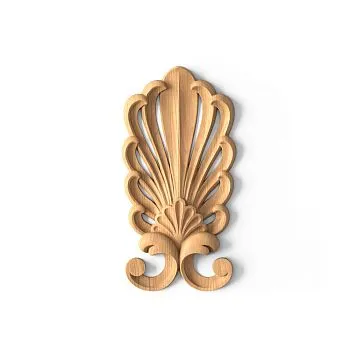
The Basis-Mebelshchik system has become a recognized leader in the field of automated cabinet furniture design. Its libraries contain accurate models of real products from leading manufacturers of hardware, materials, and components.Solid Wood ItemsNatural wood components receive special attention in the system, since working with natural wood requires consideration of numerous specific features.
Each element in the library has undergone careful verification and optimization for maximum system performance. This means that the designer can be confident in the correctness and reliability of the components used, which is critically important for production applications.
Our factory also produces:


Intelligent nature of modern libraries
Modern libraries for Basis-Mebelshchik are not just catalogs of static images. Each element possesses its own 'intelligence,' allowing it to interact with other components of the project.Decorative InsertsThey automatically adapt to panel sizes, hinges check compatibility with door thickness, guides calculate required clearances.
The parametric nature of elements opens up limitless customization possibilities. One basic element can generate hundreds of variations, tailored to specific project requirements. This is especially important when working with non-standard sizes or special technical requirements.
Links between elements ensure project integrity. When one component is changed, the system automatically updates all related elements, eliminating errors and inconsistencies.
Get Consultation
Anatomy of a professional furniture library
Structural organization of the digital catalog
Effective work with extensive libraries requires a well-thought-out organizational system.moldings, cornices, skirting boardsThey are grouped by functional purpose, stylistic features, and materials used.
Hierarchical catalog structure allows quickly finding needed elements among thousands of available options. A system of tags and keywords ensures multiple ways to search and filter content.
Multi-level element detail allows using simplified models for general planning and detailed models for precise design of joints and connections. This optimizes system performance and user convenience.
Categories of elements and their purpose
Basis-Mebelshchik libraries cover all aspects of furniture production.Furniture legsThey are presented in a vast variety of styles, sizes, and materials—from classic turned legs made of solid wood to modern metal supports with height adjustment.
Structural elements include panels of various materials and thicknesses, battens, profiles, and connecting parts. Each element contains complete information on physical and mechanical properties, ensuring accurate engineering calculations.
Mechanical components include hinges of all types, drawer guides, door closers, dampers, and transformation systems.Facade DecorationIt includes carved elements, appliqués, moldings for creating stylistically complete compositions.
Technological aspects of loading and installation
Library acquisition procedure
The process of loading modern libraries is maximally automated and convenient for the user.Download the library for Basis-Mebelshchikcan be done directly through the program's interface or from the official websites of component manufacturers.
The compatibility check system ensures that loaded elements work correctly with the installed program version. Automatic updates keep libraries current without user intervention.
The installation procedure includes not only copying files but also integrating new elements into the existing directory structure, updating search indexes, and verifying data integrity.
System performance optimization
Working with large libraries requires optimization of system resources. Caching technology ensures fast loading of frequently used elements. A multi-level detail system automatically selects the optimal model for the current display scale.
Compression of geometric data allows significantly reducing file size without losing model quality. This is especially important when working over the internet or with limited disk space.
Parallel loading of elements uses multi-core processors to accelerate library operations. Background indexing updates search indexes without interrupting user work.
Specialized collections for different fields
Classic furniture and historical styles
Creating furniture in classic styles requires precise reproduction of historical canons and proportions.Architectural decorationThe libraries feature elements from various epochs and stylistic directions.
Baroque collections include ornate carved elements with floral motifs, scrolls, and mascarons. Neoclassical elements are characterized by strict proportions and geometric accuracy of forms. Modernist elements embody natural forms in stylized form.
Each historical collection is created based on museum samples and historical sources, ensuring the authenticity and stylistic correctness of the elements.
Modern directions and innovative solutions
Modern furniture requires innovative approaches to construction and materials.Polyurethane ItemsThey open up new possibilities for creating complex decorative elements that are not available when working with traditional materials.
Minimalist design focuses on functionality and clean lines. Libraries of modern elements include hidden mounting systems, integrated mechanisms, and "push-to-open" systems.
High-tech style uses materials and forms that emphasize the technological nature of the products. Metallic structures, glass elements, and LED lighting create the image of furniture of the future.
Ethnic and regional collections
The renewed interest in national traditions is reflected in specialized collections of ethnic elements. Russian carved patterns, Scandinavian motifs, and Asian ornaments allow creating furniture with a clearly expressed cultural identity.
Each ethnic collection is created with the involvement of historians and ethnographers, ensuring the authenticity and cultural correctness of the elements. Modern interpretations of traditional motifs adapt them for contemporary production and aesthetic preferences.
Integration with production systems
Link with equipment and technological processes
Modern libraries contain not only visual but also technical information.Furniture frontsThey include data on processing methods, required tools, and cutting modes for various types of equipment.
CAM modules use library information to automatically generate CNC machine control programs. This significantly reduces production preparation time and eliminates programming errors.
Integration with warehouse management systems allows automatically checking the availability of required materials and components, generating purchase orders, and optimizing logistics processes.
Quality control and compliance with standards
Each library element undergoes multi-level quality checks. Geometric correctness of models is verified by automated algorithms. Compliance with technical standards is confirmed by expert evaluation.
The versioning system tracks changes in library elements, ensuring backward compatibility with previous project versions. This is critically important for companies working on long-term projects.
Certification of elements according to international standards confirms their suitability for use in various countries and regions. This is especially important for export-oriented production.
Economic advantages of using libraries
Reduction of design time
Using ready-made library elements drastically reduces the time required to create projects.Download the library for Basis-MebelshchikThis means gaining access to solutions that would require months of work by a team of specialists.
Automation of routine operations allows designers to focus on the creative aspects of design. Standardized solutions speed up work with mass-produced items, leaving time to refine individual elements.
Parallel work by several specialists on a single project becomes possible due to standardization of the used elements. This is especially important for large projects with tight deadlines.
Project quality improvement
Using tested library elements significantly reduces the likelihood of design errors. Each element has undergone thorough testing and optimization, guaranteeing its correct operation within the project.
Standardizing elements simplifies staff training and reduces dependence on individual specialists' qualifications. New employees quickly master standard solutions and begin working productively.
Standardizing design approaches ensures a consistent style across all company projects. This is especially important for companies operating under their own brand.
Specific requirements of different production facilities
Adaptation to technological capabilities
Each furniture production has its own specificity of equipment and technological processes.Carved decorative itemscan be adapted to the capabilities of specific equipment, ensuring project feasibility.
Modularity of library elements allows creating specialized collections for different types of production. Mass production uses highly optimized elements, while individual workshops use more flexible and customizable ones.
The ability to create custom elements complements standard libraries with unique solutions developed for a specific company. Such elements can become a competitive advantage for the company.
Compliance with regional characteristics
Different markets impose specific requirements on furniture. European standards differ from American or Asian ones. Libraries are adapted to regional characteristics, including local safety regulations and aesthetic preferences.
Climate conditions affect material and construction choices. Elements for humid tropical climates differ from solutions for dry continental regions. Libraries take these features into account in their application recommendations.
Cultural differences are reflected in stylistic preferences. Asian markets prefer certain proportions and color solutions, while European markets prefer others. Localized library versions take these preferences into account.
Training and user support
Educational resources
Effective use of libraries requires appropriate knowledge and skills.Information for designers and architectsIncludes extensive educational materials to help master all system capabilities.
Video tutorials demonstrate practical techniques for working with different types of elements. Step-by-step instructions allow quickly mastering complex operations. Interactive textbooks adapt to the user's skill level.
Webinars and online seminars provide live interaction with experts and the opportunity to get answers to specific questions. Event recordings form an archive of knowledge accessible at any time.
Technical support and consultations
Professional technical support helps resolve complex issues related to library usage. A multi-level support system ensures quick resolution of typical problems and qualified assistance in complex cases.
The knowledge base contains answers to the most common questions, solutions to typical problems, and tips for optimizing work. Searching the knowledge base allows quickly finding the required information.
User forums create a community of professionals where you can get advice from colleagues, share experience, and discuss complex projects. Expert moderation ensures the quality of information.
Trends and future possibilities
Integration with new technologies
The development of augmented and virtual reality technologies opens new opportunities for working with libraries. VR visualization allows "immersing" in projects and evaluating them at real scale.
Artificial intelligence helps in automatically selecting optimal elements for specific tasks. Machine learning analyzes user preferences and offers personalized recommendations.
Cloud technologies ensure access to libraries from any device anywhere in the world. Synchronization between devices allows users to start work on one computer and continue on another.
Development of materials and technologies
The emergence of new materials is reflected in library updates. Composite materials, biopolymers, smart materials with variable properties expand designers' possibilities.
Additive technologies (3D printing) allow creating elements of more complex geometry, inaccessible by traditional manufacturing methods. Libraries are enriched with unique solutions for additive manufacturing.
Nanotechnologies provide materials with new properties: self-cleaning surfaces, antibacterial coatings, color changes depending on conditions. These innovations are reflected in the characteristics of library elements.
Practical recommendations for working
Work Process Organization
Effective library usage requires proper organization. Creating custom collections of frequently used elements speeds up access to required components.Download the library for Basis-MebelshchikThis is the first step toward creating a personalized work environment.
Setting up filters and search queries allows quickly finding elements with required characteristics. Saving frequently used queries saves time during repeated searches.
Regular library updates ensure access to new elements and bug fixes. Automatic notifications inform about available updates.
Avoiding typical errors
Beginners often make characteristic errors when working with libraries. Incorrect selection of detail level may lead to reduced system performance or insufficient design accuracy.
Ignoring element load, size, and operating condition limitations may lead to issues during production or operation of finished products. Careful study of technical specifications eliminates such errors.
Incorrect organization of project file structure complicates searching and managing elements. Adhering to recommended naming and directory structure conventions simplifies work.
Global trends and prospects
Ecological aspects
Growing attention to ecological issues influences the development of furniture libraries. Elements made from recycled materials, biodegradable components, and circular economy solutions are becoming increasingly popular.
Certification according to ecological standards is becoming mandatory for many markets. Libraries include information on the ecological characteristics of elements, helping make informed decisions.
Material usage optimization reduces production waste and ecological impact. Cutting algorithms consider ecological criteria alongside economic factors.
Personalization and Customization
The trend toward product personalization requires new approaches to organizing libraries. Parametric elements allow creating unique variants for each client without significant cost increases.
Interactive configurators allow clients to participate in the design process, selecting elements and parameters according to their preferences. This increases client engagement and satisfaction with the results.
Mass customization becomes a reality thanks to flexible production systems and adaptive element libraries. Each product can be unique while maintaining economic efficiency of production.
Frequently asked questions
How to choose the right element library?
Library selection depends on production specifics, types of furniture manufactured, materials and equipment used. Beginners are recommended to use standard libraries covering the most common tasks. As experience accumulates, one can move to specialized collections.
Can you create custom elements for the library?
Yes, the system provides powerful tools for creating custom elements. You can create elements from scratch or modify existing ones. Custom elements are saved in the user's library and can be shared with other users.
How to ensure compatibility of elements from different manufacturers?
Standardizing data formats and following common modeling rules ensure compatibility of elements from different sources. In case of compatibility issues, converters can be used or technical support can be contacted.
Does library size affect system performance?
Modern algorithms work efficiently even with very large libraries. Caching, indexing, and level-of-detail technologies optimize performance. The system can be configured to work only with specific element categories if needed.
How often are libraries updated?
Update frequency depends on the element manufacturer and the activity of developing new solutions. Standard libraries are updated several times a year, specialized ones — as new products become available. The system can automatically notify users about available updates.
Can libraries be used offline?
Most libraries, after download, operate without an internet connection. An internet connection is required only for downloading updates, checking licenses, or accessing cloud resources.
How are libraries protected against unauthorized use?
License protection restricts library usage according to the license agreement terms. Some elements may be protected by digital signatures or activation systems.
Download the library for Basis-MebelshchikThis is an investment in the future of your furniture production. Modern element libraries fundamentally change design approaches, reduce development time, improve project quality, and open new creative possibilities.
Digital transformation of the furniture industry is inevitable, and those who adopt modern tools earlier will gain significant competitive advantages. Libraries for Basis-Mebelshchik provide all necessary tools for this transformation.
Proper use of library elements requires time for learning and practice, but the investment pays off many times over. Increased labor productivity, reduced error rates, faster time-to-market for new products — all become reality with a professional approach to using digital libraries.
The future of furniture design is linked to further development of intelligent systems, integration with production processes, and product personalization. Modern libraries lay the foundation for this future, providing tools and technologies that will remain relevant for many years.
STAVROS remains a reliable partner for professionals in the furniture industry, providing high-quality physical components to bring digital projects to life. Our products perfectly complement the capabilities of the Basis-Mebelshchik system, ensuring a complete cycle from design to finished product. Choosing STAVROS means choosing quality, reliability, and innovation that help create world-class furniture.