












































































Article Contents:
- Introduction: Furniture as a Reflection of Culture and Style
- Historical Perspective: From Classicism to Modernity
- Evolution of Furniture Design
- Classic Masterpieces
- Modern Trends and Innovations
- Charles and Ray Eames
- Le Corbusier and Mies van der Rohe
- Modern Masters and Designers
- Traditional Processing Methods
- Modern Technologies
- Eco-friendly materials and sustainable production
- Antique Treasures
- Modern Installations and Conceptual Projects
- Furniture That Transforms Space
- Eastern Exoticism and Refinement
- European Classicism and Luxury
- American Modernism and Functionalism
- Technological breakthroughs
- Modern materials
- Eco-friendly solutions
- Globalization and Experience Exchange
- Personalization and customization
- Integration of Smart Home Technologies
Furniture is not just interior items; it is a whole universe of creativity, engineering genius, and aesthetic perfection. Over centuries of development, humanity has created true masterpieces that not only delight the eye but also become symbols of entire eras. In this article, we will immerse ourselves in the world ofmasterpieces of world furniture art, examining the history and evolution of furniture design, learning about outstanding masters and innovative solutions, and discussing how modern technologies and traditional crafts unite to create true masterpieces.


Introduction: Furniture as a Reflection of Culture and Style
Furniture has always been an inseparable part of human life. From the first primitive benches to exquisite antique cabinets—each era has left its mark in the history of furniture art. Today, we see how traditional woodworking, metalworking, and other material processing techniques combine with the latest technologies to create unique items capable of surprising even the most discerning design enthusiasts.
Modern designers do not limit themselves to simple functional solutions. They strive to turn furniture into a work of art infused with soul, knowledge, and experience. This is why the concept ofmasterpieces of world furniture art It goes far beyond utility—it is a synthesis of aesthetics, engineering craftsmanship, and cultural traditions.




Historical Perspective: From Classicism to Modernity
Our factory also produces:


Evolution of Furniture Design
The history of furniture art spans thousands of years. In ancient civilizations such as Egypt, Greece, and Rome, furniture was a symbol of status and power. Functional household items were adorned with carving, inlays, and gilding, emphasizing the grandeur and cultural heritage of the civilization.
Over time, furniture has undergone a long process of transformation. Medieval craftsmen created heavy, bulky pieces, which gradually gave way to the elegant, light forms of the Renaissance. In the modern era, furniture art received a new impetus as artisans began experimenting with forms, lines, and materials, creating unique pieces that reflected the spirit of their time.
Get Consultation
Classic Masterpieces
In the classical era, masters whose works are still considered the epitome of flawless style made significant contributions. Elegant chairs, graceful chests, luxurious cabinets—all these are masterpieces that can be found in museums and private collections around the world. Classic style is characterized by symmetry, refined lines, and the use of natural materials such as wood, leather, and metal. These elements continue to influence modern furniture design.
Modern Trends and Innovations
Modern furniture art is a synthesis of traditions and cutting-edge technologies. In the face of rapid technological progress, designers actively use computer modeling, laser cutting, CNC machines, and innovative materials. The result is furniture that is not only functional but also possesses high aesthetic value. Today, masterpieces of world furniture art can be found both in museums and in modern homes, offices, and public spaces.
Great Names in Furniture Art
Charles and Ray Eames
Among the most renowned figures in world furniture art are Charles and Ray Eames. Their works became symbols of modernism and functionalism. They created a series of iconic pieces that remain relevant to this day. Their creativity combines simplicity of form, functionality, and high-quality craftsmanship, making their works true masterpieces of world furniture art.
Le Corbusier and Mies van der Rohe
These architectural and design titans also made significant contributions to the development of furniture art. Their projects became the starting point for the development of modern furniture, where functionality and aesthetics are harmoniously synthesized. Thanks to such masters, furniture ceased to be merely household items, transforming into elements of architectural space.
Modern Masters and Designers
Today, talented designers are actively working on the global stage, continuing the traditions of great masters while incorporating the latest technologies and experimenting with forms. Their works can be found at international exhibitions, in design studios and boutiques. Each new collection is an attempt to find the ideal balance between the past and the future, between tradition and innovation.
Production Technologies: From Craftsmanship to Modern Methods
Traditional processing methods
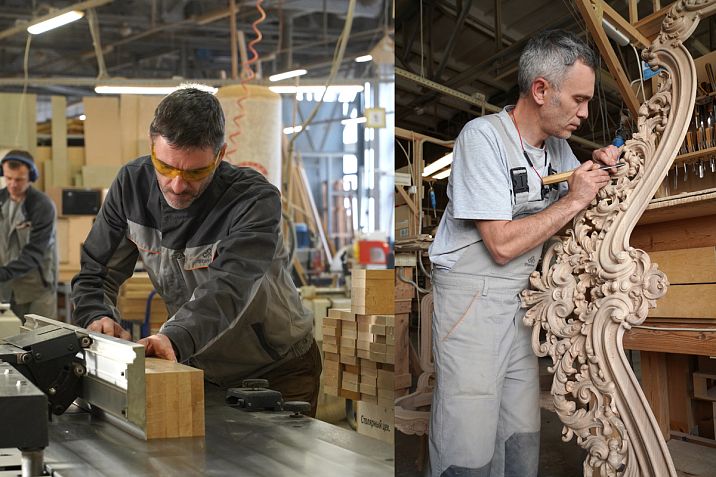
The history of furniture art is rich with artisanal traditions. Handcrafting, wood carving, inlaying—all these techniques created unique pieces in which every detail was the result of meticulous labor. Such works are valued not only for their functionality but also for their artistic merit.
Modern technologies
Modern technologies allow us to create furniture with unprecedented precision and quality. Computer modeling (CAD), laser cutting, and CNC machines enable perfect symmetry and flawless execution. These methods allow us to combine traditional techniques with innovative solutions, opening up boundless creative possibilities.
The application of modern technologies significantly expands the boundaries of furniture art. Thanks to them, we can create both mass-produced models and unique pieces made to individual orders. This allows clients to obtain truemasterpieces of world furniture artmasterpieces, meeting the highest standards of quality and originality.
Eco-friendly materials and sustainable production
In recent years, special attention has been paid to the ecological nature of materials and the sustainability of production processes. Natural wood, recycled materials, eco-friendly varnishes and paints—all of these are used to create furniture that is not only beautiful but also safe for the environment. Modern consumers are increasingly paying attention to the ecological nature of products, and this is becoming an important competitive advantage in the market.
Masterpieces of World Furniture Art: Examples and Analysis
Antique Treasures
Antique furniture are true masterpieces, preserved from past eras. Each such item possesses a unique history and character. Furniture created by masters of previous centuries still inspires modern designers and collectors. Elegant carved chests, refined cabinets, exquisite tables—all these are examples of how furniture art can become an eternal source of inspiration.
Modern Installations and Conceptual Projects
Modern designers often experiment with form, materials, and technologies, creating furniture that resembles sculptures more than conventional interior items. These projects demonstrate that furniture can be not only functional but also conceptual, transforming into true art objects. Such works often become the central element of interior design, setting the tone for the entire space and evoking admiration for their originality.
Furniture That Transforms Space
One of the most striking trends in world furniture art is furniture capable of transforming space. Folding systems, transformable tables and cabinets, multifunctional solutions—all these are examples of how furniture can adapt to user needs and change the functional purpose of a room. These innovative solutions not only save space but also create dynamic and flexible interiors.
Influence of Cultural Traditions on Furniture Art
Eastern Exoticism and Refinement
Eastern traditions have always been distinguished by particular refinement and attention to detail. Furniture in an Asian style is characterized by smooth lines, intricate carving, and the use of natural materials. Such pieces are capable of bringing an atmosphere of harmony and tranquility into an interior, which is especially relevant in the context of today's fast-paced lifestyle.
European Classicism and Luxury
European furniture has always been associated with luxury and high style. Italian masters, French antiquarians, and British designers created works in which every element was carefully considered and executed with the highest quality. These traditions continue to exert a tremendous influence on modern furniture design, where classicism intertwines with contemporary technologies to create unique interiors.
American Modernism and Functionalism
The American approach to furniture, represented by masters such as Charles and Ray Eames, has had a tremendous influence on the development of modern design. Their works are characterized by minimalism, functionality, and innovative solutions, making them masterpieces of world furniture art. These principles are still used to create furniture that meets the demands of modern life and possesses unparalleled ergonomics.
The Role of Innovations in Creating Masterpieces of World Furniture Art
Technological breakthroughs
Modern technologies allow designers to realize the most daring ideas. CNC machines, laser cutting, 3D modeling — all of this opens new horizons for creativity and enables the creation of furniture with perfect precision and high-quality execution. These innovations make possible the production of both mass models and unique pieces made to individual orders.
Modern Materials
New materials such as composites, high-strength plastics, and innovative alloys allow the creation of furniture that combines lightness, durability, and aesthetic appeal. Modern processing technologies not only ensure perfect geometry of the items but also enable the creation of complex decorative elements that transform furniture into true works of art.
Eco-Friendly Solutions
In the context of global ecological problems, consumers increasingly prefer eco-friendly products. The use of natural wood, MDF with wood grain imitation, eco-friendly paints and varnishes has become an indispensable part of modern furniture production. These solutions not only allow the creation of beautiful and long-lasting items but also care for the environment.
The Future of Furniture Art: Forecasts and Expectations
Globalization and Exchange of Experience
Furniture art is becoming increasingly global. Designers from different countries exchange ideas, participate in international exhibitions and competitions, which contributes to the emergence of new trends and stylistic solutions. Such internationalization allows the creation of universal items capable of harmoniously fitting into any interior while retaining their individuality.
Personalization and Customization
The future of furniture art is linked to an individual approach to each project. Technologies allow creating furniture adapted to specific dimensions, functional requirements, and aesthetic preferences of the client. The possibility of individual elements becomes a key trend, enabling each interior owner to obtain a unique piece.order furniture parts or individual elements become a key trend that allows every interior owner to obtain a unique piece.
Integration of "Smart Home" Technologies
Modern technologies continue to penetrate the field of furniture. Automation systems, built-in sensors, smartphone control — all of this is becoming part of modern furniture design. Such integration not only enhances the functionality of items but also makes them more convenient and adaptable to changing living conditions.
Conclusion: Masterpieces of World Furniture Art as a Source of Inspiration
Masterpieces of world furniture art are the result of harmonious combination of traditions and innovations, creativity and technology, functionality and aesthetics. Every item, whether an antique chest, a modern designer table, or a unique piece created to individual order, carries within it history, culture, and the spirit of the time.
Modern manufacturers, using advanced technologies and premium materials, create furniture capable not only of pleasing the eye but also of serving for many years. At the same time, attention to detail, from the smallest decorative elements to overall forms and lines, becomes the guarantee of successful design and functionality of each item.
If you want to stay up to date with the latest trends, be inspired by masterpieces of world furniture art, and create unique interiors, pay attention to innovative solutions from leading manufacturers. Visit the websitestavros.ru and learn more about how modern technologies and traditional craftsmanship come together to create furniture that becomes true works of art.
By investing soul and knowledge into every element, masters of modern furniture art continue to create history, leaving behind works that will inspire future generations. For true art lives in the details, and every detail, every stroke matters.
Thus, furniture art is a continuous movement from traditions to innovations, from classicism to modernity, from mass production to individual orders. It unites centuries of craftsmanship experience, achievements of modern technology, and the unique vision of talented designers. Masterpieces of world furniture art remain eternal examples of beauty, functionality, and elegance, inspiring us to create ideal interiors.
Thus, furniture art is a continuous movement from traditions to innovations, from classicism to modernity, from mass production to individual orders. It combines centuries of craftsmanship experience, achievements of modern technology, and the unique vision of talented designers. Masterpieces of world furniture art remain eternal examples of beauty, functionality, and elegance, inspiring us to create ideal interiors.
Visitstavros.ruto learn more about the latest trends, familiarize yourself with the best examples of furniture art, and take a step toward creating an interior that becomes a true work of art. Invest in quality, choose innovative solutions, and enjoy every moment spent in the company of beauty and comfort created by masters for whom furniture is true art.


