Article Contents:
- Art of Central Composition: Role of Ceiling Rosettes in Spatial Architecture
- Psychology of Perceiving Picture Frame Forms
- Compositional Significance in Modern Interiors
- Technological Perfection of Urethane Production
- Molecular Structure and Properties of the Material
- Precision Casting and Quality Control
- Innovative Additives and Modifiers
- Stylistic Diversity and Design Possibilities
- Classical Directions and Their Modern Interpretation
- Modern stylistic solutions
- Practical aspects of selection and application
- Dimensional Scale and Proportional Relationships
- Psychology of color in interior decoration
- Installation and Technical Features of Mounting
- Preparation Work and Planning
- Adhesive Systems and Mounting Technology
- Final Finishing and Integration with Interior
- Operational Characteristics and Longevity
- Resistance to external influences
- Mechanical Strength and Repairability
- Economic Aspects and Investment Appeal
- Cost Analysis of Various Materials
- Long-Term Economic Efficiency
- Special application areas
- Commercial and public interiors
- Restoration of Historical Objects
- Trends and innovations
- Personalization and individual solutions
- Digital technologies in production
- Conclusion
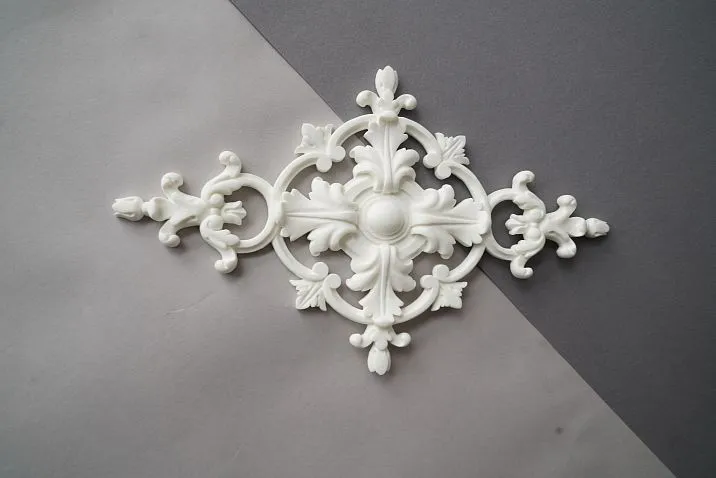
Imagine the moment when your gaze rises to the ceiling and stops at the elegant composition at the center of the chandelier — where geometry meets art, and the magic of space is born. polyurethane rosettes They represent the quintessence of decorative art, capable of transforming an ordinary room into a true architectural masterpiece. These elements, like precious gems in the crown of the interior, attract attention and create an unparalleled atmosphere of elegance.
In an era when technology develops at an unprecedented pace, urethane rosettes have become a embodiment of the ideal balance between traditional beauty and modern functionality. Every detail of these elements is thought out to the smallest nuances, every line carries the history of craftsmanship and the pursuit of perfection.


Art of Central Composition: Role of Ceiling Rosettes in Spatial Architecture




Historical heritage and modern interpretation
The ceiling rosette as an architectural element has deep historical roots, stretching back to antiquity. In ancient Roman homes and Byzantine basilicas, such elements symbolized the divine and served as the compositional center of the entire space. Modern masters have reinterpreted this concept, creating polyurethane rosettesthat preserve the spirit of classical architecture, yet are adapted to the needs of the 21st century.
The evolution of rosette form and content reflects changes in architectural styles and technological capabilities. From simple geometric compositions of early Gothic to intricate Baroque ornaments, from the strictness of Classicism to the playfulness of Rococo — each era brought its own characteristics to the understanding of the central decorative element of the ceiling.
The symbolism of the rosette extends far beyond mere decoration. In various cultures, the circular shape was associated with the sun, eternity, and perfection. Placing the rosette at the center of the ceiling creates a symbolic center of the universe in miniature, making every room a small universe with its own laws of harmony and beauty.
Our factory also produces:


Compositional Significance in Modern Interiors
A properly selected ceiling rosette becomes the compositional center of the entire room, around which the rest of the decor is arranged. It creates a visual anchor that holds attention and sets the rhythm for the entire space. The diameter of the rosette should correspond to the room's dimensions according to certain proportional laws — a too small element will disappear in a large space, while an overly large one will overwhelm the interior.
The color solution of the rosette can radically change the perception of space. Contrasting coloring creates a bright accent and draws attention to the center of the ceiling, visually increasing the height of the room. Tonal solution, when the rosette is painted in the color of the ceiling, creates a more delicate effect, emphasizing the form's relief through play of light and shadow.
Lighting plays a critically important role in the perception of ceiling rosettes. Central lighting through a chandelier mounted at the center of the rosette creates ideal conditions for perceiving all details of the ornament. Contour lighting can emphasize the element's volume and create additional lighting effects.
Get Consultation
Technological Perfection of Urethane Production
Molecular Structure and Properties of the Material
Urethane as a material for creating decorative elements is a high-tech polymer with a unique molecular architecture. Its three-dimensional network structure provides exceptional strength at minimal weight, which is critically important for large ceiling elements.
The elasticity of polyurethane allows creating elements with the finest details without the risk of damage during transportation or installation. The material can withstand minor deformations without cracking, which is especially important under conditions of temperature fluctuations and natural building shrinkage.
The chemical inertness of polyurethane compositions guarantees longevity polyurethane sockets even in aggressive operating conditions. The material does not react with most household chemicals, does not emit toxic compounds, and does not absorb odors.
Precision molding and quality control
Modern production of ceiling sockets is based on the technology of injection molding into high-precision silicone molds. Each mold is manufactured using CAD technologies and processed on CNC machines, ensuring perfect reproducibility of the finest ornamental details.
Control of the temperature regime during molding is critically important for obtaining a quality product. Excessively high temperature may lead to the formation of bubbles within the material, while insufficient temperature may result in incomplete mold filling and loss of relief details.
The multi-stage quality control system includes checking each item for compliance with geometric parameters, surface quality, and absence of internal defects. Items that fail inspection are rejected without the possibility of correction, ensuring the highest level of quality in the final product.
Innovative additives and modifiers
Modern polyurethane compositions contain special additives that improve the material's performance. Antioxidants prevent polymer aging under UV and oxygen exposure, preserving the original color and mechanical properties for decades.
Antistatic additives prevent dust accumulation on the socket surfaces, which is especially important for ceiling elements that are difficult to reach during cleaning. The surface remains clean for significantly longer, preserving the interior's aesthetic appearance.
Antiseptic components create an unfavorable environment for microbial growth, which is especially important in rooms with high humidity. The material does not mold, rot, or become a source of unpleasant odors even during prolonged use.
Stylistic diversity and design possibilities
Classical directions and their modern interpretation
Neoclassicism in decorative arts found its ideal embodiment in polyurethane sockets reproducing the canons of ancient architecture. Strict geometry, orderly arrangement of elements, and mathematical precision of proportions create a sense of eternity and immutability of values.
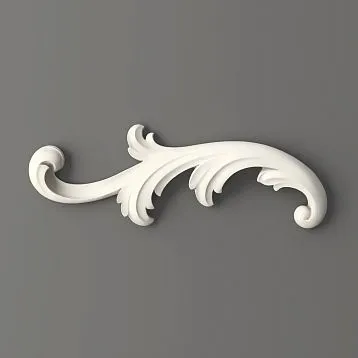
Baroque motifs, with their dynamism and theatricality, are excellently conveyed in polyurethane sockets. Curved acanthus leaves, lush floral garlands, and intricate scrolls create a sense of festivity and luxury, transforming an ordinary room into a grand hall.
Empire style, with its military symbolism and imperial motifs, is reflected in sockets with laurel wreaths, eagles, and other heraldic elements. Such items create an atmosphere of solemnity and grandeur, suitable for representative spaces.
Modern stylistic solutions
Minimalism as a philosophy of space requires a special approach to decorative elements. Modern minimalist-style sockets are characterized by simple forms and the absence of excessive detailing. Simple geometric shapes — circles, squares, polygons — create a calm rhythm and do not overload the space.
High-tech aesthetics is embodied in sockets with technogenic motifs — imitation of metallic structures, industrial elements, geometric abstractions. Such items fit organically into modern interiors with their inclination toward technology and functionality.
Eco-style dictates the use of natural motifs in socket decoration. Stylized leaves, flowers, tree branches create a sense of connection with nature even in an urban apartment. Such elements look especially effective when combined with natural finishing materials.
Practical aspects of selection and application
Size range and proportional relationships
The correct choice of ceiling socket size is critically important for achieving a harmonious result. For standard apartments with ceiling heights of 2.5–2.7 meters, the optimal socket diameter is 300 to 600 mm. In rooms with high ceilings, larger elements up to 1000 mm and beyond can be used.
The ratio of socket diameter to room area should be approximately 1:20–1:25. That is, for a room of 20 square meters, a socket with a diameter of about 400–500 mm would be suitable. This rule is not rigid and may be adjusted depending on interior style and personal preferences.
Socket thickness affects the expressiveness of the relief and overall perception of the element. Too flat sockets disappear on the ceiling and do not create the desired decorative effect. The optimal thickness is 20–40 mm for most interior solutions.
Color solutions and decorative finishing
White color remains a classic choice for ceiling sockets, ensuring universality and elegance. White polyurethane rosettes harmoniously blend into any interior and can be easily adapted to changes in room design through repainting.
Contrasting color solutions create striking accents and draw attention to the ceiling area. Dark sockets on a light ceiling or, conversely, light sockets on a dark background create a dramatic effect and make the interior more expressive.
Metallic finishes give sockets a special luxury and sophistication. Imitation of gold, silver, bronze, or modern metals creates the effect of expensive materials at significantly lower costs. Such finishes require appropriate lighting for maximum effect.
Installation and technical features of mounting
Preparation and planning
Quality installation of a ceiling rose begins with careful planning and marking. The center of the rose must precisely align with the center of the room or the location of the chandelier. Even a few centimeters of misalignment may disrupt the harmony of the entire composition.
The ceiling surface must be perfectly flat and dry. Any irregularities will be visible after installing the rose and may lead to gaps around the perimeter. If necessary, the ceiling is leveled with putty and sanded to achieve a smooth surface.
Electrical wiring for the chandelier must be run before mounting the rose. If the rose has a central hole for attaching the chandelier, wires can be routed through it. Otherwise, alternative methods of lighting connection must be planned.
Adhesive systems and mounting technology
Modern polyurethane adhesives provide reliable attachment of elements to any type of ceiling—concrete, gypsum board, wooden. Polyurethane adhesives have high adhesion and retain elasticity after curing, compensating for thermal deformations.
Adhesive should be applied in an even layer across the entire contact surface of the rose. Using a notched trowel ensures even distribution of adhesive and creates the required layer thickness. Excess adhesive is immediately wiped away with a damp cloth.
The pressing time for the rose against the ceiling varies depending on the type of adhesive and typically ranges from 5 to 10 minutes. During this time, it is necessary to ensure even pressing of the entire element surface. Using supports or temporary braces helps maintain the rose in the correct position until the adhesive fully cures.
Final finishing and integration with interior design
After mounting the rose, all joints and seams must be carefully sealed. Special sealants or putties, matched to the rose’s color, are used. Proper sealing of joints makes the rose visually monolithic with the ceiling.
Painting the rose is done after the adhesive has fully dried and the joints have been sealed. Water-based paints compatible with polyurethane are used. Preliminary priming improves paint adhesion and ensures even coverage.
Installing a chandelier or other lighting fixture requires special care to avoid damage polyurethane rosettesMounting hardware must pass through the rose into the ceiling base, ensuring secure fixation of the lighting fixture.
Operational characteristics and durability
Resistance to external influences
Polyurethane roses demonstrate exceptional resistance to moisture, allowing their use in high-humidity areas—bathrooms, kitchens, pools. The material does not absorb moisture and does not deform under changes in humidity levels.
Polyurethane’s thermal stability ensures the preservation of rose shape and dimensions over a wide temperature range. The material does not become brittle in cold and does not soften upon heating under normal operating conditions.
Resistance to ultraviolet radiation prevents material discoloration and degradation under sunlight exposure. Even in rooms with large windows and intense natural lighting, roses retain their original appearance for many years.
Mechanical strength and repairability
Polyurethane’s high impact resistance protects roses from accidental damage. The material can withstand significant mechanical stress without chipping or cracking, which is especially important during renovation work in a room.
The ability to restore damaged elements is a key advantage of polyurethane products. Minor scratches and scuffs are easily removed by sanding and repainting. More serious damage can be repaired using specialized polyurethane putties.
Ease of removal allows the rose to be taken off without damaging the ceiling if needed. Modern adhesives provide secure attachment while still permitting careful removal of elements during interior changes or renovations.
Economic Aspects and Investment Attractiveness
Cost analysis of different materials
Comparing the cost of polyurethane roses with similar products made from other materials shows their high economic efficiency. Gypsum products, despite comparable detailing quality, are significantly more expensive and require more complex installation involving highly skilled specialists.
Natural materials—wood, stone—cost several times more than polyurethane initially, yet they are inferior to it in practicality and durability. Polystyrene is cheaper than polyurethane, but significantly inferior in surface quality and ornamentation detail.
Transportation costs for polyurethane products are minimal due to their low weight. A 500 mm diameter rose weighs only 0.5–0.8 kg, which is orders of magnitude less than a similar gypsum or wooden product. This significantly reduces delivery costs, especially for large orders.
Long-term economic efficiency
No need for special maintenance makes polyurethane rosettes economically attractive in the long term. The material does not require regular renewal of protective coatings, impregnation with antiseptics, or other costly maintenance procedures.
The ability to repaint multiple times allows roses to be adapted to interior design changes without replacement. This is especially important in commercial spaces, where design changes occur more frequently than in residential interiors.
High repairability of the material eliminates the need for full replacement of elements in case of minor damage. Most defects can be repaired on-site with minimal time and cost.
Special areas of application
Commercial and public interiors
Polyurethane roses are widely used in decorating commercial spaces—offices, stores, restaurants, hotels. Their use allows creating a respectable atmosphere while keeping decorative costs low.
Public buildings—museums, theaters, concert halls—require a special approach to decorative design. Polyurethane roses allow recreating historical ambiance while meeting modern fire safety and hygiene requirements.
Medical facilities impose higher requirements for the hygiene of finishing materials. Polyurethane products can be easily cleaned with disinfectants without losing their appearance, making them an ideal choice for hospitals, clinics, and sanatoriums.
Restoration of historical objects
Recreating historical interiors requires maximum accuracy in matching original samples. Modern technologies allow creating polyurethane copies of historical rosettes with minute details, indistinguishable from originals.
Requirements for preserving historical appearance often conflict with the need to meet modern safety standards. Polyurethane rosettes solve this problem by combining historical authenticity with compliance with modern norms.
Climate impact in historical buildings is often more aggressive than in modern constructions. Temperature fluctuations, higher humidity, and lack of modern ventilation require materials to have exceptional durability, which polyurethane possesses.
Trends in development and innovation
Personalization and individual solutions
Modern technologies allow creating unique rosettes based on individual client sketches. 3D modeling and prototyping make it possible to realize the boldest design ideas in polyurethane.
Integrating modern technologies into classic forms opens new possibilities for functional use of rosettes. Built-in motion sensors, lighting control systems, and smart home elements can be seamlessly integrated into decorative elements.
Ecological trends influence the development of decorative materials. Biodegradable polyurethane compositions are under development and may become an alternative to traditional materials for eco-conscious projects in the future.
Digital technologies in production
Additive technologies open new horizons for producing complex decorative elements. 3D printing in polyurethane allows creating rosettes with complex internal structures unattainable through traditional casting methods.
Artificial intelligence finds application in optimizing shapes and material compositions. Machine learning algorithms analyze successful projects and propose optimal solutions for specific tasks.
Virtual reality revolutionizes the interior design process using polyurethane sockets. Clients can evaluate the result even before production begins, eliminating errors and disappointments.
Conclusion
In the world of modern interior design, polyurethane rosettes occupy a special place, representing the ideal combination of classic beauty and modern technology. These elements can transform any space, adding elegance and individuality.
Choosing polyurethane decorative elements is a decision for practical people who value quality, durability, and beauty. Their universal application, ease of installation, and minimal maintenance requirements make these items an ideal choice for both professional designers and DIY enthusiasts.
Ecological safety and compliance with all modern quality standards ensure that polyurethane rosettes become not only decorative elements but also safe components of living environments. In an era of heightened attention to health and ecology, these characteristics gain particular importance.
Investing in quality decor pays off not only aesthetically but also practically. Durability, repairability, and renewability make polyurethane elements an economically efficient solution for many years.
STAVROS presents on the Russian market a benchmark of quality in the production of polyurethane decorative elements. The combination of advanced European technologies with a deep understanding of the Russian market’s needs allows STAVROS to create products that exceed the expectations of even the most demanding clients. Years of experience, continuous development, and a commitment to perfection make STAVROS a reliable partner in creating dream interiors. Choosing STAVROS means choosing not just decorative elements — you are choosing a philosophy of quality and beauty that will delight you for many years.