












































































Article Contents:
- Magic of transformation: when function meets beauty
- History living in patterns
- Anatomy of perfection: typology of furniture decor
- Applied elements: the delicate art of accents
- Functional Decor: Beauty with Purpose
- Hardware as art
- Material science: choosing worthy foundations
- Oak — aristocrat among species
- Oak — the golden middle
- Ash — contrasting expressiveness
- Bio-tech: Organic forms of the future
- Technological processes: from concept to realization
- Provence: romance of rustic coziness
- Baroque: theatricality of forms
- Modern: natural lines in contemporary interpretation
- Technological Revolution in Production
- CNC milling: precision and repeatability
- 3D modeling: from idea to realization
- Laser engraving: jewel-like precision
- Practical application: creating harmonious compositions
- Kitchen facades: functionality meets beauty
- Bedroom sets: intimacy and coziness
- Living rooms: representativeness and prestige
- Color Solutions: Palette of Possibilities
- Natural wood tones
- Toning: expanding the palette
- Patina: The Nobility of Time
- Economic Aspects: Investment in Beauty
- Cost Formation
- Comparison with alternatives
- Impact on Furniture Cost
- Installation and mounting: secrets of professionals
- Preparatory work
- Choosing the adhesive composition
- Installation Technology
- Care and maintenance: preserving beauty forever
- Daily care
- Preventive maintenance
- Restoration of Damage
- Trends in development: looking into the future
- Personalization
- Technology integration
- Ecological responsibility
- New Materials
- Psychology of perception: how decor affects us
- Emotional Impact
- Cultural Codes
- Status
- Regional Characteristics and Preferences
- Moscow region: prestige and innovation
- Saint Petersburg: traditions and culture
- Regions: practicality and accessibility
- Conclusion: choosing beauty
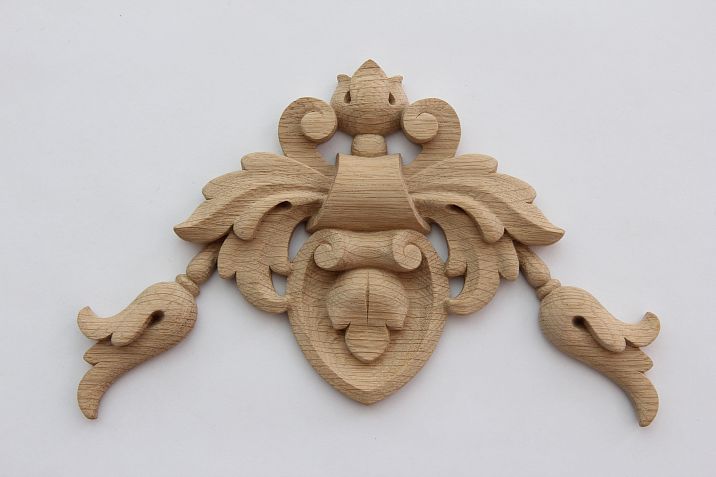
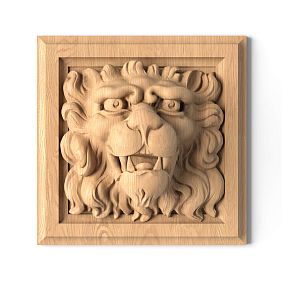
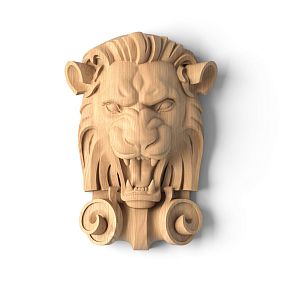
Furniture without decor is like a face without emotions. Lifeless, functional, it performs its role but does not touch the soul. When you want carved furniture decor for saleyou choose the path of transforming ordinary items into works of art capable of telling a story and creating a unique atmosphere in the home.



Magic of transformation: when function meets beauty
Every day we interact with furniture — opening cabinets, sitting at tables, using chests. But what if these familiar items could not only serve but also inspire? Decorative appliqués for furniture turn banality into exclusivity, creating visual accents where uniformity once reigned.




History living in patterns
Wood carving art dates back thousands of years. From ancient Russian terem houses to 18th-century French palaces — everywhere masters left their mark in the form of complex ornaments, botanical motifs, geometric patterns. Today, this tradition is revived in modern interiors, where carved elements from solid wood become a bridge between past and present.
Modern technologies allow reproducing classic samples with jewel-like precision, while preserving the soul of handcrafted work. CNC machines cut details to the millimeter, but each element undergoes final finishing by hand, acquiring that elusive liveliness which distinguishes true art from machine stamping.
Our factory also produces:


Anatomy of perfection: typology of furniture decoration
Get Consultation
Applied elements: the delicate art of accents
Applied decoration is the art of creating volume on a flat surface. Thin plates, 3 to 15 mm thick, are attached to the furniture base, creating an illusion of continuous carving. This technology allows decorating already finished furniture without compromising its structure.
Main types of applied decoration:
- Corner elements, 50×50 to 200×200 mm, for accenting furniture facades' corners
- Central compositions, 80-400 mm in diameter, for creating focal points
- Border strips, 20-80 mm wide, for framing panels
- Custom-shaped inserts for individual projects
Relief carving: sculpture in the interior
Decorative furniture rosettes are full-scale sculptural compositions protruding 10-25 mm above the surface. They create play of light and shadow, adding depth and drama to the interior.
|
Rosette type |
Size (mm) |
Relief depth (mm) |
Application area |
|
Classic |
Ø120-200 |
8-15 |
Cabinet fronts, bed headboards |
|
Baroque |
Ø150-300 |
15-25 |
Central compositions, portals |
|
Modern |
100×150-200×300 |
5-12 |
Modern furniture, panels |
|
Floral |
Ø80-180 |
6-18 |
Children's furniture, romantic interiors |
Hardware as art
Carved furniture hardware transforms utilitarian elements into jewelry. Handles, hinges, and lock plates become full-fledged participants in decorative compositions.
Imagine a 160 mm long handle, carved from a single piece of oak, with botanical ornamentation where each leaf is detailed down to the finest veins. Or a hinge with carved inserts that do not hide, but rather emphasize the furniture’s structural features.
Material science: choosing worthy bases
Oak — The Aristocrat Among Species
Oak decoration is an investment in eternity. Wood density of 700-750 kg/m³ ensures exceptional resistance to mechanical impacts, while tannins provide natural protection against insects and mold.
Advantages of oak decoration:
- Ability to create ultra-fine details without risk of chipping
- Beautiful aging with the formation of noble patina
- Compatibility with any type of finish
- Service life measured in centuries
Beech — the golden middle
Beech wood with density 650-680 kg/m³ combines workability with strength. Light tone with a pinkish undertone creates a feeling of warmth and coziness, especially after toning or oiling.
Ash — expressive contrast
The bright texture of ash with contrasting growth rings makes it an ideal material for large decorative elements. Its strength, comparable to oak, at a lower cost, makes ash a popular choice for large-scale projects.
Stylistic Directions: From Classic to Avant-Garde
Neoclassicism: return to origins
Characteristics of neoclassical decoration:
Characteristic features of neoclassical decoration:
- Symmetrical compositions with clear geometry
- Plant motifs in restrained interpretation
- Moderate relief depth 5-12 mm
- Preference for light wood species
Provence: romance of rustic coziness
Provencal style in furniture decoration — is deliberate simplicity concealing high craftsmanship. Floral motifs, imitation of wear, pastel tones create an atmosphere of French countryside.
Baroque: theatricality of forms
Baroque decoration knows no half-measures. Large forms, deep relief up to 25-30 mm, complex multi-tiered compositions — all aimed at creating an impression of luxury and grandeur.
Modern: natural lines in contemporary interpretation
Modern style in furniture decoration — is asymmetrical compositions, smooth lines imitating natural forms. Plant stems curve following natural growth logic, creating a sense of movement in static carving.
Technological revolution in production
CNC milling: precision and reproducibility
Modern 5-axis CNC machines have revolutionized the production of carved decoration. Processing accuracy ±0.05 mm allows creating items with ideal geometry, unattainable by handwork.
Technical specifications of modern production:
- Milling speed: up to 25,000 rpm
- Size of processed blanks: up to 3000×2000 mm
- Milling depth: up to 40 mm per pass
- Surface roughness: Ra 0.8-1.2 μm
3D modeling: from idea to realization
Each decorative element begins with a computer model. Designers create three-dimensional images of future products, calculate material stresses, optimize shape for maximum strength.
Laser engraving: jewel-like precision
For creating especially fine details, laser engraving is used. A beam of 0.1 mm thickness cuts lines of such delicacy, unattainable by mechanical tools. This technology is indispensable for creating text, monograms, complex geometric patterns.
Practical application: creating harmonious compositions
Kitchen facades: functionality meets beauty
The kitchen is the heart of the home, and its decoration requires a special approach. carved furniture decor for sale For the kitchen — means creating a balance between practicality and aesthetics.
Features of kitchen decoration:
- Resistance to moisture and temperature fluctuations
- Ease of maintenance and cleaning
- Resistance to grease stains
- Safety of coatings for food contact
Central panels on upper facades create visual accents without interfering with daily use. Carved handles become not only functional elements but also decorative details that are pleasant to hold.
Bedroom sets: intimacy and comfort
In the bedroom, decor should promote relaxation and rest. Soft botanical motifs, smooth lines, restrained colors create an atmosphere of calm.
The headboard with a central carved composition becomes the focal point of the interior. Carved panels behind the bed create a sense of protection and privacy in the space.
Living rooms: representation and prestige
The living room is the showcase of the home, where guests are received and celebratory events are held. Here, a more expressive decor is appropriate, demonstrating the status and taste of the owners.
Display cabinets with carved facades, coffee tables with sculpted legs, chests with central compositions — each element contributes to creating an overall impression of elegance and well-being.
Color solutions: palette of possibilities
Natural wood tones
The natural color of wood is always a safe choice. Transparent finishes highlight the natural beauty of the material, creating a sense of eco-friendliness and authenticity.
Popular natural shades:
- Light oak — versatility and lightness
- Dark walnut — nobility and solidity
- Honey beech — warmth and coziness
- Grey ash — modernity and style
Staining: expanding the palette
Stains and toning agents allow changing the color of wood while preserving its texture. Pine can become mahogany, and birch — wenge.
Patina: The nobility of time
Artificial aging gives new items the dignity of antiques. Patina is applied to recesses of the relief, emphasizing the composition's volume.
Economic aspects: investment in beauty
Formation of cost
The price of carved decor is determined by multiple factors:
|
Factor |
Impact on price |
Price increase range |
|
Wood Species |
High |
1.5–4 times |
|
Carving complexity |
Very high |
2–8 times |
|
Item size |
Average |
1.2–2.5 times |
|
Coating type |
Low |
1.1–1.4 times |
|
Urgency |
Average |
1.3–2 times |
Comparison with alternatives
High-quality carved decoration made of natural wood costs 3–5 times more than plastic imitations, but lasts dozens of times longer. Considering the possibility of restoration and increasing antique value, the investment proves to be more than justified.
Impact on furniture cost
The presence of quality carved decoration increases the furniture's cost by 40–80%. For exclusive items with original carving, this figure can reach 200–300%.
Installation and mounting: secrets of professionals
Preparation Work
Quality installation begins with careful surface preparation. The base must be clean, dry, and degreased. Any irregularities exceeding 0.5 mm require leveling.
Choice of adhesive composition
For attaching carved decoration, special adhesives are used:
- Modified PVA — for light overlays in dry rooms
- Polyurethane — universal option for any conditions
- Epoxy — for maximum connection strength
- Casein — for restoration work
Installation technology
- Marking — precise positioning of decoration according to the sketch
- Applying adhesive — even layer without gaps
- Installation — with level control
- Pressing — with distributed load
- Curing — until the adhesive fully sets
- Final finishing — removing excess, sanding joints
Care and use: preserving beauty forever
Daily Care
Carved decoration requires gentle handling. Dust is removed with a soft brush or special cloths. Wet cleaning is done with slightly damp cloth without using aggressive cleaning agents.
Preventive Maintenance
Once a year, it is recommended to conduct a preventive inspection:
- Checking the reliability of element fastening
- Monitoring the condition of the finish
- If necessary — local restoration
- Updating the Protective Layer
Restoration of Damage
Minor chips and scratches are removed using restoration waxes. More serious damage requires professional intervention using special putties and stains.
Trends in development: looking toward the future
Personalization
Modern consumers seek uniqueness. Individual monograms, family crests, and personalized ornaments are becoming increasingly popular.
Integration of technologies
Technological novelties:
Ecological responsibility
Growing attention to ecology influences material and technology choices. Preference is given to wood from certified forests, safe finishes, and energy-efficient production processes.
New materials
Advancements in materials science open new possibilities. Composite materials based on wood fibers offer improved performance while retaining the aesthetics of natural wood.
Perception psychology: how decoration affects us
Emotional Impact
Carved decoration exerts a deep psychological effect. Smooth floral forms soothe the nervous system, geometric patterns stimulate mental activity, and three-dimensional compositions create a sense of security.
Cultural codes
Traditional ornaments carry cultural information, connecting us to history and traditions. This is especially important in the era of globalization, when preserving cultural identity becomes an urgent task.
Status
Quality carved decoration has always been associated with prosperity and good taste. In the modern world, it becomes a means of self-expression, demonstrating life values and priorities.
Regional Characteristics and Preferences
Moscow Region: Prestige and Innovation
In the capital region, modern interpretations of classic styles are popular. Clients are willing to pay for innovative solutions, exclusive materials, and original works.
Saint Petersburg: Traditions and Culture
Saint Petersburg preferences lean toward classic forms, historical authenticity, and high-quality craftsmanship. Here, there is an appreciation for ties to the city's cultural traditions.
Regions: Practicality and Accessibility
In the regions, practical solutions with optimal price-to-quality ratios are preferred. Universal decorative elements suitable for various stylistic directions are popular.
Conclusion: Choosing Beauty
When deciding carved furniture decor for saleYou are choosing beauty, individuality, and connection with cultural traditions. This is an investment not only in the aesthetics of your living space, but also in your own emotional well-being.
Quality carved furniture decor creates a special atmosphere in the home — an atmosphere where every day begins with a touch of beauty. It is the opportunity to surround yourself with things that please the eye, inspire creativity, and create a sense of harmony and completeness.
In a world of mass production and standardization, carved decor remains an island of individuality, where each item bears the mark of craftsmanship and artistic vision. Choosing such decor makes you a participant in an ancient tradition that connects generations through a shared understanding of beauty.
Modern technologies allow us to realize the boldest design concepts, combining historical authenticity with innovative solutions. The result — furniture that will become a family heirloom, passed down from generation to generation.
For more than half a century, the STAVROS company has perfected the art of creating carved decor, combining traditional craftsmanship with advanced technologies. Every STAVROS item is a guarantee of quality, durability, and unique beauty that will delight you and your loved ones for many years.


